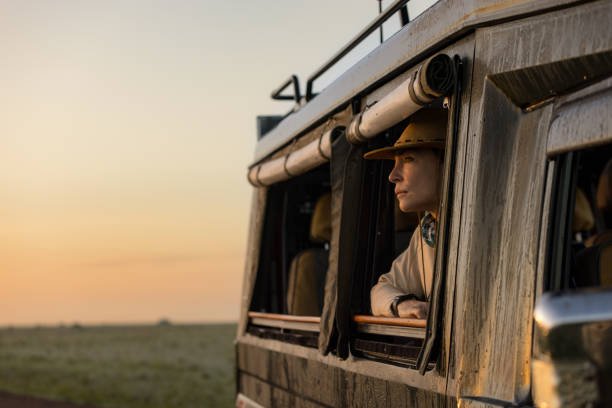
A Kenya Tanzania budget safari featuring the Masai Mara and Serengeti typically involves a multi-day overland trip, often starting in Nairobi, Kenya, and crossing into Tanzania via the border near the Serengeti. These safaris focus on maximizing wildlife viewing in two of Africa’s most renowned ecosystems, balancing cost-effectiveness with the essential safari experience. Expect durations of 7 to 14 days, utilizing shared vehicles and accommodations to keep costs down, with key inclusions generally covering park fees, transport, guiding, and basic lodging. Planning for 2026-2027 requires considering peak migration seasons for the best game viewing, which also influences pricing.

What You’ll Find in This Guide
- Understanding Your Kenya Tanzania Budget Safari
- Why Combine the Masai Mara and Serengeti for a Budget Safari?
- Crafting Your Budget Safari Route: Nairobi to Serengeti and Back
- Best Duration and Timing for Your 2026-2027 Budget Safari
- Budget Safari Cost Breakdown: What to Expect for 2026-2027
- Budget-Friendly Accommodation on Your Safari
- Choosing the Right Vehicle for a Budget Safari
- Maximizing Wildlife Encounters: The Big Five and Beyond
- Packing Essentials for Your Kenya Tanzania Budget Safari
- Booking Your 2026-2027 Budget Safari: Key Decisions
- Integrating Maasai Culture on a Budget
- Responsible Safari Practices
- Frequently Asked Questions for Budget Safaris
- Ready to Plan Your Dream Safari?
Understanding Your Kenya Tanzania Budget Safari
Embarking on a safari across Kenya and Tanzania, specifically targeting the world-renowned Masai Mara and Serengeti National Parks, is an ambition for many travelers. When the word ‘budget’ enters the equation, it signifies a strategic approach to experiencing these iconic destinations without compromising on the core elements of an incredible wildlife adventure. This isn’t about cutting corners on safety or the actual game viewing; it’s about making smart choices regarding accommodation, transportation, and itinerary structure to make the trip accessible.
A Kenya Tanzania budget safari with Masai Mara and Serengeti is fundamentally an overland journey. It usually begins in Nairobi, Kenya, where most international flights arrive. From there, you’ll typically drive or take a short flight to the Masai Mara. The journey then continues south, crossing the border into Tanzania to explore the vast plains of the Serengeti. Often, the return journey will also be overland, potentially via the Ngorongoro Conservation Area, before heading back to Nairobi or continuing to other Tanzanian destinations like Arusha or Kilimanjaro.
The primary goal is to witness the Great Migration, the dramatic predator-prey interactions, and the sheer abundance of wildlife that these two connected ecosystems offer. For 2026-2027, planning is key. The timing of your safari can significantly impact both the wildlife you see and the costs involved. High season, often coinciding with the migration’s peak presence in the Mara and Serengeti, will naturally be more expensive than the shoulder or low seasons. Understanding these dynamics is the first step in tailoring a budget-friendly itinerary that still delivers an exceptional experience.
This guide is designed to provide you with the practical information needed to plan and book your Kenya Tanzania budget safari. We’ll break down the essential elements, from route options and timing to cost considerations and what to pack, all with a focus on making your dream safari a reality within a sensible budget for 2026 or 2027.
Why Combine the Masai Mara and Serengeti for a Budget Safari?
The Masai Mara National Reserve in Kenya and the Serengeti National Park in Tanzania are arguably the most famous wildlife destinations on Earth. They are geographically adjacent, forming one continuous ecosystem that hosts the annual Great Migration of wildebeest and zebras. Combining them offers an unparalleled wildlife viewing experience, and doing so on a budget is achievable with careful planning.
The Allure of the Great Migration
The Great Migration is a spectacle of nature unlike any other. Over a million wildebeest, zebras, and gazelles traverse roughly 1,200 miles (1,900 km) annually between the Serengeti and the Masai Mara. Witnessing the river crossings (particularly the Mara River) or the vast herds spread across the plains is a highlight for any safari-goer. A Kenya Tanzania budget safari with Masai Mara and Serengeti is often planned around this event.
Complementary Ecosystems
While connected, the Masai Mara and Serengeti offer slightly different landscapes and wildlife concentrations. The Mara is known for its vast, open grasslands dotted with acacia trees, supporting a high density of predators. The Serengeti, larger in scale, features diverse habitats including grasslands, woodlands, kopjes (rocky outcrops), and rivers, offering varied viewing opportunities. Together, they provide a comprehensive overview of East African wildlife.
Budgeting Advantages of Overland Travel
While flying between parks is an option, it significantly increases costs. An overland budget safari typically involves driving between locations, crossing the border on foot or by vehicle, and utilizing more economical accommodation. This approach is the backbone of keeping a Kenya Tanzania budget safari with Masai Mara and Serengeti affordable. It allows for more flexible itineraries and the opportunity to experience the landscape between the major parks.
Strategic Planning for 2026-2027
By combining these two parks, you get the best of both worlds and can often optimize your travel days. For instance, starting in Nairobi, visiting the Masai Mara, then crossing into the Serengeti, and returning to Nairobi (or Arusha) can create a logical flow. This avoids backtracking and maximizes your time in prime wildlife areas. Planning this for 2026 or 2027 means you can start researching tour operators and comparing options now to secure the best value and availability.
The Value Proposition
A well-organized budget safari doesn’t mean a lesser experience. It means choosing operators who efficiently manage logistics, use reliable shared transport, and partner with budget-friendly yet clean and safe accommodations. The focus remains on expert guiding, excellent game drives, and experiencing the raw beauty of East Africa. The value comes from the sheer quality of wildlife encounters, which are plentiful in both the Mara and Serengeti regardless of your accommodation level.
Crafting Your Budget Safari Route: Nairobi to Serengeti and Back
The most common and cost-effective route for a Kenya Tanzania budget safari with Masai Mara and Serengeti typically begins and ends in Nairobi, Kenya. This route maximizes the overland experience and allows for smooth transitions between the two major parks.
Typical Itinerary Flow
- Nairobi (Kenya): Arrival and overnight stay. Safari briefing and preparation.
- Masai Mara National Reserve (Kenya): Drive from Nairobi (approx. 5-6 hours). Spend 2-3 days exploring the Mara, focusing on game drives.
- Border Crossing: Drive from the Masai Mara towards the Isebania/Sirari border crossing. This is a significant travel day.
- Serengeti National Park (Tanzania): Enter the Serengeti, often via the western or central corridor depending on the itinerary and time of year. Spend 3-5 days exploring different regions of the Serengeti.
- Ngorongoro Conservation Area (Tanzania): Often included as a day trip or an overnight stop en route back towards Arusha. The crater floor offers exceptional wildlife viewing.
- Arusha (Tanzania): Drive or fly from the Serengeti/Ngorongoro to Arusha. This is a common endpoint for Tanzanian safaris.
- Return to Nairobi (Kenya): Either fly from Arusha to Nairobi or take a shuttle bus (a longer but cheaper option).
Variations and Considerations
- Starting in Arusha: Some budget travelers might start their safari in Arusha, Tanzania, focus on Serengeti and Ngorongoro, and then cross into Kenya for the Masai Mara. This is less common for those specifically seeking the combined experience from Kenya.
- One-Way Itineraries: If you plan to fly out of Kilimanjaro International Airport (JRO) or Zanzibar, you might arrange a one-way safari ending in Arusha. This can sometimes add complexity to budget overland tours.
- The Maasai Mara River Crossing: If witnessing the dramatic river crossings is a priority for your 2026-2027 budget safari, you’ll need to time your visit for roughly July to October, when the migration is typically in the Mara. This is also peak season and will affect costs.
- Vehicle vs. Flight: For a true budget safari, overland travel is essential. Flights between Nairobi and the Masai Mara, or between the Mara and Serengeti (via connecting flights), significantly increase the cost.
- Border Crossing Logistics: The Isebania-Sirari border crossing can be busy. Reputable tour operators handle the logistics, including visa requirements and park entry procedures, which are crucial for a smooth transition on your Kenya Tanzania budget safari.
Example Itinerary Structure (10 Days)
- Day 1: Arrive Nairobi, transfer to hotel.
- Day 2: Drive to Masai Mara, afternoon game drive.
- Day 3: Full day game drives in Masai Mara.
- Day 4: Morning game drive, drive to Isebania border, cross into Tanzania, drive to Serengeti (western corridor).
- Day 5: Full day game drives in Serengeti.
- Day 6: Full day game drives in Serengeti.
- Day 7: Morning game drive, drive to Ngorongoro Conservation Area, overnight near crater rim.
- Day 8: Descend into Ngorongoro Crater for game drive, drive to Arusha.
- Day 9: Transfer to Nairobi (shuttle bus or flight).
- Day 10: Depart Nairobi.
This structure is a template; durations in each park can be adjusted based on your interests and the specific offerings of your chosen tour operator for your 2026-2027 budget safari.
Best Duration and Timing for Your 2026-2027 Budget Safari
Deciding on the right duration and timing for your Kenya Tanzania budget safari with Masai Mara and Serengeti is crucial for both maximizing wildlife sightings and managing costs. The interplay between seasons and prices is significant, especially when planning for 2026 or 2027.
Optimal Durations
- Minimum: 7 Days/6 Nights: This is the absolute minimum to get a taste of both parks. It would involve quick drives and limited time in each location, likely 2 days Masai Mara, 3 days Serengeti. This is very rushed and not recommended for a comprehensive experience.
- Recommended: 10-12 Days: This duration allows for a more relaxed pace. You can spend 3-4 days in the Masai Mara and 4-5 days in the Serengeti, including travel time and potentially a visit to Ngorongoro Crater. This is a popular choice for a budget safari that doesn’t feel too condensed.
- Extended: 14+ Days: For those who want to explore more remote areas of the Serengeti, spend more time with the migration, or include other Tanzanian highlights like Lake Manyara or Tarangire National Park, a longer duration is ideal.
Timing Your 2026-2027 Safari
The timing of your safari directly impacts what you’ll see and the prices you’ll pay. Generally, the drier months are considered peak season and are more expensive.
Peak Season (Dry Season): June to October
- Pros: This is when the Great Migration is typically in the Masai Mara, with spectacular river crossings often occurring between July and October. Wildlife congregates around water sources, making game viewing more predictable. The weather is generally sunny and dry.
- Cons: This is the most expensive period for a Kenya Tanzania budget safari. Lodges and camps are at their highest rates, and tour operators will reflect this. Crowds can be more noticeable, especially in popular areas.
- 2026-2027 Outlook: Expect high demand and correspondingly higher prices for safaris booked during these months. Early booking for 2026 or 2027 is essential.
Shoulder Seasons: November to Mid-December & March to May
- Pros: Prices tend to be lower than peak season. The landscapes are often greener and more vibrant after the rains. Fewer crowds mean a more intimate experience. The migration is moving south from the Mara into the Serengeti (Nov-Dec) or heading north within the Serengeti (Mar-May).
- Cons: November can be a transitional month with unpredictable rains. March to May is the main rainy season (long rains), which can make some roads impassable, potentially affecting access to certain areas and leading to some lodges closing. Game viewing can be more challenging as animals disperse.
- 2026-2027 Outlook: These are excellent times for a budget safari if you’re flexible. The rains in March-May can be heavy but are often in the afternoons, leaving mornings clear for game drives.
Low Season (Green Season): January to February
- Pros: This is often the most affordable time for a budget safari. The landscape is lush and green, ideal for photography. It’s calving season in the southern Serengeti, meaning abundant predators are actively hunting.
- Cons: Occasional short rains can occur, though they usually don’t disrupt safaris significantly. Some camps might have reduced services or be closed.
- 2026-2027 Outlook: If your primary goal is predator sightings and you’re looking for the best value, January and February are fantastic months for a Kenya Tanzania budget safari.
Making Your Decision for 2026-2027
For a Kenya Tanzania budget safari with Masai Mara and Serengeti, consider the trade-offs. If witnessing the river crossings is paramount, aim for July-October and book well in advance for 2026 or 2027. If budget is the main driver and you’re happy with excellent game viewing and fewer crowds, consider the shoulder or low seasons. A 10-day trip during the shoulder season (e.g., November or March) can offer a fantastic balance of wildlife, experience, and cost.
Budget Safari Cost Breakdown: What to Expect for 2026-2027
Understanding the cost structure is fundamental to planning a successful Kenya Tanzania budget safari with Masai Mara and Serengeti. While exact prices fluctuate based on the operator, season, and specific inclusions, here’s a breakdown of the main cost drivers and what you can expect for 2026-2027.
Key Cost Components
A typical budget safari package will include:
- Park Entrance Fees: These are fixed per park and per day, and they are a significant portion of the overall cost. Expect fees in the range of $70-$80 per person per day for the Serengeti and Masai Mara, plus additional fees for Ngorongoro Crater.
- Accommodation: Budget safaris utilize mid-range lodges, tented camps (often with basic amenities like shared bathrooms), or even camping. The price difference between these options is substantial.
- Vehicle and Guide: This includes the cost of a 4×4 safari vehicle (often a pop-top Land Cruiser or Land Rover), fuel, and the salary of your experienced driver-guide. For budget safaris, this is typically a shared vehicle with other travelers.
- Meals: Most budget safaris include all meals (breakfast, lunch, dinner) while on safari.
- Border Crossing Fees & Permits: These are usually handled by the tour operator.
- Transfers: From the airport to your Nairobi hotel and from Arusha back to Nairobi (if applicable).
What’s Typically Excluded
- International Flights: Flights to and from Nairobi (NBO).
- Visas: Kenya and Tanzania require visas for most nationalities. These can be obtained online or on arrival.
- Travel Insurance: Essential for any safari trip.
- Tips: For guides, cooks, and lodge staff.
- Personal Expenses: Drinks, souvenirs, laundry, etc.
- Optional Activities: Hot air balloon safaris, Maasai village visits (sometimes included, sometimes extra).
Budget Range Expectations for 2026-2027
For a Kenya Tanzania budget safari with Masai Mara and Serengeti, typically lasting 10-12 days using shared transport and mid-range/budget accommodations, you can anticipate costs in the following range:
- Budget/Mid-Range Shared Safari: $250 – $400 per person per day. This translates to roughly $2,500 – $4,800 per person for a 10-12 day trip. Prices at the lower end are more likely during the low season (Jan-Feb, Nov) and for longer group tours. Prices at the higher end are for shoulder seasons or slightly more exclusive budget options.
- Private Budget Safari: If you prefer a private vehicle but still want budget-friendly accommodation, costs can rise significantly, potentially starting from $400-$500+ per person per day, depending on group size.
Factors Influencing Cost for 2026-2027:
- Season: As detailed earlier, peak season (June-Oct) will be at the higher end of the range, while low season (Jan-Feb, Nov) will be at the lower end.
- Duration: Longer trips mean more park fees and accommodation days, increasing the total cost, but the per-day rate might decrease slightly with some operators.
- Number of Participants: Shared safaris are the most budget-friendly. The more people sharing a vehicle, the lower the per-person cost.
- Accommodation Level: Opting for basic tented camps or campsites significantly reduces costs compared to mid-range lodges.
- Operator’s Inclusions: Always check what is precisely included. Some operators include more meals or activities than others.
When getting quotes for your 2026-2027 budget safari, ensure you compare apples to apples. Ask for a detailed itinerary, breakdown of inclusions/exclusions, and clarify what type of accommodation and vehicle will be used. For example, a 10-day Kenya Tanzania budget safari with Masai Mara and Serengeti booked for the shoulder season in 2026 might fall closer to the $300-$350 per day mark for a good quality shared experience.
Important Note on Pricing for 2026-2027
It’s crucial to get personalized quotes. Prices are dynamic and depend heavily on your specific travel dates, group size, and chosen operator. Contacting operators like Climb 4 Africa early for 2026-2027 dates allows for better planning and potentially securing preferred availability and pricing.
Budget-Friendly Accommodation on Your Safari
The choice of accommodation significantly impacts the budget of a Kenya Tanzania budget safari with Masai Mara and Serengeti. While luxury lodges offer comfort and amenities, budget travelers can find excellent value in more basic options that still provide a fantastic safari experience.
Types of Budget Accommodation
- Tented Camps (Mid-Range/Budget): These are often canvas tents set up on permanent platforms or concrete bases. They usually feature comfortable beds, basic furniture, and an en-suite bathroom with a safari shower (hot water is brought to your tent) and a flush toilet. This is a very popular choice for budget-conscious travelers seeking comfort without the high price tag of permanent lodges.
- Permanent Camps/Lodges (Budget/Mid-Range): These are more permanent structures, often built with local materials, offering comfortable rooms with en-suite bathrooms. They provide a good balance of comfort and value, typically found in or just outside national parks.
- Campsites (Basic/Budget): For the most budget-friendly option, some operators offer camping. This can range from designated public campsites within national parks (with shared ablutions) to more private, exclusive campsites. Sleeping is usually in dome tents, with meals prepared by a safari cook. This is the most in-depth and lowest-cost way to experience the parks, though it offers minimal comfort.
What to Look For in Budget Accommodation
- Location: Is it inside the park for maximum game viewing opportunities, or just outside (requiring extra travel time and potentially additional park fees for entry/exit)? For a budget safari, being inside the park is usually preferred if the cost difference is manageable.
- Amenities: Even on a budget, a comfortable bed, mosquito netting, and a clean en-suite bathroom (even if basic) are important for a good night’s sleep.
- Meals: Ensure your chosen package includes all meals. Budget camps and lodges typically offer hearty, well-prepared local cuisine.
- Reviews: Check recent reviews from other travelers regarding cleanliness, service, and the overall experience.
Balancing Comfort and Cost for 2026-2027
For a Kenya Tanzania budget safari with Masai Mara and Serengeti, a mid-range tented camp often strikes the best balance. It offers a more comfortable and authentic safari feel than basic camping but is significantly cheaper than luxury lodges. Operators like Climb 4 Africa work with a network of reliable budget and mid-range accommodations to ensure a good experience without breaking the bank. When planning for 2026 or 2027, ask your operator for specific examples of the camps or lodges they use in the Masai Mara and Serengeti.
Example Accommodation Choices
- Masai Mara: Look for tented camps located in or near the reserve, offering game drives directly from the camp.
- Serengeti: Depending on the season and your itinerary, accommodation might be in the central Serengeti (Seronera area), western corridor, or northern Serengeti. Fixed camps offer more stability, while mobile camps follow the migration (though these are often more expensive). For budget options, fixed mid-range camps are common.
- Ngorongoro: Accommodation is often on the crater rim or in nearby Karatu town. Crater rim lodges offer stunning views but are pricier; Karatu offers more budget-friendly options.
When comparing quotes for your 2026-2027 budget safari, always clarify the specific accommodation. A significant price difference might be due to a change from a lodge to a campsite, or from a camp inside the park to one outside.
Choosing the Right Vehicle for a Budget Safari
The vehicle you travel in is your primary tool for wildlife viewing on a Kenya Tanzania budget safari with Masai Mara and Serengeti. For budget travel, the focus is on functionality, reliability, and cost-effectiveness.
Standard Safari Vehicles
- 4×4 Safari Land Cruiser/Land Rover: These are the workhorses of East African safaris. They are robust, reliable, and capable of handling the rough terrain within the national parks.
- Pop-Up Roof: This is a critical feature. A pop-up roof or pop-top allows you to stand up and get unobstructed 360-degree views of the wildlife. This is essential for any safari, budget or otherwise.
- Seating: Budget safaris typically use shared vehicles. This means you’ll share the vehicle with other travelers. A standard safari vehicle usually seats 6-7 passengers comfortably in the back, with each person having a window seat. Some operators might use larger vehicles for groups, but this can sometimes reduce the intimacy of the game viewing.
Why Shared Vehicles are Key for Budget Safaris
The most significant cost saving in a budget safari comes from sharing the safari vehicle and the guide’s time. Instead of paying for the entire vehicle, you split the cost with other travelers. This is standard practice for most group departures advertised by tour operators.
What to Expect on a Shared Budget Safari
- Limited Personalization: You’ll need to agree on game drive times and routes with your fellow passengers.
- Patience: Sometimes, waiting for others to finish taking photos or spotting an animal is part of the shared experience.
- Camaraderie: Many travelers enjoy the social aspect of sharing stories and wildlife sightings with new friends.
- Expert Guides: Even in shared vehicles, you’ll have a professional, experienced driver-guide who is knowledgeable about animal behavior, tracking, and the parks.
Private vs. Shared for 2026-2027
If your budget allows, a private safari offers more flexibility and control over your itinerary. However, for a true Kenya Tanzania budget safari with Masai Mara and Serengeti, a shared vehicle is the most practical and cost-effective solution. If you’re traveling as a couple or small group and want more privacy, inquire about private vehicle options, but be prepared for a higher cost, potentially pushing the daily rate towards the $400-$500+ range per person for 2026 or 2027.
Vehicle Maintenance and Reliability
For any safari, especially an overland one crossing borders, vehicle reliability is paramount. Reputable operators invest in well-maintained vehicles and have contingency plans. When choosing an operator for your 2026-2027 budget safari, ask about their vehicle fleet, maintenance schedule, and what happens in case of a breakdown.
Maximizing Wildlife Encounters: The Big Five and Beyond
The primary draw of a Kenya Tanzania budget safari with Masai Mara and Serengeti is, of course, the wildlife. These regions are renowned for their incredible biodiversity and are among the best places on Earth to see a vast array of animals.
The Iconic “Big Five”
The term “Big Five” refers to the lion, leopard, elephant, rhinoceros, and buffalo. Seeing all five on a single safari is a significant achievement, and the Mara and Serengeti offer excellent chances.
- Lions: Abundant in both parks, often seen resting in the shade or hunting.
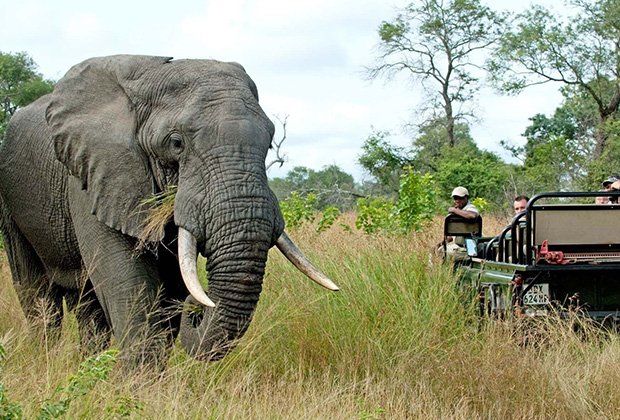
- Elephants: Large herds can be found, particularly in the Serengeti and parts of the Mara.
- Leopards: Elusive and solitary, they are most often spotted in trees or rocky outcrops. The Grumeti River area in the Serengeti and certain parts of the Mara are good spots.
- Buffalo: Massive herds are a common sight across both parks.
- Rhinos: Black rhinos are critically endangered and harder to spot. Small populations exist in both parks, but sightings are rare and require luck or specific tracking efforts.
Beyond the Big Five: A World of Wildlife
The sheer diversity of wildlife extends far beyond the Big Five:
- Wildebeest & Zebras: The stars of the Great Migration, their numbers are staggering.
- Giraffes: Masai giraffes are common, often seen browsing on acacia trees.
- Cheetahs: The fastest land animals, often seen hunting in open grasslands, especially in the Serengeti.
- Hyenas: Spotted hyenas are prevalent and often seen scavenging or hunting.
- Wild Dogs: Endangered African wild dogs are sometimes sighted, though they are rare.
- Hippos & Crocodiles: Found in rivers like the Mara River and Grumeti River.
- Vast Birdlife: Over 500 species of birds, including ostriches, secretary birds, eagles, and numerous smaller species.
- Smaller Mammals: Numerous species of gazelles, antelopes, monkeys, baboons, jackals, and more.
Maximizing Your Chances on a Budget Safari
- Timing: As discussed, the season impacts migration patterns and animal concentrations.
- Guide Expertise: A good guide is crucial. They know the best spots, can track animals by signs, and understand animal behavior.
- Early Morning & Late Afternoon Drives: These are the most productive times for game viewing, as animals are most active during the cooler parts of the day.
- Patience: Sometimes, the best sightings require waiting quietly.
- Vehicle Position: Your guide will position the vehicle for optimal viewing and photography, ensuring minimal disturbance to the animals.
The Serengeti Migration Cycle
For your 2026-2027 budget safari, understanding the migration’s general path is key:
- Jan-Mar: Southern Serengeti (Ndutu area) – Calving season, lots of predators.
- Apr-May: Central/Western Serengeti – Heading north, short rains can make roads difficult.
- Jun-Jul: Western/Northern Serengeti, crossing into Masai Mara – The famous river crossings begin.
- Aug-Oct: Masai Mara – Peak migration, river crossings continue.
- Nov-Dec: Moving south from Masai Mara back into Serengeti.
While budget safaris focus on maximizing sightings, remember that wildlife viewing is never guaranteed. Each safari is unique, and that’s part of its magic.
Packing Essentials for Your Kenya Tanzania Budget Safari
Packing smartly is essential for comfort and convenience on your Kenya Tanzania budget safari with Masai Mara and Serengeti. Since you’ll be traveling overland and often have luggage restrictions on internal transfers (if any), packing light and efficiently is key.
Clothing
- Neutral Colors: Pack earth tones like khaki, beige, olive green, and brown. Avoid bright colors (like red or yellow) and dark colors (like black or navy blue) which can attract insects or scare wildlife. White is also best avoided as it shows dirt easily.
- Layers: Mornings and evenings can be cool, especially in higher altitudes like the Ngorongoro Crater rim or during the dry season. Pack lightweight long-sleeved shirts and trousers for sun protection and warmth.
- T-shirts/Polo Shirts: Breathable fabrics are best.
- Fleece Jacket or Warm Sweater: Essential for early morning game drives.
- Waterproof/Windproof Jacket: Useful for unexpected rain showers or windy conditions.
- Comfortable Trousers/Convertible Pants: Lightweight and quick-drying.
- Shorts: For warmer days, though long trousers are generally more practical for sun and insect protection.
- Underwear & Socks: Pack enough for your trip, considering quick-drying options.
Footwear
- Comfortable Walking Shoes/Hiking Boots: If you plan on any walking safaris or walks around camps. They should be broken in.
- Sandals/Flip-flops: For relaxing at the lodge or camp in the evenings.
Health & Hygiene
- Personal First-Aid Kit: Include any personal medications, plasters, antiseptic wipes, pain relievers, anti-diarrhea medication, and motion sickness remedies.
- Insect Repellent: With DEET or Picaridin. Essential for evenings and early mornings.
- Sunscreen: High SPF, broad-spectrum.
- After-Sun Lotion/Moisturizer: The sun and dry air can be harsh.
- Hand Sanitizer: For use before meals and after using restrooms.
- Wet Wipes: Always useful.
- Toiletries: Biodegradable options are preferred.
Gear & Accessories
- Binoculars: Absolutely essential for spotting wildlife at a distance. Consider a pair with at least 8x or 10x magnification.
- Camera & Extra Batteries/Memory Cards: You’ll want to capture everything! Ensure you have plenty of storage and power. Consider a zoom lens.
- Power Bank/Portable Charger: For keeping electronics charged, especially if accommodation has limited charging points.
- Adapter: East Africa uses Type G (UK style) sockets, 230V.
- Headlamp or Small Flashlight: Useful for navigating around camp at night.
- Sunglasses: For eye protection from the sun.
- Wide-Brimmed Hat: For sun protection.
- Reusable Water Bottle: Many lodges provide filtered water refills.
- Small Backpack/Daypack: For carrying essentials during game drives (water, camera, binoculars, snacks).
- Passport & Visa Documents: Keep them secure and accessible.
- Copies of Important Documents: Passport, visa, insurance. Store separately from originals.
Luggage Restrictions
For overland safaris, especially if there are any short internal flights or transfers between vehicles, luggage is usually restricted to a soft-sided duffel bag (approx. 15-20 kg / 30-45 lbs). Hard suitcases can be difficult to store in safari vehicles. Confirm this with your tour operator for your 2026-2027 budget safari.
Booking Your 2026-2027 Budget Safari: Key Decisions
Booking a Kenya Tanzania budget safari with Masai Mara and Serengeti involves several key decisions to ensure you get the best value and experience for your trip in 2026 or 2027. It’s a process that requires diligence and clear communication with your chosen tour operator.
Choosing the Right Tour Operator
For a budget safari, partnering with a reputable local operator is often more cost-effective and provides better on-the-ground support. Look for operators who:
- Specialize in overland safaris in Kenya and Tanzania.
- Have a clear pricing structure with transparent inclusions/exclusions.
- Offer group or shared departures for budget travelers.
- Have positive reviews regarding their guides, vehicles, and customer service.
- Are responsive to your inquiries.
Climb 4 Africa is an example of a company that can help tailor such a trip, offering expertise in both Kilimanjaro climbs and wildlife safaris, with a focus on practical, budget-conscious options. They can assist in crafting itineraries that balance iconic destinations like the Masai Mara and Serengeti with affordability for 2026-2027.
Understanding Itinerary Options
Most operators will offer set itineraries for budget safaris. Review these carefully:
- Duration: Does it match your available time?
- Pace: Is it too rushed or too slow?
- Parks Included: Does it cover Masai Mara and Serengeti as desired? Are other parks like Ngorongoro or Lake Manyara included?
- Daily Schedule: What are the typical start and end times for game drives?
Group vs. Private Safari
As discussed, group or shared safaris are the most budget-friendly. If you’re a solo traveler or a couple, joining a group departure is the standard approach for a Kenya Tanzania budget safari. If you prefer exclusivity, inquire about private options, but be prepared for a higher cost.
Booking Window for 2026-2027
For popular travel times like the peak migration season (July-October), booking 6-12 months in advance is highly recommended for 2026 or 2027. For other seasons, 3-6 months might suffice, but booking earlier always secures better availability and potentially locks in prices before any seasonal adjustments.
Deposit and Payment Schedule
Reputable operators typically require a deposit (often 20-30%) to confirm your booking, with the balance due 30-60 days before departure. Always check the payment terms and cancellation policy.
What to Confirm Before Paying
- Detailed Itinerary: Ensure it matches your expectations.
- Inclusions & Exclusions: Be clear on what’s covered (park fees, meals, accommodation, guide, vehicle).
- Accommodation Details: Know the type and name of camps/lodges.
- Vehicle Type: Confirm it’s a 4×4 with a pop-up roof.
- Group Size: Understand the maximum number of people per vehicle.
- Payment & Cancellation Policy: Read this carefully.
- Emergency Contact: Ensure you have contact details for your operator during your trip.
When you’re ready to plan, reaching out to operators like Climb 4 Africa via WhatsApp +255 747 477 898 or email climb4africa@gmail.com allows for personalized advice. They can help you navigate these decisions for your Kenya Tanzania budget safari with Masai Mara and Serengeti in 2026-2027.
Integrating Maasai Culture on a Budget
A safari in the Masai Mara region offers a unique opportunity to interact with the Maasai people, one of East Africa’s most iconic indigenous tribes. Integrating a cultural experience into your Kenya Tanzania budget safari with Masai Mara and Serengeti can enrich your trip, provided it’s done respectfully and ethically.
Maasai Village Visits
Many safari itineraries include an optional visit to a traditional Maasai village (often called a ‘boma’). These visits typically involve:
- Welcome Ceremony: Witnessing traditional songs and dances, including the famous ‘adumu’ or jumping dance performed by the warriors.
- Village Tour: Learning about their traditional way of life, housing (made from mud, sticks, and cow dung), and social structure.
- Crafts Market: An opportunity to purchase locally made beadwork, jewelry, and other crafts. This is a primary way for the community to benefit financially from tourism.
Budgeting for Cultural Visits
A visit to a Maasai village is usually an optional extra and may incur a small fee (typically $20-$30 per person). This fee goes directly to the community and helps support their livelihoods. Some tour operators include this in their packages, while others list it as an optional add-on.
Ethical Considerations
It’s important that these visits are conducted respectfully. Ensure your tour operator works with communities that genuinely benefit from tourism and that the interactions are authentic rather than staged. Avoid intrusive photography without permission. Ask your guide for advice on appropriate behavior.
Cultural Immersion Beyond the Village
While a village visit is the most direct way to experience Maasai culture, you’ll also encounter Maasai people as guides, rangers, and members of local communities living around the parks. Their presence is a vital part of the landscape and cultural heritage of the region.
Planning for 2026-2027
When discussing your Kenya Tanzania budget safari with Masai Mara and Serengeti with your operator for 2026 or 2027, inquire about the possibility of including a Maasai village visit. Ensure it aligns with your budget and that the operator follows ethical guidelines. This cultural element can add a profound dimension to your wildlife adventure.
Responsible Safari Practices
As you plan your Kenya Tanzania budget safari with Masai Mara and Serengeti for 2026-2027, adopting responsible tourism practices is crucial. This ensures the preservation of the incredible wildlife and environments you’ll be visiting, and respects local communities.
Wildlife Viewing Etiquette
- Maintain a Safe Distance: Never approach wild animals too closely. Your guide will know the appropriate distances.
- Do Not Feed Animals: This is harmful to their health and can make them aggressive and dependent on humans.
- Keep Noise Levels Low: Loud noises can disturb wildlife and other visitors.
Check Availability for Kenya Tanzania Budget Safari With Masai Mara And Serengeti 2026-2027
Ready to compare dates, prices, and the best option for your group? Send the package name and travel month so the team can reply with a clear quote, availability, and what is included.
I Am On A Budget—What Is The Cheapest Serengeti Group Safari?
I Am on a Budget—What Is the Cheapest Serengeti Group Safari?
View package details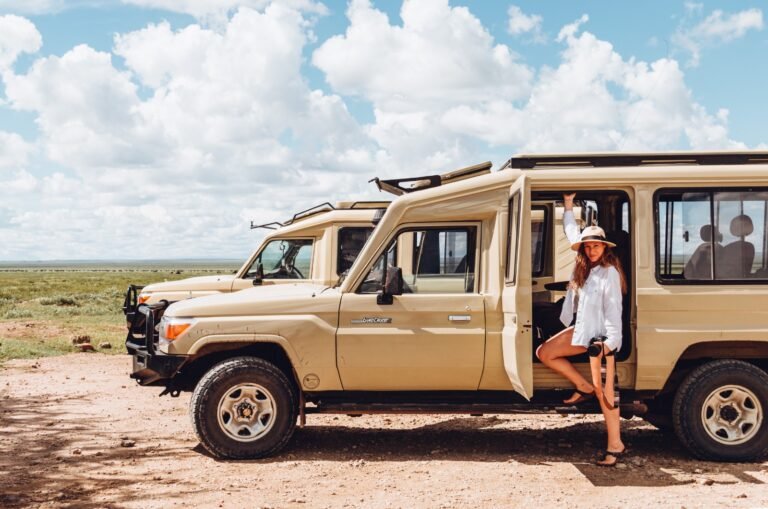
Nov 6, – 3 Day Serengeti And Ngorongoro Budget Group Safari 2026
A detailed look at our November 6, 2026 group departure for a 3-day Serengeti and Ngorongoro safari, including planning tips and route logistics.
View package details
Kilimanjaro And Serengeti Safari Holiday : Your Ultimate Tanzania Adventure
Discover how to combine the challenge of climbing Kilimanjaro with the majesty of the Serengeti safari in 2027. Practical advice for planning your perfect Tanzanian journey.
View package details
Fly From Arusha To Serengeti For A 2-Day Safari: Understanding Flight Costs
Discover how to budget and plan a fast-paced 2-day safari to the Serengeti, starting from Arusha. We break down flight costs, transfer options, and what to expect from a short, focused trip.
View package details_1_John_from-rednote-web-768x1024.jpg)
Serengeti To Zanzibar Vs Arusha To Which Is Better After Safari? 2027
Choosing the right transfer to Zanzibar after a safari—Serengeti to Zanzibar or Arusha to Zanzibar—depends entirely on your safari route, time constraints, and budget. This guide breaks...
View package details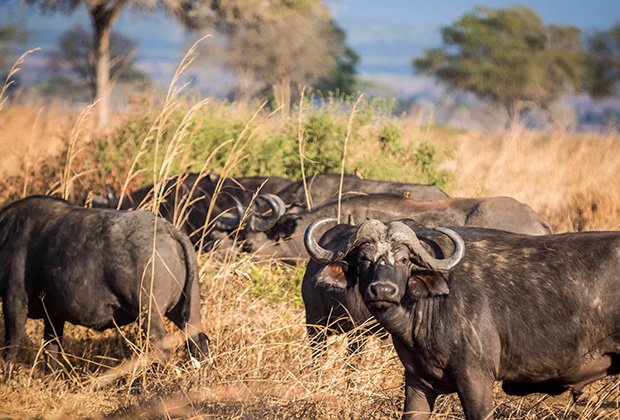
Dec 24, – 3 Day Christmas Serengeti And Ngorongoro Group Safari
Dec 24, 2026 – 3 Day Christmas Serengeti and Ngorongoro Group Safari.
View package details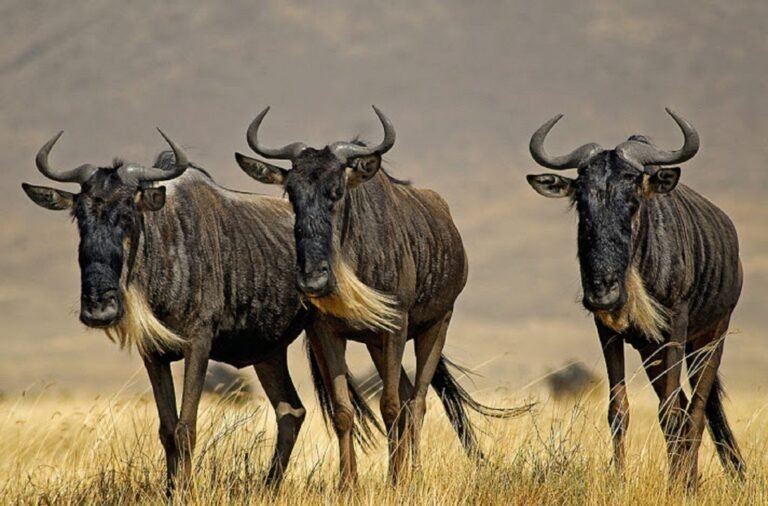
Nov 23, – 3 Day Serengeti And Ngorongoro Safari From Zanzibar
Nov 23, 2026 – 3 Day Serengeti and Ngorongoro Safari from Zanzibar.
View package details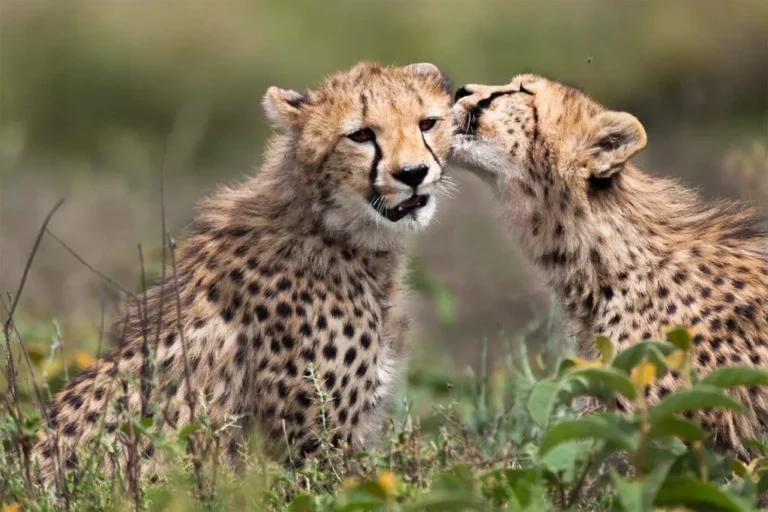
Dec 31, : New Year’s Eve Serengeti Group Safari Planning Guide
This guide provides essential planning details for a group safari trip to the Serengeti for New Year's Eve 2026, covering logistics, seasonal highlights, and what to expect.
View package details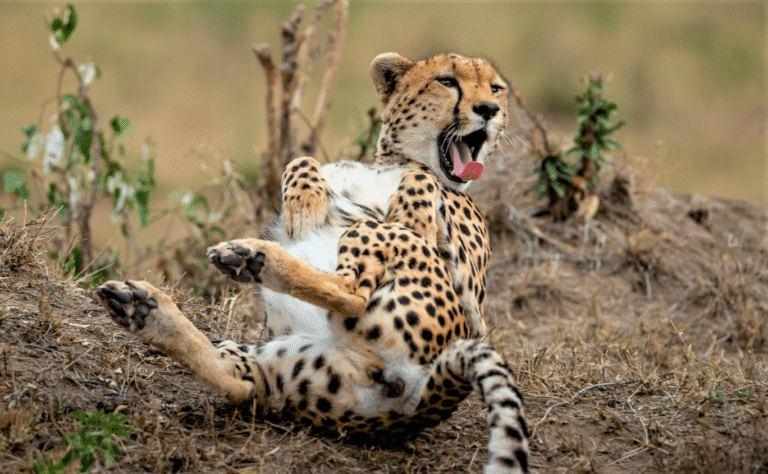
Dec 29, – 6 Day Ndutu, Serengeti And Ngorongoro Group Safari 2026
A detailed guide to our 6-day group safari departure on December 29, 2026, focusing on the Ndutu plains, the Serengeti, and the Ngorongoro Crater.
View package details8 Day Serengeti And Ngorongoro Group Safari – December 16, 2026
Planning your December 2026 Tanzanian adventure? Our 8-day group safari offers a deep, unhurried exploration of the Serengeti and Ngorongoro Crater.
View package detailsDec 14, – 7 Day Complete Tanzania Northern Circuit Group Safari 2026
Planning for December 2026? Join our 7-day complete Tanzania Northern Circuit group safari. A deep look at the Serengeti, Ngorongoro, and Tarangire with expert, locally-led logistics.
View package detailsDec 12, – 6 Day Serengeti, Ngorongoro, Tarangire And Manyara Group Safari 2026
Dec 12, 2026 – 6 Day Serengeti, Ngorongoro, Tarangire and Manyara Group Safari.
View package detailsNo related package matches those filters. Clear one or more filters to see the other topic-matched options.