Combining a Kenya safari with Tanzania’s Serengeti and a Zanzibar beach holiday offers a comprehensive East African experience, typically spanning 10-18 days. This popular itinerary allows you to witness the Great Migration in the Mara/Serengeti, explore diverse ecosystems, and relax on tropical shores, with prime viewing often in the July-October dry season, though shoulder seasons in 2026-2027 offer unique advantages and potentially better value.
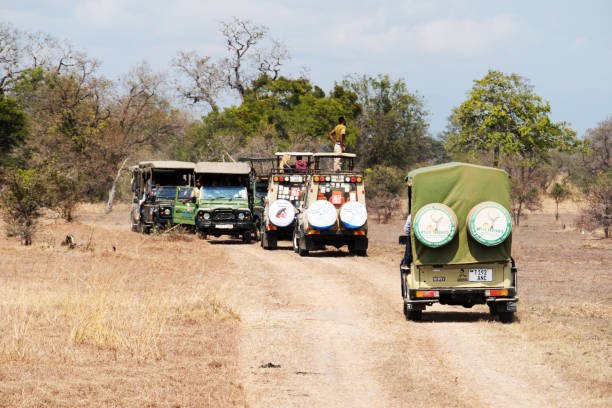
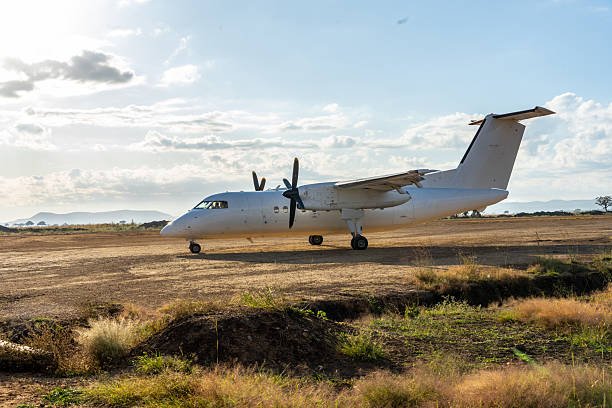
This is more than just a trip; it’s a curated journey through three of East Africa’s most iconic destinations. From the sweeping savannas teeming with wildlife to the spice-scented breezes of a tropical island, a Kenya safari followed by Tanzania Serengeti and Zanzibar is a dream itinerary for many. It’s a logical progression for travelers seeking diverse natural wonders and cultural experiences. Planning such a multi-destination trip requires careful consideration of logistics, timing, and what each location uniquely offers. Let’s break down how to make this extraordinary adventure a reality for your 2026 or 2027 travels.
Understanding the Kenya Safari, Tanzania Serengeti, and Zanzibar Combination
Why combine these three? Each destination brings a distinct flavor to your East African adventure:
- Kenya Safari: Often the starting point, Kenya is renowned for its vast plains, iconic species like the ‘Big Five’ (lion, leopard, elephant, rhino, buffalo), and the dramatic spectacle of the Great Migration in the Maasai Mara (typically July-October). It offers a classic safari experience with excellent infrastructure and diverse park options.
- Tanzania Serengeti: Directly south of the Maasai Mara, the Serengeti National Park is a continuation of the same ecosystem. It’s famous for its endless plains, the sheer density of wildlife year-round, and being a primary calving ground for wildebeest and zebras. The experience here is often more about the sheer scale and raw wilderness.
- Zanzibar: This semi-autonomous island off the coast of Tanzania offers a complete change of pace. Known as the ‘Spice Island,’ it boasts pristine white-sand beaches, turquoise waters, vibrant coral reefs for snorkeling and diving, and a rich history evident in its UNESCO-listed Stone Town. It’s the perfect place to unwind after the excitement of safari.
The synergy between these destinations is powerful. The wildlife movements connect the Maasai Mara and Serengeti, making a migration-focused safari particularly compelling when visited consecutively. Zanzibar provides a much-needed, relaxing contrast to the often early mornings and dusty tracks of safari life.
Structuring Your 10-18 Day Itinerary: Key Considerations
The duration of your Kenya safari followed by Tanzania Serengeti and Zanzibar trip is crucial for balancing depth and pace. Most travelers opt for 10 to 18 days to comfortably experience all three. Here’s a general breakdown:
- Kenya Safari: 3-5 days (e.g., Maasai Mara, perhaps a brief stop in Amboseli for views of Kilimanjaro).
- Tanzania Serengeti: 3-5 days (e.g., Central Serengeti, perhaps Ngorongoro Crater as a day trip or en route).
- Zanzibar: 3-5 days (e.g., Stone Town exploration and beach relaxation).
- Travel Days: Factor in at least 1-2 full days for inter-country travel, internal flights, and transfers.
Example Itinerary Flow:
- Day 1-4: Kenya (e.g., Nairobi arrival, Maasai Mara safari).
- Day 5: Fly from Maasai Mara (or Nairobi) to Kilimanjaro International Airport (JRO) or Arusha.
- Day 6-9: Tanzania Safari (e.g., Tarangire, Ngorongoro Crater, Serengeti).
- Day 10: Fly from Serengeti airstrip (or Arusha) to Zanzibar.
- Day 11-14: Zanzibar (Stone Town, beaches, spice tour).
- Day 15: Departure from Zanzibar.
The order can be flexible. Some prefer to start in Tanzania and end in Kenya, or even fly into Zanzibar first. However, the Kenya-Tanzania safari connection is often most smooth when done consecutively due to the shared ecosystem. For 2026-2027 travel, booking internal flights and lodges well in advance is recommended, especially for peak migration seasons.
Kenya Safari: Iconic Landscapes and Wildlife Encounters
Your Kenyan adventure often begins in Nairobi, a bustling capital that serves as a gateway to the country’s world-renowned national parks and reserves. While Nairobi has its own attractions (like the Giraffe Centre and David Sheldrick Wildlife Trust), the real magic lies beyond the city limits.
Maasai Mara National Reserve: The Crown Jewel
No Kenya safari followed by Tanzania Serengeti and Zanzibar itinerary is complete without the Maasai Mara. This iconic reserve is synonymous with dramatic wildlife sightings and the Great Migration.
- Wildlife: Expect abundant predators (lions, cheetahs, leopards), large herds of elephants, giraffes, zebras, and a staggering variety of birdlife. The Mara is one of the best places on Earth to see lions.
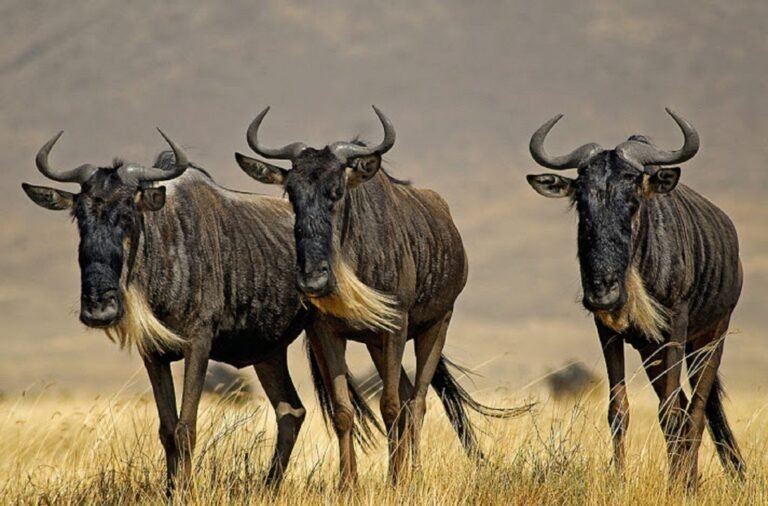
- The Great Migration: From roughly July to October, millions of wildebeest and zebras traverse the plains between the Mara and Serengeti in search of greener pastures. Witnessing the river crossings (especially the Mara River) is a truly unforgettable spectacle. For 2026-2027, consider booking your Mara accommodation and safari drives a year in advance if targeting this peak period.
- Activities: Game drives are standard. Optional activities include hot air balloon safaris (a magical way to see the landscape at sunrise) and guided walks with Maasai warriors, offering cultural insights.
- Accommodation: Options range from luxury tented camps and lodges within the reserve to more budget-friendly options just outside its borders. Camps closer to the Mara River are prime for migration viewing.
Other Notable Kenyan Parks (Optional Additions)
While the Mara is a must, other parks offer different experiences:
- Amboseli National Park: Famous for its large elephant herds and the impressive backdrop of Mount Kilimanjaro. It’s a fantastic spot for photography and relatively easy to combine with a Maasai Mara trip.
- Lake Nakuru National Park: Known for its large flamingo population (though numbers can fluctuate) and as a sanctuary for rhinos.
- Samburu National Reserve: Offers a unique landscape of dry bush and unique wildlife species like the reticulated giraffe, Grevy’s zebra, Somali ostrich, and Beisa oryx.
For a Kenya safari followed by Tanzania Serengeti and Zanzibar, focusing on the Maasai Mara is often most efficient logistically, especially if migration is a priority for your 2026-2027 trip. Flights from the Mara airstrips back to Nairobi are frequent, connecting you to your onward journey.
Transitioning to Tanzania: Serengeti’s Endless Plains
The transition from Kenya to Tanzania is typically done via flight. You’ll likely fly from Nairobi or a Maasai Mara airstrip to Kilimanjaro International Airport (JRO) near Arusha, Tanzania’s safari capital. From Arusha, your Tanzanian safari begins.
The Serengeti Ecosystem: A Wildlife Spectacle
The Serengeti is not just a park; it’s a vast ecosystem that stretches across northern Tanzania and into Kenya’s Maasai Mara. Its name, derived from the Maasai word ‘Siringet’ meaning ‘endless plains,’ perfectly captures its essence.
- Wildlife: The Serengeti is home to the largest concentration of plains game in Africa. The sheer numbers of wildebeest and zebra are staggering, supporting large populations of predators. Leopard sightings are excellent, especially in the Seronera Valley. Rhinos are present but more elusive than in some Kenyan parks.
- The Great Migration: The migration’s location within Tanzania varies throughout the year. From December to March, the southern plains are the focus for calving. From April to May, the herds begin moving north and west. By June and July, they are crossing the Grumeti and Mara Rivers (in Tanzania) before entering Kenya. Understanding these movements is key for planning your 2026-2027 Serengeti visit.
- Key Areas:
- Seronera Valley (Central Serengeti): Excellent for year-round game viewing, particularly predators like lions and leopards.
- Ndutu Plains (Southern Serengeti/Ngorongoro Conservation Area): Prime calving grounds from December to March.
- Grumeti River (Western Corridor): Famous for dramatic river crossings by wildebeest and crocodiles, typically in May and June.
- Kogatende/Lamai (Northern Serengeti): Where the Mara River crossings into Kenya occur, usually from July to October.
The Ngorongoro Crater: A Natural Wonder
Often included in Serengeti itineraries, the Ngorongoro Crater is a UNESCO World Heritage Site and a geological marvel. This large volcanic caldera boasts a unique ecosystem and an incredibly high density of wildlife, including the endangered black rhino.
- Unique Environment: It’s a self-contained world with grasslands, swamps, forests, and a soda lake, supporting over 30,000 animals.
- Wildlife: Excellent chances of seeing the Big Five, including the rhino, in a single day. Birdlife is also abundant.
- Visitor Experience: Game drives are conducted within the crater floor. Due to conservation efforts, visitor numbers and time spent on the floor are regulated. A day trip from Arusha or a stay at a lodge on the crater rim is common.
When planning your Kenya safari followed by Tanzania Serengeti and Zanzibar for 2026 or 2027, consider how your Serengeti dates align with the migration’s predicted path if seeing this phenomenon is a priority. Staying in different regions of the Serengeti can offer varied experiences.
Choosing Your Safari Style and Accommodation
The type of safari and accommodation you choose significantly impacts your experience and budget. For a Kenya safari followed by Tanzania Serengeti and Zanzibar, you have several options:
- Shared Safaris: These are group tours where you share a vehicle and often accommodation with other travelers. They are generally more budget-friendly and offer a social experience. Climb 4 Africa offers shared departures for popular routes, which can be a cost-effective way to experience both Kenya and Tanzania in 2026-2027. Check their [Tanzania Safaris Group Departures](https://climb-4-africa.com/all-tanzania-safaris-group-departures-dates-best-shared-tours/) for available dates.
- Private Safaris: You have a private vehicle and guide, offering flexibility in your itinerary and pace. This is ideal for families, couples seeking privacy, or photographers. While more expensive, it allows for a tailored experience.
- Accommodation Tiers:
- Budget: Safari lodges and tented camps with basic amenities, often outside park boundaries or in designated public campsites.
- Mid-Range: Comfortable lodges and permanent tented camps with en-suite bathrooms, good food, and excellent locations.
- Luxury: High-end lodges and exclusive tented camps offering premium service, gourmet dining, private plunge pools, and prime locations.
When planning your Kenya safari followed by Tanzania Serengeti and Zanzibar for 2026-2027, discuss your budget and preferences with your tour operator. They can recommend lodges and safari styles that best fit your needs. For instance, some camps in the Mara and Serengeti are situated to offer excellent migration viewing or predator sightings, justifying a higher price point.
Logistics of Travel Between Kenya, Tanzania, and Zanzibar
smooth travel between these destinations is key. The most common and efficient way is by air.
- Kenya to Tanzania:
- Option 1: Fly from a Maasai Mara airstrip (e.g., Keekorok, Musiara) or Wilson Airport (Nairobi) to Kilimanjaro International Airport (JRO) or Arusha Airport (ARK). This is the most direct route.
- Option 2 (Less Common for this itinerary): Overland travel is possible via the Namanga border crossing, but it’s significantly more time-consuming and less convenient when combining with Zanzibar.
- Tanzania Safari to Zanzibar:
- From Serengeti: Fly from a Serengeti airstrip (e.g., Seronera, Kogatende) directly to Zanzibar International Airport (ZNZ).
- From Arusha/JRO: Fly from Arusha Airport (ARK) or Kilimanjaro International Airport (JRO) to Zanzibar (ZNZ).
Visas: Ensure you have the necessary visas for Kenya and Tanzania. Some nationalities can obtain visas on arrival, while others may need to apply in advance. For 2026-2027, check the latest visa requirements for your nationality for both countries. Zanzibar is part of Tanzania, so a Tanzanian visa covers your stay there.
Currency: Kenya uses the Kenyan Shilling (KES), Tanzania uses the Tanzanian Shilling (TZS), and Zanzibar uses the TZS. US Dollars are widely accepted for tourist services in both countries, especially for park fees and lodge payments, but it’s good to have local currency for smaller purchases.
Vaccinations and Health: Consult your doctor about recommended vaccinations (e.g., Yellow Fever, Hepatitis A, Typhoid) and malaria prophylaxis. Both countries are considered malaria-risk areas.
Booking these internal flights and transfers through your tour operator simplifies logistics significantly. They will handle the timings and connections, ensuring a smooth flow for your Kenya safari followed by Tanzania Serengeti and Zanzibar adventure.
Zanzibar: Tropical Paradise and Cultural Immersion
After the thrill of safari, Zanzibar offers a serene and beautiful contrast. This island paradise is much more than just beaches; it’s steeped in history and culture.
Stone Town: A UNESCO World Heritage Site
The historic heart of Zanzibar City, Stone Town, is a maze of narrow alleyways, bustling markets, and intricately carved wooden doors. It’s a melting pot of Swahili, Arab, Persian, Indian, and European influences.
- Key Attractions: House of Wonders, Old Fort, Forodhani Gardens (night food market), Sultan’s Palace Museum, slave market site.
- Activities: Wander through the labyrinthine streets, shop for spices and local crafts, enjoy the vibrant atmosphere, and soak in the unique architecture. A guided tour is highly recommended to understand its rich history.
- Accommodation: A range of boutique hotels and guesthouses are available within Stone Town, offering an authentic experience.
Island Beaches and Relaxation
Beyond Stone Town, Zanzibar is fringed with stunning beaches, each offering a different vibe:
- Nungwi & Kendwa (North): Known for vibrant sunsets, lively atmosphere, and beautiful sandy beaches. Good for swimming at all tides.
- Paje & Jambiani (Southeast): Popular for kitesurfing, with shallow turquoise waters and tidal changes creating dramatic sandbanks. More laid-back.
- Matemwe (Northeast): Quieter, offering a more secluded experience, with access to Mnemba Atoll for diving and snorkeling.
Activities: Snorkeling and diving (especially around Mnemba Atoll), dhow sunset cruises, spice tours (learning about the island’s history as a spice hub), Jozani Forest (home to the endemic Red Colobus monkeys), and simply relaxing on the beach.
For your Kenya safari followed by Tanzania Serengeti and Zanzibar trip in 2026-2027, allocate at least 3-4 full days to Zanzibar to truly appreciate both Stone Town and a beach location.
Best Time to Travel for Your 2026-2027 Adventure
Timing is critical for a successful Kenya safari followed by Tanzania Serengeti and Zanzibar trip, especially if witnessing the Great Migration is a priority.
- July to October: This is the peak dry season and the most popular time for the Great Migration in the Maasai Mara and northern Serengeti. River crossings are most likely during these months. Expect excellent game viewing overall, but also higher prices and more crowds.
- December to March: The short dry season in Kenya and Tanzania. Good game viewing, especially in southern Serengeti where wildebeest and zebras gather for calving. Amboseli in Kenya is also excellent. Zanzibar is warm and sunny.
- April to June: The long rainy season. Landscapes are lush and green, prices are lower, and there are fewer tourists. Wildlife viewing is still good, though game drives might be interrupted by rain. The migration is typically moving north/west from the southern Serengeti during this period.
Considerations for 2026-2027:
- Shoulder Seasons (April-May, November): Offer a balance of good weather, fewer crowds, and potentially lower prices. The landscapes are beautiful, and wildlife is still abundant.
- Migration Timing: While general patterns exist, the exact timing of the migration can vary slightly each year due to rainfall. Consult with your tour operator for the most up-to-date predictions for 2026-2027.
- Zanzibar Weather: Generally warm year-round. The ‘long rains’ occur from March to May, and ‘short rains’ in November. The dry seasons (June-October, December-February) are ideal for beach holidays.
For a comprehensive Kenya safari followed by Tanzania Serengeti and Zanzibar, aiming for the July-October window maximizes migration viewing chances. However, if budget is a key concern for your 2026-2027 trip, consider the shoulder seasons.
Crafting Your Perfect Itinerary with Climb 4 Africa
Creating a smooth Kenya safari followed by Tanzania Serengeti and Zanzibar itinerary involves coordinating multiple elements. This is where expert local knowledge becomes invaluable. Climb 4 Africa specializes in crafting these complex East African adventures.
Why Choose Climb 4 Africa for Your Multi-Country Trip?
- Local Expertise: With deep roots in Tanzania and extensive experience operating in Kenya, we understand the nuances of travel across these borders.
- Tailor-Made Itineraries: We don’t offer one-size-fits-all packages. We listen to your interests, budget, and travel style to design a unique Kenya safari followed by Tanzania Serengeti and Zanzibar journey for 2026 or 2027.
- Logistical Mastery: From internal flights and park permits to lodge bookings and border crossings, we manage all the complex details.
- Value for Money: We leverage our local partnerships to offer competitive pricing without compromising on quality or experience.
- On-the-Ground Support: Our team provides support throughout your trip, ensuring peace of mind.
Ready to plan your dream East African adventure? Contact us today to discuss your ideal Kenya safari followed by Tanzania Serengeti and Zanzibar itinerary for 2026-2027. We can help you navigate the options and create an unforgettable experience.
WhatsApp: +255 747 477 898
Email: climb4africa@gmail.com
Budget Considerations for Your 2026-2027 Trip
The cost of a Kenya safari followed by Tanzania Serengeti and Zanzibar trip can vary significantly. Key factors influencing the price include:
- Duration: Longer trips naturally cost more.
- Accommodation Level: Luxury lodges are considerably more expensive than mid-range or budget options.
- Time of Year: Peak season (July-October) is the most expensive.
- Number of Travelers: Private tours are priced per vehicle, so sharing the cost among more people can reduce the per-person rate. Shared group tours offer the lowest per-person costs.
- Activities: Hot air balloon safaris, private conservancy fees, and diving excursions add to the overall cost.
- Park Fees: These are substantial and are often included in tour packages. They are set by the respective governments and can change.
General Cost Ranges (per person, based on mid-range accommodation, excluding international flights):
- 10-14 Day Trip: Expect prices ranging from $4,000 – $8,000+ per person.
- 15-18 Day Trip: Prices could range from $5,500 – $10,000+ per person.
What’s Typically Included:
- Accommodation
- Most meals (full board on safari, breakfast/dinner in Zanzibar sometimes)
- Park entrance fees
- Game drives in 4×4 safari vehicles with a professional guide
- Internal flights (e.g., Mara to JRO, Serengeti to ZNZ)
- Airport transfers
- Bottled water during game drives
What’s Typically Excluded:
- International flights
- Visa fees
- Travel insurance
- Gratuities for guides and staff
- Personal expenses (souvenirs, drinks, laundry)
- Optional activities (hot air ballooning, etc.)
For specific pricing for your 2026-2027 Kenya safari followed by Tanzania Serengeti and Zanzibar, it’s best to request a custom quote. Climb 4 Africa can provide detailed breakdowns based on your chosen itinerary and preferences.
Packing Essentials for Your East African Adventure
Packing smart is crucial for comfort and convenience on your Kenya safari followed by Tanzania Serengeti and Zanzibar trip.
- Clothing:
- Lightweight, neutral-colored clothing (khaki, beige, olive green) – avoid bright colors and dark blue/black which can attract insects.
- Long-sleeved shirts and trousers for sun protection and evenings.
- Fleece or warm jacket for cool mornings/evenings, especially at higher altitudes.
- Swimsuit for Zanzibar.
- Comfortable walking shoes/hiking boots.
- Sandals or flip-flops for beach/lodge.
- Hat with a wide brim for sun protection.
- Gear:
- High-quality binoculars (essential for wildlife viewing).
- Camera with extra batteries and memory cards.
- Power bank and universal adapter.
- Sunscreen (high SPF), insect repellent (with DEET), sunglasses.
- Personal first-aid kit.
- Small backpack for day trips.
- Reusable water bottle.
- Documents:
- Passport (valid for at least 6 months beyond your stay) and visas.
- Copies of passport, visas, flight tickets, and insurance.
- Vaccination certificates (e.g., Yellow Fever).
- Emergency contact information.
Remember that most lodges have laundry services, so you don’t need to pack an outfit for every single day. Pack light, especially for internal flights where luggage restrictions often apply.
Making Your Booking for 2026-2027
Booking your Kenya safari followed by Tanzania Serengeti and Zanzibar well in advance is highly recommended, particularly for travel during peak seasons in 2026 or 2027. This ensures availability for preferred lodges, safari vehicles, and internal flights.
The Booking Process:
- Inquiry: Contact a reputable tour operator like Climb 4 Africa. Provide your desired travel dates, number of travelers, preferred accommodation style, and any specific interests (e.g., Great Migration, birdwatching, photography).
- Itinerary & Quote: The operator will design a custom itinerary and provide a detailed quote. Review this carefully, paying attention to inclusions and exclusions.
- Deposit: Once you approve the itinerary, a deposit (typically 20-50%) will be required to secure your bookings.
- Final Payment: The balance is usually due 60-90 days before departure.
- Pre-Departure Information: You’ll receive detailed information about your trip, including contact details for your guides and lodges.
When you reach out to Climb 4 Africa for your Kenya safari followed by Tanzania Serengeti and Zanzibar adventure, please be ready to share your approximate travel dates for 2026 or 2027, the number of people in your party, and any specific wildlife or experiences you’re most eager for. This will help us craft the perfect, personalized itinerary for you.
WhatsApp: +255 747 477 898
Email: climb4africa@gmail.com
This combination trip offers an unparalleled journey through East Africa’s natural wonders and cultural richness, promising memories that will last a lifetime.
Check Availability for Kenya Safari, Tanzania Serengeti & Zanzibar: The Ultimate 3-Country…
Ready to compare dates, prices, and the best option for your group? Send the package name and travel month so the team can reply with a clear quote, availability, and what is included.
Nov 23, – 3 Day Serengeti And Ngorongoro Safari From Zanzibar
Nov 23, 2026 – 3 Day Serengeti and Ngorongoro Safari from Zanzibar.
View package details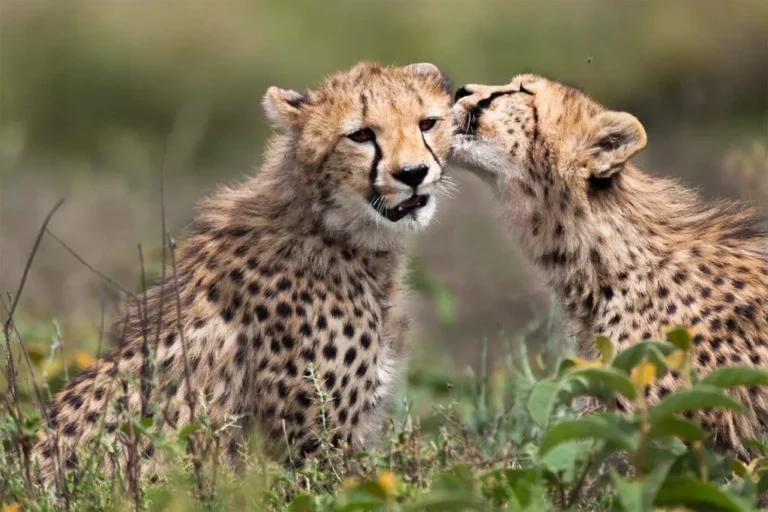
Nov 28, – 3 Day Fly-In Serengeti Group Safari From Zanzibar 2026
A detailed look at the 3-day fly-in Serengeti group safari departing November 28, 2026, including logistics, itinerary highlights, and travel tips for your Tanzania adventure.
View package details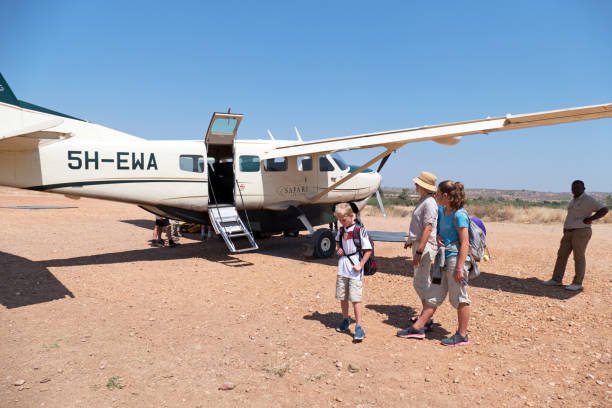
2-Day Serengeti Safari From Zanzibar By Flight: Price & Booking Guide
A practical guide to booking a 2-day Serengeti safari from Zanzibar by flight, covering itinerary logistics, cost considerations, and how to maximize your short time in the bush.
View package details4-Day Serengeti Safari From Zanzibar With Return Flights: A Planning Guide
A deep look at planning a 4-day fly-in safari from Zanzibar to the Serengeti, covering flight logistics, itinerary structures, and the critical decisions needed for a successful 2026 or...
View package details1-Day Serengeti Safari From Zanzibar By Flight: Cost & Itinerary 2026-2027
Is a 1-day Serengeti safari from Zanzibar feasible? Get the expert breakdown on the flight logistics, cost factors, and how to manage your expectations for this intense, one-day wildlife...
View package detailsZanzibar To Serengeti Safari By Flight: Prices & Packages 2026-2027
A practical guide to booking a Zanzibar to Serengeti safari by flight in 2027, covering route options, baggage logistics, and how to choose the right itinerary length.
View package details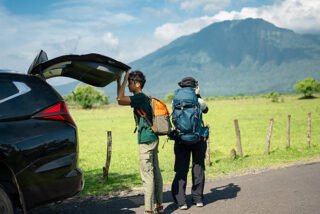
3-Day Serengeti & Ngorongoro Safari From Zanzibar By Flight 2027
3-Day Serengeti & Ngorongoro Safari From Zanzibar by Flight is explained with current 2027 planning, price, itinerary and booking information.
View package details_1_John_from-rednote-web-768x1024.jpg)
3-Day Serengeti Fly-In Safari From Zanzibar: All-Inclusive Package Prices 2027
Plan your ultimate Tanzanian adventure, combining Zanzibar's beaches with the Serengeti's wildlife. This guide details all-inclusive package pricing and logistics for a 3-day fly-in safari...
View package detailsSerengeti To Zanzibar Vs Arusha To Which Is Better After Safari? 2027
Choosing the right transfer to Zanzibar after a safari—Serengeti to Zanzibar or Arusha to Zanzibar—depends entirely on your safari route, time constraints, and budget. This guide breaks...
View package details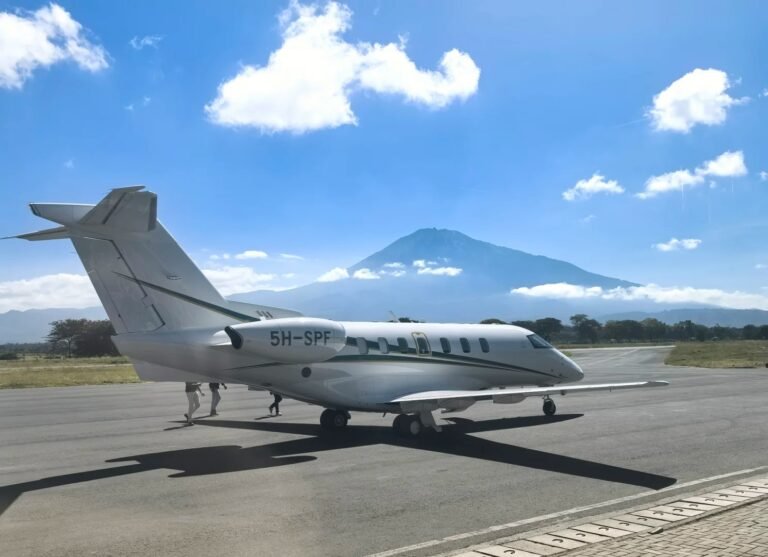
Zanzibar To Serengeti Flight Price –: Planning Your Safari Transfer 2027
Navigate the complex flight and transfer options between Zanzibar and the Serengeti. This deep guide breaks down expected costs, seasonal variables, and optimal routing for 2026 and 2027...
View package details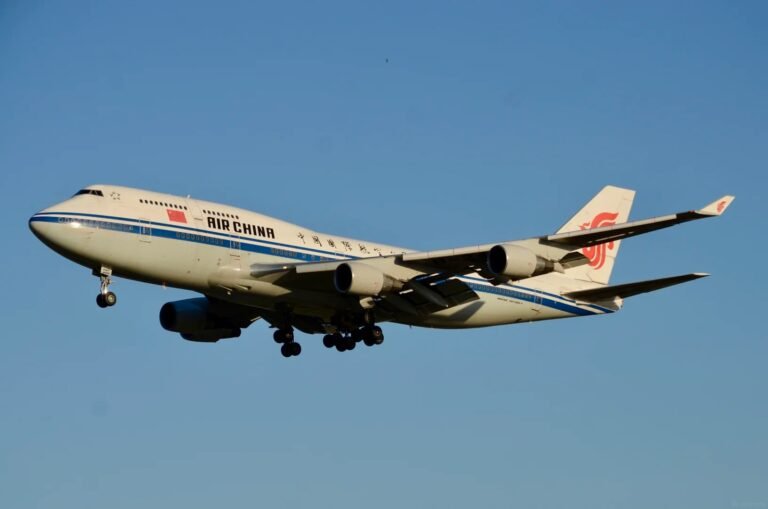
Serengeti To Zanzibar Flight Baggage Limits And Transfer Costs Guide () 2027
This deep-dive guide covers everything you need to know about baggage restrictions and transfer expenses when flying from the Serengeti region to Zanzibar, ensuring smooth travel planning.
View package details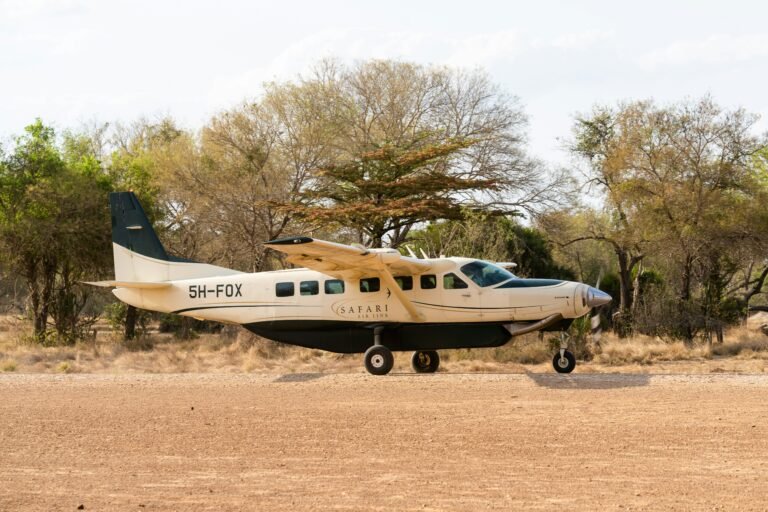
Kogatende To Zanzibar Flights: Northern Serengeti Departure Guide 2027
Kogatende to Zanzibar Flights: Northern Serengeti Departure Guide is explained with current 2027 planning, price, itinerary and booking information.
View package detailsNo related package matches those filters. Clear one or more filters to see the other topic-matched options.