The best way to travel from Masai Mara to Serengeti Tanzania for most travelers seeking efficiency and stunning views is by a scenic flight from a Masai Mara airstrip to an airstrip within the Serengeti, typically via the border town of Tarime or directly to Seronera. This method minimizes travel time, maximizes wildlife viewing opportunities by avoiding long road journeys and border queues, and offers unparalleled aerial perspectives of the landscapes and animal migrations. For budget-conscious travelers or those who prefer an overland adventure, a combination of a drive to the Isebania/Sirare border crossing, followed by a pre-arranged transfer into Tanzania and onward to Serengeti, is a viable but significantly longer alternative.
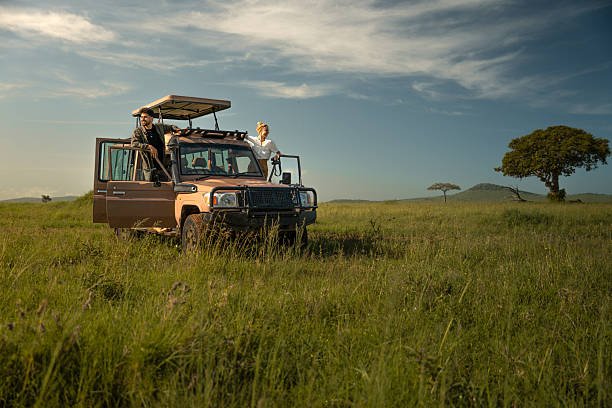
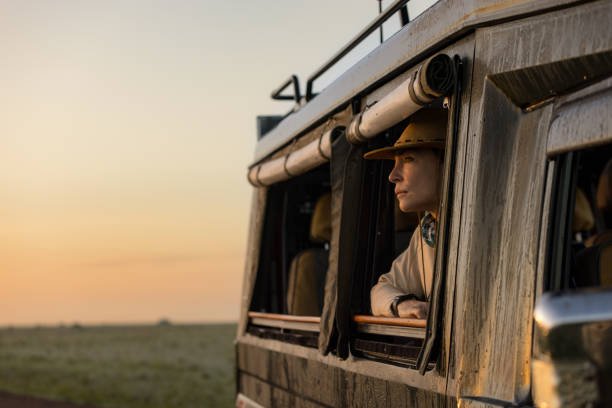
Understanding Your Journey: Masai Mara to Serengeti
Connecting the legendary Masai Mara National Reserve in Kenya with the equally iconic Serengeti National Park in Tanzania is a quintessential East African safari experience. These two ecosystems are intrinsically linked, sharing the vast plains and the incredible annual wildebeest migration. However, they lie in different countries, necessitating a cross-border journey. The ‘best’ way to make this transition isn’t a one-size-fits-all answer; it hinges on your priorities: time, budget, comfort, and the kind of experience you’re seeking. As you plan your 2026-2027 safari adventure, understanding the nuances of each travel method is crucial for a smooth and memorable trip.
Many travelers dream of witnessing the Great Migration, a natural phenomenon that sees millions of wildebeest, zebras, and other herbivores traverse these plains. Often, this involves starting in the Masai Mara and then moving south into the Serengeti, or vice versa, to follow the herds. The direct route between these parks is relatively short in terms of geographical distance, but the logistical challenges of crossing an international border can make it feel much longer. This guide will explore the primary methods of transit, from swift charter flights to more in-depth overland expeditions, detailing what each entails and who it might suit best.
At Climb 4 Africa, we specialize in crafting smooth cross-border itineraries that allow you to experience the very best of both Kenya and Tanzania. Our local expertise ensures that all logistical hurdles, from visa requirements to park entry fees and reliable transportation, are managed effectively. Whether you’re looking for the fastest connection for a limited itinerary or a more adventurous overland route to soak in more of the landscape, we can tailor a solution for your 2026-2027 safari plans.
Option 1: Flying – The Fastest & Most Scenic Route
For many, the primary goal when traveling between the Masai Mara and the Serengeti is to maximize time spent on safari and minimize transit time. This is where flying emerges as the undisputed champion. The journey involves a short flight from one of the Masai Mara’s numerous airstrips to a designated airstrip within the Serengeti National Park, often with a brief stop or connection at the Tanzanian border town of Tarime (Tarime Airport – TKQ) for immigration procedures.
Types of Flights Available
There are two main types of flights you’ll encounter for this route: scheduled charter flights and private charter flights. The choice between them often comes down to group size, budget, and flexibility.
- Scheduled Charter Flights: These are typically operated by small bush airlines that fly between key safari hubs. They are “scheduled” in the sense that they have a published timetable, but they often require a minimum number of passengers to operate and can be subject to changes based on demand. These flights are more common and generally more cost-effective than private charters. They usually depart from major Masai Mara airstrips like Keekorok, Ol Kiombo, or Musiara, and land at Serengeti airstrips such as Seronera (SEU), Kogatende (KOG), or Grumeti (GTZ), depending on your final safari destination within the park. The flight path often takes you near or over the border, with immigration formalities handled at Tarime or sometimes at the destination airstrip.
- Private Charter Flights: If you are traveling in a small group (e.g., family, friends) or have specific time constraints and a higher budget, a private charter offers unparalleled flexibility. You depart when you want, from the airstrip closest to your lodge, and fly directly to your desired Serengeti airstrip. This is the most luxurious and time-efficient option, allowing you to potentially start your game drive immediately upon landing. The cost is significantly higher as you are chartering the entire aircraft.
The Flight Experience and Logistics
Flying from the Masai Mara to Serengeti is an experience in itself. The small aircraft offer fantastic aerial views of the vast landscapes below – the sprawling savannas, winding rivers, and, if you’re lucky, herds of wildlife from a bird’s-eye perspective. The flight duration is typically short, usually ranging from 45 minutes to 1.5 hours, depending on the specific airstrips and any en route stops.
Immigration and Border Crossing: The most common procedure involves flying from the Mara to Tarime Airport (TKQ) in Tanzania. Here, you will disembark to complete immigration formalities. Tanzanian immigration officials will process your visa (if required and not pre-arranged) and stamp your passport. Once cleared, you’ll re-board the aircraft for the short hop to your chosen Serengeti airstrip. Some operators may arrange for immigration officials to meet you at a designated airstrip in the Serengeti itself, streamlining the process further, but this is less common and depends on the airline and specific route. It’s vital to confirm the exact border crossing procedure with your tour operator.
Luggage Restrictions: A significant consideration for flight travel in East Africa is luggage. Light aircraft have strict weight and size limitations, typically around 15-20 kg (33-44 lbs) per person, in soft-sided duffel bags only. Hard suitcases are generally not permitted due to space constraints in the cargo holds. This often means you’ll need to pack efficiently or arrange for your excess luggage to be stored at your Kenyan lodge and collected on your return, or forwarded via road.
Pros and Cons of Flying
Pros:
- Speed: Significantly reduces travel time, getting you into the Serengeti faster.
- Scenery: Offers impressive aerial views of the Mara-Serengeti ecosystem.
- Comfort: Avoids bumpy, long road journeys and potential border delays.
- Convenience: Lands you closer to your safari lodges within the Serengeti.
- Wildlife Viewing: Can offer unique perspectives of wildlife, especially during migration seasons.
Cons:
- Cost: Generally the most expensive option.
- Luggage Restrictions: Strict limits on weight and bag type.
- Limited Flexibility: Scheduled flights may have fixed departure times and routes.
- Weather Dependent: Flights can be delayed or cancelled due to adverse weather conditions, particularly during rainy seasons.
For travelers aiming for efficiency and a premium experience in 2026-2027, flying is often the preferred choice. It ensures you spend more time exploring the vast plains of the Serengeti and less time in transit. If you’re considering this option, it’s wise to book well in advance, especially for peak seasons like the migration periods. We can help you navigate the complexities of flight bookings and ensure the best connections for your itinerary. Contact Climb 4 Africa via WhatsApp +255 747 477 898 or email climb4africa@gmail.com for personalized flight arrangements.
Option 2: Overland – The Adventurous & Budget-Friendly Approach
While flying offers speed and comfort, the overland journey from the Masai Mara to the Serengeti presents a different kind of safari adventure. It’s a more in-depth way to experience the transition between these two iconic landscapes, offering glimpses into local life and the changing terrain. This route is generally more time-consuming and can be less comfortable than flying, but it is significantly more budget-friendly and appeals to travelers who enjoy the journey as much as the destination.
The Overland Route Breakdown
The overland journey typically involves a combination of road travel within Kenya and Tanzania. The most common path involves driving from your Masai Mara lodge or camp to the Isebania/Sirare border crossing, then continuing by road into Tanzania and towards your Serengeti accommodation.
Masai Mara to Border Crossing: Your safari vehicle will take you from your lodge in the Masai Mara towards the Isebania border post. This drive can take several hours, depending on your starting point within the Mara and the road conditions. The landscape gradually changes as you move away from the core wildlife areas and approach the border town. While you might still encounter wildlife along the way, the focus shifts from game driving to transit.
Border Formalities: At the Isebania (Kenya side) and Sirare (Tanzania side) border posts, you will need to complete immigration procedures for both countries. This involves presenting your passports, visa documents, and any other required paperwork. This process can sometimes be lengthy and may involve waiting in queues. Having your tour operator arrange a local representative or driver on the Tanzanian side to meet you and assist with the formalities can greatly streamline this step.
Tanzania Side Transfer: Once you have cleared immigration in Sirare, your Tanzanian safari vehicle and driver-guide will be waiting to pick you up. From Sirare, the drive to the nearest Serengeti entrance gates and then to popular areas like Seronera can take several more hours. The roads within the Serengeti are primarily dirt tracks, and the journey to your lodge can be part of your initial game drive, offering a first taste of Tanzanian wildlife.
Who is the Overland Route Best For?
The overland route is an excellent choice for:
- Budget Travelers: This option is considerably less expensive than flying, as it primarily involves road transport and saves on charter flight costs.
- Adventurous Souls: Those who enjoy the ruggedness of safari travel and want to experience more of the local scenery and culture along the way.
- Travelers with More Time: The overland journey can easily take a full day, or even extend over two days if you wish to break up the journey, allowing for a more relaxed pace.
- Those with Substantial Luggage: If you have more luggage than can be accommodated on a light aircraft, the overland route is the practical solution.
Pros and Cons of Overland Travel
Pros:
- Cost-Effective: Significantly cheaper than flying.
- More Luggage Allowance: No strict weight or size restrictions beyond what a standard safari vehicle can carry.
- Cultural Immersion: Offers a chance to see more of the local landscape and potentially interact with communities near the border.
- Flexibility in Stops: You can arrange for stops along the way if time permits.
Cons:
- Time-Consuming: Can take an entire day or more, reducing time spent on game drives.
- Less Comfortable: Road conditions can be rough, especially within the parks.
- Border Delays: Immigration and customs can sometimes be slow and unpredictable.
- Less Scenic Views: While still beautiful, you miss the sweeping aerial perspectives of the flight.
When planning your 2026-2027 safari, if the overland route appeals to you, ensure your tour operator has robust logistics for the border crossing and transfers. Climb 4 Africa excels in managing these transitions, ensuring your journey is as smooth as possible. Contact us at WhatsApp +255 747 477 898 or email climb4africa@gmail.com to discuss overland options.
Key Border Crossing: Isebania/Sirare Explained
The Isebania-Sirare border crossing is the primary land gateway for travelers moving between the Masai Mara in Kenya and the Serengeti in Tanzania. Understanding this crossing is vital for anyone opting for the overland route. It’s a bustling point where two nations meet, and while it serves its purpose efficiently most of the time, being prepared can make a significant difference.
Location and Operation
Isebania is located in Kenya, and Sirare is its direct counterpart on the Tanzanian side. They are situated a short distance apart, with the official border post marking the boundary between the two countries. The crossing is typically open during daylight hours, usually from around 6:00 AM to 6:00 PM East African Time (EAT).
The Process: Step-by-Step
- Arrival at Isebania (Kenya Side): Your Kenyan safari vehicle will drop you off at the designated immigration office. You’ll present your passport and complete the exit immigration procedures for Kenya.
- Transfer to Sirare (Tanzania Side): You will then walk or take a short, local transfer (often arranged by your tour operator) across the border to the Tanzanian immigration office in Sirare.
- Arrival at Sirare (Tanzania Side): Here, you will present your passport and apply for your Tanzanian visa (if not pre-arranged) and complete the entry immigration procedures for Tanzania. This is where potential delays can occur, especially if there are many travelers or if visa processing takes time.
- Meeting Your Tanzanian Guide: Once immigration is cleared, your pre-arranged Tanzanian safari guide and vehicle will meet you on the Tanzanian side. They will load your luggage and begin the transfer towards the Serengeti.
Visa Requirements and Recommendations
Visa requirements can change, so it’s imperative to check the latest regulations for your nationality well in advance of your 2026-2027 trip. Generally:
- Kenyan Visa: Most nationalities can obtain a Kenyan visa upon arrival or apply online in advance.
- Tanzanian Visa: Similarly, many nationalities can obtain a Tanzanian visa on arrival at the Sirare border post. However, it is highly recommended to check current requirements and consider applying for your Tanzanian visa online in advance through the official Tanzanian immigration portal. This can save significant time and potential hassle at the border. Some nationalities may have specific requirements or exemptions.
Tip: Always carry printed copies of your visa applications, hotel bookings, and onward travel arrangements. Having USD cash in small denominations is also useful for visa fees and any small purchases.
Potential Challenges and How to Mitigate Them
- Queues: The border can get very busy, especially during peak tourist seasons. Early morning or late afternoon arrivals might be less crowded, but this depends on your safari schedule.
- Unofficial Assistance: Be wary of individuals offering unsolicited help at the border; they may charge exorbitant fees. Stick to your pre-arranged guide or official immigration personnel.
- Vehicle Transfers: Ensure your tour operator clearly defines who is responsible for the transfer between the Kenyan and Tanzanian immigration offices.
- Time: Allow ample time for the border crossing. What can take 30 minutes can sometimes stretch to 2-3 hours.
Climb 4 Africa has extensive experience managing the Isebania/Sirare border crossing. We ensure that our clients are met by knowledgeable representatives who can assist with the process, minimizing stress and delays. If you choose the overland route for your Masai Mara to Serengeti travel in 2026 or 2027, we will provide you with all the necessary information and support.
Planning Your 2026-2027 Safari: Essential Considerations
Embarking on a journey from the Masai Mara to the Serengeti requires careful planning to ensure it aligns with your expectations and maximizes your safari experience. Several factors come into play, from the time of year you plan to travel to the specific wildlife you hope to see. As you look ahead to 2026-2027, consider these key elements:
Timing is Everything: The Great Migration
The movement of the Great Migration is the most significant factor influencing where and when to be in the Masai Mara and Serengeti. While the migration is a year-round phenomenon, its location changes:
- December – March: The herds are typically in the southern Serengeti (Ndutu area) and potentially the Ngorongoro Conservation Area, calving and grazing on the rich short-grass plains. The Masai Mara sees fewer herds during this period, though resident wildlife is always present.
- April – May: This is the “green season” or shoulder season. Heavy rains often make parts of the Serengeti inaccessible, and the migration begins its northward journey. This can be a less crowded and more affordable time to visit.
- June – October: This is a prime time for the migration in the western and northern Serengeti. The herds cross the Grumeti River (often with large crocodile encounters) and then prepare to cross the Mara River into the Masai Mara. This is also peak season in the Masai Mara, with abundant resident wildlife and the migrating herds.
- November: The herds begin their return journey south, often crossing back into the Serengeti via the eastern corridor.
Your choice of travel method (flight vs. overland) can be influenced by the migration’s location. For instance, if you want to witness the Mara River crossings (July-October), you’ll want to be in the northern Serengeti and then the Masai Mara, making the flight option particularly attractive to save time between these specific regions.
Park Fees and Permits
Both Kenya and Tanzania have significant park entry fees. These are charged per person, per day, and can add up considerably. For the Masai Mara, expect fees around $80 USD per person per day. In Tanzania, Serengeti National Park fees are typically around $70-80 USD per person per day, plus vehicle fees. It’s crucial to factor these into your overall budget. Your tour operator will usually include these in your safari package price, but it’s wise to confirm.
Accommodation Choices
Within both the Masai Mara and Serengeti, you’ll find a range of accommodation, from budget-friendly tented camps to ultra-luxury lodges. Your choice of accommodation will significantly impact the cost of your safari.
- Budget: Basic tented camps with shared facilities, often located slightly outside prime wildlife areas or further from airstrips.
- Mid-Range: Comfortable permanent tented camps or lodges with en-suite bathrooms, good amenities, and often prime locations.
- Luxury: High-end lodges and exclusive tented camps offering exceptional service, gourmet dining, private plunge pools, and prime, often exclusive-use, wildlife areas.
When traveling overland, the location of your lodge relative to the border crossing and the Serengeti entrance gates will affect your arrival time. When flying, you can often land closer to your chosen lodge, potentially saving precious game drive time on your arrival day.
Vehicle and Guide Selection
The type of vehicle and the quality of your guide are paramount to a successful safari. For overland travel, a sturdy 4×4 safari vehicle is essential. For flights, you’ll be met by a Tanzanian 4×4. The expertise of your driver-guide in spotting wildlife, understanding animal behavior, and navigating the parks is invaluable. Ensure your operator provides experienced, licensed guides.
Booking Window and Availability
For popular times, especially during the Great Migration season (June-October and December-March), it’s advisable to book your safari 6-12 months in advance, particularly for 2026 and 2027. High-quality lodges and specific flight schedules can fill up quickly. Booking early ensures better availability and potentially better pricing.
Climb 4 Africa can assist with all aspects of your Masai Mara to Serengeti travel planning. We work with you to understand your priorities for 2026-2027, recommending the best travel method, accommodation, and timing to suit your needs. Reach out via WhatsApp +255 747 477 898 or email climb4africa@gmail.com.
Choosing the Right Operator: Why Local Expertise Matters
When planning a complex cross-border safari like traveling from the Masai Mara to the Serengeti, the choice of tour operator is critical. Local expertise isn’t just a buzzword; it translates directly into a smoother, more authentic, and more enjoyable safari experience. For your 2026-2027 adventures, partnering with a company like Climb 4 Africa offers distinct advantages.
Navigating Complex Logistics
East Africa’s tourism infrastructure, while well-developed, has its intricacies. Border crossings, flight schedules between small airstrips, park fee structures, and visa regulations can be confusing for international travelers. A local operator:
- Understands Border Procedures: We know the ins and outs of the Isebania/Sirare crossing, the best times to cross, and who to liaunt with to ensure efficiency. For flight transfers, we understand the specific airline protocols and immigration requirements.
- Manages Internal Flights: Booking bush flights requires specific knowledge. We work with reputable local airlines, understand their luggage policies, and can secure the best routes and timings for your itinerary.
- Optimizes Itineraries: Based on the time of year and your interests, we can advise on the best sequence of parks and the most efficient travel methods to maximize wildlife viewing. For example, knowing where the migration is in 2026 or 2027 is key.
Access to Reliable Resources
Local operators have established relationships and networks:
- Trusted Guides: We employ experienced, knowledgeable, and licensed local guides who are passionate about their countries’ wildlife and cultures.
- Quality Vehicles: We maintain a fleet of well-equipped 4×4 safari vehicles suitable for all terrains in both Kenya and Tanzania.
- Preferred Camps and Lodges: We have strong relationships with a wide range of accommodations, allowing us to secure the best rooms and sometimes preferential rates. We know which camps offer the best experiences for migration viewing or specific wildlife interests.
Cost-Effectiveness and Value
While it might seem counterintuitive, using a local operator often provides better value for money. We have a deep understanding of the local cost structures and can build itineraries that are both comprehensive and competitively priced. We can:
- Negotiate Rates: Leverage our relationships to secure better rates for accommodation and internal transport.
- Avoid Hidden Costs: We are transparent about what is included in your safari package, helping you avoid unexpected expenses.
- Provide Comprehensive Packages: We offer all-inclusive packages that cover park fees, accommodation, meals, transfers, and guide services, simplifying your budgeting.
Personalized Service and Support
At Climb 4 Africa, we pride ourselves on offering a high level of personalized service. From the initial planning stages to your departure, we are your point of contact and support.
- Tailor-Made Itineraries: We don’t offer generic tours. We craft each safari to meet your specific interests, pace, and budget for your 2026-2027 safari.
- 24/7 Support: While you are on safari, our team is available to assist with any issues or changes that may arise.
- Local Insights: We provide practical advice on everything from packing to cultural etiquette, ensuring you are well-prepared.
Choosing Climb 4 Africa means choosing a partner dedicated to making your Masai Mara to Serengeti journey unforgettable. Our commitment to quality, local knowledge, and client satisfaction is what sets us apart. We invite you to contact us for a personalized quote and itinerary discussion. Reach out via WhatsApp +255 747 477 898 or email climb4africa@gmail.com.
Sample Itinerary Ideas
To help you visualize the possibilities, here are a couple of sample itinerary structures for traveling from the Masai Mara to the Serengeti. These are flexible starting points that can be customized to your preferences for 2026-2027.
Sample Itinerary 1: Flying Safari (Focus on Speed and Migration)
Duration: 7 Days / 6 Nights
Best for: Travelers prioritizing time in parks, witnessing migration crossings (July-Oct), and seeking comfort.
Day 1-3: Masai Mara National Reserve, Kenya
- Arrive at Jomo Kenyatta International Airport (NBO), Nairobi.
- Take a short flight to a Masai Mara airstrip (e.g., Keekorok, Ol Kiombo).
- Check into your Masai Mara lodge/camp.
- Enjoy 3 days of game drives in the Masai Mara, focusing on resident wildlife and potential migration sightings if applicable to the season.
Day 4: Masai Mara to Serengeti Transfer (Flight)
- Morning game drive in the Masai Mara.
- Transfer to your designated Masai Mara airstrip.
- Scheduled charter flight from Masai Mara to Tarime Airport (TKQ), Tanzania, for immigration.
- Continue by flight from Tarime to a Serengeti airstrip (e.g., Kogatende for northern Serengeti, or Seronera for central).
- Meet your Tanzanian guide and transfer to your Serengeti lodge/camp, potentially with a game drive en route.
Day 5-6: Serengeti National Park, Tanzania
- Full days of game drives in the Serengeti. Depending on the season and your chosen airstrip, focus on migration river crossings, general game viewing in the vast plains, or exploring different sectors like Seronera.
Day 7: Departure from Serengeti
- Final morning game drive.
- Transfer to a Serengeti airstrip (e.g., Seronera) for your flight to Kilimanjaro International Airport (JRO) via Arusha, or to Nairobi if returning via Kenya.
Sample Itinerary 2: Overland Safari (Focus on Value and Immersion)
Duration: 8 Days / 7 Nights
Best for: Budget-conscious travelers, those with more time, and those seeking a more grounded travel experience.
Day 1-3: Masai Mara National Reserve, Kenya
- Arrive at Jomo Kenyatta International Airport (NBO), Nairobi.
- Transfer by road or short flight to your Masai Mara lodge/camp.
- Enjoy 3 days of game drives in the Masai Mara.
Day 4: Masai Mara to Serengeti Transfer (Overland)
- Early morning game drive in the Masai Mara.
- Drive from your Masai Mara lodge to the Isebania/Sirare border crossing (approx. 4-6 hours depending on location).
- Complete border formalities for Kenya exit and Tanzania entry.
- Meet your Tanzanian guide and vehicle on the Sirare side.
- Drive towards the Serengeti National Park entrance (approx. 2-4 hours to gate).
- Enter Serengeti and drive towards your lodge, with a game drive en route. This is a long travel day. Consider a lodge closer to the border or in the western corridor if time is critical.
Day 5-7: Serengeti National Park, Tanzania
- Full days of game drives in the Serengeti. Explore areas like Seronera or the western corridor. If traveling during the migration’s southern phase (Dec-Mar), consider extending into the Ngorongoro Conservation Area or Ndutu.
Day 8: Departure from Serengeti
- Final morning game drive.
- Transfer to a Serengeti airstrip (e.g., Seronera) for your flight to Kilimanjaro International Airport (JRO) via Arusha, or arrange for a long overland transfer back to Nairobi if preferred.
These are just frameworks. We can adjust the number of days in each park, incorporate other Tanzanian destinations like the Ngorongoro Crater or Tarangire National Park, or customize the pace entirely. For personalized itinerary planning for your 2026-2027 Masai Mara to Serengeti safari, contact Climb 4 Africa. Let us help you craft the perfect East African adventure. Reach out via WhatsApp +255 747 477 898 or email climb4africa@gmail.com.
“,
“faq_schema”: [
{
“question”: “What is the fastest way to travel from Masai Mara to Serengeti?”,
“answer”: “The fastest way to travel from Masai Mara to Serengeti is by taking a scheduled or private charter flight. These flights typically depart from a Masai Mara airstrip, connect through Tarime Airport (TKQ) in Tanzania for immigration, and then fly to an airstrip within the Serengeti National Park, such as Seronera or Kogatende. This method significantly reduces travel time compared to overland options.”
},
{
“question”: “What is the cheapest way to travel from Masai Mara to Serengeti?”,
“answer”: “The most budget-friendly way to travel from Masai Mara to Serengeti is via an overland route. This involves driving from your Masai Mara lodge to the Isebania/Sirare border crossing, completing immigration and customs, and then meeting a Tanzanian safari vehicle for the drive into the Serengeti. While it takes much longer, it avoids the cost of internal flights.”
},
{
“question”: “How long does it take to travel from Masai Mara to Serengeti?”,
“answer”: “By flight, the journey from Masai Mara to Serengeti, including immigration at Tarime, typically takes about 1 to 2 hours in the air. The overland journey, however, can take a full day (8-12 hours or more), depending on road conditions, border crossing times, and the distance to your final lodge within the Serengeti.”
},
{
“question”: “What are the luggage restrictions for flights between Masai Mara and Serengeti?”,
“answer”: “Flights between Masai Mara and Serengeti are usually operated by small bush aircraft, which have strict luggage limitations. Typically, you can bring around 15-20 kg (33-44 lbs) of luggage per person, and it must be in soft-sided duffel bags. Hard suitcases are generally not allowed.”
},
{
“question”: “Do I need a visa to travel from Masai Mara (Kenya) to Serengeti (Tanzania)?”,
“answer”: “Yes, you will need a Tanzanian visa to enter Tanzania from Kenya. Depending on your nationality, you can often obtain a visa on arrival at the Sirare border post or Tarime Airport, but it is highly recommended to check the latest visa requirements for your nationality and consider applying online in advance for efficiency.”
},
{
“question”: “When is the best time to travel from Masai Mara to Serengeti to see the Great Migration?”,
“answer”: “To see the Great Migration, timing is crucial. For river crossings in the northern Serengeti and Masai Mara, the best time is generally from July to October. For calving season in the southern Serengeti (Ndutu area), the best time is from December to March. The exact location of the migration can vary, so consulting with a safari specialist for your 2026-2027 trip is advisable.”
},
{
“question”: “Can I arrange my own transport between Masai Mara and Serengeti?”,
“answer”: “While you can arrange your own transport, it’s highly recommended to use a reputable tour operator like Climb 4 Africa. We handle all the complex logistics, including flight bookings, border transfers, visa assistance, and ensuring you have reliable vehicles and experienced guides in both countries, making the process smooth and stress-free for your 2026-2027 safari.”
}
]
}
“`
Check Availability for Best Way To Travel From Masai Mara To Serengeti Tanzania 2026-2027
Ready to compare dates, prices, and the best option for your group? Send the package name and travel month so the team can reply with a clear quote, availability, and what is included.
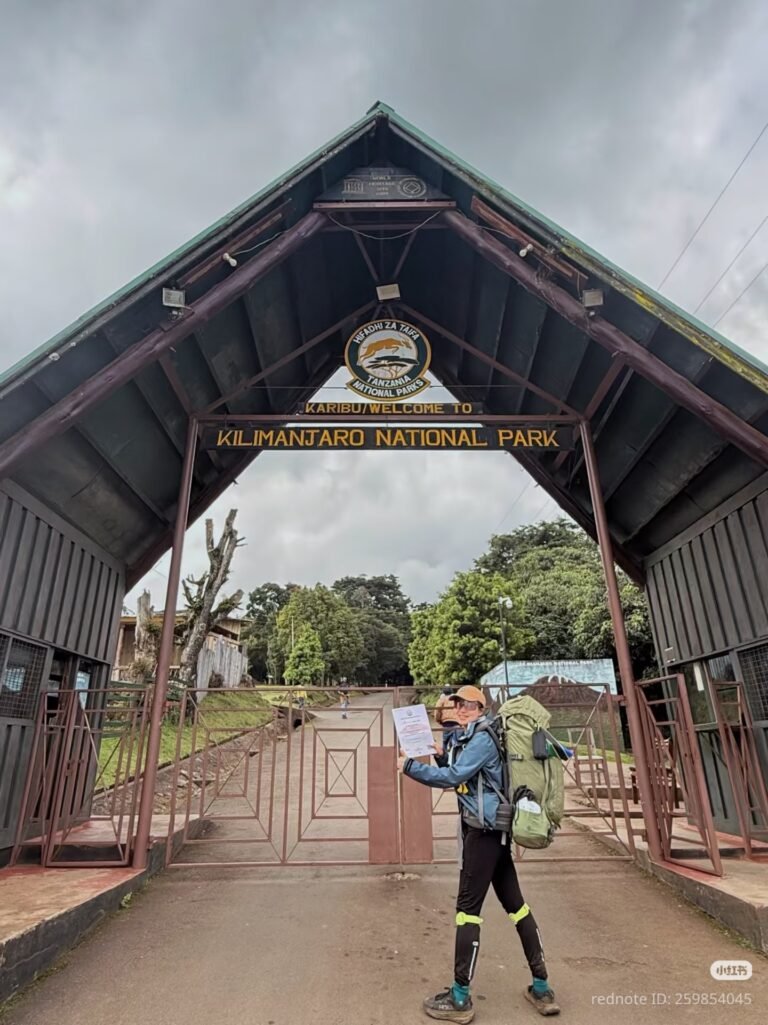
Kilimanjaro And Serengeti Safari Holiday : Your Ultimate Tanzania Adventure
Discover how to combine the challenge of climbing Kilimanjaro with the majesty of the Serengeti safari in 2027. Practical advice for planning your perfect Tanzanian journey.
View package details
Dec 24, – 3 Day Christmas Serengeti And Ngorongoro Group Safari
Dec 24, 2026 – 3 Day Christmas Serengeti and Ngorongoro Group Safari.
View package details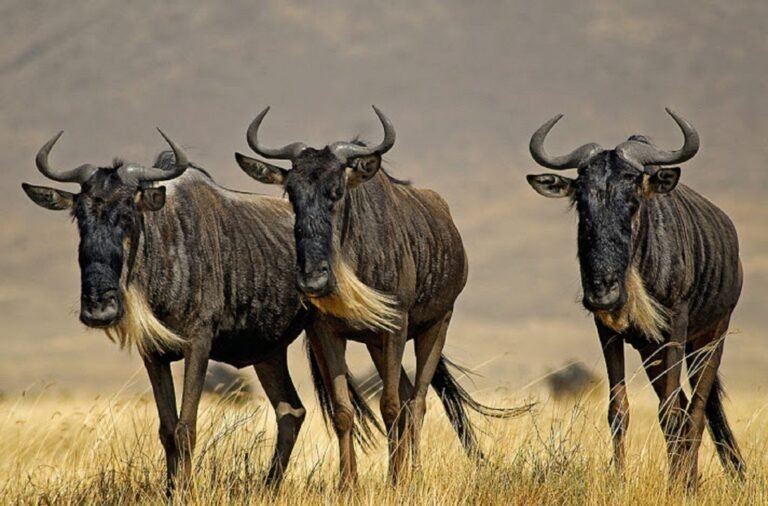
Nov 23, – 3 Day Serengeti And Ngorongoro Safari From Zanzibar
Nov 23, 2026 – 3 Day Serengeti and Ngorongoro Safari from Zanzibar.
View package details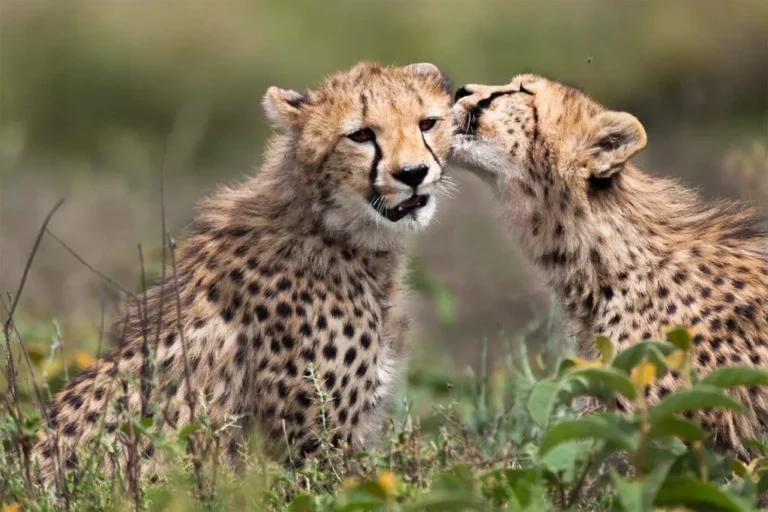
Dec 31, : New Year’s Eve Serengeti Group Safari Planning Guide
This guide provides essential planning details for a group safari trip to the Serengeti for New Year's Eve 2026, covering logistics, seasonal highlights, and what to expect.
View package details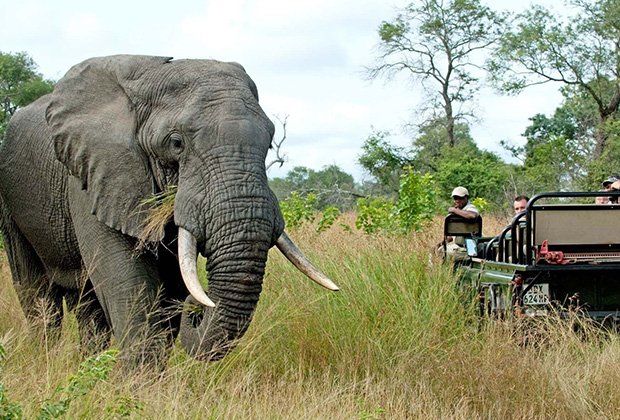
I Am On A Budget—What Is The Cheapest Serengeti Group Safari?
I Am on a Budget—What Is the Cheapest Serengeti Group Safari?
View package details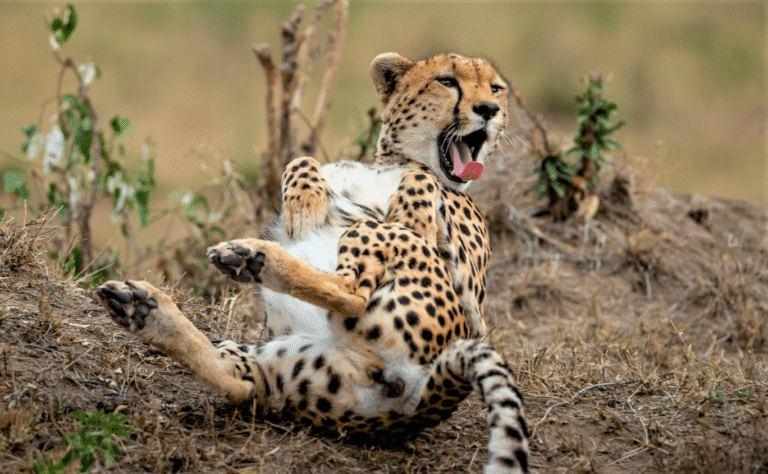
Dec 29, – 6 Day Ndutu, Serengeti And Ngorongoro Group Safari 2026
A detailed guide to our 6-day group safari departure on December 29, 2026, focusing on the Ndutu plains, the Serengeti, and the Ngorongoro Crater.
View package details8 Day Serengeti And Ngorongoro Group Safari – December 16, 2026
Planning your December 2026 Tanzanian adventure? Our 8-day group safari offers a deep, unhurried exploration of the Serengeti and Ngorongoro Crater.
View package details
Dec 14, – 7 Day Complete Tanzania Northern Circuit Group Safari 2026
Planning for December 2026? Join our 7-day complete Tanzania Northern Circuit group safari. A deep look at the Serengeti, Ngorongoro, and Tarangire with expert, locally-led logistics.
View package detailsDec 12, – 6 Day Serengeti, Ngorongoro, Tarangire And Manyara Group Safari 2026
Dec 12, 2026 – 6 Day Serengeti, Ngorongoro, Tarangire and Manyara Group Safari.
View package detailsDec 8, – 4 Day Tarangire, Serengeti And Ngorongoro Group Safari 2026
A detailed guide to our December 8, 2026 group joining safari, covering the itinerary, logistics, and what to expect during this 4-day wildlife adventure in Tanzania.
View package detailsNov 28, – 3 Day Fly-In Serengeti Group Safari From Zanzibar 2026
A detailed look at the 3-day fly-in Serengeti group safari departing November 28, 2026, including logistics, itinerary highlights, and travel tips for your Tanzania adventure.
View package detailsNov 6, – 3 Day Serengeti And Ngorongoro Budget Group Safari 2026
A detailed look at our November 6, 2026 group departure for a 3-day Serengeti and Ngorongoro safari, including planning tips and route logistics.
View package detailsNo related package matches those filters. Clear one or more filters to see the other topic-matched options.