Generally, booking both your Tanzania safari and Zanzibar holiday with a single, reputable local tour operator can often be cheaper, primarily due to bundled packages, reduced administrative overhead for the operator, and potentially better negotiation power with local suppliers for accommodation and transport. This integrated approach can simplify logistics and offer cost efficiencies for travelers planning trips for 2026 or 2027, especially when opting for combined itineraries.

Understanding the Cost Dynamics: Safari vs. Zanzibar Packages
When considering a trip to Tanzania, most travelers envision two distinct experiences: the thrilling wildlife encounters on a safari across its world-renowned national parks, and the serene, tropical relaxation on the exotic island of Zanzibar. Each component has its own pricing structure, influenced by duration, accommodation style, transportation, and the season of travel. The question of whether combining these into one booking with a single operator is more economical is a common one, and for good reason. Local operators like Climb 4 Africa specialize in crafting these integrated experiences, and they often have insights into how to optimize costs for clients.
A typical Tanzanian safari, for instance, might involve 3-5 days exploring areas like the Serengeti, Ngorongoro Crater, and Tarangire National Park. Costs here are heavily dictated by park entrance fees, which are charged per person per day, as well as vehicle hire (usually a 4×4 safari cruiser with a guide), and accommodation—ranging from budget-friendly camping to mid-range lodges and luxury tented camps. The longer the safari, the more significant these daily costs become.
Zanzibar, on the other hand, offers a different cost profile. While there are some smaller entrance fees for historical sites in Stone Town or nature reserves like Jozani Forest, the primary expenses are flights or ferries to the island, accommodation (from beachfront bungalows to high-end resorts), and activities such as snorkeling, diving, spice tours, or historical tours. The duration of your stay in Zanzibar will also be a key factor in the overall cost.
When a single company handles both parts of your trip, they can often negotiate better rates with lodges, campsites, and transport providers across the mainland and on Zanzibar. This is because they are committing to a larger volume of business. Furthermore, they can streamline the logistics—for example, arranging a smooth transfer from a safari airstrip directly to a flight to Zanzibar, or coordinating a ferry crossing and subsequent airport/hotel transfer on the island. This reduces the number of individual bookings and confirmations you need to manage, and more importantly, often reduces the associated costs of multiple individual transfers and potential single-supplement charges if you were booking hotels separately.
For travelers planning their trips for 2026 or 2027, understanding these dynamics is crucial for effective budgeting. Operators who are well-established in Tanzania, like Climb 4 Africa, have the local knowledge and supplier relationships to build cost-effective packages that integrate these diverse experiences without compromising quality.
The Advantage of Bundled Packages and Integrated Itineraries
The most compelling reason why booking safari and Zanzibar with one company might be cheaper lies in the power of bundled packages. Tour operators design these packages to offer a comprehensive experience at a more attractive price point than booking each component independently. When you inquire about a combined safari and Zanzibar holiday, a good operator will present you with an itinerary that flows logically, minimizing travel time and maximizing your experience. This often includes:
- Consolidated Pricing: A single quote covers all major elements, making budgeting straightforward.
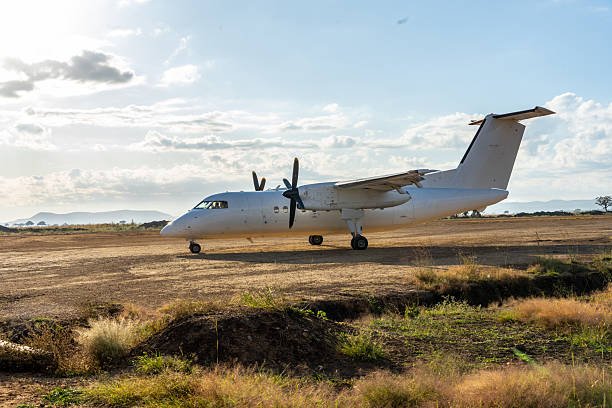
- Reduced Transfer Costs: Instead of paying for separate airport transfers in Arusha, then to safari parks, then back to Arusha, then to Zanzibar, and finally on Zanzibar, a single operator can often arrange these in a more cost-effective sequence. For example, a flight from a Serengeti airstrip directly to Zanzibar can be part of the package.
- Negotiated Accommodation Rates: Lodges and hotels often offer discounted rates to operators who book multiple clients or guarantee a certain volume of business throughout the year. This saving is then passed on to the consumer.
- Simplified Logistics: One point of contact means fewer administrative headaches and a single point of accountability if any issues arise during your trip.
Consider a typical 7-day safari followed by a 4-day Zanzibar beach stay. If booked separately, you might face costs for: transfers to/from Kilimanjaro International Airport (JRO) or Arusha Airport (ARK), internal flights or long drives between safari parks, park fees, accommodation, meals, and guide services for the safari. Then, add costs for flights from Arusha/JRO to Zanzibar (ZNZ), airport transfers in Zanzibar, accommodation, meals, and activities on the island. A single operator can often package this more efficiently. For instance, they might arrange a private vehicle for the entire safari duration, a flight from a park airstrip to Zanzibar, and then resort transfers and accommodation on the island. This integration minimizes the number of individual service providers you pay, and thus, the number of markups and commission fees.
For travelers looking ahead to 2026 or 2027, booking such a package provides a clear, upfront cost that can be easier to budget for. Operators are accustomed to building these combined itineraries, understanding the best flow between destinations to maximize both experience and value. For example, a popular flow might be a Northern Circuit safari (Tarangire, Ngorongoro, Serengeti) concluding with a flight from the Seronera airstrip in the Serengeti directly to Zanzibar, saving a day of travel back to Arusha.
Key Considerations for Bundled Packages:
While bundled packages are often cheaper, it’s crucial to understand what is included. Ensure clarity on accommodation levels (budget, mid-range, luxury), meal plans, included activities, park fees, internal flights, and transfers. A good operator will provide a detailed itinerary and clear inclusions/exclusions list.
Operator Overhead and Local Supplier Relationships
Local Tanzanian tour operators, particularly those with strong bases in areas like Moshi or Arusha, possess significant advantages in pricing due to their operational structure and established relationships with local suppliers. These advantages often translate into cost savings for clients booking combined safari and Zanzibar trips.
Reduced Administrative Costs: When you book your entire trip with one company, the operator only needs to manage one booking file, one client communication channel, and one payment processing. If you were to book your safari with one company and Zanzibar with another, each company incurs its own administrative costs for marketing, sales, booking, client management, and invoicing. These duplicated costs are naturally passed on to the consumer in the form of higher prices. A single operator consolidates these efforts, allowing them to operate more efficiently and offer more competitive pricing on combined packages.
Stronger Supplier Negotiations: Tanzanian tour operators work with a network of lodges, tented camps, ground transportation providers (4×4 vehicles, drivers), internal flight operators, and Zanzibar-based hotels and transfer companies on a daily basis. This consistent business volume allows them to negotiate preferential rates. For example, a lodge might offer a 10-15% discount to a high-volume operator that books multiple stays per week, compared to a one-off booking from an individual traveler or a foreign-based agent. These negotiated savings are a primary driver behind the cost-effectiveness of booking with a single, well-connected local operator.
Local Knowledge and Efficiency: Local operators understand the most efficient routes, the best times to travel to avoid peak pricing or crowds, and the most reliable suppliers. For example, they know which internal flight carriers offer the best balance of cost and schedule for getting from a safari airstrip to Zanzibar, or which ferry services are most reliable if that’s a chosen mode of transport. They can also advise on the best order of parks for a safari to minimize driving time and fuel costs, and then seamlessly transition this to the Zanzibar leg of the journey. This local expertise reduces the chances of costly logistical errors or last-minute changes that often arise when coordinating multiple independent bookings.
For travelers planning for 2026 and 2027, partnering with an operator like Climb 4 Africa, which has deep roots in Tanzania and extensive experience in coordinating both safari and Zanzibar components, means benefiting from these established networks and operational efficiencies. They can leverage their supplier relationships to build a comprehensive package that is not only logistically sound but also economically advantageous.
Questions to Ask About Operator Relationships:
- How long have you been operating in Tanzania?
- What is your relationship with the lodges/hotels you use?
- Do you own your safari vehicles, or do you partner with local drivers?
- What is your cancellation and refund policy?
- Can you provide a detailed itinerary with all inclusions and exclusions?
Potential Trade-offs and What to Watch For
While booking a combined safari and Zanzibar trip with one company often presents cost advantages, it’s essential to be aware of potential trade-offs and to conduct due diligence. Not all operators are created equal, and a lower price doesn’t always mean better value if quality or service is compromised.
Risk of Lower Quality Accommodation/Services: Some operators might secure cheaper deals by using lower-tier accommodation, older safari vehicles, or less experienced guides to keep costs down. It’s crucial to research the operator’s reputation, read recent reviews (not just testimonials on their own website), and understand the specific lodges or camps included in the package. For example, a package that sounds incredibly cheap might involve staying in basic campsites instead of lodges, or using a shared safari vehicle rather than a private one, which can significantly impact the experience.
Limited Flexibility: Once a package is booked, making changes can sometimes be difficult or incur additional fees, especially if dealing with multiple suppliers through a single operator. If you decide mid-trip that you want to extend your stay in a particular lodge or change your Zanzibar hotel, it might be more complex than if you had booked each element independently with direct supplier contact.
Dependence on One Operator’s Expertise: If the operator has a weakness in one area (e.g., less experience with Zanzibar logistics compared to safari), it could affect that part of your trip. It’s wise to choose an operator that has a proven track record in handling both safari and beach destinations effectively.
Hidden Costs: While bundled packages aim for clarity, always scrutinize the inclusions. Are park fees, conservation fees, meals (especially drinks), tips, visa costs, travel insurance, and internal flights truly included? Sometimes, what appears to be a great deal hides additional expenses that become apparent later. For example, some Zanzibar resorts charge a mandatory “sustainability fee” or “resort fee” not always listed in initial package quotes.
For those planning their adventures for 2026 or 2027, it’s recommended to compare offers from a few reputable operators. Look for transparency in pricing and detailed itineraries. For instance, if one operator offers a Serengeti safari and Zanzibar package for a significantly lower price than others, investigate why. It might be due to accommodation choices, duration, or a higher number of participants per vehicle, all of which directly impact the quality of your experience.
Due Diligence Checklist:
- Verify Reviews: Look for independent reviews on platforms like TripAdvisor or Google.
- Check Inclusions: Get a detailed breakdown of what the price covers.
- Ask About Accommodation: Inquire about specific lodges/hotels and their star ratings.
- Understand Vehicle Type: Is it a private 4×4 safari cruiser? What is the capacity?
- Clarify Transfers: How are you getting from the safari to Zanzibar? What transfers are included on the island?
Comparing Single Operator vs. Separate Bookings: A Cost Breakdown Logic
To truly understand if booking safari and Zanzibar with one Tanzania company is cheaper, it’s helpful to break down the potential cost components and see where savings might occur. Let’s consider a hypothetical 10-day trip (5 days safari, 5 days Zanzibar) for two people in the shoulder season (e.g., November 2026) to illustrate the logic.
Scenario 1: Booking with a Single Local Operator (e.g., Climb 4 Africa)
A well-structured package from a local operator would typically include:
- Safari: Park fees (Serengeti, Ngorongoro, Tarangire), accommodation (mid-range lodges), private 4×4 safari vehicle and guide, all meals on safari, airport transfers in Arusha.
- Zanzibar: Internal flight from safari airstrip to Zanzibar, accommodation (mid-range beach resort), airport transfers in Zanzibar, breakfast daily.
- Logistics: Coordination of all transfers and internal travel.
The operator leverages their negotiated rates for lodges, vehicles, and flights. They also benefit from streamlined operations. The total package price might be structured as a single quote, reflecting bundled savings.
Scenario 2: Booking Safari and Zanzibar Separately
This scenario involves booking each component with different providers, potentially one for safari and another for Zanzibar, or even booking directly with hotels and arranging transport independently.
- Safari: You’d contact a safari specialist. You’d pay their quoted price for park fees, accommodation, vehicle, guide, and meals. They might charge a premium for a single booking if they don’t have other clients overlapping with your dates.
- Zanzibar: You’d then separately book flights from Arusha to Zanzibar (often more expensive when booked independently than as part of a package). You’d then book your Zanzibar accommodation and arrange airport transfers on the island. You might also book additional activities like spice tours or snorkeling trips, which could be cheaper if booked locally on the island, but add to the coordination effort.
Where the Savings Occur with a Single Operator:
- Volume Discounts: The operator secures better rates from lodges and hotels due to booking volume.
- Reduced Transfer Markups: Instead of multiple independent transfers, a single operator can often arrange more direct and cost-effective transit, like a flight from an airstrip rather than a long drive back to Arusha.
- Operational Efficiency: One booking system, one point of contact, and fewer commissions paid to multiple agents.
- Package Deals: Operators often create packages that are inherently cheaper than the sum of their individual parts.
For instance, a single internal flight from, say, the Seronera airstrip in the Serengeti to Zanzibar might cost $350-$450 per person if booked independently. However, when part of a larger package, the operator might secure this for $300-$380 per person. Similarly, a lodge that charges $300 per person per night directly might be available to a tour operator for $250-$270 per person per night. Multiplied over several nights and for multiple travelers, these savings add up significantly.
Planning for 2026 or 2027, it is crucial to get detailed quotes for both scenarios. Ask for a line-item breakdown if possible. However, generally, the integrated approach with a local expert is more likely to yield cost savings, provided the operator is reputable and transparent.
Cost Comparison Logic:
Single Operator Advantage: Leverages negotiated rates, operational efficiency, and bundled package discounts. Often includes more elements in the base price.
Separate Bookings Disadvantage: Incurs higher individual supplier rates, multiple transfer costs, and duplicated administrative overhead. May require more effort to piece together.
The Role of Local Expertise in Cost Optimization
The pricing of any travel experience, especially in a destination like Tanzania, is deeply intertwined with local knowledge and established networks. A local tour operator’s expertise isn’t just about knowing the best wildlife viewing spots or the most beautiful beaches; it’s also about understanding the intricate workings of the Tanzanian tourism economy and how to navigate it cost-effectively for clients.
Supplier Relationships: Local companies like Climb 4 Africa have spent years building relationships with safari lodges, tented camps, Zanzibar hotels, transfer companies, and internal flight operators. These relationships are built on trust, consistent business, and a mutual understanding of operational needs. This allows them to negotiate rates that are often unavailable to international or independent travelers. For example, a lodge might offer a specific rate for operators during the low season (which might still be a good time to visit in 2026 or 2027) that is significantly lower than the rack rate published online.
Logistical Efficiency: Knowing the most efficient routes, optimal travel times, and reliable transport providers is key. A local operator can plan an itinerary that minimizes backtracking and long, uncomfortable drives, which not only saves time but also reduces fuel costs for safari vehicles and potentially airfare if they can arrange direct flights between safari airstrips and Zanzibar.
Understanding Park Fees and Regulations: Tanzania’s national park fees are substantial and can form a significant portion of a safari budget. A local operator is intimately familiar with these fees, how they are calculated, and any potential variations or exemptions (though these are rare). They can also advise on the best timing to visit parks to potentially avoid peak season surcharges, which are often factored into accommodation rates.
Zanzibar Specifics: On Zanzibar, local operators understand the nuances of different beach areas, the best value-for-money accommodations, and local activity providers. They can advise whether a package including transfers and breakfast is more economical than one with full board, given the abundance of excellent and reasonably priced restaurants on the island. They also know which local guides offer the best value for spice tours or Stone Town historical walks.
By consolidating your safari and Zanzibar plans with a local expert, you are essentially tapping into this deep well of knowledge and established infrastructure. This doesn’t just mean a potentially lower price; it means a smoother, more reliable, and often richer travel experience because the itinerary is crafted by those who know the destination intimately. For 2026 and 2027 travel, this local insight can be particularly valuable as the tourism landscape continues to evolve.
Why Local Expertise Matters for Cost Savings:
- Access to Negotiated Rates: Operators get better deals from suppliers.
- Optimized Itineraries: Minimizes travel time and associated costs.
- Insider Knowledge: Helps navigate local pricing and avoid hidden fees.
- Supplier Reliability: Reduces risk of costly disruptions or poor service.
Timing Your Trip for Maximum Value in 2026-2027
The seasonality of travel in Tanzania significantly impacts costs. Understanding these cycles is vital when deciding whether to book safari and Zanzibar with one company, as packages are often priced based on peak, shoulder, or low seasons. Booking with a single operator can sometimes allow for more flexibility in finding value during these periods.
Peak Season (June to October): This is the dry season, coinciding with the Great Migration river crossings in the Serengeti. It’s also a popular time for Zanzibar due to sunny, less humid weather. Prices for accommodation, flights, and packages are at their highest during this period. Booking well in advance for 2026 or 2027 peak season is essential, and a bundled package might offer the best available rates, though still at a premium.
Shoulder Seasons (March to May, November): These periods offer a balance between good weather and lower prices. March to May can see longer rains, which might affect road conditions on safari and increase humidity in Zanzibar, but wildlife viewing can still be excellent, and fewer crowds mean a more intimate experience. November is often a short, less intense rainy season. Operators can often build more cost-effective packages during these times, potentially including better lodges or more activities for the same budget compared to peak season.
Low Season (January to February, December): January and February are generally dry and warm, excellent for wildlife viewing, especially calving season in the southern Serengeti. December can be pleasant but may see some holiday price hikes. The main “long rains” are typically April and May, making this the lowest season, though parts of Tanzania can still be very enjoyable, and prices are at their lowest. A single operator can be adept at crafting attractive packages for these off-peak times, often including perks that make the lower season travel highly appealing.
When you book your safari and Zanzibar with one company, they can advise on the best shoulder or low season months for 2026 or 2027 that align with your preferences for weather and wildlife, while also offering packages that reflect the seasonal price differences. This integrated approach ensures that the entire trip’s cost is optimized, rather than just one segment.
Seasonal Cost Impact:
- Peak Season (June-Oct): Highest costs, best weather.
- Shoulder Season (Mar-May, Nov): Moderate costs, good balance.
- Low Season (Jan-Feb, Dec): Lowest costs, specific wildlife events (calving).
Tailor-Made vs. Standard Packages: Finding the Sweet Spot
Tour operators offer a spectrum from fixed standard packages to fully tailor-made itineraries. Understanding where your safari and Zanzibar booking fits can impact cost and value. Booking with one company often provides flexibility across this spectrum.
Standard Packages: These are pre-designed itineraries that cover popular routes and durations. They are usually the most cost-effective because the operator has optimized them for logistics and supplier rates. For example, a 5-day Northern Circuit safari combined with a 4-day Zanzibar beach stay might be a standard offering. Booking this as-is with a single operator is likely to be the cheapest option.
Semi-Customized Packages: Here, you might take a standard package and make minor adjustments, such as swapping a lodge, extending a day in a particular park, or choosing a different type of accommodation in Zanzibar. A single operator can manage these modifications efficiently, often with minimal price impact if the changes are comparable in cost.
Fully Tailor-Made Itineraries: This is where you design your dream trip from scratch with the operator. While offering maximum personalization, this can sometimes be more expensive if you opt for exclusive experiences or less commonly used routes that don’t benefit from bulk supplier rates. However, a skilled local operator can still find cost-effective solutions within a tailor-made framework, especially if they understand your budget priorities.
When you book both safari and Zanzibar with one company, they can help you find the sweet spot. For instance, they might suggest a slightly less famous but equally beautiful park for a day or two to save on park fees, or recommend a specific region in Zanzibar that offers excellent value for money accommodation. They can also advise on which elements are worth splurging on (e.g., a private guide for a specific safari day) and where savings can be made without compromising the overall experience.
For planning trips in 2026 or 2027, discussing your budget and desired experiences with a single operator allows them to craft the most cost-effective itinerary that meets your specific needs. They can balance the desire for exclusivity with the practicalities of budget, ensuring you get the best value for your combined safari and Zanzibar adventure.
Sample Combined Itinerary Logic:
Standard: 5-Day Northern Circuit Safari + 4-Day Zanzibar Beach Stay (fixed itinerary, most economical).
Semi-Custom: 6-Day Northern Circuit (add a day in Serengeti) + 3-Day Zanzibar (different resort). Minor adjustments to a standard package.
Tailor-Made: 7-Day Southern Tanzania Safari (Selous/Ruaha) + 5-Day Zanzibar (historical tour + beach). Bespoke itinerary design.
Booking Your 2026-2027 Tanzania Adventure with Confidence
When you decide to book your Tanzania safari and Zanzibar holiday with a single local company, the key to ensuring it’s both cost-effective and a fantastic experience lies in choosing a reputable operator. Companies like Climb 4 Africa specialize in creating these integrated travel experiences, offering a blend of expert local knowledge, strong supplier relationships, and a commitment to client satisfaction.
By consolidating your booking, you gain the advantage of bundled pricing, streamlined logistics, and the expertise of a team that understands the intricacies of both the safari circuit and the island paradise. This often leads to significant cost savings compared to booking each part of your journey separately. For your 2026 or 2027 travel plans, this integrated approach can simplify the planning process and maximize your budget.
To get the most accurate picture of whether this approach is cheaper for your specific trip, we encourage you to reach out. Discussing your desired itinerary, travel dates, accommodation preferences, and budget with an experienced operator will allow them to craft a personalized quote. This way, you can compare the value and cost of a combined package against separate bookings, ensuring you make the most informed decision for your unforgettable Tanzanian adventure.
Ready to plan your combined safari and Zanzibar trip for 2026 or 2027? Contact Climb 4 Africa to discuss your options. You can reach us via WhatsApp at +255 747 477 898 or by emailing climb4africa@gmail.com. We are here to help you craft the perfect, cost-effective itinerary.
“,
“faq_schema”: [
{
“question”: “Is it always cheaper to book safari and Zanzibar with one company?”,
“answer”: “Generally, yes, booking both your Tanzania safari and Zanzibar holiday with a single, reputable local tour operator often proves more economical. This is due to bundled package discounts, reduced administrative overhead for the operator, and their stronger negotiation power with local suppliers for accommodation and transport. However, the exact savings depend on the operator, the specific package, and your chosen travel dates for 2026-2027.”
},
{
“question”: “What are the main cost benefits of booking a combined safari and Zanzibar package?”,
“answer”: “The primary cost benefits include consolidated pricing for a comprehensive itinerary, reduced transfer costs due to optimized logistics (e.g., direct flights from safari to Zanzibar), negotiated lower accommodation rates from lodges and hotels, and overall operational efficiency for the tour operator, which translates into savings for you.”
},
{
“question”: “What potential trade-offs should I be aware of when booking a combined package?”,
“answer”: “Potential trade-offs include a risk of lower quality services if the operator prioritizes price over quality, limited flexibility for last-minute changes once the package is booked, and the possibility of hidden costs if the inclusions are not clearly specified. It’s crucial to choose a reputable operator and scrutinize the package details.”
},
{
“question”: “How does seasonality affect the cost of combined safari and Zanzibar packages for 2026-2027?”,
“answer”: “Seasonality significantly impacts costs. Peak season (June-October) is the most expensive, while shoulder (March-May, November) and low seasons (January-February) offer better value. A single operator can help you find cost-effective packages during off-peak times and advise on the best balance between weather and price for your 2026-2027 travel.”
},
{
“question”: “How can I ensure I’m getting good value when booking a combined package?”,
“answer”: “Ensure you receive a detailed itinerary with clear inclusions and exclusions. Research the operator’s reputation through independent reviews, ask about the specific lodges/hotels and safari vehicles used, and compare quotes from a few reputable local companies. Transparency in pricing is key for good value.”
},
{
“question”: “What is the typical duration for a combined safari and Zanzibar trip?”,
“answer”: “A common duration for a combined safari and Zanzibar trip is around 8 to 14 days. This typically allows for 4-7 days on safari exploring key parks like the Serengeti and Ngorongoro, followed by 4-7 days relaxing on the beaches of Zanzibar. This duration can be adjusted based on your interests and budget for 2026-2027.”
}
]
}
“`
Check Availability for Is It Cheaper To Book Safari And Zanzibar With One Tanzania Company?…
Ready to compare dates, prices, and the best option for your group? Send the package name and travel month so the team can reply with a clear quote, availability, and what is included.
Ten Day Afcon Tanzania Safari And Zanzibar Holiday: Planning Guide
Planning a ten-day trip for AFCON 2027? This guide covers the ideal itinerary, logistics for combining a Northern Circuit safari with a Zanzibar beach holiday, and how to manage your travel...
View package detailsCan I Book A One Day Safari From Zanzibar In Dec ?
Can I Book a One Day Safari from Zanzibar in Dec 2026?
View package detailsAfcon Football Safari And Zanzibar Holiday: Expert Planning Guide
A guide to combining the AFCON 2027 football tournament with a Tanzanian safari and Zanzibar beach holiday, focusing on logistics, timing, and travel planning.
View package detailsAfcon Honeymoon Safari And Zanzibar Package: Expert Planning Guide
A detailed guide for couples planning a Tanzania trip during the 2027 AFCON tournament, focusing on logistics, safari privacy, and Zanzibar beach selection.
View package detailsSeven Day Afcon Safari And Zanzibar Package
Seven Day AFCON Safari and Zanzibar Package.
View package detailsAfcon Kilimanjaro Safari And Zanzibar Package: Expert Planning Guide
A comprehensive guide to coordinating your AFCON 2027 travel, including Kilimanjaro trekking, Northern Circuit safaris, and Zanzibar relaxation, with expert logistical advice.
View package detailsI Am Staying In Zanzibar—Can I Join A Mainland Safari Group?
A practical guide for travelers staying in Zanzibar who want to add a group safari to their itinerary, covering logistics, regional differences, and planning tips.
View package details
Nov 23, – 3 Day Serengeti And Ngorongoro Safari From Zanzibar
Nov 23, 2026 – 3 Day Serengeti and Ngorongoro Safari from Zanzibar.
View package details_1_John_from-rednote-web-768x1024.jpg)
Dec 13, – 2 Day Nyerere Fly-In Group Safari From Zanzibar 2026
A detailed guide to the December 13, 2026 group fly-in safari from Zanzibar to Nyerere National Park, covering the itinerary, logistics, and planning for your trip.
View package details
Dec 5, – 1 Day Mikumi Fly-In Group Safari From Zanzibar 2026
A practical guide to the December 5, 2026, group fly-in safari to Mikumi National Park. Learn about the itinerary, group logistics, and how to book your seat.
View package details
Nov 15, – 2 Day Mikumi Fly-In Group Safari From Zanzibar 2026
A practical guide and booking overview for the November 15, 2026, group fly-in safari to Mikumi National Park, departing from Zanzibar.
View package details
Oct 25, – 1 Day Nyerere Fly-In Group Safari From Zanzibar 2026
Secure your spot for the October 25, 2026, group fly-in safari to Nyerere National Park. A professional, time-efficient wildlife experience from Zanzibar.
View package detailsNo related package matches those filters. Clear one or more filters to see the other topic-matched options.