
To enjoy a migration safari in Tanzania without changing camps every night, the best approach is to focus on strategic multi-day stays within the parks where the migration is most reliably found during your travel dates. This means selecting itineraries that allow for 2-4 nights in specific regions like the Serengeti or the northern parks during certain times of the year, utilizing lodges or tented camps that offer comfortable, fixed accommodations within or on the borders of these key wildlife areas. Instead of a rapid-fire tour, you’ll opt for a more relaxed pace, dedicating ample time to explore a chosen ecosystem thoroughly, increasing your chances of witnessing diverse wildlife and migration patterns without the daily packing and unpacking. For 2026 and 2027 travel, planning ahead is crucial to secure these desirable, longer stays in prime migration locations.
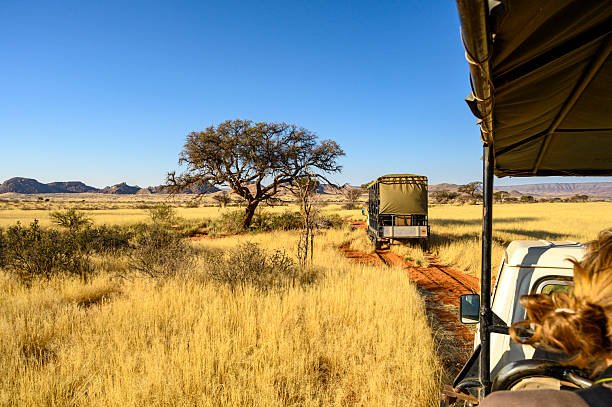

Understanding Your Migration Safari Goals: Beyond Just Seeing “The” Migration
The allure of Tanzania’s Great Migration is undeniable. It’s a spectacle of nature so immense it’s visible from space, a constant, churning river of life across the plains. However, many first-time safari-goers envision a whirlwind tour, hopping from one location to the next, hoping to catch a glimpse of this phenomenon. While a fast-paced itinerary can cover more ground, it often sacrifices depth and the opportunity for genuine connection with the environment. When you express a desire for a migration safari without changing camps every night, you’re signalling a preference for a more in-depth, less hurried experience. This is a wise choice for several reasons:
- Deeper Wildlife Encounters: Spending more time in one area allows you to understand its rhythms, learn the habits of resident animals, and increase your chances of witnessing natural behaviors beyond just migration herds.
- Reduced Travel Fatigue: Constantly packing, checking out, driving, checking in, and unpacking is exhausting. A slower pace conserves your energy for what you came for: the wildlife.
- Greater Appreciation: You begin to feel a sense of place, not just a tourist passing through. This fosters a deeper appreciation for the ecosystem and its inhabitants.
- Logistical Simplicity: Fewer moves mean simpler planning and less potential for lost luggage or travel hiccups.
The Great Migration is not a single event but a year-round cycle. Understanding where the herds are likely to be during your specific travel window in 2026 or 2027 is the first critical step in designing a safari that meets your desire for fewer camp changes. This guide will help you navigate those choices, focusing on the most effective ways to experience the migration at a comfortable pace.
The Core Strategy: Multi-Day Stays in Key Migration Zones
The most effective way to achieve a migration safari without changing camps every night is by structuring your itinerary around longer stays in specific national parks or reserves. Instead of moving between different camps every day or two, you’ll select one or two strategic locations and spend 2 to 4 nights (or even more) at a single lodge or tented camp within or very close to that area. This allows for:
- Focused Exploration: You can dedicate full days to exploring different sectors of a park or reserve. For instance, in the Serengeti, one day might focus on the Seronera Valley, another on the Western Corridor, and a third on the Lobo area, all from the same central base.
- Early Morning and Late Afternoon Game Drives: These are often the most productive times for wildlife viewing. With a fixed camp, you can easily head out at dawn and return at dusk without the rush of packing up.
- Relaxed Atmosphere: You have time to enjoy your accommodation, perhaps a midday siesta, read a book, or simply observe the local wildlife around the camp itself.
- Flexibility: If you hear about a great sighting nearby, you have the flexibility to go investigate without it disrupting your entire day’s travel plan.
This approach is particularly well-suited for the Serengeti National Park, as it is vast and diverse, offering incredible game viewing opportunities year-round, with different migration patterns and resident wildlife concentrations depending on the season.
Mapping the Migration: Where and When for a Relaxed Safari
The success of a migration safari without nightly camp changes hinges on understanding the annual cycle of the wildebeest and zebra herds. While the herds are always moving, they follow predictable patterns influenced by rainfall and the availability of fresh grazing. For planning your 2026-2027 safari, here’s a general breakdown of where to focus your multi-day stays:
January – March: Southern Serengeti & Ngorongoro Conservation Area
During these months, the migration congregates in the southern plains of the Serengeti and the surrounding areas of the Ngorongoro Conservation Area (NCA). This is the calving season, a critical period for the herds. Thousands of calves are born, making for dramatic predator-prey interactions as lions, cheetahs, hyenas, and wild dogs hunt the vulnerable young. This is an incredibly rewarding time for photographers and anyone interested in the raw drama of the African savanna.
Suggested Multi-Day Stay:
- Southern Serengeti (Ndutu Area): Often considered part of the NCA for logistical purposes during this season, this area offers prime viewing. Lodges and tented camps here provide excellent bases for 3-4 nights. You can explore the open plains, witness calving, and see resident predators.
- Ngorongoro Conservation Area: While not directly part of the migration herds’ main movement, the NCA offers excellent game viewing with high concentrations of animals, including the Big Five, and can be combined with a southern Serengeti stay. However, staying *within* the NCA often means lodges on the crater rim, which are very expensive and don’t allow for extensive exploration of the plains. A more practical approach for this safari style is to base yourself in the south of Serengeti and do a day trip into the crater if desired, or focus solely on the southern Serengeti plains.
Traveler Profile: Ideal for those interested in predator-prey action, newborn wildlife, and vast, open savanna landscapes. Photographers will find endless opportunities.
April – May: The Serengeti’s Western Corridor (Wildebeest on the Move)
As the rains begin to subside, the herds start their northward journey. A significant portion often moves into the Western Corridor of the Serengeti. This is a fantastic time to witness large numbers of wildebeest and zebras concentrated along the Grumeti River.
Suggested Multi-Day Stay:
- Grumeti River Area (Western Serengeti): Lodges and tented camps in this region are perfect for 3-4 night stays. The Grumeti River itself is a highlight, often offering dramatic river crossing opportunities for crocodiles as the herds attempt to cross. The landscape here is more wooded than the southern plains.
Traveler Profile: Excellent for those who want to see large concentrations of animals and potentially witness river crossings. The landscape is also beautiful and less crowded than the southern plains during peak season.
June – October: Northern Serengeti & Mara River Crossings
This is arguably the most famous period, as the migration heads north towards the Kenyan border and the Mara River. The herds are pushed by the dry season and the need for fresh grazing, often gathering in massive numbers before attempting the perilous crossings of the Mara River. These crossings are unpredictable but incredibly dramatic events, with crocodiles lying in wait.
Suggested Multi-Day Stay:
- Kogatende / Lamai Wedge Area (Northern Serengeti): This is the prime location for witnessing Mara River crossings. Camps here are strategically positioned for easy access to crossing points. A 3-4 night stay is highly recommended to maximize your chances of seeing a crossing. The landscape is characterized by rolling hills and the winding Mara River.
Traveler Profile: For those seeking the iconic, dramatic river crossing spectacle. This is a prime time for photographers and wildlife enthusiasts. Be aware that this is also a peak tourist season, so booking well in advance for 2026-2027 is essential.
November – December: Return to the Southern Plains
As the short rains begin in early November, the migration starts its journey back south, moving through the central and eastern Serengeti towards the southern plains, often passing through areas like Seronera or heading towards the NCA. This can be a more dispersed movement, but still offers excellent game viewing.
Suggested Multi-Day Stay:
- Central Serengeti (Seronera Valley): A great option for 3-4 nights. Seronera is known for its resident wildlife, including large prides of lions and leopards, year-round. During this period, it also becomes a transit point for the migration.
- Eastern Serengeti: Can also be a good option, offering a mix of migration movement and resident game.
Traveler Profile: Good for those wanting to combine migration sightings with excellent resident game viewing, especially big cats. It’s a transition period, so sightings can be varied.
Choosing Your Accommodation Style for Extended Stays
When you’re aiming for multi-night stays, the quality and comfort of your accommodation become even more important. You’ll be spending more time at the lodge or camp, so it needs to be a place where you can relax and recharge. For a migration safari without daily camp changes, your options generally fall into two categories:
Permanent Lodges
These are fixed structures, often built with more permanent materials, offering a higher level of comfort and amenities. They can range from comfortable to ultra-luxurious.
- Pros: Excellent facilities (swimming pools, spas, fine dining), robust construction (better protection from elements and insects), often more spacious rooms, can be booked year-round.
- Cons: Can be more expensive, sometimes less “in the bush” feel compared to tented camps, fixed locations mean you can’t easily move deeper into remote areas if the migration shifts slightly.
Ideal for: Travelers seeking comfort, excellent service, and a full-service experience. Those who prioritize amenities and a more traditional hotel-like stay within a wilderness setting.
Tented Camps (Mobile vs. Semi-Permanent)
Tented camps offer a more intimate “bush” experience. For longer stays, you’ll typically be looking at semi-permanent tented camps. These are still canvas tents, but they are set up on permanent platforms, often with en-suite bathrooms and comfortable furnishings. True “mobile” camps that move with the migration are usually for much shorter, specific expeditions and involve more frequent moves, which is what you’re trying to avoid.
- Pros: More in-depth bush experience, closer to nature, often in prime locations within or on the borders of parks, can offer a more authentic feel.
- Cons: Amenities can be more basic than lodges (though still very comfortable), noise from wildlife can be more apparent (which many see as a pro!), can be cooler at night, dependent on camp’s location for game viewing.
Ideal for: Travelers who want to feel more connected to the natural environment, enjoy the sounds of the bush at night, and prefer a more intimate setting. Semi-permanent camps strike an excellent balance for longer stays.
When planning your 2026-2027 migration safari with Climb 4 Africa, we can help you select lodges or camps that best suit your comfort level and desired experience, ensuring they are strategically located for the migration season you’ve chosen.
Structuring Your Itinerary: Examples for a Relaxed Migration Safari
To illustrate how a migration safari without daily camp changes can work, let’s look at a few example itinerary structures. These are designed for a 7-10 day safari, focusing on maximizing time in one or two key areas.
Example 1: Northern Serengeti Focus (June – October)
Duration: 8 Days / 7 Nights
Focus: Mara River Crossings & Northern Wildlife
Accommodation: Semi-permanent tented camp in Kogatende/Lamai Wedge area.
- Day 1: Arrival in Kilimanjaro (JRO) or Arusha (ARK), transfer to Arusha. Overnight in Arusha.
- Day 2: Fly from Arusha to Kogatende Airstrip (Northern Serengeti). Met by your guide, game drive en route to your camp. Afternoon game drive.
- Day 3-5: Full days exploring the Northern Serengeti. Focus on the Mara River crossings, track the migration herds, and observe predators. Multiple game drives per day, departing early and returning late.
- Day 6: Morning game drive, fly from Kogatende to Arusha. Transfer to your hotel.
- Day 7: Optional day trip or relaxation in Arusha.
- Day 8: Departure.
Why this works: By flying directly into the Northern Serengeti, you eliminate long drives from the south. Staying 4 nights in one camp allows ample opportunity to witness river crossings without feeling rushed. This is a prime example of a migration safari without changing camps daily.
Example 2: Southern Serengeti & Calving Season (January – March)
Duration: 9 Days / 8 Nights
Focus: Calving Season, Predators, Southern Plains
Accommodation: Lodge or semi-permanent tented camp in Southern Serengeti (Ndutu area).
- Day 1: Arrival in Kilimanjaro (JRO) or Arusha (ARK), transfer to Arusha. Overnight in Arusha.
- Day 2: Fly from Arusha to Kilimanjaro International Airport (JRO) or Arusha Airport (ARK) to Seronera Airstrip (Central Serengeti) or directly to Ndutu airstrip if available. If flying to Seronera, game drive en route to your Southern Serengeti camp, potentially seeing resident game in Seronera. If flying to Ndutu, direct transfer.
- Day 3-6: Full days exploring the Southern Serengeti and Ndutu plains. Focus on calving, predator action, and the vast herds spread across the landscape. You can explore different areas each day from your base.
- Day 7: Morning game drive, fly from Ndutu/Seronera to Arusha. Transfer to your hotel.
- Day 8: Optional day trip or relaxation in Arusha.
- Day 9: Departure.
Why this works: This itinerary dedicates significant time to the calving grounds. Staying 5 nights in one camp allows for thorough exploration of the southern plains, tracking herds and observing predator-prey dynamics without moving. This offers a deep look at a specific, crucial phase of the migration cycle.
Example 3: Combining Serengeti with a Taste of Ngorongoro (Flexible Timing)
This approach requires a bit more planning to avoid too many camp changes, but is achievable. It often involves a strategic choice of camps.
Duration: 10 Days / 9 Nights
Focus: Migration, Big Cats, Crater Experience
- Day 1: Arrival in Kilimanjaro (JRO) or Arusha (ARK), transfer to Arusha. Overnight in Arusha.
- Day 2: Fly from Arusha to Seronera Airstrip (Central Serengeti). Met by your guide, game drive en route to your lodge/camp in Central Serengeti.
- Day 3-4: Explore Central Serengeti. Focus on resident wildlife, especially big cats, and any migration movements through the area.
- Day 5: Morning game drive, drive to your lodge/camp on the Ngorongoro Crater rim or Karatu (outside the NCA). This is a longer travel day but avoids a camp change for the Serengeti portion.
- Day 6: Full day game drive inside the Ngorongoro Crater. Descend early for incredible wildlife viewing in this unique caldera.
- Day 7: Explore Lake Manyara National Park or Tarangire National Park (depending on season and migration). Stay overnight in Karatu or Tarangire.
- Day 8: Full day game drive in Tarangire (if chosen) or other activities.
- Day 9: Drive back to Arusha.
- Day 10: Departure.
Trade-offs: This itinerary involves more driving days between regions compared to the first two. However, it consolidates the Serengeti stay to 3 nights, then moves to a different area. To truly minimize camp changes, you might extend the Serengeti stay and do a day trip to the crater from a Karatu-based lodge, or choose to skip the crater for an even more relaxed safari focused solely on the Serengeti.
Practical Planning for Your 2026-2027 Migration Safari
Planning a migration safari without daily camp changes requires careful consideration of several factors. Here’s what you need to know to make your 2026 or 2027 trip a success:
Booking Window
For prime locations and accommodations, especially in the Northern Serengeti during the river crossing season (June-October), booking 9-12 months in advance is highly recommended for 2026-2027. Even for other seasons, popular lodges and tented camps fill up quickly. Early booking ensures you get your preferred camp and the best availability.
Choosing the Right Time of Year
As detailed above, the ‘best’ time depends on what you want to see. For a relaxed migration safari, consider:
- Shoulder Seasons (April-May, November-December): Generally less crowded and can offer good value. The migration is on the move, but river crossings are unlikely. You might see herds in transit and enjoy excellent resident game.
- Peak Seasons (June-October for North, Jan-Mar for South): These are the most sought-after times due to iconic events (crossings, calving). They are also the busiest and most expensive. Booking very early for 2026-2027 is essential.
Safari Vehicle and Guide
For a migration safari focused on longer stays, a good vehicle and an experienced guide are paramount. You’ll be spending a lot of time with them. A 4×4 safari vehicle is standard, offering excellent viewing and comfort. Your guide’s knowledge of animal behavior, tracking skills, and understanding of the park’s geography will significantly enhance your experience. They are key to finding the migration and other wildlife without you having to move camps.
Flights within Tanzania
To minimize travel time and maximize your stay in the wildlife areas, internal flights are almost always recommended for safaris that involve multiple parks or remote areas. These small bush planes fly from Arusha (ARK) or Kilimanjaro International Airport (JRO) to various airstrips within the national parks. This is crucial for a migration safari without daily camp changes, as it allows you to reach prime locations quickly and efficiently.
What’s Typically Included
A typical safari package from a reputable operator like Climb 4 Africa for this type of trip usually includes:
- Park entrance fees
- Accommodation at selected lodges/camps
- All meals (breakfast, lunch, dinner)
- Game drives in a 4×4 safari vehicle
- Services of a professional English-speaking safari guide
- Internal flights (often quoted separately or included in a package)
- Bottled water during game drives
Not typically included: International flights, visa fees, travel insurance, tips for guides and staff, alcoholic beverages, personal expenses, and optional activities.
Costs for 2026-2027
The cost of a migration safari without daily camp changes will vary significantly based on the season, the level of accommodation (budget, mid-range, luxury), the duration of your stay, and whether you opt for a private or shared safari. Generally, expect:
- Mid-Range: $400 – $600 per person per day.
- Luxury: $700 – $1,200+ per person per day.
These figures typically include park fees, accommodation, meals, and game drives. Internal flights are usually an additional cost, often ranging from $350 – $500 per person for round trips between Arusha and Serengeti airstrips. For 2026-2027, these prices are subject to change, and early booking can sometimes help secure better rates.
Important Note on Pricing:
The figures above are estimates for 2026-2027. Exact pricing depends on your chosen itinerary, accommodation level, and specific dates. For a precise quote tailored to your needs, it’s best to contact a safari specialist.
Making the Decision: Private vs. Shared Safaris
When planning a migration safari with fewer camp changes, the choice between a private and a shared safari is significant. Both can work, but they offer different experiences:
Private Safari
You have your own dedicated safari vehicle and guide for the entire duration of your trip. You set the pace, decide when to stop for photos, and where to focus your game drives. This offers maximum flexibility and comfort.
- Pros: Ultimate flexibility, personalized itinerary, no waiting for other travelers, often leads to more sightings as you can stay longer at points of interest.
- Cons: Significantly more expensive than shared options.
Best for: Families, groups of friends, couples who want a highly customized experience, or those with specific photographic interests who need to dictate timing. This is ideal for a migration safari without changing camps if you want complete control over your extended stays.
Shared Safari (Group Tours)
You join a small group of other travelers in a safari vehicle. This is a more budget-friendly option, often with set departure dates and itineraries. Climb 4 Africa offers group departures for those looking for shared experiences.
- Pros: More affordable, chance to meet other travelers, fixed itineraries can simplify planning.
- Cons: Less flexibility (you follow the group’s schedule), may have to compromise on stops or duration at sightings, departure dates are fixed.
Best for: Solo travelers, couples on a tighter budget, or those who enjoy the social aspect of travel and don’t mind a more structured itinerary. You can still achieve a migration safari without changing camps every night on a group tour, provided the itinerary is designed for longer stays in specific parks.
For a migration safari without changing camps every night, a private safari offers the most control over your extended stays. However, a well-designed group safari from a reputable operator can also achieve this goal if the itinerary focuses on 2-4 night stays in key migration areas.
Beyond the Migration: What Else to Expect
While the Great Migration is the star attraction, Tanzania’s national parks offer so much more. A longer stay in one area allows you to appreciate the diversity of the ecosystem:
- Predator Action: The Serengeti is renowned for its high predator populations. You’ll likely see lions, leopards, cheetahs, hyenas, and wild dogs. Extended game drives increase your chances of witnessing hunts or kills.
- Resident Wildlife: Even outside the main migration herds, the parks teem with elephants, giraffes, buffalo, hippos, rhinos (in specific areas like Ngorongoro), and countless species of birds.
- Diverse Landscapes: From the endless golden plains of the south to the kopjes of Seronera, the acacia woodlands of the west, and the riverine forests of the north, the Serengeti offers varied scenery that complements the wildlife viewing.
- Birdlife: Tanzania is a birdwatcher’s paradise. Keep an eye out for vibrant rollers, majestic eagles, and numerous other avian species.
By choosing a safari without daily camp changes, you give yourself the time and space to truly absorb these other elements of the Tanzanian wilderness.
Frequently Asked Questions About Migration Safaris Without Daily Moves
Q1: Is it truly possible to see the Great Migration without moving camps every night?
A: Absolutely. The key is strategic planning. By selecting itineraries that focus on 2-4 night stays in the regions where the migration is most concentrated during your travel dates (e.g., Northern Serengeti for river crossings, Southern Serengeti for calving), you can experience the phenomenon without constant packing and unpacking. Lodges and semi-permanent tented camps serve as excellent bases for this relaxed safari style.
Q2: Which time of year is best for seeing the migration if I want to avoid moving camps?
A: The “best” time depends on what you want to witness. For dramatic river crossings, aim for June to October in the Northern Serengeti. For the calving season and intense predator action, January to March in the Southern Serengeti is ideal. Both these periods lend themselves perfectly to multi-day stays in fixed accommodations within those specific migration zones.
Q3: What are the typical costs for a 7-day migration safari without daily camp changes in 2026-2027?
A: Costs vary greatly by accommodation level and season. For a mid-range safari, expect approximately $400-$600 per person per day, and for luxury, $700-$1200+ per person per day. These estimates usually cover park fees, accommodation, meals, and game drives. Internal flights are an additional cost. For precise 2026-2027 pricing, it’s best to get a custom quote.
Q4: What is the advantage of staying longer in one area?
A: Staying longer allows for deeper immersion. You can conduct early morning and late afternoon game drives more easily, explore different sections of a park without rushing, understand the local wildlife’s daily routines, and reduce travel fatigue. It leads to a more relaxed and often more rewarding safari experience.
Q5: Can I combine a migration safari without daily camp changes with other Tanzanian attractions like Kilimanjaro or Zanzibar?
A: Yes, you can. However, to maintain the “no daily camp changes” philosophy for the safari portion, it’s best to dedicate a specific block of time solely to the safari. You could then fly from the safari airstrip to Zanzibar or back to Kilimanjaro for your next adventure. Combining too many destinations within a short timeframe might necessitate more frequent moves, which goes against your stated preference.
Planning Your Dream Migration Safari with Climb 4 Africa
A migration safari without the stress of daily camp changes is an achievable and highly recommended way to experience Tanzania’s wildlife. It allows for a more profound connection with the natural world and a more restful journey. At Climb 4 Africa, we specialize in crafting tailor-made itineraries that prioritize your comfort and immersion. Whether you’re aiming for the dramatic river crossings of the Northern Serengeti in 2026 or the calving season spectacle in the south in 2027, we can design a safari that fits your pace and preferences.
We understand the nuances of the migration cycle and the best locations and accommodations to suit a relaxed, multi-day stay. Let us help you craft an unforgettable adventure. To start planning your migration safari without changing camps every night, or to discuss group departure dates for 2026-2027, please reach out to our expert team. We are ready to help you create a truly special Tanzanian experience.
Contact us today:
- WhatsApp: +255 747 477 898
- Email: climb4africa@gmail.com
Let Climb 4 Africa turn your dream migration safari into a reality, ensuring you experience the magic of Tanzania at your own pace.
“,
“faq_schema”: [
{
“question”: “Is it truly possible to see the Great Migration without moving camps every night?”,
“answer”: “Absolutely. The key is strategic planning. By selecting itineraries that focus on 2-4 night stays in the regions where the migration is most concentrated during your travel dates (e.g., Northern Serengeti for river crossings, Southern Serengeti for calving), you can experience the phenomenon without constant packing and unpacking. Lodges and semi-permanent tented camps serve as excellent bases for this relaxed safari style.”
},
{
“question”: “Which time of year is best for seeing the migration if I want to avoid moving camps?”,
“answer”: “The “best” time depends on what you want to witness. For dramatic river crossings, aim for June to October in the Northern Serengeti. For the calving season and intense predator action, January to March in the Southern Serengeti is ideal. Both these periods lend themselves perfectly to multi-day stays in fixed accommodations within those specific migration zones.”
},
{
“question”: “What are the typical costs for a 7-day migration safari without daily camp changes in 2026-2027?”,
“answer”: “Costs vary greatly by accommodation level and season. For a mid-range safari, expect approximately $400-$600 per person per day, and for luxury, $700-$1200+ per person per day. These estimates usually cover park fees, accommodation, meals, and game drives. Internal flights are an additional cost. For precise 2026-2027 pricing, it’s best to get a custom quote.”
},
{
“question”: “What is the advantage of staying longer in one area?”,
“answer”: “Staying longer allows for deeper immersion. You can conduct early morning and late afternoon game drives more easily, explore different sections of a park without rushing, understand the local wildlife’s daily routines, and reduce travel fatigue. It leads to a more relaxed and often more rewarding safari experience.”
},
{
“question”: “Can I combine a migration safari without daily camp changes with other Tanzanian attractions like Kilimanjaro or Zanzibar?”,
“answer”: “Yes, you can. However, to maintain the “no daily camp changes” philosophy for the safari portion, it’s best to dedicate a specific block of time solely to the safari. You could then fly from the safari airstrip to Zanzibar or back to Kilimanjaro for your next adventure. Combining too many destinations within a short timeframe might necessitate more frequent moves, which goes against your stated preference.”
}
]
}
“`
Check Availability for I Want A Migration Safari Without Changing Camps Every Night, What Do You
Ready to compare dates, prices, and the best option for your group? Send the package name and travel month so the team can reply with a clear quote, availability, and what is included.
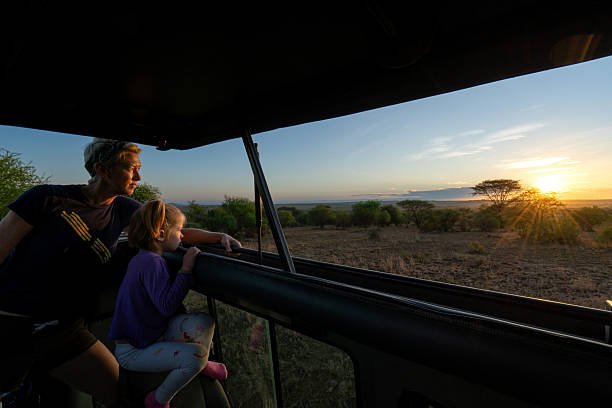
Great Migration Safari: Best Time, Places & Tours 2026-2027
Great Migration Safari: Best Time, Places & Tours is explained with current 2026-2027 planning, price, itinerary and booking information.
View package details
Serengeti Great Migration Safari Packages: Your Guide To Witnessing The Wonder
start an unforgettable journey with our comprehensive guide to Serengeti Great Migration safari packages for 2026-2027. Understand the best times to go, optimal viewing locations, and how...
View package details
What Is Included In An African Safari Package? A Complete Guide For 2026-2027
Demystifying African safari packages. This guide details what you can expect to be included, from essential logistics like accommodation and transport to crucial elements like park fees and...
View package details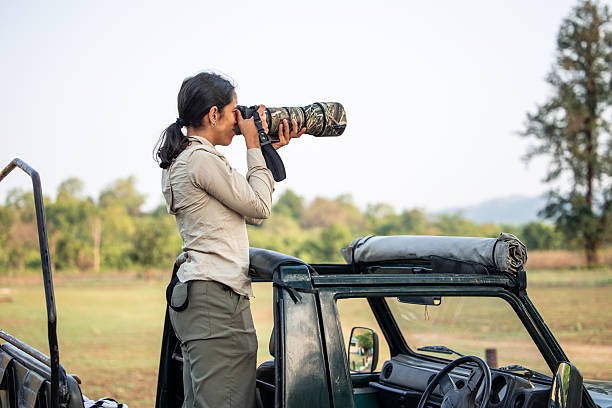
What Animals Can You See On An African Safari? Your Ultimate Wildlife Guide
Planning an African safari and wondering which animals you'll encounter? This comprehensive guide details the wildlife you can expect to see, from iconic mammals to elusive birds, across...
View package details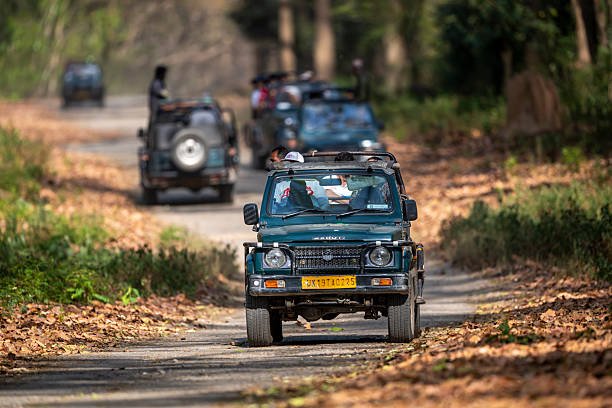
What Is The Cheapest African Country For Safari? 2026-2027
What Is the Cheapest African Country for Safari? is explained with current 2026-2027 planning, price, itinerary and booking information.
View package details
How Far In Advance Should You Book An African Safari? 2026-2027
How Far in Advance Should You Book an African Safari? is explained with current 2026-2027 planning, price, itinerary and booking information.
View package details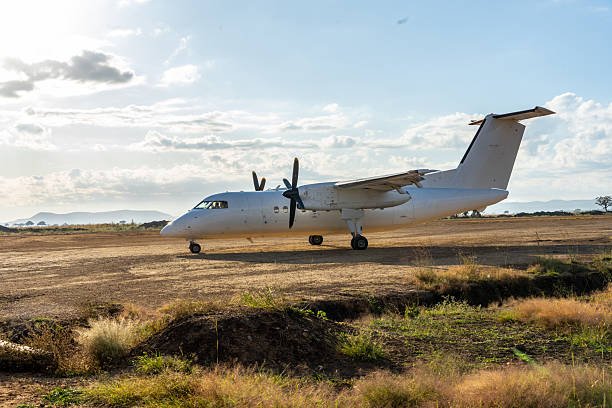
Kenya Safari Tours & Holiday Packages 2026-2027
Kenya Safari Tours & Holiday Packages is explained with current 2026-2027 planning, price, itinerary and booking information.
View package detailsSolo African Safari Tours: Your Ultimate Guide For 2026-2027
start an incredible solo African safari adventure. This comprehensive guide covers everything you need to know for planning a safe, rewarding, and memorable trip in 2026-2027, from choosing...
View package details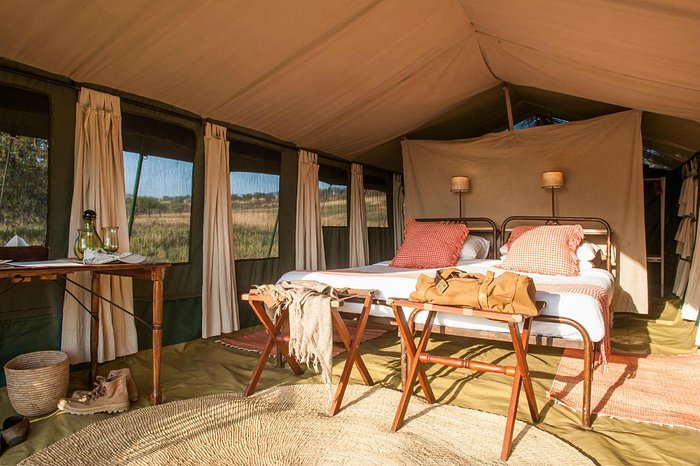
Safari From Zanzibar: Best Packages, Prices & Parks For 2026-2027
Combining a Zanzibar beach holiday with a Tanzania safari is a dream for many travelers. This guide details the best safari packages from Zanzibar, covering essential planning, park...
View package detailsIs It Better To Book A Safari Online Or Locally? 2026-2027
Is It Better to Book a Safari Online or Locally? is explained with current 2026-2027 planning, price, itinerary and booking information.
View package detailsAffordable African Safari Packages: Your Guide To Budget-Friendly Tanzania
Discover how to plan and book affordable African safari packages for 2026-2027. This guide provides practical advice on choosing budget-friendly Tanzania tours, understanding costs, and...
View package detailsBest Wildlife Safaris In Africa: Your Ultimate Guide For 2026-2027
start the ultimate African wildlife safari. This comprehensive guide covers the best destinations, essential planning tips, and what to expect for your 2026-2027 adventure.
View package detailsNo related package matches those filters. Clear one or more filters to see the other topic-matched options.



