
Yes, you can absolutely fly into the Northern Serengeti, bypassing the often lengthy drives from major hubs like Arusha. This is a popular and increasingly practical option, especially for reaching areas like Kogatende or Lamai, which are key for witnessing the Great Migration river crossings. Flying directly saves significant travel time, allowing more of your precious safari days to be spent in the wilderness itself. For your 2026 or 2027 safari planning, understanding these flight options is crucial for optimizing your experience.
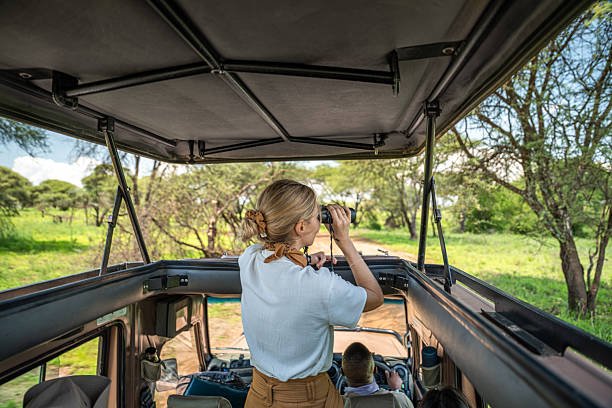
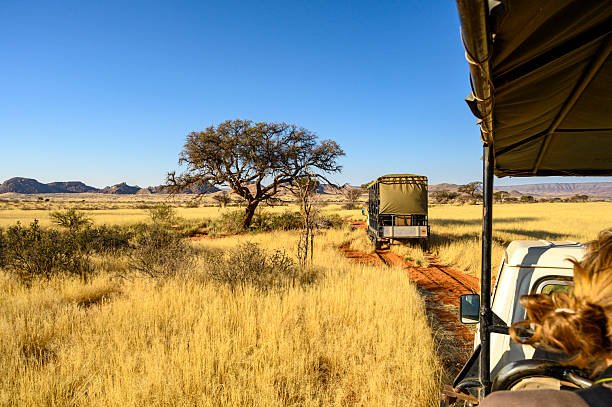
The vastness of the Serengeti National Park means that getting from one sector to another can take many hours, sometimes even a full day, especially when driving over challenging terrain. For travelers aiming to experience specific wildlife events, such as the dramatic wildebeest river crossings in the Mara River region of the Northern Serengeti (typically July to October), flying directly to a nearby airstrip is often the most efficient choice. This allows you to maximize your time observing wildlife and minimize transit fatigue.
Understanding Your Northern Serengeti Arrival Options
When planning a safari to Tanzania, particularly to the Serengeti, you’ll typically start your journey from a major city like Arusha or Kilimanjaro International Airport (JRO). From there, the park is accessible via two main methods: road or air.
The Driving Route: Traditional but Time-Consuming
Driving into the Serengeti is the traditional way many safaris are conducted. The journey from Arusha to the Serengeti can take anywhere from 6 to 10 hours, depending on your destination within the park and the road conditions. Most driving safaris enter the Serengeti via the Anderson’s Gate or Naabi Hill Gate, which are located in the southern or central parts of the park. From these entry points, you would then drive further to your chosen lodge or campsite.
While driving offers the chance to see wildlife and landscapes along the way, it has significant drawbacks for reaching the remote Northern Serengeti:
- Time Commitment: The drive from Arusha to the Northern Serengeti (e.g., Kogatende) is exceptionally long, often requiring an overnight stop en route or a full two days of travel. This eats into your valuable safari time.
- Road Conditions: Tracks within the Serengeti, especially those leading to or within the northern sector, can be rough and bumpy, particularly after rains. This can make for an uncomfortable journey.
- Logistical Challenges: If your itinerary involves multiple locations within the Serengeti, extensive driving can become tiring and time-consuming.
For many travelers targeting the Northern Serengeti, especially during the migration season, the driving option is often impractical if time is a constraint.
The Flying Option: Speed and Efficiency
Flying into the Northern Serengeti offers a direct solution to the time and distance challenges. Small bush planes operate scheduled and charter flights from major airports like Kilimanjaro International Airport (JRO) and Arusha Airport (ARK) directly to various airstrips within or near the Northern Serengeti. This is where you can truly save time and enhance your safari experience.
The primary benefit of flying is the dramatic reduction in travel time. Instead of a full day or more of driving, a flight can take as little as 1.5 to 2.5 hours, depending on the departure point and number of stops. This means you can often land at your chosen airstrip and be on a game drive within minutes of your arrival.
Key Airstrips in the Northern Serengeti
When people refer to flying into the Northern Serengeti, they are usually referring to specific airstrips that serve this region. The most prominent ones include:
Kogatende Airstrip (KOG)
Kogatende is perhaps the most well-known airstrip serving the Northern Serengeti. It is strategically located to provide access to the Kogatende and Lamai areas, which are prime locations for viewing the Great Migration river crossings of the Mara River, typically from July through October. If your primary goal is to witness this spectacular event in 2026 or 2027, flying into Kogatende is the most logical choice.
Who it suits: Travelers focused on the Great Migration river crossings, those with limited time, and those seeking a more exclusive and efficient safari experience in the northern sector.
Considerations: Kogatende is seasonal in its prime wildlife viewing value; outside the migration season, the northern sector is generally less populated with game compared to the central or southern Serengeti, though it remains beautiful and offers excellent game viewing opportunities away from the river crossings.
Lamai Airstrip (LMA)
Lamai Airstrip is another crucial airstrip in the far north, very close to the Kenyan border and the Mara River. It often serves lodges in the Lamai Wedge area and offers excellent access to the Mara River for migration viewing. Depending on the specific lodge you are staying at, Lamai might be a more convenient landing point than Kogatende.
Who it suits: Guests staying in lodges specifically located in the Lamai Wedge area, or those prioritizing proximity to certain sections of the Mara River.
Considerations: Similar to Kogatende, its main draw is the migration season. Flights to Lamai are also dependent on weather conditions.
Seronera Airstrip (SEU) – Gateway to Central & potentially Northern Access
While Seronera is located in the Central Serengeti, it’s worth mentioning as a major flight hub. If your itinerary combines Central and Northern Serengeti, or if flights to the more remote northern airstrips are unavailable or too expensive, you might fly into Seronera and then take a connecting flight or a significant drive to the north. Alternatively, some itineraries might start in the central Serengeti and then involve a drive north, or a short internal flight from Seronera to Kogatende/Lamai.
Who it suits: Travelers with multi-region Serengeti itineraries, those who want to start in the central plains, or as a backup/connection point.
Considerations: Flying into Seronera and then driving north still involves a considerable drive (several hours), diminishing some of the time-saving benefits compared to flying directly to Kogatende or Lamai.
Benefits of Flying into Northern Serengeti
The decision to fly into the Northern Serengeti is driven by several compelling advantages, especially when planning for popular safari seasons in 2026 and 2027.
1. Maximizing Safari Time
This is the most significant benefit. A safari is often a special trip, and every hour counts. If you only have a limited number of days (e.g., 7-10 days for a Tanzanian safari), spending a day or more driving to the north means sacrificing precious game drive time. Flying allows you to land and immediately begin your safari experience.
For example, a typical itinerary might look like this:
- Day 1 (Driving): Arrive Kilimanjaro (JRO), transfer to Arusha, overnight. Day 2: Drive Arusha to Serengeti (full day).
- Day 1 (Flying): Arrive Kilimanjaro (JRO), take a morning flight to Kogatende, land, meet your guide, and start a game drive en route to your lodge.
The difference is stark. By flying, you gain almost two full days of safari time compared to the driving option for a similar itinerary length.
2. Comfort and Reduced Fatigue
Long road journeys in Tanzania can be arduous. While the main roads are improving, the tracks within the Serengeti, especially those leading to the northern sector, can be bumpy and dusty. Flying offers a smooth, comfortable transition directly to your safari destination, leaving you refreshed and ready to explore.
3. Access to Remote Areas
The Northern Serengeti, particularly during the migration season, is a sought-after destination. Flying directly to Kogatende or Lamai provides immediate access to these prime wildlife areas, often bypassing the need to drive through more congested parts of the park or along less scenic routes.
4. Suitability for Short Trips
If you are on a tighter schedule, perhaps combining a Serengeti safari with Kilimanjaro climbing or a Zanzibar beach holiday, flying into the Northern Serengeti becomes almost essential. It makes experiencing the migration’s river crossings feasible within a shorter overall trip duration.
5. Scenic Aerial Views
The flight itself offers a spectacular perspective of the Tanzanian landscape. You’ll fly over the Great Rift Valley, Ngorongoro Crater rim (often), and the vast plains of the Serengeti, gaining an appreciation for the sheer scale of the ecosystem from above.
Planning Your Flight into Northern Serengeti for 2026-2027
Booking flights into the Northern Serengeti requires careful planning and coordination with your safari operator. Here’s what you need to consider:
When to Book Flights
Book early, especially for 2026 and 2027 peak seasons. Bush flights, particularly those to popular northern airstrips like Kogatende and Lamai, operate on small aircraft with limited seating. During the Great Migration season (roughly July to October), demand is extremely high. Booking your flights at least 6-12 months in advance is highly recommended to secure your preferred timings and availability.
Which Flights to Choose: Scheduled vs. Charter
There are two main types of flights you can consider:
Scheduled Bush Flights
These are operated by local Tanzanian airlines (e.g., Coastal Aviation, Auric Air, Grumeti Air). They fly specific routes with multiple stops, picking up and dropping off passengers at various airstrips across the Serengeti and other parks. You book a seat on these flights, much like a commercial airline.
- Pros: Generally more affordable than charter flights, offers flexibility in terms of departure points (Arusha, JRO) and destinations.
- Cons: Flight schedules can change, routes may involve multiple stops, and luggage weight limits are strict.
Example Route: Arusha (ARK) to Kogatende (KOG), potentially with stops at Manyara, Seronera, or other Serengeti airstrips.
Charter Flights
These flights are private and chartered specifically for your group. You hire the entire aircraft, which offers maximum flexibility in terms of timing, route, and departure points. If you are a small group, this can sometimes be cost-effective, especially when factoring in the time saved and the convenience.
- Pros: Ultimate flexibility, direct routes, privacy, and ability to carry more luggage (within aircraft limits).
- Cons: Significantly more expensive than scheduled flights.
Who it suits: Larger groups, those with very specific timing needs, or travelers prioritizing absolute convenience and privacy.
Luggage Restrictions
This is a critical point often overlooked by travelers. Bush planes have strict luggage limitations due to weight and space constraints. Typically, the limit is 15-20 kg (33-44 lbs) per person, packed in a soft-sided duffel bag. Hard suitcases are generally not permitted. Your safari operator will provide specific guidance on this, but it’s essential to adhere to these limits to avoid being denied boarding or having to leave luggage behind.
Flight Costs
Flight costs can vary significantly based on the airline, route, time of year, and whether you choose scheduled or charter. As a general guideline for 2026-2027 planning:
- Scheduled Flights: Expect to pay between $350 – $500 USD per person, per leg for flights from Arusha or JRO to Kogatende/Lamai. A round trip would therefore be $700 – $1000 USD per person.
- Charter Flights: These are priced per aircraft per hour or per flight. A rough estimate for a small charter plane could range from $2,000 – $4,000+ USD per flight, depending on the aircraft type and distance.
These are estimates and actual prices for 2026-2027 should be confirmed with your tour operator. It’s important to budget for these internal flights as they are typically an additional cost on top of your ground safari package.
What Happens Upon Arrival?
When you land at an airstrip like Kogatende or Lamai, you will be met by your safari guide and vehicle. This is usually arranged by your tour operator. From the airstrip, you’ll often start your first game drive immediately, heading towards your lodge or camp. The transition is designed to be smooth.
Comparing Flying vs. Driving for Northern Serengeti Safaris
To make an informed decision for your 2026-2027 safari, let’s directly compare the two primary methods of reaching the Northern Serengeti.
Key Comparison: Flying vs. Driving to Northern Serengeti
| Feature | Flying into Northern Serengeti | Driving to Northern Serengeti |
|---|---|---|
| Time to Destination | Approx. 1.5 – 2.5 hours flight time from Arusha/JRO. | Approx. 10-12+ hours driving time from Arusha, often requiring an overnight stop. |
| Cost (Estimate per person, round trip) | $700 – $1,000+ USD for scheduled flights. | Included in overall safari package, but consider fuel, vehicle wear, and guide time. |
| Comfort & Fatigue | High comfort, minimal fatigue. | Can be tiring, bumpy roads, long hours. |
| Luggage Allowance | Strict limits (soft bags, 15-20 kg). | More flexible, though still practical limits for safari vehicles. |
| Scenery En Route | Aerial views. | Ground-level views, potential wildlife sightings en route. |
| Flexibility | Scheduled flights have fixed routes; charters offer flexibility. | Flexible with driver, but road conditions can dictate speed. |
| Best For | Time-constrained travelers, migration river crossing focus, maximizing safari time. | Budget-conscious travelers, those with ample time, overland adventure seekers. |
When is the Northern Serengeti Best for Safari?
The Northern Serengeti is particularly famous for one of the world’s greatest wildlife spectacles: the Great Migration. The timing of your visit significantly impacts whether you’ll see this phenomenon and which airstrip will be most relevant.
The Great Migration & River Crossings (July – October)
From approximately July to October, the vast herds of wildebeest and zebras are concentrated in the north of the Serengeti, drawn by the grasses and the life-giving Mara River. This is the period when the dramatic river crossings occur, as the animals brave the crocodile-infested waters to reach fresh grazing on the other side. This is a highlight for many visitors planning safaris in 2026 and 2027.
During these months, flying into Kogatende (KOG) or Lamai (LMA) is almost essential for efficient access to the Mara River and the herds. Lodges in this region are strategically located to offer prime viewing opportunities.
The Dry Season (June – October)
Even outside the peak migration river crossing period, the dry season generally makes the Northern Serengeti a great place to be. Wildlife tends to congregate around permanent water sources, making game viewing more predictable. The landscape is drier and more open, which can also aid in spotting animals.
The Green Season (November – May)
During the wetter months, the herds of the Great Migration typically move south and east. While the Northern Serengeti is less crowded and can offer excellent game viewing away from the river crossings (especially for resident game like lions, leopards, and elephants), it is not the primary focus for those specifically seeking the migration’s most dramatic events. If you visit during this time, flying into Seronera (SEU) might be more practical, with the option of a drive or internal flight north if your itinerary dictates.
Choosing the Right Lodge in Northern Serengeti
Your choice of lodge or camp will often dictate which airstrip is most convenient. Many luxury tented camps and lodges are situated specifically to offer prime access to the Mara River and the migration.
Lodges near Kogatende Airstrip
These lodges are ideal for maximizing time for migration river crossing viewing. Examples include lodges that offer guided walks and game drives focused on the river banks.
Lodges near Lamai Airstrip
These might be in the Lamai Wedge area, offering proximity to specific migration routes and the Mara River.
Lodges accessible from Seronera (with onward travel)
If you fly into Seronera, you can then arrange a transfer to lodges further north. This might be a drive (several hours) or a short internal flight to Kogatende or Lamai if your lodge is based there. This option is common for itineraries that begin in Central Serengeti.
Tip for 2026-2027 Bookings:
When booking your safari for 2026 or 2027, discuss your lodge choice with your tour operator. They can advise on the closest and most convenient airstrip for your specific accommodation. This coordination is key to a smooth arrival.
What About Connecting Flights from Other Parks?
Tanzania has a well-developed internal flight network connecting its major safari destinations. If your itinerary includes multiple parks, such as the Ngorongoro Conservation Area, Tarangire, or Lake Manyara, you might fly between these parks and the Serengeti.
- Example: You could fly from Lake Manyara Airstrip (LKY) or Tarangire National Park’s airstrip (TGT) to Seronera (SEU) or directly to Kogatende (KOG), depending on flight availability and your itinerary.
- Seronera as a Hub: Seronera Airstrip is the busiest in the Serengeti and serves as a central hub. Many flights from other parks land here, and you can then take onward connections to other Serengeti airstrips like Kogatende or Grumeti.
When planning your 2026-2027 safari, a multi-park itinerary that utilizes these internal flights can save immense amounts of travel time and allow you to experience more of Tanzania’s diverse ecosystems.
Potential Challenges and Considerations
While flying is highly advantageous, there are a few potential challenges to be aware of when planning your trip for 2026-2027:
Weather Dependency
Bush flights are susceptible to weather conditions. Heavy rain, fog, or strong winds can lead to delays or cancellations. While this is relatively rare, it’s something to be aware of, especially during the rainy seasons (typically March-May and November).
Mitigation: Always build some buffer time into your itinerary if possible, especially if your flight is critical for connecting to an international departure. Discuss contingency plans with your tour operator.
Cost
As mentioned, internal flights add a significant cost to your safari budget. For budget-conscious travelers, driving might be the preferred option if time is not a major constraint. However, the value of time saved and the enhanced experience often justify the flight cost for many.
Luggage Restrictions
Reiterating this point, the strict luggage limits for soft-sided bags are a crucial factor. You will need to pack efficiently. Your tour operator will guide you, but it’s worth considering how you’ll manage this well in advance.
Limited Flight Schedules
Scheduled flights operate on set routes and times. If your lodge isn’t directly served or your preferred arrival time isn’t available, you might need to fly into a nearby airstrip and arrange a transfer, or consider a charter. Flexibility is key.
Making the Decision: Fly or Drive for Your 2026-2027 Northern Serengeti Safari?
The choice between flying and driving into the Northern Serengeti for your 2026 or 2027 safari largely depends on your priorities:
- If your priority is to witness the Great Migration river crossings and you have limited time: Flying into Kogatende or Lamai is the clear choice. It maximizes your time in the prime wildlife viewing areas.
- If you have a generous budget and prioritize comfort and efficiency: Flying is ideal. It removes the stress and time commitment of long drives.
- If you are on a tighter budget and have plenty of time (e.g., 14+ days for Serengeti): Driving might be feasible, allowing you to experience more of the country overland. However, be prepared for very long travel days to reach the north.
- If you enjoy overland adventures and seeing the landscape change gradually: Driving can be part of the adventure.
Questions to Ask Your Tour Operator About Northern Serengeti Arrivals:
- What is the closest airstrip to our chosen lodge/camp in the Northern Serengeti?
- What are the current flight schedules and costs from Arusha/JRO to [Airstrip Name] for our travel dates in 2026/2027?
- Are there any alternative flight routes or airstrips we should consider?
- What are the exact luggage restrictions (weight, bag type)?
- What is the cancellation policy for internal flights in case of weather delays?
- What is the process upon arrival at the airstrip? Who will meet us?
- If we drive, what is the estimated driving time and what are the road conditions like to the Northern Serengeti for our travel period?
- Can you help us with the flight booking and luggage packing advice?
The Role of Climb 4 Africa in Your Safari Planning
As a local Tanzanian tour operator, Climb 4 Africa specializes in crafting bespoke safari experiences. We understand the intricacies of travel within Tanzania, including the best ways to reach destinations like the Northern Serengeti.
When you plan your safari with us for 2026 or 2027, we will:
- Advise on the best arrival method: Based on your itinerary, budget, and interests (especially if the Great Migration is a priority), we’ll recommend whether flying into Kogatende, Lamai, or another airstrip is best for you.
- Book Internal Flights: We handle all the complexities of booking scheduled bush flights, ensuring you get the best available options and managing the logistics.
- Coordinate with Lodges: We ensure your lodge is aware of your flight details for a smooth transfer upon arrival.
- Provide Detailed Briefings: We’ll give you clear information on luggage restrictions, what to expect on the flight, and what happens when you land.
- Offer Custom Itineraries: Whether you’re combining a Kilimanjaro climb with a safari, visiting multiple parks, or focusing solely on the Northern Serengeti, we tailor every detail.
Our expertise means you can focus on the excitement of your upcoming adventure, confident that the logistics are handled by local professionals. We aim to make your journey to the Northern Serengeti, whether by air or land, as smooth and enjoyable as possible.
Ready to Plan Your Northern Serengeti Adventure?
If you’re considering flying into the Northern Serengeti for your 2026 or 2027 safari, let’s talk. We can help you design an itinerary that perfectly balances your desire to see the wildlife with your travel preferences and time constraints. Whether you’re dreaming of witnessing the Great Migration river crossings or exploring the vast plains at your own pace, we’re here to make it happen.
Contact us today to start planning:
WhatsApp: +255 747 477 898
Email: climb4africa@gmail.com
We look forward to helping you create an unforgettable Tanzanian safari experience.
Check Availability for Can I Fly Into Northern Serengeti Instead Of Driving There? Your Safari
Ready to compare dates, prices, and the best option for your group? Send the package name and travel month so the team can reply with a clear quote, availability, and what is included.

Serengeti Safari Tours: Prices, Packages & Best Time To Visit In 2026-2027
Discover everything you need to know for planning your Serengeti safari tour, from understanding pricing and package variations to identifying the ideal travel times in 2026-2027. This...
View package details
3-Day Serengeti And Ngorongoro Safari: Your Ultimate Tanzania Wildlife
start a concise yet unforgettable 3-day Serengeti and Ngorongoro safari, designed to maximize wildlife encounters in Tanzania's most celebrated parks. This compact adventure offers a taste...
View package details
Serengeti Safari And Zanzibar Beach Holiday: The Ultimate Tanzania
Combine the thrill of a Serengeti safari with the relaxation of a Zanzibar beach holiday. This guide covers everything you need to know for an unforgettable Tanzania adventure in 2026-2027...
View package details
Zanzibar To Serengeti Safari Packages 2026-2027
Zanzibar to Serengeti Safari Packages is explained with current 2026-2027 planning, price, itinerary and booking information.
View package details
What Is The Best Month To Visit Serengeti? 2026-2027
What Is the Best Month to Visit Serengeti? is explained with current 2026-2027 planning, price, itinerary and booking information.
View package details
Serengeti Great Migration Safari Packages: Your Guide To Witnessing The Wonder
start an unforgettable journey with our comprehensive guide to Serengeti Great Migration safari packages for 2026-2027. Understand the best times to go, optimal viewing locations, and how...
View package details
7-Day Tanzania Safari: Serengeti, Ngorongoro, And Tarangire In 2026-2027
A comprehensive guide to a 7-day Tanzania safari adventure, focusing on the iconic Serengeti National Park, the Ngorongoro Crater, and Tarangire National Park. Learn about optimal...
View package details
When Is The Great Migration In Tanzania And Kenya? Your Guide 2026-2027
The Great Migration's timing is dynamic, following the rains. Generally, it's in Kenya's Masai Mara from July to October, and in Tanzania's Serengeti from December to March. Planning around...
View package details
All-Inclusive African Safari Vacations Guide
start an all-inclusive African safari vacation in Tanzania, a premier destination for wildlife viewing in 2026-2027. This comprehensive guide covers everything from iconic parks like the...
View package details
Tanzania Safari Tours & Packages /: Your Ultimate Wildlife Adventure 2026-2027
Discover the magic of Tanzania with expertly crafted safari tours and packages for 2026 and 2027. From the vast plains of the Serengeti to the depths of the Ngorongoro Crater, find your...
View package detailsBest African Safari Tours & Vacation Packages /: Your Ultimate Tanzania
start an unforgettable African safari adventure in 2026/2027 with expertly curated tours and vacation packages in Tanzania's most iconic wildlife destinations. From the Serengeti to the...
View package detailsPrivate Tanzania Safari Packages: Your Ultimate Guide For 2026-2027
Discover the unparalleled freedom and personalized experience of a private Tanzania safari package. This comprehensive guide for 2026-2027 explores custom itineraries, key destinations like...
View package detailsNo related package matches those filters. Clear one or more filters to see the other topic-matched options.



