
With just 4 days for a safari in Tanzania, you can realistically expect to see a significant amount of wildlife, focusing on concentrated areas like the southern Serengeti plains, Tarangire National Park, or Lake Manyara National Park. While a 4-day trip won’t allow for extensive travel across all major parks, it’s sufficient for a rewarding experience, often including the ‘big five’ (lion, leopard, elephant, buffalo, rhino – though rhino sightings are rarer), diverse birdlife, and abundant plains game like wildebeest and zebras. Planning is key to maximizing sightings within this limited timeframe, often involving a 2-park or 3-park circuit close to Arusha, the typical starting point for such tours in 2026-2027.
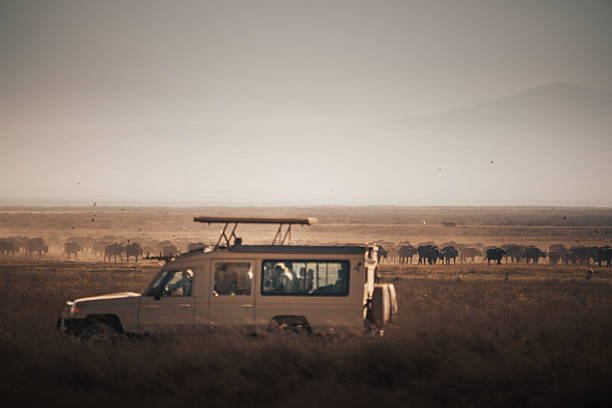
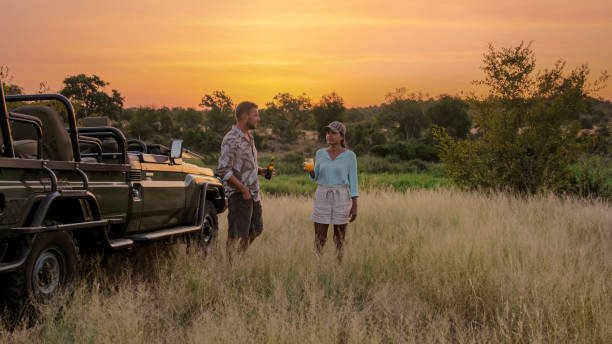
Embarking on a Tanzanian safari is a dream for many, but what if you only have a handful of days? The question of what you can realistically see on a 4-day safari is common, and the answer is: quite a lot, provided you plan strategically. Tanzania boasts some of the most iconic wildlife destinations on Earth, and even a short trip can offer unforgettable encounters. This guide is designed to help you understand the possibilities, limitations, and best approaches for a 4-day safari in Tanzania, setting realistic expectations for your 2026 or 2027 adventure.
Understanding the Constraints: Why 4 Days Matters
Tanzania is vast. Its famous national parks, like the Serengeti and Ngorongoro, are spread across large areas, and travel between them can be time-consuming. When you have only 4 days, the primary constraint is travel time versus game viewing time. A typical 4-day safari itinerary aims to minimize driving distances between parks, focusing on those most accessible from the northern safari circuit’s gateway city, Arusha.
Key considerations for a 4-day safari:
- Park Selection: You can realistically visit 2 to 3 parks, or spend more time in one. The most common choices for short safaris are Tarangire National Park, Lake Manyara National Park, and the Ngorongoro Conservation Area. The southern Serengeti is also an option, though it requires more travel time, often making it a stretch for just 4 days unless it’s the sole focus.
- Travel Logistics: Most 4-day safaris start and end in Arusha. This means factoring in travel time to and from the parks. Driving into the Serengeti from Arusha can take a full day, which eats into your game viewing.
- Pace: A 4-day safari will be more fast-paced than a longer one. You’ll be on the move, maximizing your time in the vehicle and in the parks.
- Wildlife Density: Certain parks are renowned for higher wildlife densities or specific species, making them ideal for shorter trips.
For 2026 and 2027 travel, booking in advance is advisable, especially for peak seasons. A 4-day safari is a popular choice for those with limited time, often fitting into longer trips that might include a Kilimanjaro climb or a Zanzibar beach holiday.
Realistic Itinerary Options for a 4-Day Tanzania Safari
Given the time constraint, the most efficient and rewarding 4-day safaris typically focus on the Northern Circuit parks. These parks are relatively close to each other and offer diverse ecosystems and abundant wildlife. Here are a few common and highly effective itinerary structures:
Option 1: The Classic Northern Circuit Taster (Lake Manyara, Ngorongoro, Tarangire)
This is perhaps the most popular and logistically sound option for a 4-day safari. It offers incredible variety in landscapes and wildlife.
- Day 1: Arusha to Lake Manyara National Park
- Morning: Depart from Arusha after breakfast. The drive to Lake Manyara is approximately 2-3 hours.
- Afternoon: Full game drive in Lake Manyara. This park is famous for its tree-climbing lions (though not guaranteed), large elephant herds, and diverse birdlife, especially around the lake’s edge. The compact size allows for excellent viewing within a single day.
- Evening: Overnight at a lodge or camp just outside the park, or in the nearby town of Karatu.
- Day 2: Lake Manyara/Karatu to Ngorongoro Conservation Area
- Morning: Optional morning activity near Karatu (e.g., visiting a local village or coffee plantation), or a short drive back into Lake Manyara for more viewing if desired. Alternatively, depart directly for Ngorongoro.
- Afternoon: Descend into the Ngorongoro Crater for an unparalleled game drive. The crater floor is a UNESCO World Heritage site and a caldera that hosts an astonishing concentration of wildlife, including the Big Five. You’re almost guaranteed to see lions, elephants, buffalo, and a vast array of other animals. Seeing a rhino here is more probable than in other parks.
- Evening: Overnight at a lodge on the crater rim (for spectacular views and convenience) or in Karatu.
- Day 3: Ngorongoro to Tarangire National Park
- Morning: Enjoy a final morning game drive on the crater floor or a scenic drive out of the Conservation Area.
- Afternoon: Drive to Tarangire National Park (approx. 2-3 hours from Karatu). Tarangire is known for its massive elephant herds, baobab trees, and predators. The landscape is drier and more open than Manyara or Ngorongoro.
- Evening: Overnight at a lodge or camp inside or just outside Tarangire.
- Day 4: Tarangire Game Drive & Return to Arusha
- Morning: Early morning game drive in Tarangire to catch predators and animals active in the cooler hours.
- Late Morning/Afternoon: Drive back to Arusha (approx. 2-3 hours). This allows for lunch in Arusha and onward travel arrangements.
What you can realistically see with this itinerary: Abundant elephants, lions, zebras, wildebeest, giraffes, hippos, various antelopes, numerous bird species. There’s a good chance of seeing leopards and cheetahs in Ngorongoro and Tarangire. Rhino sightings are possible in Ngorongoro.
Option 2: Serengeti Focus (Southern Plains & Ngorongoro)
If the Serengeti is a must-see, a 4-day trip can be structured to include a taste of its iconic plains, though it requires careful time management.
- Day 1: Arusha to Serengeti National Park (Southern Plains)
- Morning: Fly from Arusha Airport (ARK) to a Serengeti airstrip (e.g., Seronera or Ndutu). Flying significantly cuts down travel time, allowing more game viewing. Alternatively, a very early start for a long drive (6-8 hours) is possible but highly demanding for a 4-day trip.
- Afternoon: Game drive upon arrival in the Serengeti, focusing on the southern plains, especially if traveling during the Great Migration season (typically December-March).
- Evening: Overnight at a lodge or tented camp in the southern Serengeti.
- Day 2: Full Day Serengeti Exploration
- Full Day: Dedicated game drives across the vast Serengeti plains. This is where you’ll witness massive herds of wildebeest and zebras, lions, cheetahs, leopards, and a wealth of other wildlife.
- Evening: Overnight in the southern Serengeti.
- Day 3: Serengeti to Ngorongoro Conservation Area
- Morning: Final morning game drive in the Serengeti.
- Afternoon: Drive towards the Ngorongoro Conservation Area, perhaps stopping at Olduvai Gorge (a paleoanthropological site) en route.
- Evening: Overnight on the Ngorongoro Crater rim or in Karatu.
- Day 4: Ngorongoro Crater & Departure
- Morning: Descend into the Ngorongoro Crater for a game drive.
- Afternoon: Drive back to Arusha (approx. 3-4 hours from the crater).
What you can realistically see: This option maximizes Serengeti experience. Expect massive herds (depending on migration timing), lions, cheetahs, leopards, elephants, giraffes, hippos, and a huge variety of plains game and birds. Ngorongoro adds the chance for rhinos and dense predator populations.
Trade-off: This itinerary is more rushed and requires flying to the Serengeti to be truly effective, which adds to the cost. Driving is possible but leaves very little time for actual game viewing.
Option 3: Tarangire & Lake Manyara Focus
For travelers who prefer a more relaxed pace and are particularly interested in elephants and diverse birdlife, focusing on Tarangire and Lake Manyara is a great choice.
- Day 1: Arusha to Tarangire National Park
- Morning: Depart from Arusha and drive to Tarangire National Park (approx. 2-3 hours).
- Afternoon: Full game drive in Tarangire, focusing on its large elephant populations and iconic baobab trees.
- Evening: Overnight at a lodge or camp in or near Tarangire.
- Day 2: Tarangire National Park
- Full Day: Explore more of Tarangire, perhaps venturing into less-visited areas or focusing on specific habitats. This allows for a deeper appreciation of the park’s ecosystem.
- Evening: Overnight in Tarangire.
- Day 3: Tarangire to Lake Manyara National Park
- Morning: Enjoy a final morning game drive in Tarangire.
- Afternoon: Drive to Lake Manyara National Park (approx. 1-1.5 hours). Game drive along the lake and through the woodland, looking for tree-climbing lions, elephants, and abundant birdlife.
- Evening: Overnight at a lodge or camp near Lake Manyara or in Karatu.
- Day 4: Lake Manyara/Karatu and Return to Arusha
- Morning: Optional activities near Karatu (e.g., Maasai village visit, cultural tour) or a final short game drive in Lake Manyara.
- Afternoon: Drive back to Arusha.
What you can realistically see: Excellent elephant sightings, lions (especially in Manyara), giraffes, zebras, buffalo, hippos, and a vast array of birds. This option provides a more in-depth experience of two distinct ecosystems.
Benefit: This itinerary is less driving-intensive and offers more time to explore each park thoroughly, making it ideal for those who want to absorb the atmosphere rather than rush between locations.
What Wildlife Can You Realistically Hope to See?
Regardless of the itinerary chosen, a 4-day safari in Tanzania’s northern circuit offers excellent chances for encountering a wide variety of wildlife. Here’s a breakdown of what’s realistic:
The Big Five (and Near Misses)
- Lion: Very likely. Lions are present in all the major parks of the Northern Circuit, with particularly high densities in the Ngorongoro Crater and Serengeti.
- Elephant: Highly likely. Tarangire is famous for its massive herds, and elephants are common in Lake Manyara and Ngorongoro as well.
- Buffalo: Highly likely. Cape buffalo are found in large numbers across all these parks.
- Leopard: Possible, but less guaranteed. Leopards are elusive and solitary. They are most often spotted in the Serengeti and Ngorongoro Crater, especially in areas with dense trees or rocky outcrops. A 4-day safari means less time searching, but lucky encounters are definitely possible.
- Rhinoceros: Possible, but rare. The Ngorongoro Crater is the best place for a rhino sighting on a short safari, as a small population resides there. However, sightings are never guaranteed. Other parks have very few or no rhinos.
Other Iconic Mammals
- Cheetah: Good chance, especially in the Serengeti’s open plains. They are also present in Ngorongoro.
- Giraffe: Very likely. Maasai giraffes are common in all parks, often seen browsing on acacia trees.
- Zebra and Wildebeest: Extremely likely. These are ubiquitous, forming the backbone of the ecosystem, especially in the Serengeti and Ngorongoro. Witnessing their large numbers is a highlight.
- Hippopotamus: Very likely. Hippos are found in rivers and lakes, commonly seen in Lake Manyara and the hippo pool in Ngorongoro.
- Crocodiles: Likely. Often seen basking on riverbanks or in water bodies.
- Hyena: Likely. Spotted hyenas are common scavengers and hunters across the parks.
- Jackals: Likely. Various species are present.
- Baboons and Monkeys: Very likely. Various species, including olive baboons and vervet monkeys, are common in wooded areas.
- Various Antelopes: Extremely likely. You’ll see many species like gazelles (Thomson’s and Grant’s), impalas, dik-diks, waterbucks, hartebeests, and elands.
Birdlife
Tanzania is a birdwatcher’s paradise. With a 4-day safari, you will encounter a stunning diversity of avian life. Expect to see:
- Flamingos (especially in Lake Manyara)
- Eagles (e.g., Martial Eagle, African Fish Eagle)
- Vultures
- Bustards
- Hornbills
- Storks
- Kingfishers
- Rollers
- And hundreds of other species.
Important Note on Expectations: While this list represents what you can *realistically* see, wildlife viewing is never guaranteed. The animals are wild, and their movements are dictated by nature, weather, and seasons. A good guide and a bit of luck are crucial. For 2026-2027, planning your safari during the right season can significantly improve your chances for certain sightings, like the Great Migration.
Choosing the Right Parks for Your 4-Day Safari
The selection of parks is paramount when you have limited time. Each park offers a unique experience:
Tarangire National Park: The Elephant Kingdom
Why choose Tarangire for a short safari:
- Elephant Herds: Famous for its large, migratory elephant populations, especially in the dry season (June to October). You can often see herds of hundreds.
- Baobab Trees: The landscape is dotted with ancient, majestic baobab trees, creating a dramatic and unique visual backdrop.
- Predators: Good numbers of lions, leopards, and cheetahs are present.
- Birdlife: A paradise for birdwatchers, with over 550 bird species recorded.
- Accessibility: Relatively easy to reach from Arusha, making it ideal for the first or last day of a short trip.
What to expect: Open savannah, acacia woodlands, and a large river that attracts wildlife, especially during dry months. It feels wild and less crowded than some other parks.
Lake Manyara National Park: A Diverse Microcosm
Why choose Lake Manyara for a short safari:
- Tree-Climbing Lions: Though elusive, this is one of the few parks where lions are known to climb trees.
- Birdlife: An ornithological hotspot, particularly around the lake itself, which attracts thousands of flamingos (seasonal), pelicans, and storks.
- Elephant and Hippo: Good populations of elephants and hippos are usually seen.
- Compact Size: Its small size means you can cover a significant portion of the park in a single game drive, making it efficient for short itineraries.
- Scenery: Offers beautiful views, with the Rift Valley escarpment forming a dramatic backdrop.
What to expect: A narrow strip of land between the Rift Valley escarpment and the lake, featuring groundwater forest, acacia woodland, and open grassland.
Ngorongoro Conservation Area: The Eighth Wonder
Why choose Ngorongoro for a short safari:
- Crater Density: The Ngorongoro Crater floor is a UNESCO World Heritage Site and boasts an exceptionally high concentration of wildlife in a relatively small area.
- Big Five Potential: Offers one of the best chances in Tanzania to see all of the Big Five in a single day, including the rare black rhino.
- Scenic Beauty: The views from the crater rim are simply spectacular.
- Unique Ecosystem: A self-contained ecosystem supporting a vast array of animals year-round.
What to expect: A steep descent into a vast caldera, with diverse habitats including grassland, swamps, forests, and a lake, all supporting a dense wildlife population. Strict time limits apply for game drives within the crater.
Serengeti National Park: The Ultimate Safari Experience
Why choose the Serengeti for a short safari:
- The Great Migration: If timed correctly (typically December-March in the south, June-October in the west/north), you can witness the awe-inspiring spectacle of millions of wildebeest and zebras.
- Vast Plains: Endless plains teeming with predators and prey. It’s the quintessential African safari landscape.
- Predator Action: Renowned for its high predator populations, offering excellent chances to see lions, cheetahs, and leopards.
What to expect: Vast, rolling grasslands, acacia savannah, and riverine forests. The sheer scale of the Serengeti means you need time to explore properly. For a 4-day trip, focusing on the southern plains (near Ngorongoro/Ndutu) is usually the most practical approach, especially if flying in.
Trade-off: The Serengeti is large and requires significant travel time to reach from Arusha. A 4-day safari to the Serengeti is best achieved by flying into a local airstrip, which adds considerably to the cost compared to driving. If driving, you’ll spend a substantial portion of your first and last day on the road.
Planning Your 2026-2027 Short Safari: Key Decisions
When planning your 4-day safari for 2026 or 2027, consider these critical factors:
- Time of Year: While wildlife is present year-round, certain periods offer unique advantages. The dry season (June-October) is excellent for Tarangire’s elephant herds and general game viewing as animals congregate around water sources. The Great Migration is typically in the southern Serengeti from December to March. The shoulder seasons (April-May, November) can offer lower prices and fewer crowds but may have unpredictable weather.
- Budget: A 4-day safari can range from budget-friendly camping trips to luxurious lodge stays. Flying into the Serengeti, for instance, significantly increases costs. Shared group tours offer a more economical option for 2026-2027.
- Accommodation Style: Options range from budget-friendly public campsites to mid-range tented camps and luxury lodges. Your choice will significantly impact the overall experience and cost.
- Private vs. Group Safari: A private safari offers flexibility and a personalized experience, ideal for 4 days if budget allows. Shared group safaris are more cost-effective and allow you to meet other travelers, but you’ll adhere to a set itinerary and schedule.
- Pace: Do you want to cover as much ground as possible, or would you prefer a more relaxed pace focusing on fewer areas? A 4-day safari inherently involves a certain pace, but choosing parks closer to Arusha allows for slightly more relaxed exploration.
Maximizing Your 4-Day Safari Experience
Even with limited time, you can significantly enhance your safari experience by following these tips:
1. Choose an Experienced Tour Operator
This is crucial for a short safari. A reputable operator like Climb 4 Africa will:
- Optimize Itinerary: Design the most efficient route for your 4 days, minimizing travel time and maximizing game viewing.
- Select Best Parks: Advise on which parks offer the best chances for sightings based on the season and your interests.
- Provide Skilled Guides: Experienced guides are invaluable. They know animal behavior, track animals, and can spot camouflaged creatures that you might otherwise miss. Their knowledge of the parks is extensive.
- Handle Logistics: Arrange transport, accommodation, park fees, and park entry permits, ensuring a smooth and stress-free experience. This is especially important when time is tight.
When contacting Climb 4 Africa for your 2026 or 2027 safari, be sure to mention you have only 4 days and what your wildlife priorities are. This will help them craft the perfect, efficient itinerary for you.
2. Travel During the Right Season (If Possible)
While wildlife is present year-round, seasonality affects animal movements and landscape appearance:
- Dry Season (June-October): Animals are concentrated around water sources, making them easier to spot. Tarangire is exceptional during this time. The Serengeti migration is often in the western or northern corridor.
- Wet Season (November-May): Landscapes are lush and green, birdlife is abundant, and newborn animals are common. The southern Serengeti is ideal for the migration’s calving season (December-March). Prices may be lower.
For a 4-day safari, the dry season often provides more reliable sightings of large mammals due to their concentration around water. However, any time of year offers incredible opportunities.
3. Pack Smart and Light
For a short safari, you’ll likely be moving between locations. Packing light makes transitions easier.
- Clothing: Neutral colors (khaki, beige, green), comfortable layers, a warm jacket for cool mornings/evenings, sturdy walking shoes (though you do most viewing from the vehicle).
- Essentials: Sunscreen, insect repellent, hat, sunglasses, binoculars (a must!), camera with extra batteries/memory cards, a small backpack for day trips.
- Documents: Passport, visa (if required), yellow fever certificate (if required), travel insurance details.
4. Embrace Early Mornings and Late Afternoons
These are the “golden hours” for wildlife viewing. Animals are most active during the cooler parts of the day, often seeking shade during the midday heat. Maximizing your time in the parks during these periods will yield the best sightings.
5. Listen to Your Guide
Your guide is your eyes and ears on the ground. They have an intimate knowledge of the parks and animal behavior. Trust their expertise, ask questions, and follow their advice. They can often predict where animals might be based on tracks, sounds, and other signs.
Cost Considerations for a 4-Day Safari
The cost of a 4-day Tanzania safari can vary significantly based on several factors. For 2026-2027 planning, it’s important to understand these elements:
- Accommodation: Camping safaris are the most budget-friendly, followed by mid-range tented camps, and then luxury lodges.
- Safari Type: Private safaris are more expensive than shared group tours. Shared tours are an excellent way to experience a 4-day safari affordably.
- Park Fees: These are charged per person per day and are a significant component of the overall cost. They are non-negotiable.
- Vehicle and Guide: The cost of a 4×4 safari vehicle and an experienced driver-guide is factored in.
- Transportation: Flying into the Serengeti adds a considerable expense (flight costs can be $300-$500+ per person round trip). Driving is more economical but time-consuming.
- Inclusions: Most reputable operators will include park fees, accommodation, meals, game drives, and vehicle/guide. Exclusions often include international flights, tips, drinks, and personal expenses.
Realistic Budget Range (per person for 4 days, excluding international flights):
- Budget (Camping Safari): $700 – $1,200 USD
- Mid-Range (Tented Camps/Budget Lodges): $1,200 – $2,500 USD
- Luxury (High-end Lodges): $2,500 – $5,000+ USD
These are approximate ranges for 2026-2027. For the most accurate pricing and to discuss options that fit your budget and interests, it’s best to get a personalized quote. Contacting Climb 4 Africa via WhatsApp at +255 747 477 898 or email at climb4africa@gmail.com is a great first step.
Key Factors Influencing 4-Day Safari Costs for 2026-2027
When you request a quote for your 4-day Tanzania safari, consider that the price will depend heavily on:
- Number of people: Group sizes affect per-person costs.
- Accommodation level: Camping vs. mid-range vs. luxury lodges.
- Specific parks visited: Serengeti entry fees are higher, and travel to/from it can be costly.
- Mode of transport: Flying into Serengeti significantly increases cost.
- Time of year: Peak season (July-September, December-February) is generally more expensive.
Climb 4 Africa specializes in tailoring safaris to your specific needs, ensuring you get the best value and experience for your 4-day adventure in 2026 or 2027.
Is a 4-Day Safari Worth It?
Absolutely. While longer safaris offer deeper immersion, a well-planned 4-day safari provides a fantastic introduction to Tanzania’s wildlife and landscapes. You will see incredible animals, experience the thrill of the bush, and come away with unforgettable memories. It’s a highly effective way to get a concentrated taste of what East Africa has to offer, especially if time is your main constraint.
For travelers who have limited annual leave, or perhaps want to combine a safari with other activities like climbing Kilimanjaro or relaxing on Zanzibar, a 4-day safari is often the perfect solution. It’s achievable, rewarding, and offers a genuine safari experience.
If you’re considering a 4-day safari for 2026 or 2027 and want to ensure you make the most of your limited time, reaching out to a local expert is the best approach. Climb 4 Africa can help you navigate the options, tailor an itinerary, and ensure you see the most realistic and spectacular wildlife possible within your timeframe. Get in touch via WhatsApp +255 747 477 898 or Email climb4africa@gmail.com to start planning your incredible short Tanzanian adventure.
“,
“faq_schema”: [
{
“question”: “What is the most realistic wildlife I can see on a 4-day Tanzania safari?”,
“answer”: “On a 4-day Tanzania safari, you can realistically expect to see a wide array of animals including lions, elephants, buffalo, giraffes, zebras, wildebeest, hippos, and numerous species of antelopes and birds. There’s also a good chance of spotting cheetahs and a possibility, though not guaranteed, of seeing leopards and rhinos, especially in the Ngorongoro Crater.”
},
{
“question”: “Which parks are best for a 4-day safari in Tanzania?”,
“answer”: “For a 4-day safari, the most practical and rewarding parks are typically in the Northern Circuit due to their proximity to Arusha. Popular choices include Lake Manyara National Park, Tarangire National Park, and the Ngorongoro Conservation Area. A brief visit to the southern Serengeti is also possible, often best done by flying.”
},
{
“question”: “Is it worth doing a 4-day safari if I have limited time?”,
“answer”: “Yes, absolutely. A 4-day safari is very much worth it. It provides a concentrated and impactful wildlife experience, allowing you to see many iconic animals and enjoy the unique landscapes of Tanzania. It’s an excellent option for those with limited time who want a fulfilling safari adventure.”
},
{
“question”: “What is the typical cost of a 4-day safari in Tanzania for 2026-2027?”,
“answer”: “The cost for a 4-day Tanzania safari in 2026-2027 can range from approximately $700 – $1,200 USD per person for budget camping safaris, $1,200 – $2,500 USD for mid-range options (tented camps/lodges), and $2,500 – $5,000+ USD for luxury accommodations. Prices vary based on accommodation type, whether it’s a private or group tour, and specific parks visited.”
},
{
“question”: “Can I see the Big Five on a 4-day safari in Tanzania?”,
“answer”: “It is possible to see the Big Five (lion, elephant, buffalo, leopard, rhino) on a 4-day safari, particularly if visiting the Ngorongoro Crater where rhino sightings are more likely, and the Serengeti for leopards. While lions, elephants, and buffalo are commonly seen, leopard and rhino sightings are never guaranteed due to their elusive nature.”
},
{
“question”: “What’s the difference between driving and flying for a 4-day Serengeti safari?”,
“answer”: “Driving to the Serengeti for a 4-day safari means spending a significant portion of your first and last day traveling, leaving less time for game drives. Flying into a local Serengeti airstrip (like Seronera or Ndutu) drastically cuts down travel time, maximizing your wildlife viewing opportunities, but it does increase the overall cost of the safari.”
}
]
}
“`
Check Availability for I Only Have 4 Days For Safari In Tanzania, What Can I Realistically See?
Ready to compare dates, prices, and the best option for your group? Send the package name and travel month so the team can reply with a clear quote, availability, and what is included.

5-Day Tanzania Safari Packages And Prices: Your Ultimate Guide 2026-2027
Discover everything you need to know about 5-day Tanzania safari packages, including common routes, what's included, and price considerations for your 2026-2027 adventure. Plan your...
View package details
What Is Included In An African Safari Package? A Complete Guide For 2026-2027
Demystifying African safari packages. This guide details what you can expect to be included, from essential logistics like accommodation and transport to crucial elements like park fees and...
View package details
Affordable African Safari Packages: Your Guide To Budget-Friendly Tanzania
Discover how to plan and book affordable African safari packages for 2026-2027. This guide provides practical advice on choosing budget-friendly Tanzania tours, understanding costs, and...
View package details
Kenya And Tanzania Combined Safari Packages: Ultimate Guide 2026-2027
Discover the unparalleled adventure of combining Kenya and Tanzania for a comprehensive East African safari. This guide details everything you need to know for planning your 2026-2027...
View package details
3-Day Serengeti And Ngorongoro Safari: Your Ultimate Tanzania Wildlife
start a concise yet unforgettable 3-day Serengeti and Ngorongoro safari, designed to maximize wildlife encounters in Tanzania's most celebrated parks. This compact adventure offers a taste...
View package details
Serengeti Safari And Zanzibar Beach Holiday: The Ultimate Tanzania
Combine the thrill of a Serengeti safari with the relaxation of a Zanzibar beach holiday. This guide covers everything you need to know for an unforgettable Tanzania adventure in 2026-2027...
View package detailsTanzania Safari And Zanzibar All-Inclusive Packages Guide
Combine the thrill of a Tanzanian wildlife safari with the serene beauty of Zanzibar on an all-inclusive package. This comprehensive guide covers everything you need to know for planning...
View package details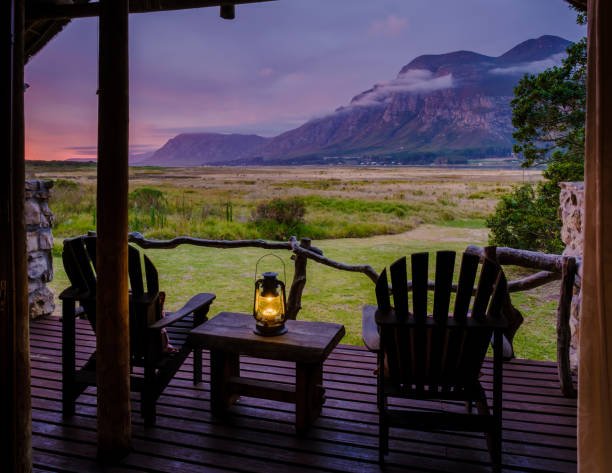
Are African Safari Prices Per Person Or Vehicle? Understanding Tanzania Costs
African safari costs can be confusing. This guide clarifies whether prices are quoted per person or per vehicle, detailing factors that influence your 2026-2027 safari budget in Tanzania.
View package details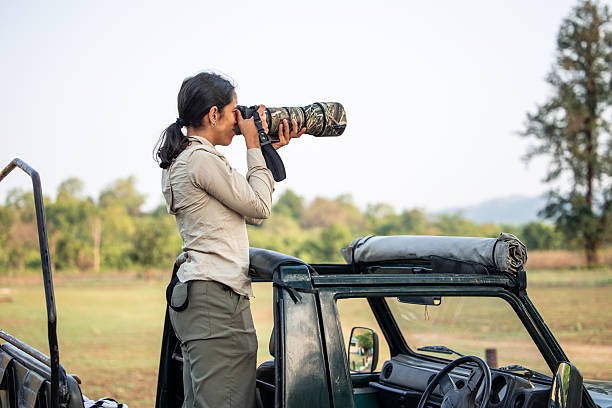
What Animals Can You See On An African Safari? Your Ultimate Wildlife Guide
Planning an African safari and wondering which animals you'll encounter? This comprehensive guide details the wildlife you can expect to see, from iconic mammals to elusive birds, across...
View package details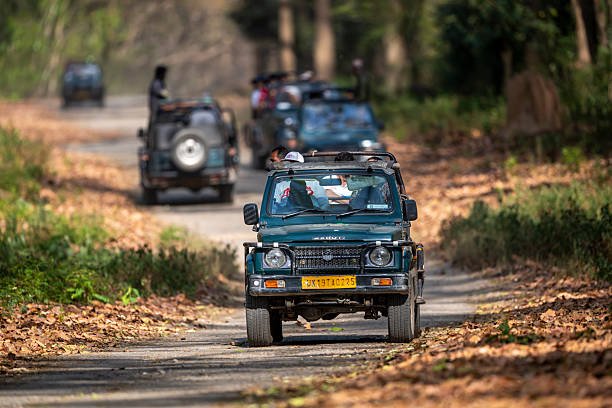
What Is The Cheapest African Country For Safari? 2026-2027
What Is the Cheapest African Country for Safari? is explained with current 2026-2027 planning, price, itinerary and booking information.
View package details
Is Tanzania Or Kenya Better For Safari? A Detailed Comparison 2026-2027
Comparing Tanzania and Kenya for your next safari? This in-depth guide breaks down wildlife viewing, landscapes, costs, and optimal travel times to help you choose the perfect East African...
View package detailsLuxury African Safari Packages: The Ultimate Tanzania Experience In 2026-2027
Explore the pinnacle of African adventure with luxury safari packages in Tanzania. This guide details exclusive lodges, tailor-made itineraries, and the best wildlife experiences for your...
View package detailsNo related package matches those filters. Clear one or more filters to see the other topic-matched options.



