
For a 10-day trip in Tanzania combining safari and relaxation, the most popular and practical approach is to spend 5-6 days exploring the Northern Circuit’s iconic parks like the Serengeti and Ngorongoro Crater, followed by 4-5 days unwinding on the beaches of Zanzibar. This allows for significant wildlife viewing and a true sense of peace before returning home.
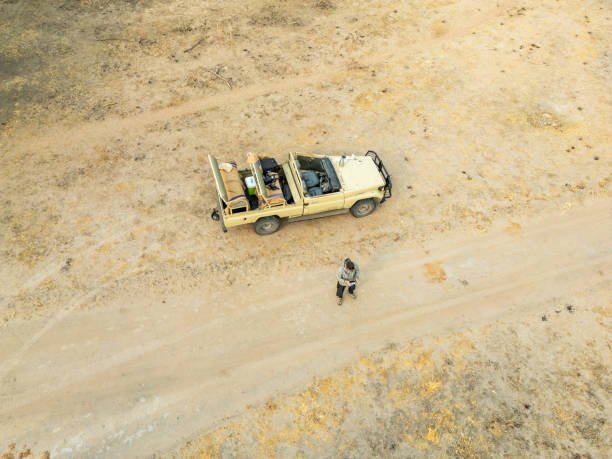
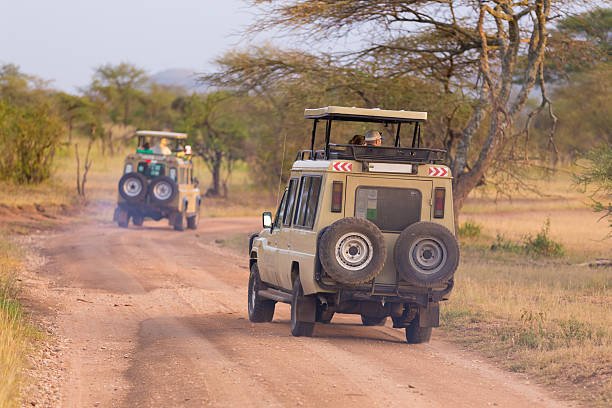
Planning Your 10-Day Tanzania Safari & Relaxation Adventure
A 10-day trip to Tanzania offers a fantastic opportunity to experience two of its most celebrated highlights: the world-renowned wildlife safaris of the Northern Circuit and the idyllic, tropical beaches of Zanzibar. Balancing these two distinct experiences requires careful planning to maximize your time and enjoyment. This guide focuses on creating a cohesive 10-day journey that delivers both exhilarating game drives and tranquil relaxation, suitable for travelers in 2026 and 2027.
The key to a successful 10-day trip is efficient logistics. You’ll want to minimize travel time between locations while ensuring you get a substantial taste of each environment. We’ll break down how to achieve this balance, considering the best times to visit, typical routes, and what to expect from each component of your trip.
Understanding the Trade-offs: Safari vs. Relaxation
When you have just 10 days, you inherently face trade-offs. A deeper look at the Serengeti, for instance, might mean less time on the beach, and vice-versa. The typical 10-day itinerary aims for a comprehensive yet not exhaustive experience of both. You get the iconic sights and sounds of the African bush and the sun-drenched shores of the Indian Ocean.
- Safari Focus: Prioritizing safari means more days in Arusha, Tarangire, Lake Manyara, Ngorongoro, and the Serengeti. This offers extensive game viewing but reduces beach time.
- Relaxation Focus: Emphasizing relaxation means more days in Zanzibar, possibly including island excursions. This provides ample downtime but less time for wildlife spotting.
- Balanced Approach: The most common 10-day split (roughly 5-6 days safari, 4-5 days Zanzibar) offers a solid introduction to both, making it ideal for first-time visitors or those seeking a well-rounded experience.
For this 10-day framework, we’ll assume the balanced approach, as it most directly answers the query of combining safari plus relaxation within a limited timeframe.
The Northern Circuit Safari: An Essential Wildlife Experience
The Northern Circuit is Tanzania’s premier safari destination, famous for its high concentration of wildlife and the Great Migration. For a 10-day trip, focusing on the core parks is essential for maximizing wildlife sightings and minimizing travel.
Recommended Safari Parks for a 10-Day Itinerary
Given the 10-day constraint, we typically recommend focusing on 2-3 key parks within the Northern Circuit. This allows for sufficient time in each to appreciate the unique ecosystems and wildlife without feeling rushed.
The Classic Trio: Tarangire, Ngorongoro Crater, and Serengeti National Park.
- Tarangire National Park: Known for its large elephant herds and iconic baobab trees. It’s often visited first as it’s relatively close to Arusha. Best visited during the dry season (June-October) when elephants congregate around the Tarangire River.
- Ngorongoro Conservation Area (including the Crater): A UNESCO World Heritage Site. The crater floor is a caldera teeming with wildlife, offering incredible densities of animals, including the Big Five. It’s a relatively small area, making it excellent for shorter game drives.
- Serengeti National Park: The crown jewel, famous for its vast plains and the Great Migration. Depending on the time of year (2026-2027), different areas of the Serengeti will be more rewarding. The central Serengeti (Seronera) is excellent year-round, while the northern and western corridors are best for witnessing the migration river crossings (typically July-October).
Sample Safari Itinerary Flow (Days 1-6)
This is a common structure to fit into a 10-day trip:
- Day 1: Arrival in Arusha. Arrive at Kilimanjaro International Airport (JRO), transfer to your lodge in Arusha. Rest and prepare for your safari.
- Day 2: Arusha to Tarangire National Park. Drive to Tarangire, afternoon game drive. Stay in a lodge or tented camp inside or near the park.
- Day 3: Tarangire to Ngorongoro Conservation Area. Morning game drive in Tarangire, then drive to the Ngorongoro highlands. Stay at a lodge on the crater rim or in Karatu.
- Day 4: Ngorongoro Crater Tour. Descend into the crater for a full-day game drive. Enjoy a picnic lunch. Return to your lodge.
- Day 5: Ngorongoro to Serengeti National Park. Drive to the Serengeti, with a stop at Olduvai Gorge if time and interest permit. Begin your game drive en route to your lodge/camp in the central Serengeti (Seronera area).
- Day 6: Serengeti National Park. Full day of game drives in the Serengeti, exploring different areas. Option for a hot air balloon safari (additional cost).
Safari Accommodation Choices
Accommodation significantly impacts the safari experience and budget. For a 10-day trip, you’ll typically stay in lodges or tented camps.
- Budget/Mid-Range: Basic lodges, permanent tented camps with shared facilities or en-suite bathrooms. Often located outside park boundaries or in designated public campsites within parks.
- Mid-Range/Luxury: Comfortable lodges with en-suite bathrooms, private verandas, and amenities like swimming pools. Permanent tented camps offer a more “glamping” experience with high-quality furnishings.
- Luxury/Exclusive: High-end lodges and mobile tented camps offering impeccable service, gourmet dining, and prime locations, often in private concessions.
Decision Point: The choice of accommodation will influence your daily budget and the overall feel of your safari. For a 10-day trip, balancing comfort with budget is key. Consider the location of your accommodation – staying inside the parks or in prime areas often means more wildlife viewing opportunities right from your doorstep.
Timing Your Safari for 2026-2027
The best time for your safari depends on what you want to see.
- June to October (Dry Season): Ideal for spotting large mammals as they congregate around water sources. This is also prime time for the Great Migration river crossings in the northern Serengeti (July-October). It’s a popular period, so booking well in advance for 2026 or 2027 is crucial.
- November to May (Wet Season): Offers lush landscapes, fewer crowds, and excellent birdwatching. Calving season in the southern Serengeti (January-March) is spectacular for predator action. Prices can be lower.
Recommendation for 10 Days: If your primary goal is to see the Great Migration river crossings, aim for July to October 2026 or 2027. If you prioritize seeing large herds and the Big Five in general, any time of year is good, but the dry season offers easier viewing. For a balanced safari and beach experience, consider late June or early July 2026, where you can catch the migration moving north and still have good beach weather.
Transitioning to Relaxation: Zanzibar’s Tropical Appeal
After the adventure of the safari, Zanzibar offers a stark and welcome contrast. This semi-autonomous island off the coast of mainland Tanzania is famed for its pristine white-sand beaches, turquoise waters, rich history, and vibrant culture.
Choosing Your Zanzibar Beach Destination
Zanzibar isn’t just one beach; it’s an island with various coastal areas, each offering a different vibe. For a 4-5 day relaxation period, selecting the right spot is important.
- Nungwi and Kendwa (North): Known for stunning sunsets, calm waters (less tidal impact), and vibrant beach life. Nungwi is livelier with many resorts and restaurants, while Kendwa is slightly more laid-back. Excellent for swimming and snorkeling.
- Paje and Jambiani (Southeast): Famous for kite surfing and a more local, village feel. These beaches are beautiful but experience significant tidal shifts, meaning swimming might be limited during low tide. Ideal for those seeking a relaxed, bohemian atmosphere and water sports.
- Matemwe (Northeast): Quieter and more exclusive, offering stunning views and proximity to the Mnemba Atoll, a world-class diving and snorkeling spot. Ideal for luxury and tranquility.
- Kizimkazi (Southwest): Known for dolphin tours, though the ethics of these tours are often debated. The beaches here are less spectacular than in the north.
Recommendation for Relaxation: For a 4-5 day relaxation period after safari, Nungwi or Kendwa often provide the most consistent swimming conditions and a good balance of amenities without being overly crowded. If snorkeling or diving is a priority, Matemwe is excellent, especially if you choose a resort near Mnemba Atoll.
Sample Relaxation Itinerary Flow (Days 7-10)
This segment focuses on unwinding and enjoying the island.
- Day 7: Fly to Zanzibar & Transfer to Beach. After a final morning game drive or leisurely breakfast in the Serengeti, you’ll be transferred to an airstrip (e.g., Seronera) for a scenic flight to Zanzibar. Upon arrival at Zanzibar Airport (ZNZ), you’ll be met and transferred to your chosen beach resort. Settle in and enjoy your first sunset.
- Day 8: Beach Relaxation & Activities. Enjoy the beach, swim in the ocean, relax by the pool. Optional activities could include a spice tour, exploring Stone Town (if your resort is close or you’re willing to travel), or a sunset dhow cruise.
- Day 9: Water Activities or Further Exploration. Perhaps a day trip for snorkeling at Mnemba Atoll, diving, or simply more time to relax. Alternatively, explore the historical Stone Town, a UNESCO World Heritage site, with its labyrinthine alleys and rich cultural heritage.
- Day 10: Departure. Enjoy a final breakfast by the sea. Depending on your flight schedule, you might have time for some last-minute souvenir shopping or a final dip in the ocean before being transferred to Zanzibar Airport for your onward journey.
Zanzibar Accommodation Styles
Zanzibar offers a wide range of accommodation, from budget guesthouses to ultra-luxury resorts.
- Boutique Hotels & Guesthouses: Often found in Stone Town or smaller villages, offering character and local charm.
- Mid-Range Beach Resorts: Comfortable properties with direct beach access, swimming pools, and on-site restaurants.
- Luxury Villas & Resorts: High-end properties with private pools, exceptional service, fine dining, and often exclusive beach areas.
Decision Point: For a 4-5 day relaxation period, consider what kind of atmosphere you want. Do you prefer a lively resort with lots of activity, or a quiet, secluded villa? Your choice will shape your experience. For 2026-2027 bookings, it’s wise to book beach accommodation early, especially if traveling during peak seasons.
Timing Your Zanzibar Relaxation for 2026-2027
Zanzibar enjoys warm tropical weather year-round, but there are seasons to consider.
- Dry Seasons (June-October & December-February): Generally considered the best times to visit. Sunny skies, low humidity, and pleasant temperatures. This coincides with the safari dry season, making it a popular combination.
- Wet Seasons (March-May & November): March to May sees the ‘long rains’ which can bring heavy downpours, though often interspersed with sunshine. November can be a transition month with occasional showers.
Recommendation for 10 Days: Aiming for June to October 2026 or 2027 provides the best weather for both safari and beach. If you want to avoid peak crowds and prices, consider the shoulder months like June or November, though November can be a bit unpredictable.
Logistics: Connecting Safari and Zanzibar
The transition between the Northern Circuit and Zanzibar is typically done by a short domestic flight. This is crucial for a 10-day trip to save time.
Flights: The Key to Efficiency
You will fly from an airstrip near your final safari location (usually Seronera Airstrip in the Serengeti or Kilimanjaro International Airport – JRO, if you end your safari closer to Arusha) to Zanzibar Airport (ZNZ).
- Flight Duration: Approximately 1-1.5 hours.
- Airlines: Several local carriers operate these routes, such as Precision Air, Coastal Aviation, and Auric Air.
- Booking: These flights are usually booked as part of your overall safari and Zanzibar package. Your tour operator will handle this.
Cost Consideration: While this adds to the overall cost of your trip, the time saved is invaluable for a 10-day itinerary. Driving between Arusha and the coast would take a full day or more, eating significantly into your precious vacation time.
Internal Transfers
Within Arusha, at safari lodges, and in Zanzibar, you’ll rely on pre-arranged transfers. Your tour operator will typically arrange:
- Airport pick-ups and drop-offs.
- Transfers between safari lodges and airstrips.
- Transfers from Zanzibar Airport to your beach resort and back.
Tip: Ensure your tour operator clearly outlines what transfers are included. For a 10-day trip, having these arranged seamlessly removes a significant stress factor.
Customizing Your 10-Day Tanzania Experience
While the 5-6 days safari + 4-5 days Zanzibar split is standard, you can tweak it based on your interests.
Option 1: More Safari, Less Beach
If wildlife is your absolute priority, you could allocate 7 days for safari and 3 days for Zanzibar. This might involve:
- Adding a day in Tarangire for its unique elephant herds.
- Spending an extra day in the Serengeti to explore a different region (e.g., northern Serengeti for migration river crossings, or western corridor).
- Reducing Zanzibar to a shorter stay, perhaps focusing on one activity like snorkeling or a quick Stone Town visit before flying out.
Option 2: More Relaxation, Less Safari
If relaxation is paramount, you could opt for 4 days of safari and 6 days in Zanzibar. This might look like:
- A quicker tour of Ngorongoro Crater and a day in Tarangire, skipping the Serengeti.
- Spending more time exploring different beaches in Zanzibar, taking a day trip to Prison Island, or enjoying a full-day cooking class.
Decision Point: Consider your primary motivation for visiting Tanzania. Are you a dedicated wildlife enthusiast, or are you looking for a tropical escape with a touch of adventure? Your personal preference should guide this split. For 10 days in Tanzania wanting safari plus relaxation, the balanced approach is usually best.
Budget Considerations for a 10-Day Trip (2026-2027)
The cost of a 10-day Tanzania trip can vary significantly based on accommodation, safari vehicle type, and level of luxury. Here’s a general breakdown:
Estimated Cost Ranges (Per Person, Double Occupancy) for 10 Days (2026-2027)
| Category | Safari (5-6 days) | Zanzibar (4-5 days) | Total 10 Days (Estimate) |
|---|---|---|---|
| Budget | $1,200 – $1,800 | $500 – $800 | $1,700 – $2,600 |
| Mid-Range | $2,500 – $4,000 | $1,000 – $1,800 | $3,500 – $5,800 |
| Luxury | $5,000+ | $2,000+ | $7,000+ |
Note: These are rough estimates. Prices for 2026-2027 are subject to change. Internal flights, park fees, meals, and activities are major cost drivers.
Key Cost Factors:
- Accommodation: This is the biggest variable. Luxury lodges and tented camps are significantly more expensive than budget options.
- Park Fees: These are fixed daily fees per person and per vehicle, levied by the Tanzanian government. They are a substantial part of the safari cost.
- Internal Flights: The flight from the Serengeti/Arusha to Zanzibar adds to the budget.
- Vehicle Type: A private 4×4 safari vehicle with a dedicated guide is standard for most reputable operators and is priced accordingly. Shared vehicles can reduce costs but offer less flexibility.
- Time of Year: Peak season (dry season, July-October) will be more expensive than the low season (wet season, March-May).
Booking for 2026-2027: It’s advisable to start planning and booking your 2026 or 2027 trip at least 6-12 months in advance, especially if you have specific accommodation preferences or travel during peak times. This helps secure availability and potentially better rates.
Practical Tips for Your 10-Day Tanzania Trip
To ensure a smooth and enjoyable journey, consider these practical tips.
Visas and Vaccinations
- Visas: Most nationalities require a visa for Tanzania. This can often be obtained online in advance (e-visa) or upon arrival at the airport. Check the latest requirements for your nationality.
- Vaccinations: Consult your doctor or a travel clinic well in advance of your trip regarding recommended vaccinations (e.g., Yellow Fever, Hepatitis A, Typhoid) and malaria precautions.
What to Pack
- Clothing: Lightweight, neutral-colored clothing for safari (khaki, beige, green). A warm layer for cool evenings and early mornings. Comfortable walking shoes. Swimwear for Zanzibar.
- Essentials: Sunscreen, insect repellent, hat, sunglasses, binoculars, camera with extra batteries and memory cards, a small backpack for day trips.
- Medications: Any personal prescription medications, plus a basic first-aid kit.
Currency and Payments
- Currency: The Tanzanian Shilling (TZS) is the local currency. US Dollars are widely accepted for park fees, accommodation, and larger purchases, especially in tourist areas. It’s good to have some local currency for smaller purchases in villages or markets.
- Cards: Credit cards are accepted in most larger hotels and lodges, but often with a surcharge. ATMs are available in major towns like Arusha and Zanzibar City.
Connectivity
Wi-Fi is available in most lodges and hotels, though it can be slow or intermittent, especially in remote safari locations. Consider purchasing a local SIM card if constant connectivity is important.
Making Your Booking Decisions
Choosing the right tour operator is paramount for a well-organized 10-day safari and relaxation trip. You need a company that understands the logistics of combining these two very different experiences.
Why Choose Climb 4 Africa?
As a local Tanzanian company, Climb 4 Africa has intimate knowledge of the Northern Circuit and Zanzibar. We specialize in creating tailor-made itineraries that balance adventure and relaxation, ensuring efficient travel and comfortable stays. Our team can help you:
- Craft a personalized 10-day itinerary for 2026 or 2027 that perfectly matches your interests and budget.
- Secure prime accommodation and internal flights.
- Provide expert guidance on the best times to visit for specific wildlife sightings or weather conditions.
- Offer practical advice on packing, visas, and health requirements.
- Ensure smooth logistics from your arrival to your departure.
Next Steps for Your 10-Day Trip:
To start planning your unforgettable 10 days in Tanzania for safari plus relaxation, we recommend reaching out to us. Please provide us with:
- Your desired travel dates for 2026 or 2027.
- Your approximate budget range.
- Any specific interests (e.g., birdwatching, photography, particular wildlife).
- The number of travelers.
We can then work with you to design an itinerary that fulfills your dream Tanzanian adventure. Contact us today:
- WhatsApp: +255 747 477 898
- Email: climb4africa@gmail.com
- Website: climb-4-africa.com
Let us help you create a smooth and memorable 10-day journey, blending the thrill of African wildlife with the serene beauty of the Zanzibar coast.
“,
“faq_schema”: [
{
“question”: “What is the best way to combine safari and relaxation in Tanzania for 10 days?”,
“answer”: “The most effective way to combine safari and relaxation in Tanzania for 10 days is to dedicate approximately 5-6 days to exploring the Northern Circuit’s wildlife parks (like Serengeti and Ngorongoro Crater) and then spend the remaining 4-5 days unwinding on the beaches of Zanzibar. This split allows for significant wildlife viewing and sufficient beach time.”
},
{
“question”: “Which safari parks should I prioritize for a 10-day trip?”,
“answer”: “For a 10-day safari, focusing on the key parks of the Northern Circuit is recommended. A popular choice includes Tarangire National Park (for elephants), Ngorongoro Crater (for high wildlife density), and Serengeti National Park (for the vast plains and the Great Migration).”
},
{
“question”: “Which part of Zanzibar is best for relaxation after a safari?”,
“answer”: “For relaxation, the northern beaches like Nungwi and Kendwa are often recommended due to their beautiful white sands, calmer waters, and consistent swimming conditions. The northeast coast, such as Matemwe, offers quieter, more exclusive experiences and is ideal for snorkeling near Mnemba Atoll.”
},
{
“question”: “How do I travel between the safari parks and Zanzibar?”,
“answer”: “The most efficient way to travel between the safari areas (Northern Circuit) and Zanzibar within a 10-day timeframe is by a short domestic flight. You’ll typically fly from an airstrip in or near the Serengeti or from Kilimanjaro International Airport (JRO) to Zanzibar Airport (ZNZ).”
},
{
“question”: “What is the best time of year for a 10-day safari and relaxation trip in Tanzania for 2026 or 2027?”,
“answer”: “The dry season, from June to October 2026 and 2027, is generally ideal for both safari and Zanzibar, offering sunny skies and good wildlife viewing. If seeing the Great Migration river crossings is a priority, aim for July to October. The shoulder months like June or November can offer good weather with fewer crowds and potentially lower prices.”
},
{
“question”: “What is the estimated cost for a 10-day Tanzania safari and relaxation trip in 2026-2027?”,
“answer”: “Costs for a 10-day trip in 2026-2027 vary significantly by accommodation style. Budget trips might range from $1,700-$2,600 per person, mid-range from $3,500-$5,800, and luxury trips start from $7,000+ per person. These estimates typically include safari, Zanzibar accommodation, and internal flights but exclude international airfare, visas, and personal expenses.”
}
]
}
“`
Check Availability for I Have 10 Days In Tanzania And Want Safari Plus Relaxation, What Should I…
Ready to compare dates, prices, and the best option for your group? Send the package name and travel month so the team can reply with a clear quote, availability, and what is included.
10-Day Tanzania Safari And Zanzibar Beach Holiday: Your Ultimate Itinerary
Combine the thrill of a Tanzania safari with the relaxation of Zanzibar for an unforgettable 10-day adventure. This itinerary balances iconic wildlife viewing with stunning tropical...
View package details
How Far In Advance Should You Book An African Safari? 2026-2027
How Far in Advance Should You Book an African Safari? is explained with current 2026-2027 planning, price, itinerary and booking information.
View package details
What Is Included In An African Safari Package? A Complete Guide For 2026-2027
Demystifying African safari packages. This guide details what you can expect to be included, from essential logistics like accommodation and transport to crucial elements like park fees and...
View package details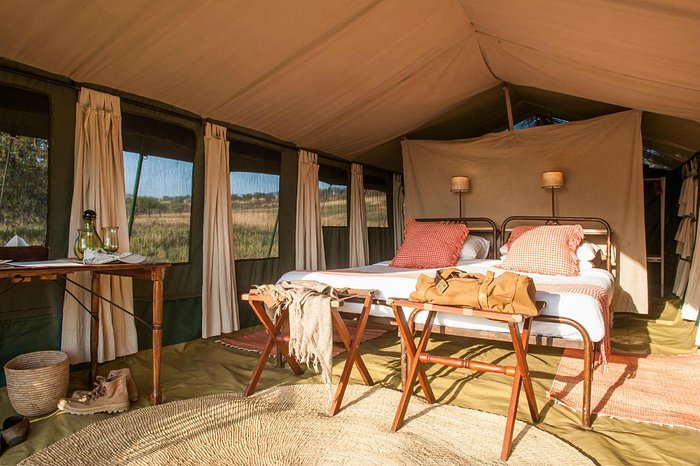
Affordable African Safari Packages: Your Guide To Budget-Friendly Tanzania
Discover how to plan and book affordable African safari packages for 2026-2027. This guide provides practical advice on choosing budget-friendly Tanzania tours, understanding costs, and...
View package details
Kenya And Tanzania Combined Safari Packages: Ultimate Guide 2026-2027
Discover the unparalleled adventure of combining Kenya and Tanzania for a comprehensive East African safari. This guide details everything you need to know for planning your 2026-2027...
View package details
3-Day Serengeti And Ngorongoro Safari: Your Ultimate Tanzania Wildlife
start a concise yet unforgettable 3-day Serengeti and Ngorongoro safari, designed to maximize wildlife encounters in Tanzania's most celebrated parks. This compact adventure offers a taste...
View package details
Serengeti Safari And Zanzibar Beach Holiday: The Ultimate Tanzania
Combine the thrill of a Serengeti safari with the relaxation of a Zanzibar beach holiday. This guide covers everything you need to know for an unforgettable Tanzania adventure in 2026-2027...
View package detailsTanzania Safari And Zanzibar All-Inclusive Packages Guide
Combine the thrill of a Tanzanian wildlife safari with the serene beauty of Zanzibar on an all-inclusive package. This comprehensive guide covers everything you need to know for planning...
View package details
Are African Safari Prices Per Person Or Vehicle? Understanding Tanzania Costs
African safari costs can be confusing. This guide clarifies whether prices are quoted per person or per vehicle, detailing factors that influence your 2026-2027 safari budget in Tanzania.
View package details
What Animals Can You See On An African Safari? Your Ultimate Wildlife Guide
Planning an African safari and wondering which animals you'll encounter? This comprehensive guide details the wildlife you can expect to see, from iconic mammals to elusive birds, across...
View package details
What Is The Cheapest African Country For Safari? 2026-2027
What Is the Cheapest African Country for Safari? is explained with current 2026-2027 planning, price, itinerary and booking information.
View package details
Is Tanzania Or Kenya Better For Safari? A Detailed Comparison 2026-2027
Comparing Tanzania and Kenya for your next safari? This in-depth guide breaks down wildlife viewing, landscapes, costs, and optimal travel times to help you choose the perfect East African...
View package detailsNo related package matches those filters. Clear one or more filters to see the other topic-matched options.



