For an 8-day trip focused on seeing the best wildlife in Tanzania, concentrate your itinerary on the Northern Circuit. This typically involves spending time in the Serengeti National Park, the Ngorongoro Crater, and either Tarangire National Park or Lake Manyara National Park. This combination offers incredible diversity in landscapes and a high chance of spotting the ‘Big Five’ and a vast array of other animals, making it the most efficient and rewarding choice for a shorter safari duration, especially when planning for 2026 or 2027.

Why the Northern Circuit is Your Best Bet for 8 Days
When you have just 8 days to experience Tanzania’s legendary wildlife, efficiency and impact are key. The Northern Circuit, comprising the most famous national parks and conservation areas, is undeniably the most practical and rewarding choice. It’s designed for accessibility, with parks relatively close to each other and to major airports like Kilimanjaro International Airport (JRO). This geographical advantage minimizes travel time, maximizing your precious hours spent on safari, spotting game. For 2026 and 2027 trips, planning around this circuit ensures you hit the highlights without feeling rushed.
Trying to incorporate southern parks like Selous (now Nyerere National Park) or Ruaha within an 8-day window would involve significant internal flights, eating into valuable wildlife viewing time and increasing costs. The Northern Circuit, on the other hand, offers a concentrated dose of Tanzania’s incredible biodiversity, from the vast plains of the Serengeti to the unique ecosystem of the Ngorongoro Crater. Each park presents different landscapes and animal concentrations, providing a rich and varied experience.
The ‘Big Five’ – lion, leopard, elephant, rhino, and buffalo – are all present in this region, with varying probabilities of sighting them depending on the specific park and time of year. Beyond the iconic, you’ll encounter cheetahs, giraffes, zebras, wildebeest (in their millions during migration season), hippos, crocodiles, and an astonishing array of birdlife. The sheer density and visibility of wildlife here are unparalleled, especially in the Serengeti and Ngorongoro.
When you have 8 days in Tanzania and want to see the best wildlife, the Northern Circuit is the answer because it balances iconic destinations with logistical feasibility. It’s a well-trodden path for a reason: it delivers consistently exceptional wildlife encounters. Planning for 2026 or 2027, this region remains the top recommendation for short, impactful safaris.
The Serengeti: The Crown Jewel of Tanzania’s Wildlife
No discussion about Tanzania’s best wildlife is complete without highlighting the Serengeti National Park. Its name, derived from the Maasai word ‘Siringet,’ meaning ‘endless plains,’ perfectly describes its vast, sweeping grasslands that stretch to the horizon. This is where the Great Migration, one of nature’s most spectacular events, unfolds annually, drawing millions of wildebeest, zebras, and gazelles across its expanse in search of fresh grazing. Even outside of migration season, the Serengeti is a wildlife powerhouse, boasting the highest concentration of lions in Africa, along with leopards, cheetahs, elephants, giraffes, and numerous other species.
The Great Migration: A Spectacle to Witness
The timing of your 8-day safari in 2026 or 2027 can significantly influence whether you witness the Great Migration. While the migration is a continuous cycle, different phases occur in different parts of the Serengeti throughout the year:
- December to March: Southern Serengeti & Ndutu Area. This is calving season, where thousands of newborns join the herds. The plains are dotted with life, and predators are often in abundance as they take advantage of the vulnerable young. This is a fantastic time for photography and witnessing predator-prey interactions.
- April to May: Moving North. The herds begin their journey northwards, often coinciding with the ‘long rains.’ While game viewing is still excellent, some lodges might be closed, and roads can be muddy.
- June to October: Western & Northern Serengeti. The migration moves towards the Grumeti River (June/July) and then the Mara River (July-October). River crossings are a dramatic highlight during these months, as wildebeest and zebras brave crocodile-infested waters. This is peak season for many visitors, offering thrilling action.
For an 8-day trip, strategically positioning yourself within the Serengeti during a key migration phase can be the highlight. If your 2026 or 2027 safari falls between July and October, focusing on the northern Serengeti for river crossings is a prime objective. If you travel between December and March, the southern plains offer incredible scenes of newborn life and predator activity.
Beyond the Migration: Year-Round Wildlife in the Serengeti
Even if your travel dates don’t perfectly align with the main migration spectacle, the Serengeti is a wildlife destination in its own right. Resident herds mean that you’ll see abundant wildlife year-round. The central Serengeti (Seronera Valley) is known for its resident big cats and is a reliable spot for leopard sightings. The Western Corridor can be excellent for resident game, especially during the drier months when animals congregate around water sources. The sheer scale of the Serengeti means that game drives can feel incredibly wild and private, even with other vehicles present.
Given only 8 days, dedicating at least 3 full days to the Serengeti is highly recommended. This allows for exploration of different regions within the park and increases your chances of witnessing varied wildlife behaviors. For a 2026-2027 safari, booking your Serengeti accommodation well in advance is crucial, especially for lodges and tented camps situated in prime migration areas during peak months.
Ngorongoro Crater: A Wildlife Haven Like No Other
The Ngorongoro Crater, a UNESCO World Heritage Site, is a truly unique destination and an essential component of any 8-day Tanzania wildlife safari. It’s a collapsed volcanic caldera, approximately 19 kilometers (12 miles) wide, forming an almost perfectly circular natural enclosure. Within its 260 square kilometer (100 square mile) floor lies an astonishing density and diversity of wildlife, with estimates suggesting over 30,000 animals inhabit this compact ecosystem. The crater rim offers impressive views, and descending into it feels like entering a lost world.
Why the Crater is Exceptional
- High Wildlife Density: The combination of lush grasslands, acacia woodlands, swamps, and a central lake provides ideal habitats for a vast array of species. This density means sightings are almost guaranteed, and you can often see many different animals in a single game drive.
- The ‘Big Five’ in Close Proximity: All of the Big Five – lion, elephant, buffalo, leopard, and the critically endangered black rhinoceros – are resident within the crater. The rhino, in particular, is more reliably seen here than in most other Tanzanian parks.
- Predator-Prey Dynamics: The crater is a prime location to witness predator-prey interactions. Lions, hyenas, and jackals are abundant, often seen hunting or scavenging.
- Unique Landscape: The sheer walls of the caldera create a dramatic backdrop, and the diverse microclimates within the crater floor support different animal communities.
Planning Your Crater Visit
A full day spent exploring the Ngorongoro Crater floor is standard for an 8-day itinerary. This allows ample time to drive around the crater, visit the hippo pool, and seek out various species. Due to conservation efforts and to prevent overuse, visitor numbers and time spent on the crater floor are regulated. Vehicles are typically allowed a maximum of six hours on the crater floor.
Accommodation for the Ngorongoro Crater is usually located on the crater rim or in the nearby town of Karatu. Staying on the rim offers spectacular views and allows for early morning or late evening game drives (though access to the crater floor itself is restricted to specific hours). Karatu offers a wider range of lodges and is a convenient base, especially if you plan to visit a local community or coffee plantation.
When planning for 2026 or 2027, remember that crater access requires a special permit, and park fees are significant. These fees contribute to conservation efforts, ensuring this unique ecosystem is preserved for future generations. The experience of descending into the crater and witnessing such an abundance of wildlife in a relatively small area is truly unforgettable and a cornerstone of any Northern Circuit safari.
Tarangire or Lake Manyara: Choosing Your Third Gem
With 8 days to explore Tanzania’s wildlife, after dedicating time to the Serengeti and Ngorongoro Crater, you’ll have time for one more park. The choice typically falls between Tarangire National Park and Lake Manyara National Park. Both offer distinct experiences and are conveniently located along the Northern Circuit route.
Tarangire National Park: Land of Giants
Tarangire is famous for its large elephant herds, baobab trees, and diverse birdlife. During the dry season (roughly June to October), the Tarangire River becomes a vital water source, attracting hundreds, sometimes thousands, of elephants, along with other migratory animals seeking refuge. The landscape is characterized by its iconic sausage trees and massive baobab trees, creating a unique and visually striking environment.
- Key Highlights: Huge elephant herds, diverse birdlife (over 550 species recorded), baobab trees, predators like lions and leopards often seen in trees.
- Best Suited For: Travelers interested in elephants, birdwatching, and unique tree-filled landscapes. Excellent during the dry season when animals concentrate around the river.
- Wildlife you might see: Elephants, lions, leopards, cheetahs, giraffes, zebras, wildebeest, impalas, and a huge variety of birds.
Lake Manyara National Park: Tree-Climbing Lions and Flamingos
Lake Manyara is a smaller park, known for its scenic beauty and the alkaline lake that gives it its name. It’s famous for its elusive tree-climbing lions, though sightings are never guaranteed. The park also hosts large numbers of hippos, baboons, and a spectacular variety of birds, especially flamingos when the lake levels are right. The park offers a good mix of woodland, grassland, and swamp habitats.
- Key Highlights: Tree-climbing lions (though rare), large hippo populations, flamingos (seasonal), diverse birdlife, beautiful lake views.
- Best Suited For: Travelers looking for a shorter, scenic drive with a chance of spotting tree-climbing lions and diverse birdlife. It’s a good introduction to a Tanzanian safari or a complementary park to the vastness of the Serengeti.
- Wildlife you might see: Elephants, lions, leopards, baboons, hippos, giraffes, zebras, wildebeest, and numerous bird species.
Which to Choose for Your 8-Day Safari in 2026-2027?
The decision often depends on the time of year and your specific interests:
- For dry season (June-October): Tarangire is often the preferred choice due to the massive elephant herds congregating around the river. It offers a more rugged, classic safari feel.
- For a shorter, more varied drive or if you’re particularly keen on seeing tree-climbing lions: Lake Manyara is a good option. It’s also a great park for birdwatchers.
Many 8-day itineraries include either Tarangire or Lake Manyara. Some might even suggest a brief drive-through of Manyara en route to the Serengeti or Ngorongoro, but dedicating a full day or at least a significant half-day to one of them provides a more rewarding experience. For your 2026-2027 trip, consider your priorities: large herds and iconic trees (Tarangire) or scenic beauty and a chance for unique lion behavior (Manyara).
Decision Point: Tarangire vs. Lake Manyara
Tarangire excels in large mammal concentrations, especially elephants, during the dry season. It feels more expansive and wild. Lake Manyara offers a more compact experience with a higher chance of seeing primates and unique birdlife, plus the allure of tree-climbing lions. For an 8-day trip, fitting in a full day at one of them is ideal. If elephants and baobabs are high on your list, choose Tarangire. If you prefer a scenic, diverse park with primate action and unique lion sightings, Lake Manyara might be your pick.
Sample 8-Day Northern Circuit Itinerary (2026-2027)
Here is a sample itinerary designed to maximize wildlife viewing within an 8-day timeframe. This is a popular structure for 2026 and 2027 safaris, offering a balanced experience of the Northern Circuit’s highlights. It assumes arrival at Kilimanjaro International Airport (JRO).
Day 1: Arrival in Arusha & Safari Briefing
Arrive at Kilimanjaro International Airport (JRO), where you’ll be met by your guide. Transfer to your lodge in Arusha. After settling in, you’ll have a safari briefing to discuss your upcoming adventure. Relax and prepare for your safari starting tomorrow. Accommodation: Arusha Hotel/Lodge.
Day 2: Arusha to Tarangire National Park
After breakfast, drive to Tarangire National Park. Known for its large elephant herds and iconic baobab trees, Tarangire offers excellent game viewing. Enjoy a full-day game drive, seeking out elephants, lions, giraffes, zebras, and diverse birdlife. Accommodation: Tarangire Lodge/Tented Camp.
Day 3: Tarangire to Serengeti National Park
After a morning game drive in Tarangire, depart for the legendary Serengeti National Park. The journey itself is scenic, often passing through the Ngorongoro Conservation Area. You’ll enter the Serengeti via the western corridor or central region, depending on the time of year and your accommodation location. Enjoy an afternoon game drive en route to your lodge. Accommodation: Serengeti Lodge/Tented Camp.
Day 4: Full Day Game Drive in Serengeti
Spend a full day exploring the vast plains of the Serengeti. Depending on the season (2026-2027), your guide will take you to areas known for the Great Migration or prime predator territories. Witness the incredible abundance and diversity of wildlife. Optional hot air balloon safari at dawn (extra cost). Accommodation: Serengeti Lodge/Tented Camp.
Day 5: Serengeti to Ngorongoro Conservation Area
Enjoy a final morning game drive in the Serengeti. Afterward, drive towards the Ngorongoro Conservation Area. You might stop at Olduvai Gorge, a significant archaeological site, before reaching your lodge, which is typically situated on the crater rim or in nearby Karatu. Accommodation: Ngorongoro Rim Lodge/Karatu Lodge.
Day 6: Ngorongoro Crater Tour
Descend into the Ngorongoro Crater for a full day of game viewing. This natural amphitheater is home to an exceptional concentration of wildlife, including the Big Five. You’ll have around six hours on the crater floor to explore its diverse habitats and witness the incredible density of animals. Enjoy a picnic lunch by the hippo pool. Accommodation: Ngorongoro Rim Lodge/Karatu Lodge.
Day 7: Ngorongoro to Lake Manyara or Cultural Visit
Depending on your choice, you can either visit Lake Manyara National Park for a half-day game drive, known for its tree-climbing lions and birdlife, or engage in a cultural experience, such as visiting a Maasai village or a local community project. Afterward, drive back towards Arusha. Accommodation: Arusha Hotel/Lodge.
Day 8: Departure
Enjoy a leisurely breakfast in Arusha. Depending on your flight schedule, you may have time for some last-minute souvenir shopping. Transfer to Kilimanjaro International Airport (JRO) for your departure.
Note on Itinerary Customization for 2026-2027: This is a template. Your specific 8-day safari can be tailored. For example, if the Great Migration is a priority for your 2026 or 2027 trip, more time might be allocated to the Serengeti, potentially reducing time in Tarangire or Manyara, or vice-versa. If you prefer a more relaxed pace, we can adjust driving times and activity durations.
Essential Planning for Your 8-Day Tanzania Wildlife Safari
Planning an 8-day wildlife safari to Tanzania for 2026 or 2027 requires attention to detail to ensure you make the most of your limited time. Here are key aspects to consider:
Visa Requirements
Most nationalities require a visa to enter Tanzania. You can often apply for a visa online in advance or obtain one on arrival at JRO. Check the latest requirements for your specific nationality well before your travel dates in 2026 or 2027. Having your visa sorted simplifies your arrival process.
Health and Vaccinations
Consult your doctor or a travel clinic at least 4-6 weeks before your trip regarding recommended vaccinations and malaria prophylaxis. Yellow fever vaccination is mandatory for travelers arriving from or transiting through countries with a risk of yellow fever. Pack insect repellent containing DEET.
Travel Insurance
Comprehensive travel insurance is essential. Ensure it covers medical emergencies, trip cancellation, lost luggage, and emergency evacuation, which is particularly important for remote safari locations. This is a non-negotiable for any safari, especially in 2026-2027.
Packing List Essentials
Lightweight, neutral-colored clothing (khaki, green, brown) is best for safaris. Avoid bright colors that can startle animals. Key items include:
- Long-sleeved shirts and trousers (for sun and insect protection)
- T-shirts and shorts
- A warm fleece or jacket (evenings can be cool, especially on the crater rim)
- Comfortable walking shoes or hiking boots (for lodge grounds, not usually for walking in parks)
- Sun hat, sunglasses, high SPF sunscreen
- Binoculars (essential for wildlife spotting)
- Camera with extra batteries and memory cards
- Small backpack for day trips
- Personal medications
- Adapter for electronics (Type G plug, 230V)
Tip for 2026-2027 Travelers: Pack light but smart. Most safari lodges offer laundry services, which can be very useful on an 8-day trip, allowing you to pack fewer items.
Currency and Payment
The local currency is the Tanzanian Shilling (TZS). However, US Dollars are widely accepted for park fees, lodge payments, and tips. It’s advisable to carry a mix of USD (newer bills, issued after 2009) and some local currency for smaller purchases. ATMs are available in Arusha and other larger towns, but can be unreliable.
Communication and Connectivity
Mobile phone reception can be spotty in national parks. Consider purchasing a local SIM card in Arusha if you need reliable connectivity. Many lodges offer Wi-Fi, though it can be slow or intermittent. Embrace the opportunity to disconnect and focus on the wildlife.
Choosing Your Safari Style and Vehicle
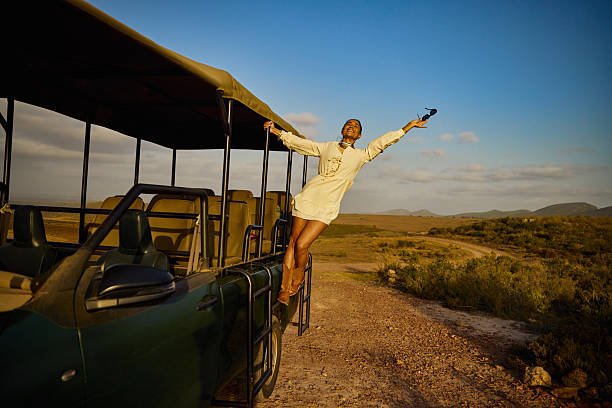
The type of safari vehicle and the style of your safari play a significant role in your experience, especially for an 8-day trip where every moment counts. For the Northern Circuit, the primary vehicle is a 4×4 safari vehicle, typically a Land Cruiser or Land Rover, designed for off-road conditions and offering excellent visibility.
Safari Vehicle Types
- Pop-top Roof: This is the standard for most Northern Circuit safaris. The pop-top roof allows you to stand up inside the vehicle for better viewing and photography. It’s practical and comfortable for game drives.
- Open-side Safari Vehicles: Less common on the Northern Circuit but available with some operators. These offer a more in-depth experience but can be exposed to the elements (sun, dust, wind).
When booking your 2026 or 2027 safari, confirm the type of vehicle you will be using. Ensure it has large windows and a pop-top roof for optimal game viewing. The vehicle should also be equipped with charging ports and a cooler box for drinks.
Safari Styles
Your 8-day trip can be tailored to different safari styles:
- Private Safari: You will have your own dedicated safari vehicle and guide for the entire duration of your trip. This offers maximum flexibility in terms of timing, routes, and duration of game drives. It’s ideal for those who want to set their own pace and focus on specific interests. This is generally the most recommended option for an 8-day wildlife-focused trip to maximize your chances.
- Group/Shared Safari: You join a small group of other travelers in a shared safari vehicle. This is a more budget-friendly option. While it offers less flexibility, reputable operators ensure small group sizes (usually a maximum of 6-7 people per vehicle) to still provide good viewing opportunities. For 2026-2027, shared safaris are a great way to experience the Northern Circuit affordably.
The choice between private and group safari for your 8-day adventure depends on your budget and preference for flexibility. A private safari offers unparalleled control over your experience, which can be invaluable when you have limited time. However, a well-organized group safari can still deliver exceptional wildlife encounters.
Key Vehicle & Safari Style Considerations for 2026-2027:
- Vehicle Type: Ensure a 4×4 Land Cruiser/Land Rover with a pop-top roof.
- Guide Experience: A knowledgeable, local guide is crucial for spotting wildlife and understanding animal behavior.
- Vehicle Capacity: For shared safaris, confirm a maximum of 6-7 passengers per vehicle.
- Private vs. Shared: Private offers flexibility; shared is more budget-friendly. Both can be excellent.
Accommodation Options: From Budget to Luxury
Tanzania’s Northern Circuit offers a wide spectrum of accommodation, catering to various budgets and preferences. For an 8-day safari in 2026 or 2027, choosing the right lodging can significantly enhance your experience.
Types of Accommodation
- Budget Camping (Public Campsites): These are basic campsites within or near the national parks. You’ll sleep in tents, and facilities are shared and often rudimentary. Meals are typically prepared by a camp cook. This is the most affordable option.
- Mid-Range Tented Camps: These offer more comfort than public campsites, with permanent canvas tents often set on raised platforms. They usually have en-suite bathrooms (bucket showers, sometimes flush toilets) and a dining mess tent. They provide a true ‘glamping’ experience.
- Luxury Tented Camps & Lodges: These offer high-end amenities, spacious en-suite bathrooms, fine dining, and often swimming pools. They are designed to blend seamlessly with the environment while providing ultimate comfort. Many are located in prime wildlife viewing areas.
- Crater Rim Lodges: Special mention goes to lodges located on the rim of the Ngorongoro Crater. These offer unparalleled views and convenience for early morning crater descents, though they are often at the higher end of the price scale.
For an 8-day trip, the choice of accommodation will heavily influence your budget. A mix can also be considered – perhaps a comfortable tented camp in the Serengeti and a mid-range lodge in Arusha. When planning for 2026 or 2027, consider how much time you’ll spend at each location and what level of comfort you desire after long days of game driving.
Factors to Consider When Choosing Accommodation:
- Location: Is it inside the park for early/late game drives, or outside requiring travel time? For the Serengeti, consider central, northern, or western locations based on the migration.
- Amenities: En-suite bathrooms, hot water, electricity (charging facilities), Wi-Fi, dining options.
- Atmosphere: Do you prefer a rustic, in-depth experience or a luxurious retreat?
- Meals: Most safari packages include full board (breakfast, lunch, dinner). Confirm this when booking for 2026-2027.
Your tour operator can guide you to the best options that fit your budget and style. For instance, if you’re looking for the best wildlife viewing in 8 days, choosing accommodation deep within the Serengeti can be a important choice, allowing for longer game drives without extensive travel to and from the park gate.
When to Visit: Timing Your 2026-2027 Safari for Maximum Wildlife
The “best” time to visit Tanzania for wildlife viewing on an 8-day safari depends largely on what you want to see and whether you aim to witness the Great Migration’s dramatic events. However, the Northern Circuit offers excellent wildlife viewing year-round.
Seasons and Wildlife Viewing
- Dry Season (June to October): This is often considered the peak season. Wildlife, especially large mammals, congregates around permanent water sources like the Tarangire River and the Serengeti’s central watering holes. The vegetation is less dense, making animals easier to spot. This is also prime time for witnessing the Great Migration river crossings in the northern Serengeti (July-October). Weather is generally sunny and pleasant, with cooler temperatures.
- Green Season (November to May): This period includes the ‘short rains’ (November-December) and ‘long rains’ (March-May). While some areas can be muddy, making travel challenging, this season offers lush landscapes, newborn animals, and fewer crowds. Birdwatching is exceptional during this time. Predators are often more active, and the calving season in the southern Serengeti (December-March) is a spectacular sight. Prices for safaris in 2026-2027 might be lower during the green season.
Specific Wildlife Events and Timing
- Great Migration River Crossings: July to October (Northern Serengeti).
- Calving Season: December to March (Southern Serengeti and Ndutu).
- Elephant Herds in Tarangire: June to October (Dry season).
For an 8-day trip focused on seeing the best wildlife, consider these points for your 2026 or 2027 travel plans:
- For iconic migration action (river crossings): Aim for July-October.
- For calving season and predator action: Aim for December-March.
- For reliable Big Five sightings and fewer crowds: Consider the shoulder months like late May/early June or late October/early November.
While the dry season is popular, the green season offers unique photographic opportunities and a different kind of wildlife spectacle. Your choice of timing for a 2026-2027 safari should align with your priorities and potentially your budget, as peak season prices are typically higher.
Booking Your 8-Day Tanzania Wildlife Safari
Securing your 8-day Tanzania wildlife safari for 2026 or 2027 is a crucial step. Working with an experienced local tour operator is highly recommended, as they possess invaluable knowledge of the parks, lodges, and logistical intricacies of planning a smooth trip.
Why Choose a Local Operator?
- Expertise: Local operators like Climb 4 Africa have firsthand knowledge of Tanzania’s national parks, the best times to visit, and the most reliable lodges.
- Customization: They can tailor an 8-day itinerary precisely to your interests, budget, and travel style.
- Logistics: They handle all ground arrangements, including park fees, permits, vehicle hire, guide services, and accommodation bookings.
- Support: You have direct contact and support on the ground throughout your trip.
- Value: Local operators often offer better value for money compared to international agents, as they have direct relationships with service providers.
What to Discuss When Booking
When you contact a tour operator to plan your 8-day wildlife safari in Tanzania for 2026 or 2027, be ready to discuss:
- Your budget: Be clear about your price range (e.g., budget, mid-range, luxury).
- Your interests: Are you focused on specific animals (e.g., Big Five, Great Migration), photography, birdwatching, or cultural experiences?
- Your preferred accommodation style: Camping, mid-range lodges, luxury camps?
- Your desired pace: Do you prefer a fast-paced trip covering a lot, or a more relaxed experience?
- Travel dates: Specify your preferred month or season for 2026 or 2027.
A good operator will ask you detailed questions to craft the perfect itinerary. They will also provide a detailed quote outlining what is included and excluded.
Booking Process and Payments
Typically, booking involves:
- Consultation and Itinerary Design: Discussing your needs and receiving a proposed itinerary.
- Quotation: Receiving a detailed breakdown of costs and inclusions/exclusions.
- Deposit: A deposit (often 20-50%) is usually required to confirm your booking and secure accommodations, especially for popular lodges or peak season travel in 2026-2027.
- Final Payment: The balance is typically due 30-60 days before departure.
Ensure you understand the cancellation policy before making payments. For your 2026 or 2027 safari, booking 6-12 months in advance is advisable, especially if you have specific dates or wish to stay in sought-after lodges.
Ready to Plan Your 8-Day Tanzania Wildlife Safari?
Planning an unforgettable 8-day safari to see the best wildlife in Tanzania for 2026 or 2027 involves choosing the right parks and operators. The Northern Circuit, with its concentration of iconic destinations like the Serengeti and Ngorongoro Crater, is your optimal choice. To create a personalized itinerary that matches your interests and budget, and to ensure all logistical details are handled expertly, we invite you to get in touch. Let us help you craft an incredible Tanzanian adventure.
For inquiries, tailor-made itineraries, or to discuss your 2026-2027 safari plans, please contact Climb 4 Africa:
WhatsApp: +255 747 477 898
Email: climb4africa@gmail.com
We look forward to helping you experience the magic of Tanzania’s wildlife.
“,
“faq_schema”: [
{
“question”: “What is the best wildlife park to visit in Tanzania for an 8-day safari?”,
“answer”: “For an 8-day trip focused on seeing the best wildlife, the Northern Circuit is highly recommended. This includes the Serengeti National Park, Ngorongoro Crater, and either Tarangire or Lake Manyara National Park. This combination offers incredible diversity and high chances of spotting the ‘Big Five’ and abundant other animals.”
},
{
“question”: “Can I see the Great Migration in 8 days in Tanzania?”,
“answer”: “Yes, it’s possible to see aspects of the Great Migration on an 8-day safari. The timing is crucial. From July to October, you can witness river crossings in the northern Serengeti. From December to March, the southern Serengeti is ideal for calving season. Your 2026 or 2027 safari dates will determine which part of the migration you might encounter.”
},
{
“question”: “What is the best time of year for an 8-day Tanzania wildlife safari in 2026 or 2027?”,
“answer”: “The dry season (June to October) is excellent for wildlife viewing, especially for large herds and river crossings. The green season (November to May) offers lush landscapes, newborn animals, and fewer crowds, with peak predator activity during calving season (Dec-Mar). For 2026-2027, consider your priorities when choosing the season.”
},
{
“question”: “What wildlife can I expect to see on an 8-day Northern Circuit safari?”,
“answer”: “You can expect to see a vast array of wildlife, including the ‘Big Five’ (lion, leopard, elephant, rhino, buffalo). Other common sightings include cheetahs, giraffes, zebras, wildebeest, hippos, crocodiles, hyenas, and over 550 species of birds. The Ngorongoro Crater offers a high chance of seeing rhinos.”
},
{
“question”: “Is an 8-day safari enough to see the best wildlife in Tanzania?”,
“answer”: “Yes, an 8-day safari focusing on the Northern Circuit is an excellent duration to see Tanzania’s best wildlife. This itinerary allows sufficient time in key parks like the Serengeti and Ngorongoro Crater without feeling excessively rushed, providing a comprehensive wildlife experience.”
},
{
“question”: “What’s the difference between Tarangire and Lake Manyara for an 8-day trip?”,
“answer”: “Tarangire is known for its massive elephant herds and baobab trees, especially during the dry season. Lake Manyara is smaller, scenic, and famous for tree-climbing lions and abundant birdlife. For an 8-day safari, choosing one offers a distinct experience: Tarangire for elephants and expansive landscapes, Manyara for unique species and scenic beauty.”
}
]
}
“`
Check Availability for We Have 8 Days In Tanzania And Want To See The Best Wildlife, Where Should…
Ready to compare dates, prices, and the best option for your group? Send the package name and travel month so the team can reply with a clear quote, availability, and what is included.
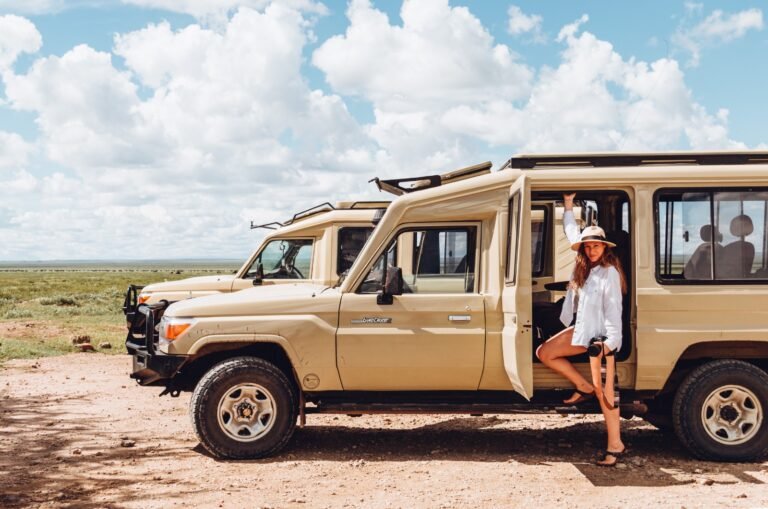
Dec 18, – 9 Day Tanzania Wildlife And Cultural Group Safari 2026
A deep look at our 9-day wildlife and cultural group safari departing December 18, 2026. This trip balances classic Northern Circuit game viewing with genuine cultural engagement.
View package detailsNo related package matches those filters. Clear one or more filters to see the other topic-matched options.