CATEGORY 7 — Uganda + Tanzania Gorilla & Wildlife Combos offer unparalleled opportunities to witness both the majestic mountain gorillas of Uganda’s Bwindi Impenetrable National Park or Mgahinga Gorilla National Park and the iconic savanna wildlife of Tanzania’s Serengeti and Ngorongoro Crater. These integrated itineraries are designed for travelers seeking a comprehensive East African safari experience, typically ranging from 10 to 20 days, combining trekking permits, park fees, accommodation, and guided game drives for an unforgettable adventure in 2026-2027.
Understanding Uganda + Tanzania Gorilla & Wildlife Combos
CATEGORY 7 — Uganda + Tanzania Gorilla & Wildlife Combos represent the pinnacle of East African wildlife tourism, meticulously designed to offer a dual-threat experience. These aren’t just separate safaris stitched together; they are integrated journeys that leverage the unique strengths of both Uganda and Tanzania. Uganda is globally renowned for its dense rainforests and the critically endangered mountain gorillas, offering an intimate, life-changing encounter. Tanzania, on the other hand, provides the quintessential savanna safari experience, famed for vast plains teeming with iconic predators, herbivores, and the unparalleled drama of the Great Migration. By combining these two powerhouses, travelers gain access to an extraordinary spectrum of biodiversity, from the jungle’s misty depths to the savanna’s sweeping vistas. These packages are typically structured to maximize wildlife viewing opportunities while ensuring logistical feasibility, acknowledging the significant distances and border crossings involved. Expect itineraries that carefully balance time spent in each country, often starting with gorillas in Uganda before transitioning to the more extensive game drives in Tanzania, or vice versa, depending on flight schedules and desired flow.
The appeal of a Uganda + Tanzania gorilla & wildlife combo lies in its efficiency and the sheer diversity of experiences it packs. Instead of undertaking two separate major trips, you consolidate the planning and travel into one comprehensive adventure. This approach is particularly attractive for those with limited vacation time who wish to see as much of East Africa’s natural wonders as possible. The logistics of moving between Uganda and Tanzania, while requiring careful planning, are well-established for tour operators, allowing for smooth transitions via flights, often connecting Entebbe (Uganda’s main international airport) with Kilimanjaro International Airport (Uganda’s primary gateway to the northern Tanzanian circuit) or other regional hubs. When considering your options for 2026-2027, these combo tours offer a curated and often more cost-effective way to experience the best of both destinations.
Why Combine Uganda and Tanzania? The Unique Appeal
The decision to combine Uganda and Tanzania for your safari adventure is driven by a desire for a multifaceted wildlife experience that few other regions on earth can rival. While both nations are titans of African tourism, their strengths are complementary, creating a holistic picture of East Africa’s natural heritage.
Uganda’s Gorilla Dominance: Uganda is arguably the premier destination for mountain gorilla trekking. Its well-habituated gorilla families in Bwindi Impenetrable National Park and Mgahinga Gorilla National Park allow for close, respectful encounters. The misty, dense rainforest environment provides a unique backdrop, and the experience of tracking these gentle giants through the undergrowth is profoundly moving. Beyond gorillas, Uganda offers chimpanzee tracking in Kibale Forest, which is considered one of the best places in Africa for primate viewing, and the Big Five (lion, leopard, elephant, rhino, buffalo) can be found in Queen Elizabeth National Park and Murchison Falls National Park, though lion and leopard sightings are often more challenging than in Tanzania.
Tanzania’s Savanna Magnificence: Tanzania is synonymous with the classic African safari. The Serengeti National Park is world-famous for the Great Migration, an awe-inspiring annual movement of millions of wildebeest, zebras, and gazelles, attracting predators in their droves. The Ngorongoro Conservation Area, a UNESCO World Heritage Site, boasts an incredible density of wildlife within its caldera, offering exceptional opportunities to see lions, elephants, rhinos (including the rare black rhino), hippos, and a multitude of bird species in a single day. Tarangire National Park is known for its large elephant herds and baobab trees, while Lake Manyara offers tree-climbing lions and a vibrant birdlife. Tanzania truly excels in offering abundant and easily observable savanna wildlife, particularly during the migration seasons.
The Synergy of a Combo: A Uganda + Tanzania gorilla & wildlife combo allows you to witness the raw, emotional intensity of gorilla trekking in the morning mist and then, within days, experience the thrilling spectacle of lions hunting on the open plains of the Serengeti. You transition from the unique biodiversity of a rainforest ecosystem to the vast, dynamic landscapes of the savanna. This juxtaposition is what makes these combined trips so compelling. It caters to travelers who want to tick off two of Africa’s most iconic wildlife experiences – gorillas and the Great Migration – in a single, well-organized journey. For planning in 2026-2027, these packages are increasingly popular for those seeking maximum impact from their African adventure.
Gorilla Trekking in Uganda: The Crown Jewel
Uganda stands as a premier destination for mountain gorilla trekking, offering some of the most accessible and well-managed experiences globally. The country’s commitment to conservation and sustainable tourism ensures that these encounters are both ethical and unforgettable. The primary locations for gorilla trekking are two distinct national parks, each offering a slightly different, yet equally rewarding, experience.
Bwindi Impenetrable National Park: The Primary Destination
Bwindi Impenetrable National Park, a UNESCO World Heritage Site, is the most popular and arguably the best place to see mountain gorillas. Its name perfectly describes its dense, ancient rainforest, a sanctuary for approximately half of the world’s remaining mountain gorillas. Bwindi is divided into four sectors: Buhoma (north), Ruhija (east), Rushaga (south), and Nkuringo (south). Each sector has its own habituated gorilla families available for trekking.
- Buhoma: The most accessible sector from the northern entrance, offering several habituated groups. It’s a good starting point for many travelers.
- Ruhija: Known for its higher altitude and often misty conditions, Ruhija also hosts several habituated gorilla families.
- Rushaga and Nkuringo: These southern sectors are slightly more remote but offer more habituated gorilla groups, which can sometimes mean more availability for permits, especially during peak seasons. They are also closer to the border with Rwanda.
The gorilla trekking experience in Bwindi typically involves a hike through challenging terrain, which can be steep and muddy. However, the reward of spending an hour in the presence of a gorilla family, observing their social dynamics and interactions, is immeasurable. Trek durations can vary from 2 to 8 hours, depending on the gorillas’ location on that particular day. The trekking rules are strict to protect the gorillas: groups are limited to eight people, a minimum distance of 10 meters must be maintained, and no flash photography is allowed.
Mgahinga Gorilla National Park: An Alternative
Mgahinga Gorilla National Park, located in the southwestern corner of Uganda, is part of the larger Virunga Mountains conservation area, which spans Uganda, Rwanda, and the Democratic Republic of Congo. Mgahinga is home to one habituated gorilla family, the Nyakagezi family, which is usually found within the park’s boundaries. While it offers fewer habituated groups compared to Bwindi, Mgahinga provides a different trekking landscape – volcanic slopes and bamboo forests.
The appeal of Mgahinga also lies in its potential for the Golden Monkey trek, another endangered primate species. For travelers interested in a shorter gorilla trek or combining it with other activities like volcano hiking (Mount Muhabura, Gahinga, and Sabyinyo), Mgahinga can be an excellent choice. However, the gorillas in Mgahinga tend to be more mobile, occasionally crossing into neighboring Rwanda or DRC, which can sometimes affect trekking availability. It’s crucial to check the current status and habituation of the family when planning a trip here, especially for 2026-2027 travel.
Planning Your Gorilla Trek: Permits, Seasonality, and Best Times
Securing gorilla permits is the most critical step in planning a gorilla trek. These permits are issued by the Uganda Wildlife Authority (UWA) and are essential for anyone wishing to trek. A permit allows one hour of observation with the gorillas.
- Permit Costs: As of recent information, a standard gorilla trekking permit in Uganda costs $700 USD per person. This fee is non-refundable and must be booked well in advance, often 6-12 months ahead, especially for peak seasons.
- Permit Availability: Permits are limited, with only a certain number issued per gorilla family per day. This scarcity is a deliberate conservation measure to minimize human impact. Booking through a reputable tour operator like Climb 4 Africa is highly recommended, as they have direct access to UWA’s booking system and can advise on availability.
- Seasonality: Uganda can be visited year-round, but there are drier and wetter seasons.
- Dry Seasons (June-August, December-February): These are the most popular times to visit. Trails are generally easier to navigate, and there’s less rain. However, this also means higher demand for permits and accommodation.
- Wet Seasons (March-May, September-November): These months see more rainfall, which can make trekking more challenging due to muddy trails. However, the landscape is lush and green, and there are fewer tourists, potentially leading to a more intimate experience. Prices for lodges might also be lower during these periods.
- Best Times: While any time can be rewarding, the dry seasons are often considered ideal for ease of trekking. However, for a Uganda + Tanzania gorilla & wildlife combo, consider how the timing aligns with the Great Migration in Tanzania. For example, June to October is excellent for both gorillas in Uganda and the migration river crossings in the Serengeti.
- Age Restrictions: Trekkers must be at least 15 years old due to the physical demands and the potential risk of disease transmission to the gorillas.
When planning for 2026-2027, it is paramount to book your gorilla permits as early as possible. Popular dates, especially during school holidays and the peak dry seasons, sell out quickly. Contacting Climb 4 Africa well in advance is key to securing your spot for this incredible experience.
The Tanzania Wildlife Spectacle: Beyond Expectations
Tanzania is a legendary safari destination, renowned for its vast national parks, incredible wildlife density, and the sheer drama of the natural world. Combining Uganda’s primate encounters with Tanzania’s iconic savanna landscapes creates an ultimate African safari experience. The northern circuit of Tanzania, comprising the Serengeti, Ngorongoro Crater, Tarangire, and Lake Manyara, offers a concentrated dose of wildlife viewing that is simply world-class.
Serengeti National Park: The Great Migration and Beyond
The Serengeti is perhaps the most famous wildlife sanctuary on Earth. Its name, derived from the Maasai word ‘Siringet’ meaning ‘endless plains,’ perfectly captures its expansive beauty. The park is a UNESCO World Heritage Site and is globally recognized for hosting the Great Migration, an annual spectacle where over two million wildebeest, zebras, and gazelles traverse the plains in search of fresh grazing. The timing of the migration is crucial for safari planning:
- December-March: The herds are typically in the southern Serengeti and Ndutu Plains (which straddles the border with Ngorongoro Conservation Area), calving season. This is a fantastic time for predator sightings as lions, cheetahs, and hyenas are drawn to the abundance of young animals.
- April-May: The herds begin their journey northwards, often spread out across the central Serengeti. This is the “long rains” season, meaning fewer tourists and greener landscapes, but potentially more challenging road conditions.
- June-October: The herds move towards the northern Serengeti, aiming to cross the Grumeti and Mara Rivers. These river crossings are dramatic events, with crocodiles waiting in the waters, offering thrilling photographic opportunities. This period is highly sought after for Uganda + Tanzania gorilla & wildlife combos.
- November: The herds begin to move back southwards, often following the rains.
Beyond the migration, the Serengeti is home to year-round populations of lions, leopards, cheetahs, elephants, giraffes, buffaloes, and a host of other mammals and birds. The vastness of the Serengeti means that game drives can feel exclusive, even during peak season.
Ngorongoro Conservation Area: The “Eighth Wonder”
The Ngorongoro Conservation Area is a unique ecosystem and a UNESCO World Heritage Site, famous for its magnificent Ngorongoro Crater. This vast volcanic caldera, approximately 19 kilometers (12 miles) in diameter, is home to an astonishing concentration of wildlife, including the rare black rhino. It’s often described as the “Eighth Wonder of the World” due to its density and diversity of animals.
Inside the crater, you can expect to see:
- The Big Five: All of the Big Five – lion, elephant, buffalo, leopard, and rhino – are present and often visible within a single day’s game drive.
- High Predator Numbers: The crater floor supports a large population of lions, hyenas, cheetahs, and jackals.
- Abundant Herbivores: Wildebeest, zebras, gazelles, hippos, and warthogs are present in large numbers.
- Birdlife: The crater lake is a haven for flamingos and other waterbirds, with over 400 species recorded in the wider conservation area.
Access to the crater floor is strictly controlled to protect the environment. Only a limited number of vehicles are allowed in at any one time, and visitors are restricted to specific game drive tracks. Staying overnight on the crater rim offers spectacular views and an early start to your game drive, maximizing your time in this incredible natural amphitheater. This is a must-visit for any Uganda + Tanzania gorilla & wildlife combo.
Other Tanzanian Gems: Tarangire and Lake Manyara
While the Serengeti and Ngorongoro are the stars, Tarangire National Park and Lake Manyara National Park are crucial components of a well-rounded Tanzanian safari, often included in combo tours.
- Tarangire National Park: Famous for its large elephant herds, especially during the dry season when they congregate around the Tarangire River. The park also boasts ancient baobab trees and a rich variety of birdlife. It’s an excellent place to see predators like lions and leopards, and offers a less crowded safari experience than some other parks.
- Lake Manyara National Park: This relatively small park is known for its diverse habitats, including groundwater forests, acacia woodlands, and the alkaline lake itself. It’s famous for its tree-climbing lions (though sightings are not guaranteed), large troops of baboons, and abundant birdlife, including flamingos. The park’s compact size makes it ideal for a half-day or full-day game drive, often visited en route to the Serengeti or Ngorongoro.
Including these parks in your Uganda + Tanzania gorilla & wildlife combo ensures a comprehensive exploration of Tanzania’s rich wildlife mix, providing varied landscapes and wildlife encounters.
Crafting Your Ideal Uganda + Tanzania Combo Itinerary
Designing the perfect Uganda + Tanzania gorilla & wildlife combo requires careful consideration of several factors, from the duration of your trip to the specific logistical elements that tie two distinct countries together. The goal is to create a smooth, enriching experience that maximizes your time with wildlife while minimizing travel stress.
Duration Considerations: Balancing Time and Experience
The length of your combined safari will significantly impact the depth and breadth of experiences you can have. Generally, these combos range from 10 to 20 days, with longer itineraries offering more comprehensive exploration.
- 10-12 Days: This is a good option for a shorter, impactful trip. It typically includes 2-3 days for gorilla trekking in Uganda (including travel to the park) and 5-7 days for a focused safari in Tanzania, perhaps covering the Serengeti and Ngorongoro. This might involve fewer parks or a quicker pace.
- 14-16 Days: A more comfortable pace allows for deeper exploration. You could spend an extra day with the gorillas, potentially track chimpanzees in Uganda, and have more time in the Serengeti, perhaps visiting different regions to follow the migration or explore Tarangire and Lake Manyara more thoroughly.
- 18-20+ Days: For the ultimate immersion, longer itineraries provide ample time for extensive gorilla trekking (perhaps a second trek or exploring different sectors), chimpanzee tracking, and a more in-depth Tanzanian safari covering multiple parks, including off-the-beaten-path options. This duration is ideal for those who want to experience the full spectrum of East African wildlife and landscapes in 2026-2027.
When choosing a duration, consider your personal interests. Are you primarily focused on gorillas with a taste of savanna, or vice versa? Your travel pace preference also matters – do you prefer to see more in less time, or soak in fewer locations more deeply?
Logistics and Transport: Bridging Two Nations
The geographical separation between Uganda and Tanzania, and the specific park locations within each country, necessitate careful logistical planning. The primary mode of transport between the two countries for such combos is usually by flight.
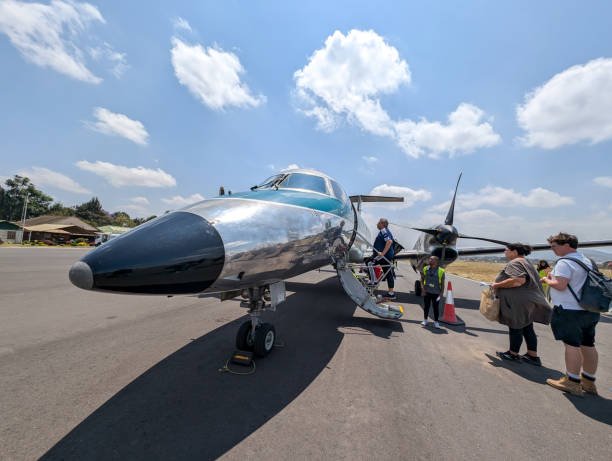
- Flights: The most common route involves flying from Entebbe International Airport (EBB) in Uganda to Kilimanjaro International Airport (JRO) in Tanzania. Some itineraries might involve flights from regional airstrips within Tanzania (like Seronera Airstrip in the Serengeti) to Entebbe, or vice versa. These flights are typically operated by regional carriers and need to be booked in advance.
- Internal Travel: Within Uganda, travel to the gorilla regions (southwest) usually involves road transfers, which can be long but scenic. Alternatively, light aircraft flights can be chartered to airstrips closer to Bwindi or Mgahinga, saving significant travel time. Within Tanzania, safaris are typically conducted using 4×4 safari vehicles with pop-up roofs for game viewing. Internal flights between parks (e.g., from Arusha to the Serengeti) are also common and highly recommended for saving time on longer itineraries.
- Border Crossings: If traveling overland between Uganda and Tanzania, you would typically cross at the Katuna/Gatuna border post (connecting Kabale in Uganda to Kisoro in Uganda, then potentially to Rwanda and onward to Tanzania) or other designated points. However, for most Uganda + Tanzania gorilla & wildlife combos, the flight route is more efficient and preferred.
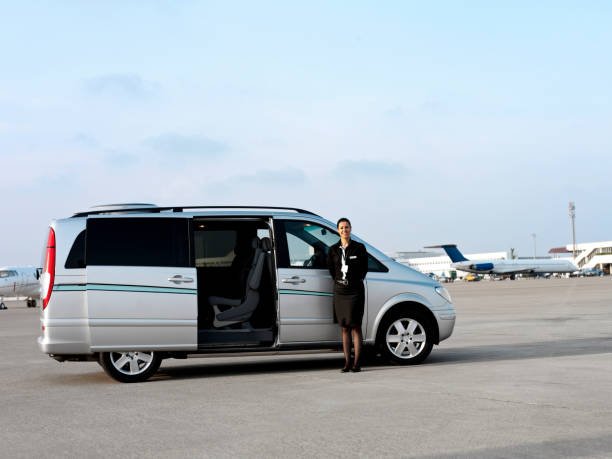
Climb 4 Africa specializes in navigating these complex logistics, ensuring that your journey between destinations is as smooth as possible. We handle all flight bookings, park transfers, and vehicle arrangements, allowing you to focus on the incredible wildlife.
Accommodation Styles: From Budget to Luxury
Your choice of accommodation will significantly influence the overall feel and cost of your Uganda + Tanzania gorilla & wildlife combo. Options range from basic but comfortable to ultra-luxurious lodges.
- Budget/Mid-Range: These options typically include comfortable lodges or tented camps with private bathrooms, good food, and essential amenities. They offer excellent value and are a great way to experience the wilderness without breaking the bank. In Uganda, you might find lodges near Bwindi’s sectors. In Tanzania, mid-range camps are often found in prime locations within national parks.
- Luxury/High-End: For a more indulgent experience, luxury lodges and tented camps offer exquisite comfort, gourmet dining, exceptional service, and often prime locations with stunning views. Think private plunge pools, expansive suites, and personalized attention. These can significantly elevate your safari experience, especially in exclusive-use concessions or prime spots in the Serengeti.
- Tented Camps: A popular choice in both countries, tented camps range from basic canvas shelters to opulent canvas suites. They offer a closer-to-nature feel while providing modern comforts. Mobile tented camps are also used in Tanzania, particularly to follow the Great Migration.
The selection of accommodation in your 2026-2027 itinerary will be tailored to your budget and preferences, ensuring a comfortable and memorable stay after each day’s adventures.
Sample Itinerary Overview: A Glimpse into Possibilities
While every itinerary is custom-made, a typical Uganda + Tanzania gorilla & wildlife combo might look something like this:
Days 1-2: Arrival in Entebbe, Uganda
Arrive at Entebbe International Airport (EBB), met by your guide, and transfer to your hotel. Depending on arrival time, a brief city tour or relaxation.
Days 3-5: Gorilla Trekking in Bwindi
Fly or drive to Bwindi Impenetrable National Park. Two days of trekking, including the main gorilla trek and potentially a chimpanzee trek in a nearby forest or exploring another sector.
Day 6: Travel to Tanzania
Transfer back to Entebbe for your flight to Kilimanjaro International Airport (JRO), Tanzania. Met by your Tanzanian guide and transferred to your lodge near Arusha.
Days 7-9: Serengeti National Park
Fly from Arusha to a Serengeti airstrip. start game drives, focusing on wildlife sightings and potentially witnessing the Great Migration depending on the season.
Day 10: Ngorongoro Crater
Drive to the Ngorongoro Conservation Area. Descend into the crater for a full-day game drive, searching for the Big Five and other wildlife.
Day 11: Tarangire or Lake Manyara
Enjoy a morning game drive in the Ngorongoro area or visit Tarangire National Park for its elephant herds and baobabs.
Day 12: Departure
Transfer to Kilimanjaro International Airport (JRO) for your onward flight.
This is a simplified example; actual itineraries can be extended to include more parks, activities, or rest days. The flow might also be reversed, starting in Tanzania and moving to Uganda.
What to Expect in 2026-2027: Trends and Considerations
Planning a major safari trip for 2026-2027 requires awareness of current trends and potential shifts in the tourism landscape. While the core experiences of gorilla trekking and savanna safaris remain constant, several factors can influence your trip.
- Permit Prices: While not expected to change drastically, it’s always wise to check the latest permit costs for gorillas and national park entry fees closer to your booking date. These are government-controlled and can be subject to adjustments.
- Availability: As demand for these unique experiences continues to grow, especially post-pandemic, booking well in advance for 2026-2027 is more critical than ever. This applies to gorilla permits, popular lodges, and internal flights.
- Conservation Efforts: Both Uganda and Tanzania are deeply invested in conservation. You’ll likely see ongoing efforts to protect wildlife, manage tourism sustainably, and benefit local communities. Be prepared to adhere to all park rules and guidelines, which are in place for the animals’ welfare.
- Technology and Infrastructure: Expect continued improvements in infrastructure, such as better roads in some areas and more eco-friendly lodge facilities. Mobile connectivity can be spotty in remote park areas, which is part of the charm for many, offering a chance to disconnect.
- Sustainability Focus: There’s an increasing emphasis on sustainable tourism practices. Many lodges and tour operators, including Climb 4 Africa, are committed to eco-friendly operations, supporting local economies, and minimizing environmental impact.
- Climate Change Impact: While not always predictable, climate change can influence weather patterns, potentially affecting animal movements and migration timings. Flexible itinerary planning and working with experienced guides are key to adapting.
By staying informed and planning with a knowledgeable operator, you can ensure your Uganda + Tanzania gorilla & wildlife combo in 2026-2027 is a resounding success, offering incredible wildlife encounters against a backdrop of responsible tourism.
Booking Your Ultimate Uganda + Tanzania Gorilla & Wildlife Combo
Choosing the right tour operator is paramount when planning a complex itinerary like a Uganda + Tanzania gorilla & wildlife combo. This is where the expertise of a local, experienced company like Climb 4 Africa becomes invaluable. We understand the intricacies of operating safaris in both countries, ensuring a smooth and unforgettable journey for our clients.
Why Book with Climb 4 Africa?
- Local Expertise: We are based in Tanzania and have deep-rooted knowledge of East African travel. Our guides and operations team have firsthand experience with the parks, lodges, and logistics in both Uganda and Tanzania.
- Tailor-Made Itineraries: We don’t offer one-size-fits-all packages. Every Uganda + Tanzania gorilla & wildlife combo is customized to your specific interests, budget, travel style, and time constraints. Whether you prioritize gorilla encounters, the Great Migration, or a mix of both, we craft the perfect itinerary.
- Permit Procurement: Securing gorilla permits is a critical and often challenging task. We handle the direct booking and confirmation of your permits with the Uganda Wildlife Authority, ensuring you don’t miss out.
- Logistical Mastery: From internal flights and road transfers between countries and parks to selecting the best lodges and ensuring experienced guides, we manage all the complex details.
- Value for Money: While we don’t compromise on quality, we strive to offer competitive pricing by leveraging our local partnerships and operational efficiencies. We provide transparent quotes detailing exactly what is included.
- Support: You’ll have dedicated support from our team before, during, and after your trip.
Next Steps for Booking Your 2026-2027 Trip:
To begin planning your dream Uganda + Tanzania gorilla & wildlife combo, we recommend contacting us with the following information:
- Your preferred travel dates or window (e.g., July 2026, December 2027).
- The approximate duration you have in mind.
- The number of travelers in your party.
- Your accommodation preferences (budget, mid-range, luxury).
- Any specific interests (e.g., photography, birdwatching, focusing on a particular animal).
You can reach us directly via WhatsApp at +255 747 477 898 or by emailing climb4africa@gmail.com. We will then work with you to design a personalized itinerary, provide a detailed quote, and guide you through the booking process. Let us help you create an unforgettable African adventure that combines the magic of mountain gorillas with the unparalleled wildlife spectacles of Tanzania.
Practical Planning Tips for Your Combined Adventure
Embarking on a Uganda + Tanzania gorilla & wildlife combo is an exciting prospect, and a little preparation goes a long way. Here are some practical tips to ensure your journey is as smooth and enjoyable as possible:
- Visas: Check visa requirements for both Uganda and Tanzania for your nationality well in advance. Many nationalities can obtain visas on arrival or apply online, but it’s best to confirm the latest regulations.
- Vaccinations and Health: Consult your doctor or a travel clinic about recommended vaccinations (e.g., Yellow Fever, Hepatitis A, Typhoid) and malaria prophylaxis. Yellow Fever vaccination is often mandatory for entry into Uganda and Tanzania. Carry a Yellow Fever vaccination certificate.
- Travel Insurance: Comprehensive travel insurance is essential. Ensure it covers medical emergencies, evacuation (including helicopter evacuation from remote areas), trip cancellation, and lost baggage.
- Packing: Pack light, breathable clothing in neutral colors (avoid bright colors and dark blue/black for gorilla trekking). Essential items include long-sleeved shirts, trousers, a good rain jacket, sturdy hiking boots, insect repellent, sunscreen, a wide-brimmed hat, binoculars, and a good camera with extra batteries and memory cards. For gorilla trekking, consider waterproof trousers and gaiters.
- Currency: The local currencies are the Ugandan Shilling (UGX) and the Tanzanian Shilling (TZS). However, US Dollars are widely accepted and often preferred for park fees, permits, and lodge payments, especially in tourist areas. Ensure you have smaller USD denominations for tips and incidentals. ATMs are available in major towns but can be unreliable in remote areas.
- Tipping: Tipping is customary for guides, lodge staff, and porters. Your tour operator will provide guidelines on appropriate amounts, which can vary by country and service level.
- Physical Fitness: Gorilla trekking requires a reasonable level of fitness. The terrain can be steep and challenging, with slippery trails. While you can hire porters to assist you with your backpack, you need to be able to navigate the trails. Chimpanzee trekking is also physically demanding. Standard savanna safaris are less strenuous but involve sitting in a vehicle for extended periods.
- Connectivity: Wi-Fi is available in most lodges and hotels, though speeds can vary and might be limited in more remote locations. Consider purchasing a local SIM card if you need consistent connectivity.
- Respect Local Culture: Be mindful and respectful of local customs and traditions. Always ask permission before taking photographs of people.
By preparing thoroughly, you can fully experience the incredible experiences offered by your Uganda + Tanzania gorilla & wildlife combo, making your 2026-2027 adventure truly memorable.
Frequently Asked Questions
Here are some common questions travelers have about planning a Uganda + Tanzania gorilla & wildlife combo.
How far in advance should I book my Uganda + Tanzania combo safari for 2026-2027?
It is highly recommended to book your Uganda + Tanzania gorilla & wildlife combo at least 6-12 months in advance, especially if you plan to travel during peak seasons (June-August, December-February) or if you have specific lodge preferences. Gorilla permits, in particular, sell out very quickly and are the most critical element to secure early.
What is the best time of year for a Uganda and Tanzania combo safari?
The best time often depends on your priorities. For Uganda + Tanzania gorilla & wildlife combos, the dry seasons (June-August and December-February) are generally ideal for ease of trekking in Uganda and excellent game viewing in Tanzania. However, the migration river crossings in the Serengeti are typically best from June to October. The shoulder seasons (e.g., March, September, November) can offer a good balance of decent weather, fewer crowds, and lower prices.
Is it safe to travel to Uganda and Tanzania?
Both Uganda and Tanzania are considered safe for tourists, particularly when traveling with reputable tour operators. The tourism sectors in both countries are well-established and prioritize visitor safety. Following your guide’s instructions, adhering to park rules, and taking standard travel precautions are important. It’s always advisable to stay updated on any travel advisories from your home country.
What is the difference between gorilla trekking in Uganda and Rwanda?
The primary differences are the cost of permits and the forest type. Uganda’s gorilla permits are currently $700 USD, while Rwanda’s are $1500 USD. Uganda’s trekking is in dense rainforest (Bwindi), which can be more challenging terrain but offers a wilder feel. Rwanda’s Volcanoes National Park also offers trekking in montane forest, often considered slightly easier but more expensive. Both offer incredible experiences.
Can I combine Uganda gorilla trekking with a Tanzania safari if I have limited time?
Yes, it is possible. A shorter Uganda + Tanzania gorilla & wildlife combo can be arranged in as little as 10-12 days, typically focusing on one key gorilla trekking location in Uganda and a highlights tour of Tanzania’s northern circuit (Serengeti and Ngorongoro). This will be a faster-paced trip, but it can still be incredibly rewarding.
What is the typical cost of a Uganda + Tanzania gorilla & wildlife combo?
The cost varies significantly based on the duration, accommodation level, and number of parks visited. A mid-range 12-day Uganda + Tanzania gorilla & wildlife combo could range from $4,500 to $7,000+ USD per person, excluding international flights. Luxury options can be considerably higher. This price typically includes gorilla permits, park fees, accommodation, most meals, and internal transport/flights.
What are the essential items to pack for this type of safari?
Essential packing includes sturdy hiking boots for gorilla trekking, lightweight clothing in neutral colors, a good rain jacket, insect repellent, sunscreen, a hat, binoculars, a camera, and any personal medications. Layering is key, as temperatures can vary. For specific recommendations tailored to your itinerary in 2026-2027, contact Climb 4 Africa.
Will I see the Great Migration on my combo safari?
Seeing the Great Migration depends on the time of year you travel. The herds are in different locations throughout the year. Generally, June to October is best for the migration river crossings in the northern Serengeti. For other times, you’ll still see vast numbers of resident wildlife in the Serengeti and Ngorongoro, which is spectacular in its own right. We can help you plan your trip to align with migration viewing if that’s a priority for your Uganda + Tanzania gorilla & wildlife combo.
“,
“faq_schema”: [
{
“question”: “How far in advance should I book my Uganda + Tanzania combo safari for 2026-2027?”,
“answer”: “It is highly recommended to book your Uganda + Tanzania gorilla & wildlife combo at least 6-12 months in advance, especially if you plan to travel during peak seasons (June-August, December-February) or if you have specific lodge preferences. Gorilla permits, in particular, sell out very quickly and are the most critical element to secure early.”
},
{
“question”: “What is the best time of year for a Uganda and Tanzania combo safari?”,
“answer”: “The best time often depends on your priorities. For Uganda + Tanzania gorilla & wildlife combos, the dry seasons (June-August and December-February) are generally ideal for ease of trekking in Uganda and excellent game viewing in Tanzania. However, the migration river crossings in the Serengeti are typically best from June to October. The shoulder seasons (e.g., March, September, November) can offer a good balance of decent weather, fewer crowds, and lower prices.”
},
{
“question”: “Is it safe to travel to Uganda and Tanzania?”,
“answer”: “Both Uganda and Tanzania are considered safe for tourists, particularly when traveling with reputable tour operators. The tourism sectors in both countries are well-established and prioritize visitor safety. Following your guide’s instructions, adhering to park rules, and taking standard travel precautions are important. It’s always advisable to stay updated on any travel advisories from your home country.”
},
{
“question”: “What is the difference between gorilla trekking in Uganda and Rwanda?”,
“answer”: “The primary differences are the cost of permits and the forest type. Uganda’s gorilla permits are currently $700 USD, while Rwanda’s are $1500 USD. Uganda’s trekking is in dense rainforest (Bwindi), which can be more challenging terrain but offers a wilder feel. Rwanda’s Volcanoes National Park also offers trekking in montane forest, often considered slightly easier but more expensive. Both offer incredible experiences.”
},
{
“question”: “Can I combine Uganda gorilla trekking with a Tanzania safari if I have limited time?”,
“answer”: “Yes, it is possible. A shorter Uganda + Tanzania gorilla & wildlife combo can be arranged in as little as 10-12 days, typically focusing on one key gorilla trekking location in Uganda and a highlights tour of Tanzania’s northern circuit (Serengeti and Ngorongoro). This will be a faster-paced trip, but it can still be incredibly rewarding.”
},
{
“question”: “What is the typical cost of a Uganda + Tanzania gorilla & wildlife combo?”,
“answer”: “The cost varies significantly based on the duration, accommodation level, and number of parks visited. A mid-range 12-day Uganda + Tanzania gorilla & wildlife combo could range from $4,500 to $7,000+ USD per person, excluding international flights. Luxury options can be considerably higher. This price typically includes gorilla permits, park fees, accommodation, most meals, and internal transport/flights.”
},
{
“question”: “What are the essential items to pack for this type of safari?”,
“answer”: “Essential packing includes sturdy hiking boots for gorilla trekking, lightweight clothing in neutral colors, a good rain jacket, insect repellent, sunscreen, a hat, binoculars, a camera, and any personal medications. Layering is key, as temperatures can vary. For specific recommendations tailored to your itinerary in 2026-2027, contact Climb 4 Africa.”
},
{
“question”: “Will I see the Great Migration on my combo safari?”,
“answer”: “Seeing the Great Migration depends on the time of year you travel. The herds are in different locations throughout the year. Generally, June to October is best for the migration river crossings in the northern Serengeti. For other times, you’ll still see vast numbers of resident wildlife in the Serengeti and Ngorongoro, which is spectacular in its own right. We can help you plan your trip to align with migration viewing if that’s a priority for your Uganda + Tanzania gorilla & wildlife combo.”
}
]
}
“`
Check Availability for Category 7 — Uganda + Tanzania Gorilla & Wildlife Combos 2026-2027
Ready to compare dates, prices, and the best option for your group? Send the package name and travel month so the team can reply with a clear quote, availability, and what is included.
Category 6 — Rwanda + Tanzania Gorilla & Safari Combos 2026-2027
CATEGORY 6 — RWANDA + TANZANIA GORILLA & SAFARI COMBOS is explained with current 2026-2027 planning, price, itinerary and booking information.
Uganda Rwanda Tanzania Combined Safari With Gorilla Trekking In 2026-2027
Combine the iconic wildlife of Tanzania with the unparalleled primate encounters in Uganda and Rwanda for an unforgettable East African adventure. This comprehensive guide covers everything…
Uganda Tanzania Safari Cost With Gorilla Permits And Zanzibar In 2026-2027
Planning a Uganda and Tanzania safari combined with Zanzibar in 2026-2027 involves understanding variable costs for wildlife viewing, gorilla trekking permits, and island relaxation. This…
Kilimanjaro Climb, Tanzania Safari & Uganda Gorilla Trekking: The Ultimate
Combine the iconic ascent of Mount Kilimanjaro with an unforgettable Tanzania safari and the awe-inspiring experience of trekking with mountain gorillas in Uganda. This comprehensive guide…
Uganda Tanzania Honeymoon Safari With Gorillas & Zanzibar In 2026-2027
Combine the thrill of gorilla trekking in Uganda with a classic Tanzanian wildlife safari and a relaxing Zanzibar beach escape for an unforgettable honeymoon. This guide details everything…

Best Way To Combine Uganda Gorillas And Tanzania Safari 2026-2027
Combining a gorilla trekking adventure in Uganda with a classic Tanzania safari offers a profound wildlife experience. This guide details the optimal ways to connect these two iconic…
Gorilla Trekking Uganda, Tanzania Safari & Zanzibar: Your Ultimate Adventure
An unforgettable journey combining the misty mountains of Uganda for gorilla trekking, the vast plains of Tanzania for a classic safari, and the spice-scented beaches of Zanzibar for…
12 Days Uganda Gorilla Trekking Tanzania Safari And Zanzibar 2026-2027
12 days Uganda gorilla trekking Tanzania safari and Zanzibar is explained with current 2026-2027 planning, price, itinerary and booking information.
Tanzania Safari And Uganda Gorilla Trekking Combination Package: Your
Combine the iconic wildlife viewing of a Tanzania safari with the unparalleled experience of trekking to see mountain gorillas in Uganda. This guide details how to craft the perfect…
Uganda Gorilla Trekking And Tanzania Serengeti Safari Itinerary 2026-2027
Combine the awe-inspiring mountain gorillas of Uganda with the iconic wildlife of Tanzania's Serengeti. This guide details how to craft a smooth 2026-2027 itinerary, covering logistics…
No related package matches those filters. Clear one or more filters to see the other topic-matched options.