
A combined Uganda, Rwanda, and Tanzania safari with gorilla trekking offers an extraordinary exploration of East Africa’s most diverse ecosystems and iconic wildlife, typically spanning 14-21 days. It focuses on witnessing the “Big Five” in Tanzania’s Serengeti and Ngorongoro Crater, experiencing chimpanzee trekking in Uganda’s Kibale Forest, and, crucially, encountering mountain gorillas in Uganda’s Bwindi Impenetrable National Park or Rwanda’s Volcanoes National Park. Planning for 2026-2027 involves selecting specific national parks, accommodation styles, and gorilla permit booking well in advance, as these permits are limited and highly sought after.
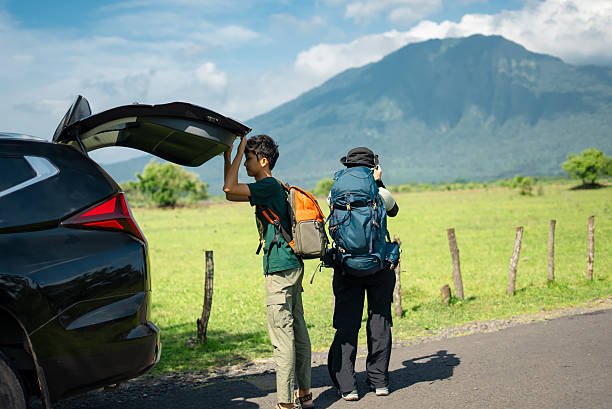

Understanding the Appeal of a Uganda Rwanda Tanzania Combined Safari
A combined safari across Uganda, Rwanda, and Tanzania is for the traveler who seeks the absolute pinnacle of East African wildlife experiences. It’s not just about seeing animals; it’s about encountering them in their most pristine and dramatic habitats. This multi-country journey allows you to witness the vast plains of the Serengeti, the unique caldera of Ngorongoro, the dense rainforests of the Albertine Rift, and the majestic mountain gorillas that call these regions home. For 2026-2027, this trip remains a top-tier adventure, blending iconic landscapes with profound wildlife encounters.
Why Combine These Three Destinations?
Each country brings something distinct to the table:
- Tanzania: Renowned for its sheer scale and concentration of wildlife, especially the Great Migration in the Serengeti and the abundant game within the Ngorongoro Conservation Area. It’s the classic safari destination, offering endless savanna vistas and predator action.
- Uganda: Often called the “Pearl of Africa,” Uganda is a biodiversity hotspot. It excels in primate trekking, offering not only world-class gorilla encounters in Bwindi but also excellent chimpanzee tracking in Kibale Forest and golden monkey viewing in Mgahinga.
- Rwanda: Famous for its conservation efforts and its pristine Volcanoes National Park, Rwanda offers an arguably more luxurious and accessible gorilla trekking experience, often combined with stunning mountain scenery and a highly organized tourism infrastructure.
Combining them means you can tick off multiple bucket-list items: the Big Five, the Great Migration (seasonally), chimpanzees, and the critically endangered mountain gorillas, all in one comprehensive journey. It’s a trip that offers both the thrill of the chase across vast plains and the quiet reverence of meeting our closest primate relatives.
Who is This Safari For?
This type of combined safari is ideal for:
- Experienced Travelers: Those who have perhaps done a single-country safari before and are looking for a more in-depth, diverse experience.
- Wildlife Enthusiasts: Individuals passionate about seeing a wide array of species, from the largest mammals to the smallest primates.
- Adventure Seekers: Those who appreciate the logistical challenge and reward of traversing multiple countries and varied terrains.
- Primate Lovers: The primary draw for many is the chance to see gorillas and chimpanzees up close, a truly unique opportunity.
It’s important to note that this safari involves significant travel time between locations, multiple flights (internal and sometimes international), and varied accommodation styles. It requires a reasonable level of fitness for trekking, especially for gorilla and chimp encounters.
Crafting Your Ideal Uganda Rwanda Tanzania Safari Itinerary for 2026-2027
Designing the perfect itinerary is crucial for maximizing your experience and managing logistics. The duration can vary significantly, but a well-rounded trip typically falls between 14 and 21 days. Here’s a breakdown of how you might structure such a journey, considering the flow and travel times.
Typical Itinerary Flow and Durations
Most combined safaris follow a logical geographical progression to minimize travel time. A common route might look like this:
Example 18-Day Uganda, Rwanda & Tanzania Safari
- Days 1-2: Arrival in Entebbe (Uganda) & Transfer to Kibale. Arrive at Entebbe International Airport (EBB), clear immigration, and meet your guide. Transfer by road or a short domestic flight to the Kibale Forest region. Settle into your lodge.
- Day 3: Chimpanzee Trekking in Kibale Forest. start a morning chimpanzee trekking excursion. In the afternoon, consider a nature walk or visit the Bigodi Wetland Sanctuary for birdwatching and other primates.
- Day 4: Transfer to Bwindi Impenetrable National Park. Travel south towards Bwindi, a journey of several hours, offering scenic views of the Ugandan countryside. Check into your lodge near one of Bwindi’s sectors (e.g., Buhoma, Ruhija, Rushaga).
- Day 5: Gorilla Trekking in Bwindi. The highlight! Undertake your mountain gorilla trek. After a briefing at the park headquarters, you’ll hike into the forest with your guide and trackers to find a habituated gorilla family. Spend up to an hour observing them.
- Day 6: Transfer to Kigali (Rwanda). A scenic drive takes you across the border into Rwanda, heading towards Kigali. This is a longer travel day, but the landscapes are beautiful.
- Day 7: Optional Kigali Genocide Memorial & Transfer to Volcanoes NP. Visit the poignant Kigali Genocide Memorial in the morning. Afterward, drive to the Volcanoes National Park area (Musanze).
- Day 8: Gorilla Trekking in Volcanoes National Park (Rwanda). Experience gorilla trekking in Rwanda. Permits here are often easier to secure and the trekking can sometimes be less strenuous than in Bwindi, depending on the gorilla family’s location.
- Day 9: Golden Monkey Trekking or Dian Fossey Hike & Transfer to Lake Kivu. Option for another primate experience with golden monkeys, or hike to the Karisoke Research Center for Dian Fossey’s tomb. In the afternoon, relax by the scenic Lake Kivu.
- Day 10: Transfer to Serengeti National Park (Tanzania). This is a significant travel day. Fly from Kigali (KGL) to Kilimanjaro International Airport (JRO) in Tanzania, usually with a stopover in Nairobi. Upon arrival, you’ll be met and transferred to your lodge or camp in the Serengeti.
- Days 11-13: Serengeti National Park. Full days of game drives in the Serengeti, renowned for its vast plains, incredible predator sightings, and the Great Migration (timing dependent). Explore different regions of the park.
- Day 14: Ngorongoro Crater. Morning game drive in the Serengeti, then drive to the Ngorongoro Conservation Area. Descend into the Ngorongoro Crater for an unforgettable game drive in this natural amphitheater teeming with wildlife.
- Day 15: Lake Manyara National Park. Drive to Lake Manyara, famous for its tree-climbing lions and diverse birdlife. Enjoy a game drive in this compact but beautiful park.
- Day 16: Tarangire National Park. Head to Tarangire, known for its large elephant herds and iconic baobab trees. Enjoy game drives.
- Day 17: Transfer to Arusha & Departure Prep. Enjoy a final morning game drive in Tarangire or drive directly to Arusha. Relax, shop for souvenirs, and prepare for your departure.
- Day 18: Departure from Kilimanjaro (JRO). Transfer to Kilimanjaro International Airport for your flight home.
Variations and Customization for 2026-2027
- Duration: Shorter trips (10-12 days) might focus on just two countries (e.g., Uganda and Rwanda for primates, or Tanzania for safari) or a condensed version of all three with less time in each. Longer trips (21+ days) allow for more relaxed pacing, deeper exploration of each park, or inclusion of additional destinations like Zanzibar.
- Order: You could start in Tanzania, then fly to Rwanda/Uganda, or vice versa. The choice often depends on flight availability and cost, and personal preference for which experience to tackle first.
- Focus: Some travelers might prioritize a specific country. For instance, a longer Uganda focus could include Murchison Falls and Queen Elizabeth National Parks for broader wildlife viewing beyond primates.
- Accommodation: Options range from budget-friendly lodges and tented camps to ultra-luxury lodges. Your choice significantly impacts the overall cost and experience.
When planning for 2026-2027, consider which animals are your absolute must-sees and tailor the itinerary accordingly. Remember that internal flights are often the most efficient way to connect between countries, especially for longer distances like Kigali to the Serengeti.
Gorilla Trekking: The Heart of Your Uganda Rwanda Tanzania Combined Safari
Gorilla trekking is often the centerpiece of this combined safari. Both Uganda and Rwanda offer unparalleled opportunities to see mountain gorillas in their natural habitat, but the experience has nuances.
Uganda: Bwindi Impenetrable National Park & Mgahinga Gorilla National Park
- Bwindi: This UNESCO World Heritage site is home to the largest population of mountain gorillas. The park is divided into four sectors: Buhoma, Ruhija, Rushaga, and Nkuringo. Each offers different gorilla families to track, varying trek durations, and distinct lodge locations. Permits are issued by Uganda Wildlife Authority (UWA).
- Mgahinga: Part of the Virunga Mountains, Mgahinga is home to one habituated gorilla family (the Nyakabira family) and golden monkeys. It’s also the only place in Uganda to track both gorillas and golden monkeys.
Key considerations for Uganda gorilla permits for 2026-2027:
- Permit Cost: Currently around $700 USD per person per trek (subject to change by UWA).
- Availability: Permits are limited and sell out, especially during peak seasons (June-August, December-February). Booking 6-12 months in advance is highly recommended.
- Trekking Difficulty: Bwindi’s terrain is steep and rugged, meaning treks can be challenging, though rangers will assign you to a group based on your fitness level.
Rwanda: Volcanoes National Park
- Volcanoes National Park is Rwanda’s premier gorilla destination, part of the larger Virunga Massif. The park is known for its stunning scenery and well-established gorilla trekking infrastructure. Several habituated gorilla families are available for viewing.
Key considerations for Rwanda gorilla permits for 2026-2027:
- Permit Cost: Currently $1500 USD per person per trek (subject to change by Rwanda Development Board – RDB). This is significantly higher than Uganda’s but includes park entry.
- Availability: Permits are also limited and should be booked well in advance, especially for popular dates in 2026-2027.
- Trekking Experience: Rwanda often offers a more organized and sometimes less physically demanding trekking experience due to better trail maintenance and infrastructure. The views are spectacular.
Choosing Between Uganda and Rwanda for Gorillas
- Cost: Uganda is more budget-friendly for the gorilla permit itself.
- Accessibility: Rwanda’s permit cost is higher, but the overall travel experience can sometimes feel more streamlined and luxurious.
- Conservation Focus: Both countries are deeply committed to gorilla conservation, and your permit fee directly supports these efforts.
- Multiple Treks: If you’re keen on multiple gorilla treks or want to see both gorillas and golden monkeys, Uganda might offer more options within a single trip.
Many travelers opt to trek gorillas in both Uganda and Rwanda to compare the experiences and increase their chances of seeing these magnificent creatures. This is a fantastic option for a longer, more in-depth combined safari.
Tanzania’s Wildlife Spectacle: Serengeti, Ngorongoro & Beyond
While gorillas are a major draw, Tanzania’s contribution to this combined safari is its world-class savanna wildlife viewing. The Serengeti and Ngorongoro Crater are legendary for a reason.
The Serengeti National Park
- The Great Migration: This is the Serengeti’s most famous phenomenon – the annual movement of over 1.5 million wildebeest, zebras, and gazelles across the plains in search of fresh grazing. The timing and location of the migration vary throughout the year, making different areas of the Serengeti optimal at different times. Planning your 2026-2027 safari around the migration can be a highlight.
- Predator Action: The Serengeti boasts one of the highest concentrations of predators in Africa, including lions, leopards, cheetahs, hyenas, and wild dogs.
- Vast Landscapes: The sheer size of the Serengeti offers diverse habitats, from endless grasslands to kopjes (rock outcrops) and riverine forests, supporting a wide array of wildlife.
The Ngorongoro Conservation Area & Crater
- Unique Ecosystem: The Ngorongoro Crater is a UNESCO World Heritage site and the world’s largest intact caldera. Its relatively small size (about 100 square miles) concentrates an astonishing density of wildlife, including the Big Five (lion, leopard, elephant, rhino, buffalo) on its floor.
- Rhino Sanctuary: It’s one of the best places in East Africa to see the endangered black rhinoceros.
- Limited Time: Access to the crater floor is typically limited to 6 hours to manage conservation and visitor impact.
Other Tanzanian Parks Often Included
- Tarangire National Park: Famous for its huge elephant herds and ancient baobab trees, especially prominent during the dry season (June-October).
- Lake Manyara National Park: Known for its tree-climbing lions, large troops of baboons, and abundant birdlife, situated in a beautiful forest setting.
When planning your 2026-2027 Tanzania component, consider which part of the Serengeti is best for the time of year you plan to travel to maximize your chances of seeing the migration or specific animal behaviors.
Logistics and Practicalities for Your Combined Safari
Successfully combining three countries requires careful logistical planning. This is where an experienced tour operator like Climb 4 Africa becomes invaluable.
Travel Between Countries
- Flights: The most efficient way to travel between Uganda/Rwanda and Tanzania is by flying. Common routes include Kigali (KGL) to Kilimanjaro (JRO) or Arusha (ARK), often with a stopover in Nairobi (NBO). Internal flights within Uganda can also save significant road travel time.
- Road Travel: While possible, extensive road travel between these countries is very time-consuming and not generally recommended for a multi-country trip aiming for efficiency. The border crossings themselves can also add delays.
Visas and Vaccinations
- Visas: Travelers typically need separate visas for Uganda, Rwanda, and Tanzania. Check the latest requirements for your nationality well in advance of your 2026-2027 trip. East African tourist visas may be available for some nationalities, allowing multi-country travel within the region.
- Vaccinations: Yellow Fever vaccination is often mandatory for entry into these countries, and proof of vaccination may be required at immigration. Consult your doctor or a travel clinic about recommended vaccinations (e.g., Hepatitis A, Typhoid) and malaria prophylaxis.
Accommodation Choices
- Types: Options range from budget-friendly guesthouses and basic tented camps to mid-range lodges and luxury tented camps or lodges. For this type of safari, mid-range to luxury options often provide a better balance of comfort and wildlife viewing proximity.
- Booking: Accommodation, especially in popular national parks and near gorilla trekking areas, books up quickly. Secure your preferred lodges, particularly for 2026-2027, as soon as your itinerary is confirmed.
Packing Essentials
- Lightweight, neutral-colored clothing (khaki, beige, olive green)
- Warm layers for early mornings and evenings (temperatures can drop significantly at higher altitudes)
- Rain jacket or poncho (essential for rainforests and potential rain showers)
- Comfortable, sturdy hiking boots for trekking
- Sunscreen, hat, sunglasses
- Insect repellent (with DEET)
- Binoculars
- Camera with extra batteries and memory cards
- Personal first-aid kit
- Reusable water bottle
- Small backpack for day trips and treks
When to Go: Best Times for 2026-2027
- Dry Seasons (June-August, December-February): Generally considered peak seasons due to pleasant weather, clearer skies, and easier wildlife viewing as animals congregate around water sources. This is also peak time for gorilla trekking. Expect higher prices and more crowds.
- Shoulder Seasons (March-May, September-November): Offer a good balance of weather and fewer crowds. March-May can see more rain, especially in Uganda and Rwanda. September-November is often excellent for wildlife viewing across all three countries.
For gorilla trekking specifically, the dry seasons are often preferred for more comfortable trekking conditions, though gorillas are present year-round. The Great Migration in the Serengeti has specific timings for river crossings (July-September) and calving seasons (January-February), which can guide your Tanzanian focus.
Cost Considerations for a Uganda Rwanda Tanzania Safari
This is a premium safari experience, and costs reflect the exclusivity, logistics, and conservation fees involved. Expect a budget of $5,000 – $10,000+ USD per person for a 14-21 day trip, depending heavily on accommodation choices, private vs. group tours, and the number of gorilla permits purchased.
Key Cost Components:
- Gorilla Permits: These are a significant expense ($700 USD in Uganda, $1500 USD in Rwanda per person per trek).
- Park Entrance Fees: Daily fees for national parks in all three countries add up.
- Accommodation: Luxury lodges will be considerably more expensive than mid-range or budget options.
- Transportation: Safari vehicles, fuel, driver/guide fees, and internal flights are major costs.
- Meals: Often included in lodge rates, but drinks and tips are extra.
- Taxes and Conservation Fees.
Budgeting for 2026-2027
- Budget Safaris: Focus on more basic tented camps, shared vehicles, and potentially shorter durations or fewer parks.
- Mid-Range Safaris: Comfortable lodges and camps, private vehicles, and a well-balanced itinerary. This is where most travelers find good value.
- Luxury Safaris: High-end lodges, exclusive camps, private guides, and often charter flights.
It’s crucial to get a detailed quote for your specific 2026-2027 travel dates. The price can fluctuate based on the season, the exact itinerary, and the level of service. A custom quote from an operator like Climb 4 Africa will break down these costs for you.
Booking Your Uganda Rwanda Tanzania Combined Safari
Booking a multi-country safari requires careful consideration and choosing the right partner is paramount. For your 2026-2027 adventure, consider:
Why Choose Climb 4 Africa?
Climb 4 Africa specializes in East African adventures, offering deep local knowledge and practical support. For a complex trip like a Uganda, Rwanda, and Tanzania combined safari, their expertise is invaluable:
- Local Expertise: Deep understanding of the parks, logistics, and best times to travel across all three countries.
- Customization: Ability to tailor itineraries precisely to your interests, budget, and preferred travel style for 2026-2027.
- Logistical Management: Handling all the intricate details – internal flights, park bookings, accommodation, permits, and ground transportation – across borders.
- Dedicated Support: Providing guides and support throughout your journey.
What to Provide When Requesting a Quote
To help Climb 4 Africa create the most accurate and suitable itinerary for your 2026-2027 trip, please provide the following information:
- Preferred Travel Dates: Specific dates or a general timeframe (e.g., “mid-July 2027”).
- Number of Travelers: Adults, children (with ages).
- Duration: Your ideal trip length (e.g., 14 days, 18 days, 3 weeks).
- Budget Range: An indication of your expected budget per person (e.g., mid-range, luxury).
- Interests: Specific wildlife you’re keen to see, photography focus, desired pace, or specific experiences (e.g., extensive birding, cultural visits).
- Accommodation Style: Preference for luxury lodges, comfortable mid-range camps, or more rustic options.
- Gorilla Trekking Preference: If you have a preference for trekking in Uganda, Rwanda, or both.
The Booking Process
1. Initial Inquiry: Reach out to Climb 4 Africa with your requirements.
2. Itinerary Design: They will work with you to craft a detailed, day-by-day itinerary and provide a quote.
3. Confirmation & Deposit: Once you approve the itinerary, a deposit is typically required to secure bookings, especially gorilla permits and popular accommodations.
4. Final Payment: The remaining balance is usually due 60-90 days before departure.
5. Pre-Trip Information: You’ll receive detailed packing lists, visa/vaccination advice, and final travel documents.
Embarking on a Uganda, Rwanda, and Tanzania combined safari is a monumental undertaking, but one that rewards you with some of the most profound wildlife encounters on Earth. Let Climb 4 Africa help you plan your unforgettable 2026-2027 adventure.
Contact Climb 4 Africa today:
WhatsApp: +255 747 477 898
Email: climb4africa@gmail.com
Website: climb-4-africa.com
Check Availability for Uganda Rwanda Tanzania Combined Safari With Gorilla Trekking In 2026-2027
Ready to compare dates, prices, and the best option for your group? Send the package name and travel month so the team can reply with a clear quote, availability, and what is included.
Tanzania Safari Tours & Packages /: Your Ultimate Wildlife Adventure 2026-2027
Discover the magic of Tanzania with expertly crafted safari tours and packages for 2026 and 2027. From the vast plains of the Serengeti to the depths of the Ngorongoro Crater, find your...
View package details
Kruger National Park Safari Packages: Your Ultimate Guide To Adventures
Discover tailored Kruger National Park safari packages for 2026-2027. This comprehensive guide covers everything from choosing the right lodge and activities to understanding costs and...
View package detailsSouth Africa Safari Tours & Vacation Packages | Climb 4 2026-2027
Discover the ultimate South Africa safari experience with tailored tour and vacation packages for 2026-2027. From iconic Kruger National Park to exclusive private reserves, find detailed...
View package detailsBest Wildlife Photography Destinations For Safaris | Climb 4 Africa 2026-2027
Planning a safari for incredible wildlife photography in 2026 or 2027? Tanzania offers unparalleled opportunities. This guide details the top destinations, essential gear, timing, and how...
View package detailsWildlife And Nature Titles: Your Ultimate Guide To Tanzanias Best Experiences
This comprehensive guide explores the most sought-after wildlife and nature titles in Tanzania, from iconic safari destinations and Kilimanjaro treks to the tropical allure of Zanzibar...
View package details
Kenya And Tanzania Combined Safari Packages: Ultimate Guide 2026-2027
Discover the unparalleled adventure of combining Kenya and Tanzania for a comprehensive East African safari. This guide details everything you need to know for planning your 2026-2027...
View package details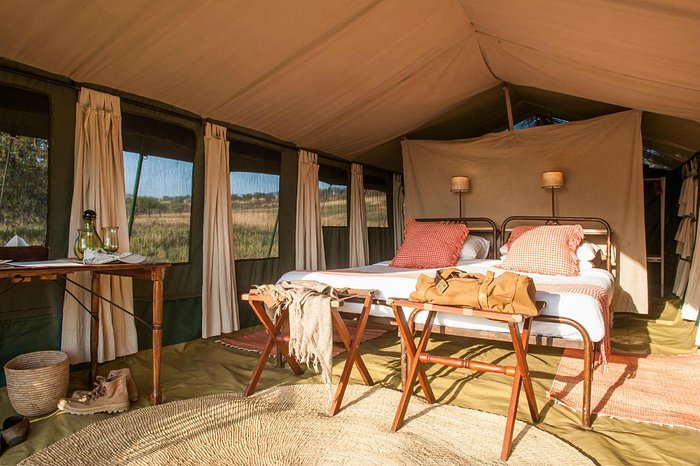
Affordable African Safari Packages: Your Guide To Budget-Friendly Tanzania
Discover how to plan and book affordable African safari packages for 2026-2027. This guide provides practical advice on choosing budget-friendly Tanzania tours, understanding costs, and...
View package details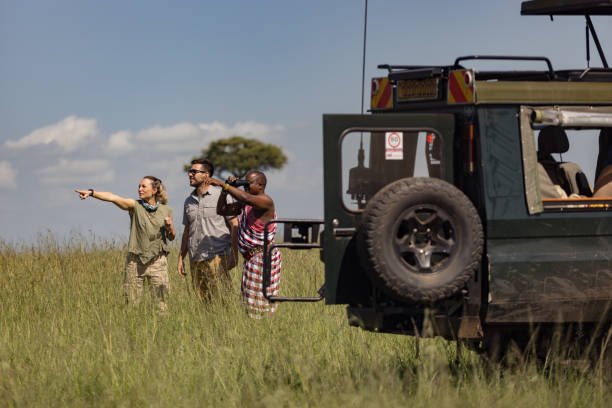
3-Day Serengeti And Ngorongoro Safari: Your Ultimate Tanzania Wildlife
start a concise yet unforgettable 3-day Serengeti and Ngorongoro safari, designed to maximize wildlife encounters in Tanzania's most celebrated parks. This compact adventure offers a taste...
View package details
Serengeti Safari And Zanzibar Beach Holiday: The Ultimate Tanzania
Combine the thrill of a Serengeti safari with the relaxation of a Zanzibar beach holiday. This guide covers everything you need to know for an unforgettable Tanzania adventure in 2026-2027...
View package detailsTanzania Safari And Zanzibar All-Inclusive Packages Guide
Combine the thrill of a Tanzanian wildlife safari with the serene beauty of Zanzibar on an all-inclusive package. This comprehensive guide covers everything you need to know for planning...
View package details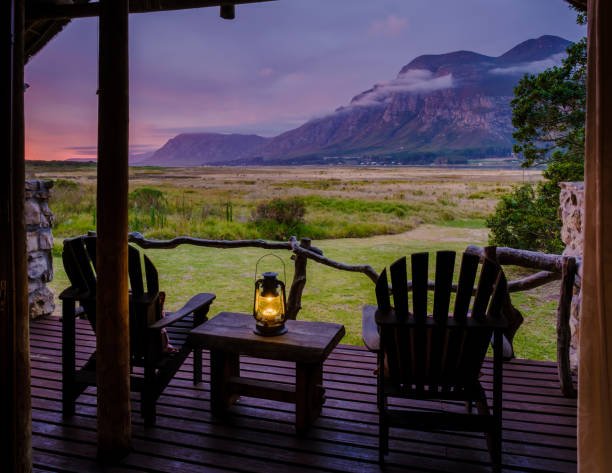
Are African Safari Prices Per Person Or Vehicle? Understanding Tanzania Costs
African safari costs can be confusing. This guide clarifies whether prices are quoted per person or per vehicle, detailing factors that influence your 2026-2027 safari budget in Tanzania.
View package details
Is Tanzania Or Kenya Better For Safari? A Detailed Comparison 2026-2027
Comparing Tanzania and Kenya for your next safari? This in-depth guide breaks down wildlife viewing, landscapes, costs, and optimal travel times to help you choose the perfect East African...
View package detailsNo related package matches those filters. Clear one or more filters to see the other topic-matched options.



