
Combining a Kilimanjaro climb, Tanzania safari, and Uganda gorilla trek offers a profound African adventure, typically requiring 14-21 days. This multi-destination journey involves ascending Africa’s highest peak, experiencing diverse wildlife in Tanzania’s renowned national parks, and encountering endangered mountain gorillas in Uganda’s misty forests. Planning for 2026-2027 involves selecting appropriate routes, booking permits well in advance, and coordinating logistics between countries for a smooth experience.
Planning Your Grand African Expedition: Kilimanjaro, Safari, and Gorillas
The dream of standing atop Kilimanjaro, witnessing the Great Migration on a Tanzania safari, and coming face-to-face with mountain gorillas in Uganda represents a pinnacle of adventure travel. This combination is not just about ticking off bucket-list items; it’s about deeply connecting with nature, diverse cultures, and the raw beauty of East Africa. For many, this journey is a special expedition, and careful planning is paramount to ensure it lives up to expectations. Whether you’re aiming for 2026 or 2027, understanding the intricacies of each component is key.
This guide is designed to break down this complex, yet incredibly rewarding, trip into manageable parts. We’ll explore the best ways to combine these experiences, what to expect logistically, and how to make informed decisions about routes, durations, and operators. Our aim is to provide you with the practical knowledge needed to craft your perfect itinerary, ensuring you maximize your time and create memories that last a lifetime.
Mount Kilimanjaro: The Roof of Africa
Mount Kilimanjaro, a dormant volcano in Tanzania, is Africa’s highest peak at 5,895 meters (19,341 feet). It’s one of the Seven Summits and a dream destination for trekkers worldwide. Unlike many other high-altitude mountains, Kilimanjaro does not require technical climbing skills, making it accessible to hikers with good physical fitness and mental fortitude. The ascent is a journey through distinct ecological zones, from lush rainforests at the base to alpine deserts and finally the arctic conditions at the summit.
The success of a Kilimanjaro climb hinges on choosing the right route, adequate preparation, and effective acclimatization. The mountain’s altitude presents a significant challenge, and understanding how your body reacts to it is crucial. Kilimanjaro is not merely a physical challenge; it’s an experience that tests endurance, resilience, and the ability to push beyond perceived limits. For those planning a 2026 or 2027 expedition, starting your preparation early will make a significant difference.
Choosing Your Kilimanjaro Route: A Critical Decision
The route you select for your Kilimanjaro climb is arguably the most important decision you’ll make. Each route offers a different experience, varying in length, difficulty, scenery, and most importantly, acclimatization profile. A longer route generally leads to a higher success rate due to better acclimatization, which is vital for reaching the summit safely. For an integrated trip including safari and gorilla trekking, you’ll likely be flying into Kilimanjaro International Airport (JRO) near Arusha, Tanzania.
Popular Kilimanjaro Routes Explained:
- Marangu Route (Coca-Cola Route): The oldest and most direct route. It’s known for its hut accommodation rather than camping. While shorter (5-6 days), it has a lower success rate due to poor acclimatization. It’s less scenic than other routes.
- Machame Route (Whiskey Route): Arguably the most popular route, known for its scenic beauty and good acclimatization profile. Typically done over 6-7 days, it involves camping and offers a “climb high, sleep low” strategy that aids acclimatization. This is a strong contender for a balanced trip.
- Lemosho Route: A longer and more scenic route, starting in the west. It offers excellent acclimatization over 7-8 days, often considered one of the best routes for success and views. It joins the Machame route on day 3.
- Shira Route: Similar to Lemosho but starts at a higher altitude. It’s also scenic and offers good acclimatization, usually 7-8 days.
- Rongai Route: The only route approaching from the north. It’s a good option during the rainy season and offers a different perspective. It’s typically 6-7 days and less crowded.
- Northern Circuit: The longest route (9-10 days), offering the highest success rate due to excellent acclimatization and slow ascent. It circumnavigates the mountain, providing diverse views and fewer crowds. This is ideal if time allows and summit success is the absolute priority.
- Umbwe Route: The shortest and most challenging route, demanding excellent fitness and acclimatization. It’s very steep and not recommended for beginners.
For a combination trip, the Machame or Lemosho routes (6-7 days) offer a good balance of success rates, scenery, and manageable time commitment. The Northern Circuit (9-10 days) is superior for acclimatization and success if you have extra days to spare before or after your safari and gorilla trek. Always aim for at least 6 days on the mountain to maximize your chances of reaching Uhuru Peak.
Preparing for Kilimanjaro: Fitness, Gear, and Acclimatization
Successfully climbing Kilimanjaro requires more than just booking a trip; it demands dedicated preparation. This is not a leisurely hike; it’s a serious high-altitude trek.
Fitness for Kilimanjaro:
Your training should focus on cardiovascular endurance and leg strength. Aim for regular hikes (3-4 times per week) that include significant elevation gain. Simulate carrying a daypack. Strength training for legs and core is also beneficial. The key is consistency in the months leading up to your climb. For 2026-2027 climbs, start your fitness regimen at least 3-6 months in advance.
Essential Kilimanjaro Gear:
Proper gear is critical for comfort and safety on the mountain. Layering is key to managing temperature fluctuations. You’ll need:
- Base Layers: Moisture-wicking thermals (merino wool or synthetic).
- Mid Layers: Fleece jackets or insulated vests for warmth.
- Outer Layer: Waterproof and windproof jacket and trousers (Gore-Tex or similar).
- Insulation Layer: A warm down or synthetic jacket for summit night and cold evenings.
- Headwear: Warm hat, sun hat, balaclava or neck gaiter.
- Handwear: Warm gloves, liner gloves.
- Footwear: Broken-in hiking boots (waterproof), comfortable camp shoes.
- Socks: Wool or synthetic hiking socks (multiple pairs).
- Sleeping Bag: A 4-season sleeping bag rated to -15°C (0°F) or lower.
- Backpack: A comfortable daypack (30-40L) and a larger duffel bag for porters.
- Trekking Poles: Essential for stability and reducing knee strain.
- Headlamp: With extra batteries.
- Sun Protection: High SPF sunscreen, lip balm, sunglasses.
- Hydration: Water bottles or hydration reservoir (at least 3L capacity).
- First-Aid Kit: Personal medications, blister treatment, pain relievers.
Acclimatization is Key
Altitude sickness (Acute Mountain Sickness – AMS) is a serious risk. The best way to prevent it is slow ascent, allowing your body time to adjust. Choose longer routes (6+ days), stay hydrated, avoid alcohol, and inform your guide immediately if you feel unwell. Your guide will monitor you closely. For 2026-2027 expeditions, understanding these principles is non-negotiable.
Tanzania Safari: Wildlife Spectacles and Iconic Landscapes
After the physical exertion of Kilimanjaro, a Tanzania safari offers a contrasting yet equally exhilarating experience. Tanzania is home to some of the world’s most famous national parks, including the Serengeti, Ngorongoro Conservation Area, Tarangire, and Lake Manyara. These parks boast an incredible density and diversity of wildlife, including the Big Five (lion, leopard, elephant, rhino, buffalo) and host the annual Great Migration, a impressive natural phenomenon.
A Tanzania safari is an opportunity to witness Africa’s natural wonders up close. The vast plains of the Serengeti, the unique caldera of Ngorongoro, and the baobab-studded landscapes of Tarangire all offer distinct wildlife viewing opportunities. The choice of parks and the duration of your safari will shape your experience.
Crafting Your Tanzania Safari Itinerary
Safari itineraries are typically designed around the Northern Circuit, which is the most popular and accessible region for wildlife viewing. A common duration for a comprehensive safari is 3-5 days, but for a truly in-depth experience, 7-10 days is recommended. Combining Kilimanjaro and safari usually means dedicating 4-7 days for the safari portion, depending on your interests and available time.
Classic Northern Circuit Safari (5-7 Days):
- Day 1: Arusha to Tarangire National Park. Known for its large elephant herds and baobab trees. Game drive. Overnight near Tarangire.
- Day 2: Tarangire to Lake Manyara National Park. Famous for tree-climbing lions and diverse birdlife. Game drive. Continue to Karatu or Ngorongoro area.
- Day 3: Ngorongoro Crater. Descend into the crater for a full-day game drive. This is a UNESCO World Heritage Site and home to a dense concentration of wildlife, including the rare black rhino.
- Day 4: Ngorongoro to Serengeti National Park. Travel to the legendary Serengeti, known for its vast plains and abundant predators. Game drive en route. Overnight in Central Serengeti.
- Day 5: Serengeti National Park. Full day exploring the Serengeti, perhaps focusing on areas with high predator activity or looking for the Great Migration (depending on the time of year).
- Day 6: Serengeti to Arusha. Morning game drive in Serengeti, then drive back to Arusha.
- Day 7: Departure or onward travel.
The Great Migration: If your trip timing aligns with the Great Migration, you’ll want to factor in visiting specific areas like the Grumeti River (June-July for river crossings) or the Mara River (July-October for more dramatic crossings) in the Western and Northern Serengeti, respectively. For 2026-2027, research the expected migration patterns for your chosen travel dates.
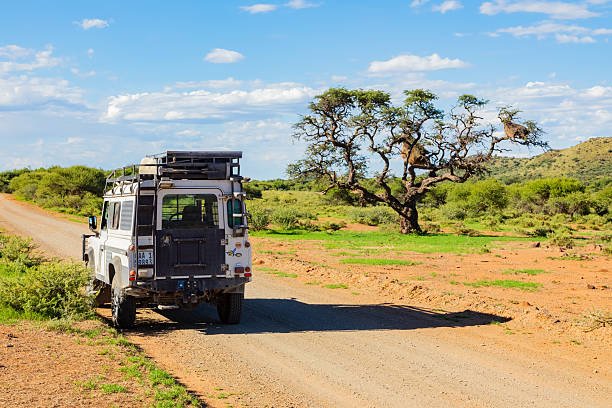
Safari Vehicle and Guide: The quality of your safari vehicle and guide is crucial. A pop-top 4×4 safari vehicle provides excellent viewing opportunities. An experienced, knowledgeable guide will significantly enhance your wildlife spotting and understanding of the ecosystem. For group tours, look for operators who guarantee a maximum of 6-7 passengers per vehicle. For private safaris, this is usually 2-5.
Safari Accommodation Options
Accommodation ranges from budget-friendly tented camps and lodges to luxurious tented suites and lodges. Your choice will depend on your budget and desired comfort level. Many lodges offer stunning views and unique settings. For a more authentic experience, consider staying in tented camps, some of which are permanent, while others are mobile and follow the Great Migration.
Uganda Gorilla Trekking: An Intimate Wildlife Encounter
Uganda is one of only three countries in the world where you can trek to see endangered mountain gorillas in their natural habitat. The other two are Rwanda and the Democratic Republic of Congo. Uganda’s Bwindi Impenetrable National Park and Mgahinga Gorilla National Park are home to approximately half of the world’s remaining mountain gorillas. This is a truly unique and profoundly moving experience.
Gorilla trekking involves hiking through dense jungle, often on steep, muddy terrain, to reach a habituated gorilla family. The trek duration can vary from 30 minutes to several hours, depending on the gorillas’ location on any given day. Once found, you have a maximum of one hour in their presence, observing their complex social interactions, feeding habits, and gentle nature. This is an unparalleled wildlife encounter, unlike any safari.
Securing Your Uganda Gorilla Permit
The most critical aspect of planning a Uganda gorilla trek is securing a gorilla permit. These permits are limited and highly sought after, with only 8 permits issued per habituated gorilla family per day. This limitation is crucial for conservation, minimizing human impact on the gorillas.
- Cost: As of recent information, a Uganda gorilla permit costs $700 USD per person for foreign non-residents. Prices can change, so it’s essential to verify the current cost for 2026 or 2027.
- Booking Window: Permits should be booked months, and often up to a year, in advance, especially if you are planning during peak seasons or wish to trek a specific family. For 2026 and 2027 travel, start enquiring about permits as soon as possible.
- Where to Book: Permits are booked through the Uganda Wildlife Authority (UWA) or, more commonly, through a reputable tour operator who handles the booking process for you.
- Trekking Parks: Bwindi Impenetrable National Park is the primary destination, divided into sectors (Buhoma, Ruhija, Rushaga, and Nkuringo). Mgahinga Gorilla National Park, part of the Virunga Massif, also offers gorilla trekking and is known for its stunning scenery.
Gorilla Trekking Preparation
- Physical Fitness: While not as demanding as Kilimanjaro, a moderate level of fitness is required. You need to be able to hike for several hours on uneven, steep terrain.
- Gear: Waterproof hiking boots, long-sleeved shirts, long trousers, a rain jacket, insect repellent, gloves (for protection from stinging nettles), and a backpack for water and snacks. A walking stick is usually provided by the park rangers.
- Age Limit: You must be at least 15 years old to trek for gorillas.
- Health: Visitors should not have any signs of communicable diseases (like flu or coughs) that could be transmitted to the gorillas.
Logistics and Combining Your Adventures
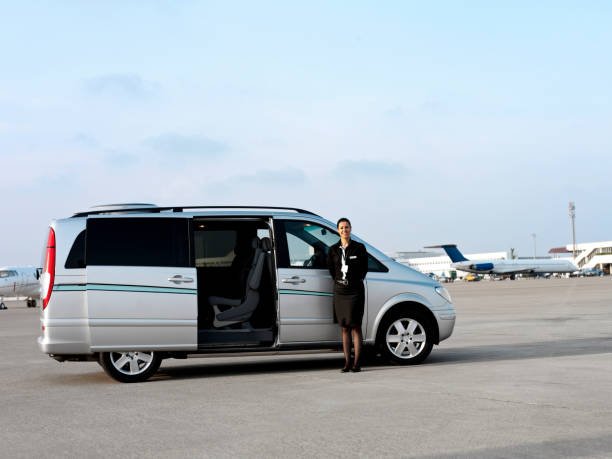
Successfully combining a Kilimanjaro climb, a Tanzania safari, and Uganda gorilla trekking requires meticulous logistical planning. These destinations are in different countries, requiring border crossings or flights, and the travel times between them need to be accounted for.
Typical Itinerary Flow:
- Arrive in Tanzania: Fly into Kilimanjaro International Airport (JRO).
- Kilimanjaro Climb: Spend 6-9 days climbing Kilimanjaro, starting and ending in Arusha.
- Tanzania Safari: Spend 4-7 days on a Northern Circuit safari, starting and ending in Arusha.
- Transfer to Uganda: This is the most complex part. You have two main options:
- Option A (Flight): Fly from Arusha (ARK) or Kilimanjaro (JRO) to Entebbe International Airport (EBB), Uganda. This is the quickest but most expensive option. From Entebbe, you’ll arrange ground transport to the gorilla trekking region (e.g., Bwindi, approximately a 9-10 hour drive).
- Option B (Overland): Drive from Arusha to the border crossing (e.g., Sirare/Isebania or Namanga/Busia). This is a long overland journey, potentially involving multiple days and transfers. You would then arrange transport within Uganda. This option is more time-consuming and less common for this specific combination.
- Uganda Gorilla Trekking: Spend 3-4 days in Uganda, including travel to/from the gorilla parks and the trek itself.
- Depart from Uganda: Fly out of Entebbe (EBB).
The total duration for such a trip typically ranges from 14 days (very rushed) to 21 days or more for a more comfortable pace. A 16-18 day itinerary is often a good compromise.
Sample 18-Day Itinerary Outline:
- Day 1: Arrive JRO, transfer to Arusha.
- Days 2-7: Kilimanjaro Climb (e.g., Machame Route – 7 days).
- Day 8: Rest day in Arusha.
- Days 9-13: Tanzania Safari (e.g., Northern Circuit – 5 days).
- Day 14: Fly Arusha to Entebbe, Uganda. Transfer to hotel.
- Day 15: Transfer to Bwindi Impenetrable National Park (long drive).
- Day 16: Gorilla Trekking in Bwindi.
- Day 17: Transfer back to Entebbe.
- Day 18: Depart from EBB.
This outline highlights the need for efficient travel days. Using internal flights significantly reduces travel time and fatigue, allowing you to focus more on the experiences. When planning for 2026-2027, booking internal flights early is crucial for securing better prices and availability.
Best Time to Travel: Balancing Seasons for 2026-2027
East Africa has distinct wet and dry seasons, which affect both trekking and safari conditions. The best time to combine Kilimanjaro, Tanzania safari, and Uganda gorilla trekking depends on your priorities and tolerance for weather conditions.
Kilimanjaro Seasons:
- Dry Seasons (Best for Climbing): January-March and June-October. These months offer clearer skies, less rain, and more stable weather, increasing comfort and summit success rates.
- Wet Seasons: April-May (long rains) and November-December (short rains). These periods can bring heavy rain, fog, and mud, making trekking more challenging and potentially reducing visibility. However, they are less crowded and can be cheaper.
Tanzania Safari Seasons:
- Dry Seasons (Best for Wildlife Viewing): June-October and January-February. Wildlife congregates around water sources, making them easier to spot. The landscape is drier. The Great Migration is typically in the Serengeti during these months.
- Wet Seasons: March-May (long rains) and November-December (short rains). Lush green landscapes, fewer tourists, and lower prices. Calving season for wildebeest is usually February in the Southern Serengeti.
Uganda Gorilla Trekking Seasons:
Gorilla trekking is possible year-round, as the gorillas are always present. However, the dry seasons (June-August and December-February) are generally preferred as the jungle trails are less muddy and slippery, making trekking easier.
Combining for 2026-2027:
The ideal overlap for all three experiences often falls into the following periods:
- June to October: This is a prime window. Kilimanjaro is in its dry season, the Serengeti offers excellent safari conditions with the Great Migration often present, and Uganda’s gorilla trekking is generally easier under drier conditions. This is peak season, so booking well in advance for 2026-2027 is essential.
- January to March: Kilimanjaro’s dry season continues, the Serengeti has its calving season, and Uganda’s trekking is good. This is also a popular time.
- Shoulder Seasons (e.g., late May, early June, November): You might catch slightly better prices and fewer crowds, but weather can be more unpredictable.
Consider your priorities. If seeing the Great Migration is paramount, align your dates accordingly. If minimizing rain on Kilimanjaro is key, aim for the core dry months. For 2026 and 2027, booking your preferred dates during these peak windows is highly recommended to secure permits and good accommodation.
Budgeting for Your Kilimanjaro Climb, Safari, and Gorilla Trek
This triple-threat African adventure is a significant investment. Costs vary widely based on the operator, route choice, safari duration, accommodation style, and the specific inclusions. Here’s a breakdown of what contributes to the overall cost:
Kilimanjaro Climb Costs:
- Operator Choice: Budget operators can be significantly cheaper but may compromise on safety, equipment, or crew welfare. Mid-range and premium operators offer better services, higher success rates, and ethical treatment of porters.
- Route: Longer routes (e.g., Lemosho, Northern Circuit) are more expensive due to more days and higher park fees.
- Duration: More days on the mountain = higher costs.
- Inclusions: Park fees, crew wages, food, accommodation (camping), equipment, transport.
Estimated Kilimanjaro cost: $1,800 – $4,500+ USD per person for a reputable operator on a 6-8 day climb.
Tanzania Safari Costs:
- Duration: Longer safaris cost more.
- Parks Visited: Ngorongoro Crater fees are substantial.
- Accommodation: Lodge vs. tented camp vs. luxury tented camp.
- Vehicle Type: Private vs. shared vehicle.
- Inclusions: Park entry fees, guide, vehicle, accommodation, meals, water.
Estimated Tanzania Safari cost: $250 – $700+ USD per person per day, depending on the level of luxury and inclusions.
Uganda Gorilla Trekking Costs:
- Gorilla Permit: The largest single cost, currently $700 USD per person.
- Operator Fees: Cover transport, accommodation, guide services, and other park fees.
- Accommodation: Varies from budget guesthouses to luxury lodges near the parks.
- Transport: Getting to and from the gorilla parks can be costly, especially if flying.
Estimated Uganda Gorilla Trekking cost: $1,200 – $2,500+ USD per person for a 3-4 day trip, including the permit.
Additional Costs to Consider:
- International Flights: To/from JRO and departing from EBB.
- Internal Flights: (e.g., Arusha to Entebbe) can be $300 – $600+ USD.
- Visas: For Tanzania and Uganda.
- Travel Insurance: Essential.
- Vaccinations and Medications: Consult your doctor.
- Tips: For guides, porters, drivers, cooks. This is a significant part of crew remuneration.
- Personal Expenses: Souvenirs, drinks, etc.
Total Estimated Trip Cost (excluding international flights): For a 16-18 day trip combining all three, expect to budget roughly $4,500 – $10,000+ USD per person. This wide range reflects the choices in operator quality, accommodation, and safari duration. For 2026-2027, it’s wise to aim for the mid-to-higher end of this range for a comfortable and safe experience.
Budgeting Tip for 2026-2027
To get the most accurate pricing for your Kilimanjaro climb, Tanzania safari, and Uganda gorilla trekking combination in 2026-2027, it’s best to request a customized quote from a reputable operator like Climb 4 Africa. They can tailor an itinerary to your specific dates, preferences, and budget, providing a detailed breakdown of costs.
Booking Your Ultimate African Adventure
Embarking on a Kilimanjaro climb, Tanzania safari, and Uganda gorilla trek is a significant undertaking. Choosing the right tour operator is paramount to ensuring a safe, well-organized, and unforgettable journey. Look for operators with extensive experience in all three destinations, a strong commitment to ethical tourism, and excellent client support.
Key considerations when choosing an operator:
- Expertise: Do they specialize in Kilimanjaro, Tanzania safaris, and Uganda gorilla treks?
- Safety Record: What are their safety protocols? Do they have experienced, certified guides?
- Crew Welfare: Do they treat their guides, porters, and drivers ethically, with fair wages and good working conditions? This is crucial for Kilimanjaro.
- Inclusions: What exactly is covered in the price? Be clear on park fees, permits, meals, accommodation, and transport.
- Flexibility: Can they customize itineraries to your needs?
- Reviews and Reputation: Check independent review sites.
For a smooth experience combining these incredible destinations, especially when planning for 2026-2027, we recommend working with a specialist operator. Climb 4 Africa has a proven track record in organizing these complex itineraries, offering expert guidance from initial planning through to your departure. They understand the nuances of each activity and country, ensuring all logistical elements are handled efficiently.
To start planning your dream Kilimanjaro climb, Tanzania safari, and Uganda gorilla trekking adventure, or to request a personalized itinerary and quote for 2026-2027, please reach out to our expert team. We can help you craft an itinerary that balances adventure, wildlife, and cultural immersion.
Contact Climb 4 Africa:
- WhatsApp: +255 747 477 898
- Email: climb4africa@gmail.com
Let us help you create the ultimate East African expedition. Whether you envision a specific route on Kilimanjaro, particular safari highlights, or a focus on specific gorilla families, we can tailor the perfect journey for your 2026 or 2027 travel plans.
Check Availability for Kilimanjaro Climb, Tanzania Safari & Uganda Gorilla Trekking: The Ultimate
Ready to compare dates, prices, and the best option for your group? Send the package name and travel month so the team can reply with a clear quote, availability, and what is included.
Wildlife And Nature Titles: Your Ultimate Guide To Tanzanias Best Experiences
This comprehensive guide explores the most sought-after wildlife and nature titles in Tanzania, from iconic safari destinations and Kilimanjaro treks to the tropical allure of Zanzibar...
View package details
South Africa Safari Tours & Vacation Packages | Climb 4 2026-2027
Discover the ultimate South Africa safari experience with tailored tour and vacation packages for 2026-2027. From iconic Kruger National Park to exclusive private reserves, find detailed...
View package details
Tanzania Safari Tours & Packages /: Your Ultimate Wildlife Adventure 2026-2027
Discover the magic of Tanzania with expertly crafted safari tours and packages for 2026 and 2027. From the vast plains of the Serengeti to the depths of the Ngorongoro Crater, find your...
View package detailsKilimanjaro Routes: 15 Strongest Worldwide Search Potential For Climbs
Planning a Kilimanjaro climb? This guide details the 15 routes with the highest search interest worldwide for 2026-2027, helping you choose the best path for your adventure. We cover...
View package detailsBest Wildlife Photography Destinations For Safaris | Climb 4 Africa 2026-2027
Planning a safari for incredible wildlife photography in 2026 or 2027? Tanzania offers unparalleled opportunities. This guide details the top destinations, essential gear, timing, and how...
View package details
Kruger National Park Safari Packages: Your Ultimate Guide To Adventures
Discover tailored Kruger National Park safari packages for 2026-2027. This comprehensive guide covers everything from choosing the right lodge and activities to understanding costs and...
View package detailsHow To Create The Perfect Travel Itinerary For Tanzania Adventures 2026-2027
Crafting the perfect travel itinerary for Tanzania involves understanding your priorities, choosing the right activities, and planning logistics effectively. This guide walks you through...
View package detailsCheap Hotels Near Me Tonight: Finding Affordable Stays In Tanzania 2026-2027
Discover how to find cheap hotels near you tonight in Tanzania, focusing on budget-friendly options for travelers planning safaris, Kilimanjaro treks, or Zanzibar holidays in 2026-2027...
View package detailsPlaces Where Your Money Goes Further: Smart Tanzania Travel For 2026-2027
Planning a trip to Tanzania in 2026 or 2027 and want to maximize your budget? This guide reveals how to make your money go further on Kilimanjaro climbs, wildlife safaris, and Zanzibar...
View package detailsDestinations Worth Visiting At Least Once Guide
Discover a curated selection of destinations that offer unparalleled experiences, from the majestic peaks of Kilimanjaro to the spice-scented shores of Zanzibar. This guide helps you...
View package details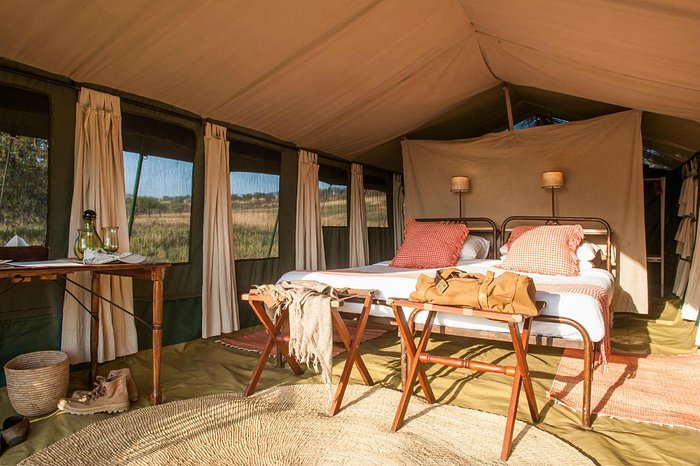
Affordable African Safari Packages: Your Guide To Budget-Friendly Tanzania
Discover how to plan and book affordable African safari packages for 2026-2027. This guide provides practical advice on choosing budget-friendly Tanzania tours, understanding costs, and...
View package details
Kenya And Tanzania Combined Safari Packages: Ultimate Guide 2026-2027
Discover the unparalleled adventure of combining Kenya and Tanzania for a comprehensive East African safari. This guide details everything you need to know for planning your 2026-2027...
View package detailsNo related package matches those filters. Clear one or more filters to see the other topic-matched options.



