
The best way to combine Uganda gorillas and a Tanzania safari involves flying between Entebbe (Uganda) and Kilimanjaro International Airport (Tanzania), typically for a 10-14 day itinerary, focusing on gorilla trekking in Bwindi Impenetrable National Park and iconic game drives in Tanzania’s Northern Circuit (Serengeti, Ngorongoro, Tarangire). This approach minimizes travel time, maximizes wildlife viewing, and allows for a logical flow, usually starting with gorillas and finishing with the safari, or vice-versa, depending on flight availability and personal preference for 2026-2027. Planning this dual-destination trip requires careful consideration of visa requirements, internal flights, and the best seasons for each activity.

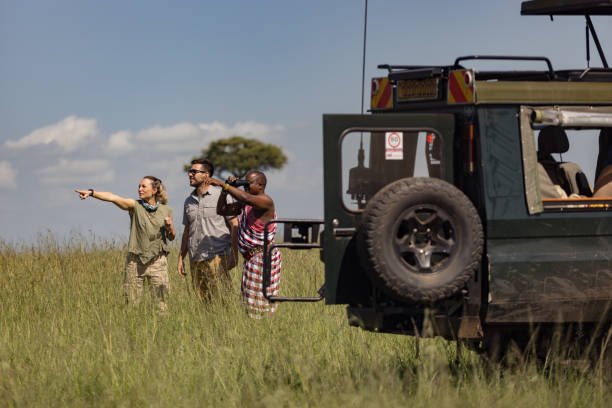
Planning Your Combined Uganda Gorilla and Tanzania Safari Adventure
Embarking on a journey that combines the profound experience of gorilla trekking in Uganda with the vast, classic wildlife spectacles of a Tanzania safari is a dream for many African travelers. This isn’t just about ticking off bucket-list animals; it’s about experiencing two distinct, yet equally awe-inspiring, facets of East African biodiversity. While both destinations offer incredible wildlife encounters, they require different types of planning and logistical coordination. The ‘best way’ to achieve this combination hinges on maximizing your time, ensuring smooth transitions, and aligning your trip with optimal wildlife viewing seasons for both Uganda and Tanzania, especially as you look towards 2026 and 2027 travel dates.
This guide is designed to break down the complexities, offering practical advice on routes, durations, timing, and what to expect. We’ll explore how to connect these two powerhouses of African tourism efficiently, ensuring you get the most out of your investment in time and resources. Whether you’re drawn to the misty mountain forests of Bwindi or the endless plains of the Serengeti, understanding the nuances of combining these experiences is key to a successful and unforgettable adventure.
Introduction to Combining Uganda Gorillas and Tanzania Safaris
The allure of East Africa lies in its unparalleled wildlife diversity. For many, the ultimate safari experience involves witnessing the majestic mountain gorillas in their natural habitat and then transitioning to the vast savannahs teeming with the ‘big five’ and dramatic migratory herds. Uganda is world-renowned for its gorilla trekking, particularly in Bwindi Impenetrable National Park and Mgahinga Gorilla National Park. Tanzania, on the other hand, is synonymous with classic safari destinations like the Serengeti National Park, the Ngorongoro Crater, and Tarangire National Park, famous for its large elephant herds and predator action. Combining these two offers a dual immersion into Africa’s natural wonders.
However, these are two distinct countries, separated by geography and requiring specific logistical arrangements. The ‘best way’ to combine Uganda gorillas and Tanzania safari is not a one-size-fits-all answer. It depends heavily on your priorities, available time, budget, and preferred travel style. Generally, the most efficient method involves air travel, bridging the distance between the two nations to maximize your time observing wildlife rather than traveling overland for days. This article will guide you through the critical planning stages to ensure your trip is as smooth and rewarding as possible, whether you are planning for 2026 or 2027.
Why Combine Uganda Gorillas and Tanzania Safari?
The decision to combine Uganda’s gorilla trekking with a Tanzania safari is driven by the desire for a comprehensive and diverse African wildlife experience. Each destination offers something unique that, when paired, creates a truly exceptional adventure.
- Unparalleled Primate Encounters: Uganda is one of only a few countries where you can trek to see endangered mountain gorillas. The intimate experience of spending an hour observing a gorilla family in the dense, misty rainforests of Bwindi is profoundly moving and unlike any other wildlife encounter on Earth. This is often the primary draw for choosing Uganda as part of a larger East African itinerary.
- Iconic Savannah Wildlife: Tanzania provides the quintessential African safari landscape. The Serengeti’s vast plains are home to the Great Migration (depending on the time of year), an astonishing natural phenomenon involving millions of wildebeest, zebras, and gazelles. The Ngorongoro Crater offers a unique, self-contained ecosystem with a high density of wildlife, including the rare black rhino. Tarangire is celebrated for its massive elephant herds and baobab trees.
- Biodiversity Hotspots: While gorillas are the star in Uganda, the country also offers excellent chimpanzee trekking and opportunities to see other primates and diverse birdlife. Tanzania, beyond the ‘big five,’ boasts incredible birding and a staggering array of herbivores and predators across its various parks.
- Contrasting Landscapes: The transition from the lush, mountainous cloud forests of Uganda to the open, sprawling savannahs of Tanzania offers a dramatic and visually stimulating change of scenery. This contrast enhances the overall richness of the journey.
- Efficient Travel Opportunities: With the advent of reliable flight connections, combining these two destinations is more feasible than ever. Direct or one-stop flights can link key hubs, significantly reducing travel time compared to extensive overland journeys.
For travelers in 2026 or 2027 seeking a complete picture of East Africa’s wildlife, these two experiences are complementary. One offers a focused, intimate, and conservation-centric encounter with primates, while the other provides a grand, sweeping panorama of large mammal herds and predator-prey dynamics.
Best Route and Logistics for Combining Destinations
The most efficient and recommended method for combining Uganda gorilla trekking with a Tanzania safari is by utilizing air travel. While overland travel is possible, it is extremely time-consuming and often involves multiple border crossings and long, potentially arduous, drives. For a trip focused on maximizing wildlife viewing and minimizing travel fatigue, flying is the clear winner.
Key Hubs and Flight Connections:
- Uganda Entry/Exit: Most international flights arrive and depart from Entebbe International Airport (EBB) near Kampala. For gorilla trekking, you’ll typically spend a night in Kampala or fly directly to a local airstrip near Bwindi Impenetrable National Park or Mgahinga Gorilla National Park.
- Tanzania Entry/Exit: For safaris in the Northern Circuit (Serengeti, Ngorongoro, Tarangire, Lake Manyara), the primary international gateway is Kilimanjaro International Airport (JRO). Some travelers might also fly into Arusha Airport (ARK) for domestic connections.
The Optimal Connection:
The most logical and popular route involves flying between Entebbe (EBB) and Kilimanjaro International Airport (JRO). This flight typically takes around 2-3 hours, often with a brief stop in Nairobi, Kenya. These flights are operated by various East African airlines, and booking them as part of a larger itinerary is crucial for smooth travel.
Travel Flow Options:
- Option 1: Uganda First, then Tanzania:
- Fly into Entebbe (EBB).
- Transfer to Bwindi Impenetrable National Park for gorilla trekking (fly or drive).
- Fly from Entebbe (EBB) to Kilimanjaro (JRO).
- Begin your Tanzania Northern Circuit safari.
- Depart from Kilimanjaro (JRO).
- Option 2: Tanzania First, then Uganda:
- Fly into Kilimanjaro (JRO).
- Begin your Tanzania Northern Circuit safari.
- Fly from Kilimanjaro (JRO) to Entebbe (EBB).
- Transfer to Bwindi Impenetrable National Park for gorilla trekking.
- Depart from Entebbe (EBB).
The choice between starting in Uganda or Tanzania often depends on flight availability, pricing for the 2026-2027 season, and personal preference regarding which experience you wish to bookend your trip with. Many find starting with the intense, focused experience of gorilla trekking and then relaxing into the expansive safari provides a good balance.
Internal Travel within Parks:
- Uganda: For gorilla trekking, you’ll either drive from Entebbe/Kampala (6-9 hours) or take a short domestic flight to Arua, Kisoro, or Kihihi airstrips, followed by a short transfer to your lodge near Bwindi or Mgahinga. The domestic flights significantly reduce travel time and are highly recommended for shorter itineraries.
- Tanzania: Safaris in the Northern Circuit typically involve overland travel between parks in a 4×4 safari vehicle. For longer stays in the Serengeti, you might opt for small bush flights between different regions of the park, saving significant driving time. These can be booked as part of your safari package.
Key Considerations for Logistics:
- Booking Flights Early: Flights between EBB and JRO can fill up, especially during peak seasons. Booking these well in advance for 2026-2027 is essential.
- Visa Requirements: Ensure you have the correct visas for both Uganda and Tanzania. Some nationalities can obtain a single East African Tourist Visa, which can be cost-effective if planned correctly.
- Time Zones: Both Uganda and Tanzania observe East Africa Time (EAT), UTC+3, so there’s no time zone adjustment needed.
- Currency: Uganda uses the Ugandan Shilling (UGX), and Tanzania uses the Tanzanian Shilling (TZS). USD is widely accepted for tourist services and park fees in both countries, but it’s wise to have some local currency for smaller purchases.
Sample Itinerary Options for 2026-2027
Crafting the ‘best’ itinerary depends on how much time you have and your specific interests. Here are a couple of sample itineraries for 2026-2027 that effectively combine Uganda’s gorillas with Tanzania’s famed safaris, demonstrating different paces and focuses.
Option A: The Classic Combination (12 Days)
This itinerary balances gorilla trekking with a taste of Tanzania’s most famous wildlife areas.
- Day 1: Arrival in Entebbe (EBB), Uganda. Transfer to your hotel.
- Day 2: Fly to Bwindi Impenetrable National Park. Morning flight from Entebbe to Kisoro or Kihihi airstrip, followed by a transfer to your lodge near Bwindi. Afternoon relaxation.
- Day 3: Gorilla Trekking in Bwindi. Full day dedicated to the thrilling gorilla trek. Experience the magic of spending an hour with a gorilla family.
- Day 4: Fly to Kilimanjaro (JRO), Tanzania. Morning transfer to the airstrip for your flight to JRO. Upon arrival, transfer to Arusha for overnight.
- Day 5: Tarangire National Park. Drive to Tarangire for a full-day game drive, known for its large elephant herds and baobab trees. Overnight near Tarangire.
- Day 6: Ngorongoro Conservation Area. Morning game drive in Tarangire, then drive to the Ngorongoro Conservation Area. Overnight on the crater rim or nearby.
- Day 7: Ngorongoro Crater Tour. Descend into the Ngorongoro Crater for an incredible game drive. High chances of seeing lions, elephants, rhinos, buffalo, and hippos.
- Day 8: Serengeti National Park. Drive to the vast Serengeti, with a game drive en route. Overnight in Central Serengeti.
- Day 9: Serengeti National Park. Full day of game drives in the Serengeti, exploring different regions based on wildlife movements.
- Day 10: Serengeti National Park. Another day of exploration in the Serengeti. Optional hot air balloon safari at dawn.
- Day 11: Fly to Zanzibar or Arusha. Morning game drive, then fly from a Serengeti airstrip to Arusha or directly to Zanzibar for relaxation.
- Day 12: Departure. Depart from Kilimanjaro (JRO) or Zanzibar (ZNZ).
Option B: Extended Exploration (14 Days)
This itinerary offers more in-depth experiences in both countries, including chimpanzee trekking in Uganda and more time in the Serengeti.
- Day 1: Arrival in Entebbe (EBB), Uganda. Transfer to your hotel.
- Day 2: Kibale Forest National Park. Drive or fly to Kibale, the prime destination for chimpanzee trekking. Afternoon chimp trek.
- Day 3: Transfer to Bwindi Impenetrable National Park. Morning transfer to Bwindi. Settle into your lodge.
- Day 4: Gorilla Trekking in Bwindi. Full day dedicated to the incredible mountain gorilla trek.
- Day 5: Fly to Kilimanjaro (JRO), Tanzania. Morning transfer to the airstrip for your flight to JRO. Transfer to Arusha.
- Day 6: Lake Manyara National Park. Drive to Lake Manyara, famous for its tree-climbing lions and diverse birdlife. Afternoon game drive.
- Day 7: Ngorongoro Conservation Area. Drive to the Ngorongoro Highlands, with a stop at a Maasai village if desired. Overnight on the crater rim.
- Day 8: Ngorongoro Crater Tour. Full day exploring the Ngorongoro Crater.
- Day 9: Serengeti National Park. Drive to the Serengeti, with a game drive en route. Overnight in Central Serengeti.
- Day 10: Serengeti National Park. Full day game drives in Central Serengeti.
- Day 11: Serengeti National Park. Fly-in safari to another region of the Serengeti (e.g., Northern or Western) to track the migration or explore different landscapes.
- Day 12: Serengeti National Park. Full day of game drives in the chosen region of the Serengeti.
- Day 13: Fly to Arusha. Morning game drive, then fly from a Serengeti airstrip back to Arusha.
- Day 14: Departure. Depart from Kilimanjaro (JRO).
Customization for 2026-2027: These are just templates. Your trip can be extended to include other Ugandan destinations like Murchison Falls or Queen Elizabeth National Park for more diverse wildlife, or the islands of Zanzibar for beach relaxation after your safari. Conversely, you can shorten the Tanzania portion to focus more on Uganda. The key is to work with a tour operator who understands the intricate connections.
Optimal Timing and Seasons for Your Trip
Choosing the right time of year for your combined Uganda gorilla and Tanzania safari is crucial for maximizing wildlife viewing opportunities and ensuring pleasant weather. Both countries have distinct seasons, and understanding these will help you plan for 2026-2027.
Uganda: Best for Gorillas Year-Round, Dry Seasons Ideal
- Dry Seasons (June to August, December to February): These are generally considered the best times for gorilla trekking. Trails are less muddy and slippery, making trekking easier. Wildlife viewing in other Ugandan parks is also excellent during these periods.
- Wet Seasons (March to May, September to November): Trekking is still possible and often more affordable during these months. The forest is lush and green, and while rain is frequent, it often comes in short, heavy bursts, allowing for trekking in between. Gorilla families may be found at lower altitudes, potentially making treks shorter. Birdlife is spectacular during the wet seasons.
Tanzania: Dry Seasons for Migration and Game Drives
- Dry Season (June to October): This is prime safari time in Tanzania. The vegetation is less dense, making it easier to spot animals. The Great Migration is typically in the northern Serengeti (June-August) or crossing the Mara River, offering dramatic viewing opportunities. Waterholes become focal points for animals, concentrating wildlife. This is also the best time for Ngorongoro and Tarangire.
- Short Rains (November to December): The landscape becomes greener, and animal sightings can still be good. This is a shoulder season with potentially fewer crowds and slightly lower prices.
- Long Rains (March to May): This is the low season. The landscape is incredibly lush, but heavy rains can make some roads impassable and disperse wildlife. Many lodges offer significant discounts during this period, making it a budget-friendly option if you are prepared for the rain. The calving season for wildebeest in the southern Serengeti (January-March) is a major draw for photographers during the latter part of the long rains.
Combining the Seasons for 2026-2027:
The ideal window for combining both experiences often falls within the longer dry seasons that benefit both countries:
- June to August: Excellent for both gorilla trekking (easier trails) and Tanzania safaris (dry season, Great Migration in the north Serengeti). This is a very popular and thus often more expensive period.
- December to February: Also a good combination. Uganda’s dry season is active, and Tanzania experiences its calving season in the southern Serengeti, offering incredible predator action.
Shoulder Seasons:
- September to October: Still very good for Tanzania, and Uganda’s trekking conditions are manageable. This can offer a slightly better value than the peak dry months.
- Late February to March: Uganda’s trekking is good, and Tanzania’s southern Serengeti calving season is in full swing, though rains may start.
Key Takeaway for 2026-2027 Planning: If you want the absolute best conditions for both, aim for the June-August window. If you are flexible and perhaps budget-conscious, consider the shoulder months. Remember to book gorilla permits and popular accommodations well in advance, especially for peak season travel in 2026-2027.
Understanding the Budget and Costs
A trip combining Uganda gorilla trekking and a Tanzania safari is a significant investment, and understanding the cost breakdown is essential for planning your 2026-2027 adventure. Several factors influence the overall price, with gorilla permits and internal flights being major components.
Key Cost Drivers:
- Gorilla Permits: These are fixed by the respective governments. In Uganda, a gorilla permit currently costs $700 USD per person for foreign non-residents. In Rwanda (an alternative for gorillas, though more expensive and logistically different for combination trips), it’s $1500 USD. For this guide, we assume Uganda. Note: Prices are subject to change, so always verify for your 2026-2027 travel dates.
- Internal Flights: The flight from Entebbe (EBB) to Kilimanjaro (JRO) can range from $300 – $600+ USD per person, depending on the airline and how far in advance it’s booked. Domestic flights within Uganda (e.g., Entebbe to Bwindi airstrip) can add another $200 – $400 USD per person. Bush flights within Tanzania (e.g., Serengeti to Arusha) typically cost around $350 – $500 USD per person.
- Accommodation: This is a major variable. Options range from budget-friendly guesthouses to mid-range lodges and ultra-luxury tented camps. For a combined trip, you’ll likely be looking at mid-range to luxury options to ensure comfort and good locations.
- Park Entrance Fees: Both countries have substantial daily park entrance fees. In Tanzania, these can range from $60-$80 USD per person per day for parks like Serengeti and Ngorongoro, plus vehicle and guide fees. Uganda’s fees are generally lower but still significant.
- Safari Vehicle and Guide: Private safaris in Tanzania are typically priced per vehicle per day, including the driver-guide. This cost can range from $250 – $500+ USD per day, depending on the vehicle type and level of service.
- Trekking/Safari Activities: Beyond gorilla permits, costs include chimpanzee permits (if applicable), game drives, and optional activities like hot air balloon safaris.
- Visas: Check current visa costs for both countries. The East African Tourist Visa might be an option.
- Travel Insurance: Essential and should be factored into your budget.
Estimated Budget Ranges (per person, excluding international flights):
These are rough estimates for 2026-2027 and can vary significantly:
- Mid-Range: $4,500 – $7,000 USD per person for a 12-14 day trip. This includes comfortable lodges, private 4×4 safari vehicles in Tanzania, and efficient internal flights.
- Luxury: $7,000 – $12,000+ USD per person for a 12-14 day trip. This level features high-end lodges and tented camps, premium services, and potentially more exclusive safari experiences.
Tips for Budgeting:
- Travel in the Shoulder Season: Prices for accommodation and sometimes flights can be lower outside the peak dry months.
- Consider Group Safaris: While private is often preferred for combined trips, joining a small group safari in Tanzania can reduce costs.
- Book in Advance: Especially for 2026-2027, booking early secures better rates for flights and preferred lodges.
- Work with an Operator: A reputable tour operator like Climb 4 Africa can often secure better rates on flights and accommodation than booking independently, and they manage the complex logistics.
Visa and Health Considerations
Planning a trip to multiple East African countries requires attention to visa requirements and health precautions. Being well-prepared will ensure a smooth and healthy journey for your 2026-2027 adventure.
Visas:
- Uganda: Most nationalities require a visa. These can often be obtained online in advance through the Ugandan immigration website, or sometimes on arrival (though online is recommended to avoid queues). A single-entry visa is typically around $50 USD.
- Tanzania: Similar to Uganda, most nationalities require a visa, which can be obtained online or on arrival. The cost is usually around $50-$100 USD depending on nationality.
- East African Tourist Visa: For travelers planning to visit multiple East African countries (Uganda, Kenya, Rwanda, Tanzania), a multiple-entry 90-day East African Tourist Visa might be available. This is often obtained through the immigration department of the first country you enter. It’s crucial to check the latest regulations and eligibility for this visa, as it can simplify border crossings and save money compared to obtaining individual visas. For a Uganda-Tanzania trip, verify if this visa covers both or if you still need separate ones.
Health Precautions:
- Yellow Fever Vaccination: This is mandatory for entry into both Uganda and Tanzania for most travelers. You will need to present your International Certificate of Vaccination (Yellow Card) at immigration. Get vaccinated at least 10 days before travel.
- Malaria Prevention: Both countries are in malaria-risk zones. Consult your doctor or a travel clinic about appropriate antimalarial medication well in advance of your 2026-2027 trip. Take precautions like using insect repellent (DEET-based), wearing long sleeves and trousers in the evenings, and sleeping under a mosquito net.
- Other Vaccinations: Recommended vaccinations often include Hepatitis A, Typhoid, Tetanus, and sometimes Hepatitis B. Your doctor will advise based on your health history and travel plans.
- Traveler’s Diarrhea: Be cautious with food and water. Drink bottled or purified water, avoid ice in drinks unless you know it’s made from purified water, and eat well-cooked food.
- Altitude Sickness: While gorilla trekking in Uganda is typically at moderate altitudes (around 2,000-2,500m), the Ngorongoro Crater rim in Tanzania is at a higher elevation (around 2,300m). Acclimatize slowly and stay hydrated.
- Comprehensive Travel Insurance: This is non-negotiable. Ensure your policy covers medical emergencies, evacuation, trip cancellation, and lost luggage. For gorilla trekking, ensure it covers activities in remote areas.
Important Note: Health recommendations and visa regulations can change. Always consult your doctor, a travel clinic, and the official immigration websites of Uganda and Tanzania for the most up-to-date information closer to your planned travel dates in 2026-2027.
Booking Your Combined Uganda and Tanzania Safari
Successfully combining a Uganda gorilla trek with a Tanzania safari requires meticulous planning and coordination. Given the complexities of booking gorilla permits, internal flights, park fees, and coordinating lodges and safari vehicles across two countries, partnering with an experienced tour operator is highly recommended, especially for planning your 2026-2027 adventure.
Why Book with Climb 4 Africa?
Climb 4 Africa specializes in creating bespoke East African adventures, including complex multi-country itineraries like yours. We leverage our local knowledge and extensive network to ensure your trip is:
- Logistically smooth: We handle all the intricate details, from booking the crucial gorilla permits and internal flights between Uganda and Tanzania to arranging reliable safari vehicles and qualified guides.
- Optimized for Wildlife: We understand the best times to visit specific parks for optimal wildlife viewing, including the Great Migration in Tanzania and the best conditions for gorilla trekking in Uganda. We’ll help you align your itinerary with these natural rhythms for 2026-2027.
- Customized to Your Needs: Whether you have a specific budget, a desire for certain wildlife sightings, or a preferred pace, we tailor each itinerary to your unique preferences. We can incorporate chimpanzee trekking, cultural visits, or beach extensions.
- Value-Driven: While not the cheapest option, our packages offer excellent value by securing competitive rates for flights, accommodation, and park fees through our established relationships. We ensure your investment is well-spent on quality experiences.
- Supported Locally: From the moment you inquire to your departure, you have direct access to our team for support and advice. We pride ourselves on practical, on-the-ground assistance.
What to Provide When Inquiring:
To help us craft the perfect itinerary for your combined Uganda gorilla and Tanzania safari, please provide the following information:
- Your preferred travel dates or month for 2026 or 2027.
- The approximate duration of your trip.
- The number of travelers and ages (especially if children are involved).
- Your approximate budget range (e.g., mid-range, luxury).
- Any specific interests (e.g., birdwatching, photography, specific animals, cultural experiences).
- Your preferred starting point (e.g., Entebbe or Kilimanjaro).
Next Steps:
Contact us today to begin planning your dream East African adventure. We can discuss your options, answer any questions you have, and start building a personalized itinerary that perfectly combines the magic of Uganda’s mountain gorillas with the unparalleled wildlife spectacles of Tanzania. Let us handle the logistics so you can focus on the incredible experiences awaiting you.
WhatsApp: +255 747 477 898
Email: climb4africa@gmail.com
Website: Climb 4 Africa
Check Availability for Best Way To Combine Uganda Gorillas And Tanzania Safari 2026-2027
Ready to compare dates, prices, and the best option for your group? Send the package name and travel month so the team can reply with a clear quote, availability, and what is included.

Kenya And Tanzania Combined Safari Packages: Ultimate Guide 2026-2027
Discover the unparalleled adventure of combining Kenya and Tanzania for a comprehensive East African safari. This guide details everything you need to know for planning your 2026-2027...
View package details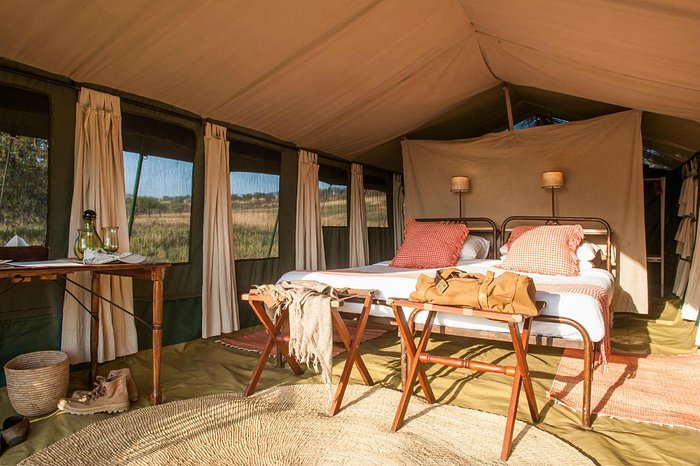
Affordable African Safari Packages: Your Guide To Budget-Friendly Tanzania
Discover how to plan and book affordable African safari packages for 2026-2027. This guide provides practical advice on choosing budget-friendly Tanzania tours, understanding costs, and...
View package details3-Day Serengeti And Ngorongoro Safari: Your Ultimate Tanzania Wildlife
start a concise yet unforgettable 3-day Serengeti and Ngorongoro safari, designed to maximize wildlife encounters in Tanzania's most celebrated parks. This compact adventure offers a taste...
View package details
Serengeti Safari And Zanzibar Beach Holiday: The Ultimate Tanzania
Combine the thrill of a Serengeti safari with the relaxation of a Zanzibar beach holiday. This guide covers everything you need to know for an unforgettable Tanzania adventure in 2026-2027...
View package details
Tanzania Safari And Zanzibar All-Inclusive Packages Guide
Combine the thrill of a Tanzanian wildlife safari with the serene beauty of Zanzibar on an all-inclusive package. This comprehensive guide covers everything you need to know for planning...
View package details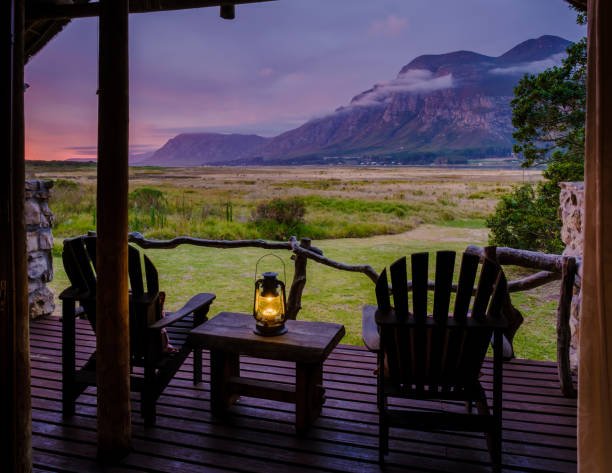
Are African Safari Prices Per Person Or Vehicle? Understanding Tanzania Costs
African safari costs can be confusing. This guide clarifies whether prices are quoted per person or per vehicle, detailing factors that influence your 2026-2027 safari budget in Tanzania.
View package details
Is Tanzania Or Kenya Better For Safari? A Detailed Comparison 2026-2027
Comparing Tanzania and Kenya for your next safari? This in-depth guide breaks down wildlife viewing, landscapes, costs, and optimal travel times to help you choose the perfect East African...
View package details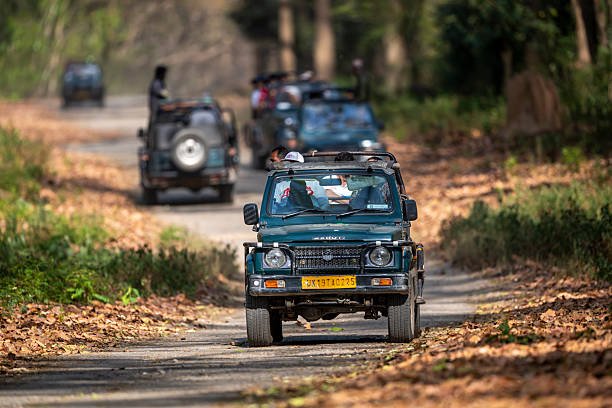
Luxury African Safari Packages: The Ultimate Tanzania Experience In 2026-2027
Explore the pinnacle of African adventure with luxury safari packages in Tanzania. This guide details exclusive lodges, tailor-made itineraries, and the best wildlife experiences for your...
View package details
Tanzania Safari Tours & Packages /: Your Ultimate Wildlife Adventure 2026-2027
Discover the magic of Tanzania with expertly crafted safari tours and packages for 2026 and 2027. From the vast plains of the Serengeti to the depths of the Ngorongoro Crater, find your...
View package detailsBest African Safari Tours & Vacation Packages /: Your Ultimate Tanzania
start an unforgettable African safari adventure in 2026/2027 with expertly curated tours and vacation packages in Tanzania's most iconic wildlife destinations. From the Serengeti to the...
View package details
Private Tanzania Safari Packages: Your Ultimate Guide For 2026-2027
Discover the unparalleled freedom and personalized experience of a private Tanzania safari package. This comprehensive guide for 2026-2027 explores custom itineraries, key destinations like...
View package detailsLuxury Tanzania Safari Tours 2026-2027
Luxury Tanzania Safari Tours is explained with current 2026-2027 planning, price, itinerary and booking information.
View package detailsNo related package matches those filters. Clear one or more filters to see the other topic-matched options.



