Combining a Tanzania Serengeti safari with Bwindi gorilla trekking offers a dual wildlife spectacle, typically involving a 4-7 day safari in Tanzania’s iconic parks followed by travel to Uganda for a 2-4 day gorilla trekking experience in Bwindi Impenetrable National Park. This integrated East African adventure requires careful planning for logistics, visas, and the best seasons, with peak wildlife viewing often aligning with the dry months of June to October, though gorilla permits are available year-round. Expect to spend approximately 8-12 days in total for both experiences, plus travel time, with costs varying significantly based on accommodation style and chosen safari activities.
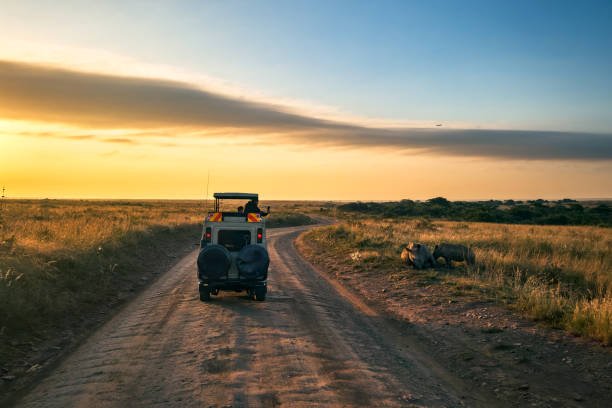

Planning Your Tanzania Serengeti Safari and Bwindi Gorilla Trekking Expedition
Embarking on a journey that blends the vast plains of the Serengeti with the misty forests of Bwindi is a dream for many wildlife enthusiasts. This is not a casual trip; it requires thoughtful planning to maximize your experience and minimize logistical headaches. We’ll break down every aspect, from understanding the core appeal of each destination to the nitty-gritty of making it happen, especially as you look towards planning for 2026 and 2027.
The core appeal lies in contrast: the boundless horizons and dramatic predator-prey action of the Serengeti versus the intimate, deeply moving encounter with a family of mountain gorillas in their natural, dense habitat. These are two of the most sought-after wildlife experiences on the continent, and combining them provides an unparalleled African safari adventure. This guide is designed to be your comprehensive resource, offering insights into itinerary design, timing, costs, and what to expect on the ground, from a local perspective.
Why Combine Serengeti and Bwindi? The Unique Draw
It’s worth starting with precisely why this combination is so popular and what makes it stand out. The Serengeti is synonymous with the Great Migration, offering a chance to witness millions of wildebeest, zebras, and gazelles on the move, with lions, cheetahs, and leopards in close pursuit. It’s the quintessential African safari landscape. Bwindi, on the other hand, is a UNESCO World Heritage Site, a biodiverse rainforest and one of the last refuges for the critically endangered mountain gorilla. The trek itself is an adventure, navigating steep, muddy terrain, leading to a face-to-face encounter that is profoundly humbling.
Together, they offer a holistic view of East Africa’s incredible biodiversity and conservation successes. You get the thrill of vast open spaces and big game on one hand, and the quiet intensity of a rare, intimate wildlife moment on the other. For travelers seeking more than just ticking boxes, this combination delivers deep, memorable experiences that resonate long after you return home.
Understanding the Geographic Spread and Travel Between
It’s crucial to grasp the geography. The Serengeti National Park is in northern Tanzania, near the Kenyan border. Bwindi Impenetrable National Park is in southwestern Uganda, bordering the Democratic Republic of Congo and Rwanda. These locations are not adjacent. Traveling between them involves flights, typically via major hubs like Nairobi (Kenya) or Kigali (Rwanda), and then onward to Entebbe (Uganda) or Kilimanjaro International Airport (Tanzania).
A common route involves flying from the Serengeti airstrip (e.g., Seronera) to Kilimanjaro International Airport (JRO), then taking a flight from JRO to Entebbe International Airport (EBB) in Uganda. Alternatively, you might fly from a Tanzanian hub to Kigali, Rwanda, and then drive into Uganda, which can sometimes be more time-efficient depending on flight schedules and specific park gates you need to access in Bwindi.
This inter-country travel is a significant part of the planning and budget. It’s not simply a case of hopping on a bus. These are international border crossings requiring appropriate visas and flight bookings. Understanding these transit requirements early is key to a smooth experience, especially when planning for travel in 2026 or 2027.
Crafting Your Itinerary: Serengeti Safari First, Then Bwindi
The sequence of Tanzania Serengeti safari followed by Bwindi gorilla trekking is a logical and popular choice. It allows you to experience the classic safari experience before the more focused, physically demanding, but incredibly rewarding gorilla trek.
Typical Serengeti Safari Duration and Highlights
A Serengeti safari typically ranges from 3 to 7 days. A shorter trip might focus on one or two sectors of the park, while a longer one allows for exploring different areas, such as the central Seronera region, the northern Serengeti (for Grumeti River crossings if timed right), or the southern plains (especially during the calving season).
Key Serengeti Highlights:
- The Great Migration: Witnessing millions of wildebeest and zebras, depending on the time of year.
- Big Five: Opportunities to spot lions, leopards, elephants, rhinos, and buffalo.
- Predator Action: High chances of seeing cheetahs, hyenas, wild dogs, and various big cats hunting.
- Diverse Landscapes: From vast open grasslands to kopjes (rocky outcrops) and riverine forests.
- Birdlife: An incredible array of avian species for keen birdwatchers.
For a comprehensive Serengeti experience, we recommend at least 4 full days within the park. This allows for game drives in different regions and a better chance of encountering diverse wildlife and landscapes. Popular safari circuits often include the Serengeti alongside the Ngorongoro Crater and Tarangire National Park, forming the ‘Northern Circuit’.
Transitioning from Serengeti to Bwindi
After your Serengeti safari concludes, you’ll typically fly out from a Serengeti airstrip (e.g., Seronera). The next steps involve:
- Flight to Kilimanjaro International Airport (JRO) or Arusha Airport (ARK): This is usually a short bush plane flight.
- Connecting Flight to Entebbe International Airport (EBB), Uganda: This is a significant flight, often requiring a layover in Nairobi or Addis Ababa. Direct flights from JRO to EBB are less common but do exist.
- Arrival in Entebbe: Upon arrival, you’ll be met by your Ugandan guide or representative.
This transition day can take up a significant portion of your travel time. It’s essential to factor this in and not schedule activities immediately upon arrival in Entebbe. A night’s rest in Entebbe or Kampala is usually recommended before beginning your journey to Bwindi.
Typical Bwindi Gorilla Trekking Duration and Experience
The core of the Bwindi experience is the gorilla trek itself, which usually takes 2-5 hours of hiking. The permit itself grants you one hour with the gorillas once you find them. Most visitors spend 2 to 3 nights in the Bwindi area to allow for the trek and buffer days.
Key Bwindi Gorilla Trekking Elements:
- Permit: A mandatory and highly sought-after permit is required for each person.
- Trekking: Hiking through dense rainforest, often on steep, muddy trails. Physical fitness is important.
- Gorilla Family: Spending an hour observing a habituated family group, led by a silverback.
- Habitats: Experiencing the unique biodiversity of the Impenetrable Forest.
- Other Primates: Chances to see colobus monkeys, various other monkey species, and diverse birdlife.
A typical Bwindi gorilla trekking itinerary includes travel from Entebbe to the Bwindi region (often a long drive or a short domestic flight to a local airstrip like Kihihi or Kisoro), a day for the trek, and then travel back towards Entebbe or your next destination.
End-to-End Itinerary Example (10-12 Days)
Here’s a sample structure to give you an idea. This is highly customizable:
Day 1-4: Serengeti National Park
- Arrive at Kilimanjaro International Airport (JRO), transfer to Arusha.
- Fly from Arusha to a Serengeti airstrip.
- 4 days of game drives, focusing on different sectors based on migration patterns and wildlife sightings. Accommodation in lodges or luxury tented camps.
Day 5: Travel Day – Serengeti to Entebbe
- Morning game drive (optional), then fly from Serengeti airstrip to JRO.
- Connect to an international flight to Entebbe (EBB), Uganda.
- Overnight in Entebbe.
Day 6: Travel to Bwindi Impenetrable National Park
- Drive or fly to the Bwindi region (e.g., Buhoma or Ruhija sector). A scenic drive can take 8-10 hours, while a flight to Kihihi or Kisoro is much shorter but adds flight logistics.
- Check into your lodge near Bwindi.
Day 7: Gorilla Trekking Day!
- Early breakfast. Report to the park headquarters for briefing.
- Begin the trek into the forest to find your allocated gorilla family.
- Spend one hour observing the gorillas.
- Return to lodge.
Day 8: Optional Second Gorilla Trek or Batwa Experience
- Option for a second gorilla trek in a different sector (requires another permit).
- Alternatively, enjoy a cultural visit to the Batwa pygmy community or relax.
Day 9: Travel back towards Entebbe
- Drive or fly back to Entebbe. This is another long travel day if driving.
- Overnight in Entebbe.
Day 10: Departure or Optional Extension
- Transfer to Entebbe International Airport for your departure.
This is a condensed example. Many travelers opt for longer Serengeti stays or add other Tanzanian attractions like the Ngorongoro Crater or Zanzibar. For a more relaxed pace, consider extending by a day or two in each location.
Timing Your Trip: Best Seasons for Serengeti and Bwindi
The East African climate is broadly divided into wet and dry seasons, but there are nuances for each activity. For a combined Tanzania Serengeti safari and Bwindi gorilla trekking trip, you’re often looking for the best of both worlds, which usually means prioritizing the dry seasons.
Serengeti Dry Seasons (Best for Wildlife Viewing)
- June to October: This is the prime dry season. The grass is shorter, making wildlife spotting easier. It’s also the period when the Great Migration is typically in the northern Serengeti, often crossing the Mara River – a spectacular sight. Animal concentrations around waterholes are high. This is peak tourist season, so expect higher prices and more crowds.
- January to February: This is the short dry season, coinciding with the calving season in the southern Serengeti. It’s a fantastic time for predator sightings as lions and other cats take advantage of the vulnerable newborns.
Bwindi Gorilla Trekking Seasons
Bwindi’s rainforest climate means it’s generally wet year-round, but the dry seasons offer more pleasant trekking conditions.
- June to August: This aligns with Tanzania’s dry season and is considered an excellent time for gorilla trekking. Trails are less muddy, and the weather is generally drier, though rain showers are still common.
- December to February: This period also offers relatively drier conditions for trekking.
The Sweet Spot: When to Go for Both
The overlap of the best seasons for both destinations is generally during the June to October window. This period offers good chances for witnessing the Great Migration in the Serengeti (especially the river crossings in the north later in the season) and relatively drier, more manageable conditions for trekking in Bwindi. This is why many choose this period for their Tanzania Serengeti safari and Bwindi gorilla trekking combination. Expect this to be a popular time for 2026 and 2027 travel.
Trade-offs:
- Peak Season (June-Oct): Best wildlife visibility, drier weather, but higher costs and more tourists. Book permits and accommodation well in advance for 2026-2027.
- Green Season (Nov-May): Fewer crowds, lush landscapes, potentially lower prices. However, the Serengeti can be challenging with rains, and Bwindi trails will be muddier. The calving season (Jan-Feb) in southern Serengeti is a major highlight during this period.
Consider your priorities. If seeing the migration river crossings is paramount, aim for July-September. If you prefer fewer crowds and don’t mind a bit of rain, shoulder seasons like May or November might be appealing, but carefully check the weather patterns for both countries.
Costs and Budgeting for Your Combined Safari and Trek
This is a premium East African adventure, and the costs reflect the quality of experiences, park fees, permits, and logistics involved. A combined Tanzania Serengeti safari and Bwindi gorilla trekking trip is a significant investment.
Key Cost Components:
- Gorilla Permits: This is a significant fixed cost. In Uganda, the gorilla permit costs $700 USD per person (as of recent information, always check for current rates for 2026-2027). These are non-refundable and must be booked months in advance.
- Park Fees: Both Serengeti and Bwindi have substantial daily park entry fees. Serengeti fees are typically around $70-80 USD per person per day, and Bwindi is around $40 USD per person per day for trekking.
- Accommodation: Ranges from budget-friendly bandas and campsites to mid-range lodges and ultra-luxury tented camps. This is where a large portion of your daily safari cost will be.
- Transportation: This includes internal flights (Serengeti airstrip to JRO, JRO to EBB), ground transfers in Tanzania (Arusha to park gates, etc.), and transfers in Uganda (Entebbe to Bwindi and back). Private 4×4 safari vehicles with guides are standard for Serengeti.
- Tanzania Visa: Check current requirements and fees.
- Uganda Visa: Check current requirements and fees.
- Travel Insurance: Essential for covering medical emergencies, trip cancellations, and lost baggage.
- Tips: For guides, drivers, lodge staff, and porters (optional but customary).
- Miscellaneous: Drinks, souvenirs, personal items.
Budget Tiers for Tanzania Serengeti Safari and Bwindi Gorilla Trekking
Costs can vary widely. Here’s a general idea for the *safari and gorilla trekking portion only*, excluding international flights:
| Tier | Estimated Daily Cost (per person, excluding gorilla permit) | Notes |
|---|---|---|
| Budget | $300 – $450 USD | Camping, basic lodges, shared vehicles. Focus on essential wildlife viewing. |
| Mid-Range | $500 – $800 USD | Comfortable lodges, good safari vehicles, a balance of quality and value. Often includes most meals. |
| Luxury | $900+ USD | High-end lodges/camps, private vehicles, premium services, exclusive experiences. |
Important Note: The $700 USD gorilla permit is typically added on top of these daily rates for the trekking day(s). A 10-day trip could therefore range from approximately $3,700 (budget) to $7,000+ (luxury) per person for the core safari and gorilla trekking experience, plus the permits and internal flights. Always request a detailed quote for 2026-2027.
Tips for Budgeting:
- Book in Advance: Especially for 2026-2027, as permits and prime accommodation get booked up. Early booking can sometimes secure better rates.
- Travel in Shoulder Seasons: If your schedule allows, traveling just outside the peak dry season can offer savings.
- Consider Group Tours: Shared safaris and group departures can significantly reduce costs compared to private tours.
- Inquire about Inclusions: Understand what’s covered. Most reputable operators include accommodation, meals, park fees, vehicle, and guide. Flights and permits are often separate.
Booking Gorilla Permits
Gorilla permits are the most critical booking element for Bwindi. They are issued by the Uganda Wildlife Authority (UWA). You cannot trek without one. Due to high demand, especially for popular gorilla families and peak seasons, permits for 2026 and 2027 should be secured as early as possible, ideally 6-12 months in advance.
Reputable tour operators like Climb 4 Africa can assist with securing these permits on your behalf. This simplifies the process immensely, as they have direct channels and handle the administrative side.
Logistics and Practicalities for Your Combined Trip
Navigating two countries for such a specialized trip requires attention to detail. Here’s what you need to know.
Visas and Vaccinations
- Tanzania Visa: Many nationalities can obtain a visa on arrival, but e-visas are often available and recommended to speed up entry. Check the official Tanzanian immigration website for the latest requirements.
- Uganda Visa: Similar to Tanzania, visas can often be obtained on arrival, or an e-visa can be applied for in advance. For travelers planning to visit both countries, consider if a multiple-entry visa or East Africa Tourist Visa (if applicable and valid for both countries you plan to visit) might be beneficial, though this is less common for distinct country trips. Always verify current policies.
- Yellow Fever Certificate: Proof of Yellow Fever vaccination is usually required for entry into both Tanzania and Uganda, especially if arriving from or transiting through a country with a risk of Yellow Fever. Carry this document with you.
- Other Vaccinations: Consult your doctor or a travel clinic about recommended vaccinations (e.g., Hepatitis A, Typhoid) and malaria prophylaxis.
Travel Insurance
Comprehensive travel insurance is non-negotiable. Ensure it covers:
- Medical Emergencies: Including evacuation and repatriation.
- Trip Cancellation/Interruption: Essential given the significant cost and remote nature of the trip.
- Lost or Delayed Baggage.
- Activities: Confirm that safari activities and trekking are covered.
Packing Essentials
Packing smartly is crucial for comfort and preparedness.
Serengeti Safari Essentials:
- Lightweight, neutral-colored clothing (khaki, beige, green). Avoid bright colors and dark blue/black (attract insects).
- Long-sleeved shirts and trousers for sun and insect protection.
- A warm fleece or jacket for cool mornings and evenings.
- Comfortable walking shoes or hiking boots (you won’t do much walking on safari, but they are good for camps).
- Sun hat, sunglasses, high SPF sunscreen.
- Binoculars.
- Camera with plenty of memory cards and extra batteries.
- Insect repellent (DEET-based).
- Small backpack for day trips.
Bwindi Gorilla Trekking Essentials:
- Sturdy, waterproof hiking boots (essential for muddy trails).
- Long trousers and long-sleeved shirts (to protect from thorns, insects, and nettles).
- Waterproof jacket or poncho (rain is frequent).
- Gloves (gardening gloves are ideal for grasping vegetation).
- Insect repellent.
- Small backpack to carry water, snacks, camera, and rain gear.
- Camera with good zoom and extra batteries (gorillas are often in shaded areas).
- A reusable water bottle.
General:
- Personal medications.
- Adapter for electronics.
- Headlamp or small flashlight.
Connectivity and Communication
Internet access can be spotty in national parks and remote lodges. Wi-Fi is usually available in main lodges, but speeds can vary. Consider purchasing a local SIM card in either country if you need reliable communication. For urgent matters, your tour operator will have contact numbers. For emergency contact back home, ensure they have your itinerary and know who to reach out to.
Choosing Your Accommodation Style
Your choice of accommodation will significantly impact your experience and budget. Both Tanzania and Uganda offer a spectrum from basic to ultra-luxury.
Serengeti Accommodation Options
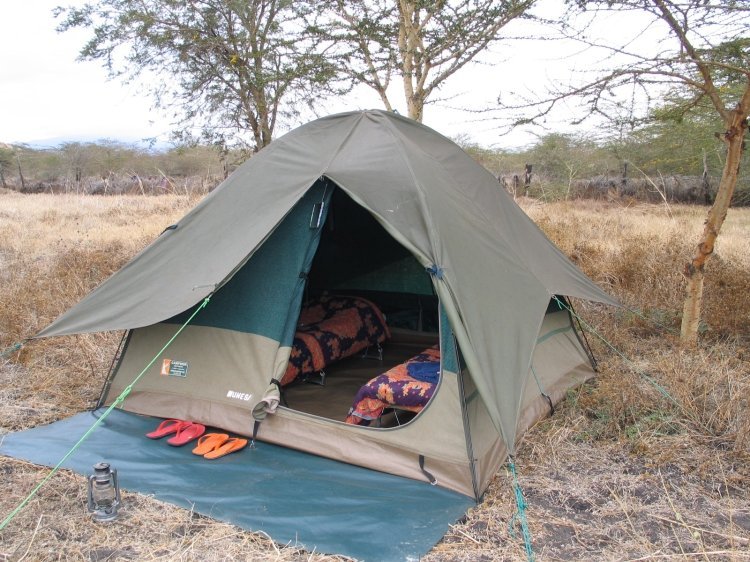
- Tented Camps: From basic canvas tents to luxurious permanent camps with en-suite bathrooms and private verandas. These offer a more in-depth safari feel.
- Lodges: Permanent structures, often with swimming pools, restaurants, and bars. They can range from rustic to opulent.
- Campsites: For the most budget-conscious, camping is an option, either public or private.
When booking for 2026-2027, consider location. Camps and lodges in central Serengeti (Seronera) offer year-round game viewing, while those in the north or south are best timed with the migration.
Bwindi Accommodation Options
Accommodation near Bwindi is generally more rustic due to the remote location. Options typically include:
- Luxury Lodges: Offering comfort, good food, and excellent service, often with stunning forest views.
- Mid-Range Lodges/Guesthouses: Comfortable, clean, and well-located, providing essential amenities.
- Budget Guesthouses/Bases: Basic but functional, suitable for travelers on a tight budget.
The sector you are trekking in (e.g., Buhoma, Ruhija, Rushaga, Nkuringo) will determine the available lodges. It’s essential to book accommodation that is conveniently located for your specific gorilla permit sector.
Wildlife Encounters: What to Expect
The thrill of seeing wildlife in its natural habitat is the core of this trip. Understanding what to expect can enhance the experience.
Serengeti Wildlife
The Serengeti is famed for its sheer abundance and diversity of mammals. Beyond the Big Five, expect to see giraffes, zebras, hippos, crocodiles, numerous antelope species (gazelles, impalas, hartebeest, topis), warthogs, baboons, monkeys, and a vast array of birdlife. The density of predators is also remarkable, offering incredible photographic opportunities. The timing of your visit is critical for witnessing specific events like the Great Migration river crossings.
Bwindi Gorilla Encounters
The mountain gorillas are the main attraction. When you find a habituated family, you’ll observe them foraging, playing, and interacting. The dominant silverback is usually nearby, watching over the group. While the hour spent with the gorillas is the highlight, the trek itself is an adventure through a unique ecosystem. You might also encounter other primates like chimpanzees (in some sectors), black-and-white colobus monkeys, and various bird species. The forest is dense, so sightings of other mammals are less common than on a savanna safari.
Ethical Wildlife Viewing
Both safari and gorilla trekking experiences have strict guidelines to ensure the welfare of the animals and the safety of visitors.
- Serengeti: Maintain a safe distance from animals, never feed them, and stay in your vehicle during game drives unless at designated picnic spots. Listen to your guide’s instructions.
- Bwindi: Keep a distance of at least 7 meters (21 feet) from the gorillas. Do not make loud noises or sudden movements. You must wear a mask when with the gorillas (provided). Do not eat or drink while near them. Flash photography is prohibited. If you feel ill, you may be asked not to trek to protect the gorillas from human diseases.
Adhering to these rules ensures that these incredible creatures remain protected for future generations and that your 2026-2027 trip is responsible.
Booking Your Tanzania Serengeti Safari and Bwindi Gorilla Trekking
Planning this complex trip can be daunting. Partnering with an experienced tour operator specializing in East Africa is highly recommended. They handle the intricate logistics, secure permits, book accommodation, and provide local support.
Why Choose a Local Expert for Your 2026-2027 Trip?
Local operators like Climb 4 Africa have firsthand knowledge of the destinations, relationships with lodges and park authorities, and the expertise to craft smooth itineraries. They can advise on:
- The best times to visit based on your interests (e.g., migration, specific wildlife).
- Which sectors of Bwindi are best suited to your trekking ability and permit availability.
- The most efficient travel routes between Tanzania and Uganda.
- Securing crucial gorilla permits and booking popular Serengeti camps.
- Providing 24/7 support during your trip.
What to Ask Your Tour Operator
When you contact a tour operator to plan your Tanzania Serengeti safari and Bwindi gorilla trekking for 2026 or 2027, be prepared to discuss:
- Your preferred travel dates and duration.
- Your budget range.
- Your interests (e.g., photography, birdwatching, specific wildlife).
- Your fitness level for the gorilla trek.
- Your accommodation preferences (e.g., luxury lodges, tented camps, budget).
- Any specific parks or regions you wish to visit.
Making Your Booking Decision
A Tanzania Serengeti safari followed by Bwindi gorilla trekking is a truly monumental journey. It’s an investment in experiences that are both breathtakingly grand and intimately profound. The planning process itself is part of the adventure, and by gathering information and understanding the nuances, you can make informed decisions that will lead to an unforgettable trip.
For a trip of this caliber, especially looking at 2026 and 2027, early planning is essential. Gorilla permits are limited, and prime safari accommodations fill up fast. We encourage you to reach out to experienced local operators who can tailor an itinerary to your specific needs and ensure all the complex logistics are handled flawlessly. Let us help you craft the East African adventure of a lifetime.
To start planning your unique Tanzania Serengeti safari followed by Bwindi gorilla trekking, or to inquire about tailor-made itineraries for 2026-2027, please feel free to contact our expert team. You can reach us via WhatsApp at +255 747 477 898 or by email at climb4africa@gmail.com. We are ready to assist you in creating an unforgettable journey.
Check Availability for Tanzania Serengeti Safari Followed By Bwindi Gorilla Trekking: The Ultimate
Ready to compare dates, prices, and the best option for your group? Send the package name and travel month so the team can reply with a clear quote, availability, and what is included.
Three Day Serengeti Safari During AFCON 2027
Mwongozo wa kiutendaji kwa safari ya siku tatu ya Serengeti wakati AFCON 2027, ukijumuisha mwelekeo wa maeneo, ratiba ya siku, na ushauri wa ubashiri wa kupanga pamoja na jinsi ya...
View package detailsWhich Tanzania Group Safari Includes Serengeti And Ngorongoro?
Which Tanzania Group Safari Includes Serengeti and Ngorongoro?
View package details
Afcon Mount Kilimanjaro And Serengeti Package
AFCON 2027 Mount Kilimanjaro and Serengeti Package.
View package detailsDec 27, – 4 Day Serengeti Migration Group Safari: Plan Your Trip
A deep look at planning your 4-day Serengeti migration group safari departing December 27, 2026, including itinerary logistics, group benefits, and seasonal expectations.
View package details3 Day Serengeti And Ngorongoro Group Safari: Planning For December 4,
A detailed guide on planning a 3-day group safari to the Serengeti and Ngorongoro Crater for December 4, 2026, covering route expectations, group logistics, and essential planning steps.
View package detailsWe Are Two Travellers—Can We Join A Serengeti Safari In Dec ?
A guide for two travellers looking to join a Serengeti group safari in December 2026, covering logistics, cost-efficiency, and what to expect during the short rains.
View package detailsWhere Can I Join An Affordable Serengeti Safari In Dec ? A Practical Planning
A practical guide for budget-conscious travelers looking to join a Serengeti safari in December 2026, focusing on group-joining logistics and cost-effective planning.
View package detailsWhich Tanzania Group Safari Includes All Northern Circuit Parks? A Planning
Planning a Northern Circuit safari often leads to the question of 'how many parks can I fit in?' We explore the reality of group joining itineraries that aim to cover Tarangire, Lake...
View package detailsHow Much Is A 3 Day Serengeti Group Safari In Nov ? Cost Breakdown
Get a clear breakdown of the factors influencing the cost of a 3-day Serengeti group safari in November 2026, including park fees, vehicle logistics, and group dynamics.
View package detailsCan A Solo Traveller Join A Serengeti Safari In Dec ?
Planning a solo safari in December 2026? Discover the logistics of joining group departures, why December is a prime time for the migration, and how to manage costs effectively.
View package details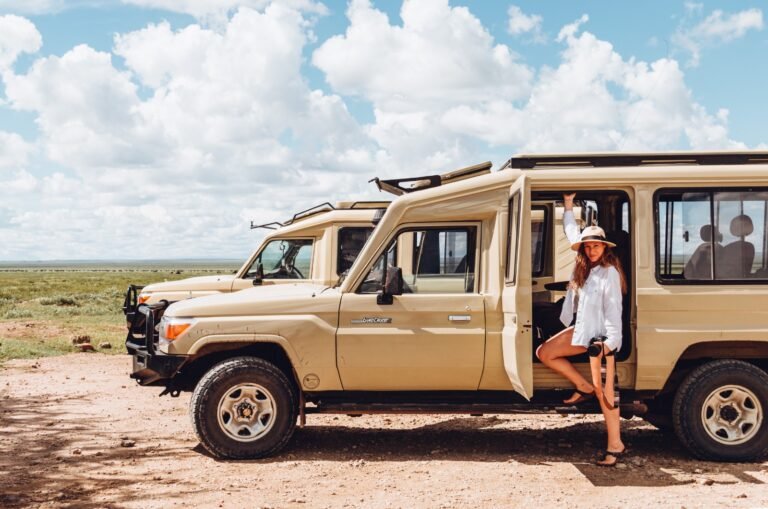
Afcon Private Serengeti Safari With Lodges
AFCON 2027 Private Serengeti Safari with Lodges.
View package detailsAFCON 2027 Safari Packages from Tanzania
Hitaji la safari ya kundoka ili kufurahia AFCON 2027? Chagua kutoka kwa mikakati ya safari nchini Tanzania inayoambatana na wildlife, mbuga maarufu, na uwekaji wa huduma ya kimataifa ya...
View package detailsNo related package matches those filters. Clear one or more filters to see the other topic-matched options.