
The best Rwanda and Tanzania safari itinerary for first-time visitors in 2026-2027 typically combines 3-4 days of gorilla trekking in Rwanda’s Volcanoes National Park with a 7-10 day safari through Tanzania’s Northern Circuit, focusing on the Serengeti National Park and the Ngorongoro Crater. This route offers a remarkable introduction to East Africa’s diverse wildlife and landscapes, balancing the intimate experience of meeting mountain gorillas with the classic savannah adventure of seeing the ‘Big Five’ and vast herds.
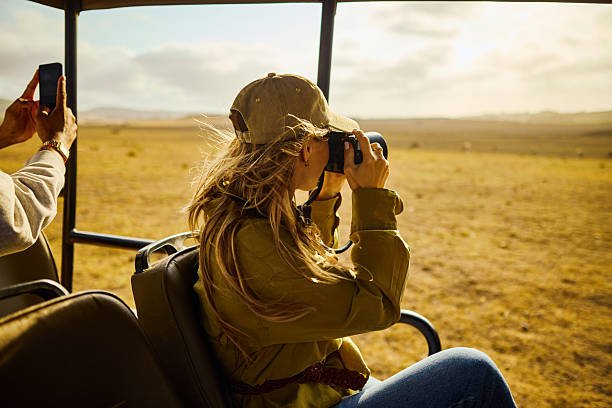

Planning Your First East African Safari: Rwanda & Tanzania
For many, an East African safari represents the pinnacle of adventure travel, a chance to witness wildlife in its most natural, untamed state. Combining Rwanda and Tanzania for your inaugural trip offers an unparalleled introduction to the continent’s magic. Rwanda, known as the ‘Land of a Thousand Hills,’ provides the extraordinary opportunity for close encounters with critically endangered mountain gorillas. Tanzania, on the other hand, is synonymous with vast savannahs, iconic wildlife spectacles like the Great Migration, and the geological marvel of the Ngorongoro Crater. Crafting the best Rwanda and Tanzania safari itinerary for first-time visitors requires careful consideration of logistics, timing, and the unique experiences each country offers. This guide aims to demystify the planning process, helping you design a 2026-2027 journey that balances adventure, comfort, and unforgettable wildlife viewing.
When planning your first safari to these two nations, the key is to create a cohesive flow that minimizes travel time while maximizing your wildlife encounters. Most first-time visitors opt to start with the more logistically straightforward and intense experience of gorilla trekking in Rwanda, followed by the classic safari landscapes of Tanzania. Alternatively, some prefer to begin with the vastness of Tanzania and conclude with the unique intimacy of Rwanda. Both approaches have merit, and the ‘best’ itinerary often depends on personal preferences regarding travel pace and the specific order of experiences you desire. We will explore both options, but the common thread is the logical progression from one country’s distinct ecosystem to another.
The year 2026 and 2027 are excellent times to plan such a trip. While wildlife migrations and breeding seasons are consistent, booking well in advance is crucial, especially for gorilla permits, which are limited. Early planning ensures you secure your preferred accommodation and travel dates, whether you’re aiming for the peak dry season for optimal game viewing in Tanzania or the lush green landscapes of Rwanda.
The Allure of Combining Rwanda and Tanzania
Why choose this specific combination for your first safari? It’s about experiencing two dramatically different, yet equally compelling, facets of African wildlife and conservation. Rwanda offers a deeply moving, often life-changing encounter with mountain gorillas in their natural habitat. This experience is managed with strict conservation protocols, ensuring a sustainable and ethical interaction. Volcanoes National Park, Rwanda’s premier gorilla destination, is a testament to successful conservation efforts, allowing visitors a rare glimpse into the lives of these gentle giants.
Tanzania, conversely, delivers the quintessential safari experience. Imagine driving through the endless plains of the Serengeti, witnessing the Great Migration (depending on the time of year), or descending into the Ngorongoro Crater, a caldera teeming with an astonishing density of wildlife, including the elusive black rhino. The sheer scale of the landscapes and the abundance of animals are awe-inspiring. Combining these two offers a holistic introduction to East African biodiversity, from dense rainforest primates to open savannah predators and herbivores.
For first-time visitors, this itinerary provides a well-rounded experience that caters to diverse interests. It’s an opportunity to tick off major bucket-list items: seeing gorillas and witnessing the iconic African savannah. The logistics, while requiring careful coordination, are well-established, with reliable flight connections between Kigali (Rwanda) and key Tanzanian hubs like Kilimanjaro International Airport (JRO) or Arusha. Understanding the best times to visit each region, the typical durations needed, and the cost factors will be key to designing your best Rwanda and Tanzania safari itinerary for first-time visitors.
When considering your 2026 or 2027 trip, remember that availability for gorilla permits and sought-after lodges can fill up a year or more in advance. This is particularly true for peak safari seasons in Tanzania, such as June through October, and the shoulder months of January and February for calving seasons. Early booking is not just recommended; it’s essential for a smooth and rewarding experience.
Core Itinerary Structure: The Classic Combination
A popular and highly recommended structure for a first-time visitor’s best Rwanda and Tanzania safari itinerary is to allocate sufficient time to each country’s highlights. This typically means:
- Rwanda: 3 to 4 days dedicated to gorilla trekking and potentially a golden monkey trek. This includes travel time to Volcanoes National Park and the trek itself.
- Tanzania: 7 to 10 days exploring the Northern Circuit, covering Tarangire National Park, Lake Manyara National Park (optional but often included), the Ngorongoro Crater, and the vast Serengeti National Park.
The sequence can vary, but a common flow is:
- Fly into Kigali International Airport (KGL), Rwanda.
- Spend 3-4 days in Volcanoes National Park (based in Musanze).
- Fly from Kigali to Kilimanjaro International Airport (JRO) or Arusha, Tanzania.
- Undertake a 7-10 day Northern Circuit safari.
- Depart from Kilimanjaro International Airport (JRO).
This itinerary offers a balanced pace, allowing for travel days without feeling rushed. It also positions you to take advantage of flight connections efficiently. The total trip duration would typically range from 10 to 14 days, not including international travel days to and from East Africa.
For those considering 2026-2027 travel, this structure remains robust. The demand for gorilla permits in Rwanda is consistently high, so booking these well in advance is paramount. Similarly, popular lodges in the Serengeti and prime locations within the Ngorongoro Conservation Area also require early reservations, especially for the 2026-2027 peak seasons.
Detailed Breakdown: Rwanda – Gorilla Trekking Adventure
Your Rwandan safari segment is likely to focus on Volcanoes National Park, home to a significant population of mountain gorillas. This experience is unlike any other safari encounter.
Getting to Volcanoes National Park
Flights typically arrive at Kigali International Airport (KGL). From Kigali, it’s a scenic drive of approximately 2-3 hours to the town of Musanze, which serves as the gateway to Volcanoes National Park. This drive itself offers glimpses of Rwanda’s lush, rolling hills and rural life.
Gorilla Trekking Experience
The trek itself involves hiking through dense rainforest, often on steep and muddy terrain. Porters are available for hire, which is highly recommended to assist with carrying your daypack and providing support on challenging sections of the trail. The trek duration can vary from 30 minutes to several hours, depending on the gorilla family’s location on any given day. You will be accompanied by experienced guides and trackers who are adept at locating the gorillas.
Once you find a gorilla family, you will have a strictly regulated one hour to observe them. This hour is incredibly intimate; you’ll witness their social dynamics, feeding habits, and interactions. Seeing a silverback leading his troop, mothers with their young, and playful juveniles is profoundly moving. The conservation efforts in Rwanda mean that gorilla trekking is sustainable, with permits strictly limited to 8 visitors per gorilla family per day. This ensures minimal disturbance to the gorillas.
Permit Acquisition
Gorilla permits are the most critical element of booking a Rwanda gorilla safari. They cost $1,500 per person (as of current information, subject to change for 2026-2027, always verify). These permits are non-refundable and must be booked months, often up to a year, in advance due to high demand. Your tour operator will secure these for you. You’ll need to provide passport details for the permit application.
Other Activities in Volcanoes National Park
- Golden Monkey Trekking: Alongside gorillas, you can track golden monkeys, another endangered primate species known for their playful nature.
- Dian Fossey Hike: Visit the Karisoke Research Center founded by Dian Fossey, the renowned primatologist, and see her tomb.
- Volcano Hikes: For the adventurous, guided hikes up Mount Bisoke or Mount Karisimbi offer challenging treks with rewarding summit views.
- Cultural Visits: Explore local communities, interact with local people, and learn about Rwandan culture.
Accommodation in Rwanda
Lodges near Volcanoes National Park range from comfortable mid-range options to luxurious retreats offering stunning views of the Virunga Volcanoes. Staying close to the park headquarters is convenient for early morning trek departures.
For a first-time visitor planning for 2026-2027, securing your gorilla permit as early as possible is the absolute priority. This dictates your travel dates and availability for other arrangements.
Detailed Breakdown: Tanzania – The Northern Circuit Safari
After your Rwandan adventure, you’ll typically fly to Tanzania for the classic safari experience. The Northern Circuit is world-renowned for its diverse ecosystems and abundant wildlife.
Key Parks and Reserves
- Tarangire National Park: Famous for its large elephant herds and iconic baobab trees. It’s particularly spectacular during the dry season (June-October) when animals congregate around the Tarangire River.
- Lake Manyara National Park: Known for its tree-climbing lions (though sightings are not guaranteed), large troops of baboons, and diverse birdlife. The park is set against the backdrop of the Great Rift Valley escarpment.
- Ngorongoro Conservation Area & Crater: A UNESCO World Heritage Site, the Ngorongoro Crater is a collapsed volcano caldera supporting an incredible concentration of wildlife, including the ‘Big Five’ (lion, leopard, elephant, rhino, buffalo). It’s one of the best places in Africa to see black rhinos. Access to the crater floor is strictly controlled to protect the environment.
- Serengeti National Park: Tanzania’s largest and most famous park, renowned for its vast plains, dramatic predator-prey interactions, and the Great Wildebeest Migration. The location of the migration varies throughout the year, so your itinerary might focus on different regions of the Serengeti (central, western, northern, or southern) depending on the season.
Typical Itinerary Flow (7-10 Days)
A common sequence for the best Rwanda and Tanzania safari itinerary for first-time visitors, after arriving from Rwanda:
- Day 1: Arrival in Arusha/Kilimanjaro (JRO) & Transfer to Arusha. Settle into your lodge and prepare for the safari.
- Day 2: Arusha to Tarangire National Park. Game drive en route to your lodge/campsite.
- Day 3: Tarangire National Park. Full day of game drives.
- Day 4: Tarangire to Ngorongoro Conservation Area. Morning game drive in Tarangire, then drive to your lodge near the Ngorongoro Crater rim.
- Day 5: Ngorongoro Crater Tour. Descend into the crater for a half-day game drive. Afternoon drive to your lodge near the Serengeti.
- Day 6-8: Serengeti National Park. Explore different regions of the Serengeti, focusing on game drives. Depending on the time of year, you might be positioned to witness the Great Migration.
- Day 9: Serengeti to Arusha. Morning game drive, then transfer to a local airstrip for a flight back to Arusha, or drive back overland.
- Day 10: Departure from Kilimanjaro (JRO). Transfer to the airport for your onward flight.
This 10-day structure is a solid foundation, and it can be extended to 12-14 days by adding more time in the Serengeti or including other parks. For 2026-2027, consider the migration patterns when planning your Serengeti days. For example, June-October is ideal for witnessing the migration river crossings in the north, while January-March is excellent for the calving season in the south.
Accommodation Styles
Tanzania offers a wide range of accommodations:
- Tented Camps: From basic bush camps to luxurious permanent tented lodges, these offer an in-depth experience.
- Safari Lodges: Permanent structures, often with amenities like swimming pools and restaurants, providing comfort and excellent service.
- Mobile Camps: Used for specific events like the Great Migration, these camps move seasonally to offer the best viewing opportunities.
The choice of accommodation significantly impacts the safari experience and budget. For first-time visitors in 2026-2027, booking lodges with good locations, particularly those offering proximity to wildlife viewing areas or migration routes, is key.
Logistics: Connecting Rwanda and Tanzania
The logistical bridge between Rwanda and Tanzania is usually a flight. This is where efficient planning is crucial for the best Rwanda and Tanzania safari itinerary for first-time visitors.
Flight Options
The most common and practical route is to fly from Kigali International Airport (KGL) to Kilimanjaro International Airport (JRO) in Tanzania. Several airlines operate this route, sometimes with a layover. The flight duration is typically around 2-3 hours direct, or longer with stops. Booking this flight in advance is essential, especially for 2026-2027 travel, as availability can be limited, and prices can increase closer to the date.
Alternatively, some travelers opt to fly from Kigali to Nairobi (Kenya), then connect to Kilimanjaro. This adds travel time and complexity, so a direct or one-stop flight from KGL to JRO is generally preferred.
Another option, though less common for this specific itinerary, is to drive from Rwanda to Tanzania. This is a very long overland journey (multiple days) and often involves crossing borders that can be time-consuming. For a first-time visitor aiming for efficiency and maximizing wildlife viewing, flying is the recommended approach.
Visa Requirements
Ensure you check the latest visa requirements for both Rwanda and Tanzania well in advance of your 2026-2027 trip. Many nationalities can obtain visas on arrival, but it’s always best to confirm and, if possible, apply online beforehand to save time at the airport. East African tourist visas may be available, allowing travel between Rwanda, Kenya, and Uganda, but check if Tanzania is included in any such arrangement you consider.
Health and Vaccinations
Consult your doctor or a travel clinic 4-6 weeks before your trip regarding recommended vaccinations and malaria precautions. Yellow fever vaccination is often required for entry into Rwanda and Tanzania, especially if arriving from or transiting through a country with a risk of yellow fever transmission. Proof of vaccination may be checked at the border or airport.
Travel Insurance
Comprehensive travel insurance is non-negotiable. It should cover medical emergencies, evacuation (which can be very expensive in remote areas), trip cancellation, and lost luggage. Ensure your policy covers activities like gorilla trekking.
Timing Your Safari: Best Months for 2026-2027
The “best” time to visit depends on what you prioritize. For a combined Rwanda and Tanzania trip, understanding the seasonal variations is key.
Rwanda (Gorilla Trekking)
Gorilla trekking in Rwanda is possible year-round. However, the dry seasons (June to August and December to February) are generally considered the best. During these months, the trails are less muddy and slippery, making the trek easier. The vegetation is also less dense, potentially offering better visibility of the gorillas. However, these are also peak tourist seasons, meaning higher demand for permits and accommodation.
The wet seasons (March to May and September to November) offer lush green landscapes and fewer crowds. While the trails can be muddier, the gorillas are still accessible, and the experience can be more serene. The cost of permits remains the same.
Tanzania (Northern Circuit Safari)
The timing of the best Rwanda and Tanzania safari itinerary for first-time visitors in Tanzania is heavily influenced by the Great Wildebeest Migration and general weather patterns.
- June to October: This is the dry season, considered peak safari time. The weather is pleasant, with minimal rain. Animals congregate around permanent water sources, making game viewing excellent. The Grumeti and Mara Rivers in the Serengeti are prime spots to witness the dramatic migration river crossings during this period.
- November to March: This is the short rainy season and calving season in the southern Serengeti. The landscape turns lush green, and there are fewer tourists. It’s an excellent time for predator sightings as they often hunt the young, vulnerable newborns. The short rains are usually brief afternoon showers.
- April to May: These are the long rainy months. The landscape is incredibly green, and it’s the low season, meaning lower prices and fewer crowds. However, some lodges might close, and game viewing can be more challenging due to dispersed wildlife and potentially difficult road conditions.
Combining Seasons for 2026-2027
For a first-time visitor aiming for the best Rwanda and Tanzania safari itinerary in 2026-2027, consider these combinations:
- June-August: Ideal for both dry-season game viewing in Tanzania (including migration river crossings) and easier trekking in Rwanda. This is a premium time, so book far in advance.
- January-February: Great for the calving season in the southern Serengeti and generally good trekking conditions in Rwanda.
- September-October: Excellent for migration river crossings in the north of the Serengeti and good trekking in Rwanda.
If your budget is a primary concern for 2026-2027, consider traveling in the shoulder months (e.g., May, November) or during the green season, which can offer significant savings while still providing incredible wildlife experiences.
Customizing Your Itinerary: Factors to Consider
While a standard itinerary provides a great starting point, the best Rwanda and Tanzania safari itinerary for first-time visitors is one tailored to your specific interests, budget, and pace.
Budget Considerations
Safaris in Rwanda and Tanzania are not budget trips. Costs are influenced by:
- Accommodation: Luxury lodges are significantly more expensive than mid-range or basic tented camps.
- Vehicle Type: Private 4×4 safari vehicles with pop-up roofs are standard.
- Number of Days: Longer trips naturally cost more.
- Gorilla Permits: A fixed cost ($1,500 per person in Rwanda).
- Park Fees: Daily fees for each park can add up.
- Time of Year: Peak season is more expensive.
- Group Size: Private safaris are more expensive per person than shared group tours.
For 2026-2027, expect costs to remain high, with potential for modest increases. A mid-range 10-14 day combined safari could range from $4,000 to $8,000+ per person, excluding international flights. Luxury options can easily exceed $10,000 per person.
Pace of Travel
Do you prefer a fast-paced itinerary that covers more ground, or a slower pace that allows for deeper immersion in fewer locations? For a first trip, a moderate pace is often best to avoid burnout and truly appreciate the experiences. The suggested 10-14 day itinerary strikes a good balance.
Interests
Are you primarily focused on wildlife photography? Bird watching? Cultural interactions? The specific parks and regions you visit, and the time of day you conduct game drives, can be adjusted to cater to your interests. For instance, birding enthusiasts might spend more time in Lake Manyara, known for its diverse avian population.
Family Travel
If traveling with children, consider age restrictions for gorilla trekking (usually 15 years and older) and choose accommodations that are family-friendly. Some lodges offer family suites or connecting rooms.
Luxury vs. Mid-Range vs. Budget
Luxury: High-end lodges, private concessions, exclusive guiding, fine dining, and often fly-in safaris for quicker transit. Example: staying at lodges with private plunge pools overlooking the Serengeti. For 2026-2027, booking these top-tier properties requires extreme advance planning.
Mid-Range: Comfortable lodges and tented camps, good service, well-located properties, and usually a balance between game viewing and comfort. This is often the sweet spot for first-time visitors.
Budget: While “budget” is relative in these destinations, it typically involves camping (safari tents with shared facilities), more basic lodges, and potentially longer travel times overland. Shared group tours are the most budget-friendly option.
Sample Itinerary: A Balanced First-Timer’s Journey (12 Days)
This sample itinerary for 2026-2027 offers a comprehensive yet manageable introduction to Rwanda and Tanzania.
Day 1: Arrival in Kigali, Rwanda
Arrive at Kigali International Airport (KGL). You’ll be met by your guide and transferred to your hotel in Kigali. Depending on your arrival time, you might have a chance for a brief city tour, including the Kigali Genocide Memorial.
Day 2: Kigali to Volcanoes National Park
After breakfast, drive to Musanze (approx. 2-3 hours), the gateway to Volcanoes National Park. Check into your lodge and relax, enjoying the stunning views of the Virunga volcanoes.
Day 3: Gorilla Trekking Day
An early start! After a briefing at the park headquarters, you’ll be assigned a gorilla family and habitat. Trek into the rainforest with your guide and trackers to find the gorillas. Spend your allocated hour observing them, followed by the trek back. Afternoon at leisure or optional golden monkey trek.
Day 4: Optional Activity & Transfer to Kigali
Morning optional activity (e.g., Dian Fossey hike, another short trek, or cultural visit). Drive back to Kigali in the afternoon. Overnight in Kigali.
Day 5: Flight to Tanzania & Arusha
Transfer to Kigali Airport (KGL) for your flight to Kilimanjaro International Airport (JRO), Tanzania. Upon arrival, you’ll be met by your Tanzanian guide and transferred to your lodge in Arusha for an overnight stay. Safari briefing.
Day 6: Arusha to Tarangire National Park
Drive to Tarangire National Park, known for its large elephant herds and baobab trees. Enjoy a full day of game drives in this beautiful park.
Day 7: Tarangire to Ngorongoro Crater Rim
Morning game drive in Tarangire. After lunch, drive to your lodge situated on the rim of the Ngorongoro Crater, offering spectacular views.
Day 8: Ngorongoro Crater Tour & Drive to Serengeti
Descend into the Ngorongoro Crater for a morning game drive. This unique ecosystem is home to an incredible density of wildlife, including the rare black rhino. After lunch, drive towards the Serengeti National Park, entering through the Ngorongoro Conservation Area and enjoying game drives en route.
Day 9-10: Serengeti National Park
Two full days exploring the vast plains of the Serengeti. Depending on the season, your guide will take you to areas where the Great Migration is likely to be, or to prime predator viewing spots. Focus on game drives seeking lions, leopards, cheetahs, elephants, and more.
Day 11: Serengeti to Arusha
Enjoy a final morning game drive in the Serengeti. You’ll then be transferred to a local airstrip for a scenic flight back to Arusha. This saves considerable driving time. Overnight in Arusha.
Day 12: Departure
After breakfast, transfer to Kilimanjaro International Airport (JRO) for your departure flight.
This 12-day itinerary provides a solid foundation for the best Rwanda and Tanzania safari itinerary for first-time visitors. It can be extended by adding days in the Serengeti, visiting Lake Manyara, or incorporating a visit to the Maasai Mara in Kenya if time and budget allow for a more extensive East African exploration.
Booking Your Safari: Working with Experts
Organizing a multi-country safari that includes complex logistics like gorilla permits can be daunting for first-time visitors. This is where partnering with an experienced tour operator is invaluable.
Why Choose a Specialist Operator?
- Expertise: They understand the intricacies of East African travel, including visa requirements, health advice, optimal timings, and the best routes.
- Logistics Management: They handle all bookings – flights, lodges, vehicles, guides, and crucial permits. This saves you immense time and stress.
- Permit Acquisition: They have established processes for securing limited permits, especially for gorillas.
- Local Knowledge: Operators like Climb 4 Africa have on-the-ground knowledge, ensuring you get the best guides and vehicles.
- Customization: They can tailor the best Rwanda and Tanzania safari itinerary for first-time visitors to your exact needs and budget.
- Support: You have a dedicated point of contact throughout the planning process and during your trip.
What to Discuss with Your Operator
When you contact a tour operator for your 2026-2027 safari, be prepared to discuss:
- Your preferred travel dates (and flexibility).
- Your budget range (e.g., mid-range, luxury).
- The number of people traveling.
- Any specific interests (photography, birding, particular animals).
- Your desired pace of travel.
- Any specific lodges or parks you are keen to visit.
Making the Booking
Once you have a proposed itinerary and quote:
- Review Inclusions/Exclusions: Ensure you understand what is covered (e.g., accommodation, meals, park fees, activities, guides, vehicles, internal flights) and what is not (e.g., international flights, visas, tips, personal expenses, travel insurance).
- Deposit and Payment Schedule: Most operators require a deposit to secure bookings, with the balance due closer to the travel date. For 2026-2027 bookings, this schedule will be clearly outlined.
- Terms and Conditions: Read these carefully, especially regarding cancellation policies.
By working with a reputable operator, you can ensure that your first safari experience in Rwanda and Tanzania is as smooth and memorable as possible. For personalized planning and expert advice for your 2026-2027 adventure, consider reaching out to specialists who can craft your perfect best Rwanda and Tanzania safari itinerary for first-time visitors.
Important Considerations for 2026-2027 Bookings
Gorilla Permits: As mentioned, these are highly sought after. Book your gorilla trekking permits for Rwanda at least 6-12 months in advance, especially if traveling during peak season. They are non-refundable and cannot be changed once booked.
Accommodation: Popular lodges, particularly in the Serengeti and around the Ngorongoro Crater, also book up very quickly. High-demand properties for 2026-2027 can be fully booked 9-12 months out.
Flights: Internal flights within East Africa, such as from Kigali to Kilimanjaro or from the Serengeti back to Arusha, should also be booked in advance to secure preferred times and potentially better rates.
Flexibility: While planning is key, maintaining some flexibility can be beneficial, especially regarding safari routes in the Serengeti, which are dictated by wildlife movements.
Designing the best Rwanda and Tanzania safari itinerary for first-time visitors is about balancing iconic experiences with practical considerations. It’s a journey that promises unparalleled wildlife encounters, from the misty rainforests of Rwanda to the sweeping plains of Tanzania. By understanding the key components – gorilla trekking, the Northern Circuit, logistics, timing, and customization – you can start an adventure that will create lifelong memories. Planning for 2026-2027 with ample lead time will ensure you secure the best opportunities for this remarkable East African exploration.
For expert guidance in crafting your personalized best Rwanda and Tanzania safari itinerary for first-time visitors, including smooth booking of gorilla permits and prime safari accommodations for 2026-2027, please contact Climb 4 Africa. You can reach us via WhatsApp at +255 747 477 898 or by email at climb4africa@gmail.com. Let us help you plan an unforgettable adventure.
“,
“faq_schema”: [
{
“question”: “What is the best duration for a combined Rwanda and Tanzania safari for first-time visitors?”,
“answer”: “For a first-time visitor to experience the highlights of both Rwanda and Tanzania, a duration of 10 to 14 days is generally recommended. This allows for 3-4 days dedicated to gorilla trekking and related activities in Rwanda, plus 7-10 days for exploring Tanzania’s Northern Circuit (Tarangire, Ngorongoro Crater, and Serengeti National Park).”
},
{
“question”: “When is the best time of year to visit Rwanda and Tanzania for a safari in 2026-2027?”,
“answer”: “The best time depends on priorities. For dry weather and easier trekking in Rwanda, June-August and December-February are ideal. For the Serengeti, June-October offers excellent game viewing and migration river crossings, while January-February is prime for the calving season. Combining these, June-August or September-October are excellent choices for a first-timer’s safari in 2026-2027, offering good conditions in both countries.”
},
{
“question”: “How much does a combined Rwanda and Tanzania safari typically cost for first-time visitors?”,
“answer”: “A combined safari for first-time visitors in 2026-2027, typically lasting 10-14 days, can range from approximately $4,000 to $8,000+ per person for a mid-range experience, excluding international flights. Luxury options can significantly exceed this. The cost is heavily influenced by accommodation choices, the specific parks visited, and the time of year.”
},
{
“question”: “What are the essential components of a first-timer’s Rwanda and Tanzania itinerary?”,
“answer”: “The essential components are gorilla trekking in Rwanda’s Volcanoes National Park and a safari through Tanzania’s Northern Circuit, which usually includes Tarangire National Park, the Ngorongoro Crater, and Serengeti National Park. The order can vary, but this combination offers a comprehensive introduction to East Africa’s wildlife.”
},
{
“question”: “How do I book a safari that combines Rwanda and Tanzania?”,
“answer”: “It is highly recommended to book a combined Rwanda and Tanzania safari through an experienced tour operator. They will manage all the complex logistics, including securing limited gorilla permits, booking accommodations, arranging internal flights, and coordinating ground transportation and guides. Contacting specialists like Climb 4 Africa (WhatsApp +255 747 477 898 or email climb4africa@gmail.com) is a great first step for personalized planning.”
}
]
}
“`
Check Availability for Best Rwanda And Tanzania Safari Itinerary For First Time Visitors 2026-2027
Ready to compare dates, prices, and the best option for your group? Send the package name and travel month so the team can reply with a clear quote, availability, and what is included.
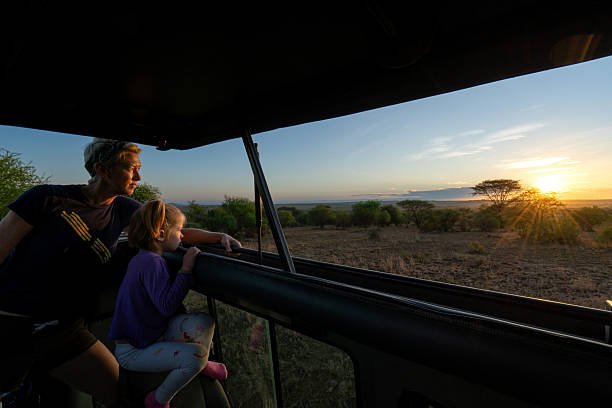
Is An African Safari Safe For First-Time Visitors? Expert Guidance 2026-2027
Planning your first African safari? This comprehensive guide details the safety aspects for first-time visitors, covering everything from wildlife encounters to health and logistics...
View package details10-Day Tanzania Safari And Zanzibar Beach Holiday: Your Ultimate Itinerary
Combine the thrill of a Tanzania safari with the relaxation of Zanzibar for an unforgettable 10-day adventure. This itinerary balances iconic wildlife viewing with stunning tropical...
View package details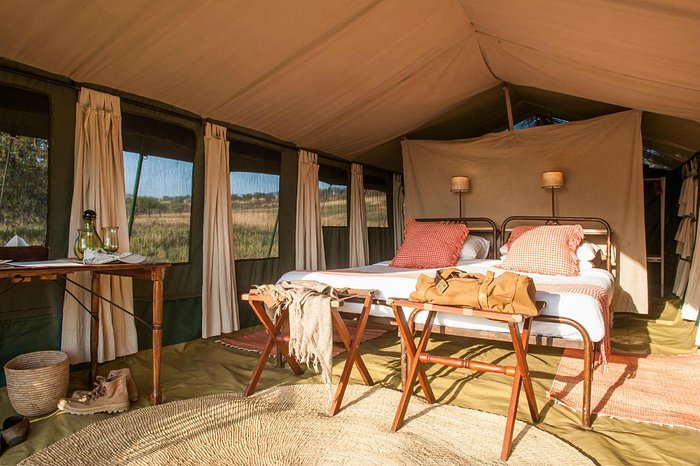
Affordable African Safari Packages: Your Guide To Budget-Friendly Tanzania
Discover how to plan and book affordable African safari packages for 2026-2027. This guide provides practical advice on choosing budget-friendly Tanzania tours, understanding costs, and...
View package details
Serengeti Safari Tours: Prices, Packages & Best Time To Visit In 2026-2027
Discover everything you need to know for planning your Serengeti safari tour, from understanding pricing and package variations to identifying the ideal travel times in 2026-2027. This...
View package details
Kenya And Tanzania Combined Safari Packages: Ultimate Guide 2026-2027
Discover the unparalleled adventure of combining Kenya and Tanzania for a comprehensive East African safari. This guide details everything you need to know for planning your 2026-2027...
View package details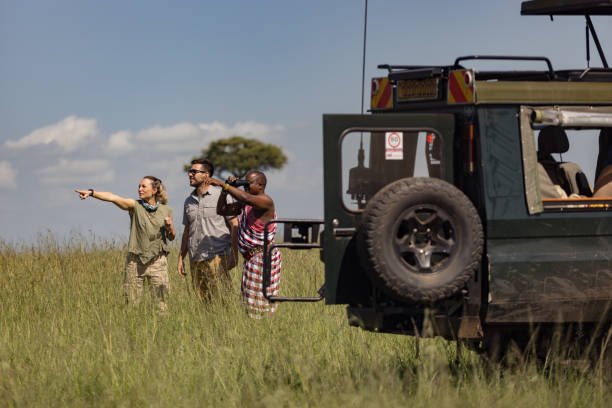
3-Day Serengeti And Ngorongoro Safari: Your Ultimate Tanzania Wildlife
start a concise yet unforgettable 3-day Serengeti and Ngorongoro safari, designed to maximize wildlife encounters in Tanzania's most celebrated parks. This compact adventure offers a taste...
View package details
Serengeti Safari And Zanzibar Beach Holiday: The Ultimate Tanzania
Combine the thrill of a Serengeti safari with the relaxation of a Zanzibar beach holiday. This guide covers everything you need to know for an unforgettable Tanzania adventure in 2026-2027...
View package details
Tanzania Safari And Zanzibar All-Inclusive Packages Guide
Combine the thrill of a Tanzanian wildlife safari with the serene beauty of Zanzibar on an all-inclusive package. This comprehensive guide covers everything you need to know for planning...
View package details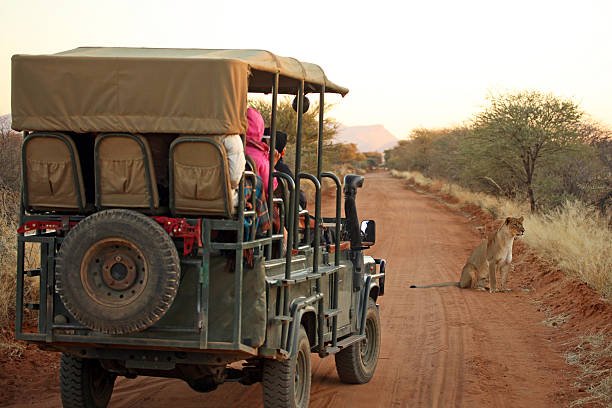
Zanzibar To Mikumi Safari: Flights, Prices And Itinerary Guide
Transition from the spice-scented beaches of Zanzibar to the wildlife-rich plains of Mikumi National Park. This guide details flight logistics, cost considerations, and sample itineraries...
View package details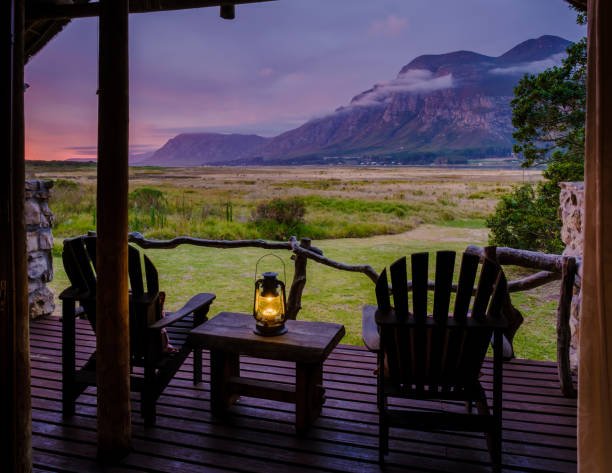
Are African Safari Prices Per Person Or Vehicle? Understanding Tanzania Costs
African safari costs can be confusing. This guide clarifies whether prices are quoted per person or per vehicle, detailing factors that influence your 2026-2027 safari budget in Tanzania.
View package details
Is Tanzania Or Kenya Better For Safari? A Detailed Comparison 2026-2027
Comparing Tanzania and Kenya for your next safari? This in-depth guide breaks down wildlife viewing, landscapes, costs, and optimal travel times to help you choose the perfect East African...
View package details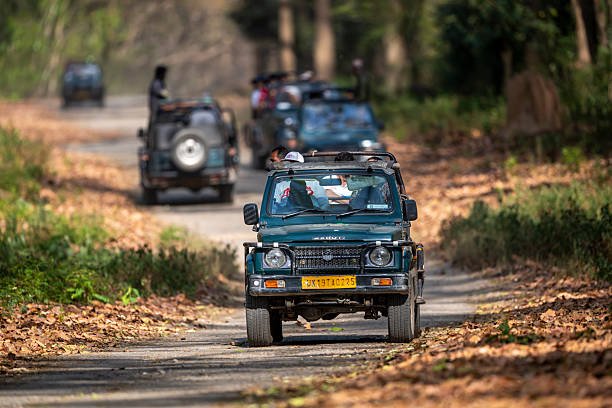
Luxury African Safari Packages: The Ultimate Tanzania Experience In 2026-2027
Explore the pinnacle of African adventure with luxury safari packages in Tanzania. This guide details exclusive lodges, tailor-made itineraries, and the best wildlife experiences for your...
View package detailsNo related package matches those filters. Clear one or more filters to see the other topic-matched options.



