
Yes, absolutely, you can follow the Great Migration through more than one Serengeti region, and for many travelers, this is the most rewarding way to experience this natural phenomenon. By strategically planning your safari across different zones of the Serengeti and even adjacent protected areas, you can witness the vast herds at various stages of their annual journey, increasing your chances of seeing dramatic events like river crossings or calving. Successfully tracking the migration across multiple regions in 2026 or 2027 requires understanding the general timing and predictable movements of the wildebeest and zebra herds, which are influenced by rainfall patterns and the availability of fresh grazing. This approach allows for a more comprehensive and dynamic safari, showcasing the full spectacle of the migration’s circular path through Tanzania.
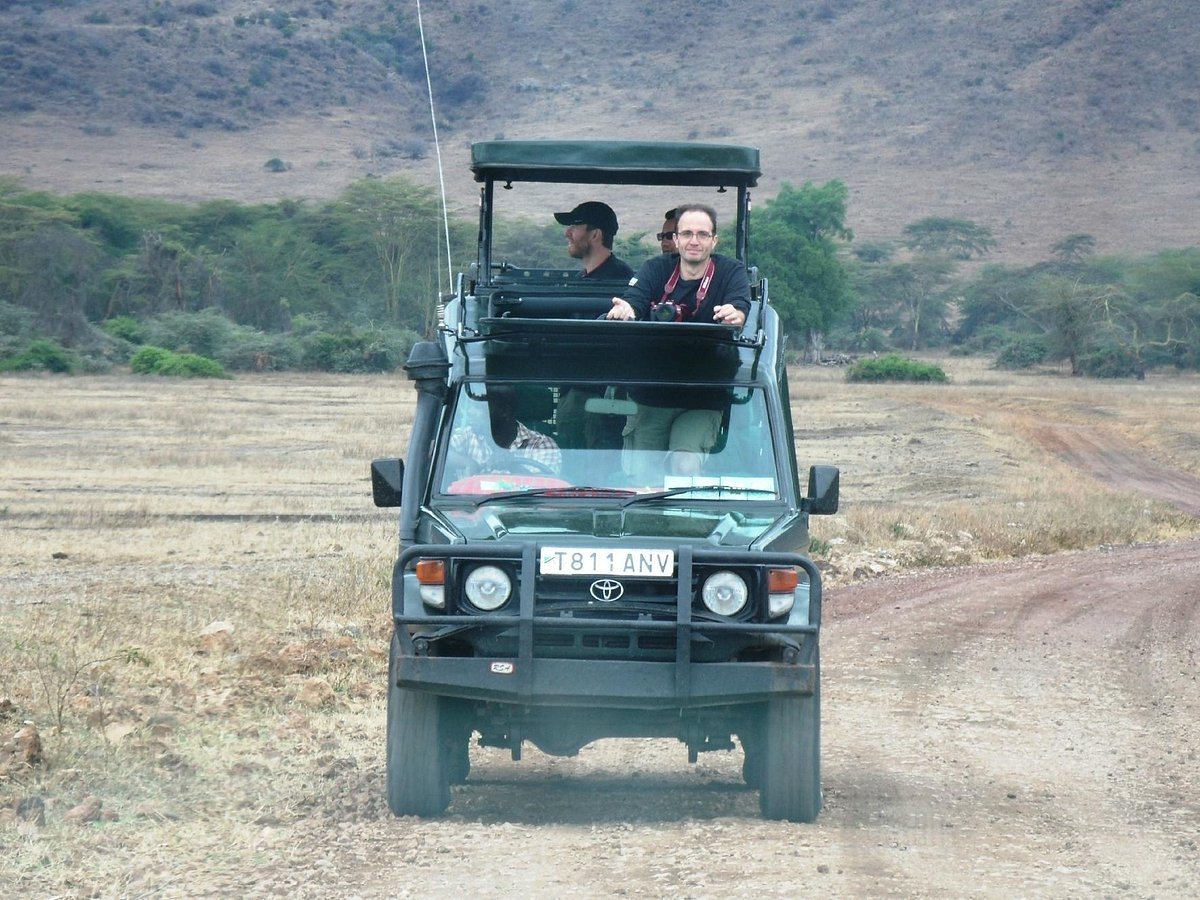

Understanding the Serengeti Migration’s Annual Cycle
The Great Migration is not a single event but a continuous, year-round movement of over 1.5 million wildebeest, zebras, and antelopes, alongside their predators, across the Serengeti ecosystem. This epic journey is primarily driven by the search for fresh grass and water, dictated by the seasonal rains. While the exact timing can vary slightly each year due to rainfall variations, the general pattern is remarkably consistent, allowing for strategic planning to intercept the herds. Understanding this cycle is the fundamental step to answering whether you can follow the migration through more than one Serengeti region.
The Core Drivers: Rainfall and Grazing
Wildebeest and zebra are constantly seeking out the most succulent grasses. The dry season forces them to move from the parched plains towards areas where rain has fallen, creating new growth. Conversely, as the wet season progresses, they will move back towards the more permanent water sources and drier grasslands. This perpetual search dictates their path, creating a natural circuit that encompasses different parts of the Serengeti and, for some segments, the Masai Mara in Kenya. For a traveler aiming to follow the migration through more than one Serengeti region, knowing these drivers helps anticipate where the herds are likely to be at any given time.
Predictable, Yet Dynamic: Planning Your 2026-2027 Safari
While the migration is often described as predictable, it’s crucial to remember it’s a natural phenomenon. Animal movements are influenced by factors like predator presence, disease, and unexpected weather patterns. However, for safari planning in 2026 and 2027, experienced guides and tour operators leverage decades of observation to make highly informed predictions. The key is to combine this knowledge with flexibility. Following the migration through more than one Serengeti region is not just possible; it’s often the most effective way to maximize sightings and witness different facets of the migration.
Key Serengeti Regions and Their Migration Significance
The Serengeti is a vast park, and different regions offer distinct landscapes and host the migration at different times of the year. To effectively follow the migration through more than one Serengeti region, you need to understand what each area offers and when the herds are typically present.
1. The Southern Plains (Ndutu Area) – Calving Season
From roughly December to March, the migration congregates in the southern Serengeti, particularly around the Ndutu Plains and the Ngorongoro Conservation Area. This is the calving season, a period of intense activity and vulnerability. Millions of wildebeest give birth to their calves, and the plains teem with young life. It’s also a prime time for predator sightings, as lions, cheetahs, and hyenas take advantage of the easy prey.
Why visit the South?
- Witness the drama of the calving season.
- Exceptional predator action.
- Vast, open plains offering unobstructed views.
Considerations: This period falls within the green season, meaning there can be rain, though typically in short, heavy bursts. The landscape is lush and beautiful.
2. The Central Serengeti (Seronera Valley) – Year-Round Resident Herds & Transition
The Seronera Valley in the central Serengeti is renowned for its resident wildlife populations and often holds a portion of the migrating herds throughout the year, especially during the drier months. As the southern plains begin to dry up around March and April, the herds start their northward movement, often passing through or lingering in the central areas. This region is characterized by its granite kopjes, acacia woodlands, and permanent rivers, providing diverse habitats that attract a wide array of wildlife.
Why visit Central Serengeti?
- Reliable sightings of resident big cats (lions, leopards).
- A good chance to see migrating herds during their transit.
- Beautiful, varied scenery.
Considerations: Seronera can be busier due to its accessibility and year-round appeal. However, its vastness means you can still find solitude.
3. The Western Corridor (Grumeti River) – River Crossings (May-July)
As the migration moves north and west, typically from May through July, the herds converge on the western corridor of the Serengeti, particularly around the Grumeti River. This is a critical point in their journey, as they must cross this crocodile-infested river. These river crossings are some of the most dramatic and sought-after spectacles of the Great Migration. The landscape here is dominated by riverine forests and open plains.
Why visit the Western Corridor?
- High probability of witnessing dramatic Grumeti River crossings.
- Excellent lion and crocodile sightings.
- Less crowded than other migration hotspots during peak seasons.
Considerations: Access to the western corridor can be more challenging and is often best reached by light aircraft. The weather can be wetter during May and June.
4. The Northern Serengeti (Mara River) – The Ultimate Crossing (July-October)
From July to October, the migration reaches its northernmost point, concentrating along the banks of the Mara River in the far north of the Serengeti. This is arguably the most famous phase of the migration, as hundreds of thousands of wildebeest and zebras attempt the perilous crossing of the Mara River, a much larger and more formidable obstacle than the Grumeti. This spectacle draws significant numbers of predators, including lions, hyenas, and crocodiles, making for intense viewing opportunities. The landscape is a mix of kopjes, woodlands, and riverine areas.
Why visit the Northern Serengeti?
- The chance to see iconic Mara River crossings.
- Exceptional predator-prey interactions.
- Abundant resident wildlife in addition to the migrating herds.
Considerations: This is a peak season, so expect higher lodge rates and more vehicles. The weather is generally dry and pleasant. The Mara River crossings are not guaranteed daily and depend on rainfall upstream.
5. The Eastern Serengeti & Lobo Area – Transition and Refuge
The eastern and northern fringes, including the Lobo area, serve as transitional zones and sometimes as a refuge for segments of the migration. As the herds move back south after the northern dry season, or as parts of the migration disperse, these areas can offer excellent game viewing. Lobo, in particular, is known for its rugged terrain and resident wildlife, and it can be a quieter alternative to the busier northern or central areas.
Why visit the Eastern/Lobo Area?
- Quieter, more exclusive experience.
- Good chance of seeing resident wildlife and potentially migrating herds.
- Unique landscapes.
Considerations: Game density can be more spread out here compared to the main migration corridors. It’s often visited as part of a longer itinerary combining multiple regions.
Designing a Multi-Region Migration Safari in 2026-2027
The ability to follow the migration through more than one Serengeti region hinges on crafting an itinerary that aligns with the herds’ general movements. This requires careful timing and often involves moving between different camps or lodges within the Serengeti. Here’s how to approach it:
Timing is Everything: Aligning Your Safari with the Herd’s Path
A common misconception is that the migration is a single, massive entity moving in lockstep. In reality, the herds split, merge, and move at their own pace. However, the annual cycle provides a framework:
- December – March: Focus on the Southern Plains (Ndutu) for calving.
- April – May: Herds begin moving north, often through the Central Serengeti. This is a period of transition.
- May – July: Target the Western Corridor for potential Grumeti River crossings.
- July – October: The Northern Serengeti is the prime location for Mara River crossings.
- October – November: Herds begin their southward return, often moving through the eastern and central areas.
For instance, a 7-10 day safari in August 2026 might start in the Northern Serengeti to witness Mara River crossings, then move south to the Central Serengeti to catch herds passing through or to enjoy the resident wildlife. Alternatively, a safari in February 2027 would likely focus on the Southern Plains for the calving season, potentially with a short extension into the Central Serengeti.
Logistics: Moving Between Regions
Following the migration through more than one Serengeti region necessitates strategic logistical planning. The Serengeti is enormous, and driving between key areas can consume significant time. This is where light aircraft transfers become invaluable.
- Light Aircraft Transfers: These are the most efficient way to cover large distances within the Serengeti. They connect various airstrips across the park, drastically reducing travel time and allowing you to maximize your time on game drives. Many camps have their own airstrips or are a short drive from one. This is particularly recommended for safaris covering the north, west, and central regions within a single trip.
- Road Transfers: While possible, driving between distant regions like the north and south can take a full day or more of travel, eating into valuable safari time. This might be feasible for shorter distances, such as moving between the Central and Western Corridors.
- Choosing Camps/Lodges: To follow the migration through more than one Serengeti region, you’ll typically stay in different camps or lodges located in each area of interest. This might involve packing up and moving, or arranging for a vehicle transfer between accommodations.
Itinerary Examples for Following the Migration
Here are a couple of sample itineraries that illustrate how to follow the migration through more than one Serengeti region:
Sample Itinerary 1: Northern Migration Focus (August 2026)
- Days 1-4: Northern Serengeti (Mara River Area)
- Focus on witnessing Mara River crossings. Stay in a mobile camp or lodge near the river.
- Day 5: Transfer to Central Serengeti
- Light aircraft transfer to Seronera airstrip, then game drive to your lodge.
- Days 5-7: Central Serengeti
- Explore the Seronera Valley, known for its resident big cats and migrating herds in transit.
- Day 8: Departure
- Transfer to Seronera airstrip for your onward flight.
Sample Itinerary 2: Calving Season & Transition (February 2027)
- Days 1-4: Southern Plains (Ndutu Area)
- Experience the calving season and predator action. Stay in a lodge or tented camp in Ndutu.
- Day 5: Transfer to Central Serengeti
- Game drive transfer through the central plains, with stops for game viewing.
- Days 5-7: Central Serengeti
- Focus on big cats and general game viewing in the diverse Seronera Valley.
- Day 8: Departure
- Transfer to Seronera airstrip for your onward flight.
The Role of Mobile Camps
For the most dedicated migration followers, mobile tented camps offer unparalleled proximity. These camps are strategically set up in areas that the migration is expected to pass through, often in more remote locations. They move with the seasons, allowing you to follow the migration through more than one Serengeti region with minimal travel time between prime viewing spots. This is an excellent option for those seeking an authentic, close-to-nature experience.
Beyond the Serengeti: Incorporating Neighboring Areas
While the question specifically asks about following the migration through more than one Serengeti region, it’s worth noting that the migration’s influence extends beyond the park’s boundaries. For an even more comprehensive chase, consider combining Serengeti with adjacent areas.
Masai Mara National Reserve (Kenya)
From roughly July to October, large numbers of the migration cross the border from the northern Serengeti into the Masai Mara. If your safari spans this period and you have ample time, combining a Northern Serengeti safari with a Masai Mara safari offers the ultimate migration experience, covering the iconic Mara River crossings in both countries. This requires a border crossing and adherence to Kenyan park regulations.
Ngorongoro Conservation Area
The southern Serengeti and the Ndutu area are technically part of the Ngorongoro Conservation Area (NCA). When visiting the southern plains for calving, you are already experiencing a part of the wider migration ecosystem that includes the NCA. Some itineraries might also include a visit to the Ngorongoro Crater itself, which, while not directly part of the migration’s path, offers incredible resident wildlife viewing that complements a migration-focused safari.
When to Travel for the Best Migration Experience in 2026-2027
Choosing the right time of year is paramount to successfully following the migration through more than one Serengeti region. Your travel dates will dictate which regions are most promising.
- For River Crossings (July-October): Aim for the Northern Serengeti. August and September are often considered peak months for Mara River crossings.
- For Calving Season (December-March): Focus on the Southern Plains (Ndutu). February is typically the height of calving.
- For General Herd Movement & Less Crowds (April-June): The Central and Western Corridors offer opportunities to see herds in transition, with fewer crowds than the peak crossing months.
- For a Comprehensive Chase: Consider longer trips (10-14 days) that span multiple regions, or split your trip across two different seasons. For example, a late June trip might catch the tail end of the western movement and the beginning of the northern concentration.
When planning for 2026 or 2027, remember that booking well in advance is crucial, especially for peak migration seasons. Lodges and camps in prime migration areas, particularly those offering mobile camp experiences, can fill up 9-12 months ahead.
Choosing Your Safari Style to Follow the Migration
The way you choose to travel will significantly impact your ability to follow the migration through more than one Serengeti region and your overall experience.
Luxury Lodges and Tented Camps
These offer comfort, excellent service, and prime locations. Moving between lodges in different regions provides a comfortable way to track the migration. While more expensive, they offer amenities that can enhance your safari, especially after long days of game driving. Expect high-quality dining, en-suite facilities, and often swimming pools.
Mobile Tented Camps
As mentioned, these are ideal for serious migration followers. They offer a more rustic, intimate experience, often set up in temporary locations to be right in the heart of the action. While still comfortable, they provide a closer-to-nature feel. Their ability to relocate makes them perfect for following the migration through more than one Serengeti region without long drives.
Budget and Mid-Range Options
Following the migration through multiple regions on a tighter budget is possible but requires more planning and flexibility. This might involve:
- Shared Safaris: Joining a group safari reduces costs, but may limit flexibility in itinerary changes.
- Public Campsites: Camping in designated public campsites within the Serengeti is the most budget-friendly option, but requires self-sufficiency or a dedicated camping safari operator.
- Strategic Road Travel: Minimizing light aircraft transfers and opting for longer road journeys between regions can save money, but sacrifices time.
For those aiming to follow the migration through more than one Serengeti region on a budget, a well-planned group safari in 2026 that strategically covers two key areas (e.g., Central and North) might be the most feasible approach.
Expert Tips for Maximizing Your Migration Safari
To make the most of your quest to follow the migration through more than one Serengeti region, consider these expert tips:
- Book with Experienced Operators: Companies like Climb 4 Africa have in-depth knowledge of the Serengeti and the migration’s patterns. They can advise on the best timing and regions for your specific travel dates and help design an itinerary that maximizes your chances of seeing the herds.
- Be Flexible: While planning is essential, be prepared for nature’s unpredictability. Your guide will be your best resource for adapting plans based on real-time sightings and herd movements.
- Consider a Longer Safari: A 7-day safari might allow you to focus on one or two regions. To truly follow the migration through more than one Serengeti region effectively, aim for at least 10-14 days. This allows for travel time between areas and more in-depth exploration of each zone.
- Pack Appropriately: The Serengeti experiences varied weather. Pack layers, including warm clothing for cool mornings and evenings, and lighter clothing for warm days. Good binoculars are essential for wildlife viewing.
- Manage Expectations: While river crossings are iconic, they are not guaranteed daily events. Focus on the overall spectacle of the migration – the sheer numbers, the predator interactions, and the diverse landscapes.
- Understand the ‘Dry’ vs. ‘Wet’ Season: While often referred to as dry or wet, even the dry season can have occasional showers, and the wet season typically brings short, intense downpours rather than all-day rain. The green season (wet) offers beautiful scenery and fewer crowds.
Common Misconceptions About Following the Migration
Several myths surround the Great Migration that can lead to unrealistic expectations:
- Myth: The migration is a single, unstoppable river of animals. Reality: The migration is a complex, dynamic system with herds splitting, merging, and moving at different paces.
- Myth: River crossings happen every day. Reality: Crossings are dependent on rainfall, pasture availability, and predator presence. They are concentrated events, not continuous.
- Myth: You can see the entire migration in one location. Reality: The migration spans thousands of square kilometers. To follow it through more than one Serengeti region, you must move.
- Myth: The migration is only about wildebeest. Reality: Zebras, gazelles, and elands are integral parts of the migration, following the same patterns.
Planning Your 2026-2027 Serengeti Migration Safari with Climb 4 Africa
Deciding to follow the migration through more than one Serengeti region is the first step toward an unforgettable safari. The next is partnering with a team that understands the intricacies of these movements and can craft a smooth experience for you.
At Climb 4 Africa, we specialize in creating tailor-made Tanzanian adventures. Our local expertise allows us to:
- Advise on the best timing for your desired migration experience in 2026 or 2027.
- Design itineraries that strategically cover multiple Serengeti regions, maximizing your chances of witnessing key migration events.
- Arrange efficient logistics, including light aircraft transfers and carefully selected accommodations in prime locations.
- Provide experienced guides who are adept at tracking the herds and understanding their behavior.
- Offer a range of safari styles, from comfortable lodge-based tours to more adventurous mobile camping, all designed to help you follow the migration through more than one Serengeti region.
Ready to Plan Your Great Migration Chase?
Following the Great Migration through more than one Serengeti region offers an unparalleled wildlife spectacle. To ensure your safari in 2026 or 2027 is perfectly timed and executed, let our local experts guide you. We handle the complex logistics so you can focus on the incredible wildlife encounters. Contact us today to start planning your custom migration safari. Reach out via WhatsApp at +255 747 477 898 or send an Email to climb4africa@gmail.com. Let’s make your dream of witnessing the Great Migration a reality.
Frequently Asked Questions about Following the Migration
Here are answers to some common questions about tracking the migration across different Serengeti areas:
Q1: How many days do I need to follow the migration through more than one Serengeti region?
To effectively follow the migration through more than one Serengeti region, a minimum of 10-14 days is highly recommended. This duration allows for travel time between different areas and sufficient time to explore each region’s unique offerings and witness potential migration events. A shorter trip might necessitate focusing on just one or two key locations.
Q2: Can I see river crossings at any time of year?
No, river crossings are seasonal. The most dramatic crossings of the Mara River typically occur between July and October in the Northern Serengeti, and the Grumeti River crossings are usually seen between May and July in the Western Corridor. Outside these periods, you might see herds on the move, but not necessarily attempting river crossings.
Q3: Is it possible to follow the migration through more than one Serengeti region on a budget?
Yes, it is possible, but it requires careful planning. Opting for group safaris, utilizing road transfers instead of flights where feasible, and choosing camping accommodations are ways to reduce costs. However, trying to cover too many regions on a tight budget might compromise the quality of experience or the time spent in each area.
Q4: What’s the difference between visiting the Serengeti and the Masai Mara for the migration?
The Serengeti and Masai Mara are part of the same ecosystem. The migration herds spend different parts of the year in each. Visiting the Serengeti is ideal from roughly December to June (southern and western parts), and July to October (northern part). The Masai Mara is best for migration viewing from July to October when the herds have crossed north. Combining both offers a more complete migration experience if your timing allows.
Q5: How do I know which region the migration will be in for my 2026-2027 safari?
The exact location can vary year to year based on rainfall. However, tour operators like Climb 4 Africa monitor these patterns closely and have access to up-to-date information. When you book, we will provide the most informed advice based on the latest predictions for 2026 and 2027 to ensure your chosen region aligns with the migration’s likely path.
Q6: Are mobile camps always the best option for following the migration?
Mobile camps offer proximity and are excellent for chasing the migration, especially if you want to be in remote areas. However, they might lack some of the amenities of permanent lodges. For travelers prioritizing comfort and consistent service while still following the migration through multiple regions, a mix of well-located lodges and mobile camps, or exclusively lodges, can also be very effective.
Final Thoughts on Planning Your Multi-Region Migration Safari
The decision to follow the Great Migration through more than one Serengeti region is a strategic one, promising a richer, more dynamic safari experience. It requires understanding the annual cycle, selecting the right regions for your travel dates, and planning logistics carefully. Whether you are aiming for the dramatic river crossings in the north, the calving spectacle in the south, or the transitional movements in between, a multi-region safari in 2026 or 2027 will undoubtedly be the highlight of your Tanzanian adventure. Let Climb 4 Africa leverage our expertise to craft your perfect migration chase, ensuring you witness this natural wonder in all its glory. Contact us today to discuss your personalized itinerary.
Check Availability for Can I Follow The Great Migration Through More Than One Serengeti Region?
Ready to compare dates, prices, and the best option for your group? Send the package name and travel month so the team can reply with a clear quote, availability, and what is included.

Serengeti Great Migration Safari Packages: Your Guide To Witnessing The Wonder
start an unforgettable journey with our comprehensive guide to Serengeti Great Migration safari packages for 2026-2027. Understand the best times to go, optimal viewing locations, and how...
View package details
When Is The Great Migration In Tanzania And Kenya? Your Guide 2026-2027
The Great Migration's timing is dynamic, following the rains. Generally, it's in Kenya's Masai Mara from July to October, and in Tanzania's Serengeti from December to March. Planning around...
View package details
Serengeti Safari Tours: Prices, Packages & Best Time To Visit In 2026-2027
Discover everything you need to know for planning your Serengeti safari tour, from understanding pricing and package variations to identifying the ideal travel times in 2026-2027. This...
View package details
3-Day Serengeti And Ngorongoro Safari: Your Ultimate Tanzania Wildlife
start a concise yet unforgettable 3-day Serengeti and Ngorongoro safari, designed to maximize wildlife encounters in Tanzania's most celebrated parks. This compact adventure offers a taste...
View package details
Serengeti Safari And Zanzibar Beach Holiday: The Ultimate Tanzania
Combine the thrill of a Serengeti safari with the relaxation of a Zanzibar beach holiday. This guide covers everything you need to know for an unforgettable Tanzania adventure in 2026-2027...
View package details
Zanzibar To Serengeti Safari Packages 2026-2027
Zanzibar to Serengeti Safari Packages is explained with current 2026-2027 planning, price, itinerary and booking information.
View package details
What Is The Best Month To Visit Serengeti? 2026-2027
What Is the Best Month to Visit Serengeti? is explained with current 2026-2027 planning, price, itinerary and booking information.
View package details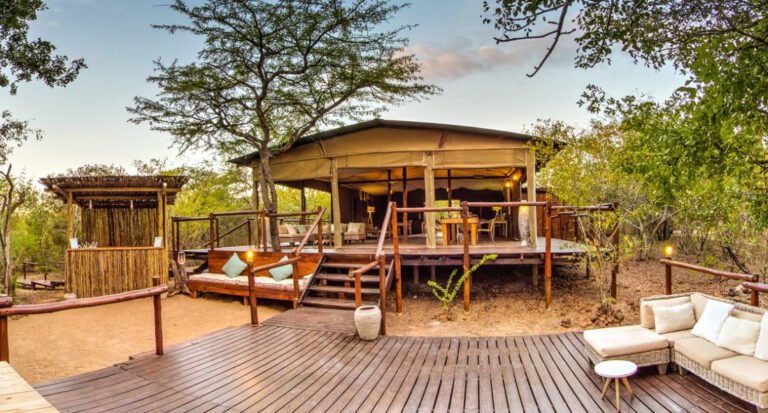
7-Day Tanzania Safari: Serengeti, Ngorongoro, And Tarangire In 2026-2027
A comprehensive guide to a 7-day Tanzania safari adventure, focusing on the iconic Serengeti National Park, the Ngorongoro Crater, and Tarangire National Park. Learn about optimal...
View package details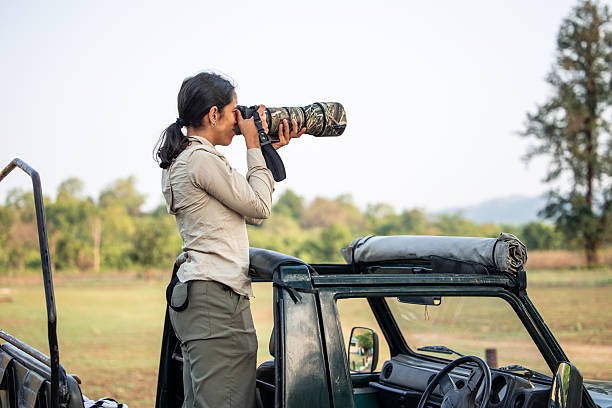
All-Inclusive African Safari Vacations Guide
start an all-inclusive African safari vacation in Tanzania, a premier destination for wildlife viewing in 2026-2027. This comprehensive guide covers everything from iconic parks like the...
View package details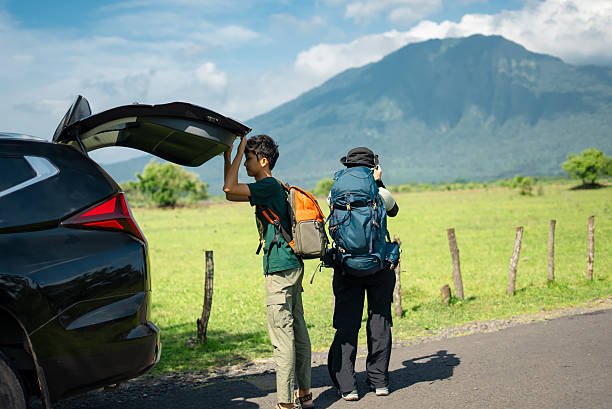
Tanzania Safari Tours & Packages /: Your Ultimate Wildlife Adventure 2026-2027
Discover the magic of Tanzania with expertly crafted safari tours and packages for 2026 and 2027. From the vast plains of the Serengeti to the depths of the Ngorongoro Crater, find your...
View package detailsBest African Safari Tours & Vacation Packages /: Your Ultimate Tanzania
start an unforgettable African safari adventure in 2026/2027 with expertly curated tours and vacation packages in Tanzania's most iconic wildlife destinations. From the Serengeti to the...
View package detailsPrivate Tanzania Safari Packages: Your Ultimate Guide For 2026-2027
Discover the unparalleled freedom and personalized experience of a private Tanzania safari package. This comprehensive guide for 2026-2027 explores custom itineraries, key destinations like...
View package detailsNo related package matches those filters. Clear one or more filters to see the other topic-matched options.



