To effectively plan a safari that covers both the Central and Northern Serengeti during the Great Migration season in 2026-2027, you need to understand the migration’s predictable patterns and select a timeframe that allows you to witness it in both regions. Typically, the migration moves north from the Central Serengeti towards the Mara River crossings in the far north from late June through October, and then may start moving south again through Central Serengeti from December to March. A well-planned itinerary will involve spending time in Central Serengeti when the herds are present there, and then strategically moving north to catch the river crossings, or vice versa, depending on the specific months of your safari. This requires careful consideration of your travel dates, the duration of your stay in each sector, and the logistics of moving between these distinct areas of the park, often involving internal flights or significant driving days.

A safari adventure that aims to capture the essence of the Great Migration across both the Central and Northern Serengeti is a truly ambitious and rewarding undertaking. It requires meticulous planning, especially when targeting specific years like 2026 or 2027, as you’ll want to align your trip with the most dynamic phases of this natural spectacle. The Serengeti ecosystem is vast, and the migration’s movement is dictated by the rains, the availability of fresh grazing, and the relentless pursuit of predators. Understanding these dynamics is key to designing an itinerary that maximizes your chances of witnessing the migration’s most dramatic events.
Understanding the Serengeti Migration Cycle
The Great Migration is not a single event but a continuous, year-round cycle of movement involving millions of wildebeest, zebras, and gazelles. Their journey is a delicate dance dictated by the availability of grass and water, and it forms a predictable, albeit flexible, pattern throughout the year. For travelers aiming to experience both Central and Northern Serengeti during this migration, understanding this cycle is paramount. The Serengeti’s vast plains are divided into different ecological zones, each playing a role in the migration’s progression.
The Central Serengeti: Year-Round Presence and Early Migration Phases
The Central Serengeti, often referred to as the Seronera Valley, is renowned for its resident wildlife populations and is a fantastic safari destination throughout the year. However, it plays a crucial role in the migration’s cycle, particularly during the earlier months. From roughly December through March, the plains of the southern and central Serengeti are lush with fresh grass after the short rains. This is when large herds congregate here for calving season. Calving typically occurs between late January and March, a period of intense activity as thousands of newborn wildebeest and zebras take their first steps. This phase is characterized by vast, open plains dotted with enormous herds, offering incredible opportunities to witness predator-prey interactions. If your trip in 2026 or 2027 falls within these months, Central Serengeti is an absolute must-visit. You’ll find resident predators like lions, leopards, and cheetahs are very active, often capitalizing on the abundance of young, vulnerable prey. The scenery here is classic Serengeti: endless rolling grasslands stretching to the horizon, dotted with acacia trees.
During this period, the migration is largely concentrated in the south and central areas. While the massive river crossings are not happening, the sheer density of animals, the dramatic calving events, and the abundant predator sightings make Central Serengeti an unmissable part of any migration-focused safari. Lodging options in Central Serengeti range from luxurious tented camps and lodges offering an intimate connection with nature to more comfortable, mid-range accommodations. Access is usually via a short internal flight from Arusha to Seronera Airstrip, or a longer but scenic drive.
The Northern Serengeti: The Mara River and Dramatic Crossings
The Northern Serengeti, particularly the area around the Mara River, is where the migration earns its most dramatic reputation. This region is characterized by more rugged terrain, acacia woodlands, and the presence of the Mara River, a formidable natural barrier. The migration herds typically arrive in the Northern Serengeti from the west and central plains from around June onwards. The main draw here, from late June through October, is the opportunity to witness the wildebeest and zebras attempting to cross the Mara River. These crossings are perilous, with crocodiles lurking in the depths and steep, muddy banks posing a significant challenge. The sheer spectacle of thousands of animals plunging into the river, navigating the currents, and fending off predators is an unparalleled wildlife experience.
For travelers planning a 2026 or 2027 safari specifically to see the river crossings, the months of July, August, and September are generally considered prime time for the Northern Serengeti. However, the exact timing can vary year to year based on rainfall patterns. Some crossings might occur earlier or later, and not every day will feature a dramatic event. Patience and strategic positioning by your guide are key. The Northern Serengeti offers a different feel to the central plains, with more varied landscapes and a sense of wildness. Accommodation here often consists of luxury tented camps strategically placed to offer excellent views and proximity to migration hotspots.
Timing Your Safari for Both Regions in 2026-2027
The core challenge of combining Central and Northern Serengeti during the migration season lies in aligning the herd’s movement with your travel dates. The ideal strategy is to visit during the transition periods or when the herds are known to be in both areas sequentially.
The Shoulder Seasons: June and October/November
The months of June and October/November can offer excellent opportunities to experience both Central and Northern Serengeti within a single trip.
- June: As the migration moves from the Western Corridor (which is more central-west) northwards towards the Mara River, you might find large herds in the western and central parts of the Serengeti in early June, and then start seeing them move into the northern sector as the month progresses. This allows for a logical progression from Central to North.
- October/November: As the herds begin to descend from the Northern Serengeti after the dry season, they often pass back through Central Serengeti. October can be a great month to catch the tail end of the migration in the north and then see them moving south through the central plains. November can be variable, sometimes offering good sightings in Central as they disperse or begin their southern journey.
Peak Migration (July-September): A Strategic Split
If your primary goal is to witness the Mara River crossings, then July, August, and September are your target months. During this period, the bulk of the migration is in the Northern Serengeti. However, Central Serengeti still holds significant resident wildlife and offers excellent game viewing, even if the massive herds have moved on. You could structure a trip by starting in Central Serengeti for a few days to enjoy its resident wildlife and any lingering migration herds, then fly or drive north to the Northern Serengeti to focus on the river crossings. This approach prioritizes the iconic river crossings while still ensuring a rich safari experience.
Calving Season (February-March): A Reverse Journey
If you are interested in the calving season, then February and March are ideal. During these months, the herds are concentrated in the southern and central plains. You could plan a safari that starts in Central Serengeti and then potentially moves east or south within the Serengeti ecosystem, or even into the adjacent Ngorongoro Conservation Area (which also hosts migrating herds during this time). Visiting the Northern Serengeti during these months would likely mean seeing very few wildebeest, as they are far south.
Crafting Your Itinerary: Duration and Logistics
Combining two distinct sectors of the Serengeti requires sufficient time. A common mistake is to rush through too quickly, missing out on the depth of experience each area offers. For a meaningful safari covering both Central and Northern Serengeti during the migration, a minimum of 7-10 days is highly recommended. This allows for at least 3-4 days in each region, plus travel time between them.
Sample Itinerary Structure (July-September Focus)
For a 2026 or 2027 safari targeting the river crossings:
- Day 1-4: Central Serengeti. Arrive at Seronera Airstrip (SEU), transfer to your lodge/camp. Spend these days exploring the Seronera Valley and surrounding areas. While the main herds might be north, Central Serengeti offers exceptional game viewing with resident predators, elephants, giraffes, and often large numbers of wildebeest and zebras that don’t make the full northern trek.
- Day 5: Transfer to Northern Serengeti. This can be done via a scenic game drive across the park (a full day’s activity) or, more efficiently, by a short internal flight from Seronera Airstrip to Kogatende Airstrip (KOG) or Lamai Airstrip (LMA) in the far north.
- Day 6-9: Northern Serengeti. Focus on the Mara River area. Your guide will track the herds and look for crossing opportunities. Game drives will concentrate on the riverbanks and the plains where the herds graze. The landscape is different, more hilly and wooded, offering opportunities to see leopards and other predators that prefer this habitat.
- Day 10: Departure. Fly out from Kogatende or Lamai Airstrip back to Arusha, or connect to another destination.
Logistical Considerations: Internal Flights vs. Driving
Moving between Central and Northern Serengeti presents a key decision point: internal flights or driving.
- Internal Flights: These are the most efficient way to cover the distance, saving valuable safari time. Flights operate between Seronera Airstrip and the airstrips in the north (Kogatende or Lamai). This is ideal if your time is limited or if you want to maximize your game viewing hours. The cost of internal flights needs to be factored into your budget, typically ranging from $350-$500 per person per leg, though prices can fluctuate by 2026-2027.
- Driving: Driving across the Serengeti is a full-day adventure, offering a different perspective of the park. You’ll traverse vast distances, see changing landscapes, and potentially encounter wildlife along the way. However, it consumes an entire day of potential game viewing and can be rough on certain tracks, especially during the rainy season. The roads in the Northern Serengeti can be particularly challenging. This option is more budget-friendly than flying but requires more time.
The choice often depends on your budget, time constraints, and preference for travel style. For a migration-focused safari aiming to cover both areas efficiently, internal flights are generally recommended for the transfer between Central and North.
Accommodation Choices: Balancing Location and Experience
Your choice of accommodation will significantly influence your safari experience, especially when trying to cover diverse regions like Central and Northern Serengeti. Lodges and tented camps are generally categorized by their comfort level and luxury amenities.
Central Serengeti Accommodation
In Central Serengeti, you’ll find a range of options:
- Luxury Lodges/Camps: Offering fine dining, swimming pools, spacious suites, and impeccable service. These are ideal for those seeking comfort and a high-end experience. Many are situated with excellent views or prime wildlife locations.
- Mid-Range Tented Camps: Providing comfortable canvas tents with en-suite bathrooms and good amenities. These offer a more intimate safari feel without sacrificing comfort.
- Budget Camps: More basic facilities, but still offering a safe and comfortable base. These are less common in prime migration viewing areas.
When booking for 2026-2027, consider camps that are strategically located for easy access to Seronera Valley for resident game viewing, and also relatively accessible for potential onward travel.
Northern Serengeti Accommodation
The Northern Serengeti is more remote, and accommodation options are typically more exclusive and focused on proximity to migration hotspots and river crossing points.
- Luxury Tented Camps: Many camps here are semi-permanent or mobile, strategically placed to be closest to the Mara River and areas where herds congregate. They offer an authentic bush experience with high levels of service and comfort. Locations are key for maximizing chances of witnessing river crossings.
- Exclusive Lodges: Fewer permanent lodges, but those that exist offer stunning views and exceptional access.
Booking accommodation in the Northern Serengeti, especially for peak migration months in 2026 or 2027, needs to be done well in advance, as availability is often limited.
Choosing the Right Safari Vehicle and Guide
Your safari vehicle and, crucially, your guide are the keys to a successful and enjoyable expedition. For a comprehensive Central and Northern Serengeti migration safari, these elements are even more critical.
Safari Vehicles
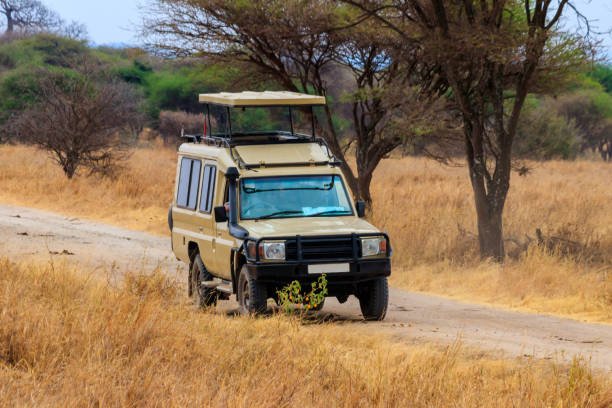
The standard safari vehicle in Tanzania is a 4×4 Land Cruiser or Land Rover. These are equipped with pop-up roofs for optimal game viewing and photography. For a Central and Northern Serengeti trip, ensure your vehicle is well-maintained, especially if you plan to drive between regions. Private vehicles offer more flexibility and a personalized experience. Shared vehicles are more budget-friendly but offer less control over your schedule and pace.
The Role of Your Guide
A knowledgeable and experienced guide is indispensable. For migration safaris, a guide who understands the nuances of the herds’ movements, predator behavior, and the geography of both Central and Northern Serengeti is invaluable. They will know the best spots for sightings, understand the subtle signs of an impending river crossing, and can interpret the ecosystem.
When planning for 2026-2027, inquire about the experience of the guides provided by your tour operator. Do they specialize in migration tracking? Are they familiar with the specific challenges and opportunities in both Central and Northern sectors? A good guide can transform a good safari into an unforgettable one.
Practical Planning for 2026-2027 Safaris
Beyond the core itinerary, several practical aspects need attention when planning a complex safari like this.
Visa and Health Requirements
Ensure you have the necessary visa for Tanzania. Many nationalities can obtain a visa on arrival, but it’s advisable to check the latest requirements and consider applying online in advance. Regarding health, consult your doctor or a travel clinic about recommended vaccinations (e.g., Yellow Fever) and malaria prophylaxis. Carrying insect repellent is essential.
Packing Essentials
Pack light, neutral-colored clothing. Layers are key, as temperatures can vary from cool mornings and evenings to hot afternoons. Essential items include:
- Lightweight long-sleeved shirts and trousers
- T-shirts and shorts
- A warm fleece or jacket for early mornings and evenings
- Comfortable walking shoes
- A wide-brimmed hat and sunglasses
- Binoculars (essential for wildlife viewing)
- Camera with extra batteries and memory cards
- Sunscreen and lip balm with SPF
- Personal toiletries and any necessary medications
Avoid bright colors, as they can startle wildlife. Also, pack any specific medication you might need, as it can be difficult to source in remote areas.
Photography Considerations
The Serengeti offers unparalleled photographic opportunities. If photography is a priority, consider bringing a camera with a good zoom lens (e.g., 300mm or more). A beanbag for stabilizing your camera on the vehicle, extra batteries, and plenty of memory cards are crucial. Consider the lighting conditions; early mornings and late afternoons offer the best light.
Budgeting for Your Serengeti Migration Safari
A safari combining Central and Northern Serengeti during the migration season is typically a premium experience and will reflect the costs associated with remote locations, internal flights, and peak season demand. Exact pricing for 2026-2027 will depend on your chosen accommodation level, duration, and specific inclusions.
Generally, expect costs to be in the following ranges:
- Mid-Range: $400 – $600 per person per day. This typically includes accommodation in comfortable tented camps, meals, park fees, a private 4×4 vehicle, and a guide. Internal flights would be extra.
- Luxury: $700 – $1,200+ per person per day. This includes high-end lodges and tented camps, gourmet meals, premium drinks, exclusive use of a 4×4 vehicle, a highly experienced guide, and often internal flights can be included in package quotes.
Key cost factors include:
- Accommodation: Luxury camps are significantly more expensive than mid-range options.
- Park Fees: Serengeti National Park fees are substantial, typically around $70-$80 per person per day (subject to change by 2026-2027).
- Vehicle and Guide: Private vehicles and guides are more expensive than shared options.
- Internal Flights: As mentioned, these add a significant cost but save time.
- Time of Year: Peak migration season (July-September) commands higher prices.
When requesting quotes for 2026 or 2027, be specific about your desire to combine Central and Northern Serengeti, your preferred travel dates, duration, and accommodation style. This will allow operators to provide accurate and tailored proposals.
Booking Your 2026-2027 Serengeti Safari
Securing your safari well in advance is crucial, especially for travel during the peak migration season in 2026 or 2027. The best lodges and camps, particularly in the Northern Serengeti, tend to book up 6-12 months ahead, sometimes even earlier for specific dates.
Steps to Booking:
- Research Operators: Look for reputable tour operators with extensive experience in Tanzania and the Serengeti. A local operator can offer invaluable insights and often better value.
- Request Quotes: Provide detailed information about your desired itinerary (Central and Northern Serengeti), travel dates (e.g., July 2027), number of travelers, and accommodation preferences.
- Review Proposals: Compare quotes, paying close attention to what is included (park fees, meals, activities, vehicle type, guide) and excluded.
- Confirm Details: Discuss flexibility in your itinerary. For example, if you are traveling in June or October, discuss how the itinerary will flow with the migration’s movement.
- Secure Your Booking: Once you have chosen an operator and itinerary, a deposit will typically be required to confirm your booking. Ensure you understand the payment schedule and cancellation policy.
Working with an experienced operator like Climb 4 Africa can simplify this complex planning process. They can help tailor an itinerary to your specific interests and budget for your 2026-2027 migration safari, ensuring all logistical details are handled seamlessly. They understand the nuances of the migration and can advise on the best timing and locations to maximize your experience.
To start planning your tailor-made Central and Northern Serengeti migration safari for 2026 or 2027, reach out to Climb 4 Africa. You can connect via WhatsApp at +255 747 477 898 or email them at climb4africa@gmail.com. Providing them with your preferred travel dates, duration, and any specific interests will help them craft the perfect itinerary for you.
Frequently Asked Questions about Central and Northern Serengeti Migration Safaris
Q1: When is the best time to see the Great Migration in both Central and Northern Serengeti?
The best times to potentially see the migration in both regions within a single trip are generally June (as herds move north from Central/West) and October/November (as herds move south from the North). For guaranteed river crossings, focus on July, August, and September in the Northern Serengeti, understanding that Central Serengeti will have resident wildlife and potentially some scattered herds during these months.
Q2: How long should my safari be to cover both Central and Northern Serengeti?
A minimum of 7 to 10 days is recommended to comfortably experience both Central and Northern Serengeti, allowing for travel time and sufficient game viewing in each sector. More time, 12-14 days, would allow for a more relaxed pace and deeper exploration.
Q3: Is it better to fly or drive between Central and Northern Serengeti?
Flying is significantly faster and saves valuable safari time, typically costing $350-$500 per person per leg. Driving is a full-day journey across the park, offering a different experience but consuming a day of game viewing. For most travelers focused on maximizing migration sightings, flying is the preferred option for the transfer between these two distinct areas.
Q4: What are the main differences in wildlife viewing between Central and Northern Serengeti?
Central Serengeti (Seronera Valley) is known for its resident wildlife, abundant predators (lions, leopards, cheetahs), and is the calving ground for the migration herds from December to March. Northern Serengeti (Mara River area) is famous for the dramatic river crossings by wildebeest and zebras during June through October, offering intense predator-prey action and a different, more rugged landscape.
Q5: How far in advance should I book a 2026-2027 migration safari?
For peak migration season (July-September) in 2026 or 2027, it is highly recommended to book at least 9-12 months in advance, especially for popular camps in the Northern Serengeti. For other times, 6 months in advance is usually sufficient.
Final Thoughts on Your Dual-Region Serengeti Adventure
Embarking on a safari that combines the Central and Northern Serengeti during the migration season is a journey that promises incredible wildlife encounters and a deep appreciation for the natural world. It requires careful consideration of timing, logistics, and accommodation to ensure you witness the migration at its most dynamic. By understanding the annual cycle and planning strategically for your chosen year, whether it’s 2026 or 2027, you can craft an itinerary that delivers an unparalleled safari experience. The vastness of the Serengeti, the drama of the migration, and the expertise of local guides all converge to create memories that last a lifetime. With meticulous planning, this dual-region adventure will undoubtedly be the highlight of your Tanzanian travels.
Check Availability for Planning Your Central And Northern Serengeti Migration Safari In 2026-2027
Ready to compare dates, prices, and the best option for your group? Send the package name and travel month so the team can reply with a clear quote, availability, and what is included.
Dec 27, – 4 Day Serengeti Migration Group Safari: Plan Your Trip
A deep look at planning your 4-day Serengeti migration group safari departing December 27, 2026, including itinerary logistics, group benefits, and seasonal expectations.
View package details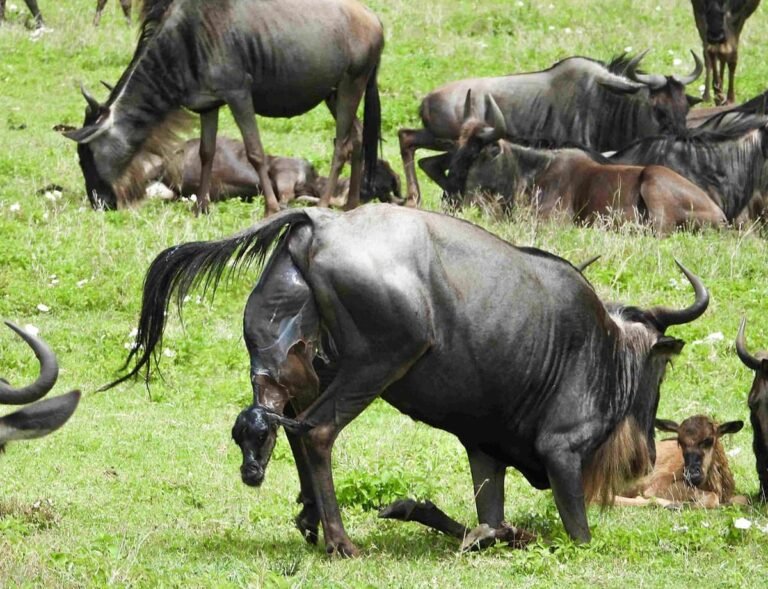
Serengeti Great Migration Safari During AFCON 2027
Mwongozo wa kina kwa safari ya Serengeti Great Migration wakati wa AFCON 2027, ukilenga kuelewa maeneo, kipindi cha mwendo wa mnyama, na mapendekezo ya mipango ya kiutendaji.
View package details3 Day Serengeti And Ngorongoro Group Safari: Planning For December 4,
A detailed guide on planning a 3-day group safari to the Serengeti and Ngorongoro Crater for December 4, 2026, covering route expectations, group logistics, and essential planning steps.
View package detailsWhere Can I Join An Affordable Serengeti Safari In Dec ? A Practical Planning
A practical guide for budget-conscious travelers looking to join a Serengeti safari in December 2026, focusing on group-joining logistics and cost-effective planning.
View package detailsWhich Tanzania Group Safari Includes All Northern Circuit Parks? A Planning
Planning a Northern Circuit safari often leads to the question of 'how many parks can I fit in?' We explore the reality of group joining itineraries that aim to cover Tarangire, Lake...
View package detailsCan A Solo Traveller Join A Serengeti Safari In Dec ?
Planning a solo safari in December 2026? Discover the logistics of joining group departures, why December is a prime time for the migration, and how to manage costs effectively.
View package details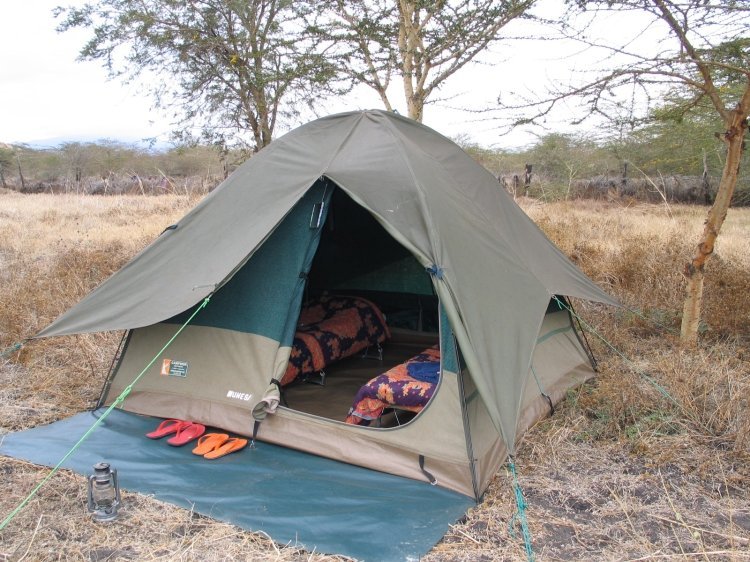
Four Day Serengeti na Ngorongoro Safari During AFCON 2027
Mwongozo wa safari ya siku 4 kwenye Serengeti na Ngorongoro wakati AFCON 2027; jinsi ya kupanga, nini cha kujali, na jinsi ya kuandaa,”
View package detailsThree Day Serengeti Safari During AFCON 2027
Mwongozo wa kiutendaji kwa safari ya siku tatu ya Serengeti wakati AFCON 2027, ukijumuisha mwelekeo wa maeneo, ratiba ya siku, na ushauri wa ubashiri wa kupanga pamoja na jinsi ya...
View package details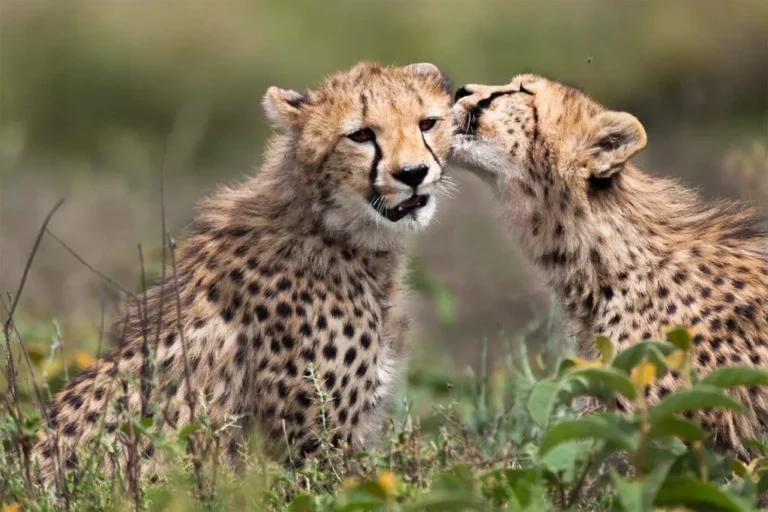
Dec 31, : New Year’s Eve Serengeti Group Safari Planning Guide
This guide provides essential planning details for a group safari trip to the Serengeti for New Year's Eve 2026, covering logistics, seasonal highlights, and what to expect.
View package detailsWe Are Two Travellers—Can We Join A Serengeti Safari In Dec ?
A guide for two travellers looking to join a Serengeti group safari in December 2026, covering logistics, cost-efficiency, and what to expect during the short rains.
View package detailsWhich Tanzania Group Safari Includes Serengeti And Ngorongoro?
Which Tanzania Group Safari Includes Serengeti and Ngorongoro?
View package detailsHow Much Is A 3 Day Serengeti Group Safari In Nov ? Cost Breakdown
Get a clear breakdown of the factors influencing the cost of a 3-day Serengeti group safari in November 2026, including park fees, vehicle logistics, and group dynamics.
View package detailsNo related package matches those filters. Clear one or more filters to see the other topic-matched options.