The best way to combine Namibia and Tanzania safaris for 2026-2027 involves careful planning around flight logistics and aligning ideal safari seasons for each country. Typically, this means flying between Windhoek (Namibia) and Kilimanjaro International Airport (Tanzania), often with a stopover in a hub like Nairobi or Addis Ababa. Consider a 10-14 day duration for each country to truly experience their unique offerings, focusing on Namibia’s desert wildlife and dramatic landscapes (Etosha, Sossusvlei) and Tanzania’s iconic savannahs and Great Migration hotspots (Serengeti, Ngorongoro Crater) for a comprehensive 2026-2027 adventure.
Understanding the Appeal: Why Combine Namibia and Tanzania?
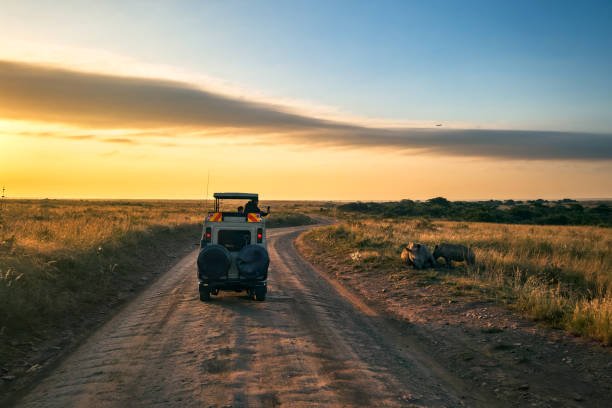
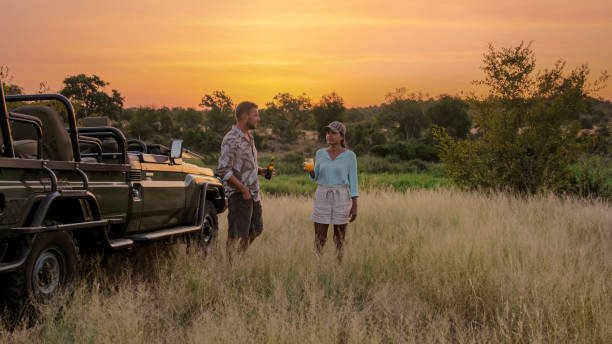
Combining Namibia and Tanzania for a safari is a dream for many seasoned travelers, and for good reason. These two East and Southern African powerhouses offer vastly different, yet equally spectacular, wildlife and landscape experiences. Namibia presents a stark, arid beauty with unique desert-adapted species, dramatic red dunes, and vast, open spaces. Tanzania, on the other hand, is the quintessential African safari destination, famed for its immense herds, the Great Migration, and iconic predators in lush savannahs and volcanic craters. For 2026-2027, planning this dual-country trip requires understanding what each destination brings to the table and how to best link them logistically and seasonally.
The primary draw for combining these two nations is the sheer diversity. You move from the surreal, moon-like landscapes of the Namib Desert and the marine life of the Skeleton Coast to the thundering hooves of the Serengeti or the dense wildlife within the Ngorongoro Crater. This juxtaposition offers a richer, more complete picture of Africa’s incredible natural heritage than visiting just one country alone might provide. It’s about experiencing the continent’s varied ecosystems, from hyper-arid to semi-arid savannahs, and encountering a broader spectrum of wildlife, including those species uniquely adapted to each environment.
For travelers planning their 2026 or 2027 safari, this combination offers a chance to tick off major wildlife highlights from different regions. Imagine tracking desert-adapted elephants in Damaraland, Namibia, and then witnessing a wildebeest river crossing in Tanzania within weeks of each other. It’s an ambitious, yet incredibly rewarding, undertaking.
Key Considerations for a Dual-Country Safari
Before diving into specific itineraries, let’s lay out the critical factors that will shape your combined Namibia and Tanzania safari for 2026-2027. These are the pillars upon which a successful trip is built.
Logistical Challenges and Solutions
The most significant hurdle in combining Namibia and Tanzania is their geographical separation. They are not adjacent countries, and overland travel between them would be prohibitively long and complex for a typical safari trip. Therefore, flying is the only practical method to connect these destinations.
International Flights: You’ll likely fly into either Hosea Kutako International Airport (WDH) near Windhoek, Namibia, or Kilimanjaro International Airport (JRO) in Tanzania, depending on your starting point. Most international carriers fly into these major hubs.
Inter-Country Flights: Connecting Namibia and Tanzania requires flights, usually involving a stopover. Common routes might look like:
- Windhoek (WDH) to Nairobi (NBO) or Addis Ababa (ADD), then onward to Kilimanjaro (JRO).
- Alternatively, you might fly from Windhoek to a South African hub like Johannesburg (JNB) and then connect to East Africa.
These flights can be lengthy and are often the most expensive part of the inter-country travel. Booking these well in advance, especially for peak seasons in 2026 and 2027, is crucial for securing better fares and availability.
Internal Travel: Within each country, travel is typically done via light aircraft for longer distances (e.g., from Windhoek to remote lodges in Namibia, or from Arusha to the Serengeti in Tanzania) or by 4×4 safari vehicles for game drives. This internal travel is usually incorporated into your tour package.
Timing and Seasonal Alignments
Both Namibia and Tanzania have distinct safari seasons, influenced by rainfall, vegetation, and animal movements. Combining them means finding a period that offers good experiences in both, or strategically planning to catch the best of one and a decent experience of the other.
Namibia’s Prime Time: The dry season (roughly May to October) is generally considered the best time for wildlife viewing in Namibia. Animals congregate around waterholes in places like Etosha National Park, making them easier to spot. The cooler temperatures are also more comfortable for exploring. However, the landscape can appear dry and less photogenic than during the green season.
Tanzania’s Prime Time: For Tanzania, the dry season (June to October) is ideal for game viewing, especially for witnessing the Great Migration in the Serengeti. This is when the wildebeest and zebras are often crossing rivers or are concentrated in the northern Serengeti. The short rains (November-December) can offer good birding and fewer crowds, while the long rains (March-May) see the migration move through the southern Serengeti and Ngorongoro areas, with lush landscapes but potentially challenging road conditions.
The Sweet Spot for Combination: The period from June to October is often the most practical for combining both countries. During these months, Namibia is in its prime dry season, and the Serengeti in Tanzania is experiencing its peak migration season in the north. This alignment allows you to maximize your chances of seeing key wildlife events in both locations. For 2026 and 2027, booking for this window is highly recommended due to its popularity.
Duration of Stay
A combined trip demands more time than a single-country safari. To truly appreciate both Namibia and Tanzania without feeling rushed, allow a minimum of 10-14 days for each country. This means a total trip length of 20-28 days is ideal. Shorter trips are possible but will require making tough choices about which areas to focus on and will likely involve more rushed travel days.
Budgetary Implications
Combining two countries inevitably increases the overall cost. Factors contributing to this include:
- Inter-country flights: These can be substantial expenses.
- Longer overall trip duration: More days mean more accommodation, vehicle, guide, and park fees.
- Higher-end lodges/camps: Both countries offer a range of accommodations, but to experience the best of each, you might opt for mid-range to luxury options.
For 2026-2027 travel, it’s wise to budget significantly, as costs for safaris, flights, and accommodation tend to increase annually. Early booking for popular dates can sometimes secure better rates or at least guarantee availability.
Structuring Your Combined Safari: Itinerary Options
The order in which you visit Namibia and Tanzania can influence your experience, though flight availability and seasonal alignment are often the deciding factors. Here are two common approaches, assuming a typical 3-4 week duration.
Option 1: Namibia First, Then Tanzania
This is a popular choice, often starting with the dramatic, unique landscapes of Namibia before moving to the classic savannahs of Tanzania.
Namibia (Days 1-14): Desert Wonders and Wildlife Encounters
Day 1-2: Arrival in Windhoek & Transfer to Sossusvlei Region
Arrive at Hosea Kutako International Airport (WDH). You’ll likely be met by your guide or a representative and transferred to your accommodation, perhaps on the outskirts of Windhoek or directly towards the Namib Desert. Many opt to start their Namibian adventure heading south towards the iconic Sossusvlei dunes.
Day 3-5: Sossusvlei & Deadvlei Exploration
Spend these days exploring the heart of the Namib Desert. Activities typically include:
- Sunrise dune climbing: Experience the magic of dawn over the towering red dunes like Dune 45 or Big Daddy.
- Deadvlei visit: Walk amongst the ancient, skeletal camelthorn trees in this surreal, dry lakebed.
- Sesriem Canyon: Explore the narrow, water-carved canyon.
- Scenic drives: Enjoy the ever-changing desert light and landscapes.
Accommodation here ranges from comfortable lodges to more exclusive desert camps, often situated within private concessions for a more intimate experience.
Day 6-8: Swakopmund & The Skeleton Coast
Travel west to the coastal town of Swakopmund. This unique town offers a blend of German colonial architecture and coastal charm. Activities include:
- Marine cruise from Walvis Bay: Spot seals, dolphins, pelicans, and sometimes whales.
- Kayaking with seals: A more active way to experience the marine life.
- Quad biking or sandboarding: Adventure activities on the coastal dunes.
- Exploring Swakopmund: Visit local craft markets and enjoy fresh seafood.
The transition from the desert to the cool Atlantic coast is a dramatic change.
Day 9-12: Damaraland’s Ancient Landscapes and Desert Elephants
Head north into the rugged, arid region of Damaraland. This area is known for its dramatic geological formations, ancient rock art sites, and elusive desert-adapted wildlife.
- Twyfelfontein: A UNESCO World Heritage site featuring thousands of ancient rock engravings.
- Search for desert-adapted elephants: Guided drives to find these remarkable creatures that have adapted to survive in the harsh desert conditions.
- Explore Spitzkoppe or Brandberg Mountain: For stunning granite formations and hiking opportunities.
- Visit local Himba villages: Gain insight into the traditional lifestyle of this semi-nomadic tribe (ensure ethical and respectful visits).
Lodging in Damaraland is often in remote, scenic camps that blend into the environment.
Day 13-14: Etosha National Park – The Wildlife Spectacle
Conclude your Namibian safari in Etosha National Park, one of Africa’s premier wildlife destinations. The park is centered around a vast, salt pan, and wildlife congregates around the waterholes, especially during the dry season.
- Game drives: Explore Etosha’s diverse habitats, from floodplains to mopane woodlands, seeking out lions, leopards, rhinos, elephants, giraffes, zebras, and numerous antelope species.
- Waterhole viewing: Etosha is famous for its well-positioned waterholes, offering excellent opportunities for observing animals in their natural behavior.
Stay in lodges or camps within or just outside the park gates, allowing for multiple game drives.
Transfer to Tanzania (Day 15)
Depart from Windhoek (or another convenient Namibian airport) for your flight to Kilimanjaro International Airport (JRO) in Tanzania. This will be a full travel day, likely involving one or more layovers.
Tanzania (Days 16-28): Classic Savannah and Migration Wonders
Day 16: Arrival in Arusha
Arrive at JRO, clear customs, and transfer to your lodge in Arusha, the gateway to Tanzania’s northern safari circuit. This is a good time to relax, discuss your upcoming itinerary, and prepare for the Tanzanian leg of your adventure.
Day 17-18: Tarangire National Park – Land of Giants
Drive to Tarangire National Park, known for its large elephant herds and iconic baobab trees. The park is particularly vibrant during the dry season when animals gather along the Tarangire River.
- Game drives: Focus on spotting elephants, lions, leopards, and a variety of birdlife.
- Walking safaris: Available in some areas outside the main park for a different perspective (check availability and regulations).
Overnight in lodges or tented camps near Tarangire.
Day 19-21: Ngorongoro Crater – The Eighth Wonder
Descend into the Ngorongoro Crater, a UNESCO World Heritage Site and a natural amphitheater teeming with wildlife. Its unique ecosystem supports a high density of animals, including the Big Five.
- Crater floor game drives: Spend a full day exploring the crater, searching for lions, rhinos (a good chance to see black rhinos), hippos, wildebeest, zebras, and more.
- Maasai village visit: Optionally, visit a traditional Maasai village to learn about their culture and way of life.
Stay in lodges perched on the crater rim for stunning views, or in Karatu town.
Day 22-27: Serengeti National Park – The Great Migration
Journey into the vast plains of the Serengeti National Park. The location of the Great Migration (wildebeest and zebra herds) varies throughout the year. For June-October, focus on the Northern Serengeti, where river crossings are common.
- Full game drives: Explore different regions of the Serengeti, from its central plains to the northern corridor.
- Witnessing the Great Migration: If timed correctly, you might see the dramatic crossings of the Mara River.
- Predator sightings: The Serengeti is renowned for its high concentration of predators, including lions, leopards, cheetahs, and hyenas.
- Hot air balloon safari: An optional, unforgettable experience offering a bird’s-eye view of the plains at sunrise.
Accommodation options range from luxury tented camps to permanent lodges, strategically located to follow the migration or offer prime wildlife viewing.
Day 28: Departure
After a final morning game drive, transfer to a local airstrip for a flight back to Arusha or Kilimanjaro International Airport (JRO) for your onward international flight, concluding your extraordinary combined safari adventure for 2026-2027.
Option 2: Tanzania First, Then Namibia
This order might suit specific migration timings or flight availability.
Tanzania (Days 1-14): Iconic Wildlife Spectacles
Start with Arusha, Tarangire, Ngorongoro Crater, and then the Serengeti, potentially focusing on the southern Serengeti during the calving season (Jan-Feb) or the central plains, before heading north. If traveling between June and October, you’d focus on the Northern Serengeti for migration and river crossings.
Transfer to Namibia (Day 15)
Fly from Kilimanjaro International Airport (JRO) to Windhoek (WDH), Namibia, with layovers.
Namibia (Days 16-28): Desert Landscapes and Unique Wildlife
Follow a similar itinerary as outlined in Option 1 for Namibia, covering Sossusvlei, Swakopmund, Damaraland, and Etosha. This allows you to experience the stark beauty and distinct wildlife of Namibia after the classic savannahs of Tanzania.
Choosing Your Safari Style and Accommodation
Both Namibia and Tanzania offer a spectrum of safari experiences, from budget-conscious camping to ultra-luxury lodges. For a combined trip, balancing these choices is key to managing costs and enhancing your experience.
Accommodation Tiers
- Budget/Camping: This involves staying in national park campsites or basic tented camps, often with shared facilities. While more affordable, it requires more self-sufficiency and might mean sacrificing comfort and certain amenities. This is less common for combined multi-country trips due to the logistical complexities.
- Mid-Range: Comfortable lodges and tented camps with private en-suite bathrooms, good food, and excellent guiding. This is often the sweet spot for value and experience in both countries, offering a great balance for a 2026-2027 trip.
- Luxury/High-End: Exclusive lodges and camps offering gourmet dining, private plunge pools, exceptional service, and often private concessions for a more secluded experience. This tier significantly increases the overall cost but provides unparalleled comfort and exclusivity.
Private vs. Group Safaris
For a combined Namibia and Tanzania safari, a private safari offers the most flexibility and personalized experience. You can tailor the itinerary, pace, and specific interests to your group. This is generally the most expensive option.
Group or scheduled safaris offer a more budget-friendly approach. You join a small group, sharing a vehicle and guide. While less flexible, they are a great way to see these destinations without the high cost of a private tour. Tanzania has more established group tour options, particularly for the Northern Circuit, with set departure dates for 2026 and 2027. Namibia tends to lean more towards private or small-group self-drive itineraries, though guided private tours are also common.
Navigating the Great Migration in Tanzania
The Great Migration is a highlight for many visiting Tanzania, and understanding its movements is crucial for planning your 2026-2027 safari.
The migration is a continuous cycle of roughly 1.5 million wildebeest, 200,000 zebras, and 400,000 gazelles moving in search of fresh grazing land.
- January – March: Calving season in the southern Serengeti. Lush green plains, abundant newborns, and high predator activity.
- April – May: The herds begin moving north. This is the ‘long rains’ period, and many lodges are closed or offer lower rates. The landscape is beautiful and green.
- June – October: The herds reach the northern Serengeti and western corridor. This is prime time for witnessing the dramatic river crossings of the Grumeti and Mara Rivers. Many consider this the most exciting period for the migration.
- November – December: The herds move south and east, often following the short rains, back towards the central and southern Serengeti.
For a combined trip from June to October, focusing on the Northern Serengeti for migration river crossings is highly recommended.
Unique Wildlife Experiences in Namibia
Namibia’s wildlife viewing is distinct from Tanzania’s. While it may not have the sheer numbers of the Great Migration, it offers unique adaptations and incredible sightings.
- Etosha National Park: The star attraction. Its unique salt pan means animals congregate around limited water sources, offering predictable and spectacular viewing opportunities. You can see lions, leopards, cheetahs, rhinos (both black and white), elephants, giraffes, zebras, springbok, gemsbok, and more.
- Desert-adapted wildlife: Namibia is one of the few places in the world where you can track desert-adapted elephants and lions in arid environments like Damaraland. These animals have evolved incredible strategies to survive with minimal water.
- Marine Big Five: The coast near Walvis Bay offers the chance to see seals, dolphins, whales (seasonal), pelicans, and flamingos – the ‘Marine Big Five’.
Logistical Deep Dive: Flights, Visas, and Health
Navigating the practicalities of a multi-country trip is essential for a smooth experience in 2026-2027.
Flight Booking Strategy
Given the distances, flight bookings are paramount. Consider these points:
- Book international flights first: Secure your main flights into Africa and out of Africa.
- Book inter-country flights early: The flights connecting Namibia and Tanzania are crucial. Research routes and airlines (e.g., Ethiopian Airlines, Kenya Airways, South African Airways) and book as soon as your dates are firm. Prices can fluctuate significantly.
- Internal flights: If your itinerary includes remote lodges in Namibia or fly-in safaris to the Serengeti, these internal flights will be part of your tour package. Ensure your tour operator handles these efficiently.
Visa Requirements
- Namibia: Many nationalities do not require a visa for tourist stays of up to 90 days. However, always check the latest requirements for your specific nationality well in advance.
- Tanzania: Visa requirements vary by nationality. Many can obtain a visa on arrival or apply online in advance. For 2026-2027, it’s advisable to check the official Tanzanian immigration website for the most current information.
Health Precautions
- Malaria: Both Namibia (especially the north) and Tanzania are malaria-risk areas. Consult your doctor about appropriate antimalarial medication well before your trip.
- Vaccinations: Routine vaccinations should be up-to-date. Yellow Fever vaccination is often required if arriving from or transiting through a country with a Yellow Fever risk. Check current regulations.
- Travel Insurance: Comprehensive travel insurance, including medical evacuation, is non-negotiable for any African safari, especially a multi-country trip.
When to Book Your 2026-2027 Safari
For a combined Namibia and Tanzania safari, especially if aiming for the popular June-October window, booking 9-12 months in advance is highly recommended. This is especially true for 2026 and 2027, as popular lodges and specific migration viewing locations can fill up quickly. Early booking also helps secure better pricing and availability for inter-country flights.
If you are flexible with your travel dates, shoulder seasons (like March-May or November-December) might offer more availability and potentially lower costs, though wildlife viewing conditions might differ. However, for the ‘best way’ to combine these destinations, securing prime dates well in advance is key.
Crafting Your Perfect Itinerary with Experts
Designing a safari that seamlessly blends two distinct countries like Namibia and Tanzania requires specialized knowledge. This is where partnering with experienced tour operators becomes invaluable. They can:
- Advise on the best seasonal timings for your specific interests (e.g., migration river crossings vs. calving season, optimal desert wildlife viewing).
- Source the best inter-country flight options and handle complex booking logistics.
- Recommend accommodation that suits your budget and desired experience in each location.
- Create a balanced itinerary that allows sufficient time in each country without feeling rushed.
- Manage all internal transfers, park fees, and guiding for a truly hassle-free experience.
For travelers looking to combine Namibia and Tanzania for 2026 or 2027, working with a company that has expertise in both Southern and East Africa is crucial. This ensures that all aspects of your trip, from the unique desert safaris of Namibia to the iconic plains of Tanzania, are covered with local knowledge and efficiency.
Ready to plan your ultimate 2026-2027 combined Namibia and Tanzania safari? Contact Climb 4 Africa to discuss your dream itinerary. Our team specializes in crafting smooth, unforgettable African adventures. We can help you navigate the complexities of multi-country travel, ensuring you experience the very best of both Namibia and Tanzania. Reach out via WhatsApp at +255 747 477 898 or email us at climb4africa@gmail.com to get a personalized quote and start planning.
Check Availability for The Best Way To Combine Namibia And Tanzania Safari For 2026-2027
Ready to compare dates, prices, and the best option for your group? Send the package name and travel month so the team can reply with a clear quote, availability, and what is included.
Dec 20, – 10 Day Complete Tanzania Group Joining Safari
Dec 20, 2026 – 10 Day Complete Tanzania Group Joining Safari.
View package details
How Early Should I Book A Nov Or Dec Tanzania Group Safari?
How Early Should I Book a Nov or Dec Tanzania Group Safari?
View package details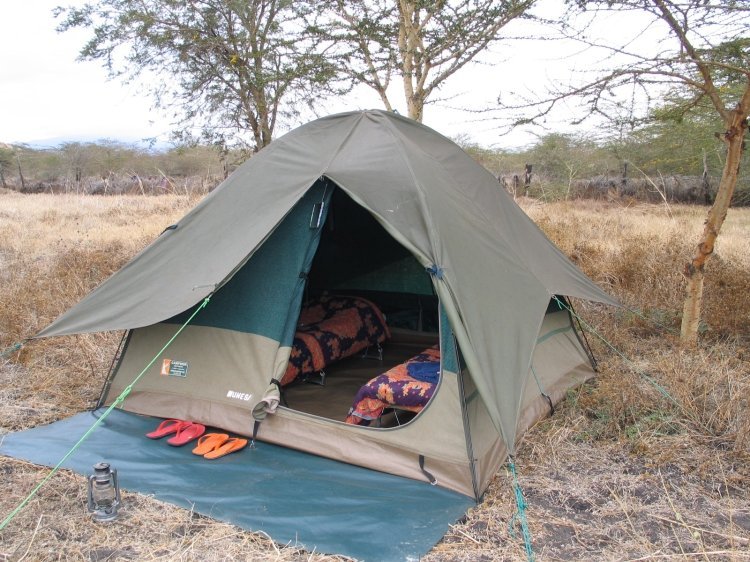
Can I Pay A Deposit To Reserve A Tanzania Group Safari?
Can I Pay a Deposit to Reserve a Tanzania Group Safari?
View package details
Dec 30, – 7 Day New Year Tanzania Group Joining Safari 2026
A complete guide to our 7-day group joining safari for the 2026/2027 New Year season, covering the Northern Circuit, wildlife expectations, and how to secure your spot.
View package details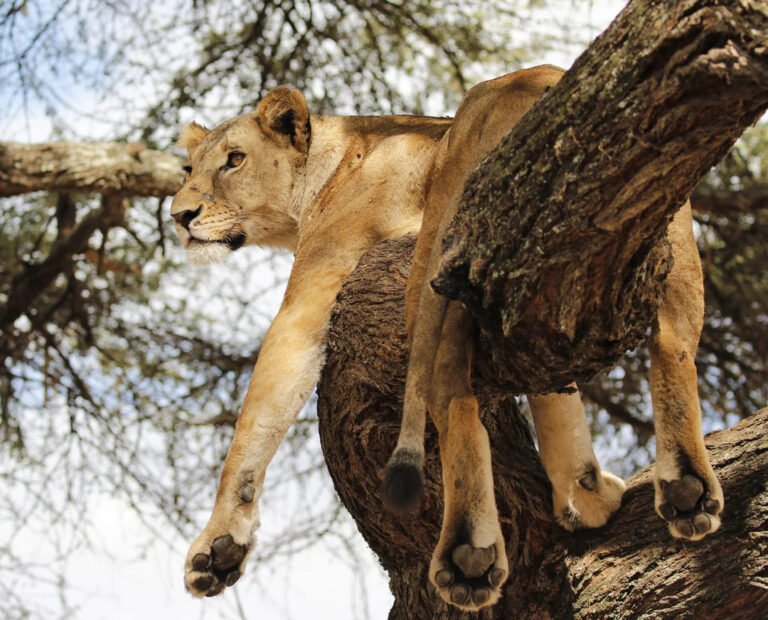
Dec 25, – 5 Day Christmas Tanzania Group Joining Safari 2026
Celebrate Christmas in the heart of the Tanzanian wilderness. Join our 5-day group safari departing December 25, 2026, and experience the iconic Northern Circuit.
View package details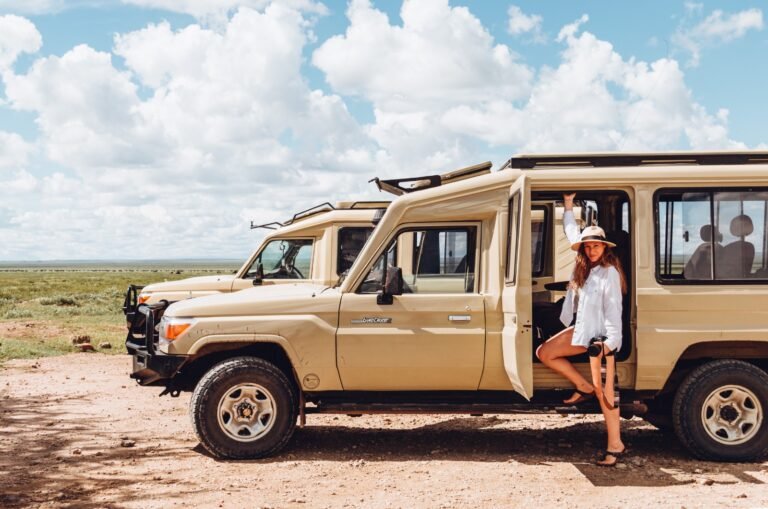
Dec 18, – 9 Day Tanzania Wildlife And Cultural Group Safari 2026
A deep look at our 9-day wildlife and cultural group safari departing December 18, 2026. This trip balances classic Northern Circuit game viewing with genuine cultural engagement.
View package detailsDec 14, – 7 Day Complete Tanzania Northern Circuit Group Safari 2026
Planning for December 2026? Join our 7-day complete Tanzania Northern Circuit group safari. A deep look at the Serengeti, Ngorongoro, and Tarangire with expert, locally-led logistics.
View package detailsDec 10, – 5 Day Northern Tanzania Group Joining Safari 2026
A detailed guide to our 5-day Northern Tanzania group joining safari scheduled for December 10, 2026. Learn about the route, group logistics, and how to book your spot.
View package detailsNov 27, – Black Friday Tanzania Group Safari Deals 2026
Discover why group joining safaris are the best way to secure value for your 2027 Tanzania adventure, plus expert advice on route planning and booking.
View package detailsNov 20, – 8 Day Complete Northern Tanzania Group Safari: Planning Your Trip
A comprehensive guide to the 8-day Northern Tanzania group safari departing November 20, 2026, covering logistics, route advantages, and planning essentials.
View package detailsNov 16, – 6 Day Tanzania Northern Circuit Group Safari 2026
Planning for November 2026? Join our 6-day group safari covering Tanzania's premier Northern Circuit parks. Expert-led, social, and cost-effective wildlife viewing.
View package detailsNov 14, – 5 Day Tanzania Lodge Group Joining Safari 2026
Join our November 14, 2026, 5-day Tanzania lodge safari. This group-joining itinerary offers a balanced, cost-effective way to explore the Northern Circuit.
View package detailsNo related package matches those filters. Clear one or more filters to see the other topic-matched options.