For first-time visitors in 2026-2027, the Serengeti National Park and Ngorongoro Conservation Area in Tanzania offer an unparalleled introduction to African wildlife safaris, renowned for their dense animal populations, iconic landscapes, and accessibility. Other top contenders include Kenya’s Maasai Mara National Reserve, Botswana’s Okavango Delta for a unique water-based experience, and South Africa’s Kruger National Park for its ease of access and diverse wildlife.
Planning Your Inaugural African Safari Adventure
Embarking on your very first African safari is a momentous occasion, promising encounters with wildlife that are both thrilling and humbling. For travelers planning their trip in 2026 or 2027, the sheer number of options can feel overwhelming. This guide is designed to cut through the noise, focusing on destinations that consistently deliver exceptional experiences for those new to the continent’s wild heart. We’ll explore the unique strengths of each region, help you understand what makes them ideal for first-timers, and provide practical advice to ensure your safari is everything you dream of.
The key to a successful first safari lies in balancing iconic wildlife sightings with logistical ease and a sense of wonder. Destinations that offer high concentrations of animals, diverse landscapes, and well-established tourism infrastructure typically rise to the top for newcomers. These factors ensure that while the wilderness is vast and untamed, your journey is comfortable and your chances of seeing the ‘big five’ (lion, leopard, elephant, rhino, and buffalo) are maximized. We’ll explore why Tanzania and Kenya often lead the pack, but also highlight other fantastic options that cater to different preferences and budgets for 2026-2027 travel.
Tanzania: The Classic Safari Experience for First-Timers
Tanzania is often the benchmark for an African safari, and for good reason. Its northern circuit, encompassing the Serengeti, Ngorongoro, Tarangire, and Lake Manyara, is a masterclass in wildlife viewing. For first-time visitors, this region provides a comprehensive and deeply rewarding introduction to the wonders of the African bush.
Serengeti National Park: The Endless Plains and Iconic Wildlife
The Serengeti is perhaps the most famous wildlife reserve in the world, its name derived from the Maasai word ‘Siringet’, meaning ‘endless plains’. This vast ecosystem is the stage for the Great Migration, an annual movement of over two million wildebeest, zebras, and gazelles across the plains. Witnessing this phenomenon, or simply experiencing the sheer density of predators and prey that inhabit the Serengeti year-round, is a profound experience for any first-time safari-goer.
Why it’s great for first-timers:
- Abundant Wildlife: The Serengeti boasts one of the highest concentrations of wildlife on Earth. Predators like lions, cheetahs, and leopards are frequently sighted, often in close proximity to their prey.
- Iconic Landscapes: The sweeping savannahs, acacia-dotted plains, and kopjes (rocky outcrops) are quintessential safari backdrops, offering incredible photographic opportunities.
- Variety of Habitats: From open grasslands to woodlands and riverine forests, the Serengeti supports a diverse range of species.
- The Great Migration: If timing aligns (typically June-October for river crossings in the west and north, or January-March for calving in the south), witnessing this spectacle is unforgettable. Even outside of migration peaks, resident wildlife is prolific.
Planning considerations for 2026-2027:
- Best time to visit: While wildlife is present year-round, the dry seasons (June to October and December to February) are generally best for game viewing as animals congregate around water sources and vegetation is less dense. The migration season offers unique viewing opportunities but can be more crowded and expensive. For 2026 and 2027, booking well in advance is crucial, especially for peak migration viewing periods.
- Getting there: Most safaris fly into Kilimanjaro International Airport (JRO) or Arusha Airport (ARK), then take a small bush plane or a road transfer to the Serengeti’s various airstrips or park gates.
- Accommodation: Options range from luxury tented camps and lodges to more basic campsites, catering to different budgets. For a first-time visitor, a comfortable lodge or mid-range tented camp offers a good balance of comfort and immersion.
Ngorongoro Conservation Area: The ‘Eighth Wonder’ of the World
Adjacent to the Serengeti, the Ngorongoro Conservation Area is home to the Ngorongoro Crater, a UNESCO World Heritage Site and the world’s largest intact volcanic caldera. This natural amphitheater teems with wildlife, offering a concentrated and spectacular safari experience.
Why it’s great for first-timers:
- Concentrated Wildlife: The crater floor is a haven for an incredible density of animals, including the rare black rhinoceros, lions, elephants, hippos, flamingos, and a multitude of bird species.
- Easy Game Viewing: The relatively small size of the crater floor (about 100 square miles) means you can see a vast array of animals in a single day.
- Unique Landscape: The sheer scale and beauty of the crater rim and its diverse habitats within the caldera are awe-inspiring.
- Maasai Culture: The Conservation Area also allows for cultural interactions with the semi-nomadic Maasai people, offering a broader perspective on the region.
Planning considerations for 2026-2027:
- Best time to visit: The Ngorongoro Crater is a year-round destination, with excellent game viewing opportunities throughout. The dry seasons offer clearer skies and easier game viewing.
- Access: The crater is typically visited as a day trip from lodges or camps on the crater rim or nearby lodges in Karatu. Vehicles descend into the crater for game drives.
- Regulations: Due to its popularity and conservation status, visitor numbers and time spent on the crater floor are regulated. Booking permits in advance is essential, especially for 2026-2027 travel.
Tarangire and Lake Manyara: Complementary Safari Experiences
These parks, often included in northern circuit itineraries, offer different but equally rewarding wildlife encounters.
- Tarangire National Park: Famous for its large elephant herds and iconic baobab trees, Tarangire is particularly spectacular during the dry season (June to October) when animals gather along the Tarangire River. It offers a more intimate safari feel than the Serengeti.
- Lake Manyara National Park: Known for its tree-climbing lions, vibrant birdlife, and shallow alkaline lake, Manyara provides a beautiful, compact safari experience, often enjoyed as a half-day or full-day excursion.
Booking your Tanzania safari for 2026-2027: For an unforgettable first-time safari in Tanzania, consider a 7-10 day itinerary covering the Serengeti, Ngorongoro Crater, and potentially Tarangire. Working with a local operator like Climb 4 Africa ensures smooth logistics, experienced guides, and access to the best accommodations. You can reach them via WhatsApp at +255 747 477 898 or by emailing climb4africa@gmail.com to discuss tailor-made itineraries for 2026 or 2027.
Kenya: The Maasai Mara and Iconic Wildlife Encounters
Neighboring Tanzania, Kenya offers its own world-class safari experiences, with the Maasai Mara National Reserve being its undisputed jewel. For first-time visitors, the Mara provides an incredibly rich and accessible wildlife viewing platform.
Maasai Mara National Reserve: The Heart of the Great Migration
The Maasai Mara is the northern extension of the Serengeti ecosystem and is renowned for its high density of predators and abundant wildlife year-round. It is most famous for hosting a significant portion of the Great Migration during the months of July through October, drawing millions of animals and offering unparalleled viewing opportunities.
Why it’s great for first-timers:
- Exceptional Predator Sightings: The Mara is particularly famous for its lion prides, cheetahs, and leopards, often seen with remarkable ease.
- The Great Migration: Witnessing the dramatic river crossings of wildebeest and zebras over the Mara River is a bucket-list experience for many.
- Diverse Birdlife: Beyond mammals, the Mara is a paradise for birdwatchers.
- Maasai Culture: Similar to Tanzania, the reserve is bordered by Maasai communities, offering opportunities for cultural visits.
- Variety of Camps: From luxurious lodges to intimate tented camps, the Mara offers a wide range of accommodation options.
Planning considerations for 2026-2027:
- Best time to visit: For the Great Migration river crossings, target July to October. For general excellent game viewing with fewer crowds, consider the shoulder months of June or November. The 2026 and 2027 seasons are expected to be as vibrant as ever, but booking is essential for these popular periods.
- Getting there: Typically involves flying into Jomo Kenyatta International Airport (NBO) in Nairobi, followed by a short domestic flight to one of the Mara’s airstrips, or a scenic road transfer.
- Accommodation: The Mara offers a spectrum of camps and lodges, from ultra-luxury to more budget-friendly options. Staying in a conservancy bordering the main reserve can offer a more exclusive experience with off-road driving and night drives.
Other Notable Kenyan Parks for First-Timers
- Amboseli National Park: Famous for its large elephant herds set against the iconic backdrop of Mount Kilimanjaro (visible from the Tanzanian side but offering stunning views from Amboseli). It’s an excellent destination for photography and relatively easy game viewing.
- Samburu National Reserve: Located in the arid north, Samburu offers a unique landscape and specializes in the ‘Samburu Special Five’: the reticulated giraffe, Grevy’s zebra, Somali ostrich, gerenuk, and beisa oryx. It’s a great addition for those seeking a different kind of wildlife encounter.
Crafting your Kenyan safari: A typical first-timer’s itinerary might combine the Maasai Mara with Amboseli for a diverse experience, perhaps a 7-day trip. For 2026-2027, consider early booking for the migration season. Local expertise is invaluable here; companies like Climb 4 Africa can help design the perfect Kenyan adventure, tailored to your interests and timeframe. Reach out via WhatsApp +255 747 477 898 or climb4africa@gmail.com.
Botswana: The Okavango Delta and Exclusive Wilderness
For first-time visitors seeking a more exclusive, pristine, and unique safari experience, Botswana’s Okavango Delta is an exceptional choice. It offers a different perspective on wildlife viewing, often involving water-based activities.
Okavango Delta: A Watery Wilderness
The Okavango Delta is a UNESCO World Heritage Site and one of the world’s largest inland deltas. Instead of flowing to the sea, its waters spread out across the Kalahari Desert, creating a unique wetland ecosystem that attracts an astonishing array of wildlife.
Why it’s great for first-timers (with specific preferences):
- Unique Water Safaris: Experience mokoro (traditional dugout canoe) excursions, gliding silently through the channels, offering intimate wildlife encounters and birdwatching opportunities. Motorized boat safaris and walking safaris are also common.
- Low Visitor Density: Botswana prides itself on a high-cost, low-volume tourism model, meaning fewer crowds and a more exclusive feel, even during peak seasons in 2026-2027.
- Exceptional Wildlife: The Delta is home to large populations of elephants, hippos, crocodiles, lions, leopards, wild dogs, and a vast array of birdlife. The seasonal flooding dictates animal movements, creating dynamic viewing opportunities.
- Stunning Scenery: The contrast of the lush delta against the arid Kalahari provides impressive landscapes.
Planning considerations for 2026-2027:
- Best time to visit: The Delta is spectacular year-round, but the peak wildlife viewing is generally during the dry season (May to October) when animals congregate around the shrinking water sources. The floodwaters arrive from the Angolan highlands between June and August, making it ideal for mokoro trips. For 2026-2027, booking at least 9-12 months in advance is recommended due to limited availability and high demand for exclusive camps.
- Getting there: Access is typically by light aircraft from Maun or Kasane international airports to private airstrips within the concessions. This exclusivity adds to the cost.
- Accommodation: Botswana’s camps are generally high-end, focusing on luxury and intimate experiences. This means it’s a more expensive option, but the value in terms of experience and exclusivity is significant for many.
- Cost: Botswana is one of the more expensive safari destinations due to its conservation policies and exclusive nature. It’s often chosen by those who have already experienced a more budget-friendly safari or have a specific interest in pristine wilderness and low-impact tourism.
Chobe National Park: Elephant Capital of the World
Adjacent to the Okavango Delta, Chobe National Park is renowned for its massive elephant herds, particularly along the Chobe River. It’s also a fantastic destination for boat safaris, offering unique perspectives on wildlife coming to drink.
Why it’s great for first-timers:
- Elephant Abundance: Chobe is famous for hosting some of the largest elephant populations on the continent.
- Spectacular River Safaris: Boat safaris on the Chobe River provide incredible views of elephants, hippos, crocodiles, and abundant birdlife.
- Accessibility: It’s easily combined with Victoria Falls (Zimbabwe/Zambia) and is often included in multi-country itineraries.
Combining Botswana for 2026-2027: A combination of the Okavango Delta and Chobe National Park, possibly with a visit to Victoria Falls, makes for an incredible, albeit higher-budget, first safari. For detailed planning and bespoke itineraries for 2026 or 2027, consulting with specialists like Climb 4 Africa is highly beneficial. Contact them on WhatsApp +255 747 477 898 or via climb4africa@gmail.com.
South Africa: Kruger National Park and Accessible Wildlife
South Africa offers a different, often more accessible, safari experience, with Kruger National Park being the prime example. It’s a fantastic option for first-time visitors who may be seeking a more self-drive friendly or lodge-based experience with excellent infrastructure.
Kruger National Park: A World-Class Wildlife Sanctuary
Kruger National Park is one of Africa’s largest and oldest national parks, a vast wilderness teeming with diverse flora and fauna. It’s renowned for its accessibility, excellent road networks, and a high density of wildlife, including the ‘big five’.
Why it’s great for first-timers:
- Ease of Access: Kruger is easily reachable by car or short flights from Johannesburg, and the park itself has a well-maintained road system, making self-drive safaris a popular and viable option for budget-conscious travelers.
- Abundant Wildlife: With over 1.5 million animals, including 1500 lions, 2000 leopards, 15000 elephants, and 1000 rhinos, sightings are very common.
- Variety of Accommodation: From luxury private lodges in exclusive concessions bordering Kruger to more affordable rest camps run by SANParks (South African National Parks), there are options for every budget.
- Guided Safaris and Walks: Even if not self-driving, SANParks offers affordable guided game drives and bush walks, providing expert interpretation and access to areas off the main roads.
- Lower Cost Potential: Compared to East African destinations or Botswana, Kruger can offer a more budget-friendly safari experience, especially if opting for self-drive or SANParks accommodation.
Planning considerations for 2026-2027:
- Best time to visit: The dry season (May to October) is generally considered the best for game viewing as vegetation thins out and animals gather at waterholes. However, Kruger is a year-round destination with unique appeal in different seasons (e.g., greener landscapes and newborn animals in the wet season, November to April). For 2026-2027, booking SANParks accommodation or private lodges requires significant advance planning, especially for peak seasons.
- Getting there: Fly into Johannesburg (JNB) and either rent a car for a self-drive safari or take a domestic flight to Kruger Mpumalanga International Airport (MQP) or directly to private airstrips within private reserves.
- Private Reserves vs. National Park: The area bordering Kruger, known as the Greater Kruger, consists of private game reserves (like Sabi Sands, Timbavati) that offer a more exclusive, off-road, and night-driving experience with luxurious lodges. These are significantly more expensive but offer a different level of service and wildlife viewing. For a first-timer, a mix of SANParks and a private reserve can be ideal.
Other South African Options
- Madikwe Game Reserve: A malaria-free Big Five reserve, making it an excellent choice for families or those concerned about malaria. It offers a superb lodge-based safari experience.
- Addo Elephant National Park: Located in the Eastern Cape, this park is famous for its huge elephant population and is expanding to include marine and coastal wildlife, offering a diverse conservation area.
Choosing your South African safari for 2026-2027: Kruger offers immense value and incredible wildlife viewing. For a truly tailored experience, especially if combining it with other destinations or seeking the ultimate in luxury, consider expert advice. Climb 4 Africa can assist with planning comprehensive South African itineraries, even if your primary interest is Kilimanjaro or other Tanzanian adventures. Contact them via WhatsApp +255 747 477 898 or climb4africa@gmail.com to discuss your 2026-2027 travel plans.
Choosing the Right Destination for Your First Safari
Deciding on the “best” safari destination for a first-time visitor hinges on several factors, including your budget, desired pace, wildlife interests, and travel style. Here’s a breakdown to help you align your expectations with reality for 2026-2027.
Budget Considerations
- Most Affordable: South Africa (Kruger self-drive or SANParks camps) can be the most budget-friendly, especially for independent travelers. Kenya (especially outside peak migration season and using mid-range camps) can also be more accessible than Tanzania or Botswana.
- Mid-Range: Tanzania’s northern circuit offers excellent value for money, with a wide range of lodges and camps. Kenya, with carefully chosen accommodations, also fits here.
- Luxury/Exclusive: Botswana’s Okavango Delta and private reserves in South Africa (like Sabi Sands) are at the higher end, offering unparalleled service, privacy, and unique experiences.
Wildlife Viewing Preferences
- The Great Migration: For the dramatic spectacle, focus on the Serengeti (Tanzania) or Maasai Mara (Kenya) during the migration seasons (roughly July-October).
- Big Five Focus: Most of the destinations listed (Serengeti, Ngorongoro, Maasai Mara, Kruger, Okavango Delta) offer excellent chances of seeing the Big Five. Ngorongoro Crater is almost guaranteed for seeing many species in a single day.
- Unique Species: If you’re interested in specific animals like wild dogs, Botswana’s Delta and certain areas of Kruger are excellent. Samburu in Kenya offers unique northern species.
- Birdwatching: Lake Manyara in Tanzania and the Okavango Delta in Botswana are renowned for their avian diversity.
Travel Style and Logistics
- Ease of Travel: South Africa (Kruger) is often the easiest for independent travel due to its infrastructure. Tanzania and Kenya offer a classic fly-in or overland safari experience, often best managed by an operator.
- Exclusive Experience: Botswana’s low-volume tourism model and fly-in camps provide a highly exclusive and intimate safari. Private concessions in Kruger also offer this.
- Water-Based Safaris: If mokoro or boat safaris appeal, the Okavango Delta is the prime destination.
- Combination Trips: Tanzania and Kenya are excellent for combining with mountain treks (Kilimanjaro/Mount Kenya) or beach holidays (Zanzibar/coast). Botswana can be combined with Victoria Falls.
Making Your Booking Decision for 2026-2027
When planning your first safari for 2026 or 2027, remember that flexibility and early booking are key. Popular destinations and peak seasons fill up quickly. Understanding the trade-offs between different regions will help you select the experience that best matches your dreams and practical considerations.
The Value of Local Expertise
As you navigate these choices, partnering with an experienced local operator can make all the difference. Companies like Climb 4 Africa have deep knowledge of Tanzania and East Africa, offering:
- Tailor-Made Itineraries: They can craft a safari that perfectly suits your interests, budget, and time, whether you’re focused on the Serengeti, Maasai Mara, or a broader East African adventure.
- Logistical Mastery: From internal flights and park permits to reliable vehicles and experienced guides, they handle the complex details, allowing you to relax and enjoy your trip.
- Insider Knowledge: Local guides often have an intimate understanding of animal behavior, optimal viewing times, and the best camps for different experiences.
- Support: Having a local point of contact available throughout your trip provides peace of mind.
For your 2026 or 2027 safari, don’t hesitate to reach out to the experts. Whether you dream of the vast plains of the Serengeti, the dramatic river crossings of the Mara, or the unique waterways of the Okavango, they can help bring your vision to life. Contact Climb 4 Africa today to start planning your unforgettable first safari:
WhatsApp: +255 747 477 898
Email: climb4africa@gmail.com
Website: climb-4-africa.com
By considering these destinations and seeking expert guidance, your first African safari in 2026 or 2027 is set to be an extraordinary journey.
Frequently Asked Questions for First-Time Safari Visitors
What is the best month for a first safari?
The “best” month depends on your priorities. For the Great Migration in East Africa (Tanzania/Kenya), July to October offers the chance to see river crossings. For general excellent game viewing with fewer crowds and pleasant weather, consider the shoulder seasons like June or November. The dry seasons (June-October and December-February) are generally optimal across most of East and Southern Africa for consistent game viewing.
What should I pack for my first safari?
Pack light, neutral-colored clothing (khaki, olive green, beige). Essential items include comfortable walking shoes, a hat, sunglasses, high SPF sunscreen, insect repellent, a reusable water bottle, a camera with extra batteries and memory cards, binoculars, and a small backpack. Layers are recommended as mornings and evenings can be cool. A light rain jacket is useful, especially during the wetter seasons.
Is it safe to go on safari for the first time?
Yes, safaris are generally very safe when organized through reputable operators and when following guide instructions. Reputable tour companies prioritize guest safety, using experienced guides and well-maintained vehicles. Adhering to safety briefings, staying within designated areas, and respecting wildlife are crucial. Destinations like Kruger National Park with its self-drive options also have safety protocols in place.
What is the difference between a national park and a private conservancy?
National Parks are government-managed, often larger, with more regulations (e.g., no off-road driving, limited night drives) and typically more visitors. Private Conservancies are usually leased land adjacent to national parks or reserves, offering more exclusive experiences. They often allow off-road driving, night drives, and walking safaris, and have lower visitor numbers, leading to a more intimate wildlife viewing experience. They are generally more expensive.
How much does a first safari cost?
Costs vary significantly. A budget-friendly safari in South Africa (self-drive) might start around $150-$250 per person per day. Mid-range safaris in Tanzania or Kenya typically range from $300-$600 per person per day. Luxury and exclusive experiences in Botswana or private reserves can range from $700 to over $1500 per person per day. These figures are estimates and depend on accommodation, activities, duration, and season. Always get detailed quotes for 2026-2027 travel.
Can I combine a safari with climbing Kilimanjaro?
Absolutely! Many travelers combine a safari in Tanzania with a climb up Mount Kilimanjaro. This is a popular choice, as both experiences are in the same region. Climb 4 Africa specializes in both Kilimanjaro climbs and safaris, offering smooth packages that allow you to experience the best of Tanzania. You can inquire about combined 2026-2027 itineraries by contacting them directly.
“,
“faq_schema”: [
{
“question”: “What is the best month for a first safari?”,
“answer”: “The “best” month depends on your priorities. For the Great Migration in East Africa (Tanzania/Kenya), July to October offers the chance to see river crossings. For general excellent game viewing with fewer crowds and pleasant weather, consider the shoulder seasons like June or November. The dry seasons (June-October and December-February) are generally optimal across most of East and Southern Africa for consistent game viewing.”
},
{
“question”: “What should I pack for my first safari?”,
“answer”: “Pack light, neutral-colored clothing (khaki, olive green, beige). Essential items include comfortable walking shoes, a hat, sunglasses, high SPF sunscreen, insect repellent, a reusable water bottle, a camera with extra batteries and memory cards, binoculars, and a small backpack. Layers are recommended as mornings and evenings can be cool. A light rain jacket is useful, especially during the wetter seasons.”
},
{
“question”: “Is it safe to go on safari for the first time?”,
“answer”: “Yes, safaris are generally very safe when organized through reputable operators and when following guide instructions. Reputable tour companies prioritize guest safety, using experienced guides and well-maintained vehicles. Adhering to safety briefings, staying within designated areas, and respecting wildlife are crucial. Destinations like Kruger National Park with its self-drive options also have safety protocols in place.”
},
{
“question”: “What is the difference between a national park and a private conservancy?”,
“answer”: “National Parks are government-managed, often larger, with more regulations (e.g., no off-road driving, limited night drives) and typically more visitors. Private Conservancies are usually leased land adjacent to national parks or reserves, offering more exclusive experiences. They often allow off-road driving, night drives, and walking safaris, and have lower visitor numbers, leading to a more intimate wildlife viewing experience. They are generally more expensive.”
},
{
“question”: “How much does a first safari cost?”,
“answer”: “Costs vary significantly. A budget-friendly safari in South Africa (self-drive) might start around $150-$250 per person per day. Mid-range safaris in Tanzania or Kenya typically range from $300-$600 per person per day. Luxury and exclusive experiences in Botswana or private reserves can range from $700 to over $1500 per person per day. These figures are estimates and depend on accommodation, activities, duration, and season. Always get detailed quotes for 2026-2027 travel.”
},
{
“question”: “Can I combine a safari with climbing Kilimanjaro?”,
“answer”: “Absolutely! Many travelers combine a safari in Tanzania with a climb up Mount Kilimanjaro. This is a popular choice, as both experiences are in the same region. Climb 4 Africa specializes in both Kilimanjaro climbs and safaris, offering smooth packages that allow you to experience the best of Tanzania. You can inquire about combined 2026-2027 itineraries by contacting them directly.”
}
]
}
“`
Check Availability for Best Safari Destinations For First-Time Visitors 2026-2027
Ready to compare dates, prices, and the best option for your group? Send the package name and travel month so the team can reply with a clear quote, availability, and what is included.
Dec 24, – 3 Day Christmas Serengeti And Ngorongoro Group Safari
Dec 24, 2026 – 3 Day Christmas Serengeti and Ngorongoro Group Safari.
View package details
Dec 20, – 10 Day Complete Tanzania Group Joining Safari
Dec 20, 2026 – 10 Day Complete Tanzania Group Joining Safari.
View package details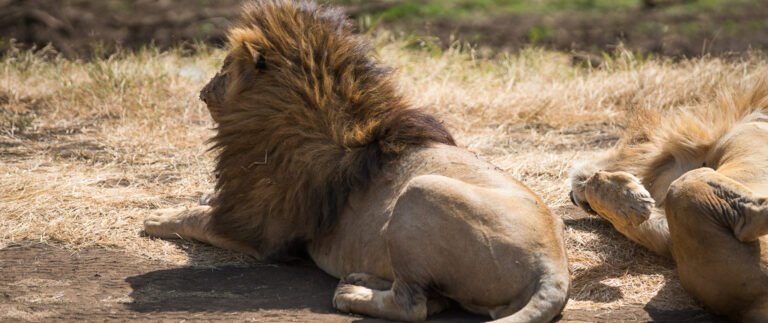
Which Dec Group Safari Ends Before New Year’s Eve?
Which Dec Group Safari Ends Before New Year’s Eve?
View package details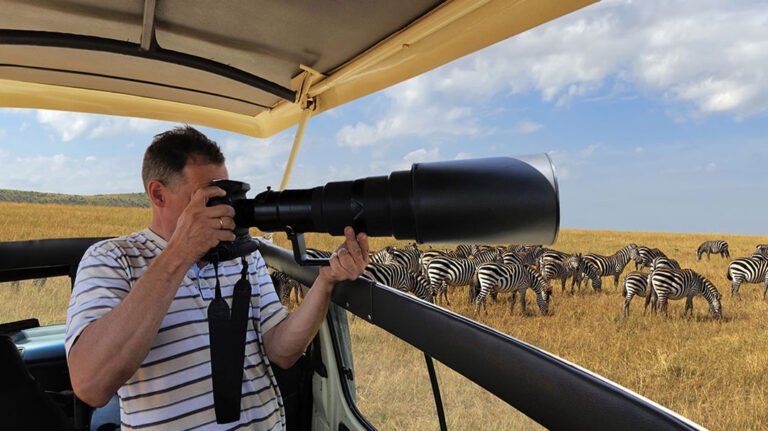
How Early Should I Book A Nov Or Dec Tanzania Group Safari?
How Early Should I Book a Nov or Dec Tanzania Group Safari?
View package details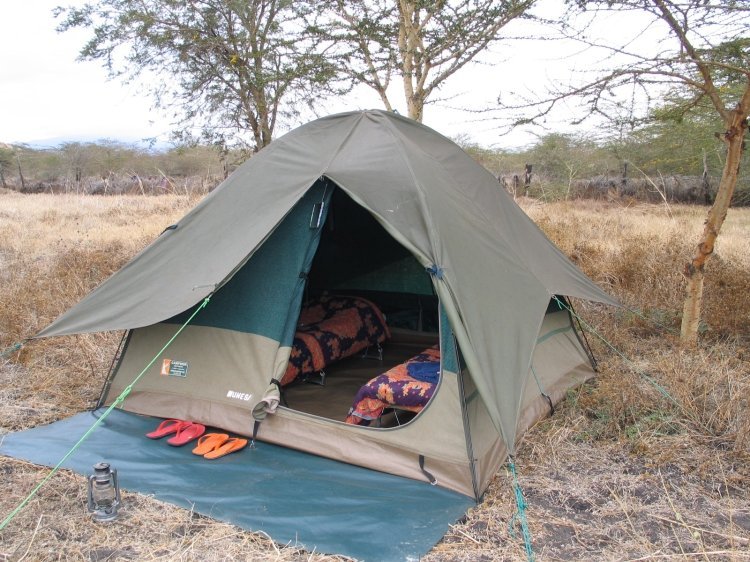
Can I Pay A Deposit To Reserve A Tanzania Group Safari?
Can I Pay a Deposit to Reserve a Tanzania Group Safari?
View package details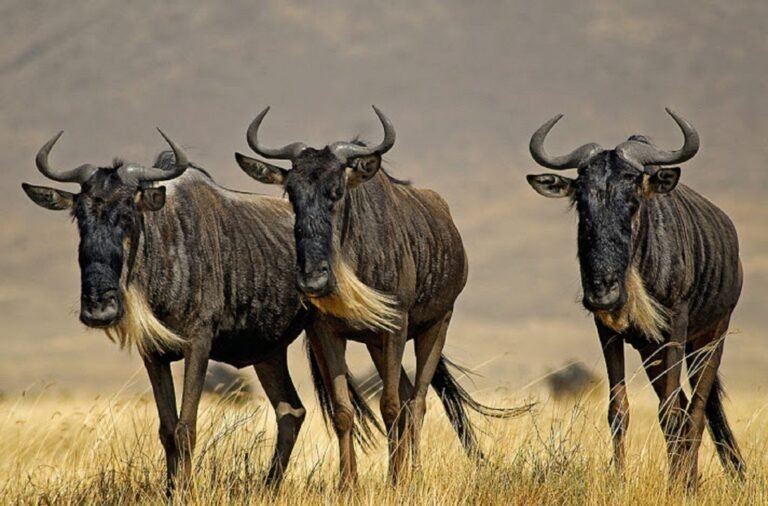
Nov 23, – 3 Day Serengeti And Ngorongoro Safari From Zanzibar
Nov 23, 2026 – 3 Day Serengeti and Ngorongoro Safari from Zanzibar.
View package details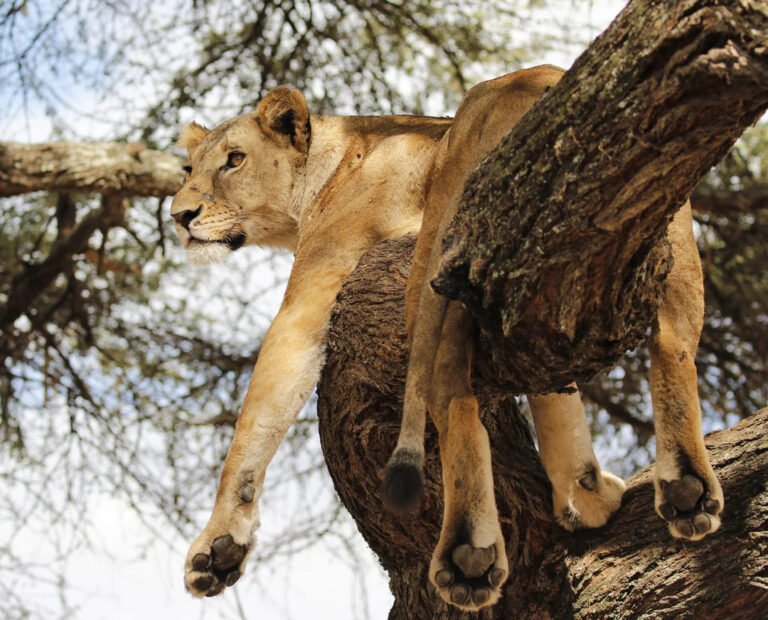
Dec 26, – 6 Day Christmas And New Year Northern Circuit Safari
Dec 26, 2026 – 6 Day Christmas and New Year Northern Circuit Safari.
View package details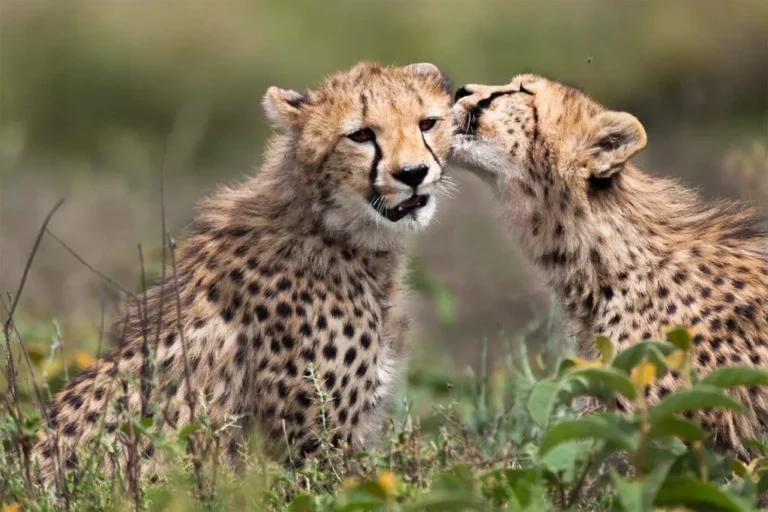
Dec 31, : New Year’s Eve Serengeti Group Safari Planning Guide
This guide provides essential planning details for a group safari trip to the Serengeti for New Year's Eve 2026, covering logistics, seasonal highlights, and what to expect.
View package details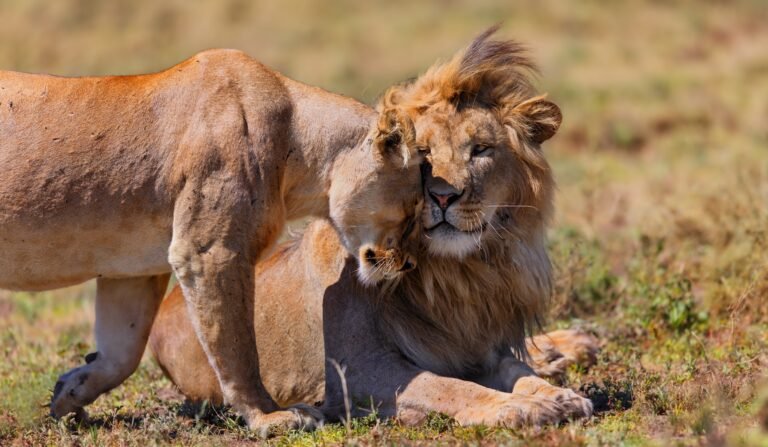
Dec 22, – 3 Day Nyerere Group Joining Safari
Dec 22, 2026 – 3 Day Nyerere Group Joining Safari.
View package details
Can I Join A Safari That Has Already Confirmed Travellers?
Can I Join a Safari That Has Already Confirmed Travellers?
View package details
I Am On A Budget—What Is The Cheapest Serengeti Group Safari?
I Am on a Budget—What Is the Cheapest Serengeti Group Safari?
View package details_1_John_from-rednote-web-768x1024.jpg)
Dec 13, – 2 Day Nyerere Fly-In Group Safari From Zanzibar 2026
A detailed guide to the December 13, 2026 group fly-in safari from Zanzibar to Nyerere National Park, covering the itinerary, logistics, and planning for your trip.
View package detailsNo related package matches those filters. Clear one or more filters to see the other topic-matched options.