An AFCON 2027 Nyerere Safari from Dar es Salaam offers an exceptional opportunity to combine your passion for football with one of Tanzania’s most diverse and rewarding wildlife destinations. Typically, these safaris involve a road transfer or a short flight from Dar es Salaam to the park’s entry gates, followed by guided game drives to witness abundant wildlife, including large elephant herds, hippos, crocodiles, and diverse birdlife, with the best experience often spanning 3 to 5 days within Nyerere National Park (formerly Selous Game Reserve) during the 2026-2027 travel season.

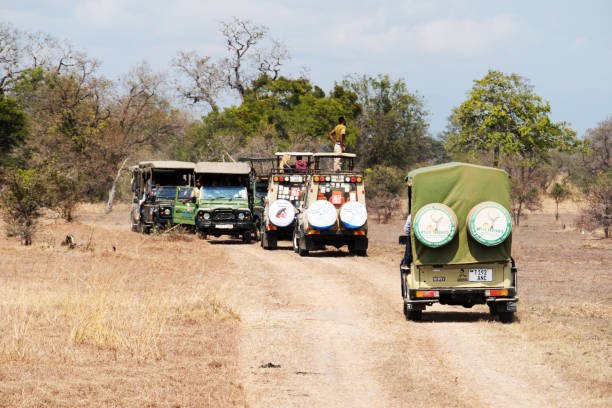
The excitement surrounding the Africa Cup of Nations (AFCON) in 2027 presents a unique window for travelers to explore Tanzania’s natural wonders. For those attending or simply wishing to experience the continent’s vibrant spirit, an AFCON 2027 Nyerere Safari from Dar es Salaam is a remarkable choice. This safari focuses on Nyerere National Park, a UNESCO World Heritage site renowned for its vast landscapes and incredible biodiversity, offering a stark contrast to the urban energy of football matches. Planning this adventure for 2026 or 2027 requires understanding the logistics, the best times to visit, and what to expect from this magnificent park.
Understanding Nyerere National Park (Formerly Selous)
Nyerere National Park, which officially became a national park in 2019, encompasses the northern two-thirds of the former Selous Game Reserve. This reclassification aimed to enhance conservation efforts and manage tourism more effectively, particularly in the face of increasing visitor numbers. It remains one of Africa’s largest protected areas, offering a wilderness experience that feels truly wild and unspoiled. The Rufiji River system, with its network of lakes and channels, is the lifeblood of Nyerere, supporting an astonishing array of wildlife.
The sheer scale of Nyerere means it offers varied safari experiences. Unlike the more concentrated wildlife viewing in parks like the Serengeti, Nyerere provides a sense of exploration. Here, the Rufiji River allows for unique activities like boat safaris, which offer unparalleled views of hippos, crocodiles, and water birds in their natural habitat. The park is also famous for its large elephant populations, wild dogs, lions, leopards, cheetahs, giraffes, zebras, and countless bird species. For anyone planning an AFCON 2027 Nyerere Safari from Dar es Salaam, understanding this diversity is key to crafting the perfect itinerary.
Why Choose Nyerere for Your AFCON 2027 Safari?
While Tanzania is famous for the Northern Circuit’s Serengeti and Ngorongoro Crater, Nyerere National Park offers a distinct and often more intimate safari experience. Its remote feel, vast open spaces, and varied ecosystems provide a different kind of wilderness immersion. For travelers attending AFCON 2027, a safari in Nyerere offers a profound connection with nature as a counterpoint to the sporting events.
Key Advantages of Nyerere for AFCON 2027 Travelers:
- Unique Activities: The boat safaris on the Rufiji River are a highlight, offering close encounters with hippos and crocodiles that are not possible in many other parks. Walking safaris are also permitted in certain areas, providing an up-close perspective on the bush.
- Less Crowded: Compared to the more popular Northern Circuit parks, Nyerere generally experiences fewer tourists, allowing for a more exclusive and peaceful wildlife viewing experience. This is especially valuable when traveling during peak event times like AFCON 2027.
- Exceptional Wildlife Diversity: While known for its large mammals, Nyerere also boasts incredible birdlife, making it a paradise for ornithologists. The Rufiji Delta is a crucial ecosystem for many migratory and resident bird species.
- Conservation Focus: The park’s designation and ongoing conservation efforts mean it is managed with a focus on preserving its natural state, ensuring a genuine wilderness experience for visitors in 2026-2027 and beyond.
An AFCON 2027 Nyerere Safari from Dar es Salaam, therefore, is not just a trip; it’s an opportunity to witness a thriving ecosystem in one of Africa’s most significant protected areas.
Planning Your AFCON 2027 Nyerere Safari from Dar es Salaam: Logistics and Travel
The journey from Dar es Salaam to Nyerere National Park is a crucial part of the planning process. Dar es Salaam is Tanzania’s largest city and a major international gateway, making it the logical starting point for many travelers, especially those arriving for AFCON 2027. From here, you have two primary options for reaching Nyerere National Park: road or air.
Road Travel to Nyerere National Park
Driving to Nyerere National Park from Dar es Salaam is the more budget-friendly option. The journey typically takes between 4 to 6 hours, depending on the specific gate you are entering and the road conditions. The main entrance points for Nyerere are usually via the Mtemere Gate or the newer Kivukoni Gate. The roads can be rough, especially during the rainy season, which is something to consider when planning your 2026-2027 safari dates.
Considerations for Road Travel:
- Vehicle Choice: A sturdy 4×4 vehicle is essential for navigating the roads within and leading to the park. Most reputable tour operators, including Climb 4 Africa, will provide appropriate vehicles.
- Time of Year: The dry season (roughly June to October) offers the best road conditions. The wet season (November to May) can see significant rainfall, making some routes challenging or impassable.
- Comfort: The drive can be long and bumpy. It’s advisable to break up the journey if possible or ensure you are comfortable with off-road travel.
For an AFCON 2027 Nyerere Safari from Dar es Salaam, arranging road transport with a reliable tour operator ensures a smooth transition, with your driver-guide knowledgeable about the best routes and park conditions.
Flying to Nyerere National Park
For travelers prioritizing time and comfort, flying is an excellent alternative. Several airstrips are located within Nyerere National Park, serving various lodges and camps. The flight from Dar es Salaam (Julius Nyerere International Airport or the domestic terminal) to Nyerere typically takes around 45 minutes to 1 hour.
Benefits of Flying:
- Speed and Convenience: Significantly reduces travel time, allowing more time for game drives.
- Scenic Views: Offers impressive aerial perspectives of the Tanzanian landscape and, if you’re lucky, wildlife from above.
- Access to Remote Areas: Some lodges are only accessible by air, especially those in more remote sections of the park.
When booking an AFCON 2027 Nyerere Safari from Dar es Salaam, discuss flight options with your tour operator. They can arrange these charter or scheduled flights, often including transfers from the airstrip to your accommodation.
Best Time to Visit Nyerere National Park for AFCON 2027
The timing of your AFCON 2027 Nyerere Safari from Dar es Salaam is crucial for maximizing your wildlife viewing opportunities and overall experience. Tanzania’s climate varies, influencing animal movements and vegetation cover.
Dry Season (June to October)
This is generally considered the peak safari season. The vegetation thins out, making wildlife easier to spot. Water sources become scarcer, concentrating animals around rivers and waterholes. The weather is pleasant with sunny days and cooler nights. It’s an ideal time for game drives and walking safaris. However, this is also a popular time, so booking well in advance for 2026-2027 is advisable.
Wet Season (November to May)
The landscape transforms into a lush green paradise. This is the best time for birdwatching, as migratory birds arrive. Newborn animals are common, offering incredible photographic opportunities. However, game viewing can be more challenging due to thicker vegetation and scattered wildlife. Some roads might become difficult to access. The shoulder months of November-December and March-May can offer a good balance of fewer crowds and decent wildlife viewing, often at a more attractive price point.
AFCON 2027 Considerations:
AFCON 2027 is typically held in January/February or June/July, depending on the confederation’s schedule. If AFCON falls within the dry season (June/July), expect higher demand for safaris, requiring earlier booking. If it’s in January/February, this falls within the shoulder of the wet season, potentially offering a quieter safari experience with good wildlife viewing, especially in the northern parts of the park which are accessible year-round.
For an AFCON 2027 Nyerere Safari from Dar es Salaam, consider the specific dates of the tournament when planning your safari dates to ensure you get the best of both worlds: attending matches and enjoying the wild.
Crafting Your AFCON 2027 Nyerere Safari Itinerary
A typical safari itinerary for Nyerere National Park ranges from 3 to 5 days, allowing sufficient time to explore its diverse habitats and encounter its wildlife. For an AFCON 2027 Nyerere Safari from Dar es Salaam, you might opt for a shorter trip to fit around match schedules or a longer, more in-depth exploration.
3-Day Nyerere Safari
Day 1: Dar es Salaam to Nyerere National Park
Morning departure from Dar es Salaam by road or flight. Arrive at your lodge/camp, settle in, and start an afternoon game drive or boat safari on the Rufiji River. Overnight in Nyerere.
Day 2: Full Day Exploration
Enjoy a full day of safari activities. This could include morning game drives exploring different sectors of the park, a boat trip on the river, or a guided walking safari (if available and suitable for your chosen camp). Overnight in Nyerere.
Day 3: Morning Activity & Departure
A final morning game drive or activity before returning to Dar es Salaam by road or flight, timed to potentially catch an AFCON 2027 match or onward travel.
5-Day Nyerere Safari
A 5-day safari allows for a more relaxed pace and deeper exploration of Nyerere’s varied zones. You could combine different types of accommodation or explore more remote areas.
Day 1: Dar es Salaam to Nyerere
Transfer to your chosen camp/lodge. Afternoon boat safari on the Rufiji River, experiencing its unique ecosystem and abundant hippos and crocodiles. Overnight in Nyerere.
Day 2: Game Drives & Rufiji Exploration
Morning game drive focusing on the land-based wildlife – elephants, giraffes, zebras. Afternoon dedicated to exploring another section of the Rufiji River system or a different game drive area.
Day 3: Walking Safari & Southern Sector Exploration
start a guided walking safari (subject to camp offerings and park regulations) for an intimate encounter with the bush. Explore the southern parts of the park, known for its predators and wild dogs. Overnight in Nyerere.
Day 4: Birdwatching & Specific Wildlife Focus
Dedicate time to birdwatching, especially around water bodies. Focus on areas known for specific species or predators you wish to see. Enjoy a final evening game drive. Overnight in Nyerere.
Day 5: Final Activity & Return to Dar es Salaam
One last morning activity, perhaps a short game drive, before your transfer back to Dar es Salaam. This extended itinerary for your AFCON 2027 Nyerere Safari from Dar es Salaam ensures a comprehensive experience.
Wildlife Highlights of Nyerere National Park
Nyerere National Park is celebrated for its staggering biodiversity, offering encounters with iconic African wildlife that form the heart of any safari experience.
The Big Five (and more):
- Elephants: Nyerere is home to one of the largest elephant populations in Africa. You’ll likely see large herds, especially near the Rufiji River.
- Buffalo: Cape buffalo are abundant and often seen in large herds grazing in the plains or near water sources.
- Lion: While not as easily spotted as in some other parks, Nyerere has a healthy lion population, often found in prides near game trails or water.
- Leopard: These elusive cats are more commonly seen in the early mornings or late evenings, often resting in trees.
- Cheetah: Though less common than leopards, cheetahs can be found in the more open grassland areas.
Other Notable Species:
- Hippopotamus: The Rufiji River is teeming with hippos. Boat safaris offer incredible close-up views of these powerful animals.
- Crocodiles: Nile crocodiles are also abundant in the Rufiji River and its associated lakes, often seen basking on the banks.
- Wild Dogs: Nyerere is a critical stronghold for the endangered African wild dog. Seeing a pack on the move is a truly special safari moment.
- Giraffes, Zebras, Wildebeest: These herbivores are common sightings during game drives, forming essential parts of the ecosystem.
- Rhino: While black rhinos exist in Tanzania, they are critically endangered and extremely rare to see in Nyerere. The park’s conservation efforts focus on protecting other species.
Birdlife: With over 400 species recorded, Nyerere is a birdwatcher’s paradise. Look out for kingfishers, fish eagles, storks, herons, pelicans, and numerous other waterbirds along the Rufiji River, as well as raptors and smaller birds in the woodlands.
An AFCON 2027 Nyerere Safari from Dar es Salaam provides ample opportunities to witness this incredible array of wildlife, making it a compelling addition to any Tanzanian adventure.
Accommodation Options in Nyerere National Park
Nyerere National Park offers a range of accommodation, from rustic tented camps to more luxurious lodges, catering to different budgets and preferences. For travelers coordinating their AFCON 2027 Nyerere Safari from Dar es Salaam, choosing the right accommodation is key to the overall experience.
Tented Camps
These range from basic canvas tents with shared facilities to luxurious en-suite canvas lodges. They offer an authentic “bush” experience, often located in prime wildlife viewing areas. Many camps are unfenced, allowing you to hear the sounds of the African night right outside your tent.
Lodges
Permanent structures offering more amenities, such as swimming pools, restaurants, and bars. Lodges provide a comfortable base with excellent service, often with stunning views over the river or plains.
Budget vs. Luxury
Budget-friendly options often involve simpler tented camps, sometimes with shared bathrooms, and may utilize road transfers from Dar es Salaam. These are great for travelers who want to experience Nyerere without breaking the bank, perhaps extending their trip to catch more AFCON 2027 events.
Mid-range and luxury accommodations offer more comfort, better amenities, private bathrooms, and often include private conservancies or exclusive-use areas for game drives. These options are ideal for those seeking a more pampered experience or who prefer flying into the park.
When booking your AFCON 2027 Nyerere Safari from Dar es Salaam, discuss accommodation preferences with your tour operator. They can recommend options that align with your budget, desired comfort level, and safari style.
Integrating Your Safari with AFCON 2027
The key to a successful AFCON 2027 Nyerere Safari from Dar es Salaam is balancing the excitement of the football tournament with the tranquility of a wildlife adventure. Dar es Salaam will be the central hub for many AFCON 2027 activities, including matches and fan zones. Planning your safari around the match schedule is essential.
Timing Your Safari
If matches are scheduled in Dar es Salaam, you might opt for a shorter safari (e.g., 3 days) before or after the games. If you have a longer break between matches or are attending games in other cities, a 4-5 day safari becomes more feasible. Consider travel time between Dar es Salaam and Nyerere when scheduling your return for match days.
Logistics Management
Climb 4 Africa can manage the entire logistics for your AFCON 2027 Nyerere Safari from Dar es Salaam. This includes coordinating airport pickups, transfers to your safari vehicle or flight, accommodation bookings, and ensuring you are back in Dar es Salaam in time for your required AFCON events. We understand the need for punctuality and smooth transitions when combining major events with travel.
Pre- or Post-AFCON Safari
Many travelers choose to do their safari either before arriving for the tournament’s opening or after the final matches conclude. This allows them to focus entirely on the football during the event itself. Alternatively, a mid-tournament safari can offer a welcome break and a chance to experience Tanzania’s natural beauty.
Why Book Your AFCON 2027 Nyerere Safari with Climb 4 Africa?
As an experienced Tanzania travel company, Climb 4 Africa specializes in creating unforgettable safari experiences tailored to your interests and schedule. For your AFCON 2027 Nyerere Safari from Dar es Salaam, we offer:
- Local Expertise: Deep knowledge of Nyerere National Park, its wildlife, best routes, and optimal timing.
- Customization: We craft itineraries that perfectly blend your AFCON 2027 plans with your safari desires, whether it’s a short break or an extended adventure.
- Reliable Logistics: We handle all transfers, accommodation bookings, park fees, and guide arrangements, ensuring a stress-free experience.
- Quality Guarantees: We partner with reputable lodges and use well-maintained 4×4 safari vehicles to ensure your comfort and safety.
- Dedicated Support: From your initial inquiry through to your departure, our team is available to assist you.
We understand that planning a trip around a major event like AFCON 2027 requires careful coordination. Let us help you design the perfect AFCON 2027 Nyerere Safari from Dar es Salaam, ensuring you experience the best of Tanzania’s wildlife and culture.
Preparing for Your Safari
A well-prepared traveler makes for a smoother and more enjoyable safari. Here are some essential tips for your AFCON 2027 Nyerere Safari from Dar es Salaam:
What to Pack
- Lightweight clothing: Neutral colors (khaki, beige, green) are best for game viewing. Avoid bright colors.
- Warm layers: Mornings and evenings can be cool, especially during the dry season.
- Comfortable walking shoes: For lodge grounds and optional walking safaris.
- Sun protection: Wide-brimmed hat, sunglasses, high SPF sunscreen.
- Insect repellent: Essential, especially for evenings and near water.
- Camera and binoculars: To capture memories and enhance wildlife viewing.
- Personal first-aid kit: With any personal medications.
- Adapter: For charging electronics (most camps have charging facilities, but check).
- Reusable water bottle: To stay hydrated and reduce plastic waste.
Health Precautions
Consult your doctor well in advance regarding vaccinations and malaria prophylaxis. Yellow fever vaccination is often required for entry into Tanzania. It’s also advisable to drink bottled or purified water.
Visa and Documentation
Ensure your passport is valid for at least six months beyond your stay and has sufficient blank pages. Check visa requirements for Tanzania based on your nationality. You may be able to obtain a visa on arrival or apply online in advance.
Currency
The Tanzanian Shilling (TZS) is the local currency. US Dollars are widely accepted for tourist services, including park fees and accommodation, so it’s good to have a mix. Credit cards are accepted at larger lodges and hotels, but cash is essential for smaller purchases and tips.
The Unique Ecosystem of the Rufiji River
The Rufiji River is the heart and soul of Nyerere National Park. Its vast network of channels, lakes, and swamps creates a unique aquatic environment that supports an incredible density and variety of wildlife. Understanding this ecosystem is key to appreciating the safari experience.
Boat Safaris: A Must-Do Activity
The boat safari is arguably the signature experience in Nyerere. Cruising along the Rufiji, you get remarkably close to:
- Hippopotamus: Nyerere is famous for its massive hippo populations. Seeing pods of hundreds of hippos wallowing, yawning, and interacting is unforgettable.
- Nile Crocodiles: The riverbanks are often dotted with large Nile crocodiles basking in the sun. Their prehistoric presence is a constant reminder of the wild nature of the park.
- Birdlife: The riverbanks and islands are prime bird habitats. Expect to see African Fish Eagles, various kingfishers, herons, egrets, storks, and countless other waterbirds.
- Mammals coming to drink: Giraffes, elephants, and buffalo often come down to the river to drink, providing excellent viewing opportunities from the boat.
The Rufiji’s seasonal flooding also shapes the landscape, creating temporary floodplains that attract grazing animals during the wet season and concentrating wildlife around permanent water bodies during the dry season. This dynamic environment ensures that Nyerere is always changing, offering new sights and experiences year-round, including during your AFCON 2027 Nyerere Safari from Dar es Salaam.
Conservation Efforts and Sustainable Tourism
Nyerere National Park is a testament to Tanzania’s commitment to conservation. The park’s management, in collaboration with conservation organizations and responsible tour operators, works to protect its vast biodiversity and ensure sustainable tourism practices.
Key Conservation Aspects:
- Anti-Poaching Units: Rangers patrol the vast wilderness to protect wildlife from illegal hunting, particularly elephants for ivory and other species for bushmeat.
- Habitat Protection: Efforts are made to preserve the natural habitats, including the vital Rufiji River system and its associated ecosystems.
- Community Involvement: Engaging local communities around the park is crucial for long-term conservation success, providing economic benefits through tourism and employment.
- Regulated Tourism: The park’s designation as a national park helps in managing visitor numbers and activities, ensuring that tourism does not negatively impact the environment.
When planning your AFCON 2027 Nyerere Safari from Dar es Salaam, choosing a tour operator committed to responsible tourism practices, like Climb 4 Africa, ensures your visit contributes positively to conservation efforts. This includes supporting lodges that employ eco-friendly practices and respect wildlife viewing protocols.
Comparing Nyerere with Other Tanzanian Parks
While the Northern Circuit parks (Serengeti, Ngorongoro, Tarangire, Lake Manyara) are world-renowned, Nyerere offers a distinct experience that might appeal more to certain travelers, especially those looking for a different pace or unique activities alongside their AFCON 2027 plans.
Nyerere vs. Serengeti:
- Serengeti: Famous for the Great Migration, vast open plains, and high predator density. Offers excellent game drives, but limited walking or boat safaris. More crowded, especially during migration seasons.
- Nyerere: Known for its riverine ecosystems, abundant hippos/crocs, large elephant herds, and unique boat/walking safaris. Generally less crowded, offering a more remote feel. Less focused on the dramatic spectacle of the Great Migration.
Nyerere vs. Selous (Old Selous Game Reserve):
It’s important to note that Nyerere National Park now constitutes the northern two-thirds of the former Selous Game Reserve. The southern third remains as the Selous Game Reserve. The distinction is primarily administrative and conservation-focused. For tourists, the experience in the northern areas (now Nyerere NP) and the southern areas (Selous GR) can be similar, offering boat safaris, game drives, and walking safaris. The key difference is that Nyerere NP is more strictly regulated under national park rules, while Selous GR operates under game reserve regulations, which can sometimes allow for slightly different activities or zoning.
For an AFCON 2027 Nyerere Safari from Dar es Salaam, the choice often comes down to desired experience. If you seek vast plains and the migration, the Serengeti is unparalleled. If you desire riverine exploration, unique activities, and a sense of deep wilderness, Nyerere is an excellent choice.
Practicalities for Solo Travelers, Couples, and Families
Your AFCON 2027 Nyerere Safari from Dar es Salaam can be tailored for various travel groups:
Solo Travelers
Nyerere is a safe and rewarding destination for solo travelers. Joining a small group safari or opting for a private safari can provide company and shared experiences. Many lodges cater well to solo guests, offering comfortable common areas and opportunities to meet fellow travelers.
Couples
For romantic getaways, Nyerere offers secluded lodges and intimate safari experiences. Imagine sundowners overlooking the Rufiji River or private dinners under the stars after a day of football and wildlife viewing.
Families
Nyerere can be a fantastic destination for families, though it’s best suited for children aged 8 and above due to the nature of safari travel and potential wildlife encounters. Many lodges offer family-friendly accommodation and activities. It’s crucial to discuss your children’s ages and interests with your tour operator to ensure a suitable and engaging experience.
Climb 4 Africa specializes in creating bespoke itineraries, ensuring that whether you’re traveling solo, as a couple, or with family for your AFCON 2027 Nyerere Safari from Dar es Salaam, your trip is perfectly suited to your needs.
Booking Your AFCON 2027 Nyerere Safari
Planning an international trip around a major event like AFCON 2027 requires early booking, especially for accommodations and flights, as demand will be high. For your AFCON 2027 Nyerere Safari from Dar es Salaam, we recommend booking at least 6-12 months in advance.
What to expect when booking with Climb 4 Africa:
- Initial Inquiry: Contact us with your desired dates, budget, interests (e.g., wildlife focus, specific activities), and how your safari fits with your AFCON 2027 schedule.
- Itinerary Design: We’ll propose a customized itinerary, including transport, accommodation, activities, and pricing.
- Confirmation & Deposit: Once you approve the itinerary, a deposit is required to secure bookings.
- Pre-departure Information: We provide detailed packing lists, health advice, and final travel arrangements.
- Safari Experience: Our team provides on-the-ground support throughout your trip.
Contact Us:
To start planning your unforgettable AFCON 2027 Nyerere Safari from Dar es Salaam, reach out to us:
- WhatsApp: +255 747 477 898
- Email: climb4africa@gmail.com
Let us help you combine the thrill of AFCON 2027 with the unparalleled adventure of a Tanzania safari in 2026-2027.
Frequently Asked Questions about AFCON 2027 Nyerere Safaris
Here are some common questions travelers have when planning an AFCON 2027 Nyerere Safari from Dar es Salaam:
Is Nyerere National Park safe for tourists?
Yes, Nyerere National Park is considered safe for tourists. Tanzania is a stable country, and the park is well-managed with experienced guides. Standard travel precautions apply, but wildlife encounters are managed professionally by guides.
Can I combine an AFCON 2027 safari with attending matches in other cities?
Absolutely. Dar es Salaam is a good hub. Depending on the AFCON 2027 schedule, you could potentially fly from Nyerere back to Dar es Salaam and then onward to another city, or vice versa. This requires careful flight and transfer planning, which Climb 4 Africa can manage.
What is the difference between Nyerere National Park and Selous Game Reserve?
Nyerere National Park now comprises the northern two-thirds of the former Selous Game Reserve. The southern third remains as Selous Game Reserve. While both offer similar experiences, Nyerere NP operates under national park regulations, potentially offering a more structured tourism experience. The wildlife and activities are largely comparable.
What is the best way to see wildlife in Nyerere?
A combination of activities is best: game drives for covering large areas and spotting terrestrial animals, boat safaris on the Rufiji River for hippos, crocodiles, and birds, and walking safaris (where available) for an intimate bush experience.
How much does an AFCON 2027 Nyerere Safari from Dar es Salaam cost?
Safari costs vary significantly based on the duration, accommodation level (budget, mid-range, luxury), mode of transport (road vs. flight), and inclusions. A 3-day safari might range from $700 to $2000+ per person, excluding international flights. For precise 2026-2027 pricing, it’s best to get a personalized quote.
What should I do if I need to change my safari dates due to AFCON 2027 schedule changes?
If you have booked with a flexible operator, changes may be possible. It’s crucial to discuss cancellation and rebooking policies with your tour operator at the time of booking. Climb 4 Africa works with clients to accommodate reasonable changes where feasible.
Are there ATMs and currency exchange facilities in Nyerere National Park?
No, there are no ATMs or currency exchange facilities within Nyerere National Park. You will need to obtain Tanzanian Shillings or US Dollars before arriving at the park. Most lodges accept credit cards for extras, but carrying some cash is essential.
“,
“faq_schema”: [
{
“question”: “Is Nyerere National Park safe for tourists?”,
“answer”: “Yes, Nyerere National Park is considered safe for tourists. Tanzania is a stable country, and the park is well-managed with experienced guides. Standard travel precautions apply, but wildlife encounters are managed professionally by guides.”
},
{
“question”: “Can I combine an AFCON 2027 safari with attending matches in other cities?”,
“answer”: “Absolutely. Dar es Salaam is a good hub. Depending on the AFCON 2027 schedule, you could potentially fly from Nyerere back to Dar es Salaam and then onward to another city, or vice versa. This requires careful flight and transfer planning, which Climb 4 Africa can manage.”
},
{
“question”: “What is the difference between Nyerere National Park and Selous Game Reserve?”,
“answer”: “Nyerere National Park now comprises the northern two-thirds of the former Selous Game Reserve. The southern third remains as Selous Game Reserve. While both offer similar experiences, Nyerere NP operates under national park regulations, potentially offering a more structured tourism experience. The wildlife and activities are largely comparable.”
},
{
“question”: “What is the best way to see wildlife in Nyerere?”,
“answer”: “A combination of activities is best: game drives for covering large areas and spotting terrestrial animals, boat safaris on the Rufiji River for hippos, crocodiles, and birds, and walking safaris (where available) for an intimate bush experience.”
},
{
“question”: “How much does an AFCON 2027 Nyerere Safari from Dar es Salaam cost?”,
“answer”: “Safari costs vary significantly based on the duration, accommodation level (budget, mid-range, luxury), mode of transport (road vs. flight), and inclusions. A 3-day safari might range from $700 to $2000+ per person, excluding international flights. For precise 2026-2027 pricing, it’s best to get a personalized quote.”
},
{
“question”: “What should I do if I need to change my safari dates due to AFCON 2027 schedule changes?”,
“answer”: “If you have booked with a flexible operator, changes may be possible. It’s crucial to discuss cancellation and rebooking policies with your tour operator at the time of booking. Climb 4 Africa works with clients to accommodate reasonable changes where feasible.”
},
{
“question”: “Are there ATMs and currency exchange facilities in Nyerere National Park?”,
“answer”: “No, there are no ATMs or currency exchange facilities within Nyerere National Park. You will need to obtain Tanzanian Shillings or US Dollars before arriving at the park. Most lodges accept credit cards for extras, but carrying some cash is essential.”
}
]
}
“`
Check Availability for Afcon Nyerere Safari From Dar Es Salaam 2026-2027
Ready to compare dates, prices, and the best option for your group? Send the package name and travel month so the team can reply with a clear quote, availability, and what is included.
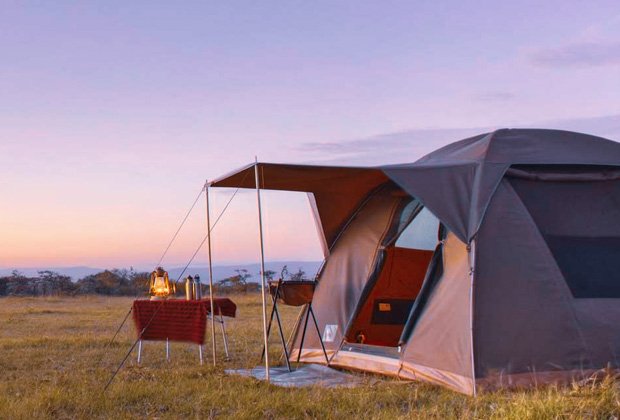
Dar Es Salaam To Nyerere Safari During Afcon
Dar es Salaam to Nyerere Safari During AFCON 2027.
View package details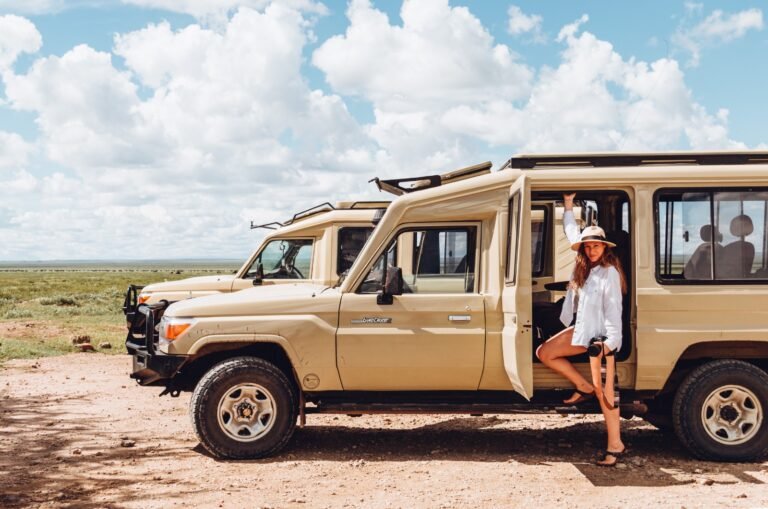
Afcon Match And Nyerere Safari Package
AFCON 2027 Match and Nyerere Safari Package.
View package details
Dec 22, – 3 Day Nyerere Group Joining Safari
Dec 22, 2026 – 3 Day Nyerere Group Joining Safari.
View package details_1_John_from-rednote-web-768x1024.jpg)
Dec 13, – 2 Day Nyerere Fly-In Group Safari From Zanzibar 2026
A detailed guide to the December 13, 2026 group fly-in safari from Zanzibar to Nyerere National Park, covering the itinerary, logistics, and planning for your trip.
View package details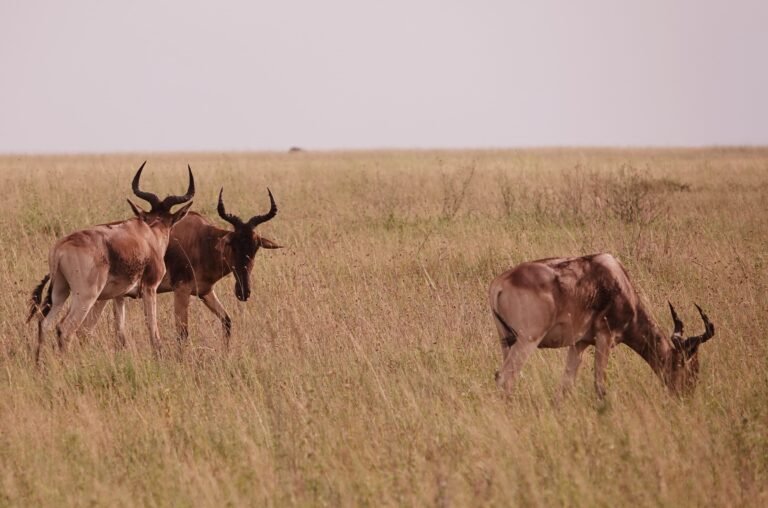
Oct 25, – 1 Day Nyerere Fly-In Group Safari From Zanzibar 2026
Secure your spot for the October 25, 2026, group fly-in safari to Nyerere National Park. A professional, time-efficient wildlife experience from Zanzibar.
View package detailsNov 26, – 4 Day Nyerere And Mikumi Group Joining Safari 2026
A detailed guide to the November 26, 2026, 4-day group joining safari covering Nyerere National Park and Mikumi National Park, including logistics, wildlife expectations, and booking steps.
View package details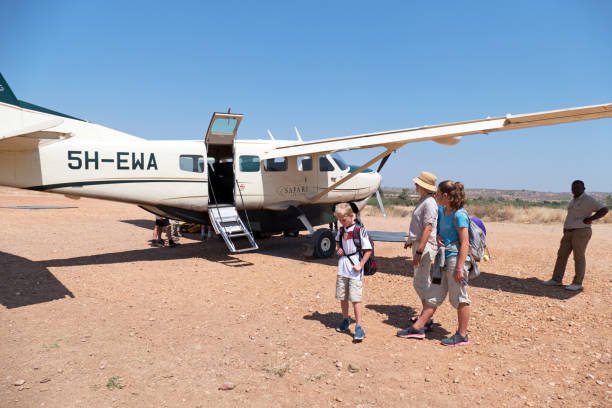
2-Day Nyerere Safari From Zanzibar: Flight-Inclusive Package Prices 2026-2027
An expert guide to planning a 2-day Nyerere safari from Zanzibar, covering flight-inclusive package structures, cost drivers, and the practical rhythm of a short-stay wildlife adventure.
View package details1-Day Nyerere National Park Safari From Zanzibar By Flight: 2026-2027
Planning a one-day fly-in safari to Nyerere from Zanzibar? Understand the logistics, travel times, and wildlife expectations for a 2026 or 2027 trip.
View package detailsAFCON 2027 Dar es Salaam Airport Transfer and Safari
Mwongozo wa kina kwa wageni wanaotaka usafiri wa kiwanja cha ndege hadi safari katika Dar es Salaam wakati AFCON 2027, pamoja na mapendekezo ya ratiba, mipango ya usafiri na marekebisho ya...
View package detailsSafari Before or After AFCON Match in Dar es Salaam
Epuka usumbufu wa ratiba, panga safari ya wanyama kabla au baada ya mechi za AFCON katika Dar es Salaam na mwongozo wa kuwasiliana na wataalamu wa Climb 4 Africa.
View package detailsAfcon Dar Es Salaam City Tour And Safari
AFCON 2027 Dar es Salaam City Tour and Safari.
View package detailsThree Day Safari from Dar es Salaam During AFCON 2027
Maelezo ya kina juu ya safari ya siku tatu inaanzia Dar es Salaam wakati wa AFCON 2027, ikijikita katika mipango, maeneo ya hifadhi, usafiri, na chaguo za malazi na usalama wa safari yako.
View package detailsNo related package matches those filters. Clear one or more filters to see the other topic-matched options.