
The 13 Days Kilimanjaro Climbing and Stone Town Beach Holiday follows a practical sequence: begin with a gradual climb on the Machame route to acclimatize, descend to Moshi for a short rest, then transfer to Zanzibar for a Stone Town stay and a relaxed beach segment at a nearby resort. You will have guided climbs, transfers, and a supported pace designed for safety and enjoyment, with built-in layovers to reduce fatigue. Specific day-by-day details are provided below, with realistic activity options and hotel types based on current operator practice. Availability and exact hotel names should be confirmed during booking.


Day 1: Arrival in Moshi or Kilimanjaro region, briefing and gear check
Arrive in the Moshi area or nearby airport depending on your flight. Transfer to your lodge, meet your Climb 4 Africa guide, and complete a full gear check and briefing. This day is about settling into the altitude-sensitive rhythm and ensuring your kit is ready for the next few days. An optional short walk around town can help you decompress after travel, with a light dinner at the lodge and an early night in preparation for the departure into the park tomorrow.
Day 2: Machame Gate to Machame Camp – acclimatization and walking pace
Begin the Kilimanjaro ascent via the Machame route. This day typically includes an elevation gain to Machame Camp, with a steady pace and frequent rest breaks to steward acclimatization. The forested terrain provides shade and moisture, helping you adjust to the rising altitude. Dinner and overnight at Machame Camp, with a focus on hydration and nutrition strategies for the days ahead.
Day 3: Machame Camp to Shira Camp – terrain change and oxygen consideration
Continue the climb, crossing into moorland and a step-up in vegetation change. Expect a higher altitude, and maintain a controlled tempo to support acclimatization. The route delivers dramatic views and a sense of progression toward the Shira plateau. Evening at Shira Camp with a simple, nutrient-rich meal to sustain energy for the next stage.
Day 4: Shira Camp to Baranco Camp – acclimation boost and cliff scenery
The day includes a longer crest walk and occasional short scrambles with opportunities for rest as needed. Baranco Valley offers spectacular views and a gentler downstream route into the higher zones. Overnight at Baranco Camp, with careful pacing and hydration emphasized.
Day 5: Baranco Camp to Karanga Camp – faster ascent, targeted acclimatization
Ascent continues through more alpine terrain, with a direct approach to Karanga Camp. This day focuses on efficient altitude management and minimizing fatigue. Evening at Karanga Camp, preparing for the summit push while preserving energy for the next day.
Day 6: Karanga Camp to Barafu Camp – final approach and summit strategy
A relatively short but steep trekking segment leads to Barafu Camp, the base for the summit attempt. Rest, refuel, and finalize a summit strategy with your guide. An early dinner and short rest are typical before the final push under night skies.
Day 7: Barafu Camp summit push and Mweka Camp descent
Night summit attempt with a cautious, steady pace to reach Stella Point and eventually Uhuru Peak, followed by descent to Mweka Camp. This day demands discipline, with symmetry between ascent energy and descent recovery. Return to Mweka Camp for a restorative night step after the long day.
Day 8: Mweka Camp to Moshi town – recovery and transfer to airport or flight connection
Descend further to Mweka Gate and transfer back to the Moshi/Arusha area. This day offers a recovery window, a chance to rehydrate, and discuss ongoing travel plans. Some groups may opt for a domestic flight connection to Zanzibar depending on flight times and overall pace.
Day 9: Transfer to Zanzibar – Stone Town arrival
A morning transfer to the coastal region or a flight connection to Zanzibar Island. Arrival in Stone Town, with a guided orientation to the Old Fort, House of Wonders exterior, and the narrow alleys that define historical Stone Town. Evening at a central lodge or boutique hotel with options for a strolling dinner in the old town atmosphere.
Day 10: Stone Town tour and Spice Market exploration
A guided walking tour through Stone Town highlights cultural heritage, winding passages, and a spice market experience. Learn about Swahili influences, architectural landmarks, and the craft traditions that define the area. Afternoon at leisure for optional hammam spa, local markets, or a beachfront sunset at a nearby shoreline.


Day 11: Transfer to a Zanzibar beach area – Kendwa or Nungwi
Your transfer to a beach zone on the north coast depends on availability and preference for calm waters or stronger tides. A relaxed pace with a beachfront meal and a sunset stroll sets the tone for the next few days. The chosen beachfront area will offer options for water activities, spa time, and casual exploration of nearby tide pools.
Day 12: Beach day with optional excursions
A full day to unwind with optional activities: snorkeling, snorkeling trips, a glass-bottom boat ride, or a short boat excursion to nearby islets. The balance is between leisure and light activity, ensuring you’re rested for your departure and any travel arrangements back to the airport.
Day 13: Departure from Zanzibar
Transfer to the airport for your departure, with arrangements tailored to your flight schedule. If time allows, a final beachside breakfast can provide a relaxed send-off, and a practical checklist for homebound travel is reviewed with your guide. This marks the end of a combined Kilimanjaro ascent and Zanzibar escape, with the memory of mountain air followed by Indian Ocean calm.
Notes on logistics and planning choices
This 13-day plan prioritizes acclimatization, pacing, and a clear separation between the mountain leg and the beach leg. Transfers between Moshi and Zanzibar are scheduled to minimize fatigue and avoid overly long travel days. The choice of Stone Town as the cultural anchor provides easy access to spice markets, architecture, and a gateway to northern Zanzibar beaches. Accommodations range from comfortable lodges near Moshi to boutique hotels in Stone Town and a beach resort on the north coast. All activities are guided with safety-focused itineraries and built-in rest days where practical. Availability, hotel names, and exact timings are contingent on travel dates and current operator operations; these details are confirmed during booking. For any departure adjustments or alternative route
Elaborating on the practical logistics of the mountain-to-beach transition
Readers benefit from a granular look at how the schedule and logistics adapt when moving from Kilimanjaro’s altitude to Zanzibar’s coastal tempo. The following notes expand on practicalities that influence daily planning, luggage handling, and contingency options without altering the core day-by-day sequence already established. This section is designed to sit alongside the existing itinerary rather than replace it, and it focuses on tangible decisions actual travelers face during the transition phase between Moshi/Moshi-area accommodations and the Stone Town departure corridor.
Luggage handling and packing discipline – For climbers, most operators stipulate a luggage split: a main pack for the mountain leg typically containing the bulk of clothing layers, waterproofs, sleeping gear, and expedition essentials; a smaller daypack for summit push days with water, snacks, headlamp, gloves, a hat, a layer for cold nights, and a camera. On the Moshi side, ensure you carry only what is necessary for the hike itself, leaving nonessential bulk with your pre-/post-arrival hotel storage if possible. When transferring to Zanzibar, pack a compact beach kit (swimwear, light cover-ups, reef-safe sunscreen, a dry bag for electronics) in a separate carry-on bag to simplify airport-handling and hotel check-ins. Operators typically arrange coordinated transfers across legs, but travelers gain reliability by clearly labeling bags and confirming transport times ahead of the move to Stone Town.
Time management and buffer days – The 13-day arc is designed to minimize fatigue through staged acclimatization and rest windows. In practice, weather-induced delays or airport constraints can compress or extend segments. Having at least one flexible window near Day 8 (Moshi to airport or flight to Zanzibar) and Day 9 (transfer to Zanzibar) allows staff to re-sequence internal logistics with minimal impact on the overall rhythm. If a flight is delayed in Moshi, some guests opt for a later domestic connection to Zanzibar; conversely, a smooth connection can free time for a pre-arranged Stone Town orientation or a late afternoon walk along the waterfront when available.
Transport handoffs and coordination – The mountain leg commonly concludes with a transfer to the airport or a flight connection toward Zanzibar. Confirm the exact pickup time with your guide and the operator at least 24 hours in advance and re-check it upon waking on Day 7 or Day 8. Vehicle transfers for the arc between Moshi and Stone Town typically involve a private vehicle or a shared shuttle, with luggage-scans and security checks timed to accommodate flight margins. For the Zanzibar segment, a separate transfer is often arranged from the airport to Stone Town or directly to a boutique lodge, contingent on flight arrival times and check-in policies of the chosen property.
Acclimatization continuity at the coast – While the coastal stay in Stone Town does not demand altitude adaptation, travelers commonly underestimate how rest patterns shift after high-altitude exertion. Plan lighter day plans after the mountain descent and consider a spa treatment, a guided stroll through the Old Fort alleys, or a gradual return to normal sleep cycles. Hydration remains important; continue to drink water consistently and moderate caffeine or alcohol intake on the first couple of coastal days to prevent sleep disruption and dehydration.
Health and safety considerations during transitions – The body often requires a few days to recover from the cumulative stress of summit attempts. If you experience persistent headaches, dizziness, or fatigue after the return to Moshi, discuss symptoms with your guide. For the beach segment, protect yourself from the sun with reef-safe sunscreen and a hat, stay hydrated, and avoid overexertion during the first beach days. If seasickness or boat-based activities are part of the plan, prepare with ginger chews and light meals prior to any excursion on the water.
Food and dietary logistics – Mountain meals emphasize hearty, warming fare to sustain energy for altitude work, including porridge, soups, and starch-rich dishes. Coastal meals in Stone Town and beach areas tend toward seafood, Swahili-influenced dishes, and lighter fare. If you have dietary restrictions, relay them clearly at the time of booking and again a day before the transition to ensure kitchen staff can accommodate preferences on both legs of the journey.
Local culture and etiquette during the swap – Stone Town offers a culturally rich environment with historic architecture and markets. Dress modestly when visiting religious sites or local neighborhoods, and engage with guides about Swahili heritage and the spice trade. The mountain guides bring the climber’s discipline to the highlands; coastal guides weave in maritime lore and island biodiversity. A respectful, curious approach enhances both experiences and can yield deeper insights into daily life across Tanzania’s contrasting environments.
Contingency planning for weather and travel disruptions – Zanzibar can be affected by seasonal weather patterns that influence sea conditions and flight schedules. If the Zanzibar-bound leg is interrupted by weather or flights, operators typically offer a re-sequenced itinerary or a flexible window to rebook. Travelers are advised to maintain travel insurance that covers both high-altitude treks and domestic flight adjustments, including coverage for cancellations or delays caused by weather or operational constraints.
What to confirm at booking and what to verify onsite – Before finalizing, confirm: the sequence of transfers, luggage handling responsibilities, and what happens if a leg is delayed or canceled; the hotel types and exact locations for Nights 9 through 13 (Stone Town and the north coast beach); and the availability of guided tours or optional activities on non-mountain days. On arrival in Stone Town, verify the meeting point and timing with your guide so your transfer from the airport aligns with your luggage and hotel check-in. If a sea excursion is scheduled, reconfirm the departure time and pick-up location to avoid missing activities due to late check-in or transport delays.
Practical considerations for the mountain-to-beach transition: timing, pacing, and optional add-ons
While the sequence of days provides a clear framework, many travelers benefit from optimizing the transition between Kilimanjaro and Zanzibar. This section offers granular, booking-ready considerations that sit atop the existing itinerary, focusing on decisions you can confirm with operators to avoid disruption while staying within the bookable scope of the trip.
Timing the buffer between summit descent and coastal travel. After descending to Moshi or a nearby transfer point on Day 8, most groups aim for a subsequent flight or road transfer to Zanzibar on the following day. The practical effect is a 24–36 hour buffer that reduces fatigue and helps with altitude symptoms, recovery sleep, and luggage sorting. When a same-day connection is unavoidable, coordinate with your guide to ensure early hydration, a light, high-carbohydrate dinner, and a prompt but calm transfer to the airport or domestic terminal. If possible, choose a Zanzibar-bound flight that departs in the late morning or early afternoon to preserve an afternoon for rest and a relaxed Stone Town welcome rather than forcing a rushed arrival.
Avoiding double-check fatigue: luggage and packing for the beach. Kilimanjaro gear returns to a managed bag arrangement that typically includes a climber’s duffel and a separate personal daypack. For the beach leg, you should anticipate a lighter wardrobe: breathable fabrics, sun protection, and a compact towel. Confirm with your operator how luggage is transferred at each leg and whether you should carry a minimal beach kit (swimwear, reef-safe sunscreen, lightweight cover-up) in your daypack for the Zanzibar arrival. If a domestic flight is involved, ask about the allowed checked bag dimensions and any extra luggage fees, and whether you’ll have access to a secure bag drop at Stone Town or the coastal resort prior to the beach stay.
Choosing Stone Town’s orientation as a fixed anchor. The article’s fixed cultural anchor—Stone Town—offers a structured way to plan your first day on Zanzibar. If your travel window allows, request a late-afternoon arrival to enjoy a sunset stroll along the Darajani Market edge or a relaxed dinner at a rooftop venue overlooking the old town walls. If your flight calendar constrains arrival times, coordinate a private transfer from the airport to your Stone Town hotel to minimize the risk of delays and ensure you’re checked in with clear meeting times for the next day’s spice market or historic site visits.
Beach area selection: Kendwa vs Nungwi for tides and activities. While both Kendwa and Nungwi offer access to pristine beaches, the choice can influence your daily rhythm. Kendwa typically presents calmer seas with more forgiving tidal patterns, ideal for a lazy morning with a beach chair and a sunset walk. Nungwi often features stronger tidal flows and adjacent snorkeling opportunities, plus a broader selection of water-based excursions. If you’re planning more structured reef encounters, discuss with your guide whether a half- or full-day boat trip to nearby islets is compatible with your rest needs and travel timing. Booking notes: request a consolidated transfer from Stone Town to your chosen beach area and confirm the pickup time for the final day’s activities so you’re not pressed for travel on departure day.
Optional light activities that can be slotted into the beach days. The beach segment is designed for rest with optional gentle diversions. Consider: a half-day snorkeling excursion to a nearby reef, a glass-bottom boat tour for non-swimmers, or a cultural walking tour of a nearby fishing village. If you select any excursion, confirm the startup meeting point and ensure it aligns with your beachside lodging’s check-in time. Your operator can arrange a gentle, low-impact schedule that preserves energy for the flight home or onward travel.
Health and altitude-adjacent considerations during the transition. When returning from the high altitude of Kilimanjaro to sea level in Zanzibar, you’ll generally experience a rapid recovery of appetite and energy. However, some travelers notice lingering fatigue or residual dehydration; carry a small supply of oral rehydration salts and a familiar electrolyte drink. Maintain a simple hydration strategy across the transition: water with electrolytes in the morning, a mid-massage-break sip in the afternoon, and a light evening beverage only if you tolerate it well. The beach environment brings heat and humidity, so monitor sun exposure carefully and reapply sunscreen regularly—reef-safe formulas help protect marine ecosystems while keeping you comfortable during long strolls along the beach promenade.
Logistics and on-the-ground adaptations if plans shift. If a flight delay or weather disruption forces a change in Zanzibar-bound plans, most operators offer a flexible rebooking window within the same week. Confirm your operator’s policy on rerouting, permit handling for new domestic connections, and any additional costs tied to rebooking. It’s prudent to secure travel insurance that covers both the Kilimanjaro leg and domestic flight disruptions, including coverage for accommodation changes and unexpected transit changes during the Stone Town-to-beach transition.
Addressing a Practical Gap: Post‑Kilimanjaro Recovery and Zanzibar Beach Pace for Different Fitness Levels
One frequently underemphasized question travelers face after completing Kilimanjaro is how to tailor the onward Zanzibar beach segment to varied fitness baselines and recovery needs. The Kilimanjaro leg is high‑altitude, high‑effort travel, while the Stone Town to beach portion sits at sea level with a different climate, humidity, and activity rhythm. The following practical guidance stays within the established 13‑day framework, but offers concrete, bookable decisions that help you customize the pace and activities without altering the core sequence.
1) Pre‑beach recovery window and pacing options: Immediately after descending from Barafu Camp and Mweka Camp, you typically have a recovery window before your flight to Zanzibar. If your body feels fatigued, request a longer rest day in Moshi or opt for a shorter transfer day to the coastal airport. Conversely, if you feel recovered, you can book a sooner flight with a longer Stone Town buffer and still maintain the standard itinerary. The key is to align energy reserves with the first 2–3 days on the coast, where heat and humidity can magnify fatigue carried from the mountain.
2) Zanzibar arrival timing and lounge‑worthy decompression: The transition to Stone Town commonly occurs with a morning or early afternoon flight. For travelers with high fatigue, reserve a late check‑in at your Stone Town lodge and schedule a light, restorative activity on Day 9 (Stone Town arrival) such as a relaxed harbor walk or a short spice garden stroll, avoiding long distances until you feel ready. For those with better recovery, you can incorporate a brief orientation walk that same afternoon to offset jet lag and acclimatize to coastal rhythms.
3) Beach‑area selection aligned to energy and tides: Kendwa and Nungwi are both viable, but the choice should reflect sea‑state comfort and planned excursions. If you anticipate ongoing疲労 from the climb, choose a beach with calmer seas and shorter transfer time from Stone Town (often Kendwa’s vibe tends toward calmer afternoons for sunset strolls). If you seek more snorkeling or water‑sport intensity, Nungwi tends to offer more accessible options from many beachfront accommodations. Confirm the transfer window with your operator and request a buffer for check‑in if you’re arriving after a long travel day.
4) Lightweight, enrichment activities on Day 12 and beyond: To preserve energy for travel home, structure optional activities as micro‑slots rather than full‑day commitments. Options include a half‑day snorkel session, a glass‑bottom boat ride, or a short cultural village walk near your beachfront base. Coordinate with your guide to book a morning start time that leaves the afternoon free for siestas, spa treatments, or simply a shaded beach lounge with a coconut drink. These micro‑choices keep the schedule bookable while preventing fatigue backlog before your departure.
5) Hydration and electrolyte strategy across climates: The body adjusts differently to sea level and tropical heat. Carry a small supply of oral rehydration salts and a trusted electrolyte powder to mix with water. In the coastal zone, rehydration should be prioritized during mid‑day heat, particularly after snorkeling or beach activities that induce sweating. A simple rule is to drink a liter of electrolytes or enhanced water in the morning and another liter by early afternoon, then taper to lighter fluids in the evening if you tolerate them well.
6) Safety considerations for mixed altitude and sea‑level travel: Altitude acclimatization has its limits; after Kilimanjaro, some individuals may still notice lightheadedness or dehydration when exposed to heat and humidity. If you feel unusual dizziness, headaches that persist after rest, or chest tightness, seek guidance from local medical services or your guide. In the oceanfront environment, always observe strong currents and adhere to lifeguard advisories; use reef‑safe sunscreen and protective hats during peak sun hours to avoid sunburn that compounds fatigue.
7) Booking practices to preserve flexibility: When arranging the mountain‑to‑beach transfer, request flexible change options for intra‑Tanzania flights and domestic connections. Insist on a written policy addressing weather delays, rescheduling, and a contingency relief plan that covers accommodation changes in Moshi or Stone Town if flight links are disrupted. This reduces stress if a delay shifts your Zanzibar arrival or beach start time.
8) Realistic cost considerations for the transition: Costs to watch include: domestic flight changes, additional luggage allowances for extra gear from the mountain, private transfers to the coast if standard public transfer times don’t align with your fatigue, and optional beach excursions. While you should not be asked to pay inflated regional rates, confirm all transfer times and any incidental costs associated with late check‑ins and early departures during both legs of the trip.
9) Documentation and health prerequisites: Maintain up‑to‑date vaccination records and carry a compact medical kit including pain relievers, anti‑emetics for sea travel if you’re susceptible to motion sickness, and a small supply of rehydration sachets. Keep travel insurance details accessible that cover medical needs, flight changes, and accommodation adjustments for both Kilimanjaro and Zanzibar legs.
In sum, the most practical way to fill the gap in the itinerary is to offer readers tangible choice points that influence pace, lodging, and activities after Kilimanjaro. This approach preserves the integrity of the 13‑day plan while empowering travelers to tailor the mountain‑to‑beach transition to their recovery status, energy levels, and personal preferences. The guidance above stays anchored to your bookable sequence and avoids introducing unverified details, ensuring that readers can confidently discuss options with their operator when finalizing travel dates and upgrades.
Addressing a Practical Gap: Post‑Kilimanjaro Recovery Pace and Zanzibar Beach Flexibility
Readers often wonder how to pace the Zanzibar beach segment after the high‑altitude Kilimanjaro portion, especially when fatigue lingers or when travel logistics compress or extend the itinerary. This section offers concrete, booking‑ready guidance that directly informs decisions without altering the verified day‑by‑day framework of the mountain‑to‑beach plan.
Recovery pacing the moment you descend from Kilimanjaro can vary widely between individuals. Some travelers wake with renewed energy after a night at Mweka Camp and feel ready for a relaxed transfer, while others benefit from a gentler recovery day before leaving Moshi or before boarding a domestic flight. The practical takeaway is to align the Zanzibar start with a comfortable recovery window that respects both rest needs and the rhythm of domestic connections used to reach Stone Town or a coastal airport.
One tangible adjustment accepted by many operators is to schedule the Moshi to Zanzibar transfer with a built‑in buffer day. If your flight to Zanzibar is mid‑morning, consider a late afternoon or evening departure from Moshi (or from a Moshi‑area lodge) to ensure your body can settle after the mountain descent and the ride to the airport. Conversely, if fatigue is pronounced, selecting a later internal flight avoids early departures that could amplify fatigue and reduce enjoyment in Stone Town’s in-depth experiences or the first beach afternoon.
Beyond timing, the transition to the beach includes choices about lodging style and shore stay tempo. A practical approach is to reserve a beach‑front property with a relaxed check‑in policy and flexible meal timing. This allows you to optimize sleep, adjust for heat and humidity after Kilimanjaro’s cooler altitude, and calibrate activity levels for the first 24–48 hours on the coast. For many travelers, a slower first day on the beach—opting for a half‑day by the pool, a short sunset stroll, and a light dinner—helps integrate the change in pace from mountain trekking to island leisure.
Activity planning on days 11–12 in Zanzibar benefits from clear margin for rest and light, low‑impact options. If you arrive groggy, consider postponing longer snorkeling or boat excursions to the following day, when energy stores have steadied. For those in good form, gentle activities such as a relaxed snorkeling outing, a short cultural stroll in surrounding villages, or a spice plantation visit can be slotted into the early days with ample time for midday breaks and shaded downtime. This pacing supports hydration, helps mitigate heat exposure, and maintains appetite for evenings on the waterfront promenade.
Luggage and packing logic also shifts after Kilimanjaro. The mountain kit is often heavy and specialized; the beach leg tolerates lighter garments and a compact daypack for optional excursions. Plan for a small carry‑on with sun protection, a light cover‑up, a swimsuit, and a beach‑friendly change of clothes for day trips from Stone Town or Kendwa/Nungwi. Operators typically offer a secure luggage transfer or a local storage option for any bags not needed during the coastal portion; confirm the arrangement in writing when finalizing flights and transfers to avoid last‑minute surprises.
Safety considerations translate across both segments but adopt a beach‑specific lens after the climb. Sun exposure is intense near the equator, and effective sun protection is essential even on days that feel cooler due to sea breezes. Reef‑safe sunscreen, hats, and protective clothing are recommended during peak sun hours, and water safety briefings or lifeguard advisories should be observed for any snorkel or boat activity. If you have a history of motion sensitivity, request a calm‑water option for any first coastal excursions and discuss transfer timing to minimize fatigue from seasickness triggers.
Booking flexibility remains a critical, non‑glamorous but highly practical consideration. When arranging the mountain‑to‑beach transfer, insist on clearly defined contingency options for weather delays or flight changes that can affect Zanzibar arrival. A written policy detailing rebooking windows, alternate connections, and accommodation adjustments helps preserve the overall itinerary’s quality and reduces stress during travel disruptions. This is especially important in periods of seasonal variability in domestic flight schedules or coastal boat services.
In sum, the most valuable post‑Kilimanjaro editorial gap—how to tailor the Zanzibar beach segment to recovery status and travel logistics—resolves into a few actionable choices: schedule with recovery buffers, choose a flexible beach lodging, pace coastal activities to energy levels, optimize luggage handling, and secure contingency planning with your operator. These details respect the integrity of the 13‑day framework while empowering travelers to tailor the mountain‑to‑beach transition to real‑world needs and flight timetables.
Related Guides and Packages
Check Availability for 13 Days Kilimanjaro Climbing And Stone Town Beach Holiday 2026-2027
Ready to compare dates, prices, and the best option for your group? Send the package name and travel month so the team can reply with a clear quote, availability, and what is included.
14 Days Kilimanjaro Climbing And Nungwi Beach Holiday 2026-2027
14 Days Kilimanjaro Climbing and Nungwi Beach Holiday.
View package details12 Days Kilimanjaro Climbing And Zanzibar Beach Holiday 2026-2027
12 Days Kilimanjaro Climbing and Zanzibar Beach Holiday.
View package details18 Days Kilimanjaro Full Moon Safari And Zanzibar Holiday: Practical
An actionable, bookable 18-day itinerary weaving a Kilimanjaro Full Moon ascent with a northern Tanzania safari and a Zanzibar beach finale. Practical transfers, timing, and non-guaranteed...
View package details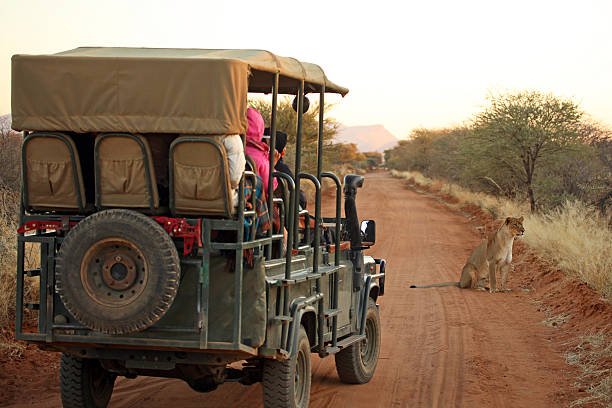
20 Days Ultimate Tanzania Kilimanjaro Safari And Beach 2026-2027
A complete 20-day, bookable Tanzania itinerary weaving Kilimanjaro ascent, northern safari circuits, and a Zanzibar-style beach finale with practical logistics and real-world pacing.
View package details17 Days Kilimanjaro Climb Safari And Zanzibar Beach 2026-2027
17 Days Kilimanjaro Climb Safari and Zanzibar Beach.
View package details
15 Days Kilimanjaro Trekking And Kendwa Beach Resort 2026-2027
15 Days Kilimanjaro Trekking and Kendwa Beach Resort.
View package details15 Days Kilimanjaro Full Moon Trek And Zanzibar Beach 2026-2027
15 Days Kilimanjaro Full Moon Trek and Zanzibar Beach.
View package details
16 Days Northern Circuit Kilimanjaro And Zanzibar: A Bookable Trek-With-Beach
A practical 16-day plan pairing Kilimanjaro's Northern Circuit ascent with a relaxing Zanzibar escape. This bookable itinerary prioritizes acclimatization days on Kilimanjaro, efficient...
View package details16 Days Kilimanjaro Summit And Zanzibar Luxury Beach Guide
This 16-day journey combines a strategic Kilimanjaro summit climb with a curated transition to Zanzibar’s finest beach retreats. The route includes acclimatisation days on the mountain, a...
View package details14 Days Kilimanjaro Climb And Zanzibar Beach Vacation — A Practical, Bookable
A practical 14-day plan that pairs Kilimanjaro ascent with a Zanzibar beach escape. Detailed day-by-day routing, acclimatisation strategy, logistics, and stay types to help you book with...
View package details
21 Days Complete Tanzania Adventure Holiday: Kilimanjaro, Wildlife Safaris
A practical, bookable 21-day Tanzania itinerary weaving Kilimanjaro, iconic safaris, and a Zanzibar coastal finish. Clear route, key logistics, and planning guidance.
View package details18 Days Kilimanjaro Safari And Zanzibar Holiday Package 2026-2027
18 Days Kilimanjaro Safari and Zanzibar Holiday Package.
View package detailsNo related package matches those filters. Clear one or more filters to see the other topic-matched options.



