
If you are planning a trip to Moshi, Tanzania—whether for a Kilimanjaro climb or a safari—your primary destination airport is Kilimanjaro International Airport (JRO). It is the only international airport situated conveniently close to Moshi (approximately 45–60 minutes by road). While some travelers look at Dar es Salaam (DAR) to save on international airfare, the added cost of a domestic connection or the fatigue of an 8-to-10-hour drive usually negates any initial savings. Arusha Airport (ARK) serves only domestic, light-aircraft flights and is not a viable entry point for international arrivals.
The Primary Gateway: Kilimanjaro International Airport (JRO)
For 99% of travelers heading to the Kilimanjaro region, JRO is the start and end point of the journey. It is a modern, manageable airport that handles major international carriers, including KLM, Qatar Airways, Ethiopian Airlines, and Turkish Airlines. Unlike the chaotic terminals found in larger African capitals, JRO is relatively quiet, making the immigration and customs process straightforward.
When you land at JRO, you are essentially at the doorstep of the mountain. The airport is located roughly halfway between the towns of Arusha and Moshi. Because Climb 4 Africa and other local operators focus on the Kilimanjaro region, your pre-arranged airport transfer will typically take you directly from the arrivals hall to your hotel in Moshi. This proximity is your greatest asset in minimizing travel fatigue before a strenuous trek.
Arusha Airport (ARK): When to Use It
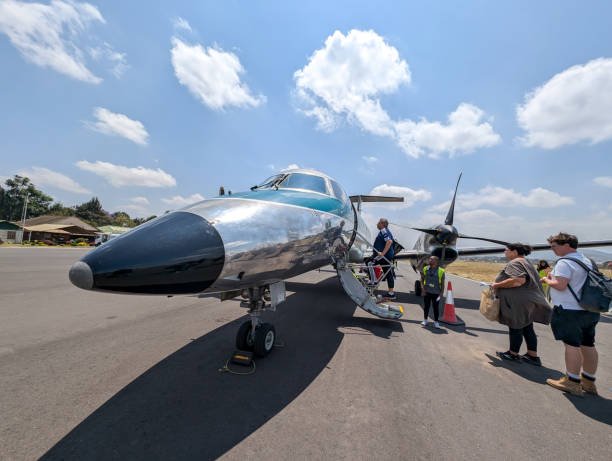
It is a common point of confusion for first-time visitors: Arusha Airport (ARK) is not the same as Kilimanjaro International (JRO). Arusha Airport is a smaller facility dedicated almost exclusively to domestic bush flights and light aircraft, such as those heading to the Serengeti, Zanzibar, or regional hubs like Nairobi or Dar es Salaam.
You would only use Arusha Airport if your itinerary involves a “fly-in” safari package or if you are combining your Kilimanjaro climb with a safari that requires a quick hop between parks. It is not an entry point for international flights. If you find a cheap flight to “Arusha” on a budget aggregator, double-check the airport code. If it is ARK, you will almost certainly need to connect through another hub, and you will likely end up flying into JRO anyway.
The Dar es Salaam Dilemma: Is Saving Money Worth the Time?
Travelers often see significantly cheaper international airfares into Dar es Salaam (DAR) compared to JRO. It is tempting to book the cheaper flight, but the logistics of getting from the coast to the highlands are frequently underestimated. Dar es Salaam is on the Indian Ocean, while Moshi sits in the shadow of Mount Kilimanjaro in the north.
To get from DAR to Moshi, you have two primary choices:
- Domestic Flight: You can book a connecting flight from DAR to JRO. While this is fast (about 1 hour), you must account for the cost of the ticket, which often erases the savings you gained on the international leg. Additionally, you must factor in the hidden costs of Tanzania domestic flights, such as baggage weight limits and airport taxes.
- The Road Journey: Driving from Dar es Salaam to Moshi is an endurance test. It is roughly 600 kilometers and can take anywhere from 8 to 12 hours depending on traffic and road conditions. For someone arriving after a long-haul international flight, this is rarely a pleasant way to start a trip.
We generally advise clients to prioritize convenience and rest. If you are exhausted from a long flight, you are already at a disadvantage for altitude acclimatization. Paying the premium to fly directly into JRO is almost always the better investment for your health and time.
Understanding Flight Cost Variables for 2026-2027
Flight pricing to Tanzania is highly seasonal. Understanding these cycles helps you book at the right time. For 2026 and 2027 travel, keep these patterns in mind:
High Season (Peak Demand)
July through September and late December are the busiest months. Demand for flights to JRO spikes due to favorable weather for trekking and safari conditions. During these periods, airlines rarely offer discounts, and seats sell out months in advance. If you are targeting these dates, booking 6 to 9 months ahead is the industry standard for securing reasonable fares.
Low Season (Value Opportunities)
April and May (the “long rains”) and November (the “short rains”) are the most affordable times to fly. While the weather is wetter, the flight costs are often significantly lower. For budget-conscious travelers, this is the best window to find deals, though you must be prepared for the realities of trekking in the rainy season. Read our guide on Tanzania flight prices in April to understand if this trade-off suits your travel style.
Logistical Reality: Transfers, Visas, and Arrival
Once you have booked your flights to Moshi, the next step is managing the ground logistics. JRO is an efficient airport, but you must be prepared for the entry requirements.
- Visa on Arrival: Most nationalities can obtain a visa at the airport. It is wise to have your USD cash ready and your paperwork prepared to avoid unnecessary delays in the queue.
- Baggage Handling: If you are flying with bush-plane carriers to reach a safari destination after your climb, be aware of strict Tanzania safari flight baggage limits. These planes usually restrict you to 15kg in soft-sided bags.
- Airport Transfers: Never rely on finding a random taxi at JRO late at night. As part of our service, Climb 4 Africa coordinates your arrival. We ensure a driver is waiting for you, regardless of flight delays, to transport you directly to your accommodation. This is crucial for your first night’s rest.
Comparative Overview of Arrival Options
| Airport | Primary Use | Best For |
|---|---|---|
| Kilimanjaro Int. (JRO) | International arrivals | Direct access to Moshi; standard for all climbers. |
| Arusha Airport (ARK) | Domestic/Bush flights | Safari fly-ins; not for international entry. |
| Dar es Salaam (DAR) | International hub | Only if combining with coastal trips; long transfer required. |
Planning Your Booking with Climb 4 Africa
Deciding when to fly and which airline to choose is the first step in your Tanzanian adventure. If you are comparing flight options or wondering how your arrival time impacts your first day in Moshi, we are here to help. We provide practical advice on flight schedules that align with our group departures and private climbs.
When contacting us, please provide your preferred travel dates and the city you are departing from. We can advise on whether your chosen flight time allows for a smooth transfer or if you should consider an alternative arrival to avoid late-night road transfers. For assistance with your travel plans, reach out to our team via WhatsApp at +255 747 477 898 or email us at climb4africa@gmail.com or our backup address at info@climb-4-africa.com.
Navigating International Transit Hubs for Kilimanjaro Arrivals
Because Kilimanjaro International Airport (JRO) is a regional hub rather than a major global mega-airport, most international travelers will find themselves navigating a transit hub before touching down in Tanzania. Your choice of transit city—commonly Addis Ababa (ADD), Nairobi (NBO), Doha (DOH), or Amsterdam (AMS)—significantly impacts your arrival experience and the reliability of your travel schedule.
For the smoothest transition, we strongly recommend booking your flight on a single ticket (a “through-ticket”) from your point of origin to JRO. When you book under one reservation, the airline is contractually obligated to rebook you on the next available flight if your first leg is delayed, and they are responsible for transferring your checked luggage. If you book separate tickets—for example, a low-cost carrier to Nairobi and a separate regional flight to JRO—you assume all the risk. If your first flight arrives late, the second airline is under no obligation to hold the plane or compensate you for a missed connection, and you will be responsible for collecting and re-checking your baggage through customs.
The major transit hubs offer different advantages for those heading to Moshi:
- Addis Ababa (ADD): As the primary hub for Ethiopian Airlines, this is often the most frequent connection point. It is a highly efficient transit facility where passengers generally remain airside. The connections to JRO are frequent, which provides a buffer if you face a minor delay.
- Nairobi (NBO): This is the closest major hub to JRO. While geographically convenient, the airport can be busy. If you are transiting here, ensure your connection allows enough time for terminal navigation, especially if you are switching between international and regional carriers.
- Doha (DOH): A popular choice for travelers coming from Europe, the Americas, or Asia via Qatar Airways. The transit experience is premium, and because Qatar Airways flies directly into JRO, it minimizes the number of “hops” you take before arrival.
- Amsterdam (AMS): KLM’s direct route to JRO is the gold standard for many European travelers, often eliminating the need for a second transit connection entirely.

Managing Flight Disruptions and Connection Risks
Even with the best planning, flight disruptions are a reality of international travel. When flying into JRO, a delay of even a few hours can shift your arrival from a standard afternoon touchdown to a late-night arrival. This transition is critical because it changes the nature of your transfer from the airport to your hotel in Moshi.
If you experience a significant delay or a missed connection, your first priority is communication. Airlines will usually handle your rebooking, but they will not notify your ground operator in Tanzania. We advise all travelers to contact their hotel or tour operator immediately upon learning of a delay. Providing your new flight number and updated arrival time allows your transfer driver to adjust their schedule. At Climb 4 Africa, we monitor incoming flights specifically to ensure that even if you land in the middle of the night, your transport remains secured and ready at the arrivals gate.
Be aware that baggage handling during transit can be unpredictable. If you are arriving on a flight that has experienced a delay or a change in routing, there is a slightly higher statistical probability that your checked luggage—especially if it contains trekking gear—may be delayed by a day. For this reason, we always recommend that you pack your essential trekking clothing, boots, and any medications in your carry-on luggage. This ensures that even if your main duffel bag arrives on the following day’s flight, you can still begin your acclimatization or initial briefing without missing a beat.
Advanced Flight Booking Strategies for Tanzanian Expeditions
For many travelers, the standard round-trip search on major aggregator websites is insufficient for a complex itinerary involving both trekking and coastal relaxation. Because Moshi is a niche destination, standard search algorithms often prioritize the cheapest fares regardless of the logistical complexity of the connection. To build a more resilient and cost-effective travel plan, you should look beyond basic return-trip queries.
The “Open-Jaw” Advantage
If your Tanzanian itinerary includes a post-climb safari or a visit to Zanzibar, you should prioritize an “open-jaw” or multi-city booking. Rather than flying into and out of Kilimanjaro International Airport (JRO), search for a flight that arrives in JRO and departs from a different hub, such as Zanzibar (ZNZ) or Dar es Salaam (DAR). While this may appear slightly more expensive at first glance, it eliminates the need for a domestic flight back to the mainland at the end of your trip. Domestic flights within Tanzania are often subject to strict weight limits and can be prone to delays, adding a layer of unnecessary stress to the final days of your journey. By flying out of the coast directly to an international hub, you save both time and the cost of an additional regional ticket.
The Risks of Combining Separate Tickets
A common mistake for budget-conscious travelers is booking two separate tickets to reach JRO—for example, a long-haul flight to Nairobi (NBO) on one airline and a separate regional connection to JRO on a different carrier. While this can sometimes shave a few hundred dollars off the total price, it creates a significant logistical vulnerability. If you book separate tickets, you are not protected by the airline’s connection guarantee. If your first flight is delayed and you miss your second, the second airline is under no obligation to rebook you, and you may lose the full value of that ticket. Always aim to book your entire journey on a single itinerary (a single PNR or booking reference). This ensures that the airline is contractually obligated to manage your transfer and get you to your final destination, even if the first leg of your flight is delayed.
Arrival Timing and Physiological Preparation
The timing of your flight arrival in JRO is not just a scheduling concern; it is a critical component of your physical preparation for high-altitude trekking. Kilimanjaro is a test of endurance, and the fatigue accumulated during a long-haul flight can significantly impact your performance on the first few days of the climb.
The Cost of a Red-Eye Arrival
Many international flights to JRO arrive in the late evening or the middle of the night. While these flights are often convenient for maximizing vacation time, they can be detrimental to your acclimatization. Arriving at 2:00 AM means you will likely get only a few hours of fitful sleep before your pre-climb briefing and equipment check begin the next morning. This sleep deficit, combined with the stress of travel, can leave you physically compromised before you even reach the trailhead. If your schedule allows, prioritize flights that arrive in the early afternoon. This provides a buffer to clear immigration, reach your hotel in Moshi, enjoy a proper meal, and get a full night of restorative sleep. This “Day Zero” adjustment period is often the difference between starting your trek refreshed and starting it in a state of catch-up.
Baggage Through-Checking and Interline Agreements
When booking your flight, investigate whether your chosen airlines have an interline agreement, which allows your checked luggage to be checked through to JRO from your home airport. If they do not, you will be required to collect your bags, exit the arrivals area, and re-check them for your connection. This process is highly risky in busy transit hubs. In some airports, you may even be required to clear customs and pay for a transit visa just to move your bags from one terminal to another. When reviewing your flight options, check the “baggage allowance” or “connection details” section carefully. If you see a note stating “self-transfer” or “separate tickets,” it implies you are responsible for your own luggage handling. For a trekker carrying specialized, heavy gear, this is an avoidable complication that increases the risk of lost or delayed equipment. Always opt for a single-ticket booking where the airline assumes responsibility for your baggage from origin to JRO whenever possible.
Mastering the Ground Transfer from JRO to Moshi
While the flight is the primary hurdle of your journey, the transition from the runway to your hotel in Moshi is the final, crucial step of your arrival. Kilimanjaro International Airport (JRO) is a relatively small facility, which simplifies the process, but the ground transport landscape requires a clear plan. For most trekkers, the best approach is to utilize a pre-arranged private transfer provided by your tour operator. These services ensure that a driver is waiting in the arrivals hall with your name on a sign, eliminating the need to negotiate fares or navigate the local taxi queue after a long-haul flight. This is not merely a convenience; it is a safety and comfort priority, as it allows you to bypass the often-pushy solicitations from independent taxi drivers waiting outside the terminal doors.
If you have not pre-arranged a transfer, official airport taxis are available, but they require a firm grasp of local pricing norms. It is essential to agree on the fare in Tanzanian Shillings or USD before placing your luggage in the vehicle. Be aware that airport infrastructure for ride-sharing apps is currently unreliable in the Kilimanjaro region, so do not count on these services as a primary fallback. Upon exiting customs, you will find a small cluster of kiosks offering currency exchange and local SIM cards. It is highly advisable to secure a small amount of local currency and a data-enabled SIM card immediately upon arrival. Having local connectivity allows you to communicate with your hotel or tour operator should your flight be delayed or if your driver needs to coordinate a meeting point, preventing the anxiety of being stranded without communication in a foreign environment.
The Return Journey: Timing Your Departure
Your departure from JRO requires a different mindset than your arrival. Unlike major global hubs such as London Heathrow or New York JFK, where arriving four hours early is a standard safety buffer to navigate massive terminals and security queues, JRO is a compact, straightforward airport. Arriving too early can actually be counterproductive, as the terminal area has limited seating and amenities, and the check-in counters for international flights typically do not open until three hours before departure.
A target arrival time of 2.5 to 3 hours before your scheduled flight is the “sweet spot” for JRO. This provides ample time to check in, clear security, and navigate immigration without the exhaustion of waiting in an under-resourced terminal for an extended period. However, you must factor in the road transit time from Moshi to the airport. While the drive is generally scenic and takes approximately 45 to 60 minutes, the road can occasionally be subject to unpredictable congestion or weather-related delays. Always confirm your pickup time with your hotel or transfer provider based on the specific traffic patterns of your departure day. If you are departing on a Sunday or a major public holiday, traffic is typically lighter, but if your departure coincides with local market days or peak school transport hours, adding an extra 30 minutes to your transit buffer is a prudent “insurance policy” against missing your flight.
Related Guides and Packages
Check Availability for Flights To Moshi Tanzania: Nearest Airports & Travel Costs Guide
Ready to compare dates, prices, and the best option for your group? Send the package name and travel month so the team can reply with a clear quote, availability, and what is included.
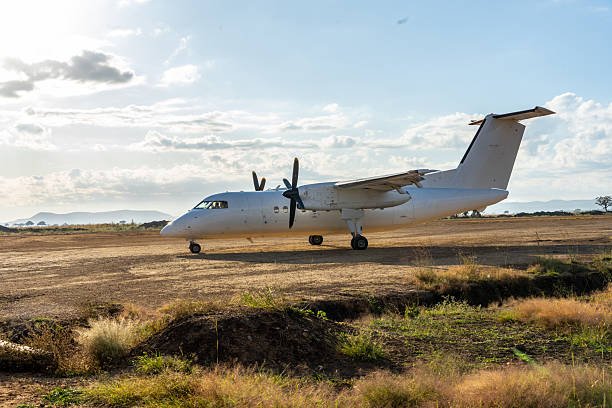
Hidden Costs Of Tanzania Domestic Flights: Taxes, Luggage & Transfers ( Guide)
A practical guide to understanding the real price of flying within Tanzania, covering baggage constraints, mandatory airstrip taxes, and the often-overlooked cost of ground transfers.
View package detailsOne-Way Vs Return Flights In Tanzania: Which Costs Less And Saves Time?
A deep look at Tanzanian domestic flight pricing: why return tickets aren't always cheaper, the logic of open-jaw travel, and how to optimize your itinerary for 2027.
View package detailsTanzania Safari And Zanzibar Holiday With Domestic Flights: Costs Guide
A guide to understanding the costs, logistics, and planning strategies for combining a Tanzanian wildlife safari with a Zanzibar beach getaway using domestic flights.
View package details
Kilimanjaro Airport To Moshi Transfer Price : A Practical Guide
A practical guide to arranging your transfer from Kilimanjaro International Airport (JRO) to Moshi, covering price factors, vehicle options, and arrival logistics for 2027.
View package detailsNo related package matches those filters. Clear one or more filters to see the other topic-matched options.



