
March 2027 occupies a specific, often overlooked niche in the Tanzanian travel calendar. As a transitional month, it sits between the peak dry season and the onset of the long rains. For travelers looking to balance budget with experience, understanding Tanzania flight prices for March 2027 requires looking past generic travel advice and focusing on airline capacity, route logistics, and the specific rhythm of East African tourism.
Understanding the March 2027 Pricing Window
March is generally categorized as a shoulder season. While it lacks the extreme price premiums of January and February—which are peak months for Kilimanjaro climbs and northern circuit safaris—it also avoids the deep discounts often seen in the low season of May and November. When analyzing flight prices for March 2027, you should anticipate a moderate pricing tier. Airlines typically manage capacity by adjusting flight frequencies into Kilimanjaro International Airport (JRO) and Julius Nyerere International Airport (DAR) based on the anticipated volume of climbers and safari-goers.
Because March is not a peak month, you will not face the same scarcity-driven price spikes that occur in August or December. However, availability can still tighten on popular routes—such as direct flights from Europe or the Middle East—if major airline groups reduce their frequency to Tanzania during this time. For a clear breakdown of how seasonality influences your travel costs, consider this comparative view:
| Period | Price Trend | Booking Window | Traveler Advantage |
|---|---|---|---|
| March 2027 | Moderate/Stable | 4–6 Months Out | Lower crowds, greener landscapes, balanced costs |
| Peak Season (July/Aug) | High/Premium | 9–12 Months Out | Maximum wildlife visibility, dry weather |
| Low Season (May/Nov) | Lowest/Variable | 3–4 Months Out | Maximum value, potential rain disruptions |
International Airfare Dynamics for 2027
Your international flight to Tanzania will likely be the single largest line item in your budget. For March 2027, the price you pay is less about the season itself and more about the specific airline network strategy. Carriers like KLM, Qatar Airways, Turkish Airlines, and Ethiopian Airlines are the primary conduits into JRO and DAR.
When searching for flights, remember that March 2027 is a time when airlines may offer promotional fares to stimulate travel. Unlike high-season bookings where demand naturally fills seats, March requires airlines to compete for passengers. This works in your favor. If you are flying from the US or Europe, focus your search on multi-city bookings. For instance, flying into Kilimanjaro (JRO) and out of Zanzibar (ZNZ) is often more efficient than a round-trip ticket to a single airport, and in many cases, it is competitively priced when booked as a single itinerary.
We often advise travelers to look closely at the routing. Direct flights or those with a single, short layover are almost always priced higher. If your budget is the primary driver, be prepared to accept longer transit times. However, if you are planning a Tanzania safari and Zanzibar holiday with domestic flights, prioritize your international arrival time. A flight that lands at JRO in the morning allows you to begin your safari or transfer without an expensive, unnecessary overnight stay in Arusha.
Domestic Flight Logistics: The Hidden Cost
One detail often missed by first-time visitors is the cost of domestic flights. If your itinerary involves a Kilimanjaro climb followed by a beach stay in Zanzibar, you will need to book internal flights. These are operated by regional carriers such as Precision Air, Coastal Aviation, or Auric Air.
Unlike international carriers, domestic flight prices in Tanzania do not fluctuate wildly based on the time of year. Instead, they are driven by seat availability on smaller aircraft. In March, while international tourists are fewer, domestic business travel remains consistent. We strongly recommend booking these internal segments at least 3 months in advance of your March 2027 trip. This ensures you secure the best routing—such as a direct hop from Arusha (ARK) or Kilimanjaro (JRO) to Zanzibar (ZNZ)—which saves you the hassle of a lengthy drive or a connecting flight through Dar es Salaam.
If you are comparing options, remember that domestic flights are often more than just a transit choice. As detailed in our guide on whether Tanzania domestic flights are cheaper than private transfers, the flight saves you a full day of travel time. In the context of a 7-day or 10-day trip, that reclaimed day is invaluable.
Strategic Planning for March 2027
Why choose March for your 2027 adventure? Beyond the pricing, March offers a unique environmental experience. The landscape is lush and green, and while short bursts of rain are possible, they rarely disrupt daily activities. For those planning a Kilimanjaro climb, the lower slopes will be vibrant. For safari-goers, the calving season in the southern Serengeti is often winding down, providing excellent wildlife viewing opportunities without the congestion of the peak season.
To optimize your budget for March 2027, consider the following tactical approach:
- Consolidate your bookings: When you book a private Tanzania safari with internal flights, the operator often has access to block-booked rates or can coordinate the timing to ensure you don’t pay for unnecessary extra nights in hotels.
- Monitor the “Open Jaw” routes: Always check the price difference between a round-trip to JRO versus an arrival in JRO and a departure from ZNZ. The tax implications and airport fees vary, and sometimes the convenience of the open-jaw route is cheaper than booking a separate domestic flight to return to your original arrival airport.
- Check for inclusive packages: Sometimes, booking a Kilimanjaro climbing and Zanzibar package with flights is more cost-effective than piecing together individual legs. This is because operators can bundle the internal flight transfers into the total package price, often leveraging lower corporate rates.
Booking Guidance and Next Steps
When you are ready to firm up your March 2027 plans, the most important step is ensuring your flight schedule aligns with your ground itinerary. A common mistake is booking flights before confirming the safari or climb start date, which can lead to costly change fees if the flight doesn’t match the tour departure.
At Climb 4 Africa, we specialize in coordinating these logistical elements. We understand the flight schedules into JRO and DAR and can advise on which arrival times provide the smoothest transition to your first night’s accommodation. Whether you are flying from the US, UK, or elsewhere, we can help you structure your dates to minimize airport wait times and maximize your time in the bush or on the mountain.
For assistance with planning your itinerary, verifying the best arrival days, or coordinating your domestic connections, contact us directly. You can reach our local support team via WhatsApp at +255 747 477 898 or send your travel dates and preferences to our planning email at climb4africa@gmail.com. You can also reach our backup support at info@climb-4-africa.com. Let us help you navigate the logistics for March 2027 so you can focus on the experience rather than the ticket prices.
Frequently Asked Questions
Are flights to Tanzania cheaper in March 2027?
March 2027 generally offers moderate pricing. It is more affordable than the peak summer months, but usually not as low as the absolute off-season months of May or November. The primary benefit in March is the balance of reasonable flight costs and favorable weather conditions.
Should I book my March 2027 flights now?
For international flights, the 4–6 month window is usually the sweet spot for finding competitive rates. However, if you are planning to travel during a specific holiday week in March, booking 6–8 months out is safer to secure preferred flight times and routes.
Does weather in March affect flight reliability?
While March is the beginning of the long rains, it rarely causes significant disruptions to international flight schedules. Domestic flights on smaller aircraft might occasionally experience minor delays due to visibility, but these are handled efficiently by local operators. We always recommend leaving a buffer in your itinerary.
Is it better to fly into JRO or DAR?
Your choice depends on your itinerary. If you are climbing Kilimanjaro or doing a northern circuit safari, JRO is the most convenient airport. If you are heading straight to the coast or Zanzibar, DAR is often the better entry point. Many travelers choose to fly into JRO and out of ZNZ to save time.

Optimizing Your Route Architecture for March 2027
Beyond simply choosing the right month, the structure of your flight itinerary is the most significant lever you have to control costs for a March 2027 trip. Travelers often default to round-trip tickets into a single airport, but this choice frequently forces unnecessary domestic connections or backtracking, both of which inflate your total budget and time commitment. For a trip in March, when flight inventory is stable but not necessarily discounted, optimizing your route architecture is essential.
The Hub-and-Spoke Advantage
Tanzania’s primary international gateways—Kilimanjaro (JRO) and Julius Nyerere (DAR)—are served by a specific set of international carriers that utilize major global hubs. Understanding these connections can save you significant capital. Carriers like Ethiopian Airlines, Qatar Airways, and KLM/Air France operate as the primary conduits for international traffic into Tanzania. If you are flying from North America or Europe, your price is often dictated by the efficiency of these hub connections.
For March 2027, compare the cost of a direct connection through your carrier’s primary hub versus an alternative route. For instance, travelers flying from the US often find that routing through Addis Ababa (ADD) on Ethiopian Airlines provides a more competitive price point than trying to force a connection through European capitals. By prioritizing carriers that treat East Africa as a primary market rather than a secondary destination, you can often secure lower fares because these airlines maintain higher frequencies and more aggressive pricing strategies on those specific lanes.
Strategic “Open-Jaw” Booking
One of the most common oversights in Tanzanian travel planning is failing to utilize an “open-jaw” or multi-city ticket. If your itinerary involves a Northern Circuit safari (starting near Arusha/JRO) and a coastal conclusion (Zanzibar/DAR), booking a standard round-trip ticket to JRO forces you to purchase an additional domestic flight to return to the north. In March, these domestic flights can be surprisingly expensive relative to the distance covered.
Instead, look for a multi-city ticket: arrive in JRO and depart from DAR (or ZNZ). While multi-city tickets can sometimes appear more expensive at first glance, they eliminate the hidden cost of the domestic “return” leg, which includes not just the ticket price, but also baggage fees and the time lost in airport transit. This strategy streamlines your travel day and often results in a lower total expenditure when you factor in the avoided domestic connection.
Leveraging Airline Alliances for March Travel
Because March falls outside of peak travel demand, airline alliances (Star Alliance, SkyTeam, and oneworld) often have more flexibility with award seat inventory. If you have accrued frequent flyer miles, March is an ideal time to search for redemption opportunities. Airlines are more likely to release “saver” level award seats on routes to Tanzania during this shoulder season than they are in the high-demand months of July or August. If you are paying cash, ensure your ticket is booked under a partner airline code to maximize your own mileage earning, which can effectively lower the “net cost” of your 2027 travel by providing value for your next trip.
Navigating Airport Transfers and Layover Logistics
While flight pricing is the primary concern for many, the operational reality of navigating Tanzanian airports is a critical, often overlooked variable that impacts the true cost of your March 2027 journey. Whether you are flying into Kilimanjaro International Airport (JRO) or Julius Nyerere International Airport (DAR), understanding the difference between a smooth codeshare connection and a self-managed transfer can save you hours of stress and potential rebooking fees.
The “Self-Transfer” Risk
A frequent error for travelers booking their own itinerary is assuming that a connection between an international carrier and a regional Tanzanian airline will be handled automatically. In most cases, unless you have booked a single ticket that includes both the long-haul flight and the domestic leg (e.g., a ticket issued by Qatar Airways that includes a Precision Air segment), you are operating on two separate tickets. This is a “self-transfer.” If your international flight arrives late due to weather or technical delays, the regional carrier is under no obligation to rebook you without a penalty. In March, while major storms are less frequent than in the deep rainy season, regional air traffic can still face delays. If you are building your own connections, always treat the domestic leg as a completely separate journey with its own buffer time.
Baggage Handling and Customs Re-check
Crucially, Tanzania requires passengers to clear immigration and customs at their first point of entry into the country. If you fly from Europe to DAR and then have a connecting flight to Zanzibar or Arusha, you must collect your checked luggage at DAR, pass through customs, and re-check your bags with the domestic carrier. This process is non-negotiable and requires significant time. Many travelers underestimate the time needed for baggage claim and customs processing, which can be unpredictable depending on the number of international arrivals landing simultaneously. For a March 2027 arrival, plan for the customs and re-check process to take at least 90 to 120 minutes, even if you are a frequent traveler.
Optimizing Your Connection Buffer
To mitigate the risks of a self-transfer, your safest strategy is to build a robust buffer into your itinerary. If you are forced to book separate tickets, aim for a minimum of four hours between your scheduled international arrival and your domestic departure. This buffer accounts for the customs process, the walk between terminals (or shuttle transfers), and the check-in deadlines for regional carriers, which are often strictly enforced—sometimes closing 45 to 60 minutes before departure. If you find that a 4-hour window is impossible to secure, consider booking a domestic flight for the following morning and spending a night near the airport. While this adds the cost of one hotel night, it provides a crucial safety net that prevents a single flight delay from cascading into a ruined safari or climb itinerary.
Streamlining the Process with E-Visas
The Tanzanian e-visa system is a highly recommended tool for March 2027 travelers to speed up the airport entry process. By applying for your visa online well in advance, you bypass the potential queues for on-arrival visa processing at the airport. While the immigration line is still a factor, having your paperwork pre-approved significantly reduces the time you spend standing in the terminal before you can reach the baggage hall. This time saved is critical when you have a tight domestic connection, as it allows you to reach the domestic check-in counter before the flight closes.
Navigating Bush Plane Baggage Restrictions
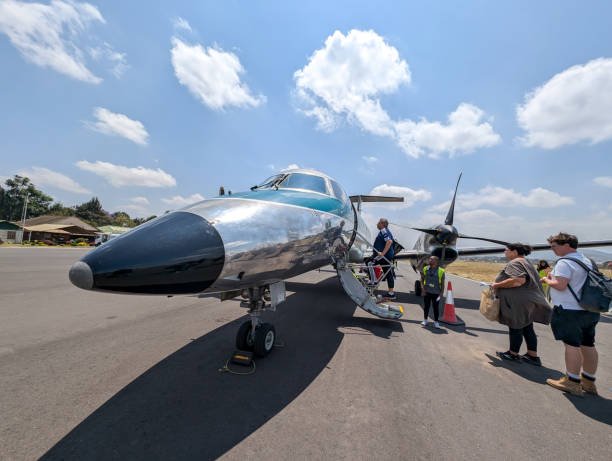
One of the most significant, yet frequently ignored, variables affecting the total cost of your March 2027 trip is the rigid baggage policy enforced by regional Tanzanian carriers. While your international flight from Europe, North America, or Asia may allow for two checked bags weighing up to 23 kilograms each, the regional bush planes—such as those operated by Coastal Aviation, Auric Air, or Safari Plus—operate under entirely different constraints. These aircraft, often Cessna Caravans or similar light planes, have strict payload limits that prioritize flight safety over cargo capacity.
For the vast majority of these regional flights, the total baggage allowance is capped at 15 kilograms (33 pounds) per person. Crucially, this limit often includes your carry-on items. If you arrive at the check-in counter with a standard hard-shell suitcase, you may be denied boarding or forced to pay significant excess baggage fees. These fees are not merely nominal; they can sometimes approach the cost of an additional passenger seat if the flight is near capacity. Furthermore, these aircraft require soft-sided luggage. Hard-shell suitcases cannot be compressed to fit into the small, irregularly shaped cargo holds of bush planes. If you are planning a March 2027 itinerary that involves multiple internal hops, investing in a high-quality, soft-sided duffel bag before you leave home is a strategic financial move that prevents expensive last-minute equipment replacements or excess baggage penalties at the airport.
Payment Nuances and Currency Considerations
When booking domestic flights within Tanzania, travelers often encounter friction with payment gateways that can lead to unexpected costs or booking failures. Many regional airline websites are optimized for domestic transactions and may occasionally struggle with international credit card verification protocols. If you find that your payment is repeatedly declined, you might be tempted to use a third-party aggregator or an online travel agency (OTA). While these platforms can be convenient, they frequently add service fees or currency conversion markups that inflate the base fare.
Furthermore, while the Tanzanian Shilling (TZS) is the official currency, the tourism industry—including aviation—operates heavily in US Dollars (USD). When booking domestic flights, always check if the airline provides the option to pay in USD. If you are forced to pay in TZS, ensure your credit card does not charge excessive foreign transaction fees, which can add 3% to 5% to the final price. For March 2027 travelers, the most cost-effective approach is to book directly through the airline’s official website using a card that waives foreign transaction fees. If you encounter technical issues, contact the airline’s reservation desk directly via email or WhatsApp; they are often able to process a secure payment link manually, which avoids the inflated pricing of third-party booking sites.
Protecting Your Investment: Flight-Specific Insurance
Given the complexity of coordinating international long-haul flights with domestic regional connections, your insurance strategy is just as vital as your flight strategy. A common oversight for travelers heading to Tanzania in March is assuming that a comprehensive travel insurance policy automatically covers “missed connections” for self-transferred flights. In reality, most standard policies only provide coverage for missed connections if the flights are booked on a single ticket (a single PNR). If you have booked your international flight and your regional safari flight separately, you are essentially on your own if a delay on the first leg causes you to miss the second.
To mitigate this financial risk, look for “Cancel for Any Reason” (CFAR) upgrades or policies that specifically include “Trip Delay” and “Missed Connection” benefits that apply even to separate ticket bookings. For March 2027, this is particularly relevant. While major weather disruptions are rare, the transitional nature of the month means that unexpected operational delays can occur. If your flight from JRO to a bush airstrip is missed due to an international delay, you may be responsible for the full cost of a private charter or a re-booked flight, which can exceed $500 depending on the route. Having a policy that explicitly covers these logistical gaps ensures that a single airline delay does not result in a significant, unplanned financial loss.
Related Guides and Packages
Check Availability for Tanzania Flight Prices March : Airfare & Seasonal Guide
Ready to compare dates, prices, and the best option for your group? Send the package name and travel month so the team can reply with a clear quote, availability, and what is included.
Tanzania Flight Prices November : Seasonal Airfares And Booking Guide
A practical guide to understanding Tanzania flight pricing for November 2027, covering seasonal weather impacts, airport selection strategies, and booking timelines.
View package detailsTanzania Flight Prices December : Christmas & New Year Travel Planning
A deep look at managing flight costs for Tanzania travel during the peak December 2027 holiday season, including booking strategies and logistics.
View package details
Tanzania Flight Prices June : Safari Season Airfares
A practical guide to navigating flight costs and logistics for Tanzania in June 2027, focusing on the seasonal shift from shoulder to peak.
View package detailsTanzania Flight Prices May : Ticket & Travel Routes
Planning your Tanzania trip for May 2027? Understand the seasonal flight dynamics, the difference between domestic and international routes, and how to optimize your travel budget during...
View package details
Tanzania Flight Prices April : Low-Season Travel Costs
A deep look at the realities of flying to Tanzania in April 2027, focusing on the seasonal price advantages, logistics of the 'Green Season,' and how to manage your travel budget...
View package detailsChild Flight Ticket Prices In Tanzania: Airline Fare Rules & Planning Guide
Planning a family trip to Tanzania? Don't assume child discounts apply everywhere. Learn the specific rules for domestic carriers versus bush flights and how to manage your booking.
View package detailsPrivate Charter Flight Prices In Tanzania: Cost Per Aircraft & Planning Guide
A practical guide to understanding how private charter flight prices in Tanzania are calculated, including aircraft types, route logic, and booking advice for 2027.
View package details
Last-Minute Flights In Tanzania: Prices & Expert Booking Tips
Understand why last-minute flight bookings in Tanzania often lead to higher costs and logistical challenges, and learn the best strategies to secure your travel.
View package details
Tanzania Flight Ticket Prices: Economy Vs Safari Bush Flights Explained
A practical guide to understanding the cost and logistical differences between commercial economy flights and private-style bush flights in Tanzania.
View package detailsPrecision Air Vs Tanzania: Domestic Flight Prices & Comparison
When planning domestic travel in Tanzania, choosing between Precision Air and Air Tanzania often comes down to route networks and baggage policies rather than just the base fare. Learn how...
View package detailsFlightlink Vs Coastal Aviation: Tanzania Safari Flight Prices Guide
A practical comparison of Tanzania's two leading bush airline operators, focusing on what drives prices, operational differences, and how to plan your inter-camp travel.
View package detailsCoastal Aviation Vs Auric Air: Comparing Tanzania Safari Flight Routes &
Deciding between Coastal Aviation and Auric Air for your Tanzania safari? We break down the differences in routes, reliability, and how to manage your bush flight logistics effectively.
View package detailsNo related package matches those filters. Clear one or more filters to see the other topic-matched options.



