
If you are a solo traveler planning to climb Mount Kilimanjaro in December 2026, you are likely looking for the best way to balance cost, safety, and social experience. The most effective way to achieve this is through a group joining departure. By joining a pre-scheduled group, you share the fixed costs of park fees, guide services, and logistics with other climbers, which significantly lowers your per-person price compared to a private, single-traveler expedition.
December 2026 Kilimanjaro group departures are ideal for solo travelers who want to avoid the high premiums of private climbs while benefiting from the camaraderie of a team. December is a peak season month, meaning group spots fill up faster than in the low season. To secure your place, you should ideally coordinate your dates at least 6 to 9 months in advance. You do not need to assemble a group yourself; you simply need to align your travel dates with an existing, verified operator schedule.
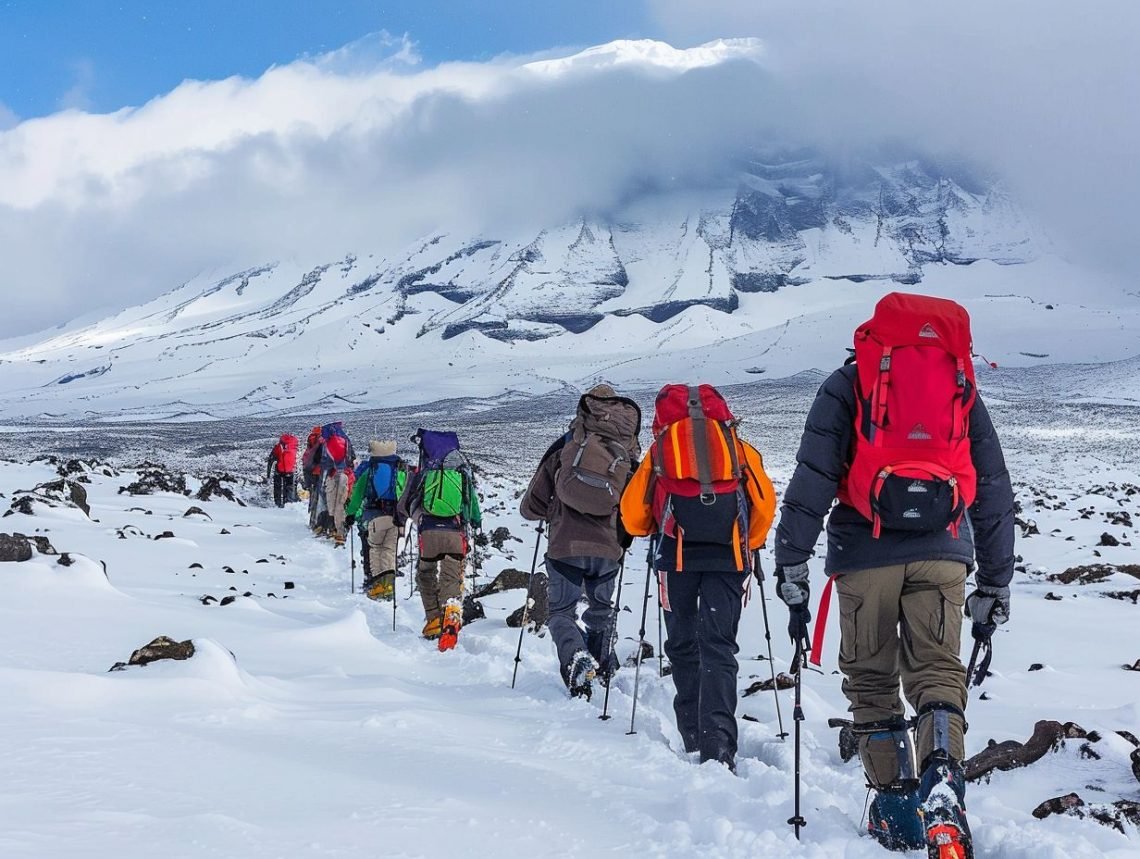
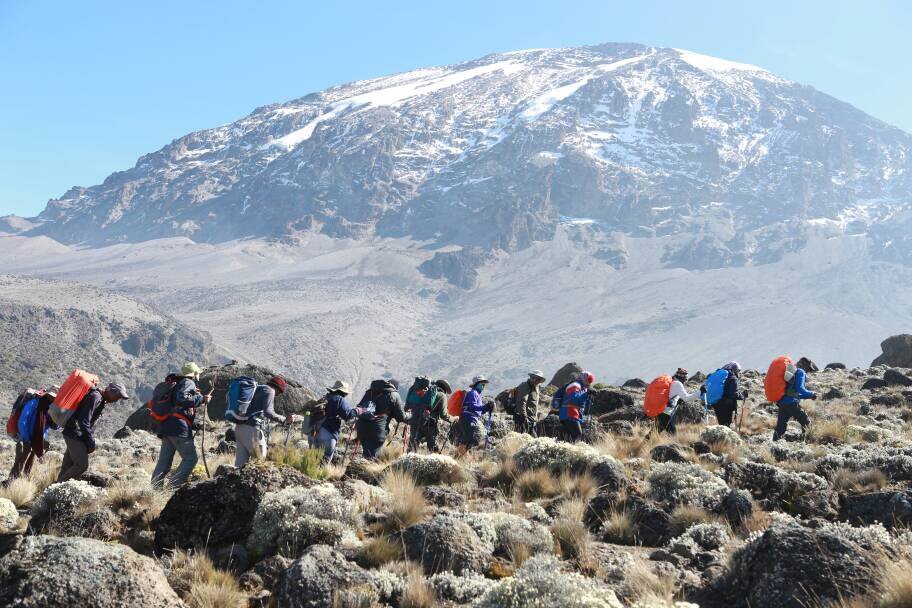
When you join a group, you aren’t just saving money; you are often joining a team of like-minded individuals from around the world. For many, this social aspect is a highlight of the expedition, turning a solitary challenge into a shared achievement.
The Solo Traveler Advantage: Why Join a Group?
Climbing Kilimanjaro solo can be an isolating and expensive endeavor if you book a private tour. Private tours require you to cover the full cost of the support crew—guides, porters, and cooks—entirely on your own. Group departures change the economics of the trip entirely.
By selecting a shared departure date, you effectively split these operational costs with other travelers. This is the primary reason most solo travelers choose this route. Beyond the financial benefits, being part of a group provides a built-in support system. You have people to talk to during the long, slow, pole-pole (slowly, slowly) pace of the climb, and the collective morale can be a significant boost when you reach the challenging high-altitude sections near the summit.
If you are considering your options, you can view our current Machame Route group departures to see how these schedules typically align with international flight arrivals.
Navigating the December 2026 Climbing Calendar
December is a unique month on the mountain. It marks the transition out of the short rainy season and into the drier, warmer weather that characterizes the end of the year. Because of the favorable weather and the holiday season, December 2026 is expected to be a high-demand period.
Many solo travelers specifically target the last two weeks of December to experience a Christmas or New Year’s summit. If this is your goal, please be aware that these dates are the first to sell out. We often see climbers start their inquiry process as early as the preceding January or February for a December trip. If you are looking for specific holiday availability, you can explore our Christmas climbing group options to see if your preferred dates are still open.
For those who prefer a quieter trail, early December (the first two weeks) often sees fewer climbers than the period immediately surrounding Christmas and New Year. This can lead to a more peaceful experience on the mountain and slightly more availability in the mountain huts or campsites.
Selecting the Right Route for Your Group
Not all routes are created equal, and for group departures, the route dictates the pace and the acclimatization profile. As a solo traveler, you should prioritize routes that offer the best balance of success rates and group social dynamics.
- Machame Route (6 or 7 Days): This is the most popular route for group departures. It is physically demanding but offers excellent acclimatization. The social aspect is strong here because it is a high-traffic route.
- Lemosho Route (7 or 8 Days): If you have the extra time, this route is often preferred for its superior acclimatization profile. It starts on the western side of the mountain and offers some of the most scenic views, which can be a great bonding point for group members.
- Northern Circuit: This is a longer, quieter route. While less common for standard group joining tours, it is an excellent choice if you can find a group departure that matches your timeline.
When you reach out to us at climb4africa@gmail.com or message us on WhatsApp at +255 747 477 898, let us know if you have a preference for the route or if you are more flexible based on the date. Sometimes, the right group dynamic is more important than the specific route.
What to Expect on a Group Joining Climb
A common question we receive from solo travelers is: “What happens if I am the only one booked on a date?”
We strive to be transparent about this. If you are the first person to book a specific date, you are essentially a “confirmed starter.” We then actively market that date to other solo travelers. In most cases, by the time the climb date arrives, the group has filled. If, in the unlikely event that you remain the only person, we will discuss your options with you well in advance. We never surprise you with a “private-at-a-premium” fee without your explicit agreement.
Your group will typically meet in Moshi the day before the climb. This is a crucial step. We hold a pre-climb briefing where you will meet your lead guide, check your gear, and meet the other members of your group. It is the perfect time to ask questions, double-check your equipment, and ensure everyone is on the same page regarding the itinerary.
Extending Your Adventure: Beyond the Mountain
Many solo travelers who fly all the way to Tanzania for a Kilimanjaro climb choose to combine it with a safari or a trip to Zanzibar. Since you are already in the region, adding a 3-day or 4-day safari is a very common way to maximize your travel time.
For those interested, we offer various Tanzania safari group departures that can be timed to follow your climb. Whether you want to see the Serengeti or the Ngorongoro Crater, there are shared options available that allow you to continue the social experience you started on the mountain.
If you are wondering about the logistics of combining these, you might find our guide on joining a safari group directly from Kilimanjaro airport helpful. It explains how to transition from the trek to the plains without unnecessary travel back to the city.
Practical Planning Checklist for Solo Travelers
- Flight Timing: Aim to arrive at Kilimanjaro International Airport (JRO) at least one full day before your climb start date. This allows for potential luggage delays and necessary rest.
- Visa Requirements: Check your visa status well in advance. Most travelers can obtain a visa on arrival, but it is always safer to verify the latest regulations for your nationality.
- Gear Rental: If you don’t want to carry bulky winter gear from home, you can rent high-quality equipment in Moshi. We provide a gear list during the booking process so you know exactly what to bring and what to rent.
- Communication: Keep our contact details handy. You can reach us at info@climb-4-africa.com for any pre-departure questions.
Common Questions from Solo Travelers
We understand that booking a trip like this alone can feel daunting. Here are some of the most frequent questions we address:
- Can I get a private room? In hotels in Moshi, yes, single supplements are available. On the mountain, you will be sharing a tent with one other group member of the same gender, unless you specifically request and pay for a private tent.
- How fit do I need to be? While you don’t need to be an elite athlete, you should be in good cardiovascular health. We recommend training with hiking or stair climbing for several months before your trip.
- Is it safe? Yes. Kilimanjaro is a heavily regulated national park. Our guides are trained in wilderness first aid and high-altitude medicine, and we have strict protocols for monitoring your health throughout the climb.
If you are still unsure about which route or date fits your 2026 plans, please don’t hesitate to reach out. We are happy to walk you through the options, compare the pros and cons of different routes for solo travelers, and help you find a group that matches your pace and travel style.
To start your planning, send us a quick message with your preferred travel window. We can check our current December 2026 Kilimanjaro group departures and give you the most accurate availability. Whether you are aiming for a Christmas summit or a quieter early-December climb, we are here to ensure your logistics are handled smoothly so you can focus on the challenge ahead.
Evaluating Group Culture Before You Book
For a solo traveler, the success of a Kilimanjaro expedition often hinges as much on the group dynamic as it does on physical preparation. While most operators market their group departures based on route and price, the intangible ‘culture’ of the group is rarely discussed. Before you commit your deposit for a December 2026 departure, you should proactively vet the operator’s philosophy regarding group composition. Not all group joining departures are created equal; some operators focus on high-speed, summit-focused trekking, while others prioritize a slower, more social, and educational experience.
When inquiring with an operator, ask specifically about the typical profile of their December climbers. Are these groups predominantly younger backpackers looking for a challenge, or are they older, more experienced trekkers seeking a comfortable, well-supported ascent? Asking this question helps you align your expectations with the group’s pace. If you are a photographer who wants to stop frequently for shots, a group that is sprinting to the summit to beat the crowds will leave you frustrated. Conversely, if you are highly competitive and want to reach the crater rim as quickly as possible, a slow-paced, leisure-focused group might feel stifling.
The ‘Climbing Personality’ Assessment
To ensure you land in a group that enhances your experience, consider your own ‘climbing personality.’ Are you a social butterfly who wants to share stories over every meal, or are you an introvert who values quiet time in your tent after a long day of hiking? While you cannot control who joins the group, you can choose operators who facilitate introductions and ice-breaking activities. Look for companies that mention pre-climb briefings where the group meets in Moshi before heading to the gate. This allows you to gauge the group dynamic early and, if necessary, discuss any concerns with the head guide before you are committed to the trail.
The Social Reality of Shared Spaces
One of the most significant adjustments for the solo traveler is the loss of privacy. On a group departure, you are not just hiking together; you are living in a shared environment for the duration of the trek. The mess tent is the heart of the expedition, and it is where the most important group bonding occurs. It is here that the guides will brief you on the next day’s terrain, weather, and acclimatization protocols. As a solo traveler, you should approach the mess tent as a communal space where open communication is vital.
If you encounter friction—whether it is a tent mate who snores, a group member who is struggling with altitude, or a difference in preferred hiking speed—the best approach is to address it early and professionally with your lead guide. The guides are trained to mediate these situations. They understand that group cohesion is a major factor in overall team success. Remember, the group is a temporary family. You are all working toward the same goal, and the shared struggle of the summit day often creates bonds that last long after you have descended from the mountain.
Managing the Summit Fever Factor
It is common for groups to experience ‘summit fever’ as the trek progresses. This is the phenomenon where the singular focus on reaching the top can overshadow the experience of the climb itself. As a solo traveler, you may find yourself pulled into this intensity. It is important to maintain your own mental balance. If you feel the group pace is becoming unsafe or overly aggressive, do not be afraid to voice your needs to the guide. A reputable operator will prioritize the health of the individual over the group’s desire to rush. Your safety, and the safety of the entire team, depends on the guide’s ability to maintain a steady, sustainable pace, regardless of the collective adrenaline.
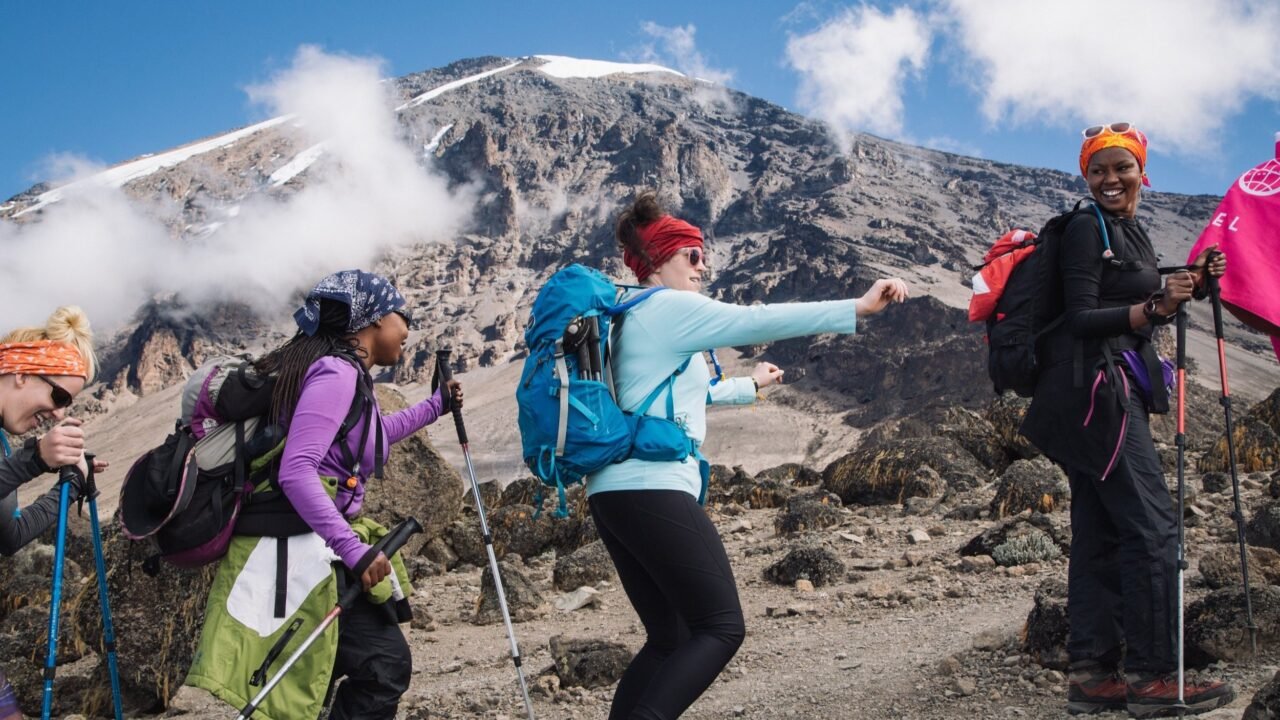
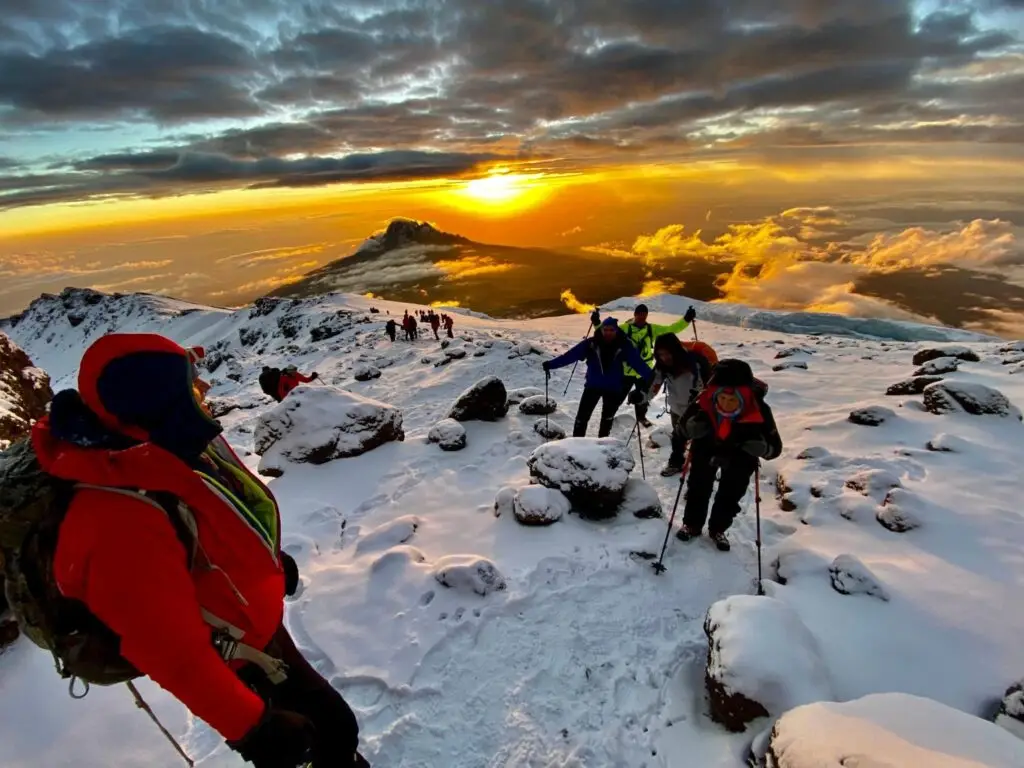
Vetting the ‘Guaranteed Departure’ Promise for Soloists
For the solo traveler, the term ‘guaranteed departure’ is often the single most important factor in the booking process, yet it is frequently misunderstood. Many operators advertise departures as ‘guaranteed,’ but it is vital to clarify what this means in practice. Does it mean the trip will run regardless of the number of participants, or does it mean the operator promises to find other people to join you? When you inquire about December 2026, explicitly ask the operator: ‘If I am the only person booked on this date, will the climb proceed, or will I be asked to pay a single supplement or join a different group?’
A reputable operator will have a clear, written policy regarding low-occupancy groups. Some companies will run the climb as a private expedition at no extra cost if you are the only one, while others may require a minimum of two or three climbers to proceed. Avoid any operator who is vague on this point. If they cannot provide a written confirmation of their ‘guaranteed’ status, you risk having your plans upended weeks before your departure. Always request a clear contract or booking terms that specify the minimum number of participants required to avoid a date change or cancellation.
Ethical Standards and Crew Ratios: Why They Matter for Soloists
When you are part of a larger, pre-organized group, you have less direct control over the support team than you would on a private climb. This makes vetting the operator’s ethical standards even more critical. Because you are relying on the guides and porters to facilitate the group dynamic and ensure safety, you must ensure you are climbing with an organization that adheres to strict labor practices. Look for operators that are partners of the Kilimanjaro Porters Assistance Project (KPAP). These organizations have been vetted for fair wages, proper equipment, and ethical treatment of their crew.
For a solo traveler, ethical treatment is not just a moral imperative—it is a safety factor. A well-treated, motivated, and properly equipped crew is significantly more effective at managing group dynamics and responding to medical emergencies. When the support team feels respected and secure, they are better able to handle the complexities of a group-joining climb, such as differing fitness levels or personality clashes among participants. Before booking your December 2026 departure, verify that your operator maintains a healthy guide-to-climber ratio—typically at least one lead guide for every two to three climbers, plus sufficient assistant guides. This ensures that if the group needs to split due to varying acclimatization speeds, there is enough leadership to keep everyone safe without compromising the integrity of the climb.
Navigating the Pre-Climb Briefing: The Critical Soloist Check-In
For a solo traveler joining a group in December 2026, the pre-climb briefing—usually held the day before the ascent begins in Moshi or Arusha—is far more than a routine equipment check. It is the first moment you transition from being a digital booking confirmation to an active member of a high-altitude team. This session is the most critical juncture for soloists to calibrate expectations, verify group compatibility, and finalize logistics. Because you are not traveling with friends or family, this briefing serves as the definitive point to confirm that the operator has accurately placed you in a group that matches your physical pace and social goals.
During this session, pay close attention to the diversity of the group. A well-balanced group for a December departure often includes a mix of nationalities, ages, and trekking experience levels. If you find yourself in a group where the fitness disparity is vast—for example, if you are a seasoned trekker paired with individuals who have done zero aerobic training—it is your responsibility to speak up immediately. Ask the lead guide directly: “What is the protocol if the group needs to split?” A professional operator will have a clear contingency plan, such as providing an additional assistant guide to escort a slower-paced subgroup, ensuring that the faster members do not feel held back and the slower members do not feel pressured to rush. This is particularly vital in December, when the mountain can be busy, and bottlenecks at narrow sections of the trail are common.
Defining Your Role and Boundaries within the Group
As a solo participant, you occupy a unique space. You are neither a “guest” in a private party nor a leader of the group. You are a peer. One of the most common mistakes solo travelers make is either over-committing to the group’s social expectations or completely withdrawing. It is perfectly acceptable to establish your boundaries early. If you need 30 minutes of solitude after the daily hike to journal or stretch, communicate this during the briefing or at the first group dinner. Most groups are composed of other solo travelers or small pairs, and they are usually relieved when someone else sets the tone for healthy, independent boundaries.
Furthermore, use this time to verify the specific roles of the support crew. While the lead guide manages the macro-strategy (summit timing, safety checks, and weather monitoring), the assistant guides are your primary point of contact for daily nuances. Ask specifically which guide will be responsible for the “sweeper” position—the person at the back of the line. Knowing who will be behind you provides immense psychological comfort, especially during the darker, colder hours of the summit push. Establishing this rapport early allows you to focus on your breathing and hydration rather than worrying about navigation or group cohesion.
The Logistics of Gear Sharing and Rental for Soloists
Solo travelers often face a unique logistical challenge: the gear-sharing dilemma. Unlike private groups that might share a single large duffel bag or coordinate gear distribution, soloists must be self-sufficient with their packing lists. When you join a December 2026 departure, you are restricted by the weight limits imposed by the Kilimanjaro National Park authorities (typically 15kg per porter-carried duffel). Because you cannot “pool” your heavy items like shared first-aid kits, solar chargers, or extra snacks with a partner, you must be surgical in your packing.
Prioritize renting specialized gear in Moshi rather than flying with it. Items like four-season sleeping bags, heavy-duty trekking poles, and technical summit jackets are bulky and often exceed airline baggage allowances. Reputable operators will have a rental shop where you can inspect this equipment during your pre-climb briefing. Do not accept gear that is worn out or questionable. As a solo traveler, you do not have the luxury of borrowing a spare glove or a warmer layer from a travel companion if yours fails. Test every zipper, check the insulation of the sleeping bag, and ensure your headlamp batteries are brand new. If you are uncertain about the quality of the rental gear, do not hesitate to ask to see alternatives. Your safety on the mountain is directly tied to the integrity of your equipment, and being a solo traveler means you must be your own primary quality control officer.
Managing Health and Hydration Solo
Without a partner to monitor your symptoms, you must adopt a rigorous, self-disciplined approach to health. In a group setting, it is easy to get caught up in conversation and forget to drink water or eat. Solo travelers are often more susceptible to mild dehydration or altitude-related fatigue simply because they are distracted by the novelty of meeting new people. Create a personal “check-in” system. Every time you reach a waypoint or take a scheduled break, perform a quick self-assessment: Are you drinking enough water? Is your headache manageable? Are you eating enough, even if your appetite is suppressed by the altitude?
If you feel symptoms of Acute Mountain Sickness (AMS), do not wait for a “group consensus” to report it. Tell your guide immediately. There is a social pressure in group settings to “tough it out” to avoid slowing down the team. Resist this. Your guides are trained to handle altitude issues, but they can only do so if you are transparent. By being honest about your physical state, you are not failing the group; you are ensuring the safety of the entire expedition. A delay caused by a solo traveler managing their health early is infinitely better than a full-scale emergency evacuation caused by someone who tried to hide their symptoms until it was too late.
Mastering Tipping Etiquette in a Group Setting
Tipping is one of the most significant, yet often most awkward, logistical aspects of a Kilimanjaro expedition. For a solo traveler, the uncertainty surrounding tipping can create unnecessary stress. Unlike a private group where you can coordinate with a partner or family member, you are entering a dynamic where you do not yet know the financial comfort levels or cultural expectations of your fellow hikers. To navigate this successfully, treat the tipping process as a professional obligation rather than a social negotiation.
First, always obtain the operator’s recommended tipping guidelines in writing before you arrive in Moshi. Reputable companies provide a clear breakdown of the expected total per group or per climber, which covers the guides, assistant guides, cooks, and porters. Do not wait until the final morning on the mountain to discuss this with your group. By the time you reach the final camp, fatigue and ‘summit fever’ often cloud judgment. Instead, raise the topic during a casual meal around day three or four. Frame it as a practical question: ‘I’ve been reviewing the operator’s suggested tipping guidelines and want to ensure I’m prepared—are we planning to pool our tips or handle them individually?’
If the group prefers to pool the money, ensure you are comfortable with the amount. If the group leans toward a lower amount that you feel is insufficient, you are under no obligation to match their contribution. You can always contribute your fair share privately in your own envelope. Always carry a supply of clean, crisp US dollars (printed after 2009) or local Tanzanian Shillings for this purpose. Relying on an ATM in Moshi the day before you leave for the mountain is a risky strategy that often fails due to machine limits or connectivity issues.
The Post-Summit Decompression: Transitioning Back to Solo
The transition from the intense, 24/7 social environment of a Kilimanjaro group departure back to the solitude of a hotel room can be surprisingly jarring. For seven or eight days, you have been surrounded by the same people, sharing every meal, every challenge, and every triumph. You have effectively lived in a ‘bubble.’ When you descend and return to the hotel in Moshi, the sudden silence of a private room can trigger a phenomenon often called ‘post-summit blues.’
To manage this transition, avoid the urge to book a flight out of Kilimanjaro International Airport (JRO) the same evening you descend. This is a common mistake for solo travelers who are eager to return to their normal routines. Instead, buffer your schedule with at least one full day of recovery in Moshi. Use this time to process the experience. Most group members will naturally drift toward their own post-climb plans—some heading to safari, others to the airport—so do not expect the group dynamic to continue indefinitely.
Plan your own celebratory ‘solo’ ritual. Whether it is a massage at a local spa, a quiet dinner at a restaurant with a view of the mountain you just climbed, or simply catching up on your journal, having a plan prevents the feeling of aimlessness that can follow such an intense physical and emotional event. This buffer day also serves as a critical safety net; if your descent was delayed by weather or a slow pace, you will not miss your international flight. By prioritizing this decompression period, you ensure that your Kilimanjaro experience ends on a high note, allowing you to integrate the achievement fully before returning to your solo travel life.
Related Guides and Packages
Check Availability for December Kilimanjaro Group Departures For Solo Travelers: Planning Your…
Ready to compare dates, prices, and the best option for your group? Send the package name and travel month so the team can reply with a clear quote, availability, and what is included.
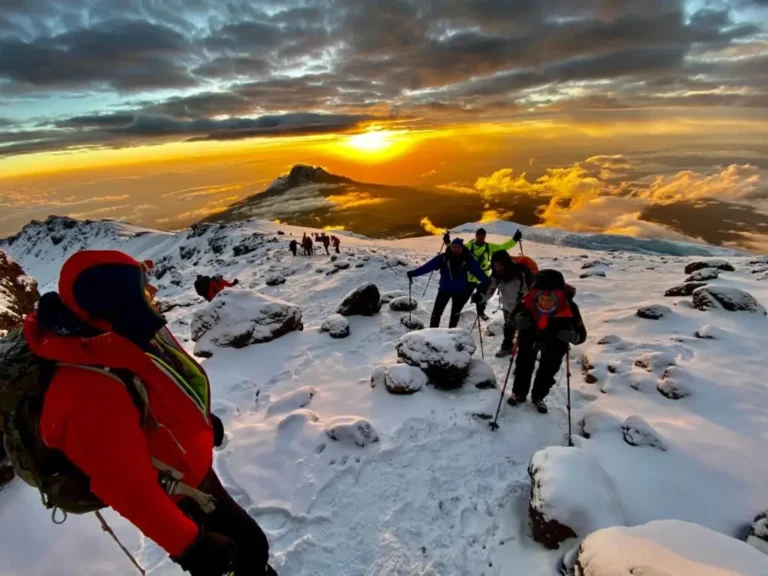
Kilimanjaro New Year Summit Group Departures December : Planning Your Ascent
Planning a New Year summit on Kilimanjaro requires specific logistics. Learn how to join a group departure for December 2026, choose the right route, and prepare for your climb.
View package details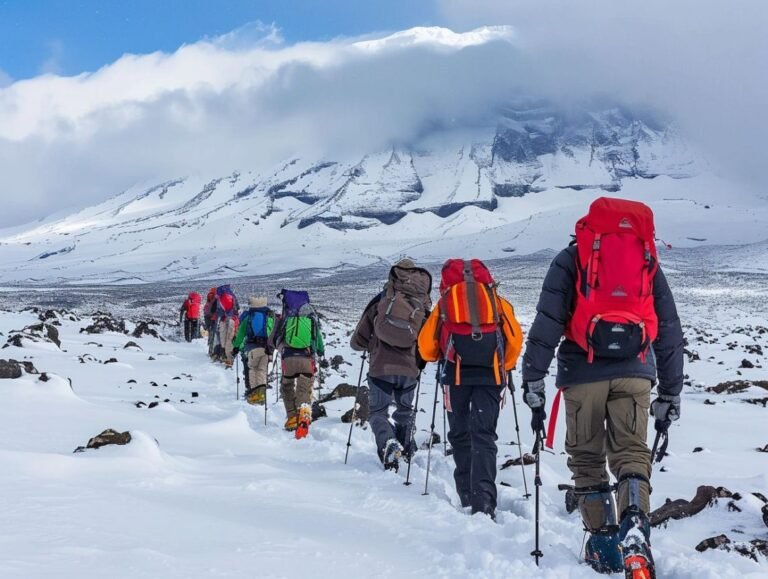
Traveling Alone To Kilimanjaro In December: Can You Join A Machame Route 2026
A practical guide for solo travelers planning a December Kilimanjaro climb. Discover how group joining works on the Machame Route, the realities of cost-sharing, and how to prepare for your...
View package details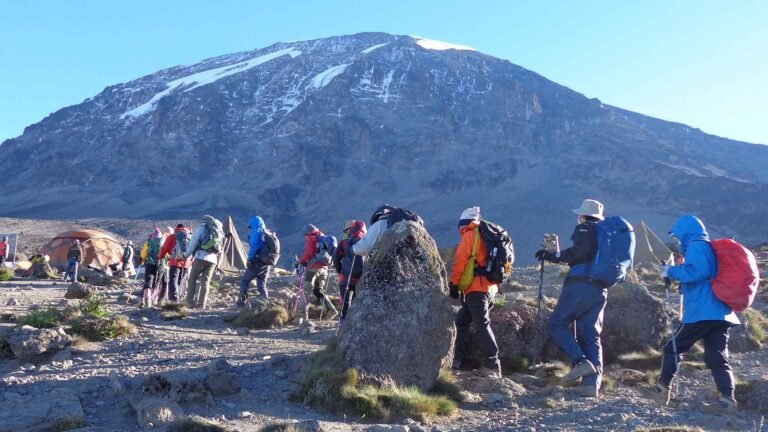
Last Minute Kilimanjaro Group Joining Deals December : Planning Your Climb
Looking for last-minute Kilimanjaro group joining deals in December 2026? Discover how to secure your spot, understand the route trade-offs, and plan your mountain ascent with expert local...
View package details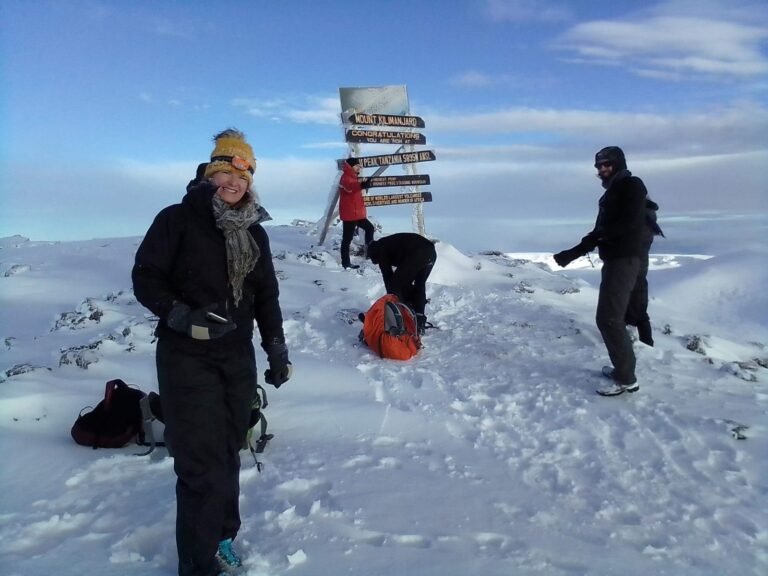
Affordable Kilimanjaro Group Joining Safari And Trekking Packages December
A practical guide to booking affordable, reliable group joining treks on Kilimanjaro and wildlife safaris in Tanzania for December 2026, focusing on logistics, shared costs, and travel...
View package details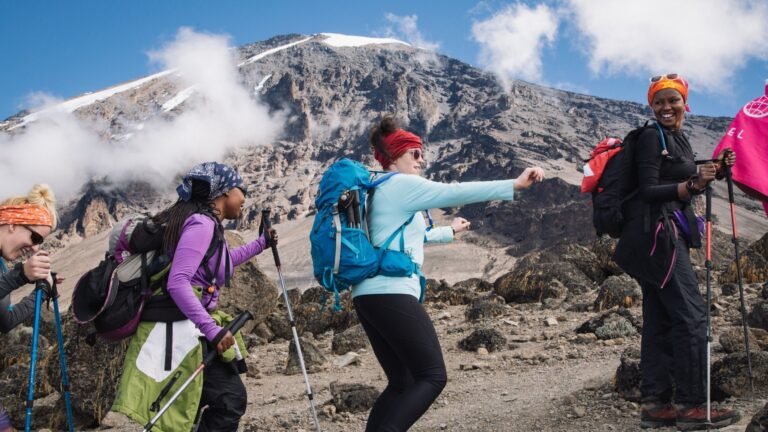
Join A Kilimanjaro Christmas Climbing Group In December 2026
A guide to securing your spot on a Kilimanjaro Christmas group climb for 2026, including route advice, group logistics, and essential planning steps.
View package details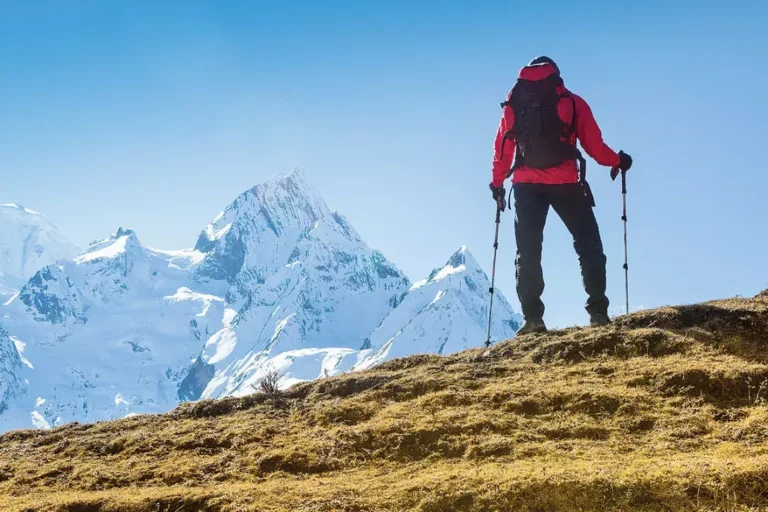
Best Kilimanjaro Group Climbing Packages For December : A Practical Guide 2026
A practical guide to selecting Kilimanjaro group climbing packages for December 2026, focusing on route logistics, weather considerations, and cost-sharing benefits.
View package detailsKilimanjaro Group Joining Tours December : Planning, Routes, And Availability
A detailed guide on planning your Kilimanjaro group joining climb for December 2026, including route comparisons, logistics, and how to secure your spot with Climb 4 Africa.
View package detailsKilimanjaro Group Joining Climbs: December Planning Guide 2026
Planning your Kilimanjaro adventure for December 2026? Find out how group joining climbs work, why December is a prime time to summit, and how to secure your spot with our expert team.
View package details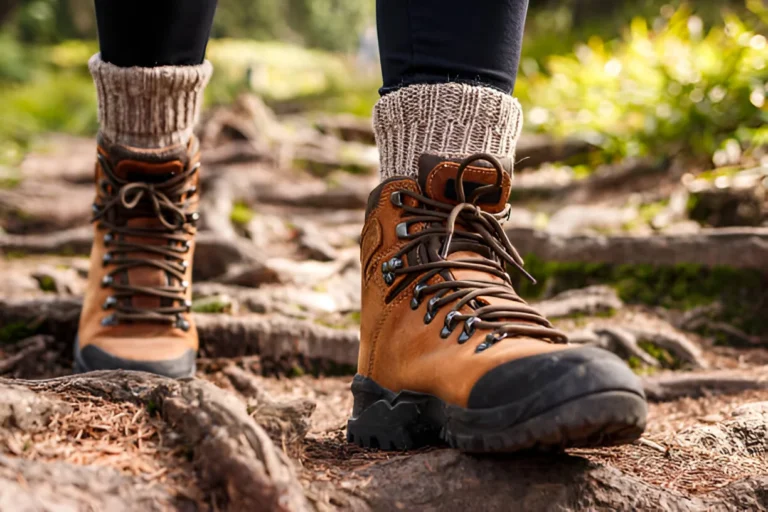
Kilimanjaro Small Group Climbing Tours Before Christmas 2026
Planning a Kilimanjaro summit before the holidays? Explore the logistics, route choices, and small group benefits for December 2026 climbs.
View package detailsCan I Join A Safari Group Directly From Kilimanjaro Airport? Logistical Guide
A practical guide to coordinating your arrival at Kilimanjaro International Airport (JRO) with a scheduled group safari, including logistical requirements and booking tips.
View package details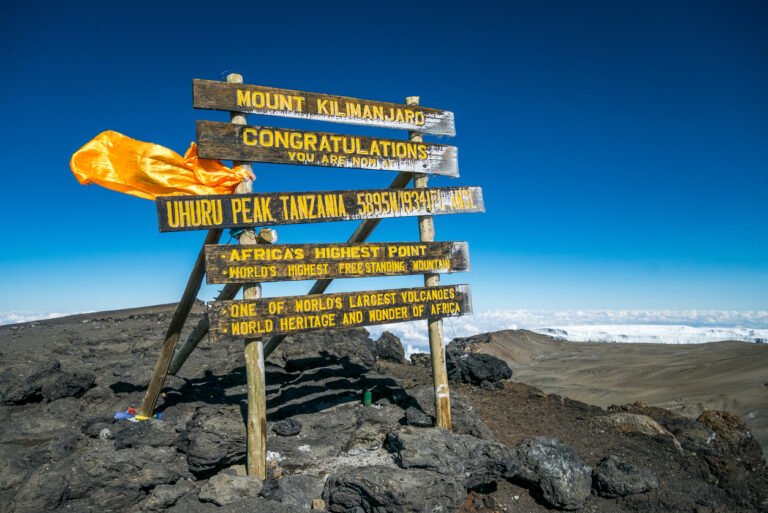
Vip Kilimanjaro Expedition With Private Mountain Crew December 2026
A detailed guide to planning a bespoke, high-support Kilimanjaro expedition for December 2026, focusing on private crew logistics, route selection, and safety.
View package details
Kilimanjaro Honeymoon Climbing And Zanzibar Beach Holiday: December Planning
A practical guide for couples planning a Kilimanjaro climb and Zanzibar beach holiday in December 2026, focusing on route selection, recovery logistics, and planning timelines.
View package detailsNo related package matches those filters. Clear one or more filters to see the other topic-matched options.



