
The 8 Day Serengeti and Ngorongoro Group Safari, scheduled for December 16, 2026, is a comprehensive, multi-day expedition designed for travelers who want to move beyond the typical “express” safari pace. By dedicating eight days to the Northern Circuit, this itinerary prioritizes extended game drives, deeper wildlife tracking, and a more relaxed daily schedule compared to standard 3 or 4-day tours, allowing for a genuine immersion into the Tanzanian wilderness without the fatigue of constant travel.
When you look at the map of Northern Tanzania, it is tempting to try and squeeze as much as possible into a short timeframe. However, the Northern Circuit—comprising Tarangire, Lake Manyara, the Serengeti, and the Ngorongoro Crater—is vast. Attempting to cover this distance in three or four days often leads to long hours spent behind the wheel, staring at the back of a vehicle, rather than watching wildlife.
Our 8-day group departure for December 16, 2026, is built on a different philosophy: time is the most valuable asset you have on safari. With eight days, you aren’t just visiting the parks; you are living in them. You gain the ability to explore different sectors of the Serengeti, spend quality time in the Ngorongoro Crater floor, and visit the distinct ecosystems of the Rift Valley lakes.
Why Choose an 8-Day Itinerary?
Most travelers opting for a group safari eventually realize that the difference between a 4-day trip and an 8-day trip is not just the number of nights—it is the quality of the experience. On a shorter 5-day Northern Tanzania group safari, you are constantly moving to hit your next destination before sunset. On an 8-day itinerary, we can build in flexibility.
This extra time allows us to:
- Reduce Drive Times: We can space out the distances, meaning you spend less time on bumpy transit roads and more time with your binoculars in hand.
- Deep Wildlife Tracking: If a leopard is spotted in the Seronera Valley, we have the luxury of waiting for it to move, rather than having to rush off to meet a strict park exit time for a distant lodge.
- Experience Diverse Ecosystems: You get a full day in Tarangire to see the elephant herds, a dedicated day for the birdlife and tree-climbing lions of Lake Manyara, and multiple days in the Serengeti to track the Great Migration.
If you are debating whether this duration is right for you, consider your tolerance for travel. If you prefer a slower, more observational pace, 8 days is the gold standard. If you are extremely time-constrained, you might find our 4-day Tarangire, Serengeti and Ngorongoro group safari more suitable for your schedule, though you will inevitably see less.
Note on December Travel: Mid-December marks the beginning of the “short rains” season in Northern Tanzania. While this sounds daunting, it is one of the most underrated times to visit. The dust settles, the landscape turns a brilliant, vibrant green, and the calving season begins, which in turn attracts predators. It is an active, lush time to be in the bush, provided you are prepared for occasional short, afternoon showers.
The Logic of the Route
Our 8-day route is designed to build in intensity. We start with the smaller, more manageable parks and work our way up to the grand finale of the Ngorongoro Crater.
Days 1-2: The Rift Valley Warm-up
We typically begin by heading out from Arusha toward Tarangire and Lake Manyara. These parks are essential for acclimation. Tarangire is famous for its baobab trees and massive elephant herds, which are often easier to spot here than anywhere else in the circuit. Lake Manyara provides a different, greener environment—a great introduction to the birdlife and the distinct flora of the Rift Valley floor. By the time you reach the Serengeti, you will have already refined your spotting skills.
Days 3-6: The Serengeti Heartlands
With four days dedicated to the Serengeti, we aren’t just skimming the surface. We can explore the Central Serengeti, which is reliable for big cats year-round, and potentially venture into other sectors depending on where the migration herds are currently concentrating. This is where the 8-day itinerary shines. On a shorter trip, you might see the Serengeti for one morning and one afternoon. Here, you have the space to witness the rhythm of the day: the early morning hunts, the midday siestas, and the evening activity.
Days 7-8: The Ngorongoro Finale
The Crater is a self-contained ecosystem. By spending proper time here, we can arrive early in the morning, beating the day-trip crowds from Arusha, and spend a full, uninterrupted day on the floor. This is your best chance to see the endangered Black Rhino. Leaving the crater for the final day ensures that your safari concludes on a high note before the drive back to civilization.
The Group Safari Dynamic
Joining a group safari is a practical decision for many travelers. It is not just about cost-sharing—though that is a significant benefit—it is about the shared experience. You are in a Land Cruiser with like-minded travelers who are all there for the same purpose: to see the wildlife.
However, group travel requires a certain level of flexibility. You are part of a team. Your guide will work to accommodate the group’s interests, but decisions about stops, photography time, and pacing are made collectively. If you are a professional photographer needing specific lighting or angles for hours at a time, a private safari is usually the better choice. If you enjoy the social aspect of meeting people from around the world and want a cost-effective, well-supported journey, this group departure is ideal.
Practical Planning for December 2026
Preparation for a December safari is straightforward, but it requires attention to detail. The weather is warm during the day but can be surprisingly cool in the Ngorongoro highlands, especially in the early mornings. Layers are non-negotiable.
- Packing: Bring a sturdy windbreaker or light jacket for the Crater rim, where temperatures can drop significantly. Neutral-colored clothing (khaki, tan, olive) is standard—avoid bright colors or dark blues/blacks, which can attract tsetse flies in certain areas.
- Health: December is a warmer month. Ensure you have consulted your travel clinic regarding malaria prophylaxis.
- Visas and Documents: Tanzania requires an entry visa for most nationalities. Do not leave this until the last minute. While e-visas are available, ensuring your passport has at least six months of validity beyond your date of departure is the single most important document check you can make.
Booking Your Spot
Because this is a specific group departure for December 16, 2026, availability is limited by the capacity of the vehicles and the lodges we select. We do not overbook our groups; we maintain a vehicle-based limit to ensure everyone has a window seat and a comfortable experience.
To secure a spot on this 8-day itinerary, you don’t need to commit to a complex booking engine. We prefer a direct, human-to-human conversation to ensure this itinerary matches your expectations. Contacting us allows us to confirm current availability, discuss any dietary requirements, and clarify the pickup logistics from Arusha or Kilimanjaro International Airport.
If you are ready to plan, please reach out to our team directly. You can send us a message via WhatsApp at +255 747 477 898. Alternatively, you can email us at climb4africa@gmail.com or use our backup contact at info@climb-4-africa.com. When you reach out, please mention the “December 16, 2026, 8-day group safari” so we can pull up the correct details immediately.
We are a local team based here in Tanzania. We manage the logistics, the vehicles, the guides, and the support on the ground. When you book with Climb 4 Africa, you are booking directly with the operator, which means your questions get answered by the people who actually run the trips, not a third-party booking agency.
If this date does not fit your schedule, or if you are looking for a different duration, we maintain a full calendar of departures. You can view all our Tanzania safari group departures to find a date that aligns perfectly with your flights.
Understanding the December Wildlife Migration Patterns
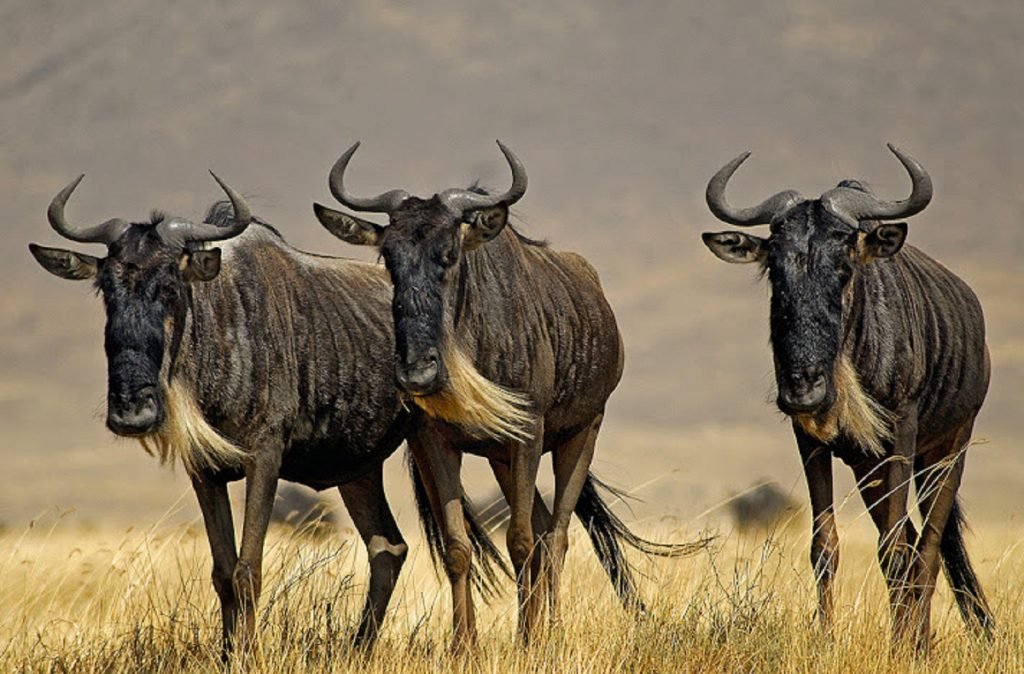
A frequent question from travelers booking for mid-December is how the timing aligns with the Great Migration. While the Serengeti is a year-round destination, the migration is dynamic, and December marks a transitional period in the ecosystem. By December 16, the herds are typically beginning their move from the northern woodlands back toward the southern short-grass plains of the Ndutu and Serengeti areas. This shift is driven by the onset of the “short rains,” which generally fall in November and December, stimulating fresh, nutrient-rich grass growth in the south.
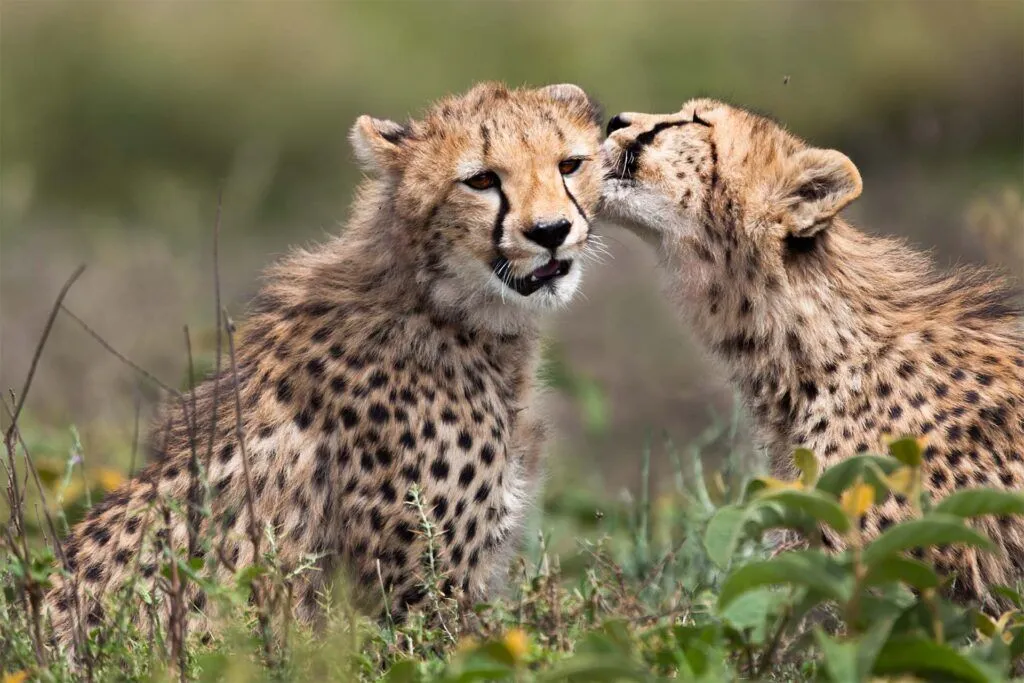
For your 8-day group safari, this timing is advantageous. Unlike the peak dry season where you might spend hours scanning empty plains, the December rains turn the landscape into a vibrant, lush green. This creates a spectacular backdrop for photography, contrasting the dark, dramatic storm clouds often seen in the afternoons with the brilliant colors of the savanna. More importantly, this is the start of the calving season for many plains game, which in turn draws predators. Lions, cheetahs, and hyenas are particularly active during this time, taking advantage of the abundance of vulnerable young animals.
Because you are spending four days in the Serengeti heartlands, your guide has the flexibility to track these movements. If the herds are congregating in the central or southern sectors, we can position the group to witness the activity. It is important to set realistic expectations: the Great Migration is not a single, predictable line of animals crossing a river; it is a massive, fluid movement across millions of acres. Our focus is on positioning you in the right sector of the park to maximize your chances of seeing large concentrations of grazers and the predators that follow them.
The Advantage of Extended Game Drives
One of the most common complaints among travelers on shorter, 3-day safaris is the “rush” to return to the lodge before dark. On our 8-day itinerary, we operate with a different rhythm. We prioritize full-day game drives where possible, which allows us to carry a picnic lunch and venture far from the main tourist loops. This is often where the most memorable sightings occur—deep in the bush, away from the traffic of the main park entrances.
During these extended days, your guide can employ “patient tracking.” This involves turning off the engine and waiting near a waterhole or a known predator hunting ground. While this requires patience—and sometimes results in waiting for an hour or more without significant action—it is the only way to witness natural behavior. You might see a leopard descending from an acacia tree, or a pride of lions waking up from a midday nap to begin their evening hunt. These moments are impossible to capture when you are on a strict schedule that demands you reach your accommodation by 5:00 PM. By giving ourselves the luxury of time, we transform the safari from a sightseeing checklist into an in-depth wildlife observation experience.
Navigating the Cultural Landscape: Beyond the Wildlife
While the primary draw of an 8-day safari in December is undoubtedly the wildlife, travelers often overlook the profound cultural dimensions of the Northern Circuit. Because our itinerary is not rushed, we have the unique opportunity to engage with the human landscape that exists alongside the protected wilderness. This is not about forced tourist stops, but rather a contextual understanding of the region you are traversing.
The Ngorongoro Conservation Area, in particular, is a Multiple Land Use Area. This is a crucial distinction from the national park status of the Serengeti. Within the conservation area, the Maasai people continue to live in traditional homesteads (manyattas) and graze their cattle alongside wild game. As we transit toward the Ngorongoro crater rim or travel through the highlands, you will frequently see Maasai herders in their distinctive shuka cloths. Understanding that this landscape is not a fenced-off zoo, but a living, breathing ecosystem where human communities and wildlife interact daily, adds a layer of depth to your safari that shorter, park-only itineraries rarely facilitate.
Furthermore, the drive between the Rift Valley lakes and the Serengeti often takes us through or near Mto wa Mbu, a unique cultural melting pot at the base of the Great Rift Valley. On an 8-day schedule, we are not forced to bypass these areas in a race against the sun. Depending on the group’s interests and the flow of the transit days, there are opportunities to observe the agricultural diversity—such as the famous red bananas of the region—and the interplay between local communities and the safari industry. This engagement transforms the transit days from “lost time” into “contextual time,” allowing you to appreciate the geography not just as a series of game parks, but as a complex region with its own history, agricultural practices, and social structures.
This cultural awareness also extends to your interactions with your Tanzanian guide and support crew. On an 8-day trip, the relationship between the guests and the crew inevitably deepens. You have the time to ask questions about life in Arusha, the impact of the tourism industry on local development, and the challenges of conservation management. These conversations, held over a dinner in a bush camp or during a slow drive between sectors, are often cited by returning travelers as the most memorable “non-wildlife” aspects of their journey. It bridges the gap between being a passive observer of animals and an active participant in the broader Tanzanian experience.
The Mechanics of the 8-Day Safari: Vehicle Life and Wildlife Photography
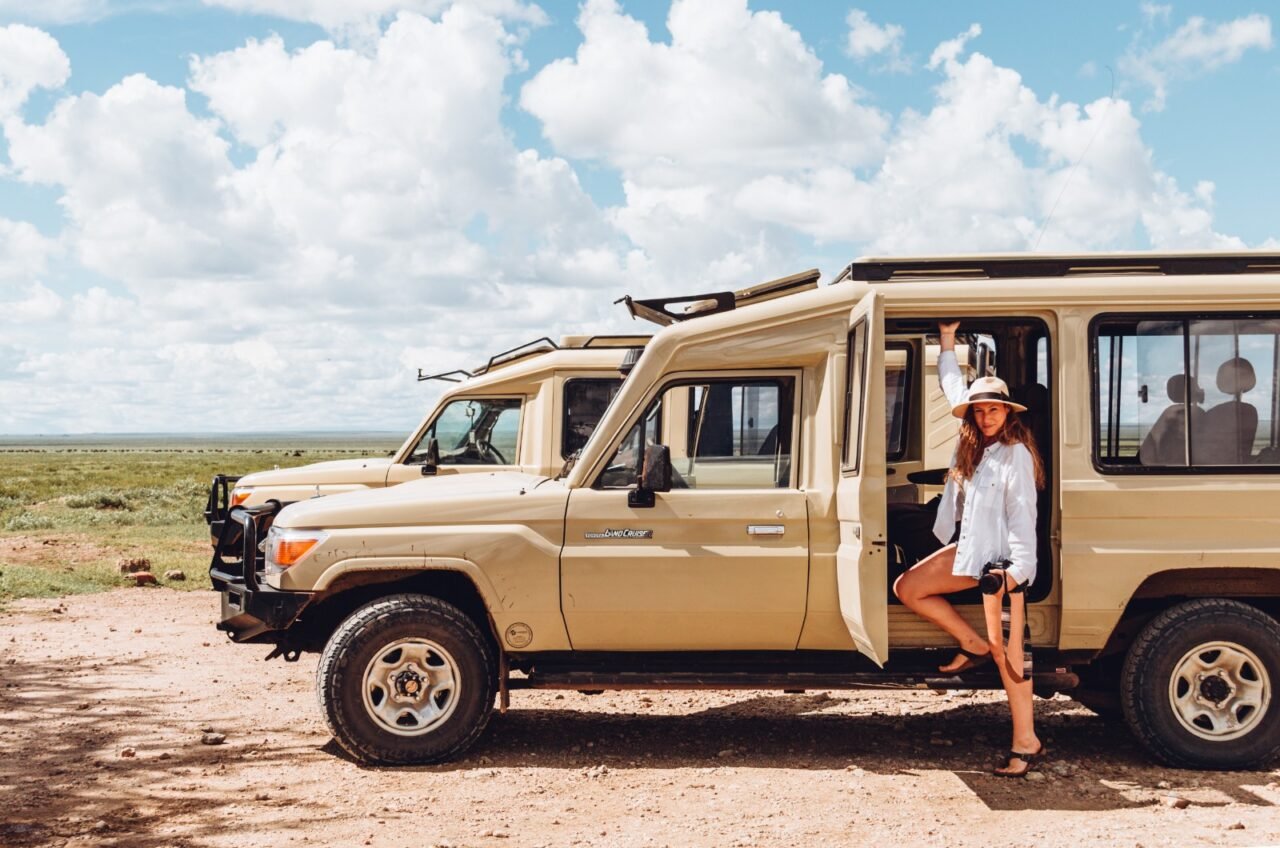
When committing to an 8-day expedition, the safari Land Cruiser ceases to be merely a mode of transport; it becomes your primary living space, your observation deck, and your mobile base of operations. Unlike a short-duration trip where you can tolerate minor discomforts for the sake of ticking off sightings, an 8-day journey requires a more sophisticated approach to vehicle management and group etiquette. The success of a long-duration safari often hinges on how well the group adapts to the rhythm of the vehicle.
Mastering the Group Vehicle Dynamic
In a standard group safari, the seating arrangement is the most critical logistical factor. On an 8-day itinerary, professional operators typically implement a rotation system. This is non-negotiable for group harmony. Because the vehicle is equipped with a pop-top roof, the “best” seat often changes depending on whether you are tracking a leopard in the trees or watching a lion pride in the grass. A structured rotation—where passengers shift seats daily—ensures that everyone experiences both the front-seat perspective, which offers better communication with the driver, and the rear-seat perspective, which provides a higher vantage point for photography when the roof is popped.
Beyond the seating chart, managing the interior environment of the vehicle is vital for the 8-day duration. The interior of a Land Cruiser can become a repository for dust, camera gear, layers of clothing, and personal water bottles. The golden rule for long-duration safaris is “organized minimalism.” Keep your personal daypack compact. Large, rigid suitcases are stored in the back, but your immediate items—binoculars, extra lenses, sunscreen, and that essential windbreaker—should be stowed in a way that doesn’t obstruct the floor space. In the confined space of a vehicle, clutter is the enemy of comfort. By Day 4, when the Serengeti heat begins to rise, a clean, organized vehicle significantly reduces the physical fatigue that often plagues travelers on shorter, more chaotic trips.
Photographic Patience: The 8-Day Advantage
The most significant advantage of an 8-day itinerary for wildlife photography is the luxury of time. On a 3-day safari, the pressure to “get the shot” often leads to a frantic pace: you drive to a sighting, take photos, and immediately rush to the next one. This creates a cycle of stress where you are constantly competing with other vehicles. On an 8-day trip, you can adopt the “Slow Lens” philosophy. This involves finding a subject—perhaps a cheetah resting in the shade or an elephant herd near a waterhole—and simply waiting.
When you have the luxury of time, you stop being a tourist who needs a snapshot and start being an observer who captures behavior. This is where the 8-day itinerary pays dividends. You can watch a lion pride for two hours, waiting for the moment they wake up, stretch, or interact, rather than just waiting for them to look at the camera. This approach also requires a high level of discipline within the group. Silence is a requirement. The clicking of shutters can be distracting, so agree beforehand with your fellow travelers on “silent periods” where everyone simply observes with their eyes. This not only results in better, more candid animal behavior but also fosters a deeper, shared appreciation for the wilderness that a rushed schedule simply cannot accommodate.
Communication and the Guide-Passenger Relationship
On an 8-day safari, your relationship with your guide evolves from a driver-passenger dynamic into a collaborative partnership. By Day 3 or 4, a good guide will begin to understand your specific interests—whether you are more focused on birdlife, predator action, or general landscape photography. Use the transit times to communicate these preferences clearly. If you are particularly interested in the social dynamics of hyena clans, let your guide know. With eight days on the ground, they have the flexibility to adjust the day’s route to seek out those specific encounters.
However, it is equally important to trust their expertise. If a guide suggests skipping a busy, crowded sighting to head toward a quieter sector of the Serengeti where they suspect activity, follow their lead. Their knowledge of the terrain, combined with the radio communication they maintain with other guides, is your greatest asset. On a multi-day trip, the goal is to balance your “wish list” with the realities of the bush. By the final days in the Ngorongoro Crater, you will find that your communication with the guide has become intuitive, allowing you to maximize every hour of your final game drive without needing to explain every request.
The Evolution of Daily Safari Fatigue
While the physical itinerary of an 8-day safari is designed to be less taxing than a 3-day “marathon” trip, the mental and physical toll of being in the bush for over a week is a reality that veteran safari-goers often overlook. On a short, intensive trip, adrenaline carries you through; on an 8-day expedition, you must manage your energy reserves to ensure you are as alert on your final day in the Ngorongoro Crater as you were on your first day in Tarangire.
The primary challenge is the sensory overload that comes with sustained wildlife viewing. By the third day, the novelty of seeing a giraffe or a zebra begins to wane, and the brain naturally seeks more complex stimuli. This is where the 8-day rhythm becomes vital. We intentionally build in “slow-down” windows—periods during the midday heat where the vehicle is parked under an acacia tree, or you are back at the lodge for a siesta. These are not wasted hours; they are recovery periods. In December, the midday temperatures can be draining, and forcing yourself to remain in the vehicle during peak heat often leads to fatigue-induced irritability by the late afternoon, which is precisely when the most interesting predator activity typically begins.
Managing Sensory Overload and Sustained Engagement
To maximize your experience, treat your safari like an endurance sport. Hydration is the most overlooked factor in group safari fatigue. The air in the Northern Circuit, particularly in the high-altitude Ngorongoro region, is significantly drier than many travelers expect. While your vehicle will be stocked with water, the responsibility to drink consistently falls on you. Dehydration often manifests as a mild headache or reduced focus, which can dampen your enthusiasm during long game drives. Aim for a consistent intake of water rather than waiting until you feel thirsty, as the constant dust and wind from the open-top vehicle accelerate fluid loss.
Another aspect of sustained engagement is the “digital detox” vs. “documentation” balance. Many travelers spend the first two days photographing every impala they see. By day four, the camera often stays in the bag, and they start truly observing the ecosystem. This shift is normal and healthy. Do not feel obligated to document every sighting. Some of the most memorable moments on an 8-day trip are the ones you experience without a lens between you and the subject. By allowing yourself to put the camera down, you become a more active participant in the group, often noticing behaviors or subtle shifts in the environment that those solely focused on photography might miss.
The Importance of “Bush-Down” Time
In an 8-day itinerary, the lodges and camps serve as more than just sleeping quarters; they are essential decompression zones. Unlike a city hotel, the accommodations chosen for these extended routes are often integrated into the landscape. Use the evenings to debrief with your group. The social aspect of a group safari is a significant component of the trip’s success. Sharing stories from the day’s sightings helps process the experiences. If you find yourself needing solitude, do not hesitate to step away. The beauty of an 8-day trip is that you have the time to socialize when you want to, and the space to retreat when you need to recharge. This balance ensures that when you head out for the early morning game drive on day seven or eight, you are refreshed and ready for the final, often most rewarding, sightings of the trip.
Power and Connectivity: Staying Charged in the Serengeti
When embarking on an 8-day journey, the logistics of keeping your devices operational becomes a distinct part of your daily rhythm. While modern safari vehicles are increasingly equipped with 12V cigarette-lighter-style inverters, these are shared resources. In a group of six or seven, you cannot rely on the vehicle as your sole power source for high-drain devices like camera batteries or laptops. Most vehicles provide enough power for a phone charge during transit, but relying on the vehicle’s inverter for heavy-duty charging can strain the system and create unnecessary friction within the group dynamic.
Lodges and tented camps in the Serengeti and Ngorongoro region operate under different power models than city hotels. Many rely on solar arrays or diesel generators, which are often switched off during the night to preserve fuel and minimize noise pollution. Consequently, power outlets may be unavailable from late evening until the following morning. It is standard practice to bring a universal power adapter and, crucially, a high-capacity power bank. A power bank allows you to charge your devices while you are out on a game drive, ensuring you are ready for the next day without needing to hover near an outlet during the limited hours when the lodge’s main power is active.
Regarding connectivity, manage your expectations early. While some lodges offer limited Wi-Fi in common areas, high-speed, stable internet is rarely a guarantee in the heart of the bush. The signal is often intermittent, and attempting to stream media or upload large files will likely prove frustrating. This is, in many ways, the greatest benefit of the 8-day itinerary: the enforced digital disconnect. Use this opportunity to shift your focus from constant connectivity to the immediate environment. If you need to communicate with family back home, check your messages during the brief windows when you are near the lodge reception, but do not plan on working remotely or maintaining a heavy digital presence. Embracing the ‘offline’ reality of the Northern Circuit is essential to fully immersing yourself in the experience.
The Unspoken Code of the Savannah: Etiquette and Stewardship
In an 8-day group safari, the vehicle is not merely a transport mechanism; it is a shared social and ecological space. Because you are spending significantly more time in the bush than the average traveler, the behavioral standards you adopt on Day 1 will dictate the harmony and quality of your experience through Day 8. The most successful group expeditions are those where travelers adopt a collective “safari code,” prioritizing the environment and the wildlife over individual convenience.
The Power of Silence: Acoustic Hygiene
Wildlife in the Serengeti and Ngorongoro is highly sensitive to auditory cues. While many travelers instinctively want to exclaim or chat when they spot a pride of lions or a leopard in a tree, excessive noise is the quickest way to end a sighting. Predators, in particular, are attuned to the sounds of distress or unusual human activity. When you encounter a sighting, the rule of thumb is to observe in silence for the first few minutes. This allows the group to absorb the behavior of the animal without disrupting its natural rhythm. On an 8-day trip, you will find that the most rewarding sightings—the ones where a cheetah might use your vehicle as a vantage point or a lion walks inches from your door—occur because the vehicle remained a quiet, non-threatening presence. If you must communicate with your guide or fellow passengers, do so in whispers.
Vehicle Dynamics and Wildlife Proximity
The Land Cruiser is designed for observation, but it requires active management by the passengers to remain stable and safe. A common mistake in group safaris is leaning over the side of the vehicle or standing up while the vehicle is in motion. Not only is this a safety hazard on the uneven, unpaved roads of the Serengeti, but it also alters the silhouette of the vehicle, which can spook wildlife. When you are in the Ngorongoro Crater, where the density of vehicles can be high, maintaining a low profile is essential. Avoid wearing bright colors or high-contrast clothing, which can catch the eye of animals and distract them from their natural behavior. Furthermore, never pressure your guide to drive off-road or approach an animal closer than the park regulations allow. Professional guides are trained to read animal stress signals; if they maintain a distance, it is for the safety of both the passengers and the animal.
Sustainable Living in Remote Camps
The 8-day duration means you will be staying in multiple locations, many of which are eco-sensitive camps with limited infrastructure. Water is a precious, finite resource in the bush. While you will have access to clean water, it is transported to these remote locations at a significant cost and effort. Practice “conservation-minded” hygiene: keep showers short and be mindful of your water usage. Similarly, waste management is a critical issue in the Serengeti. Plastic bags are strictly prohibited in Tanzania, and you should ensure that you are not bringing single-use plastic bottles into the parks. Use a reusable water bottle, which is standard practice for long-haul safari travelers. If you produce any trash, hold onto it until you reach a designated disposal area at your lodge. Leaving nothing behind is the fundamental rule of the Northern Circuit.
Communal Dining and Dietary Logistics
Meals in the bush are a social cornerstone of the 8-day safari, but they operate under logistical constraints that differ from city hotels. Because you are in remote locations, kitchen facilities are often smaller and supply chains are complex. If you have specific dietary requirements, these must be communicated well in advance of your departure date. Do not expect the same level of variety or the ability to make last-minute changes to a menu that you would find in a metropolitan restaurant. The lodges and camps are incredibly accommodating, but they rely on advance preparation to source fresh ingredients. Approach dining as a communal event; it is the time to decompress, share photos, and discuss the day’s sightings with your group. Being flexible and appreciative of the kitchen staff’s efforts in such remote environments contributes significantly to the positive atmosphere of the group.
Health, Wellness, and Medical Self-Sufficiency in the Bush
When you commit to an 8-day expedition, your health and physical wellbeing shift from a matter of personal comfort to a critical component of the group’s success. On a shorter safari, you can often push through minor ailments or fatigue; on an 8-day journey, such issues can compound, affecting your ability to enjoy the game drives and, by extension, the group’s dynamic. Because you will be operating in remote environments where the nearest medical facility may be a half-day’s drive away, developing a mindset of medical self-sufficiency is essential.
The “Bush Pharmacy” Mindset
While every reputable safari operator provides a basic first-aid kit in the vehicle, this is intended for emergencies, not for the management of minor personal ailments. You should arrive in Tanzania with a compact, personal “bush pharmacy.” This kit should include supplies for the common, minor disruptions that occur during extended travel: rehydration salts, anti-diarrheal medication, high-quality antihistamines for dust allergies, and basic painkillers. Do not rely on your guide to source these items. Furthermore, if you take daily prescription medications, ensure you have enough for the entire 8-day duration plus a three-day buffer, and keep these in your carry-on luggage, not in checked bags that might be misplaced in transit.
Managing Altitude and Temperature Fluctuations
The 8-day route involves significant changes in elevation and temperature, which can be taxing on the body. You will descend from the high-altitude Ngorongoro Crater rim—where temperatures can drop to near-freezing at night—to the hot, arid plains of the Serengeti. This rapid transition can lead to dehydration and respiratory irritation. Many travelers mistake the symptoms of mild altitude sickness (headache, fatigue, slight nausea) for general safari fatigue. To mitigate this, prioritize hydration, not just with water, but with electrolyte replacement solutions. The dry, dusty air of the Serengeti, combined with the high altitude of the Ngorongoro highlands, can also cause sinus issues; consider bringing a saline nasal spray to keep your passages clear, as congestion can make sleeping in remote camps difficult.
Vector Control and the December Humidity
December is part of the “short rains” season in Northern Tanzania. While this brings lush, green landscapes and is excellent for wildlife viewing, it also increases insect activity. Mosquitoes and tsetse flies are more prevalent during this time. Your health strategy must include robust vector control. While malaria prophylaxis, as prescribed by your doctor, is the primary defense, your physical behavior in the bush is the secondary layer. Wear long-sleeved, light-colored clothing—tsetse flies are notoriously attracted to dark blue and black—and use a high-quality insect repellent containing DEET or Picaridin. Apply this before your morning game drive, as the early hours are often the most active for biting insects. Being diligent with your personal protection not only keeps you healthy but also prevents you from becoming a distraction to others in the vehicle.
The Collective Responsibility of Health
In a group vehicle, health is a shared resource. If you feel the onset of an illness—whether it is a cold, stomach upset, or heat exhaustion—it is your responsibility to communicate this to your guide and your group immediately. There is a tendency among travelers to “tough it out” to avoid disrupting the itinerary, but in the confined space of a Land Cruiser, illness can spread quickly. By being transparent, you allow the group to adjust the pace, stop for more frequent water breaks, or return to camp earlier if necessary. This proactive honesty is the hallmark of a considerate group member. Remember that your guide is trained in wilderness first aid, but they are not a doctor; their primary role is to get you to safety if a situation escalates. By managing your own health, hygiene, and hydration, you ensure that the expedition remains focused on the wildlife, not on medical logistics.
Navigating the Return: Post-Safari Logistics and Departure Planning
The conclusion of an eight-day safari is rarely as simple as checking out of your final lodge and heading to the airport. Because your itinerary involves significant transit from the remote Serengeti or Ngorongoro regions back to the logistical hub of Arusha or Kilimanjaro International Airport (JRO), the final 24 hours require as much strategic planning as the first. Many travelers underestimate the sheer distance involved in the return journey, which can span several hundred kilometers of rough, unpaved terrain before reaching the smoother tarmac of the main highways.
For a December 16 departure, your safari will conclude on December 23. This timing is critical to understand: it places your departure in the lead-up to the holiday travel season. International flights departing from JRO during the late evening—a common schedule for European and North American carriers—require you to be back in the Arusha area by late afternoon at the absolute latest. Do not plan a game drive on the morning of your departure day if your flight is scheduled for the same evening. Even a minor mechanical delay or a slower-than-expected drive through the Ngorongoro Conservation Area can jeopardize your international connection. It is standard practice to allocate at least six hours for the drive from the Ngorongoro highlands to the airport, allowing for road conditions and potential traffic near the town of Arusha.
The Transition from Bush to Urban Environment
There is a psychological shift that occurs when moving from the silence of the bush back into the bustle of a Tanzanian town. After eight days of immersion, the sudden influx of noise, traffic, and cellular connectivity can be jarring. Many travelers find that booking a ‘day room’ in an Arusha hotel is the single most effective way to manage this transition. A day room provides a private space to shower, repack your luggage, organize your camera gear, and rest before your long-haul flight. It effectively bridges the gap between the rugged, dusty reality of the safari and the sterile, climate-controlled environment of the airport.
Repacking is an often-overlooked necessity. Over the course of eight days, your gear has likely been reorganized, dirtied, and shifted. Your camera equipment, which was kept accessible during game drives, now needs to be secured for international transit. Use the quiet hours of your final afternoon to clean your lenses and sensors, as the fine dust of the Serengeti is pervasive and can damage delicate optics if left to settle during the flight home. Furthermore, ensure that any lithium-ion batteries—which are prohibited in checked luggage—are moved to your carry-on bags. Security protocols at JRO are strictly enforced, and having to reorganize your bags at the check-in counter is a stressor you want to avoid.
Managing the Post-Safari “Withdrawal”
The emotional impact of leaving the Tanzanian wilderness is a documented phenomenon among safari-goers. After the intense focus required for wildlife spotting and the close-knit social dynamic of a group safari, the return to solitude or the chaos of travel can feel like a letdown. This is often referred to as ‘safari blues.’ Acknowledging this feeling can help you manage it. Many experienced travelers recommend spending the final evening documenting their thoughts or reviewing photos with fellow group members. This serves as a vital ‘debrief’ that helps solidify the memories of the past eight days.
Finally, consider the logistical requirements of your arrival back home. If you are returning to a significantly different climate, ensure your departure clothing is accessible. You may be leaving the humid, warm environment of the Northern Circuit and heading into a cold winter climate. Having your heavier layers easily reachable in your carry-on or top-loaded in your main luggage will make your eventual arrival at your home airport significantly more comfortable. By treating the final day not as an afterthought, but as a formal part of the expedition, you ensure that the sense of accomplishment and discovery from your December safari remains intact until you reach your front door.
Navigating the Financial Logistics of Tipping
For many travelers joining a group safari, the most significant source of pre-trip anxiety is not the wildlife or the terrain, but the unspoken expectations surrounding gratuities. On an 8-day itinerary, where you are building a rapport with your driver-guide and spending significant time in diverse lodges, tipping becomes a recurring logistical consideration. Unlike a standard hotel stay where tipping is often automated or service-included, the safari industry operates on a cash-based, personal appreciation model that requires foresight, especially when traveling in a group.
The Guide-Tip Protocol
Your driver-guide is the single most important individual during your 8-day expedition. They are your navigator, wildlife spotter, cultural interpreter, and safety officer. Because this is a group safari, the tipping dynamic is best managed through a collective approach. While individual tipping is permitted, it often creates awkward disparities. The most effective strategy is to discuss the ‘group pot’ with your fellow travelers on Day 1 or Day 2. By pooling resources, the group can present a single, meaningful gratuity to the guide on the final day, which reflects the collective appreciation for their service. This removes the pressure from individual passengers to calculate percentages or feel obligated to tip beyond their means.
As a general guideline for the Northern Circuit, a tip of $20 to $30 USD per day, per vehicle (not per person), is considered standard for a high-quality, professional guide. When divided among a group of four to six passengers, this becomes a negligible daily cost but a significant gesture of gratitude for the guide. It is essential to present this tip in a sealed envelope at the conclusion of your safari, preferably during your final transfer or at the last lodge. Avoid handing over loose cash, as it is difficult for the guide to account for and can be seen as less professional.
Lodge and Camp Gratuities
While the guide-tip is personal and direct, tipping at the lodges and tented camps you visit during your 8-day journey follows a different logic. Most reputable lodges operate a ‘communal tip box’ system. These boxes are located at the reception area and are shared among the entire back-of-house staff—the chefs, housekeepers, groundskeepers, and waitstaff who rarely interact with guests but are essential to your comfort. It is highly recommended to contribute to these boxes rather than trying to tip individual staff members, as this ensures equitable distribution among the entire team.
For these lodges, a contribution of $10 to $15 USD per guest, per night, is the standard industry benchmark. Because you will likely stay at three or four different properties over the course of your eight days, keep a small notebook or a log of your nights spent at each location. This allows you to calculate the appropriate amount to leave in the communal box upon check-out. Do not feel pressured to tip every single time a waiter brings you a coffee; the communal box is designed to aggregate these small gestures into a substantial bonus for the staff at the end of the pay cycle.
Currency Handling and Bill Condition
The logistics of money in Tanzania are surprisingly strict and frequently misunderstood by international travelers. The US Dollar is the preferred currency for tipping, but the condition of the bills is paramount. Tanzanian banks and exchange bureaus have stringent regulations regarding the acceptance of foreign currency; bills that are torn, marked, taped, or printed before 2009 are frequently rejected or accepted only at a significant discount. This is not a personal slight; it is a systemic banking requirement.
When preparing for your December 16, 2026, departure, visit your bank at least two weeks in advance to specifically request ‘pristine’ bills. Do not rely on an airport ATM to provide these, as you may be issued local currency (Tanzanian Shillings) or older, worn notes that are difficult to use for gratuities. Furthermore, bring a mix of denominations. While $50 and $100 bills are useful for larger payments, they are impossible to use for tipping. Ensure you have a significant supply of $1, $5, and $10 bills. If you find yourself with only large denominations, ask your lodge manager if they can break them for you, though this is not always possible in remote bush locations. Planning your ‘tipping currency’ as carefully as you plan your camera gear will save you considerable stress during the final days of your trip.
The Holiday Season Variable
Because your safari falls in mid-December, you are traveling during the onset of the festive season. In many Tanzanian lodges, this is a time of high occupancy and increased workload for the staff. While tipping standards remain consistent, many travelers choose to add a small ‘holiday bonus’ to their tips during this period. This is entirely optional, but if you have received exceptional service, a small extra gesture—perhaps an additional $5 or $10 per person—is deeply appreciated by staff who are often working through the holidays away from their own families. It is a human touch that acknowledges the effort involved in making your Christmas-season safari smooth.
The Photography-Specific Logistics of the Northern Circuit
While general wildlife photography advice is common, the specific logistics of an 8-day group safari in December present unique challenges that are rarely addressed. When you are part of a group, you are not merely managing your camera settings; you are managing the physical space and the patience of your fellow travelers. The most common error is the ‘gear creep’—the gradual expansion of your equipment footprint into the shared seating area of the Land Cruiser. On an 8-day itinerary, your vehicle becomes a temporary home, and clutter is the enemy of both comfort and efficiency. Use a dedicated, soft-sided camera bag that fits entirely beneath your seat or in the footwell. Hard-shell cases, while protective, are rigid and impossible to stow effectively in a shared vehicle, often leading to friction with other passengers.
Furthermore, the lighting conditions in December require specific preparation. The ‘short rains’ often clear by mid-December, leading to dramatic, high-contrast skies that are a photographer’s dream but a metering nightmare. You will encounter intense, direct overhead light during the midday hours and long, golden, but rapidly fading light during the late afternoon. Because you have the luxury of an 8-day itinerary, do not feel compelled to shoot everything. Focus on understanding the ‘shutter speed vs. movement’ trade-off in the dustier conditions of the Serengeti plains. As the vehicle moves, micro-vibrations are transmitted through the metal frame. Relying on a beanbag—which your guide can usually provide—is vastly superior to a tripod, which is functionally useless in a moving vehicle and potentially dangerous to other passengers if deployed improperly. Ensure your beanbag is filled with beans or rice upon arrival in Arusha; do not expect the vehicle to be pre-equipped with one, as this is often a personal responsibility.
Managing the ‘Lens Swap’ in Dusty Conditions
The Serengeti in December can be surprisingly dusty, even with the short rains. The most critical technical skill you will develop on an 8-day trip is the ‘safe lens swap.’ Never change lenses while the vehicle is moving or when the Land Cruiser is stationary but surrounded by other vehicles kicking up dust. The sensor on a modern mirrorless or DSLR camera is a magnet for particulate matter. If you must change a lens, do it inside the vehicle, with the windows closed, and ideally, turn the camera body downward to minimize the exposure of the sensor to the air. Carry a dedicated sensor cleaning kit—specifically a blower bulb and a dry swab—in your carry-on. Do not rely on local shops to have these, and do not attempt to clean your sensor in the field unless you have practiced the technique at home. A dusty sensor will ruin the potential of your 8-day portfolio, and the time you spend in post-production cleaning images is time you should be spending resting for the next day’s game drive.
The Art of Vehicle Organization: Optimizing Your Personal Footprint
On an 8-day group safari, your designated seat in the Land Cruiser becomes your primary living space for the majority of your waking hours. Unlike a standard transfer vehicle where you might endure a few hours of transit, the safari vehicle is a mobile ecosystem. The difference between a comfortable, smooth experience and a frustrating one often comes down to your personal organization. Because space is at a premium—shared between you, your gear, your seatmate, and the necessity of keeping the floor clear for safety—you must adopt a “minimalist cockpit” mentality.
The most common mistake travelers make is treating their seat like a hotel room, spreading belongings across the bench, the door pockets, and the floor. This is not only disruptive to your seatmate but also creates a significant obstacle when you need to stand up quickly for a wildlife sighting. Your gear should be categorized into two tiers: “Active” and “Stored.” Your Active kit—camera, binoculars, water bottle, hat, and sunscreen—should be in a small, soft-sided day bag that stays securely at your feet or on your lap. Everything else, including extra layers, snacks, or backup equipment, should be stowed in a soft duffel bag placed in the rear storage area of the vehicle. Do not plan to access your main luggage during game drives; the logistics of unstacking bags in the dust or mud are rarely worth the effort.
The “Seatmate Negotiation” is an unspoken social contract that dictates the harmony of your group. In a group safari, you will likely be sitting next to someone for over 60 hours of drive time. Establish a clear boundary regarding the “middle zone” of the seat early on. If you are sharing a row, decide immediately where the shared resources—like the vehicle-provided cooler box or the communal reference books—will sit. Avoid the tendency to let your personal items creep into your seatmate’s space. If you are using a beanbag for photography, ensure it is tethered or placed in a way that doesn’t encroach on the person next to you when the vehicle leans into a turn.
Finally, consider the “Leave No Trace” principle within the vehicle itself. Over eight days, small items like candy wrappers, tissues, and lens caps have a way of accumulating in the crevices of the seats. Because the vehicle is your shared home, develop a habit of clearing your immediate area every time you stop for a break or a meal. A clean, uncluttered space is not just about aesthetics; it is about mental clarity. When you are not constantly searching for a dropped lens cap or clearing a path to the window, you are more present for the wildlife, which is, after all, the entire purpose of your 8-day commitment.
The Behavioral Literacy of the Eight-Day Observer
When your safari is compressed into a 3-day sprint, your interaction with wildlife is necessarily transactional: you arrive, you photograph, you leave. This creates a “trophy-hunting” mindset where the primary goal is to check species off a list before moving to the next location. In an 8-day itinerary, you move beyond this. You gain the luxury of “behavioral literacy”—the ability to read the savannah not just as a backdrop for animals, but as a complex social theatre. This shift in perspective is the most significant psychological benefit of an extended trip.
In December, the Serengeti is in the throes of the short rains. The landscape is transforming, and the ecosystem is at a peak of activity. This is not just a visual change; it is a behavioral catalyst. For the 8-day observer, this means witnessing the “nursery” phase of the ecosystem. You are not just seeing a lioness; you are observing the complex, subtle interactions of a pride managing cubs in tall grass. You are not just seeing a herd of elephants; you are watching the matriarch negotiate movement patterns with the younger females. These interactions are rarely explosive; they are quiet, methodical, and profoundly interesting if you have the time to watch them unfold.
This shift in observation requires a change in group temperament. To decode these narratives, you must be willing to commit to a single sighting for 45 minutes or more. In a 3-day trip, stopping for 45 minutes to watch a cheetah grooming its cubs feels like a waste of time—the fear of missing out on a leopard in the next valley is too great. In an 8-day trip, you have already secured your sightings of the major species. The pressure is off. You can afford to wait. This patience is often rewarded with behaviors that the “express” safari-goer never sees: the intricate social grooming within a pride that reinforces hierarchy, the tension-filled standoffs between territorial males, or the playful, awkward training sessions of young calves.
To cultivate this, treat your group as a research team rather than a tour group. If your guide slows the vehicle, ask, “What are they doing?” rather than “What are they?” By focusing on the why and the how of animal movement, you transform your eight days from a series of sightings into a coherent, unfolding story of the ecosystem. This approach also mitigates the “safari fatigue” associated with constant movement; rather than being exhausted by the frantic hunt for the “Big Five,” you are energized by the subtle, unfolding dramas of the bush. Your guide will also appreciate this; it allows them to showcase their depth of knowledge beyond simple navigation, turning the drive into a shared, intellectual exploration of the Serengeti’s complexity.
The Negotiation of Spontaneity: Navigating Group Consensus in the Field
While the physical logistics of an 8-day safari are relatively straightforward, the psychological landscape of group decision-making is where most expeditions succeed or falter. On a 3-day “sprint” safari, the itinerary is rigid; there is no time for democratic debate, and the guide’s word is absolute. However, an 8-day itinerary introduces the luxury—and the complexity—of choice. When you have the time to linger, the question of how to spend that time becomes a daily negotiation. Navigating this requires a shift from being a passive passenger to an active, collaborative participant in the group’s flow.
The primary friction point in any extended group safari is the divergence of individual interests. In a vehicle of six, you will inevitably have a spectrum of priorities: the hardcore photographer who wants to sit with a lion pride for three hours, the casual observer who prefers to see a diversity of species, and the traveler who is simply ready for lunch or a bathroom break. Recognizing that these conflicts are natural—not personal—is the first step toward a harmonious trip. On an 8-day journey, you must move beyond the “majority rule” model, which often leaves the minority feeling marginalized, toward a model of “rotational priority.”
To manage this, establish a “priority rotation” system early in the trip, ideally by the end of Day 1. If the group has distinct interests, agree that each person gets to be the “Captain of the Hour” or “Captain of the Sighting.” When it is a member’s turn to lead, they get the final say on whether the vehicle stays or moves. This creates a structured, fair environment where every traveler feels heard. It removes the social anxiety of “being the person who held everyone up” because the group has already sanctioned that person’s right to do so. This system also empowers the guide, who no longer has to play the uncomfortable role of mediator between bickering passengers.
The role of the guide in this negotiation is critical. While the guide is the ultimate authority on safety and wildlife behavior, they are not a mind reader. Many travelers make the mistake of waiting for the guide to “fix” a group dynamic issue. Instead, treat your guide as a facilitator for your consensus. If you feel the group is rushing, it is your responsibility to speak up—but do so using the language of the ecosystem rather than personal preference. Instead of saying, “I want to stay longer,” say, “I’d love to see if this lioness begins hunting as the light changes; can we give it another twenty minutes?” This frames the request as a shared scientific interest, which is much harder for the rest of the group to reject than a personal whim.
Furthermore, prepare for the “passive-aggressive silence” that often develops on Day 4 or 5. This is when the initial excitement has worn off, and minor annoyances—someone’s camera shutter speed, a specific seating preference, or even a snoring habit—start to loom larger. The most effective antidote is the “Mid-Day Debrief.” Use the lunch hour, when the group is out of the vehicle and in a neutral space, to check the pulse of the group. Ask, “Is everyone happy with the pace?” or “Do we want to focus more on birds or predators tomorrow?” By bringing these discussions into the open, you prevent the resentment that builds when one person feels they are being dragged along by a group agenda they don’t share.
Finally, understand the difference between “Active” and “Passive” engagement. Some members of your group may be content to simply watch the landscape roll by, while others are hunting for the perfect shot. A successful 8-day group recognizes these roles. If you are the active observer, do not force the passive observers to engage with the same intensity. Conversely, if you are the passive observer, do not pressure the active observers to “just keep driving.” Acknowledging that different people derive value from the safari in different ways—some through photography, some through silence, some through conversation—allows for a “parallel play” dynamic where the group stays together but maintains individual autonomy.
The Art of the “Silent Vote”
In the confined space of a Land Cruiser, verbal debates can be disruptive and break the “acoustic hygiene” of the bush. Develop a system of non-verbal cues with your group. A simple thumbs-up or thumbs-down to the guide, or a quick nod to your seatmates, can communicate your readiness to move on or your desire to stay without turning the vehicle into a committee meeting. This “silent vote” respects the peace of the environment and keeps the focus where it belongs: on the wildlife. If you find yourself in the minority—for instance, you want to leave a sighting but the other five want to stay—practice the art of graceful concession. The beauty of an 8-day trip is that there will be another sighting in an hour, another day tomorrow, and another opportunity to lead the group. The “win” is not getting your way; the “win” is maintaining the group cohesion that makes the entire 8-day experience sustainable.
The Logistics of Laundry and Wardrobe Management
On a three-day “express” safari, your wardrobe is a static inventory; you pack for the duration and manage the load simply by keeping it in your suitcase. On an eight-day expedition, your wardrobe becomes a dynamic system. You are no longer packing for the entire trip, but rather for a cycle of usage and replenishment. Understanding how to manage your clothing logistics is essential to maintaining comfort and hygiene without overwhelming the limited storage space in your safari vehicle or the weight restrictions of the bush flights that often connect these remote circuits.
Understanding the “Bush Laundry” Cycle
Most lodges and tented camps on the Northern Circuit offer laundry services, but they operate under constraints that are vastly different from urban hotel standards. Because water is a precious, finite resource in the Serengeti and Ngorongoro regions, laundry is often hand-washed and air-dried. This creates a mandatory 24-hour turnaround time, regardless of how quickly you might need an item. In the context of your December 16, 2026, departure, this is particularly critical. December falls within the “short rains” season; while the landscape is vibrant and green, the ambient humidity is higher than in the dry months. This increased humidity significantly extends the drying time for heavier fabrics. If you rely on the camp laundry, you must assume that anything you send out on Monday morning will not be back in your tent until Tuesday afternoon. Plan your wardrobe rotation with this 24-to-48-hour lag in mind, ensuring you always have a “buffer” outfit that is clean and ready to wear.
The Fabric Strategy for the 8-Day Duration
The eight-day duration necessitates a move away from heavy, moisture-retaining fabrics like standard denim or thick cotton, which are notoriously difficult to dry in the bush. Instead, prioritize lightweight, synthetic, or moisture-wicking materials. These fabrics serve a dual purpose: they are cooler during the heat of the Serengeti afternoons and can be washed and air-dried in a fraction of the time required for cotton. When selecting your wardrobe, consider the “layering” requirement of the Northern Circuit. You will be transitioning between the high-altitude, chilly rim of the Ngorongoro Crater, where early morning temperatures can dip significantly, and the sweltering, low-lying plains of the Serengeti. A layering system—consisting of a light base layer, a moisture-wicking long-sleeve shirt for sun and tsetse fly protection, and a fleece or light jacket—is more space-efficient than packing multiple heavy items. By relying on this modular approach, you can keep your total luggage volume low, which is vital when sharing a Land Cruiser with three or four other passengers.
The “Dust-to-Skin” Barrier and Cultural Etiquette
The Serengeti is inherently dusty, and this dust will penetrate every layer of your clothing regardless of how sealed your bags are. Your clothing management strategy should include the use of sealable dry bags or compression sacks for both clean and dirty clothes. This prevents the pervasive red dust of the savanna from migrating to your clean items. Furthermore, be mindful of the “tsetse fly color code.” Tsetse flies are attracted to dark blue and black; wearing these colors in the bush is a logistical error that will make your game drives uncomfortable and increase your need to wash clothes, as you will likely be swatting and moving constantly. Stick to khakis, tans, and light olives. Finally, be aware of the cultural and logistical nuance regarding camp laundry: many camps, out of respect for local customs, will not wash intimate undergarments. While some larger, luxury lodges may offer this service, many bush camps do not. Pack enough undergarments for the full eight days, or be prepared to wash these specific items yourself in your tent using the provided biodegradable soap. This small act of self-sufficiency prevents you from having to navigate awkward requests with camp staff and ensures you are never without the essentials during the final, critical days of your journey.
The Nocturnal Transition: Camp Safety and the Bush Soundscape
The 8-day safari is not merely defined by the hours spent navigating the Serengeti plains in a Land Cruiser; it is equally shaped by the seven nights you will spend immersed in the heart of the wilderness. As the sun dips below the horizon in December, the environment undergoes a radical transformation. In the bush, the boundary between human space and wildlife territory is porous during the day but becomes strictly defined at night. Understanding this nocturnal shift is critical for both your physical safety and your psychological comfort during the trip.
Safety protocols in remote tented camps are not suggestions; they are the bedrock of your experience. Most camps on the Northern Circuit are unfenced, meaning wildlife—from hyenas to elephants—can and do wander through the camp perimeter after dark. Consequently, you must strictly adhere to the ‘no-roaming’ rule after sunset. If you need to move from your tent to the communal dining area or your vehicle, you must utilize the camp’s escort service. Never attempt to walk unescorted, even if your tent appears to be only a few meters from the main lodge. This policy exists to protect both the guest and the wildlife, preventing surprise encounters that could lead to defensive behavior from animals.
The soundscape of the December night is another essential element of your 8-day immersion. Unlike the visual focus of your daytime game drives, the night demands auditory engagement. You will likely hear the distant, haunting whoop of hyenas, the sharp alarm calls of impala, or the deep, resonant roar of a lion marking its territory. While these sounds can be startling to the uninitiated, they are the natural heartbeat of the ecosystem you have traveled to witness. Embracing this nocturnal presence, rather than viewing it as a threat, is a vital part of the safari experience.
Finally, always acknowledge the role of the night watchmen, known as askaris. These individuals are the silent, vigilant guardians of your sleep. They patrol the camp perimeter throughout the night, ensuring that both guests and wildlife remain at a safe distance. A polite nod or greeting to the askari is a small but meaningful gesture of respect for their essential role in your security. They are the reason you can sleep soundly in the middle of one of the world’s most formidable wildernesses.
Related Guides and Packages
Check Availability for 8 Day Serengeti And Ngorongoro Group Safari – December 16, 2026
Ready to compare dates, prices, and the best option for your group? Send the package name and travel month so the team can reply with a clear quote, availability, and what is included.
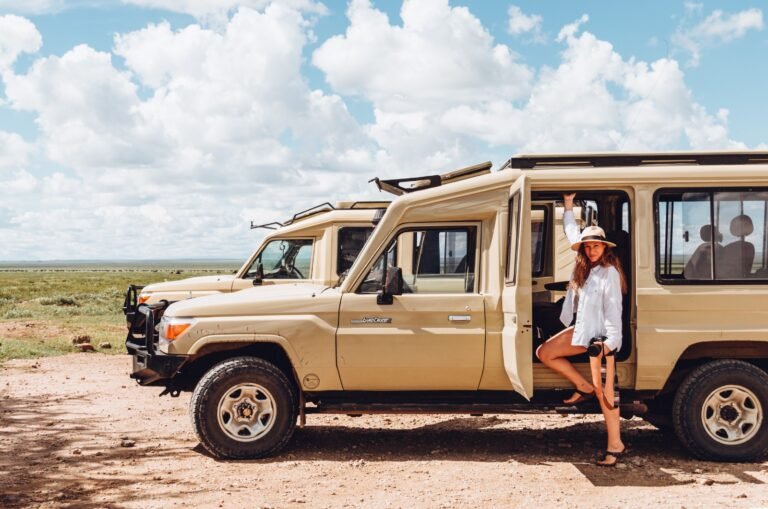
Nov 18, – 7 Day Serengeti And Ngorongoro Group Joining Safari 2026
A detailed guide to the 7-day group joining safari departing November 18, 2026, covering Serengeti, Ngorongoro, and the logistical advantages of shared travel.
View package details
Dec 29, – 6 Day Ndutu, Serengeti And Ngorongoro Group Safari 2026
A detailed guide to our 6-day group safari departure on December 29, 2026, focusing on the Ndutu plains, the Serengeti, and the Ngorongoro Crater.
View package details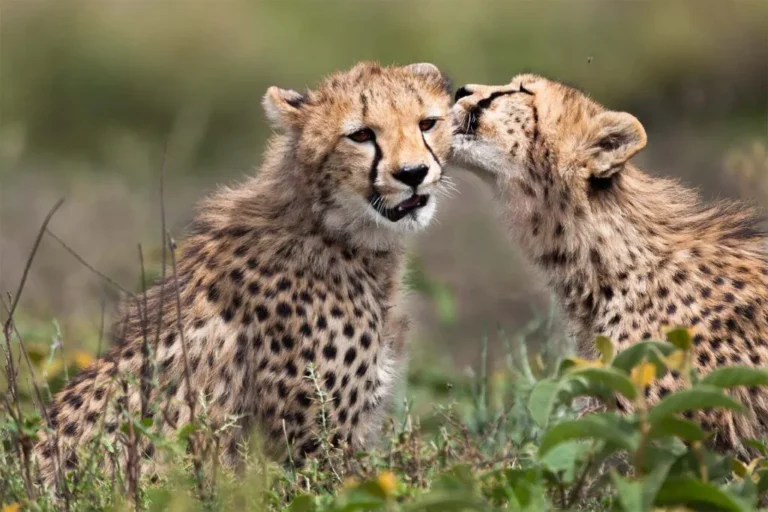
Dec 12, – 6 Day Serengeti, Ngorongoro, Tarangire And Manyara Group Safari 2026
Dec 12, 2026 – 6 Day Serengeti, Ngorongoro, Tarangire and Manyara Group Safari.
View package detailsDec 8, – 4 Day Tarangire, Serengeti And Ngorongoro Group Safari 2026
A detailed guide to our December 8, 2026 group joining safari, covering the itinerary, logistics, and what to expect during this 4-day wildlife adventure in Tanzania.
View package detailsNov 6, – 3 Day Serengeti And Ngorongoro Budget Group Safari 2026
A detailed look at our November 6, 2026 group departure for a 3-day Serengeti and Ngorongoro safari, including planning tips and route logistics.
View package detailsOct 27, – 3 Day Serengeti And Ngorongoro Group Safari 2026
Planning for a short, high-impact wildlife adventure? Our October 27, 2026, group safari offers a direct route through the Serengeti and Ngorongoro Crater, perfect for travelers with...
View package detailsNov 10, – 4 Day Serengeti, Ngorongoro And Tarangire Group Safari 2026
Join our group safari on November 10, 2026, for an intensive 4-day tour of Tanzania's Northern Circuit. Perfect for those with limited time who want to experience the best of the Serengeti...
View package detailsOct 31, – 6 Day Serengeti, Ngorongoro, Tarangire And Manyara Group Safari 2026
A detailed look at the 6-day Northern Circuit group safari departing October 31, 2026, covering Tarangire, Manyara, Serengeti, and Ngorongoro Crater.
View package detailsOct 29, – 4 Day Tarangire, Serengeti And Ngorongoro Group Safari 2026
Plan your October 2026 Tanzania adventure. This 4-day group safari covers Tarangire, Serengeti, and Ngorongoro Crater with reliable local support.
View package detailsDec 14, – 7 Day Complete Tanzania Northern Circuit Group Safari 2026
Planning for December 2026? Join our 7-day complete Tanzania Northern Circuit group safari. A deep look at the Serengeti, Ngorongoro, and Tarangire with expert, locally-led logistics.
View package details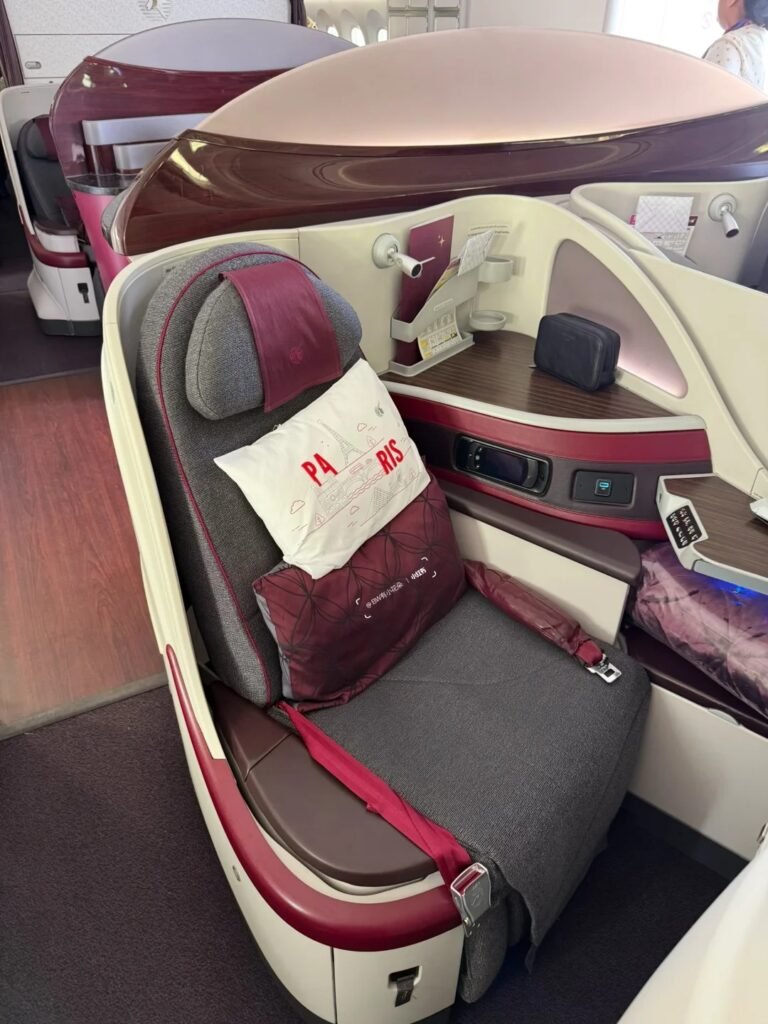
Fly-In Safari To Ngorongoro And Serengeti: Flights & Transfer Costs 2026-2027
Discover the logistics and cost breakdown for a fly-in safari to Ngorongoro and the Serengeti, including airstrip transfers, baggage limits, and vehicle positioning.
View package details
3-Day Serengeti & Ngorongoro Safari From Zanzibar By Flight 2027
3-Day Serengeti & Ngorongoro Safari From Zanzibar by Flight is explained with current 2027 planning, price, itinerary and booking information.
View package detailsNo related package matches those filters. Clear one or more filters to see the other topic-matched options.




One comment
James, UK
October 23, 2026 at 2:44 am
Explore open savannahs, giant baobab trees, and the Tarangire River, spotting large elephant herds (often over 2,000+ elephants in the park), lions, giraffes, zebras, and diverse bird species