
The 6-Day Serengeti, Ngorongoro, Tarangire, and Manyara Group Safari departing on December 12, 2026, is a pre-scheduled, shared-cost expedition designed to cover the most iconic national parks in Northern Tanzania. This itinerary is built for travelers looking to maximize wildlife viewing time across four distinct ecosystems while sharing the costs of vehicle, fuel, and guide services with a small group of like-minded individuals. For the most up-to-date availability and to secure your spot in this group departure, please contact us directly via WhatsApp at +255 747 477 898 or email us at climb4africa@gmail.com.
Choosing a group-joining safari for your December 2026 travel plans is a strategic decision. It allows you to access the high-cost environment of Tanzania’s national parks without the premium price tag of a private safari. By sharing a 4×4 land cruiser with other travelers, you maintain the same high-quality game drives and professional guiding standards while significantly reducing individual costs. Our December 12, 2026 departure is timed to coincide with the post-short-rains period, where the landscape is often lush and the wildlife is active, providing a distinct advantage for photography and observation.
The 6-Day Itinerary Strategy
This 6-day route is carefully paced to ensure you aren’t spending your entire trip in transit. Unlike shorter 3-day or 4-day trips that can feel rushed, a 6-day itinerary allows for a deeper look at the Serengeti and a more relaxed pace in Tarangire and Manyara. If you are comparing this to other options, such as our 5-day northern Tanzania group joining safari, the primary difference is the additional time allocated to the Serengeti, which is essential for maximizing your chances of seeing the Big Five.
Day 1: Tarangire National Park
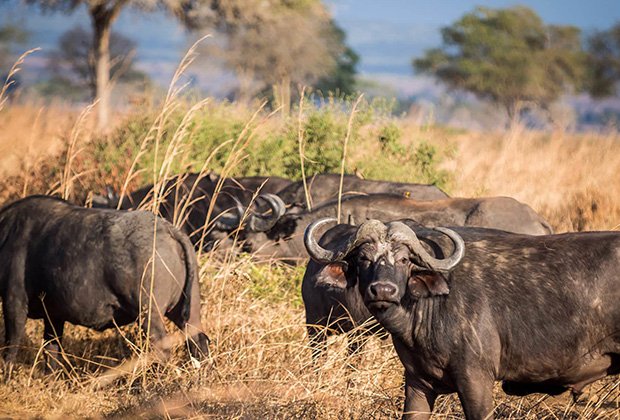
We depart Arusha in the morning, heading straight for Tarangire. Known for its massive herds of elephants and iconic baobab trees, Tarangire is the perfect introduction to the Tanzanian savannah. In December, the park is often vibrant, and the resident game is plentiful. We focus on the river circuits where wildlife congregates to drink.
Day 2: Lake Manyara National Park
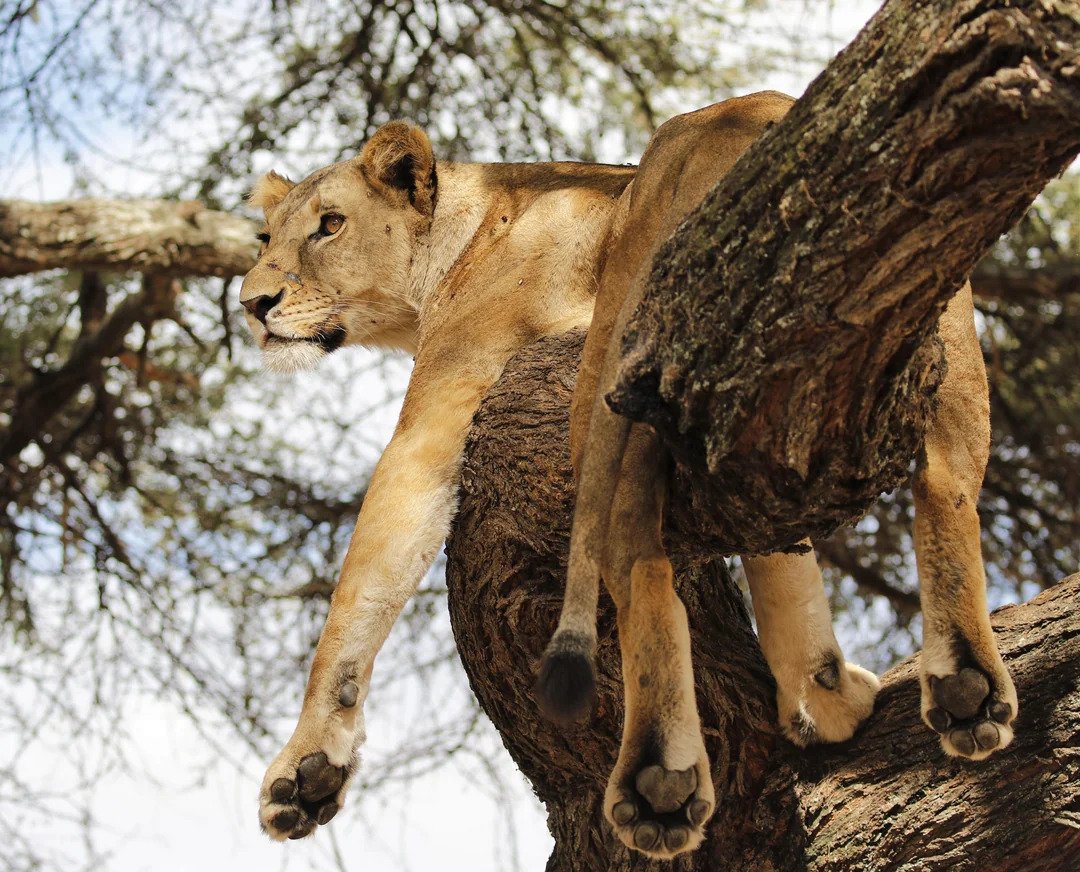
The transition from the dry savannah of Tarangire to the lush, groundwater forest of Lake Manyara provides a striking contrast. Manyara is famous for its tree-climbing lions and incredible birdlife, including thousands of flamingos on the lake edge. We spend the day navigating the forest tracks and the lake shore.
Day 3 & 4: The Serengeti Plains
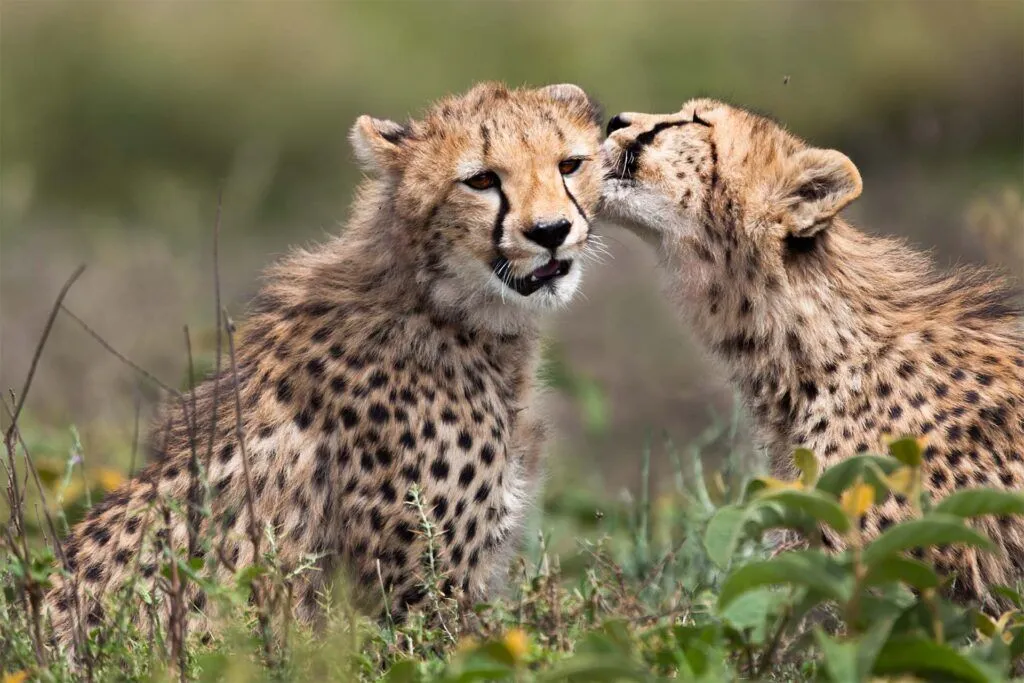
Two full days in the Serengeti are the core of this safari. We prioritize the central and sometimes northern sectors depending on the movement of the migratory herds. These days are dedicated to tracking lions, leopards, cheetahs, and the vast plains game. Being part of a group means you have extra eyes in the vehicle, which is a significant advantage when scanning the horizon for predators.
Day 5: Ngorongoro Crater
The Ngorongoro Crater is a unique caldera that acts as a natural enclosure for thousands of animals. You will descend the steep walls of the crater to spend a full day exploring the floor. This is often the best location in Tanzania to spot the endangered black rhino.
Day 6: Return to Arusha
After a final morning game drive or a visit to a local cultural site if time permits, we begin the return journey to Arusha, arriving in the late afternoon. This allows for convenient evening departures or a comfortable night in the city before moving on to your next destination.
The Value of Group Joining Safaris
A group safari is not just about saving money; it is about shared experience. When you join a group on December 12, 2026, you are entering a pre-arranged logistics chain. We handle all the permits, park fees, accommodation bookings, and vehicle maintenance.
The primary benefit is the cost-sharing model. In a private safari, one person or a small couple covers the entire cost of the vehicle, the guide’s salary, and the fuel. In a group, these costs are distributed across all participants. This makes high-end safari experiences accessible to solo travelers, couples, and small groups of friends who don’t want the hassle of coordinating a private charter.
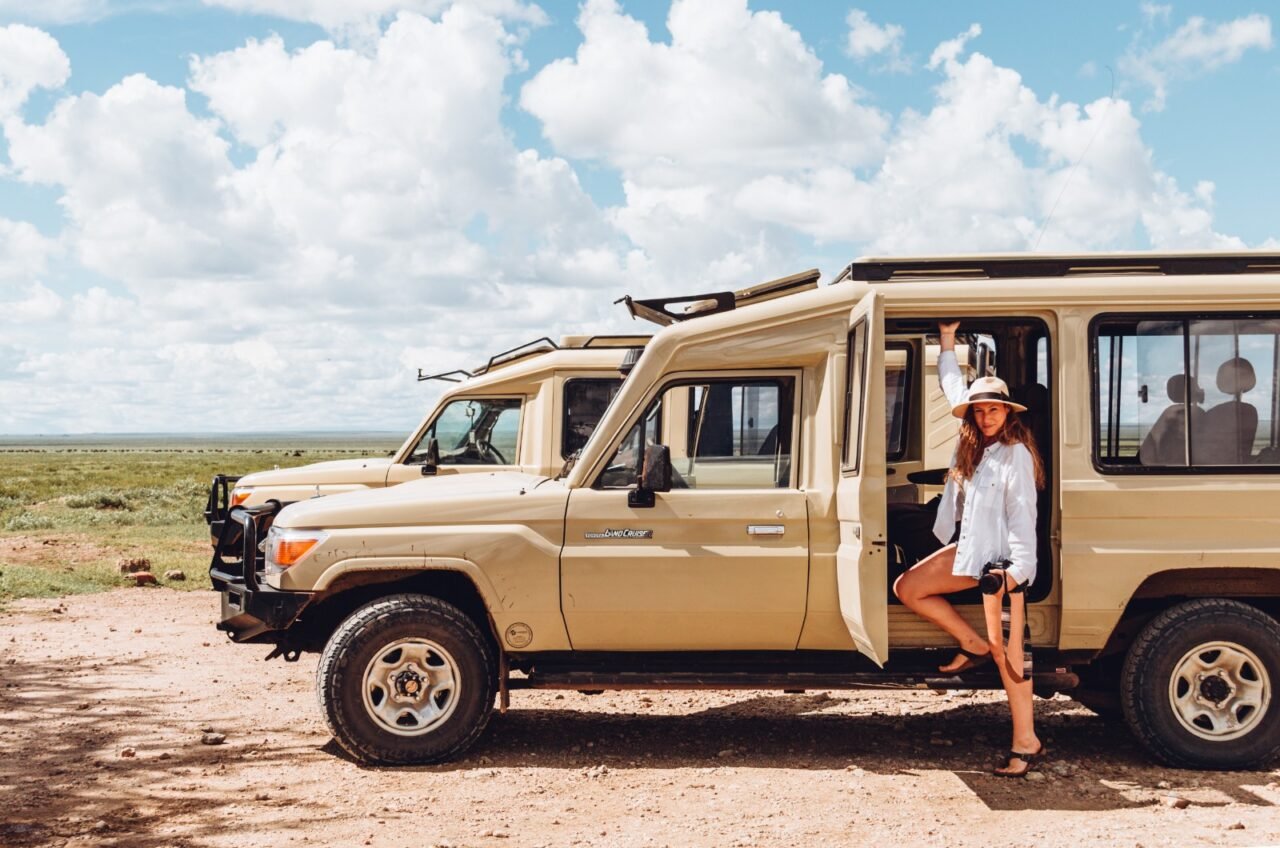
We limit our group sizes to ensure that every passenger has a window seat. There is nothing worse than being stuck in the middle of a vehicle during a game drive, unable to see the wildlife. Our vehicles are equipped with pop-up roofs, which are essential for standing up and getting clear, unobstructed views of the animals. We also prioritize vehicles that have reliable charging ports for your cameras and phones, as you will be taking hundreds of photos throughout the six days.
Planning for December 2026
Traveling in mid-December places you in a transitional season. The “short rains” in Tanzania usually occur in November and early December, meaning by the 12th, the landscape is often green and dust-free. This is generally preferred by photographers who want vivid colors rather than the brown, dusty tones of the dry season.
However, December is also the lead-up to the peak Christmas and New Year tourism rush. By choosing a group departure on December 12, you are getting ahead of the heaviest crowds. You will find that lodges and campsites are less congested than they would be two weeks later, providing a more intimate safari experience. We advise booking your spot well in advance, as group departures fill up based on vehicle capacity rather than hotel space.
Practical Preparation
Preparation is key to a successful 6-day safari. Here are the common questions we receive from travelers planning for this specific route:
- Packing: Pack in soft-sided bags. Hard suitcases are difficult to store in safari vehicles. Bring layers; it can be chilly in the Ngorongoro highlands in the early morning but hot in the Serengeti plains by noon.
- Tipping: Tipping is a standard practice in Tanzania. While it is discretionary, it is customary to tip your driver/guide at the end of the trip. We can provide guidance on current industry standards if you are unsure.
- Visas & Health: Ensure your passport is valid for at least six months beyond your departure date. Check current visa requirements for Tanzania, as these can change. Consult your doctor regarding malaria prophylaxis, as you will be visiting areas where malaria is present.
- Connectivity: While most lodges offer limited Wi-Fi, do not rely on it for heavy data usage. Purchasing a local SIM card (like Vodacom or Airtel) at the airport upon arrival is the most cost-effective way to stay connected.
Securing Your Place
If you are interested in the December 12, 2026, group departure, the next step is to initiate a conversation with our team. We do not use automated booking systems for our group safaris because we want to ensure that every participant is a good fit for the group and understands the itinerary requirements.
When you contact us, please provide the following details:
- The number of people in your party.
- Your preferred accommodation level (we offer various tiers, from budget camping to mid-range lodges).
- Any specific dietary requirements or health considerations.
- Your arrival and departure flight details (if you need assistance with airport transfers).
You can reach us directly via WhatsApp at +255 747 477 898. This is the fastest way to get a response regarding availability. Alternatively, you can email us at climb4africa@gmail.com or our backup address at info@climb-4-africa.com. We are a local operator, and we take pride in our on-the-ground support. Whether you are a solo traveler or a small group, we are here to manage the logistics so you can focus on the wildlife.
For a broader look at our other available dates and safari styles, you can browse our full list of Tanzania group departures. We regularly update these pages with new group options as they form. If you have questions about the differences between this 6-day trip and shorter or longer alternatives, feel free to ask. We are here to help you choose the trip that best matches your time and budget. You can also explore our safari blog for more in-depth advice on planning your Tanzanian adventure.
“,
“faq_schema”: [
{
“question”: “What is the group size for this safari?”,
“answer”: “We keep our group sizes small to ensure everyone has a window seat and a comfortable experience. Typically, our vehicles accommodate 4 to 6 guests, ensuring that everyone has easy access to the pop-up roof for photography.”
},
{
“question”: “Is accommodation included in the price?”,
“answer”: “Yes, all our group safari packages are inclusive of accommodation, park fees, 4×4 vehicle transport, a professional English-speaking guide, and all meals while on safari. We offer different tiers of accommodation, from budget camping to mid-range lodges, which we can discuss when you inquire.”
},
{
“question”: “What happens if the group doesn’t fill up?”,
“answer”: “As a specialized local operator, we manage our departures to ensure they are viable. If a specific group departure date is not meeting minimum numbers, we will communicate with you well in advance to offer alternatives, such as joining a different group or upgrading to a private safari at a adjusted rate.”
},
{
“question”: “Do I need to arrange my own transport to Arusha?”,
“answer”: “Yes, you are responsible for your international flights and travel to Arusha. However, once you arrive in Arusha, we take care of everything. We can arrange airport transfers from Kilimanjaro International Airport (JRO) or Arusha Airport (ARK) to your hotel upon request.
Navigating the Group Safari Dynamic
Participating in a group-joining safari requires a unique mindset that balances individual goals with collective harmony. Over the course of six days, your safari vehicle effectively becomes your mobile living room. Successful group experiences are built on a foundation of shared expectations and mutual respect. Because this specific December 12, 2026, departure brings together travelers from diverse backgrounds, the most successful groups are those who approach the trip with flexibility. You will be spending significant time in close proximity; therefore, open communication regarding preferences—such as the pace of game drives, the frequency of stops for photography, and even temperature preferences within the vehicle—is vital. Your professional guide serves as the ultimate mediator, but the group dynamic is significantly enhanced when participants establish a polite rotation system for seating, ensuring everyone has equal access to the pop-up roof and window views throughout the six-day journey.
Logistical Realities of the December Circuit
Understanding the logistical landscape of Northern Tanzania in mid-December is crucial for managing your expectations. This time of year falls within the “short rains” season. While these rains are typically brief and localized, they transform the landscape from dry, dusty plains into a vibrant, lush ecosystem. From a logistical standpoint, this means that while the scenery is spectacular, the road conditions can be variable. The 6-day duration of this itinerary is specifically designed to account for these environmental factors. Unlike condensed 3-day trips that force a rigid, high-speed schedule, our 6-day route provides a necessary buffer. If a particular road section becomes muddy or requires slower navigation, the extra time ensures we do not have to sacrifice game-viewing hours to make up for lost time. This “slow travel” approach allows for deeper observation of animal behavior rather than merely rushing from one landmark to the next, which is a significant advantage of this specific departure window.
Optimizing Vehicle Etiquette and Photography
For many, this safari is a dedicated photography expedition. Managing camera gear within a shared 4×4 Land Cruiser requires coordination. To ensure that everyone has the best opportunity to capture the Big Five and the migratory herds, we implement a fair seating rotation policy. It is standard practice to rotate seats after every major stop or at the start of each morning. This prevents any single traveler from monopolizing the “best” position for the entire trip. Additionally, consider the practicalities of charging your equipment. While our vehicles are equipped with charging ports, these are often limited. Bringing a portable power bank is highly recommended to ensure your batteries remain charged throughout the day’s excursions, as you will likely be spending long hours away from your lodge or camp. Respecting the space of fellow travelers—keeping bags organized and minimizing movement during active game viewing—will significantly enhance the quality of the experience for everyone on board.
Accommodation Profiles and the Bush Experience
For participants joining the December 12, 2026, safari, one of the most significant variables—often more impactful than the vehicle model itself—is the nature of the accommodation tier selected for the group. Because this is a group-joining expedition, the overnight arrangements are typically standardized across the booking to ensure the group remains cohesive. Understanding the differences between these tiers is essential for managing your expectations regarding comfort, privacy, and your proximity to the wilderness.
The most common tier for group-joining safaris is the Public Campsite option. These sites are located within or near the park boundaries and offer a raw, in-depth experience. Accommodation consists of high-quality, pre-pitched dome tents with mattresses. While this is the most budget-friendly choice, it requires a shift in mindset: you will be sharing communal ablution blocks with other travelers, and the dining experience takes place in a shared mess tent or under the stars. The primary advantage here is not luxury, but rather the auditory and sensory connection to the savannah. In the Serengeti, you may hear hyenas calling or lions roaring in the distance while you sleep, an experience that is far more muted in a concrete-walled lodge.
The second tier, Permanent Tented Camps, offers a middle ground often referred to as “glamping.” These camps feature canvas tents on elevated platforms, often equipped with en-suite bathrooms, hot showers, and real beds. These camps are usually located in private concessions or designated areas just outside the park gates. They provide a significant privacy upgrade while maintaining the aesthetic of a classic African safari. For a 6-day trip, many travelers find this the optimal balance, as the comfort levels allow for better rest between the rigorous days of game viewing.
The third tier involves Lodges, which are permanent, brick-and-mortar structures. These offer the highest level of security, climate control, and amenities, such as swimming pools and lounges. While these are excellent for relaxation, they are often located further from the core wildlife action compared to tented camps. If your goal is to maximize time in the bush, consider how much time you are willing to spend driving to and from the lodge entrance gates each morning and evening. For the December 12 departure, which falls during a high-demand period, it is vital to finalize your accommodation tier at the time of booking, as availability for specific lodges within the Ngorongoro Conservation Area or the Serengeti can be extremely limited.
Cultural Engagement and Local Stops
While the 6-day itinerary is wildlife-centric, the route from Arusha to the parks provides unique opportunities for cultural engagement that many travelers overlook. Specifically, the town of Mto wa Mbu, which serves as the gateway to Lake Manyara and the Ngorongoro highlands, is a vibrant melting pot of over 120 Tanzanian tribes. On many of our group departures, we allocate time for a brief stop here to visit the local market. This is a stark contrast to the isolation of the national parks and offers a chance to see how local communities interact with the tourism economy.
Engaging with the local culture provides context for the environment you are visiting. In Mto wa Mbu, you can observe the agricultural techniques used to farm the surrounding red-soil plains, which produce the bananas and vegetables that supply many of the safari lodges. We encourage participants to view these stops not as “tourist traps,” but as a necessary component of the Tanzanian experience. It bridges the gap between the “wild” safari and the human reality of the region. If you have specific interests—such as visiting a Maasai boma or learning about traditional wood carving—please communicate this to your guide at the start of the trip. While the itinerary is structured to ensure timely arrivals at park gates, guides can often accommodate short, meaningful stops if the group is in agreement and the logistical schedule remains on track.
Dietary Considerations in a Shared Group
In a group-joining environment, meal planning is a logistical operation. Whether you are staying in campsites or lodges, the kitchen staff must manage a variety of dietary requirements simultaneously. We require all participants to submit their dietary restrictions—whether vegan, gluten-free, halal, or specific allergies—at least three weeks before the December 12 departure. Because the safari moves through remote areas, late requests are difficult to accommodate once the supply chain for the 6-day loop is set. Most lodges and camps are well-versed in catering to international travelers, but they rely on accurate, advance notice to stock fresh ingredients. By handling this proactively, you ensure that the group dining experience remains inclusive and stress-free for everyone on board.
Tipping Etiquette and Financial Expectations in Group Safaris
One of the most frequently asked questions among travelers joining a group safari is how to handle tipping. Because you are sharing a vehicle and a guide for six days, the tipping dynamic differs significantly from a private safari where you alone set the tone. In the Tanzanian safari industry, tipping is not just a gesture of gratitude; it is a fundamental part of the compensation structure for guides and support staff. However, the collective nature of a group-joining safari can make this process feel socially complex.
The most effective strategy is to treat tipping as a group activity rather than an individual burden. By the evening of the fifth day or the morning of the sixth, it is common for the group to have a brief, informal discussion about the total amount to be pooled. This removes the awkwardness of individual passengers trying to calculate what they ‘should’ give, and it ensures the guide receives a substantial, unified token of appreciation. If you prefer to tip individually, that is entirely acceptable, but be aware that guides often appreciate the collective gesture as it reflects the group’s shared experience.
Regarding the logistics of the currency, Tanzanian tourism relies heavily on US Dollars. However, there is a strict ‘post-2009’ rule in effect throughout the country. Tanzanian banks and exchange bureaus will frequently reject any US Dollar bills printed before 2009, regardless of their condition. When preparing your cash for the December 12 departure, ensure that your bills are crisp, clean, and printed in 2009 or later. While you may want to carry some Tanzanian Shillings for small purchases in Mto wa Mbu or local markets, US Dollars are the standard for safari tips.
When calculating your budget, distinguish between your driver-guide and the lodge staff. Your driver-guide is with you for the full six days; they are your navigator, wildlife spotter, and logistical manager. Lodge staff, on the other hand, change every night. Most lodges have a ‘tip box’ at the reception desk, which is the most equitable way to ensure that the behind-the-scenes staff—the kitchen crew, housekeepers, and groundskeepers—receive their share of your gratuity. It is generally recommended to contribute to the lodge tip box upon checkout each morning, while reserving the larger, direct tip for your driver-guide at the end of the trip.
Managing Power and Connectivity in Remote Camps
For many travelers, the six-day circuit is an opportunity to disconnect, but maintaining the functionality of cameras, phones, and power banks is a logistical necessity. Within the shared environment of a group-joining 4×4 Land Cruiser, power is a finite resource. While most modern safari vehicles are equipped with cigarette-lighter-style 12V sockets, these are often occupied by the vehicle’s own systems or are insufficient for charging multiple high-drain devices simultaneously.
To avoid friction, we strongly advise every participant to bring a high-capacity power bank. Relying on the vehicle to charge your camera batteries throughout the day is a risky strategy; if the vehicle is turned off, the charging stops. Furthermore, there is often only one adapter per row of seats. If you have multiple devices, you will quickly find yourself competing for space. A simple, compact power bank allows you to charge your devices in your bag while you are out on game drives, ensuring you are ready for the next day’s photography without needing to tether yourself to the vehicle’s dashboard.
At the lodges and tented camps, the situation is different. Most accommodations in the Serengeti and Ngorongoro regions run on solar power or generators. In many remote bush camps, electricity is only available during specific hours—usually in the early morning and the evening. If you are staying in a camp that relies on solar, power may be limited to lighting and a single charging point in your room. If you are bringing multiple devices, consider bringing a small, multi-outlet travel power strip. This allows you to turn a single wall outlet into three or four, which is invaluable when you have limited time to charge your camera, phone, and tablet before the power is cut for the night. This level of self-sufficiency not only makes your trip smoother but also makes you a more considerate member of the group, as you won’t be constantly searching for available outlets in common areas.
Health, Hygiene, and Physical Stamina in the Bush
Embarking on a 6-day safari requires more than just a camera and a sense of adventure; it demands a degree of physical and mental preparation for the realities of the Tanzanian bush. While the itinerary is designed to maximize wildlife encounters, the physical environment—ranging from the high-altitude rim of the Ngorongoro Crater to the dusty plains of the Serengeti—poses specific challenges to your personal comfort and health. Understanding how to manage these variables is essential for maintaining your energy levels throughout the six-day duration.
Managing Dust and Respiratory Comfort
Even in mid-December, when the short rains have ideally settled the landscape, the roads between parks can be incredibly dusty. As you traverse the Serengeti, you will spend hours on unpaved tracks, often with the vehicle windows open to allow for better photography and wildlife spotting. This constant exposure to fine dust can lead to respiratory irritation, often referred to by safari veterans as the “safari cough.” To mitigate this, consider bringing a lightweight neck gaiter or a buff. These are far more convenient than bulky masks, as they can be pulled up over your nose and mouth when the vehicle hits a particularly dusty stretch of road, then easily pulled down when you reach a sighting.
Furthermore, if you suffer from hay fever or seasonal allergies, the transition between the groundwater forests of Lake Manyara and the open grasslands of the Serengeti can trigger reactions. Pack a small supply of antihistamines and saline nasal spray. The air in the vehicle can become quite dry, and keeping your nasal passages hydrated will make the long hours of driving significantly more comfortable.
Navigating Sanitation and “Bush Toilets”
One of the most practical, yet rarely discussed, aspects of a multi-day safari is the reality of sanitation. Outside of the lodges and designated rest stops, there are no facilities. When you are in the middle of a game drive, you will encounter the “bush toilet.” While your guide will always prioritize safety and privacy, it is important to be prepared. Always carry a personal hygiene kit in your daypack, not in your main luggage stored in the back of the vehicle. This kit should include high-quality, biodegradable wet wipes, hand sanitizer, and a small amount of toilet paper. Because you are in a shared vehicle, you should also bring a small, sealable plastic bag to store any used tissues or wipes until you reach a proper disposal point; you must never leave waste behind in the national parks.
Physical Endurance and Altitude Awareness
The 6-day itinerary is paced to allow for rest, but the cumulative effect of early morning wake-up calls and the constant vibration of the 4×4 vehicle can lead to significant fatigue. You will be spending between four to seven hours in the vehicle on some days. To manage this, pay close attention to your hydration. It is easy to forget to drink water when you are distracted by the excitement of a lion sighting, but dehydration is a primary cause of headaches and exhaustion. Drink consistently throughout the day, even if you are not thirsty.
Additionally, be mindful of altitude. The Ngorongoro Crater rim sits at an elevation of over 2,200 meters (7,200 feet). While this is not extreme altitude, some travelers may experience mild fatigue or shortness of breath upon arrival. If you feel lightheaded, take it slow during your initial hours at the lodge. Avoid heavy, rich meals immediately upon arrival at the Crater rim, and prioritize a good night’s sleep. The air at this altitude is cooler and thinner; dressing in layers—which you should be doing anyway for the chilly mornings—will help your body regulate its temperature more effectively, reducing the physical stress of the environment.
Maintaining Group Mental Health
Finally, consider the mental aspect of six days in a shared vehicle. Safari fatigue is real. By day four, the novelty of the landscape can sometimes give way to irritability if you are not managing your personal space. If you find yourself needing a moment of silence, use your headphones during transit periods, or take a short walk around the lodge grounds in the evening rather than sitting in the common area. Maintaining your own “mental space” is just as important as maintaining your physical health. By respecting your own boundaries and those of your fellow travelers, you ensure that the group dynamic remains positive from the first day in Tarangire to the final return to Arusha.
Wildlife Dynamics and Observation Ethics in the Short Rains
For participants joining the December 12 departure, understanding the biological reality of the “short rains” is essential for managing your safari expectations. While the primary draw for many is the Big Five, December is a period of transition in the Serengeti and Ngorongoro ecosystems that fundamentally changes animal behavior compared to the dry months of July or August. The rains typically initiate a shift in grazing patterns; as fresh, nutrient-rich grasses sprout, the massive herds of wildebeest and zebra are no longer tethered to permanent water sources. They disperse across the plains, which means you are less likely to encounter a single, massive, stationary concentration of animals, but you are far more likely to see wildlife engaging in active foraging and social interaction across a wider, lush landscape.
This dispersion presents a unique challenge and opportunity for your guide. In the dry season, wildlife is predictable, congregating at shrinking water holes. In December, tracking requires more patience and a deeper reliance on the guide’s ability to read subtle signs—fresh tracks, the alarm calls of birds, or the behavior of vultures. As a member of a group safari, you may feel an urge to pressure your guide to “find the action” quickly. It is vital to understand that the “green season” requires a slower, more observational approach. If your vehicle spends thirty minutes watching a pride of lions resting in tall, lush grass, that is not a wasted half-hour; it is the reality of tracking predators when they are well-fed and comfortable. Pushing a guide to move on to the next sighting because you haven’t seen a leopard yet can disrupt the natural flow of the game drive and often results in missing the more subtle, yet profound, behaviors that occur when animals are undisturbed.
The lush vegetation of mid-December also introduces a specific set of photographic challenges. While the landscape is vibrant, green, and devoid of the choking dust that characterizes the dry season, the grass can be significantly taller. This creates a “hide and seek” dynamic for predators. Lions, cheetahs, and leopards frequently utilize this cover to stalk prey, meaning you might be looking at a landscape that appears empty to the untrained eye while a hunt is unfolding just meters away. This is where your patience as a group member is tested. Engaging in “chase photography”—where vehicles rush toward any sign of movement—is not only detrimental to the wildlife but also creates a chaotic environment that diminishes the quality of the experience for everyone in the vehicle. Respect the guide’s decision to stop and wait; often, the most spectacular sightings occur when the vehicle is stationary and the animals feel comfortable enough to emerge from the cover.
Finally, December marks a significant period for birdlife. As migratory species arrive from Europe and Northern Africa to escape the winter, the Serengeti and Manyara ecosystems become a paradise for bird enthusiasts. You will see species in their breeding plumage, which is rarely seen at other times of the year. If you find the “Big Five” search becoming repetitive, shift your focus to the avian life. This often relieves the “safari fatigue” that can set in by the fourth day. By broadening your scope of interest to include the raptors, the weavers, and the migratory storks, you ensure that every hour spent in the vehicle is rewarding, regardless of whether a lion decides to walk across the road or stays hidden in the tall grass.
Navigating the Transit: The Reality of Safari Road Travel
For many participants on the 6-day circuit, the time spent inside the vehicle is underestimated. While the focus is naturally on the wildlife sightings, the transit between Tarangire, Lake Manyara, the Ngorongoro highlands, and the Serengeti involves significant travel time on varied road surfaces. Understanding the nature of these roads is crucial for your comfort and physical preparation. You will encounter everything from smooth, paved tarmac roads that connect the major towns to corrugated, “washboard” dirt tracks and, depending on the intensity of the short rains in early December 2026, sections of mud or standing water.
The transit from the Ngorongoro Conservation Area into the Serengeti is perhaps the most significant logistical stretch of the trip. This drive is not merely a commute; it is a scenic transition through the highlands, descending into the vast, open plains. Because this route takes you through protected wildlife corridors, the speed limit is strictly enforced. Expect this leg of the journey to be slower, but consider it an extension of your game drive rather than a tedious transfer. The landscape shifts dramatically from the misty, high-altitude forests of the crater rim to the arid, expansive grasslands of the Serengeti, and the vehicle will often pause to allow elephants or giraffes to cross the road.
It is important to manage your expectations regarding the “ride quality” of a safari 4×4. These vehicles are heavily modified to carry extra fuel, water, spare parts, and the weight of multiple passengers. To accommodate this, the suspension systems are significantly stiffer than a standard passenger SUV. While this makes the vehicle incredibly capable of handling rough terrain, it also means that you will feel the bumps and vibrations of the road more acutely. If you have any history of back or neck issues, consider bringing a small travel cushion or a lumbar support pillow. Furthermore, as the roads can be unpredictable, always keep your belongings secured. A loose camera bag on the floor can become a projectile during a sudden maneuver on an uneven track.
Vehicle Mechanics and the Pop-Top Roof
The defining feature of your safari experience is the pop-top roof of the Land Cruiser. This mechanism is designed to provide 360-degree visibility, allowing you to stand up and observe wildlife without the obstruction of windows. However, using the roof correctly is a safety matter. The roof should only be raised when the vehicle is stationary or moving at a very slow “game-viewing speed.” Never attempt to stand up while the vehicle is traveling at highway speeds or navigating steep, uneven inclines, as the center of gravity can shift, and sudden stops can lead to injury. Your guide will provide clear signals when it is safe to stand.
When the roof is up, it creates a significant “sail” effect, which can make the vehicle sway more in the wind. In December, while the rains are usually brief, the winds can pick up across the open plains of the Serengeti. If you are standing, keep a firm grip on the roof supports at all times. Additionally, be mindful of your gear. When the vehicle stops for a sighting, it is common for everyone to instinctively reach for their cameras and stand up simultaneously. This rapid movement can rock the vehicle and disturb the animals. Develop a habit of moving deliberately and quietly. If you are in the rear seat, be conscious of the person in front of you; the space is shared, and constant bumping against the back of the seat or the roof frame can be frustrating for your fellow travelers.
The Psychology of the Long Drive
The 6-day itinerary requires a certain amount of mental fortitude during the longer driving days, particularly the transfer from the Serengeti back toward Ngorongoro or Arusha. These days can involve several hours on the road. It is easy to view these hours as “lost time,” but successful safari-goers treat them as an opportunity to observe the rural Tanzanian landscape. You will pass through local villages, see Maasai herders moving their cattle, and witness the daily life of the region. This context is vital for understanding the ecosystem you are exploring. If you treat the transit as a chore, the fatigue will set in faster. Instead, use these hours to engage with your guide, ask questions about the geography, or simply rest your eyes so you are energized for the next game drive. Remember that your guide is also managing the vehicle’s mechanical health, monitoring the weather, and communicating with other drivers to track wildlife movements. Giving them the space to focus on the road is the safest way to ensure a smooth, incident-free journey.
Navigating Cross-Cultural Dynamics in Shared Vehicles
Participating in a group-joining safari on the December 12 departure means you will likely share a 4×4 Land Cruiser with travelers from different continents, cultural backgrounds, and native languages. While the shared goal is wildlife observation, the social fabric of the vehicle is an active, evolving environment. Successfully navigating this requires more than just patience; it requires an intentional approach to cross-cultural communication. In a vehicle where you are confined for several hours a day, small misunderstandings regarding timing, volume, or personal space can escalate quickly. Recognizing that your vehicle-mates may have different cultural norms regarding punctuality, noise, and personal space is the first step toward a harmonious six-day journey.
The role of the guide in this dynamic is critical. They are not merely drivers and trackers; they are the primary mediators of the group’s social atmosphere. If you find that the group’s energy is clashing—perhaps due to differing expectations about how long to spend at a single sighting—it is appropriate to ask your guide to facilitate a quick “check-in” or to help negotiate a compromise. Do not hesitate to voice your needs, but frame them as requests rather than demands. For example, instead of insisting on moving on from a sighting, you might ask, “How much longer do we have in this area, and can we prioritize moving toward the plains later?” This allows the guide to manage the group’s collective itinerary without placing the burden of conflict resolution on you.
Managing Diverse Wildlife Interests
One of the most common friction points in a group-joining safari is the divergence of wildlife interests. You may be deeply focused on capturing high-quality photographs of the Big Five, while a seatmate might be fascinated by birdwatching or the smaller details of the ecosystem, such as dung beetles or specific flora. These differing priorities can lead to frustration if one person feels “held up” by another’s interests. To mitigate this, establish a “rotation of preference” early in the trip. If you spend 20 minutes watching a pride of lions, acknowledge that the next interesting stop should perhaps be determined by someone else’s interest.
Furthermore, understand that the “game drive” is a collective activity. If you are the only one in the vehicle who wants to stop for a particular bird, be mindful of the time you request. A good rule of thumb is to limit “niche” stops to a few minutes unless the group expresses collective interest. By being considerate of the group’s broader goals, you build social capital, which makes it much easier to request a longer stop when you encounter something truly exceptional, like a leopard or a hunting cheetah.
The Role of English as a Shared Language
English is the standard language of tourism in Tanzania, but on a group-joining safari, you will likely encounter a wide range of fluency levels and accents. This can sometimes lead to misinterpretations of instructions or social cues. If you find that a fellow traveler is struggling to understand the guide or the group’s plans, offer to clarify—not by speaking louder, but by speaking slowly and using simple, direct language. Avoid using idioms or complex cultural references that may not translate well. Maintaining a spirit of inclusivity regarding language is vital for the safety and cohesion of the group. If the guide gives instructions about vehicle safety or meeting times, ensure that everyone in the group has acknowledged and understood the information before the vehicle moves.
Collaborative Spotting and Vehicle Harmony
The act of spotting wildlife is a collaborative effort. When the vehicle is moving, everyone is responsible for scanning the horizon. This is where the “shared living room” concept becomes literal. If you spot something, communicate it clearly and calmly. Avoid shouting, which can startle the animals and annoy your seatmates. A simple, “I see movement at two o’clock near the acacia tree,” is far more effective than a sudden, loud exclamation. Additionally, be aware of your physical “footprint” in the vehicle. If you are leaning out of the pop-top roof, be conscious of the person next to you. If you are sitting, be mindful of where you place your bags and gear. A cluttered vehicle is a stressful vehicle. Keeping your personal items organized and contained to your immediate seat area is a fundamental act of respect for your fellow travelers, ensuring that everyone has the physical space they need to enjoy the Serengeti, Ngorongoro, and beyond.
Managing Post-Safari Logistics and Onward Travel
As your 6-day safari concludes on the sixth day, the transition from the wild environment of the national parks back to the urban infrastructure of Arusha can be abrupt. For participants joining the December 12 departure, managing this transition effectively is the final piece of a successful expedition. Many travelers book international flights for the evening of their final day or the following morning, making the logistics of your exit from the bush as critical as the logistics of your entry. It is essential to understand that while the safari itinerary is carefully managed, road conditions—particularly in the December short-rain season—can occasionally impact travel times back to Arusha.
When planning your onward travel, always account for a buffer period. If you are aiming for a flight out of Kilimanjaro International Airport (JRO), which serves as the primary gateway for Northern Tanzania, do not schedule your flight for the immediate hours following your scheduled return. The drive from the Serengeti or the Ngorongoro Conservation Area back to Arusha involves navigating the main transit roads, which are heavily trafficked. Weather events, road maintenance, or even minor vehicle delays can shift your arrival time by several hours. Aiming for a flight departure no earlier than 8:00 PM on your final day, or preferably, scheduling your departure for the following morning, provides the necessary margin of safety to avoid unnecessary stress at the end of your trip.
The Arusha Transit Hub: Managing Your Final Hours
Arusha serves as the bustling nexus for Northern Tanzania’s tourism. If you find yourself with several hours to spare between your return from the bush and your flight or onward transport, the city offers several practical options for managing this downtime. Many lodges and hotels in Arusha cater specifically to safari travelers and offer “day use” rooms. This is a highly recommended service for those with late-night flights. A day-use room provides you with a private space to shower, repack your luggage, and rest in a climate-controlled environment after six days of exposure to the elements. This simple logistical step can transform the end of your trip from a frantic scramble into a comfortable conclusion.
If you prefer to explore the city, Arusha is a vibrant center for local culture and commerce. For those interested in souvenirs, the Cultural Heritage Centre is a notable stop, offering a vast array of Tanzanian art, jewelry, and crafts in a structured, gallery-like setting. This is often more convenient for travelers than navigating local markets, where negotiation can be time-consuming. Alternatively, if you have dietary preferences that were not easily met in the bush, Arusha’s restaurant scene ranges from traditional Tanzanian nyama choma (grilled meat) spots to international cafes. When navigating the city, rely on your safari operator or your accommodation host to arrange reputable transport. Avoid using impromptu taxis; having a pre-arranged transfer from your lodge to the airport ensures reliability and safety.
Repacking and International Compliance
The final night or day in Arusha is also the ideal time to address the logistics of your return journey. Over six days, your luggage will likely have become disorganized, dusty, and perhaps damp. Use the downtime to properly clean and repack your gear. If you have been utilizing a soft-sided bag for the safari, transfer your belongings back into your main luggage. Check your camera gear and electronics; ensure all batteries are charged and cables are accounted for before you leave the lodge. It is common for small items to be left behind in the excitement of packing; a final walkthrough of your hotel room is a simple but vital habit.
Furthermore, consider the agricultural and customs regulations of your home country. You may have picked up local wood carvings or other curios during your journey. Ensure that these items are packed in a way that complies with international transport regulations. If you are carrying organic materials, be aware that some countries have strict biosecurity laws. Keeping your receipts and any certificates of authenticity provided by reputable shops can save you significant time and potential frustration at customs checkpoints. By handling these administrative details during your final hours in Arusha, you ensure that the memories of your Serengeti and Ngorongoro experience remain the focus of your return journey, rather than the stress of travel logistics.
Contingency Planning and Group Safety Protocols
While the 6-day Serengeti, Ngorongoro, Tarangire, and Manyara circuit is a well-established route, the remote nature of these ecosystems means that contingency planning is a non-negotiable aspect of your preparation. When you join a group safari, you are part of a collective unit, and understanding how your operator manages unforeseen events—ranging from vehicle mechanical issues to medical emergencies—is essential for your peace of mind. Unlike a private safari where your personal comfort is the sole priority, a group-joining safari operates on a system of mutual reliance and established safety protocols that prioritize the security of all passengers.
The Mechanics of Communication and Support
The vast majority of the Tanzanian bush is outside the reach of reliable cellular service. Consequently, communication on your 6-day circuit relies on a tiered system. Your primary line of defense is the VHF radio installed in your 4×4 Land Cruiser. This allows your driver-guide to maintain constant contact with other vehicles in the operator’s fleet and, crucially, with the base of operations in Arusha. If a vehicle experiences a mechanical delay—a common reality given the punishing terrain of the Serengeti—the standard protocol is not immediate panic, but rather a coordinated response. Your guide will radio for assistance, often coordinating with another vehicle in the same area to transfer passengers if the delay is expected to be significant.
It is vital to understand that the “backup vehicle” system in the bush is rarely as simple as a tow truck arriving in minutes. Distances are vast, and road conditions are unpredictable. If your group faces a delay, patience is your most valuable asset. The logistical reality is that your guide is trained to manage the group’s comfort and safety while waiting for mechanical support. They carry basic toolkits and spare parts for common issues like flat tires or battery failures, which they can usually resolve on-site. However, for more complex engine issues, the “group dynamic” comes into play: you may be asked to wait in the vehicle or, if safe, at a nearby lodge or campsite while a relief vehicle is dispatched. Viewing this as an unavoidable part of the adventure, rather than a failure of service, helps maintain the group’s morale during these rare instances.
Navigating Medical and Emergency Scenarios
Medical emergencies in a group setting require a clear understanding of the chain of command. Before departing Arusha, your operator should have collected your emergency contact information and travel insurance details. In the event of a medical issue—whether it is severe altitude sickness in the Ngorongoro highlands or an injury—the guide’s first duty is to assess the situation and contact the Arusha headquarters. Most reputable operators are affiliated with emergency evacuation services, such as the AMREF Flying Doctors, which provide air ambulance support from remote airstrips to medical facilities in Arusha or Nairobi.
However, evacuation is the final resort. For minor ailments, such as dehydration, stomach upset, or heat exhaustion, your guide is trained in basic first aid. They carry a stocked medical kit and have a network of contacts at the various lodges and bush camps along the route. If a participant requires professional medical attention that cannot be resolved with basic care, the decision to exit the safari early is a collective one, often dictated by the medical necessity of the individual and the safety of the group. If you are the one requiring care, the operator will coordinate your transport back to Arusha, often utilizing a combination of the safari vehicle and, if necessary, a private transfer or air support. Understanding that your health is the priority allows you to focus on self-care without the added stress of worrying about the group’s itinerary.
The Role of Documentation and Insurance
Your safety net in the bush is only as strong as your documentation. While your operator manages the logistical side of safety, you are responsible for the personal side. Ensure that you carry physical copies of your travel insurance policy, specifically highlighting coverage for emergency medical evacuation. Do not rely on digital copies stored on a phone; battery failure or lack of connectivity can render them useless in a crisis. Furthermore, if you have any pre-existing medical conditions, ensure your guide is aware of them before you leave Arusha on the first day. This is not about prying into your privacy; it is about ensuring that, should you become incapacitated, the guide can provide the correct information to medical professionals immediately.
Finally, remember that the 6-day circuit is a shared experience. If a fellow traveler encounters a health issue, the entire group is affected. Being supportive, patient, and flexible during these moments is a hallmark of a successful safari group. The camaraderie built during a shared challenge can often become one of the most memorable aspects of the trip, proving that the “group dynamic” extends far beyond just wildlife spotting and meal times. By preparing for the possibility of the unexpected, you transition from a passive traveler to an active participant in your own safety, allowing you to enjoy the Serengeti and Ngorongoro with confidence.
Understanding the Role of the Safari Driver-Guide
In the ecosystem of your 6-day group safari, the driver-guide is the most critical variable. Unlike a standard tour bus driver who simply navigates from point A to point B, your Tanzanian safari guide is a hybrid professional: part chauffeur, part wildlife biologist, part mechanic, and part diplomat. For the December 12 departure, where group dynamics and the nuances of the short rains play a significant role in your experience, understanding how to interact with your guide can significantly elevate the quality of your trip.
First, recognize that your guide is the final authority on all safety and logistical decisions. While you may have a preference for visiting a specific pride of lions or spending more time at a watering hole, the guide must balance these requests against the reality of park closing times, vehicle fuel levels, and the mechanical health of the Land Cruiser. They are constantly monitoring the terrain, which can shift rapidly during the December rainy season, and they are communicating with other guides via VHF radio to track the movement of migratory herds. When they make a decision to move the vehicle or prioritize a specific route, it is based on years of experience navigating the complexities of the Serengeti and Ngorongoro ecosystems.
Building a positive rapport with your guide begins on day one. A simple, respectful introduction where you express your primary interests—whether it is photography, birding, or learning about the local geology—helps the guide calibrate the pace of the game drives to the group’s collective desire. However, be mindful of the “ask” vs. “demand” dynamic. Because you are in a shared group, your guide is managing the interests of several different people. If you have a specific request, frame it as a query rather than a directive. For example, asking, “Is it possible for us to check the river area for leopards later today?” is far more effective than demanding a change in the route. This collaborative approach allows the guide to act as a facilitator rather than a servant, which generally leads to a more engaged and proactive guiding style.
Furthermore, respect the guide’s need for “quiet time” during transit. While they are a wealth of information regarding Tanzanian culture, politics, and wildlife behavior, they are also concentrating on difficult driving conditions. The roads in the Serengeti are not highways; they are rugged tracks that require intense focus. If the vehicle is navigating a challenging patch of mud or a steep ascent in the Ngorongoro Conservation Area, maintain silence. This allows the guide to focus entirely on the vehicle’s handling, which is the most important factor in your group’s safety.
Finally, remember that the guide’s role includes managing the group’s behavior. If there is tension within the vehicle—perhaps due to a disagreement over window seats or noise levels—the guide is the neutral mediator. Do not put them in a position where they have to “pick sides.” If you have a conflict with a fellow traveler, address it directly with that person or wait until a stop to discuss it privately. Dragging the guide into interpersonal disputes distracts them from their primary job: ensuring you have the best possible wildlife viewing experience while keeping everyone safe in the bush.
Navigating Time-Sensitive Park Regulations and Entry Windows
For participants on the December 12, 2026, 6-day group safari, one of the most significant sources of potential frustration—and a frequent misunderstanding in group dynamics—is the rigidity of park entry and exit regulations. While the itinerary is designed to maximize wildlife viewing, the reality of Tanzanian conservation policy imposes strict temporal constraints on your guide. Understanding these rules is essential for maintaining group harmony and managing your expectations regarding the pace of your game drives.
The most critical regulatory constraint you will encounter is the six-hour permit rule within the Ngorongoro Crater. Unlike the Serengeti, where your entry fee is generally valid for a 24-hour period, the Ngorongoro Conservation Area Authority enforces a strict six-hour window for vehicles descending into the crater floor. This is not a guideline; it is a legal requirement designed to limit the density of vehicles in the delicate caldera ecosystem. If your driver-guide exceeds this time, they face substantial fines, and the tour operator risks losing their operating license. When your guide insists on departing the crater floor, even if you are in the middle of a interesting lion sighting, they are acting to protect the group’s legal standing and the company’s ability to operate. Attempting to negotiate for ‘just ten more minutes’ places the guide in an impossible professional position.
Similarly, the Serengeti National Park operates under a system of gate controls and transit regulations. While you have more freedom within the park boundaries once you have entered, the transit between the Serengeti and the Ngorongoro highlands—specifically through the Naabi Hill Gate—is subject to timing constraints. If your group is scheduled to exit the Serengeti to head toward the Ngorongoro rim or Arusha, your guide must account for the distance to the gate and the potential for road delays, such as heavy rain or wildlife blockages on the track. If the guide seems to be ‘rushing’ the end of your Serengeti experience, it is almost certainly because they are calculating the arrival time at the gate to avoid late-exit penalties or, in some cases, to ensure the vehicle is safely positioned before nightfall, when driving within the park becomes restricted.
These logistical pressures are amplified in a group-joining environment. In a private safari, if a guest is willing to pay the penalty for a late exit or a permit extension, the guide might have more flexibility. In a group setting, however, the guide cannot prioritize one guest’s desire to linger over the group’s collective adherence to the itinerary and the legal requirements of the tour operator. The ‘rushed’ feeling that some travelers report is often a result of the guide’s need to balance the group’s diverse interests with the immovable clock of park regulations.
To mitigate this, approach your game drives with a ‘proactive timing’ mindset. On the morning of your descent into the Ngorongoro Crater, discuss with your guide how the six-hour window will be managed. Ask them, ‘What is our hard stop time for leaving the crater floor?’ This shifts the conversation from a reactive disappointment when the drive ends to a planned conclusion. By acknowledging the constraint upfront, you reduce the likelihood of feeling frustrated when the engine turns on to leave. Furthermore, utilize your time efficiently. If you are in the Serengeti, communicate your ‘must-see’ priorities to the guide early in the day. If the group collectively agrees that finding a cheetah is the priority, the guide can allocate the limited time budget more effectively, rather than spending hours searching for animals that the group is less interested in.
Finally, remember that these regulations are ultimately in place to preserve the very ecosystem you have traveled to see. The constraints on vehicle density and transit times are the barriers that prevent the Serengeti and Ngorongoro from becoming overcrowded, chaotic environments. By respecting these ‘hard stops,’ you are participating in the responsible management of Tanzania’s national heritage. When the guide signals that it is time to move, treat it as a necessary transition to the next phase of your adventure rather than an interruption of your wildlife viewing.
Managing Photography Gear in a Shared 4×4 Environment
For the December 12, 2026, 6-day group safari, the logistical reality of capturing high-quality wildlife imagery requires a departure from the equipment workflows used in private, bespoke tours. In a shared 4×4 Land Cruiser, your photography gear is not just a personal tool; it is a component of the vehicle’s internal spatial economy. When you are sharing a row of seating with two or three other travelers, the physical footprint of your camera kit directly impacts the comfort and mobility of your neighbors. The objective is to maximize your photographic output without compromising the group’s harmony or the mechanical integrity of your gear.
The Geometry of the Lens and the Shared Space
The most common error among first-time group safari participants is bringing over-sized, fixed-prime lenses (such as 500mm or 600mm f/4 lenses). While these offer stunning bokeh and reach, they are functionally incompatible with the constraints of a shared vehicle. A 600mm prime lens, when mounted on a DSLR or mirrorless body, extends roughly 18 to 24 inches from the camera body. In a Land Cruiser, where the pop-top roof provides a limited vertical aperture, maneuvering such a lens between fellow photographers is physically difficult and risks accidental contact with other passengers. Furthermore, the weight makes handheld shooting exhausting over a 6-day itinerary. For the December circuit, a versatile zoom—such as a 100-400mm or a 200-600mm—is the industry standard for a reason. These lenses allow you to adjust your focal length instantly as a lion approaches or a bird takes flight, without needing to physically reposition your body or the camera, which is often impossible when your neighbors are also aiming at the same subject.
Dust Mitigation and Sensor Safety
The Tanzanian bush, particularly during the transitions between the short rains of December, presents a unique challenge: fine, talcum-like dust that permeates every crevice. In a group safari, you are often moving as part of a convoy or traversing tracks where the vehicle in front has kicked up a plume of dust. The most critical rule for your gear is: never change lenses while the vehicle is moving, or even when the vehicle is stationary with the engine running if you are downwind of dust. The interior of a Land Cruiser acts as a vacuum; when the pop-top is raised, the airflow can create a vortex that pulls dust into the cabin. If you must change a lens, do so inside a dedicated lens-changing bag or, at the very least, wait until the vehicle is completely stopped, the engine is cut, and the dust has settled. Once dust enters your sensor, you will be stuck with it for the remainder of your 6-day journey, as professional sensor cleaning services are non-existent in the bush. Carrying a high-quality rocket blower is essential, but it is a reactive measure; proactive avoidance is your only true defense.
Stabilization Tactics in the Absence of Tripods
Tripods are essentially useless in a group safari vehicle. The floor space is occupied by luggage and the legs of other passengers, and the vibration of the engine—even when idling—travels through the vehicle frame, rendering long-exposure shots impossible. Instead, the gold standard for vehicle-based stabilization is the beanbag. Most reputable safari operators provide beanbags that can be rested on the edge of the pop-top roof or the door frame. However, these are often filled with beans or foam pellets that may not suit your specific camera balance. A professional-grade strategy is to bring a durable, empty, heavy-duty canvas beanbag shell and fill it with dried beans or rice at a local market in Arusha on Day 1. This allows you to mold the bag to the contour of your lens barrel and the specific edge of the vehicle roof. When shooting, ensure your lens barrel rests on the beanbag, but keep your hand on the camera body to dampen vibrations from the vehicle’s idle. This technique provides rock-solid stability for long-range shots while allowing you to pivot quickly to track moving wildlife.
The Workflow of Rapid Deployment
Because you are on a shared schedule, you cannot afford to spend ten minutes unpacking your bag every time a leopard is spotted. Your gear must be organized in a ‘grab-and-go’ configuration. Keep your primary camera body with the main zoom lens attached, battery inserted, and memory card formatted, sitting on the seat next to you or in a small, accessible sling bag at your feet. Avoid large, hardshell rolling cases; they are impossible to navigate in the narrow aisles of a safari vehicle and will likely be relegated to the trunk, where they will be inaccessible during game drives. Instead, use a soft-sided, padded camera insert that fits inside your daypack. This allows you to keep your gear protected while maintaining a low profile within the shared cabin. Finally, ensure you have a dual-battery strategy. With the high volume of shots taken over six days, you will drain batteries quickly. Charge your spares at every opportunity—whether at the lodge or via a power bank in the vehicle—and cycle them daily. Never rely on a single battery to last the entire day in the Serengeti, as the cold mornings and the high-speed shutter work required for wildlife action will deplete your power faster than you anticipate.
Related Guides and Packages
Check Availability for Dec 12, – 6 Day Serengeti, Ngorongoro, Tarangire And Manyara Group Safari…
Ready to compare dates, prices, and the best option for your group? Send the package name and travel month so the team can reply with a clear quote, availability, and what is included.
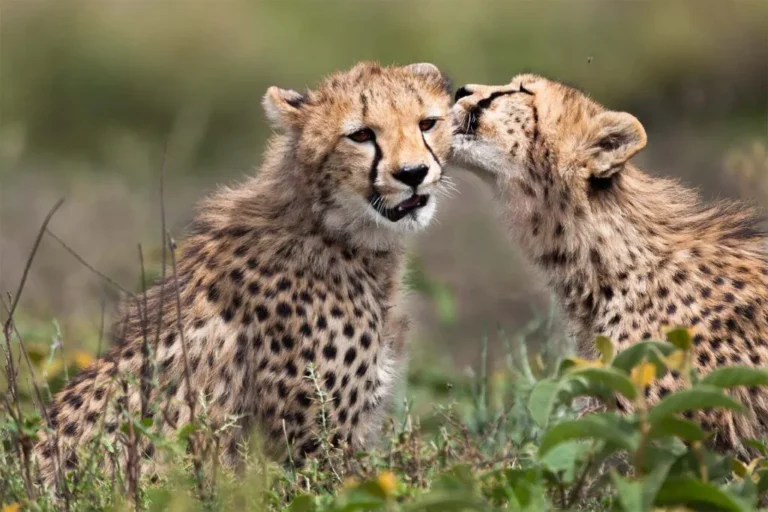
Oct 31, – 6 Day Serengeti, Ngorongoro, Tarangire And Manyara Group Safari 2026
A detailed look at the 6-day Northern Circuit group safari departing October 31, 2026, covering Tarangire, Manyara, Serengeti, and Ngorongoro Crater.
View package detailsDec 8, – 4 Day Tarangire, Serengeti And Ngorongoro Group Safari 2026
A detailed guide to our December 8, 2026 group joining safari, covering the itinerary, logistics, and what to expect during this 4-day wildlife adventure in Tanzania.
View package detailsNov 10, – 4 Day Serengeti, Ngorongoro And Tarangire Group Safari 2026
Join our group safari on November 10, 2026, for an intensive 4-day tour of Tanzania's Northern Circuit. Perfect for those with limited time who want to experience the best of the Serengeti...
View package detailsOct 29, – 4 Day Tarangire, Serengeti And Ngorongoro Group Safari 2026
Plan your October 2026 Tanzania adventure. This 4-day group safari covers Tarangire, Serengeti, and Ngorongoro Crater with reliable local support.
View package details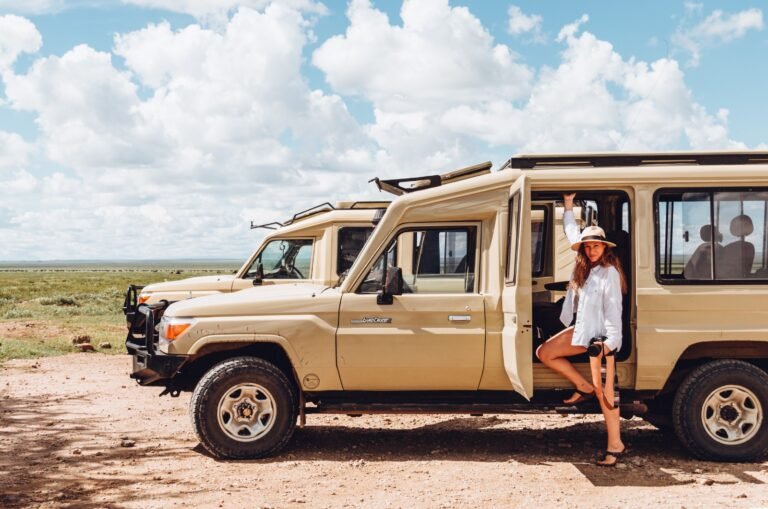
Dec 6, – 3 Day Tarangire, Lake Manyara And Ngorongoro Group Safari 2026
Dec 6, 2026 – 3 Day Tarangire, Lake Manyara and Ngorongoro Group Safari.
View package detailsOct 28, – 3 Day Tarangire, Lake Manyara And Ngorongoro Group Safari 2026
A detailed guide to our 3-day group joining safari departing October 28, 2026. Explore the logistics, wildlife highlights, and why this specific route is ideal for travelers looking to...
View package detailsDec 14, – 7 Day Complete Tanzania Northern Circuit Group Safari 2026
Planning for December 2026? Join our 7-day complete Tanzania Northern Circuit group safari. A deep look at the Serengeti, Ngorongoro, and Tarangire with expert, locally-led logistics.
View package details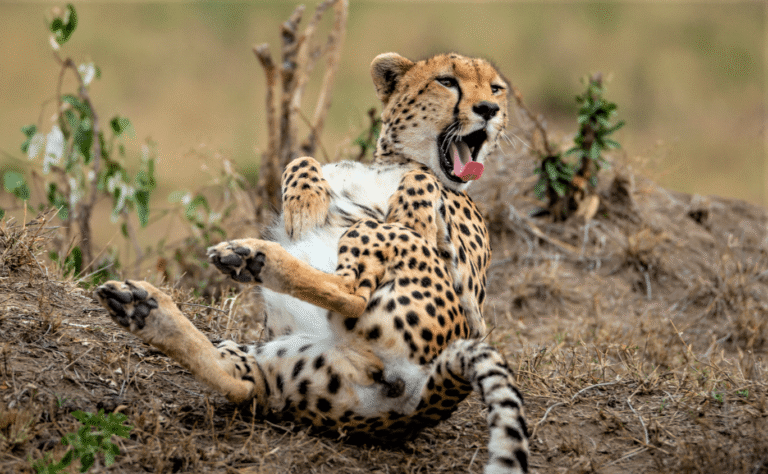
Dec 29, – 6 Day Ndutu, Serengeti And Ngorongoro Group Safari 2026
A detailed guide to our 6-day group safari departure on December 29, 2026, focusing on the Ndutu plains, the Serengeti, and the Ngorongoro Crater.
View package details8 Day Serengeti And Ngorongoro Group Safari – December 16, 2026
Planning your December 2026 Tanzanian adventure? Our 8-day group safari offers a deep, unhurried exploration of the Serengeti and Ngorongoro Crater.
View package detailsDec 2, – 2 Day Tarangire And Ngorongoro Group Joining Safari 2026
Planning a trip for December 2, 2026? Join our 2-day shared safari to Tarangire and Ngorongoro. Perfect for travelers seeking an efficient, cost-effective wildlife experience.
View package detailsNov 6, – 3 Day Serengeti And Ngorongoro Budget Group Safari 2026
A detailed look at our November 6, 2026 group departure for a 3-day Serengeti and Ngorongoro safari, including planning tips and route logistics.
View package detailsOct 27, – 3 Day Serengeti And Ngorongoro Group Safari 2026
Planning for a short, high-impact wildlife adventure? Our October 27, 2026, group safari offers a direct route through the Serengeti and Ngorongoro Crater, perfect for travelers with...
View package detailsNo related package matches those filters. Clear one or more filters to see the other topic-matched options.



