
The Dec 8, 2026 – 4 Day Tarangire, Serengeti and Ngorongoro Group Safari is a structured, shared-cost wildlife expedition designed to maximize game viewing across Northern Tanzania’s most famous parks in a condensed timeframe. By joining this group, you split the logistical costs—vehicle, fuel, guide, and park fees—with other travelers, making this an ideal choice for solo adventurers, couples, or small groups seeking a professional, pre-planned route without the premium price tag of a private safari. This itinerary focuses on high-density wildlife areas, starting with the elephant herds of Tarangire, moving to the vast plains of the Serengeti, and concluding with the world-famous Ngorongoro Crater.
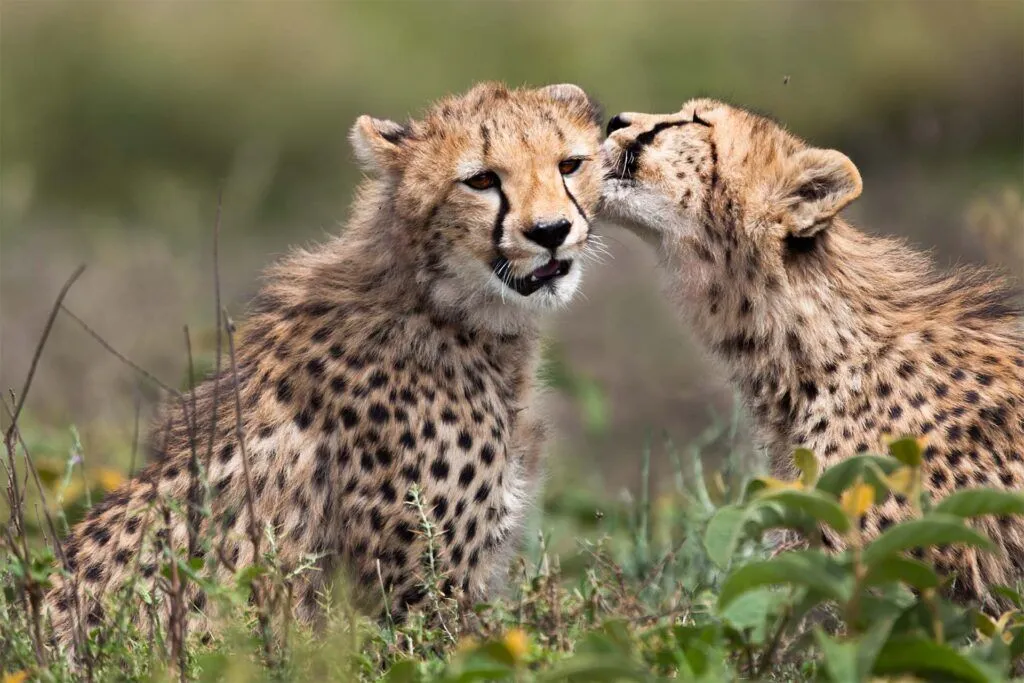
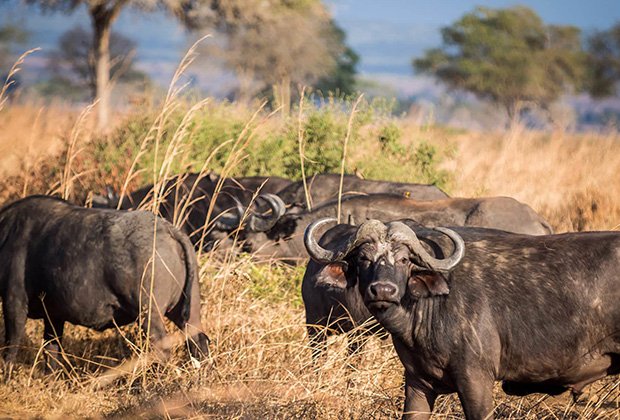
Planning a safari in early December requires an understanding of the specific local climate and wildlife movements. December falls during the “short rains” (known locally as vuli), which transforms the landscape. The dust settles, the plains turn a vibrant green, and the air is clearer, providing excellent conditions for photography. Because this is a group joining safari, the itinerary is fixed to ensure all participants get the most out of these four days. If you are looking for flexibility, you might consider our other scheduled group departures, but this specific December 8th date is tailored for travelers who want to hit the big three parks in a single, efficient circuit.
Understanding the 4-Day Itinerary
A four-day safari is an intense, high-reward experience. We prioritize time in the vehicle, ensuring you spend less time at the lodge and more time on the game trails. This route is designed to build in intensity, starting with the unique terrain of Tarangire before moving into the vastness of the Serengeti and finishing with the concentrated wildlife of the Ngorongoro Crater.
Day 1: Tarangire National Park
We depart early from Arusha. Tarangire is often underestimated, but it is one of the most important parks in the circuit, particularly for its elephant population and iconic baobab trees. In December, the landscape is lush. While the animals are more dispersed than in the dry season, the birdlife is spectacular, and the park feels much quieter. You will spend the full day game driving, focusing on the Tarangire River area, which acts as a lifeline for wildlife.
Day 2: Serengeti National Park
The drive to the Serengeti is an experience in itself, passing through the highlands and entering via the Naabi Hill Gate. This is where the landscape opens up into the endless plains. We spend the remainder of the day tracking the resident wildlife. While the Great Migration is highly mobile, the Serengeti is home to a massive population of resident predators and herbivores year-round. We aim to reach our accommodation by sunset, allowing for a rest before the next morning’s early start.
Day 3: Serengeti to Ngorongoro
We begin with a morning game drive in the central Serengeti, focusing on the Seronera Valley, famous for its big cat sightings—lions, leopards, and cheetahs. By mid-afternoon, we begin the journey toward the Ngorongoro Conservation Area. We will stop at the crater rim, where the elevation provides a dramatic change in temperature and view. You will spend the night at a lodge or camp near the rim, positioning the group perfectly for an early descent the following morning.
Day 4: Ngorongoro Crater and Return to Arusha
This is the highlight for many. We descend into the crater floor early, often before the majority of day-trippers arrive. The Ngorongoro Crater is a self-contained ecosystem, and in just a few hours, you have a very high probability of seeing the “Big Five.” After a picnic lunch on the crater floor, we ascend the steep walls and begin the drive back to Arusha, arriving in the late afternoon. This final day is efficient, ensuring you are back in town at a reasonable hour.
Why Join a Group Safari in December?
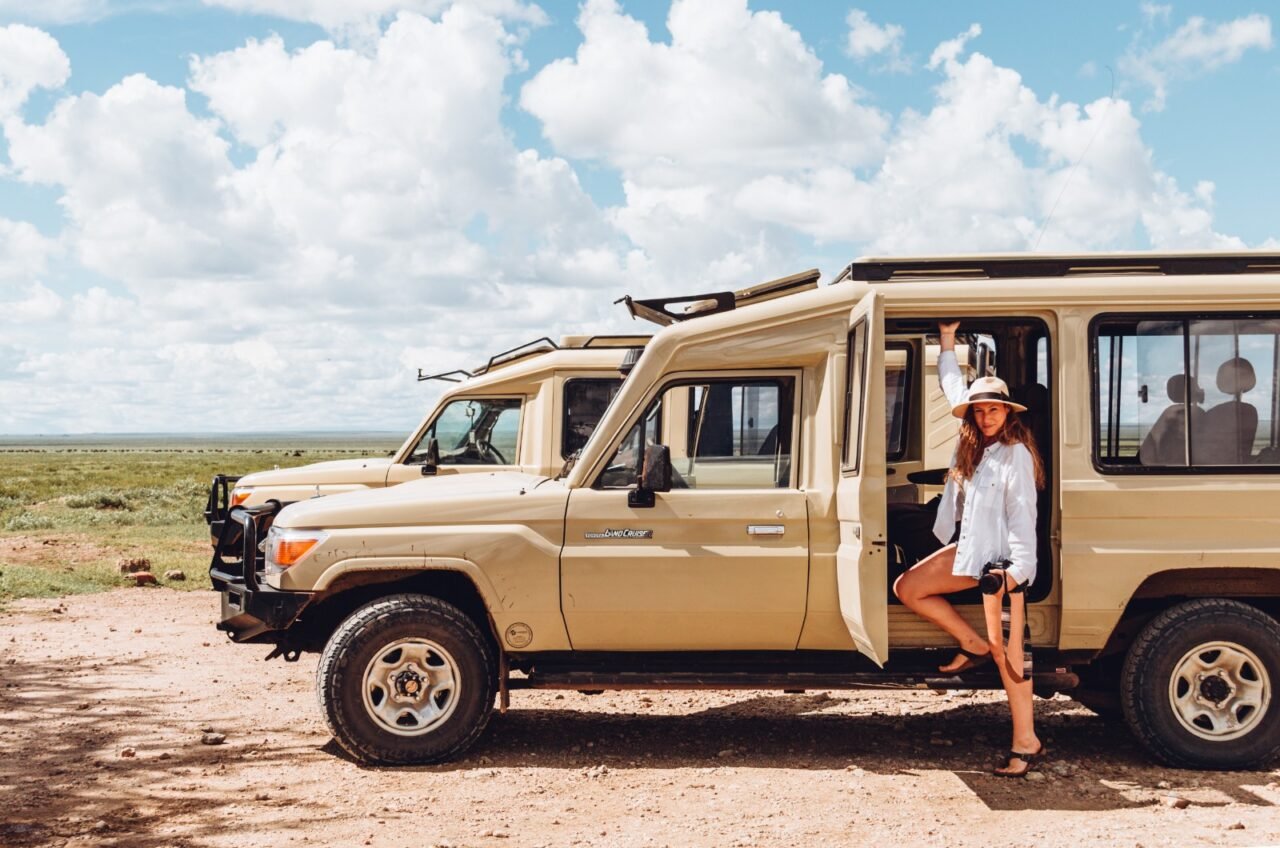
Traveling in a group joining format is not just about the cost savings. It is a social experience that brings together like-minded travelers from all over the world. Our groups are capped to ensure comfort in the safari vehicle—usually a custom-modified 4×4 land cruiser with a pop-up roof for optimal viewing.
December is a fascinating time to visit. While some travelers fear the “short rains,” locals know that this is when the bush comes alive. The newborn season for many herbivores begins around this time, which naturally increases predator activity. Additionally, the park fees and accommodation rates are often more favorable compared to the peak season in July and August. If you are comparing this to other options, such as our October 29 group safari, the route is similar, but the landscape will look drastically different due to the seasonal rains.
Logistical Considerations
When you book a spot on this Dec 8, 2026 departure, you are not just booking a seat in a car; you are relying on our team’s operational expertise. We handle all park permits, vehicle maintenance, and accommodation bookings. The biggest trade-off in a group safari is the lack of total control over the schedule. Because you are traveling with others, the vehicle stops when the group decides, and departure times are fixed. If you prefer total control over your game drives, a private tour is the better choice, but for most travelers, the shared-cost model is the most practical way to experience the Northern Circuit.
Practical Planning for Your Safari
Preparation is key to enjoying your four days in the bush. Since we cover significant distances, you will spend a good portion of your day in the vehicle. Here is how to prepare:
- Packing: Bring layers. The crater rim can be cold in the early morning, while the plains of the Serengeti can be quite hot by midday. A light jacket and a fleece are essential.
- Camera Gear: You don’t need a professional rig, but a decent zoom lens (at least 200mm) will help capture wildlife at a distance. Don’t forget extra memory cards and a portable power bank, as charging opportunities in the bush can be limited.
- Health and Safety: Consult your doctor regarding malaria prophylaxis well in advance. We provide drinking water in the vehicle, but bring a reusable bottle to help minimize plastic waste.
- Fitness: This is not a trekking trip; it is a driving safari. No specific physical fitness is required, though you should be prepared for bumpy roads.
The Climb 4 Africa Difference
We are a local Tanzanian operator. Our support doesn’t stop when the engine starts. Our drivers are not just guides; they are experienced navigators who know the backroads and how to handle the changing conditions of the rainy season. If a road becomes impassable, they know the alternatives. We provide clear, direct communication from the moment you inquire until you are dropped off in Arusha. We don’t use intermediaries for our operations, which means you get accurate, firsthand information about your trip.
Frequently Asked Questions
What happens if it rains heavily during the trip?
The “short rains” in December are usually characterized by brief, heavy afternoon showers rather than all-day downpours. Our vehicles are equipped for mud, and our drivers are trained to navigate wet conditions safely. Wildlife viewing is rarely canceled; in fact, the animals often remain active during the showers.
How many people will be in the vehicle?
Our group joining safaris typically use 4×4 land cruisers that seat 5 to 7 passengers. We ensure every passenger has a window seat to guarantee an unobstructed view of the wildlife. You will never be packed into a vehicle beyond its comfortable capacity.
Are meals included?
Yes, all meals are included from lunch on Day 1 through lunch on Day 4. We provide a mix of lodge-prepared meals and picnic lunches in the field. Please inform us of any dietary restrictions at least two weeks before your departure so we can coordinate with the lodges and our catering team.
Can I join this safari if I am traveling solo?
Absolutely. Group joining safaris are the most popular option for solo travelers because they remove the single-supplement cost that often applies to private tours. You will be matched with other travelers to fill the vehicle.
Booking Your Spot
Space on our group departures is limited to ensure quality and comfort. Because this is a scheduled group departure for December 8, 2026, we recommend securing your spot as soon as your travel dates are finalized. To book or to ask a specific question about the group size or vehicle type for this date, reach out to our team directly.
You can contact us via WhatsApp at +255 747 477 898 for the fastest response, or email us at climb4africa@gmail.com. If you prefer, our backup email is info@climb-4-africa.com. When you contact us, please mention the specific departure date (December 8, 2026) so we can check the current availability for you immediately. We look forward to helping you experience the best of Tanzania’s wildlife.
Wildlife Behavior and Photography in the “Vuli” Season
Traveling in early December places you squarely in the season known locally as vuli, or the short rains. While many travelers obsess over the dry season, the “green season” offers a distinct, often superior, experience for photography and wildlife observation. The transformation of the landscape is immediate; within days of the first rains, the parched, dusty plains of the Serengeti and the Ngorongoro Conservation Area transition into a vibrant, emerald-green mix. This change in vegetation dictates animal movement and behavior, providing a unique backdrop for your 4-day expedition.
For the wildlife photographer, the atmosphere in December is a significant advantage. During the dry season, the air in the Northern Circuit is often thick with dust particles kicked up by passing vehicles and the wind, which can create a haze that softens long-distance shots. In December, the rains wash the air clean. You will find that your telephoto lenses perform with greater clarity, capturing the sharp details of a leopard in a tree or the texture of an elephant’s skin against a backdrop of deep blue, cloud-streaked skies. The lighting during the “short rains” is also more dynamic. You will often experience dramatic, moody skies—the classic “stormy” African horizon—which provides a much more compelling composition than the flat, bleached-out light of the dry months.
Regarding wildlife behavior, the availability of surface water means animals are less reliant on the permanent waterholes. You will find game more dispersed, which makes for a more authentic, “search-and-find” safari experience. Additionally, December marks the arrival of Palearctic migratory birds. For bird enthusiasts, the Serengeti and Ngorongoro Crater become a sanctuary, with thousands of species arriving from Europe and Northern Asia to take advantage of the insect boom. While the tall, lush grass can occasionally make spotting smaller predators like servals or cheetahs more challenging, the trade-off is the sight of newborn herbivores. December is a common month for ungulate births, and witnessing the interaction between new mothers and their offspring against the lush green plains is a highlight of the season.
Safari Etiquette and Tipping Culture
Participating in a group safari requires an awareness of shared space and the unspoken rules of the bush. Because you are traveling with strangers in a confined vehicle for four days, your behavior directly impacts the group’s collective experience. The most critical rule is noise discipline. Predators like lions and leopards have acute hearing; while they are often habituated to the sound of vehicle engines, the sudden, sharp sound of human voices or a slamming door can cause them to retreat into the bush, ending a sighting prematurely. When your driver turns off the engine to approach a sighting, maintain a low volume. If you must communicate, do so in whispers.
Another vital aspect of etiquette is the “stay in the vehicle” policy. Unless you are in a designated picnic site or a specifically permitted walking area, you must remain inside the vehicle at all times. This is not merely a rule for your safety, but a critical component of wildlife conservation. Animals perceive a vehicle as a single, harmless object; they perceive a human on the ground as a threat or a food source. Breaking this boundary can cause animals to flee, ruining the experience for everyone in your group and potentially creating a dangerous situation for the animal and the guide.
Tipping is an integral part of the Tanzanian tourism economy and is standard practice for safari crews. While it is entirely voluntary, it is expected as a gesture of appreciation for the service provided by your guide and, in some cases, the cook or support staff. For a 4-day group safari, it is common to pool tips at the end of the trip to ensure the entire support team is recognized. Industry standards generally suggest a tip of approximately $15 to $20 USD per day for the driver-guide, depending on the level of satisfaction and the size of the group. If you have a dedicated cook accompanying the group, a tip of $10 to $15 USD per day is appropriate. It is best to carry small denominations of US dollars (printed after 2009) or Tanzanian Shillings to facilitate this. Discussing the tipping pool with your fellow group members on the final evening is a polite way to ensure everyone is comfortable with the contribution amount before presenting the gratuity to the guide.
Health and Safety Protocols for Your Northern Circuit Expedition
Traveling through Northern Tanzania requires a proactive approach to personal health. While the route is well-traveled, you are venturing into remote areas where medical facilities are not immediately accessible. For a four-day group safari, preparation begins weeks before your departure date of December 8, 2026. Consult with a travel clinic or your primary care physician at least six weeks prior to your trip to discuss necessary vaccinations. While proof of yellow fever vaccination is generally only required if you are traveling from a country with a risk of transmission, other immunizations such as Hepatitis A and Typhoid are standard recommendations for travel in East Africa.
Malaria prophylaxis is a critical consideration. The Serengeti and Tarangire regions are malaria-endemic areas. Because you will be in the bush during the “vuli” season—when humidity can increase mosquito activity—consistent preventative measures are essential. This includes taking your prescribed anti-malarial medication exactly as directed, both before, during, and after your trip. Beyond medication, physical barriers are your best defense. Pack insect repellent containing DEET or Picaridin and apply it liberally, especially during the early morning and late afternoon hours when mosquitoes are most active. Most lodges provided on this itinerary utilize mosquito nets over the beds; ensure these are tucked securely under your mattress each evening to create a sealed environment.
Hydration and food safety are equally important. While the kitchens at the lodges and the catering services used for bush lunches maintain high hygiene standards, travelers should strictly adhere to the “bottled water only” rule. Do not drink tap water under any circumstances, and use bottled water for brushing your teeth. If you have a sensitive stomach, consider packing a basic medical kit containing oral rehydration salts, loperamide, and broad-spectrum antibiotics, which can be invaluable if you experience traveler’s diarrhea. Always carry hand sanitizer, as you will frequently be touching surfaces in vehicles and public areas where handwashing facilities may not be readily available.
Understanding the Geography and Altitude of the Ngorongoro Conservation Area
A significant portion of this four-day itinerary involves rapid changes in elevation, which can affect your physical comfort. The Ngorongoro Conservation Area is a high-altitude environment, with the crater rim sitting at approximately 2,300 meters (about 7,500 feet) above sea level. While this is not high enough to cause severe altitude sickness for most travelers, the transition from the lower Serengeti plains to the crater rim can cause mild symptoms like headaches, fatigue, or shortness of breath in some individuals.
To mitigate these effects, prioritize hydration throughout your time on the road. The air at these elevations is significantly thinner and drier, which leads to faster dehydration than you might experience at sea level. If you are prone to altitude sensitivity, avoid strenuous physical activity during your first few hours at the lodge on the crater rim. Allow your body time to acclimatize by resting and enjoying the views rather than rushing to explore the immediate surroundings. Additionally, the temperature drop at the crater rim is significant compared to the plains of Tarangire. Even in December, mornings on the rim can be chilly, sometimes reaching temperatures near 10°C (50°F). Dressing in layers is the most effective strategy; you will want a fleece or light jacket for the early morning game drive descent, which you can shed as the sun rises and the temperature on the crater floor climbs.
The geography also dictates the pace of your travel. The roads connecting these parks are a mix of tarmac and rugged, unpaved tracks. The “vuli” season rains can turn these dirt roads into challenging terrain. Your driver is experienced in navigating these conditions, but it is important to understand that transit times can vary significantly based on the weather. A drive that might take four hours on a dry, sunny day could take six or more if the roads become muddy. Maintain flexibility in your expectations. The journey is part of the safari experience, and the changing landscape outside your window is often as rewarding as the destination itself.
Vehicle Specifications and Comfort Features
Since this four-day itinerary involves significant time traversing the Northern Circuit, the vehicle acts as your primary environment. For a group joining safari, the standard vehicle is a custom-modified 4×4 Toyota Land Cruiser, specifically engineered for the Tanzanian bush. These vehicles differ significantly from standard passenger cars or even city-based SUVs. They are fitted with high-clearance suspension systems, reinforced chassis, and heavy-duty tires designed to handle the rugged, uneven terrain of the Serengeti plains and the muddy tracks often encountered during the December vuli season.
The most critical feature for your photography and wildlife viewing is the pop-up roof hatch. When the vehicle is stationary or moving at slow game-viewing speeds, the roof is lifted, allowing passengers to stand up and observe animals from an elevated position. This provides a 360-degree view and is essential for capturing photographs above the tall grasses that characterize the landscape during the green season. Inside the cabin, you will find comfortable, forward-facing seating. While these vehicles are designed to accommodate up to seven passengers, the seating configuration is arranged to ensure that everyone has access to a window seat, preventing the feeling of being cramped during the long transit days between Tarangire and the Serengeti.
Power supply is a frequent concern for travelers documenting their journey. Most group safari vehicles are equipped with charging stations, typically USB ports or standard power inverters, allowing you to charge your camera batteries, phones, and power banks while the vehicle is in motion. However, it is prudent to bring a portable power bank as a backup, as the vehicle’s electrical system relies on the engine running. Furthermore, these vehicles carry essential recovery equipment, including high-lift jacks, winches, and shovels, which are standard requirements for navigating the sometimes unpredictable road conditions of the Ngorongoro Conservation Area and Serengeti corridors in December.
Managing Personal Belongings in a Shared Vehicle
Space in a safari vehicle is at a premium. Because you are sharing the cabin with other travelers, managing your luggage efficiently is a matter of group etiquette. Large, hard-shell suitcases are generally discouraged because they are difficult to stow and can damage the vehicle’s interior. We strongly recommend using soft-sided duffel bags or backpacks. These can be easily compressed and tucked into the limited luggage compartments, usually located at the rear of the vehicle or secured on the roof rack if protected from the elements.
Keep a “day bag” with you in the cabin for items you need immediate access to, such as your camera gear, binoculars, sunscreen, insect repellent, and water bottle. Avoid bringing excessive amounts of gear into the seating area, as this reduces legroom and can clutter the shared space. By keeping your personal items organized and contained, you ensure that the cabin remains a comfortable, social space where everyone can enjoy the passing scenery without obstruction.
Mastering Photography from a Shared Safari Vehicle
While the vast majority of safari literature focuses on the wildlife itself, the practical mechanics of capturing that wildlife from a shared, moving 4×4 Land Cruiser in a group setting is a discipline of its own. On a four-day expedition across the Northern Circuit, you are not shooting from a private, stationary blind; you are working within a mobile, shared environment. The success of your photographic journey depends as much on your spatial awareness and equipment strategy as it does on your camera settings. In a group of five to seven passengers, the most critical element of photography is understanding the limitations of the vehicle and the etiquette required to ensure everyone gets their shot.
Essential Stabilization Techniques for Mobile Platforms
The biggest mistake first-time safari photographers make is attempting to use a traditional tripod. In a shared vehicle, a tripod is cumbersome, occupies too much floor space, and is virtually useless because the vehicle is rarely perfectly still. Instead, prioritize a high-quality beanbag. When the vehicle stops for a sighting, the roof hatch is popped open, and the metal frame becomes your primary support. A beanbag—which you can often purchase pre-filled in Arusha or bring empty and fill with rice or beans—molds perfectly to the roof frame, providing a rock-solid base for your lens. This allows you to stabilize long telephoto lenses without the vibration transfer common with tripods.
If you prefer a monopod, ensure it is compact enough to fit in your day bag. However, be mindful that in a shared vehicle, a monopod can easily become a trip hazard for your fellow passengers. If you are using a gimbal head or a specialized mount, confirm with your group that you are not obstructing their line of sight. The goal is to create a smooth rotation where each passenger has a moment of priority when the vehicle is positioned perfectly for a sighting.
Lens Selection and the Green Season Challenge
The December “vuli” season presents specific optical challenges. The lush, vibrant greenery of the Serengeti and Tarangire is beautiful, but it creates a complex background for autofocus systems. Cameras often struggle to lock onto an animal when it is partially obscured by tall, wet grass or dense foliage. To combat this, prioritize lenses with a versatile zoom range, such as a 100-400mm or a 200-600mm. A fixed prime lens, while offering superior light-gathering capabilities, often leaves you unable to frame a shot correctly when an animal moves closer or further away—a common occurrence in the Ngorongoro Crater where animals are habituated and often walk very close to the vehicle.
Furthermore, bring a wider-angle lens (24-70mm or similar) for the landscape shots. The transition from the baobab-studded landscapes of Tarangire to the wide-open plains of the Serengeti offers dramatic, sweeping vistas that require a wider field of view. Switching between a long telephoto and a wider lens should be done swiftly; keep your lenses accessible in your day bag, but keep them protected from the fine dust that can still permeate the cabin even during the short rains.
Communicating with Your Guide and Group
Your guide is your most valuable asset for photography, but they have to manage the interests of the entire group. If you are a dedicated photographer, communicate this early. Let the guide know that you are looking for specific angles or lighting conditions, but understand that they cannot reposition the vehicle indefinitely if it disrupts the viewing experience for others. Use hand signals rather than verbal instructions to avoid spooking the wildlife or disturbing the group’s quiet observation. A simple hand gesture to indicate “stop” or “reposition” is usually sufficient.
Inside the vehicle, establish a rotation. If you are positioned on the right side of the vehicle and a leopard is spotted on the left, it is standard etiquette to allow those on the left side to have priority for the first few minutes. Do not lean over your seatmates or block their view with your gear. Often, the best shots come from the pop-up roof hatch, where you can stand and shoot over the heads of those seated below. Rotate through the hatch position if your group size allows, ensuring everyone gets a turn at the elevated angle.
Managing Battery and Storage in the Field
In a four-day, high-intensity safari, you will likely take thousands of photos. While many modern safari vehicles are equipped with charging ports, these are often shared among all passengers. Do not rely solely on the vehicle’s power supply. Bring at least two spare, fully charged batteries for your camera body. In the cooler, high-altitude mornings on the Ngorongoro Crater rim, battery life can drain faster than expected. Keep your spare batteries in an inner pocket close to your body heat to prevent them from losing charge in the early morning chill.
Regarding data storage, bring more memory cards than you think you need. High-speed burst shooting, which is essential for capturing action shots like a cheetah on the hunt or a bird in flight, fills cards rapidly. Do not assume you will have time to offload images to a laptop or cloud service in the evenings. The lodges are often remote, and internet connectivity can be unreliable. Treat your memory cards as your primary storage and keep them in a waterproof, dust-proof case in your day bag.
Navigating the Northern Circuit: Road Conditions and Transit Realities
While the four-day itinerary is designed to maximize time in the bush, it is essential to understand that a significant portion of this expedition involves transit between major parks. The Northern Circuit is a vast geographic area, and the transition from the baobab-studded plains of Tarangire to the endless grasslands of the Serengeti requires traversing varied terrain. Understanding these road conditions is key to managing your physical comfort and expectations throughout the journey.
The transit experience is bifurcated into two distinct types of travel: tarmac roads and off-road tracks. The routes connecting Arusha to the entry gates of Tarangire and the Ngorongoro Conservation Area are largely paved, allowing for relatively smooth travel. However, once you enter the national parks and the conservation area, the surface changes to gravel, dirt, and, during the December vuli season, mud. These internal park roads are maintained to be passable, but they are inherently uneven and prone to washouts after heavy rains. You should expect a bumpy, vibrating ride that can be physically taxing over several hours.
During the early December vuli rains, the road conditions can shift rapidly. While our vehicles are 4×4 modified Land Cruisers specifically engineered for these environments, the terrain can become slippery. This is part of the authentic safari experience, but it does necessitate patience. If a track becomes temporarily impassable due to deep mud, your guide may need to take a longer detour. This is not a failure of planning but a standard operating procedure to ensure vehicle safety and group security. Embrace these detours as additional opportunities for game viewing, as wildlife is often found in the quieter, less-traveled areas of the park.
To mitigate the physical toll of long transit days, prioritize your seating comfort. If you are prone to motion sickness, the combination of winding highland roads and uneven dirt tracks can be challenging. Take necessary precautions, such as choosing a seat near the center of the vehicle rather than over the rear axle, which tends to experience more bounce. Hydration is critical, but manage your intake strategically to minimize the need for frequent stops, as exiting the vehicle is strictly prohibited outside of designated picnic sites and lodges. Finally, dress in layers that allow for temperature regulation, as the vehicle cabin can swing from cold and drafty in the morning to warm and stuffy as the sun rises, all while you are navigating bumpy, dusty terrain.
Cultural Interactions and Community Visits
While the primary objective of your four-day safari is wildlife observation, many travelers on this specific circuit express interest in the cultural landscape of Northern Tanzania. Because the itinerary moves through the Ngorongoro Conservation Area, you are passing through lands traditionally inhabited by the Maasai people. Understanding how to engage with these communities respectfully is essential, as the safari experience does not exist in a vacuum; it is part of a complex social and environmental ecosystem.
If your group expresses a collective interest, there are opportunities to visit a Maasai boma (homestead) near the Ngorongoro region. These visits are distinct from the safari game drives and usually require a small, separate entry fee that goes directly to the community. These interactions are designed to provide insight into traditional pastoralist life, including cattle herding, beadwork, and the construction of manyattas (traditional houses). It is important to approach these visits as a guest, not a spectator. Ask your guide about the protocol before arriving; generally, this involves a polite greeting and seeking permission before taking photographs of individuals or their homes.
It is worth noting that these cultural visits are not part of the standard, fixed-cost itinerary for the December 8th departure. Because the group joining format prioritizes the wildlife schedule, any deviation for a cultural visit must be agreed upon by all members of the group. If one passenger prefers to continue game viewing while others wish to visit a village, the guide may not be able to accommodate the split. Discuss this with your fellow travelers early on Day 1 or Day 2 to gauge the group’s interest level. If the majority agrees, the guide can coordinate the stop during the transit between the Serengeti and the Ngorongoro Conservation Area.
Understanding the Role of the Safari Cook
In the context of this group safari, the logistical support often includes a dedicated cook, especially if you are staying in tented camps or public campsites. While your guide manages the vehicle and wildlife sightings, the cook is the unsung hero of your expedition. Their workspace is often a makeshift kitchen area at the lodge or campsite, and they are responsible for preparing three meals a day under sometimes challenging conditions.
The food provided is typically a mix of Western and Tanzanian staples—think hearty stews, fresh fruit, rice, pasta, and ugali (a maize porridge). If you have specific dietary requirements, such as vegetarian, vegan, or gluten-free, it is imperative that these are communicated to the booking team well in advance. Because the cook operates with limited storage and a remote supply chain, they cannot accommodate last-minute requests on the road. Respecting the cook’s workspace and schedule is part of the safari etiquette; meals are usually timed to align with game drive departures and returns, so punctuality ensures that the kitchen team can maintain their workflow without delaying the group.
The Importance of Hydration and Waste Management
With the physical intensity of a four-day safari, maintaining hydration is critical, yet it presents a unique logistical challenge. You will be provided with bottled water in the vehicle, but managing the waste generated by these bottles is a shared responsibility. Tanzania has strict regulations regarding littering in national parks, and the “leave no trace” principle is strictly enforced. Your safari vehicle will have a designated bin or bag for trash; please ensure that every plastic bottle, wrapper, or tissue is disposed of there.
Furthermore, because the transit days can be long, you may be tempted to drink excessive amounts of water. While staying hydrated is non-negotiable, consider the availability of restrooms. Inside the national parks, you are generally not permitted to exit the vehicle except at designated picnic sites or gated areas. If you have a sensitive bladder, monitor your intake during the longer transit stretches between the Serengeti and Ngorongoro. Your guide will know the locations of the few available rest stops along the main transit routes, but these are often sparse and basic. Planning your hydration around these known stops will make the long driving hours significantly more comfortable for you and your fellow passengers.

The Reality of the Daily Rhythm: Managing Time and Energy
A four-day group safari across the Northern Circuit is, by definition, a high-intensity sprint. Unlike longer ten-day itineraries that allow for “down days” or leisurely mornings, this condensed schedule requires a precise synchronization of time, energy, and logistics. To maximize your sightings of the Big Five and ensure you cover the vast distances between Tarangire, the Serengeti, and the Ngorongoro Crater, the rhythm of your day is dictated by the sun and the park gate opening times. Understanding how this rhythm functions will help you manage your expectations and physical stamina.
The “Early Bird” Mandate
On a four-day expedition, you will find that a 5:30 AM or 6:00 AM wake-up call is the standard, not the exception. This is not to punish travelers, but to capitalize on the “golden hours” of wildlife activity. Predators, particularly lions and leopards, are most active during the cooler twilight hours, often retreating to the shade of acacia trees or thickets as the sun rises and the temperature climbs. By being at the park gate as it opens, you ensure that you are already deep within the wildlife-rich areas while other vehicles are still navigating the park entrance queues. Furthermore, the early morning light provides the most dramatic, soft-focus conditions for photography. If you are not a “morning person,” prepare to adjust your sleep cycle at least two days before departure; missing a 6:00 AM departure means you miss the prime window for predator sightings, which rarely occurs at midday when the heat haze distorts the horizon.
The Mechanics of the Picnic Lunch
In a four-day itinerary, you will rarely return to your lodge or camp for lunch. Doing so would effectively waste two to three hours of prime game-viewing time in transit. Instead, your safari will rely on “picnic lunches,” which are pre-packed by the kitchen staff before you depart in the morning. These are usually served at designated picnic sites within the national parks—fenced, secure areas where you are permitted to exit the vehicle. Understanding this rhythm is vital for your comfort. You must be prepared to eat your meal in the bush, often on the hood of the vehicle or at a communal wooden table. These stops are functional, not leisurely. They provide a necessary break to stretch your legs and use restroom facilities, but they are not designed for lingering. Embracing this “picnic culture” is essential; it allows your group to remain in the heart of the wilderness throughout the day, significantly increasing your chances of spotting elusive wildlife.
Balancing Transit and Game Viewing
The geography of the Northern Circuit requires significant transit time. Driving from the Tarangire area to the Serengeti, and then across to the Ngorongoro Conservation Area, involves traversing hundreds of kilometers of varying terrain. On a four-day safari, you must reconcile the desire to see animals with the logistical reality of needing to reach your next destination before nightfall. Your guide will often conduct “game drives on the move,” meaning you are spotting wildlife while transitioning between camps. It is common for travelers to feel a sense of urgency, wanting the driver to stop for every gazelle or zebra. However, in a group setting, you must trust the guide’s judgment. They are balancing the need to reach your overnight accommodation with the group’s desire for sightings. If you see a particularly rare species, the guide will stop, but they will also be mindful of the clock to ensure you do not arrive at your lodge after dark, which is prohibited in many park areas for safety reasons.
The Synchronization of a Group Schedule
The most significant variable in your daily rhythm is the group dynamic. Because you are sharing a vehicle with other travelers, punctuality is the cornerstone of a successful four-day trip. If one passenger is consistently ten minutes late for a morning departure, that delay cascades throughout the day, potentially causing the group to miss a specific park gate closure or forcing a rushed game drive in the afternoon. To maintain the group’s efficiency, treat the safari like a professional expedition. Have your gear packed, your camera batteries charged, and your personal items organized the night before. When the group moves as a synchronized unit, the guide has the flexibility to linger longer at a lion sighting or detour to follow a leopard track. When the group is fragmented by disorganization, the guide is forced to prioritize the schedule over the wildlife experience.
Managing End-of-Day Fatigue
By the time you return to your lodge or campsite, typically between 5:30 PM and 6:30 PM, you will likely be physically exhausted. The combination of early mornings, the constant vibration of the 4×4 vehicle, the intense concentration required for wildlife spotting, and the dry, dusty air takes a cumulative toll. Do not plan for late-night activities. The evenings on a four-day safari are best utilized for downloading photos, charging batteries, and resting. Most lodges and tented camps in these areas operate on limited power, often shutting down generators or solar systems late at night. Plan your evening routine accordingly: shower, eat, and rest. Pushing yourself to socialize late into the night will only make the next morning’s 5:30 AM wake-up call significantly more difficult. Recognizing that this is a high-intensity, short-duration trip allows you to pace yourself, ensuring you have the energy to fully appreciate the Ngorongoro Crater on the final day, which is arguably the most physically demanding day of the entire itinerary.
Navigating the Transition from Lodge to Tented Camp Environments
While the broader itinerary focuses on the logistics of the parks themselves, a nuanced aspect of this four-day group safari is the shift in accommodation types. Unlike longer, bespoke itineraries that might allow you to select a single style of lodging, group joining safaris often feature a hybrid mix of accommodation. You might spend one night in a lodge with solid walls and running electricity, and the following night in a permanent or semi-permanent tented camp. Understanding the functional differences between these two environments is critical for managing your comfort and expectations throughout the four days.
Lodges in the Northern Circuit are typically permanent, concrete, or stone structures. They offer a level of predictability: consistent electricity, private bathrooms with hot water showers, and a dining room environment similar to a standard hotel. In these settings, you have more space to spread out your gear, and charging your electronics is usually straightforward, as many rooms have dedicated wall outlets. Because these lodges are often located just outside park boundaries or in established tourism hubs, they provide a sense of stability after a long day of driving. If you are a traveler who values the ability to unpack fully, the lodge nights are your opportunity to organize your equipment for the next day’s game drives.
Conversely, tented camps—particularly those situated inside or on the immediate borders of the Serengeti—offer a vastly different, more in-depth experience. These are not typical ground-tents; they are usually “luxury” or “mid-range” canvas structures set on raised wooden platforms. The walls are canvas, meaning the ambient noise of the African bush—the calls of hyenas, the rustle of grass, or the distant roar of a lion—is much more audible. This is the hallmark of the safari experience, but it requires a different mindset. Because these camps are often off-grid, they may rely on solar power or generators that are switched off during the night. You must prepare for this by ensuring your headlamp is easily accessible and your devices are charged during the hours when the power is active.
The transition between these two types of accommodation also affects how you pack. In a lodge, you can leave your suitcase on a luggage rack. In a tented camp, space is often more limited, and the “en-suite” bathroom is usually a separate section of the tent, sometimes with a bucket shower system that requires you to notify the staff when you want hot water. Understanding that the level of luxury will fluctuate is key to avoiding frustration. The tented camp is designed to bring you closer to the wildlife, while the lodge provides a recovery period. Embrace the change in rhythm; the night spent under canvas in the Serengeti is often the most memorable part of the trip, even if it requires a bit more “roughing it” than the night before.
The Mechanics of “Bucket Showers” and Off-Grid Living
A specific feature of many mid-range tented camps in the Serengeti is the bucket shower. If you have never encountered this, it can be a point of confusion upon arrival. In areas where water is scarce and electricity is limited, these camps provide a canvas bag with a showerhead that is filled with hot water by the camp staff upon your request. You are typically given a specific window of time—often 15 to 20 minutes—to shower before the water runs out or cools down. This is not a lack of service; it is a sustainable management practice for remote wilderness areas. When you arrive at your camp, communicate clearly with the staff about when you would like your shower to be prepared. If you want it immediately after the game drive, let them know upon check-in, rather than assuming it will be ready when you walk into your tent.
Furthermore, managing your waste and water consumption in these off-grid camps is a responsibility shared by the group. Because these camps are temporary or semi-permanent, all waste must be transported out of the park. Using water sparingly, even when it is provided, is a sign of respect for the camp’s logistical constraints. The staff works incredibly hard to bring supplies into these remote areas, and keeping your footprint small ensures that these beautiful locations remain pristine for future travelers. By understanding these mechanics before you arrive, you transform potential inconveniences into a deeper appreciation for the effort required to operate a safari camp in the heart of the bush.
Navigating the Post-Safari Transition and Departure Logistics
The final stretch of your four-day expedition—the drive from the Ngorongoro Conservation Area back to Arusha—is a significant logistical phase often overlooked during the excitement of the preceding days. As you ascend the crater rim and begin the journey back to civilization, the pace of the trip shifts from intense wildlife observation to transit management. It is vital to recognize that this final afternoon is not merely an extension of your game viewing, but a transition period that requires careful planning to ensure you reach your onward destination without undue stress.
The road from Karatu and the Ngorongoro area into Arusha is a major artery for local transport. Traffic can be unpredictable, especially as you approach the city outskirts. Construction, livestock crossings, and standard commuter traffic are common variables that can add significant, unexpected time to your journey. We strongly advise against scheduling international flights on the evening of Day 4. Even if your flight is scheduled for late in the evening, the risk of a minor mechanical delay or heavy traffic could turn a smooth, successful end to your trip into a frantic race against the clock. By planning your departure for the following day, you allow yourself a necessary buffer to decompress and transition back to your travel routine.
The end of the trip is the standard time to settle your tipping obligations with your guide and, if applicable, your cook. This should be done upon arrival at your final destination, whether that is your hotel in Arusha or the airport. To avoid awkwardness or the frantic scramble for change at the curb, prepare your tips in advance. Place the contributions for your guide and support staff in separate, clearly marked envelopes. This allows you to express your gratitude privately and ensures that the funds reach the intended recipients without confusion or the need for calculation in the final moments of your journey.
Finally, consider your post-safari hygiene. After four days in the bush, you will inevitably be covered in the fine, red dust that is ubiquitous in the Northern Circuit. You will likely want to freshen up before heading to the airport. If you do not have a hotel room booked for the night of Day 4, consider booking a “day room” at a hotel in Arusha. Many properties offer reduced rates for use of a room until the early evening, providing a private space to shower, repack your luggage, and relax in comfort before your flight. Attempting to navigate an international airport terminal while still wearing your dusty safari clothes from the crater rim is rarely the comfortable experience most travelers desire.
The Reality of Late-Day International Departures
Travelers often ask if they can maximize their time by flying out on the evening of the fourth day. While it is technically possible if your flight is very late at night, it is a high-risk strategy. The transit time from the Ngorongoro Conservation Area to Arusha is typically between three to four hours, but this can easily double if road conditions are poor or if there is heavy traffic entering the city. Furthermore, your guide needs time to debrief the vehicle and prepare for the next group. By forcing a departure on the same day as your final game drive, you remove the margin of error that is essential for a stress-free conclusion to your Tanzanian adventure.
Pre-Safari Integration: Arriving in Arusha and the Day 0 Briefing
For a four-day group safari that begins promptly at dawn, your arrival in Arusha the day before (commonly referred to as ‘Day 0’) is not merely a suggestion—it is a critical logistical requirement. Arriving on the morning of Day 1 is a high-risk strategy that jeopardizes your inclusion in the group. Because the vehicle must depart Arusha early to beat the traffic and reach Tarangire National Park in time for an afternoon game drive, any delay caused by international flight cancellations, lost luggage, or transit issues from Kilimanjaro International Airport (JRO) will result in the group leaving without you or significantly shortening the collective experience.
Use your ‘Day 0’ to finalize your logistical readiness. Upon arrival at your accommodation in Arusha, your primary task is to confirm the meeting time and location for the following morning. Many group operators conduct a mandatory pre-safari briefing either on the evening of your arrival or very early on the first day. During this session, your guide will typically inspect your luggage to ensure it meets the size constraints discussed previously, verify your travel documents, and answer any final questions. This is the moment to establish rapport with your fellow travelers; you are about to spend four days in a confined space, and breaking the ice early fosters a more collaborative environment for the journey ahead.
Arusha serves as your final hub for essential supplies before heading into the bush. While your safari operator provides water and meals, there are personal items you should secure before leaving the city. If you require a local SIM card for data connectivity, Arusha is the best place to purchase one and have it activated; once you enter the Serengeti, network coverage becomes sporadic or non-existent. Similarly, while US Dollars are widely accepted for tips and park fees, having a small amount of Tanzanian Shillings is useful for small purchases or local markets. Ensure you have stocked up on personal hygiene items, specific sunscreen brands, and insect repellent, as these items are significantly more expensive or unavailable once you are inside the National Parks.
Finally, treat the evening before departure as a period of mental and physical preparation. The transition from an international flight—often characterized by long hours of sitting and recycled air—to the intense, dusty, and physically demanding environment of a 4×4 safari vehicle is jarring. Use this time to repack your ‘safari bag’ specifically, ensuring that your camera gear, chargers, and daily essentials are easily accessible. By organizing your belongings the night before, you avoid the ‘frantic morning scramble’ that often delays group departures. A calm, organized start to Day 1 sets the tone for the entire four-day expedition, allowing you to focus on the wildlife rather than the logistics of your own preparedness.
Navigating Dietary Requirements and Allergen Management in a Group Setting
While the broader logistics of a four-day group safari focus on transit and wildlife, a frequently overlooked aspect of the Northern Circuit expedition is the management of dietary requirements and food allergies. When you join a group safari, you are not merely sharing a vehicle; you are sharing a communal dining experience. Because the logistics of sourcing, transporting, and preparing food in remote areas like the Serengeti are complex, your dietary needs must be managed with a high degree of precision and advance planning.
The Criticality of Pre-Trip Disclosure
Do not wait until you are in the vehicle to disclose food allergies or dietary restrictions. The supply chain for a four-day safari is finalized days, sometimes weeks, in advance. Your safari operator must source fresh produce, proteins, and pantry staples from markets in Arusha before the vehicle departs. If you have a severe allergy—such as a life-threatening reaction to peanuts, shellfish, or specific additives—this information must be provided in writing during the booking phase. A verbal mention to your guide on Day 1 is often too late, as the kitchen supplies may already be loaded and incompatible with your needs.
Understanding the Constraints of the Bush Kitchen
It is important to manage your expectations regarding the ‘bush kitchen.’ While lodge-based safaris offer more flexibility, many group itineraries involve tented camps or public campsites where the kitchen setup is rudimentary. The cook is operating out of a small, mobile unit, often with limited refrigeration and cooking surfaces. While they are highly skilled at preparing diverse meals for varied groups, the ability to provide highly specialized ‘fine dining’ diets (such as strictly kosher, halal, or complex medical diets) is limited by the environment. Most operators can easily accommodate vegetarian, vegan, or gluten-free requests, provided they are notified well in advance, but they cannot guarantee the same level of variety or cross-contamination prevention you might expect in a commercial restaurant.
The Reality of Cross-Contamination
If your dietary restriction is based on a medical necessity rather than a preference, you must be realistic about the environment. In a standard safari kitchen, utensils, cutting boards, and cooking pots are often shared. While guides and cooks are trained to be careful, the reality of a busy, dusty, and fast-paced camp environment means that the risk of cross-contamination is non-zero. If you have a severe, anaphylactic-level allergy, you should carry your own medication (such as an EpiPen) and be prepared to advocate for your safety. Do not assume that ‘gluten-free’ or ‘nut-free’ labels are strictly enforced by third-party suppliers or during the transit of food items. If you are highly sensitive, the safest approach is to bring a portion of your own shelf-stable, sealed food items to supplement the meals provided.
Managing Personal Nutrition and Supplements
The physical rhythm of a four-day safari—early mornings, long hours in the vehicle, and significant exposure to the elements—demands consistent energy. If you are a person who requires frequent small meals or specific nutritional supplements to maintain your blood sugar, do not rely solely on the group’s meal schedule. The ‘picnic lunch’ mechanics often mean you may not eat until 1:00 PM or 2:00 PM. Pack a personal ‘ration bag’ containing high-protein snacks, nuts, or electrolyte powders. These items are not always available at the local shops you might pass during transit. Having your own supply ensures that you remain energized for game viewing, regardless of when the group stops for lunch or dinner.
The Shared Meal Dynamic
Finally, remember that you are dining with strangers. In a group setting, mealtime is often the only time you sit down and converse with your fellow travelers. If you have specific dietary needs, it is polite to inform your group early on. This prevents awkward situations where the cook prepares a meal that you cannot eat, or where you have to constantly explain your restrictions. Most groups are highly accommodating and understanding, but transparency goes a long way in fostering a harmonious atmosphere. By managing your own dietary requirements proactively, you remove a potential source of stress for yourself, the guide, and the cook, allowing everyone to focus on the primary goal: the wildlife.
The Social Dynamics of a Shared Safari Vehicle
While the technical aspects of photography and the logistics of the bush kitchen are critical, the most significant variable in the success of your four-day expedition is the social dynamic within your 4×4 vehicle. You are confined to a relatively small space with strangers for approximately eight to ten hours a day, traversing bumpy terrain in high-heat conditions. Successfully navigating this environment requires a degree of social intelligence and adherence to unspoken norms that go beyond the basic rules of punctuality.
Implementing a Fair Seat Rotation Policy
In a typical seven-seater safari Land Cruiser, the seating configuration is not equal. The ‘window seats’ are coveted for unobstructed photography and viewing, while the ‘middle seats’ (often jump seats) offer restricted views and are physically less comfortable due to the vehicle’s vibration and the lack of a door frame for stability. To prevent resentment and ensure everyone gets a fair experience, it is standard practice to implement a rotational seating policy. Do not wait for the guide to enforce this; as a group, you should establish a rotation schedule on the morning of Day 1. A common, fair method is to rotate seats clockwise every time the vehicle stops for a game drive session or after every major transit leg. By proactively agreeing to this, you eliminate the ‘land grab’ mentality that can sour the mood of a group early in the trip.
Managing Differing Wildlife Priorities and ‘Safari FOMO’
It is statistically unlikely that every person in your shared vehicle will have identical interests. One traveler might be an avid birdwatcher who wants to spend an hour observing a single raptor, while another might be desperate to tick the ‘Big Five’ off their list and prefers to drive quickly between major sightings. This discrepancy often leads to ‘Safari FOMO’ (Fear Of Missing Out), where passengers feel the group is spending too much time on ‘boring’ subjects. The key to managing this is communication. During the morning briefing, express your specific interests, but be prepared to compromise. If you are the outlier in the group—for instance, if you are the only one interested in insects or specific flora—do not expect the guide to dedicate significant time to your pursuit at the expense of the group’s collective desire to see lions or elephants. Respect the majority interest, and use the transit time between parks to engage your guide in one-on-one conversations about the specific species you are interested in.
Maintaining a Shared Acoustic Environment and Sensory Boundaries
The interior of a safari vehicle is an acoustic chamber. The engine noise, the rattling of the chassis, and the wind rushing through open windows create a high-decibel environment. In this setting, every conversation, phone notification, or rustle of a plastic bag is amplified. Maintaining a shared acoustic environment means being mindful of your volume. Avoid loud, extended phone conversations or listening to music without headphones, as these can be incredibly distracting for fellow travelers trying to listen for the alarm calls of birds or the distant roar of a lion. Furthermore, be conscious of personal space. The vehicle is cramped; avoid sprawling your gear into the footwells of other passengers or constantly shifting your position in a way that disrupts the stability of those trying to hold a camera steady. A high-functioning group is one that operates with a low-impact presence, respecting the fact that everyone is sharing the same limited physical and sensory space.
Connectivity and Communication in Remote Parks
In the age of constant connectivity, the Northern Circuit—specifically the deep interior of the Serengeti and the floor of the Ngorongoro Crater—presents a stark contrast. Travelers often arrive expecting consistent high-speed data, only to be frustrated by the reality of off-grid transit. Understanding how to manage your digital life during these four days is essential for maintaining your peace of mind.
The Reality of Signal Availability
While major hubs like Arusha and the entrance gates of Tarangire provide stable 4G or even 5G coverage, the deeper you venture into the Serengeti, the more sporadic connectivity becomes. Large stretches of the park exist in a ‘digital dead zone’ where even basic cellular voice calls may fail. Tented camps and lodges often provide limited Wi-Fi in the main communal areas, but this should never be relied upon for critical tasks like international banking, large file uploads, or urgent work commitments. If you have a professional requirement to be reachable, you must assume you will be offline for the majority of the daylight hours. Plan your digital life accordingly: download all necessary maps, documents, and entertainment before you leave Arusha, and inform your family or workplace that your responses will be delayed until the evening hours.
Managing Expectations Regarding ‘Digital Detox’
Many travelers find that the forced disconnection of the Northern Circuit is actually the highlight of their trip, but it can be jarring for those unprepared for it. If you are struggling with the lack of connectivity, try to reframe the experience as a ‘digital detox.’ The safari environment is highly stimulating, and the constant need to check emails or post to social media detracts from the act of observation. If you must stay connected, purchase a local Tanzanian SIM card at the airport or in Arusha (Vodacom is widely considered to have the best coverage in the bush). However, understand that even with a local SIM, signal strength is dictated by the proximity to remote cell towers, which are few and far between in the Serengeti. By accepting that your digital footprint will be minimal for these four days, you free yourself to fully engage with the rhythm of the bush, which is ultimately the purpose of your expedition.
The Dynamics of Currency and Financial Transactions in Remote Areas
While the broader logistics of your four-day safari are often prepaid, you will inevitably encounter situations where cash is required. Navigating the financial landscape of the Northern Circuit requires preparation, as reliance on digital payment methods or credit cards is a high-risk strategy once you leave Arusha. Understanding the local currency (Tanzanian Shilling – TZS) and its practical application is vital for your comfort and ability to participate in optional local activities.
The primary currency for daily transactions, such as tipping your guide, purchasing small souvenirs at roadside markets, or buying extra beverages at a lodge, is the Tanzanian Shilling. While US Dollars are widely accepted, they are subject to strict conditions. Most vendors and lodges will only accept US Dollar banknotes printed after 2009; bills that are torn, marked, or older than this are frequently rejected. It is advisable to carry a mix of denominations in TZS for smaller purchases and pristine, newer-series US Dollars for larger, expected tips.
Do not assume that lodges or campsites will have functional credit card terminals. While high-end lodges may have machines, they are notoriously unreliable due to the same connectivity issues that affect your mobile data. A power fluctuation or a failed satellite connection can render a card terminal useless for hours or even days. Always carry enough cash in a secure, accessible location to cover your planned tips and any potential incidentals for the entire four-day duration. Relying on the hope of finding an ATM in the bush is a logistical error; the nearest reliable banking infrastructure is back in Arusha or Karatu.
Furthermore, when interacting with local communities or roadside artisans, be prepared for the reality of change. Small vendors often lack the liquidity to break large notes. Carrying a supply of smaller denominations—both in TZS and USD—ensures that you do not overpay for items simply because the vendor cannot provide change. By managing your cash flow proactively before leaving Arusha, you remove a significant source of stress, allowing you to focus entirely on the wildlife and the group experience.
Related Guides and Packages
Check Availability for Dec 8, – 4 Day Tarangire, Serengeti And Ngorongoro Group Safari 2026
Ready to compare dates, prices, and the best option for your group? Send the package name and travel month so the team can reply with a clear quote, availability, and what is included.
Dec 12, – 6 Day Serengeti, Ngorongoro, Tarangire And Manyara Group Safari 2026
Dec 12, 2026 – 6 Day Serengeti, Ngorongoro, Tarangire and Manyara Group Safari.
View package detailsNov 10, – 4 Day Serengeti, Ngorongoro And Tarangire Group Safari 2026
Join our group safari on November 10, 2026, for an intensive 4-day tour of Tanzania's Northern Circuit. Perfect for those with limited time who want to experience the best of the Serengeti...
View package detailsOct 31, – 6 Day Serengeti, Ngorongoro, Tarangire And Manyara Group Safari 2026
A detailed look at the 6-day Northern Circuit group safari departing October 31, 2026, covering Tarangire, Manyara, Serengeti, and Ngorongoro Crater.
View package detailsOct 29, – 4 Day Tarangire, Serengeti And Ngorongoro Group Safari 2026
Plan your October 2026 Tanzania adventure. This 4-day group safari covers Tarangire, Serengeti, and Ngorongoro Crater with reliable local support.
View package details
Dec 14, – 7 Day Complete Tanzania Northern Circuit Group Safari 2026
Planning for December 2026? Join our 7-day complete Tanzania Northern Circuit group safari. A deep look at the Serengeti, Ngorongoro, and Tarangire with expert, locally-led logistics.
View package details
Dec 29, – 6 Day Ndutu, Serengeti And Ngorongoro Group Safari 2026
A detailed guide to our 6-day group safari departure on December 29, 2026, focusing on the Ndutu plains, the Serengeti, and the Ngorongoro Crater.
View package details8 Day Serengeti And Ngorongoro Group Safari – December 16, 2026
Planning your December 2026 Tanzanian adventure? Our 8-day group safari offers a deep, unhurried exploration of the Serengeti and Ngorongoro Crater.
View package detailsDec 6, – 3 Day Tarangire, Lake Manyara And Ngorongoro Group Safari 2026
Dec 6, 2026 – 3 Day Tarangire, Lake Manyara and Ngorongoro Group Safari.
View package detailsDec 2, – 2 Day Tarangire And Ngorongoro Group Joining Safari 2026
Planning a trip for December 2, 2026? Join our 2-day shared safari to Tarangire and Ngorongoro. Perfect for travelers seeking an efficient, cost-effective wildlife experience.
View package detailsNov 6, – 3 Day Serengeti And Ngorongoro Budget Group Safari 2026
A detailed look at our November 6, 2026 group departure for a 3-day Serengeti and Ngorongoro safari, including planning tips and route logistics.
View package detailsOct 27, – 3 Day Serengeti And Ngorongoro Group Safari 2026
Planning for a short, high-impact wildlife adventure? Our October 27, 2026, group safari offers a direct route through the Serengeti and Ngorongoro Crater, perfect for travelers with...
View package detailsNov 18, – 7 Day Serengeti And Ngorongoro Group Joining Safari 2026
A detailed guide to the 7-day group joining safari departing November 18, 2026, covering Serengeti, Ngorongoro, and the logistical advantages of shared travel.
View package detailsNo related package matches those filters. Clear one or more filters to see the other topic-matched options.



