
The Nov 6, 2026 – 3 Day Serengeti and Ngorongoro Budget Group Safari is a scheduled group-joining expedition designed to maximize wildlife viewing within a condensed timeframe. This specific departure targets the start of the “short rains” season in Tanzania, offering a unique opportunity to witness the savannah landscape turning lush and green, often with fewer crowds than the peak summer months. It is an ideal choice for travelers looking to combine the vast plains of the Serengeti with the unique, high-density wildlife environment of the Ngorongoro Crater floor without the higher costs associated with a private vehicle.
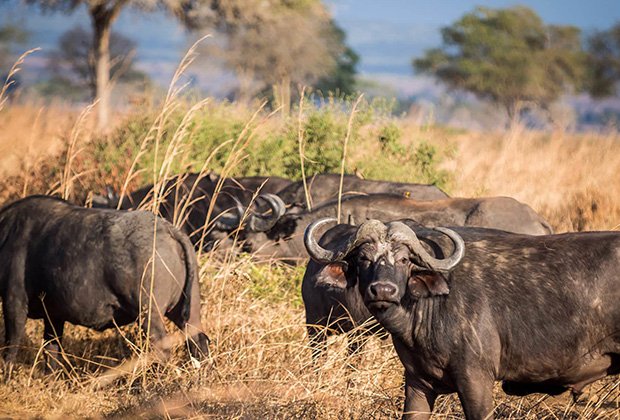
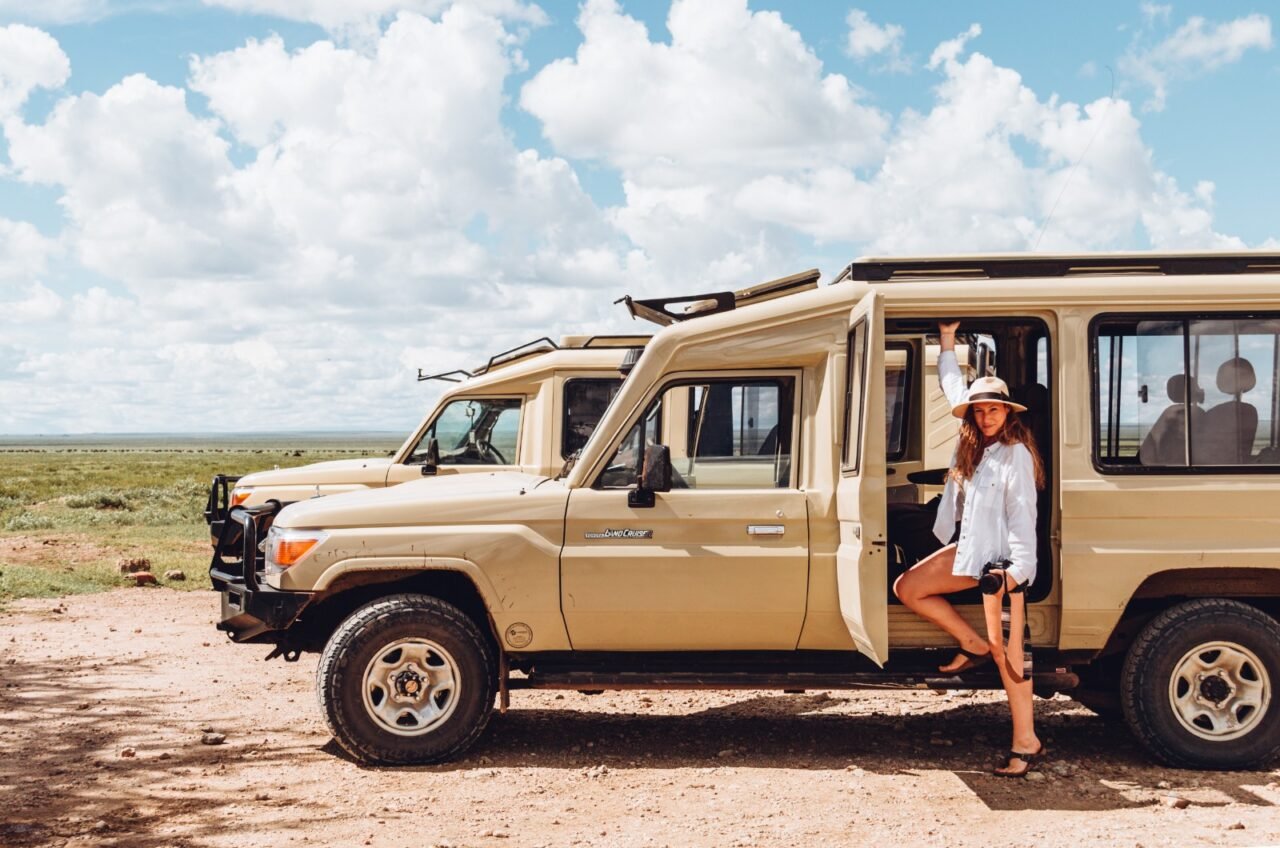
Planning a 3-day safari is an exercise in efficiency. Because you only have three days on the ground, the itinerary is deliberately packed. By joining a group, you share the costs of the vehicle, the guide, and the fuel, making this one of the most accessible ways to experience the Northern Circuit. The departure on November 6, 2026, is timed to take advantage of the shoulder season, where the landscape begins to recover from the dry months, and migratory bird species begin to arrive.
Understanding the 3-Day Itinerary Structure
When you join a group safari for three days, the route is generally non-negotiable because the distances are significant. To make the most of your time, we focus on the two heavy hitters of Northern Tanzania: Serengeti National Park and the Ngorongoro Conservation Area.
The standard flow for this itinerary involves a departure from Arusha. On Day 1, you travel toward the Serengeti, often stopping for game viewing en route. The goal is to maximize time in the park rather than just transiting through it. Day 2 typically involves a deep game drive in the Serengeti, followed by a late afternoon ascent toward the Ngorongoro Conservation Area rim. Day 3 is dedicated entirely to the Ngorongoro Crater floor, followed by the drive back to Arusha.
Why November 6th?
November falls into what locals often call the “short rains.” While you might encounter a brief afternoon shower, these rains are rarely disruptive enough to cancel game drives. Instead, they provide a spectacular transformation. The dust settles, the air clears, and the plains turn vibrant green. It is an excellent time for photography because the light is often softer and less harsh than in the middle of the dry season.
Typical Daily Logistics
- Day 1: The Journey to Serengeti. You will depart Arusha in the morning, heading west. The drive is scenic, passing through the highlands. You enter the Serengeti via the Naabi Hill Gate. This day is about acclimatization and your first taste of the endless plains.
- Day 2: Full Serengeti Experience. This is the day to cover ground. You will spend the day exploring different sectors of the Serengeti, searching for the Big Five. By late afternoon, you will head toward the Ngorongoro area to overnight near the crater rim, ensuring you are first in line for the morning descent.
- Day 3: The Ngorongoro Crater Floor. You descend into the crater early. This is a self-contained ecosystem where wildlife is dense and sightings are highly probable. After a full morning game drive and a picnic lunch, you ascend the crater walls and return to Arusha by evening.
The Reality of Budget Group Safaris
Budget does not mean low quality; it means shared infrastructure. On this Nov 6, 2026, trip, you will be traveling in a 4×4 Land Cruiser with a pop-up roof, shared with other travelers. This is the standard for Tanzanian safaris. The “budget” aspect comes from staying in shared-style accommodation—usually tented camps or lodges that provide essential comfort without the luxury price tag.
Choosing a group tour is as much about the social dynamic as it is about the cost. You will be spending 8 to 10 hours a day in a vehicle with a small group of people. This shared experience often creates a camaraderie that private tours lack. Everyone is there for the same goal: to see the wildlife. It is important to remember that in a group setting, the itinerary is fixed. If you prefer more flexibility, you might want to look at our 8-day complete Northern Tanzania group safari, which offers a broader pace.
Planning Decisions and Trade-offs
The biggest trade-off with a 3-day trip is the time spent on the road. Arusha to the Serengeti is a significant drive. You will spend a fair amount of time in the vehicle. However, the reward is reaching the heart of the wilderness. If you are debating between a 3-day trip and a longer excursion, consider your priorities:
- If you are time-poor but want to see the icons: The 3-day itinerary is perfect. It hits the two most important locations in Tanzania.
- If you want to avoid long drives: Consider a 4-day itinerary that includes Tarangire, which breaks up the driving distance. You can review options like our 4-day Serengeti, Ngorongoro and Tarangire group safari to see if that fits your schedule better.
- If you want a more relaxed pace: A longer trip allows for more time at each location and less “transit time.”
What is Included vs. Excluded
While every booking is unique, a standard budget group safari typically includes:
| Category | Details |
|---|---|
| Included | 4×4 Safari vehicle, professional driver/guide, park entry fees, accommodation (as per itinerary), meals (usually breakfast, lunch, dinner). |
| Excluded | International flights, visa fees, travel insurance, tips for your guide (crucial in the local culture), personal items, drinks at lodges/camps. |
Always verify the specific inclusions with us before finalizing your payment. We aim for transparency in every quote, so you know exactly what your budget covers.
Booking Your Spot for November 2026
Group departures are limited by the number of seats in the vehicle. Once the vehicle is full, we close the group. For the November 6, 2026, departure, we recommend reaching out at least 3-4 months in advance to ensure availability. Because we are a local Tanzania travel company, we can handle the logistics on the ground, but we need time to confirm the specific camp bookings for that date.
To start your booking, we need a few details: your full names, your passport details, any dietary restrictions, and your arrival/departure plans in Arusha. You can reach out directly via WhatsApp at +255 747 477 898 or send an email to climb4africa@gmail.com. We also monitor our backup email at info@climb-4-africa.com for all group inquiries.
Frequently Asked Questions
Is November a good time for a safari?
Yes. November is part of the short rains. While you might see a shower, the parks are less crowded, the landscape is lush, and it is a fantastic time for bird watching and seeing newborn animals, as many species time their births for the green season.
Can I join this group if I am a solo traveler?
Absolutely. Group joining safaris are specifically designed for solo travelers or small groups who want to share the cost of the vehicle. You will be paired with others, which is a great way to meet fellow travelers.
How much should I tip the guide?
Tipping is customary in Tanzania. While it is at your discretion, a standard guideline for a group safari is roughly $15–$20 per day per vehicle, which is then split among the group. Your guide will be with you for 72 hours, so factor this into your total budget.
Are the roads bad during the rains?
The main roads are generally fine, but inside the parks, the tracks can become muddy. Our 4×4 Land Cruisers are equipped to handle these conditions. Your driver is an expert at navigating the terrain, ensuring you remain safe and mobile throughout the trip.
Expert Advice for Your Safari
Beyond the logistics, remember that a safari is about observation. Bring binoculars—even a basic pair will significantly enhance your experience. While your guide will have a pair, having your own means you can spot wildlife independently. Dress in layers; the Ngorongoro rim can be chilly in the early morning, while the Serengeti plains can get quite hot by midday.
If you find that this 3-day window doesn’t align perfectly with your international flight schedule, don’t worry. We operate various group departures throughout the year. You can view all our upcoming group safari departures to find a date that suits your travel plans better. Our goal at Climb 4 Africa is to provide a smooth, authentic experience, whether you are climbing Kilimanjaro or exploring the vast plains of the Serengeti. We look forward to helping you plan your 2026 adventure.
The Distinct Environments: Serengeti vs. The Crater
Understanding the difference between the Serengeti and the Ngorongoro Conservation Area is key to appreciating why this 3-day itinerary is so highly valued. While they are often mentioned in the same breath, they offer fundamentally different safari experiences, and visiting both in a single trip provides a balanced perspective of the Northern Circuit.
The Serengeti National Park is defined by its scale. It is vast, open, and seemingly infinite. When you enter the park, the horizon stretches out in every direction, dotted with kopjes—granite rock formations that serve as strategic vantage points for lions and leopards. Because of the sheer size of the Serengeti, your game drives here are about patience and tracking. You are looking for movement across a wide canvas. In early November, the onset of the short rains begins to transform this landscape. The grass starts to green, and the dust that characterizes the dry season begins to settle. This makes for spectacular photography, though it does require a sharper eye to spot camouflaged predators in the taller vegetation.
In contrast, the Ngorongoro Crater is an enclosed ecosystem. Often referred to as a “natural zoo,” it is a collapsed volcanic caldera that acts as a fortress for wildlife. Because the walls of the crater are steep, many animals remain within the basin year-round. This creates an incredibly high density of wildlife, which is the primary reason for visiting. Unlike the vast, sprawling Serengeti, the Crater allows you to see a high concentration of animals—including the rare black rhino—in a relatively small, contained area. The experience here is more intimate and compressed; you are rarely without a sighting of some kind, whether it is a herd of wildebeest, a pride of lions near a swamp, or elephants traversing the forest edge.
Combining these two locations creates a logical flow. You start with the expansive, untamed wilderness of the Serengeti, which sets the tone for the “endless plains” experience. You then conclude with the Crater, which provides a high-density “grand finale” where the wildlife viewing is almost guaranteed to be prolific. This contrast ensures that by the time you leave on the third day, you have seen both the grand scale of the African savannah and the concentrated biodiversity of one of the world’s most unique geological features.
Optimizing Your 3-Day Safari Experience
Because your window of time in the Serengeti and Ngorongoro is limited to 72 hours, every decision you make—from how you pack to how you conduct yourself in the shared vehicle—directly impacts the quality of your experience. A 3-day group safari is a high-intensity, high-reward endeavor. Unlike a private safari where you dictate the pace, a group safari requires collective synchronization to ensure everyone gets the most out of the limited time on the ground.
The Criticality of Luggage Selection
In a budget group safari, the 4×4 Land Cruiser is your sanctuary, your viewing platform, and your storage unit. Space is the most valuable commodity. You must use soft-sided duffel bags rather than rigid, hard-shell suitcases. Hard suitcases are notoriously difficult to stow in the limited cargo space of a shared vehicle, often forcing the driver to leave them exposed on the roof or awkwardly wedged in the aisle, which disrupts passenger comfort. Aim for a single, medium-sized soft bag that can be easily compressed. Remember, you are only out for three days; you do not need a wardrobe for a month. Packing light is not just a suggestion; it is a courtesy to your fellow travelers and a necessity for the vehicle’s maneuverability on the rough park tracks.
Navigating Group Dynamics
The success of a group safari often hinges on the social chemistry of the passengers. You will be spending long hours in close proximity with strangers. The most successful travelers in this format are those who practice active patience. This means being mindful of the photography rotation. If you are seated at a window, be aware that those in the middle seats also need to see the wildlife. Periodically offering to swap seats or ensuring you aren’t blocking the view with your camera gear for extended periods creates a cooperative atmosphere. Additionally, minimize loud conversations during game drives; the engine noise is already significant, and silence allows everyone to hear the subtle sounds of the bush, such as alarm calls from birds or rustling in the grass, which often precede a predator sighting.
Managing Health and Comfort in the Field
Even with the onset of the short rains in November, the environment remains dry, dusty, and intense. The “short rains” are typically characterized by brief, localized downpours rather than day-long storms, meaning dust remains a primary concern until the landscape fully saturates. Bring a buff or a light scarf to cover your nose and mouth while driving on the open, dusty plains. Furthermore, dehydration is a silent enemy on a 3-day trip. The excitement of constant wildlife viewing can make you forget to drink water. Bring a reusable water bottle that you can refill at your lodge or camp; do not rely solely on the bottled water provided by the operator, as you will want to have your own supply accessible at all times inside the vehicle.
Safari Etiquette and Preparation FAQ
Strategies for Wildlife Photography in Shared Vehicles
For many travelers joining a 3-day group safari, the primary motivation is capturing the iconic wildlife of the Serengeti and Ngorongoro. However, photography from a shared 4×4 vehicle presents unique constraints that differ significantly from private photography tours. On a budget group departure, you are balancing your personal creative goals with the collective experience of your fellow passengers. Success depends on understanding how to adapt your gear and techniques to the specific environment of the short rains in November.
The November Light Advantage
While the “short rains” in November are often discussed in terms of mud and logistical planning, they offer a distinct advantage for photography: the light. During the dry season, the Tanzanian sun can be harsh, creating high-contrast shadows that wash out animal fur and flatten textures. In early November, the sky is frequently punctuated by dramatic, heavy cloud formations. These clouds act as a massive natural diffuser, softening the light and allowing for more balanced exposures. Photographers often find that the “golden hour” lasts longer during these overcast periods, providing a richer, more saturated color palette against the rapidly greening plains.
Technical Preparation for the Moving Platform
Because you are in a shared vehicle on a strict 3-day schedule, you rarely have the luxury of waiting hours for a single animal to perform. You must be technically ready before the vehicle even leaves the gate. The most common mistake is failing to account for the vibration of the engine and the movement of the vehicle. Even when the engine is cut, the vehicle may rock as passengers shift their weight to get a better view. To combat this, prioritize a high shutter speed—at least 1/1000th of a second for wildlife in motion, and 1/500th for stationary subjects—to ensure sharpness. Do not rely on autofocus alone; learn to use your camera’s back-button focus or center-point tracking to quickly lock onto subjects through the dense grass, which is typical of the November landscape.
The “No-Tripod” Constraint
It is a fundamental rule of budget group safaris: do not bring a tripod. The interior of a 4×4 Land Cruiser is cramped, and the floor space is occupied by luggage or other passengers’ feet. A tripod is not only useless in this environment but also a significant obstruction to your fellow travelers. Instead, use a beanbag. A small, empty, heavy-duty fabric bag that you can fill with rice or dried beans at a local market in Arusha before your departure is the gold standard for safari photography. You can drape this over the edge of the pop-up roof or the window frame, providing a stable, vibration-dampening rest for your lens without encroaching on the space of the person next to you.
Protecting Gear from the Savannah Dust
The transition from the dry season to the short rains does not mean the dust disappears; it simply means the environment is in flux. You will encounter fine, powdery dust that can easily infiltrate your camera sensor and lens elements. Since you will be frequently moving between the dusty interior of the vehicle and the open air of the pop-up roof, your gear is at constant risk. Bring a dedicated, sealed dry bag for your camera equipment. When not actively shooting, keep your camera inside this bag, not just sitting on the seat. Avoid changing lenses while the vehicle is moving or when the dust is being kicked up by other safari cars. If you must change a lens, do it inside the vehicle with the windows closed, and keep your back to the wind to create a small pocket of still air.
Managing the “Roof Rotation”
In a group of six or seven people, the pop-up roof is a shared resource. If you are serious about photography, you must be disciplined about the rotation. Do not hog the best shooting angle for the entire duration of a sighting. A fair system is to allow the person with the longest lens or the most active camera to take the primary spot for a few minutes, then rotate. If you are using a large telephoto lens, be conscious of the space you occupy; a 400mm or 600mm lens can easily bump into the head of the person next to you when you pan to follow a moving lion or cheetah. Communicate with your group—a simple “I’m going to pan left, watch your heads” prevents accidents and fosters a cooperative, rather than competitive, atmosphere.
Power and Connectivity in the Field
On a 3-day budget group safari, your reliance on technology—for navigation, photography, or communication—often exceeds the capacity of the infrastructure provided. While modern safari vehicles are increasingly equipped with charging ports, relying solely on the vehicle’s power system is a gamble. You are sharing the vehicle with others, and there is rarely a dedicated USB port for every passenger. Furthermore, the vehicle’s battery system is prioritized for starting the engine and powering essential systems, not for charging six people’s worth of camera batteries, drones, and smartphones simultaneously.
The Power Bank Strategy: The most reliable solution is to carry a high-capacity power bank (20,000mAh or higher). Charge this device fully at your hotel in Arusha before departure. In the field, you should be able to charge your phone and camera batteries from this bank at night or while in transit, without needing to fight for an outlet. Do not assume your lodge or tented camp will have 24-hour electricity. Many budget-friendly accommodations in the Serengeti operate on generators that are switched off during the night or during midday hours when guests are out on game drives. If you have specific battery requirements, such as a specialized camera battery charger that requires an AC outlet, bring a universal travel adapter, but be prepared to charge it during the limited hours when the generator is running.
Managing Connectivity Expectations: Do not expect reliable cellular data or Wi-Fi connectivity once you leave the Ngorongoro highlands and descend into the Serengeti plains. While some lodges offer limited Wi-Fi in common areas, it is often slow, unreliable, and frequently overloaded by other guests. Treat this 3-day window as a digital detox. Before you leave Arusha, download all necessary offline maps, music, or reading materials. If you need to communicate with family, do so before you depart the city. Attempting to upload high-resolution photos or videos while inside the park is generally an exercise in frustration; save your digital uploads for when you return to your hotel in Arusha on the evening of Day 3.
Dietary Requirements and Culinary Logistics in Remote Camps
One of the most frequent points of anxiety for travelers on a 3-day budget group safari is the management of dietary restrictions while moving through remote environments. Unlike a luxury lodge with a dedicated kitchen staff and a flexible menu, budget-tier group safaris often rely on pre-arranged meal plans that are transported with the vehicle or coordinated with specific tented camps and lodges. When you are venturing into the heart of the Serengeti and the Ngorongoro Conservation Area, your options are limited to what the operator has secured in advance.
It is a mistake to assume that a standard request for a “vegetarian” or “gluten-free” meal will be seamlessly handled once you are already on the road. Because these group safaris operate on tight schedules with pre-purchased supplies, last-minute requests are logistically difficult to fulfill. If you have specific dietary needs—whether they are medical, religious, or personal preferences—you must communicate these with your tour operator at least three weeks before your November 6, 2026, departure. This lead time allows the logistics team to source specific ingredients in Arusha, where the variety of food items is significantly higher than in the remote bush.
The Reality of Field Meals
Lunch on a 3-day safari is frequently a “packed lunch” scenario. Because you are often deep in the Serengeti plains or on the floor of the Ngorongoro Crater, returning to your accommodation for a midday meal is rarely an option. You will be eating your lunch in a designated picnic site or inside the vehicle. These packed lunches are standard-issue: typically a sandwich, a piece of fruit, a hard-boiled egg, a juice box, and perhaps a muffin or cookie. If you have a severe allergy, such as to nuts or shellfish, you must verify how these lunches are prepared. Cross-contamination is a genuine risk in high-volume catering, and it is safer to bring your own emergency snacks if your allergy is life-threatening.
Supplementing Your Nutrition
Given the long hours of driving and the potential for physical fatigue, do not rely solely on the provided meals to sustain your energy levels. The budget group safari format prioritizes movement and wildlife viewing over culinary leisure. It is highly recommended to purchase your own supplemental snacks in Arusha before departing. Focus on high-energy, non-perishable items that can withstand the heat and dust of the savannah:
- Protein Bars or Beef Jerky: Essential for maintaining blood sugar during long game drives when lunch might be delayed due to a great wildlife sighting.
- Dried Fruit and Nuts: These provide a quick energy boost without the mess of fresh fruit, which can attract insects inside the vehicle.
- Electrolyte Powder: Even in November, when temperatures are moderated by the short rains, the Tanzanian sun and the dry, dusty air can lead to rapid dehydration. Adding electrolytes to your bottled water is far more effective for hydration than plain water alone.
Finally, always carry your own supply of bottled water. While most operators provide a set amount of water per day, it is easy to underestimate your intake. If you are prone to dehydration, consider bringing a reusable water bottle with a built-in filter, though you will still need to ensure your primary supply is sourced from the sealed bottles provided by your operator. By taking responsibility for your own supplemental nutrition, you avoid the common pitfall of being “hangry”—a state that can quickly sour the mood inside a shared vehicle and diminish your enjoyment of the safari experience.
Navigating the Transition: The Arusha-Serengeti Transit Day
One of the most underestimated aspects of a 3-day budget group safari is the transit day. Many travelers fixate on the game drives, but the journey from Arusha to the Serengeti National Park gate is a significant undertaking that occupies a large portion of your first day. Understanding the rhythm of this drive is essential for managing your expectations and physical comfort.
The drive from Arusha to the Naabi Hill Gate—the main entry point for the Serengeti—covers approximately 300 kilometers. While the distance might seem manageable on a map, the road conditions vary drastically. The first leg from Arusha toward the Ngorongoro Conservation Area is paved, but once you enter the conservation area and eventually cross into the Serengeti, the terrain shifts to gravel and dirt tracks. In November, with the onset of the short rains, these tracks can be bumpy and unpredictable.
Managing Transit Fatigue
Because you are in a shared vehicle, you cannot simply stop whenever you wish to stretch your legs. The driver follows a schedule designed to get the group to the park in time for an afternoon game drive. To manage the fatigue of a 5-to-7-hour drive:
- Strategic Stretching: Take advantage of mandatory stops, such as the Ngorongoro Loduare Gate or any restroom breaks. Do not stay in the vehicle to check your phone; get out, walk a few paces, and stretch your lower back.
- Hydration vs. Restroom Access: While staying hydrated is critical, be mindful of the lack of facilities on the open road. The stretch between the Ngorongoro gate and the Serengeti gate is vast and wild. Use every opportunity to use a proper restroom, as the next one may be hours away.
- Seating Rotation: If your group is small enough that not every seat is occupied, or if you have the opportunity to switch seats with a companion, do so during the transit. Sitting in the same position for six hours on a bumpy road can lead to stiffness that will make the next two days of game viewing less enjoyable.
The Cultural and Geographic Shift
The transit is not merely a logistical necessity; it is a rapid immersion into the geography of Northern Tanzania. As you leave the bustling urban environment of Arusha, you will pass through the town of Mto wa Mbu, located at the base of the Great Rift Valley escarpment. This is a common stop for supplies, but it also marks a significant change in landscape.
As you ascend the Rift Valley wall, the temperature will drop noticeably. The air becomes crisp, and the vegetation shifts from the semi-arid plains of the lower elevation to the lush, forested slopes of the Ngorongoro highlands. This transition is a highlight of the trip, offering panoramic views of the valley floor below. If you are seated on the side of the vehicle facing the valley, you will have excellent photo opportunities, though the winding road can be challenging for those prone to motion sickness. If you suffer from motion sickness, mention this to your driver before departure so they can ensure you are seated in the front row, which offers the most stability.
Arrival at the Gate
Arriving at the Naabi Hill Gate is the climax of your transit day. This is where the bureaucratic process of park entry occurs. While your guide handles the paperwork, you will have a brief window of time to walk around the area. This is often your first real chance to see the Serengeti landscape up close. The gate area is famous for its rocky kopjes (outcrops) where you can often spot Agama lizards or even lions resting in the distance. Use this time to acclimate to the environment, adjust your camera settings for the afternoon light, and prepare your gear for the immediate transition into game viewing mode. The transition from the road to the wild happens instantly; once you pass the gate, you are officially in the Serengeti, and the game drive begins immediately.
The Evening Routine: Life in the Camps
The transition from the high-octane environment of a game drive to the stillness of the evening is one of the most profound aspects of a 3-day budget safari. As the sun sets—usually between 6:30 PM and 7:00 PM in November—the landscape undergoes a dramatic transformation. In the Serengeti, the silence that descends is absolute, broken only by the distant calls of hyenas or the rustling of grass. For many, this evening period is the true heart of the safari experience, offering a space to decompress from the sensory overload of the day.
In the budget group safari format, the nature of your accommodation significantly dictates your evening routine. Understanding the distinction between the two primary types of budget lodging—public campsites and budget tented camps—is essential for managing your expectations regarding comfort, social interaction, and the overall “wild” experience.
Public Campsites vs. Budget Tented Camps
Public campsites are the most authentic, “raw” way to experience the Serengeti and Ngorongoro. These are designated areas managed by the park authorities where you are essentially sleeping in a tent on the ground. If your group has booked a “camping safari,” your driver-guide will be responsible for setting up the tents upon arrival. The social dynamic here is communal; you will likely be sharing the campsite with other groups, which can lead to a lively atmosphere around the campfire (where permitted). The facilities at public campsites are basic—often consisting of concrete ablution blocks with shared toilets and showers. Hot water is rarely guaranteed, as it often depends on the camp’s ability to heat water over a fire or via solar, so be prepared for a refreshing, cool rinse.
Budget tented camps, by contrast, offer a slightly more elevated experience while still remaining within the budget category. These are semi-permanent structures featuring large canvas tents set on raised concrete platforms. Inside, you will typically find real beds with mattresses, linens, and en-suite bathrooms. The primary advantage of a tented camp is the convenience; you do not need to assist with setup, and the facilities are generally more reliable. The evening routine here is more structured, often centered around a mess tent or a communal dining area. While these camps provide more privacy and comfort, they can feel slightly more “enclosed” than the public campsites, where you are literally sleeping under the vast African sky.
Regardless of your accommodation type, the evening is your time to recharge. Because there is often little to no artificial light, the stargazing is unparalleled. In November, the skies can be partially clouded due to the short rains, but when they clear, the visibility of the Milky Way is impressive. Use this time to journal, organize your photos, or simply sit in silence. Avoid the urge to constantly check your phone for signal; the remote nature of these locations means connectivity is unreliable at best. Embrace the disconnection as a core component of the safari, allowing your mind to switch off from the demands of modern life.
Closing the Loop: The Return Transit
The third day of your safari is arguably the most physically demanding. After spending the morning exploring the floor of the Ngorongoro Crater, the adrenaline of wildlife viewing naturally begins to fade, and the reality of the long journey back to Arusha sets in. This return transit is the final chapter of your 3-day expedition, and navigating it successfully requires a shift in mindset from “observer” to “traveler.”
By the time you exit the Ngorongoro Conservation Area, you have likely spent nearly 72 hours in a state of high alert. The “post-safari blues” often begin to set in during this drive, characterized by a mix of exhaustion and melancholy as the reality of returning to civilization takes hold. The drive from the Ngorongoro gate back to Arusha typically takes between three to four hours, depending on traffic and road conditions. While this is shorter than the transit to the Serengeti, it can feel longer because your energy reserves are depleted.
Use this final leg to reflect on the experience. The road back to Arusha takes you through the same communities you passed on Day 1, but they will look different to you now. You have seen the landscape, lived in the environment, and participated in the rhythm of the savannah. Many travelers find that the return journey is an excellent time to engage in conversation with fellow passengers or your guide. Your guide, having spent three days with you, will often be more relaxed on the return trip and may be willing to share deeper insights into Tanzanian culture, their own life experiences, or the specific wildlife behaviors you witnessed over the last few days.
Upon arriving in Arusha, be prepared for a transition that can feel jarring. You will likely be dropped off at your hotel, hostel, or a central meeting point. It is common for travelers to feel a sense of “safari withdrawal” immediately upon re-entering the urban environment. The noise, the traffic, and the connectivity of the city can be overwhelming after the quiet of the plains. Plan your evening in Arusha to be low-key. Do not schedule a late-night flight or a demanding activity immediately after the safari. Give yourself at least one night of rest in a comfortable bed with reliable electricity and hot water—you will find that these simple luxuries are incredibly restorative after three days in the bush.
Navigating the Post-Safari Logistics in Arusha
While the safari itself ends the moment you reach the outskirts of Arusha, your 3-day itinerary is not truly complete until you have successfully navigated the transition back into urban life. Many travelers mistakenly treat the final evening in Arusha as a throwaway period, failing to plan for the logistical realities of post-safari fatigue and the immediate needs that arise after spending 72 hours in a remote wilderness environment. Whether your departure is a flight out of Kilimanjaro International Airport (JRO) or an onward bus journey to Nairobi or Zanzibar, the hours following your return are critical.
Securing Your Onward Connections
The most common error is booking an onward flight or bus too close to your scheduled arrival time back in Arusha. A 3-day budget group safari is subject to variable factors—road conditions, vehicle breakdowns, or extended wildlife sightings—that can delay your return by several hours. Never schedule a flight out of JRO for the same evening you return from the Ngorongoro Crater. Even if the drive is theoretically three to four hours, the reality of Tanzanian traffic, particularly as you approach Arusha, is unpredictable. Aim to spend at least one night in Arusha post-safari. This buffer allows you to clean your gear, reorganize your luggage, and mentally decompress before facing the rigors of international travel.
Post-Safari Hygiene and Gear Maintenance
After three days in the bush, your clothing and camera equipment will be saturated with the fine, pervasive dust of the Serengeti. Before you pack your bags for your next destination, take the time to perform a basic cleaning. If you are staying in a hotel, use a damp cloth to wipe down your hard-shell camera cases and the exterior of your lenses. Avoid using compressed air on camera sensors unless you are in a controlled, dust-free environment, as the Arusha air is often just as dusty as the park. For your clothing, many local hotels offer same-day laundry services. Utilizing this service is highly recommended; wearing dusty, safari-worn clothes on a long-haul flight is uncomfortable, and cleaning them immediately prevents the dust and potential moisture from setting into the fabric.
Managing the Financial Wrap-up
By the time you return to Arusha, your cash reserves may be lower than anticipated. While your safari package is pre-paid, you will likely have incidental costs—extra water, snacks, or souvenirs purchased at the park gates or en route. Ensure you have enough Tanzanian Shillings or US Dollars to cover your final night’s expenses, including dinner and potential airport transfers. Do not rely on finding an ATM that is functional or stocked with cash in the remote areas between the Ngorongoro Crater and Arusha. Plan your budget assuming that once you leave your accommodation on Day 1, you will not have reliable access to banking services until you return to the city center.
Reflecting on the Experience
The final evening in Arusha serves as a natural debriefing period. You will likely find yourself reviewing the hundreds of photographs you captured over the last three days. This is the ideal time to sort through your files, delete the blurry shots, and back up your best images to a secondary storage device or cloud service. If you are traveling with a group, this is also the moment when contact information is exchanged. Many travelers form lasting bonds during the intense, shared experience of a 3-day safari, and taking the time to share your favorite photos with your fellow passengers is a rewarding way to solidify those connections.
Understanding Wildlife Dynamics in Early November
For travelers embarking on a safari on November 6th, managing expectations regarding wildlife behavior is crucial. Many first-time visitors arrive with the misconception that the Great Migration is a singular, localized event that occurs at a specific crossing point. In reality, the migration is a continuous, fluid movement. By early November, the herds are typically in the transition phase of their annual cycle. They are moving away from the northern Serengeti and the Masai Mara in Kenya, pushing southward toward the central and southern Serengeti plains, driven by the scent of the first rains.
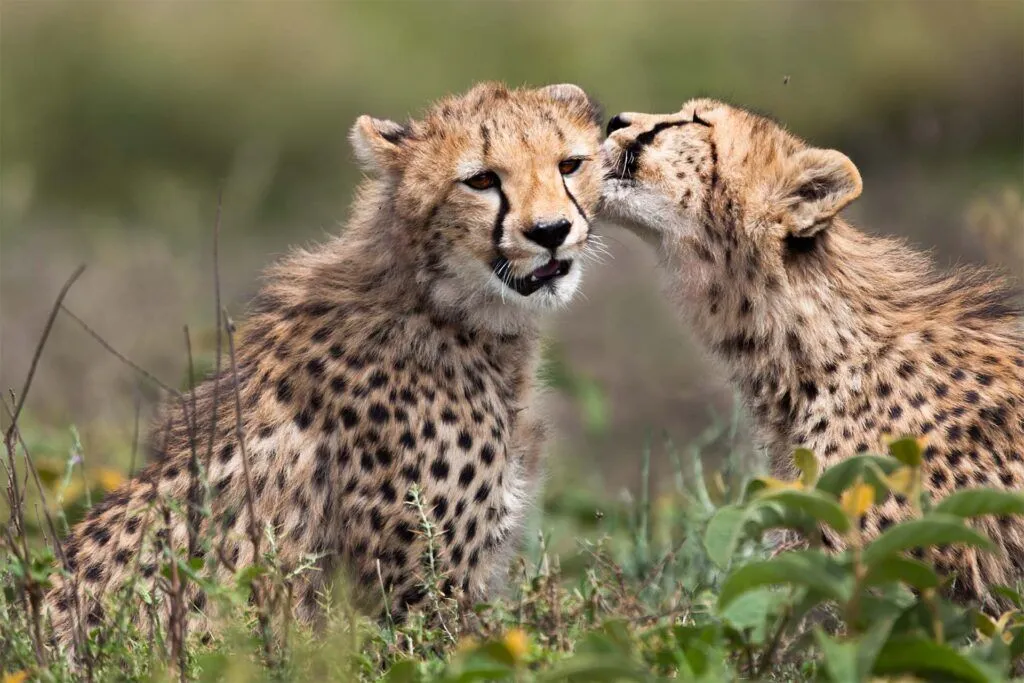
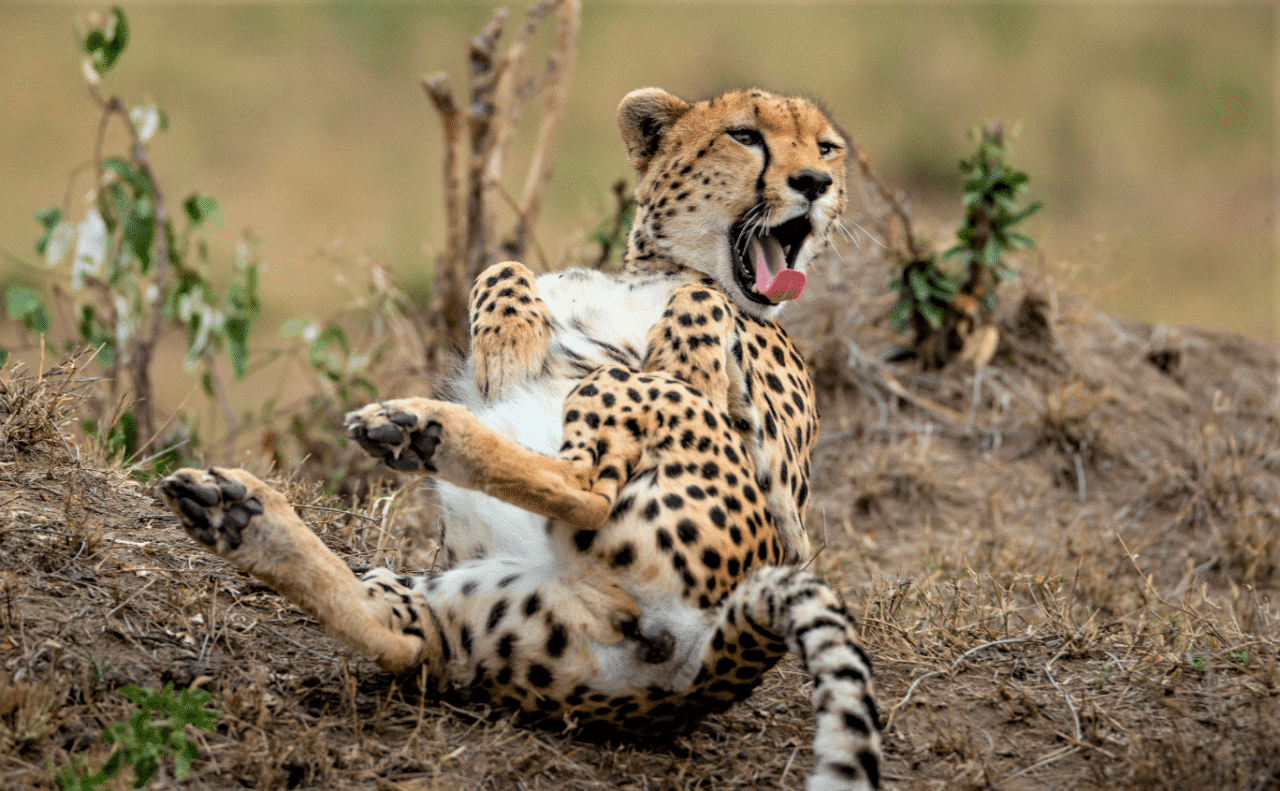
On a short 3-day itinerary, you will not have the time to track the massive columns of wildebeest if they have moved deep into the southern plains, which are often less accessible during the early weeks of the short rains. Instead, your focus should shift toward the resident wildlife. The Serengeti ecosystem is incredibly dense with non-migratory species that provide excellent viewing regardless of where the main herds are located. Big cats—lions, leopards, and cheetahs—are territorial and remain in their established ranges throughout the year. Because the short rains stimulate new grass growth, the herbivores (gazelles, zebras, and impalas) congregate in these greener patches, which in turn draws the predators. You are essentially shifting your strategy from ‘chasing the migration’ to ‘finding the activity,’ which is often more rewarding on a condensed schedule.
The Ngorongoro Crater as a Wildlife Insurance Policy
The Ngorongoro Crater serves as the critical ‘fail-safe’ for your 3-day budget group safari. Unlike the vast, open plains of the Serengeti where animals can disperse over thousands of square kilometers, the Crater is a self-contained, high-density ecosystem. Approximately 25,000 large mammals reside permanently within the 260-square-kilometer floor of the caldera. Because the walls of the Crater act as a natural barrier, the wildlife here does not migrate. Whether it is the beginning of November or the height of the dry season, the density of lions, hyenas, elephants, and the endangered black rhinoceros remains remarkably consistent.
For a group on a strict 3-day timeline, the Crater day is the statistical guarantee of your safari. While the Serengeti game drives are about the thrill of the hunt and the vastness of the landscape, the Crater day is about volume and proximity. You will frequently encounter animals at distances that are impossible in the open savannah. This contrast between the expansive, sometimes elusive nature of the Serengeti and the concentrated, high-density environment of the Crater is what makes the 3-day circuit so effective; it provides two entirely different wildlife viewing experiences in under 72 hours.
Birding and the Seasonal Shift
November marks the beginning of the arrival of migratory bird species, a detail often overlooked by travelers focused solely on the ‘Big Five.’ As the short rains begin to dampen the ground, insects emerge in massive numbers, creating a buffet for both resident and migratory birds. If you have any interest in ornithology, early November is one of the most vibrant times to visit. You will see species such as the European Bee-eater, various species of swallows, and raptors that have traveled thousands of miles to exploit the seasonal abundance. Even if you are not a birdwatcher, the sheer increase in avian activity adds a layer of color and movement to the landscape that is absent during the peak dry season.
Understanding this shift helps you adjust your focus. Instead of spending your limited game drive hours scanning the horizon for a distant, moving herd, you can enjoy the immediate surroundings. Look for the interactions between the resident predators and the influx of prey species attracted to the new growth. This mindset adjustment—prioritizing the immediate, high-density interactions over the pursuit of the massive, wandering herds—is the hallmark of an experienced safari traveler and will significantly increase your satisfaction with the 3-day format.
The Reality of Budget Safari Vehicle Infrastructure
When booking a budget-tier group safari, it is essential to adjust your expectations regarding the vehicle itself. Unlike high-end, private safaris that utilize late-model, climate-controlled Land Cruisers with specialized suspension upgrades, the budget fleet typically consists of older, high-mileage vehicles. These 4×4 Land Cruisers are the workhorses of the Northern Circuit, and their condition is a direct reflection of the price point. Understanding the mechanical and physical limitations of these vehicles is key to maintaining a positive mindset throughout your three-day journey.
The first adjustment involves the lack of climate control. While some travelers express concern about the absence of air conditioning, you will quickly find that it is functionally irrelevant. On a safari, the windows are almost always down to allow for wildlife viewing. Furthermore, a sealed, air-conditioned cabin would be instantly compromised the moment you open the roof hatch or windows to view game. The primary ventilation mechanism is the vehicle’s design itself: airflow is maximized through open windows and the pop-up roof. In the early November heat, this breeze is your primary cooling system, supplemented by the fact that the vehicle is constantly in motion. Embrace the airflow as part of the immersion; it allows you to smell the savannah and hear the ambient sounds of the bush, which are entirely lost in a sealed, climate-controlled environment.
Regarding seating, budget group vehicles are usually configured to maximize capacity, often seating six to seven passengers plus the driver. This means you will likely encounter a “three-across” bench seat layout in the back. Unlike the individual captain’s chairs found in luxury vehicles, these benches offer less lateral support and limited legroom. The vehicle’s suspension, while rugged, is designed for durability rather than passenger comfort. You will feel the corrugations of the road and the bumps of the terrain. To mitigate physical fatigue, use a small cushion or a rolled-up fleece to support your lower back. If you are assigned the middle seat, you will have the least visibility; ensure your group establishes a fair seating rotation system on day one so that everyone gets an equal opportunity to sit near the window.
It is also important to understand the role of radio communication in these vehicles. Every safari Land Cruiser is equipped with a high-frequency radio. This is not just for emergencies; it is the lifeline of the safari network. Throughout your three days, you will hear constant chatter between guides in Swahili. This is how they share real-time information about wildlife sightings—a leopard in a tree, a pride of lions near the road, or a fresh kill. While it may sound like noise to the uninitiated, this network is the primary reason you will see so much wildlife. Your driver is constantly triangulating sightings with other vehicles, which is a significant advantage of the group-joining model. Do not be alarmed by the frequency of the radio use; it is the primary tool ensuring your 3-day itinerary is productive.
Finally, you must mentally prepare for the possibility of a mechanical issue. On a budget 3-day circuit, these vehicles are pushed hard, often covering hundreds of kilometers of corrugated, rocky, and muddy roads. Minor breakdowns—such as a flat tire, a loose belt, or an overheating radiator—are not uncommon. They are not necessarily a sign of operator negligence but a reality of operating in remote, harsh environments with high-mileage machinery. If your vehicle experiences a delay, view it as part of the authentic safari experience. Your driver-guide is trained to handle these situations, often communicating with other drivers in the area to arrange for assistance or a vehicle swap if the problem cannot be resolved quickly. Patience during these moments is vital; getting agitated will not speed up the repair process, but remaining calm allows you to enjoy the surrounding landscape, which is, after all, why you traveled to the Serengeti.
The Social Dynamics of Shared Accommodation
One of the most significant, yet rarely discussed, aspects of a 3-day budget group safari is the reality of shared accommodation. When you book a group-joining expedition, you are effectively entering into a transient, intense, and highly compressed social contract. Unlike a private safari where your personal space is guaranteed, the budget sector relies heavily on shared tent configurations. Understanding the social logistics of this environment before you depart Arusha is essential to maintaining your comfort and peace of mind during your three days in the bush.
In most budget-tier operations, the standard accommodation is a dome-style canvas tent. These are functional, weather-resistant, and designed for rapid setup and breakdown. However, they are not designed for privacy. If you are a solo traveler or an odd-numbered group, you will almost certainly be paired with a tent-mate of the same gender. This is the standard operational protocol to maximize the limited space in the budget campsites and tented camps. It is crucial to approach this with an open mind: your tent-mate is likely a fellow traveler with the exact same goals as you—to see the Serengeti and Ngorongoro. The tent is essentially a sleeping vessel; you will spend less than eight hours inside it, most of which will be in darkness. The most successful travelers treat the tent as a neutral zone, keeping the interaction polite, low-stress, and focused on shared objectives rather than social friction.
A critical etiquette rule in this shared environment is the management of personal space and noise. Because the canvas walls of a dome tent offer zero acoustic insulation, every sound—zipping a bag, rustling a sleeping bag, or whispering—is audible to your tent-mate and the neighbors. Developing a ‘silent routine’ is highly recommended. Prepare your clothes for the next morning before you get into your sleeping bag. Organize your daypack, camera batteries, and toiletries in a way that minimizes the need to dig through plastic bags or noisy gear in the middle of the night or at 5:00 AM. If you are prone to snoring, consider bringing earplugs not just for yourself, but as a courtesy to your tent-mate, and perhaps offer them a pair if you know this might be an issue. This small act of consideration significantly reduces the tension that can arise from sleep deprivation in the field.
Security and asset management within the tent require a strict ‘always-on-you’ protocol. While budget campsites are generally secure and monitored, they are open environments. Do not leave your passport, large sums of cash, or expensive camera lenses unattended in your tent while you are at the dining area or communal campfire. The standard practice for a 3-day safari is to keep your most critical items in a small, secure daypack that stays with you at all times—even during meals. If you must leave items in the tent, ensure they are tucked deep inside your locked luggage, out of sight. Remember that the staff at these camps are busy and the sites are often transient; keeping your gear consolidated and secure is your responsibility, not the camp’s.
Finally, there is the frequently misunderstood topic of the ‘single supplement.’ Many travelers inquire if they can pay an extra fee to secure a private tent. In the context of a 3-day budget group safari, this is often impossible, regardless of your willingness to pay. The logistics of these tours are built around a fixed number of tents per vehicle and specific campsite allocations. If the group is full, there is simply no extra physical space for an additional tent, nor is there the capacity to transport one. Accepting that you will be sharing space is a prerequisite for booking this type of trip. If you are someone who requires absolute privacy to decompress, a 3-day budget group safari may not be the correct format for your travel style. However, if you can embrace the communal nature of the experience, the shared accommodation becomes just another part of the adventure—a temporary, shared chapter in a much larger journey through the Tanzanian wilderness.
Wildlife Safety and Risk Management in Unfenced Camps
While the excitement of a 3-day budget safari often centers on the “Big Five” and the thrill of the chase, it is imperative to internalize that the Serengeti and Ngorongoro ecosystems do not pause when you arrive at your campsite. Unlike urban hotels or even some high-end luxury lodges that utilize electrified perimeter fencing, budget campsites are essentially open clearings within the national park or conservation area. This lack of physical barriers is a fundamental reality of the budget safari experience, and it necessitates a strict adherence to safety protocols that many first-time travelers may underestimate.
The Myth of the “Safe” Perimeter
There is a common misconception among travelers that a designated campsite is a “safe zone” where wildlife interaction ceases. In reality, animals—particularly hyenas, monkeys, and occasionally larger herbivores like buffalo or elephants—do not recognize the boundaries of your campsite. They move through these areas as part of their natural nocturnal migration and foraging patterns. When you are at a public campsite or a budget tented camp, you are sleeping in the middle of their habitat, not apart from it. The “perimeter” is nothing more than a few scattered tents and perhaps a communal fire pit. Consequently, the onus of safety rests entirely on your behavior and your vigilance. Never assume that because you are in a designated area, you are immune to the presence of wildlife.
Nighttime Protocols and Movement
The transition from dusk to dawn is the period of highest risk. As the sun sets, the active wildlife shift changes, and many predators become more active in the vicinity of human settlements, drawn by the scent of food or simply moving along established game trails that may intersect with your camp. If you must leave your tent after dark, you are strictly required to follow the “escort rule.” Most camp staff or your driver-guide will insist that you do not walk alone to the communal ablution blocks or dining area at night. If an escort is not available, you should use a high-powered flashlight to scan the area before stepping out, and keep your movements direct and purposeful. Avoid wandering into the dark periphery of the camp, even if you hear interesting noises; what sounds like a harmless rustle could be a hyena or a leopard exploring the camp’s edge.
The “No-Food-in-Tents” Policy
Perhaps the most critical safety rule on a budget safari is the absolute prohibition of food or scented items inside your tent. This is not a suggestion; it is a vital safety measure. The scent of a candy bar, a tube of toothpaste, or even body lotion can attract wildlife, particularly hyenas and baboons, which are notorious for their curiosity and their ability to unzip or tear through tent fabric. A hyena’s sense of smell is incredibly acute, and they are capable of shredding a tent door to reach a snack. If you have snacks, store them in the hard-sided, lockable storage boxes often provided in the safari vehicle, or keep them sealed tightly inside your hard-shell luggage, which should be kept away from the tent entrance. Never leave food scraps or wrappers in your tent, and ensure that your tent is zipped fully closed at all times, even when you are just stepping out for a moment.
Wildlife Encounters in Transit
Safety extends beyond the campsite and into the vehicle itself. Because budget safari vehicles are often open-sided or have pop-up roofs, there is a temptation to lean out, stand up, or even exit the vehicle when you see an animal. You must never exit the vehicle unless your guide explicitly gives the “all clear” signal at a designated picnic site or the camp. Even then, you should remain within the immediate vicinity of the vehicle. If a predator approaches your vehicle while you are stationary, the rule is to remain inside, keep your limbs within the vehicle’s frame, and avoid making sudden, loud noises that could provoke a reaction. The vehicle, while not a fortress, is recognized by the animals as a single, large entity rather than a collection of vulnerable humans. By staying inside, you maintain that separation. If you are in a vehicle with a pop-up roof, ensure that your movements are slow and deliberate; rapid, erratic movements against the skyline can draw the attention of predators and disrupt the animal’s natural behavior.
Understanding Animal Behavior
Finally, respect the wildlife’s need for space. A budget safari offers unparalleled proximity to animals, but this can lead to a false sense of security. Never attempt to feed or lure animals for the sake of a photograph. Not only does this disrupt the natural ecosystem and create “problem animals” that associate humans with food, but it also places you and your fellow travelers in immediate danger. If an animal shows signs of agitation—such as flattening ears, tail flicking, or huffing—it is a clear warning that you are too close. Trust your guide’s assessment of these signs; they are trained to read the environment and will prioritize your safety over a potential photo opportunity. By adhering to these protocols, you not only protect yourself but also ensure that your 3-day safari remains a positive, ethical, and memorable experience.
The 24-Hour Permit Constraint: The Hidden Clock of the Serengeti
One of the most critical, yet frequently misunderstood, operational realities of your 3-day budget safari is the TANAPA (Tanzania National Parks Authority) 24-hour permit system. Unlike a standard park entry fee that might allow for unlimited access during daylight hours, the Serengeti National Park operates on a strict 24-hour clock. This regulatory framework is the primary driver behind the pacing of your itinerary, and understanding it will significantly alter how you perceive your guide’s decisions.
How Entry Timestamps Dictate Your Itinerary
When your vehicle enters the Naabi Hill Gate, the exact minute of entry is stamped on your permit. Your ability to remain inside the park legally expires exactly 24 hours later. If you enter at 2:00 PM on Day 1, your permit is valid until 2:00 PM on Day 2. This creates a “rolling window” that dictates when you must exit or pay for an additional day. For a 3-day group safari, this means your guide is constantly calculating the distance to the gate against the time remaining on the permit. If you are deep in the Seronera Valley and your permit expires in two hours, your guide cannot “just stay another hour” to watch a leopard, regardless of how much the group pleads. They must ensure the vehicle reaches the gate, or the exit point, before the clock runs out to avoid hefty fines or bureaucratic complications that could jeopardize the entire group’s schedule.
The “Overstay” Risk and Why Guides Are Time-Sensitive
You may occasionally notice your guide checking their watch or radioing for updates on traffic near the gates. This is not impatience; it is risk management. An overstay—even by a small margin—can lead to significant penalties for the tour operator and, in some cases, the guide personally. In the context of a budget group safari, where profit margins are thin and vehicle costs are shared, these fines are not factored into your trip price. Consequently, your guide is under immense pressure to adhere to the schedule. When they suggest leaving a wildlife sighting, it is almost always because the “buffer time” they have built into the itinerary is eroding. Understanding that their rigidity is a professional necessity, rather than a lack of interest in your experience, will help you maintain a positive rapport with your driver.
Managing the Guide-Client Relationship in a Budget Context
On a 3-day budget safari, your guide is not merely a driver; they are the logistics manager, the mechanic, the chef (or kitchen liaison), the wildlife spotter, and the mediator of group dynamics. This multifaceted role is exhausting, and recognizing the weight of these responsibilities is essential for a smooth trip.
Understanding the Guide’s Dual Role
In luxury safaris, there is often a division of labor: a driver-guide focuses on the animals, while lodge staff handle the food and logistics. In your budget group format, your guide does it all. They are often the ones setting up the camp, ensuring the water supply is adequate, and managing the vehicle maintenance after a long day on corrugated roads. If your guide seems less “chatty” at the end of a long day, it is likely because they are transitioning into their evening duties of camp preparation or vehicle checks. Giving them space during these transitions, rather than peppering them with non-urgent questions, is a sign of a seasoned safari traveler.
Constructive Feedback vs. Demands
Because you are in a group, communication with the guide must be collective and constructive. If you have a concern—perhaps the vehicle is too dusty, or you feel the pace is too fast—bring it up as a group during a planned stop rather than demanding changes in the middle of a game drive. A guide who feels supported by the group is far more likely to go the extra mile, such as taking a slightly longer route to find a elusive predator or stopping for an extra photo opportunity. Avoid “micro-managing” the drive. Instead, express your interests clearly at the start of the day (e.g., “We are particularly interested in seeing big cats today”) and trust the guide to use their expertise to find them. They know the terrain, the radio frequencies, and the current animal movements better than any guidebook or app.
The Power of Group Consensus
The most successful budget safaris are those where the group functions as a single unit. If one person wants to stay at a zebra sighting for an hour and another wants to drive to the hippo pool, the guide is put in an impossible position. Before approaching the guide with a request, take a moment to poll your fellow travelers. If the group is aligned, the guide can easily accommodate the request. If the group is fractured, the guide will default to the pre-planned itinerary to avoid conflict. By fostering a collaborative atmosphere within your vehicle, you ensure that the guide spends their energy finding wildlife rather than mediating group disputes.
Understanding Field Sanitation and Personal Hygiene Logistics
For many travelers on a budget group safari, the reality of field sanitation is often the most significant departure from their daily lives. Understanding the infrastructure at public campsites is crucial to managing expectations and maintaining personal comfort. In the Serengeti, public campsites are managed by park authorities and typically consist of communal ablution blocks. These facilities are functional but basic, often featuring a mix of flush toilets and, in more remote sectors, pit latrines. During the peak of the tourist season or busier dates in November, these facilities experience high traffic, meaning cleanliness can vary significantly throughout the day.
It is essential to arrive prepared. You should never assume that toilet paper, hand soap, or paper towels will be stocked in these communal blocks. Your packing list must include a personal supply of toilet paper, a high-quality hand sanitizer, and biodegradable wet wipes. Because water pressure can be inconsistent, particularly in the more remote areas of the Serengeti, wet wipes are an indispensable tool for maintaining basic hygiene when a shower or sink is unavailable.
Within the Ngorongoro Conservation Area, the situation is even more constrained. Facilities on the crater floor are virtually non-existent, save for designated picnic sites. When you are on a game drive, your guide will typically stop at these designated areas, which may have limited, rustic toilet facilities. Given the distance between these stops and the time required to navigate the park, it is standard practice to utilize facilities whenever they are available, even if you do not feel an immediate need. Developing a habit of ‘opportunistic bathroom usage’ is a practical skill that will save you significant discomfort during long, remote game drives where stopping is either restricted by park regulations or physically impossible due to the presence of wildlife.
Related Guides and Packages
Check Availability for Nov 6, – 3 Day Serengeti And Ngorongoro Budget Group Safari 2026
Ready to compare dates, prices, and the best option for your group? Send the package name and travel month so the team can reply with a clear quote, availability, and what is included.
Dec 24, – 3 Day Christmas Serengeti And Ngorongoro Group Safari
Dec 24, 2026 – 3 Day Christmas Serengeti and Ngorongoro Group Safari.
View package details
Oct 27, – 3 Day Serengeti And Ngorongoro Group Safari 2026
Planning for a short, high-impact wildlife adventure? Our October 27, 2026, group safari offers a direct route through the Serengeti and Ngorongoro Crater, perfect for travelers with...
View package details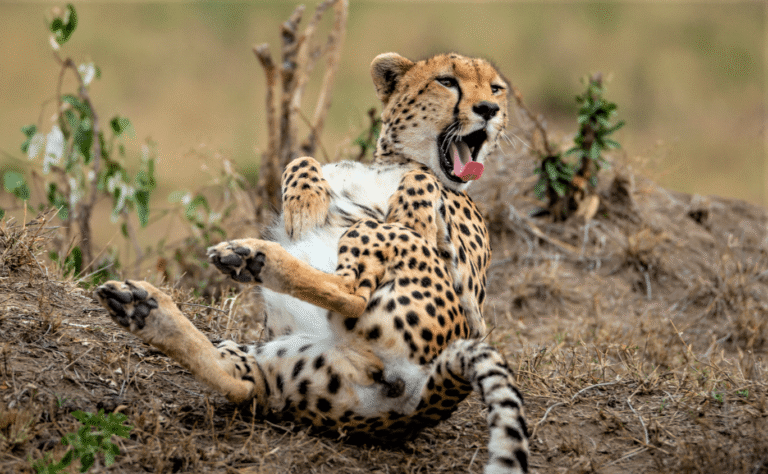
Dec 29, – 6 Day Ndutu, Serengeti And Ngorongoro Group Safari 2026
A detailed guide to our 6-day group safari departure on December 29, 2026, focusing on the Ndutu plains, the Serengeti, and the Ngorongoro Crater.
View package details8 Day Serengeti And Ngorongoro Group Safari – December 16, 2026
Planning your December 2026 Tanzanian adventure? Our 8-day group safari offers a deep, unhurried exploration of the Serengeti and Ngorongoro Crater.
View package details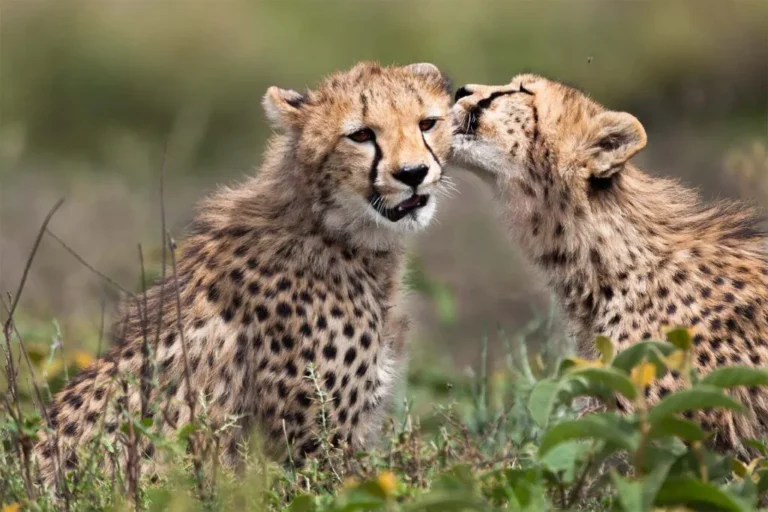
Dec 12, – 6 Day Serengeti, Ngorongoro, Tarangire And Manyara Group Safari 2026
Dec 12, 2026 – 6 Day Serengeti, Ngorongoro, Tarangire and Manyara Group Safari.
View package detailsDec 8, – 4 Day Tarangire, Serengeti And Ngorongoro Group Safari 2026
A detailed guide to our December 8, 2026 group joining safari, covering the itinerary, logistics, and what to expect during this 4-day wildlife adventure in Tanzania.
View package detailsNov 18, – 7 Day Serengeti And Ngorongoro Group Joining Safari 2026
A detailed guide to the 7-day group joining safari departing November 18, 2026, covering Serengeti, Ngorongoro, and the logistical advantages of shared travel.
View package detailsNov 10, – 4 Day Serengeti, Ngorongoro And Tarangire Group Safari 2026
Join our group safari on November 10, 2026, for an intensive 4-day tour of Tanzania's Northern Circuit. Perfect for those with limited time who want to experience the best of the Serengeti...
View package detailsOct 31, – 6 Day Serengeti, Ngorongoro, Tarangire And Manyara Group Safari 2026
A detailed look at the 6-day Northern Circuit group safari departing October 31, 2026, covering Tarangire, Manyara, Serengeti, and Ngorongoro Crater.
View package detailsOct 29, – 4 Day Tarangire, Serengeti And Ngorongoro Group Safari 2026
Plan your October 2026 Tanzania adventure. This 4-day group safari covers Tarangire, Serengeti, and Ngorongoro Crater with reliable local support.
View package details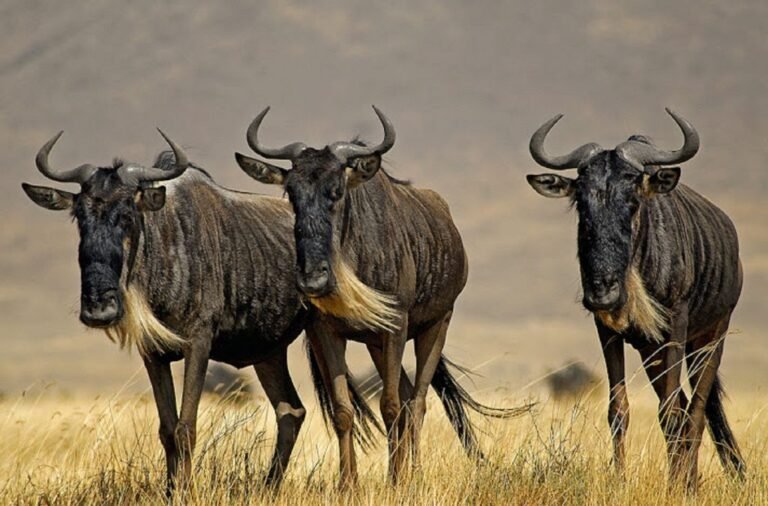
Nov 23, – 3 Day Serengeti And Ngorongoro Safari From Zanzibar
Nov 23, 2026 – 3 Day Serengeti and Ngorongoro Safari from Zanzibar.
View package details
3-Day Serengeti & Ngorongoro Safari From Zanzibar By Flight 2027
3-Day Serengeti & Ngorongoro Safari From Zanzibar by Flight is explained with current 2027 planning, price, itinerary and booking information.
View package detailsNo related package matches those filters. Clear one or more filters to see the other topic-matched options.



