
The Nov 18, 2026 – 7 Day Serengeti and Ngorongoro Group Joining Safari is a structured, cost-effective wildlife expedition designed for travelers looking to share the expense and experience of a comprehensive Northern Circuit tour. This itinerary typically covers the Serengeti National Park, the Ngorongoro Crater, and often includes Tarangire or Lake Manyara, allowing for a deep immersion into Tanzania’s wildlife habitats without the premium cost of a private vehicle.
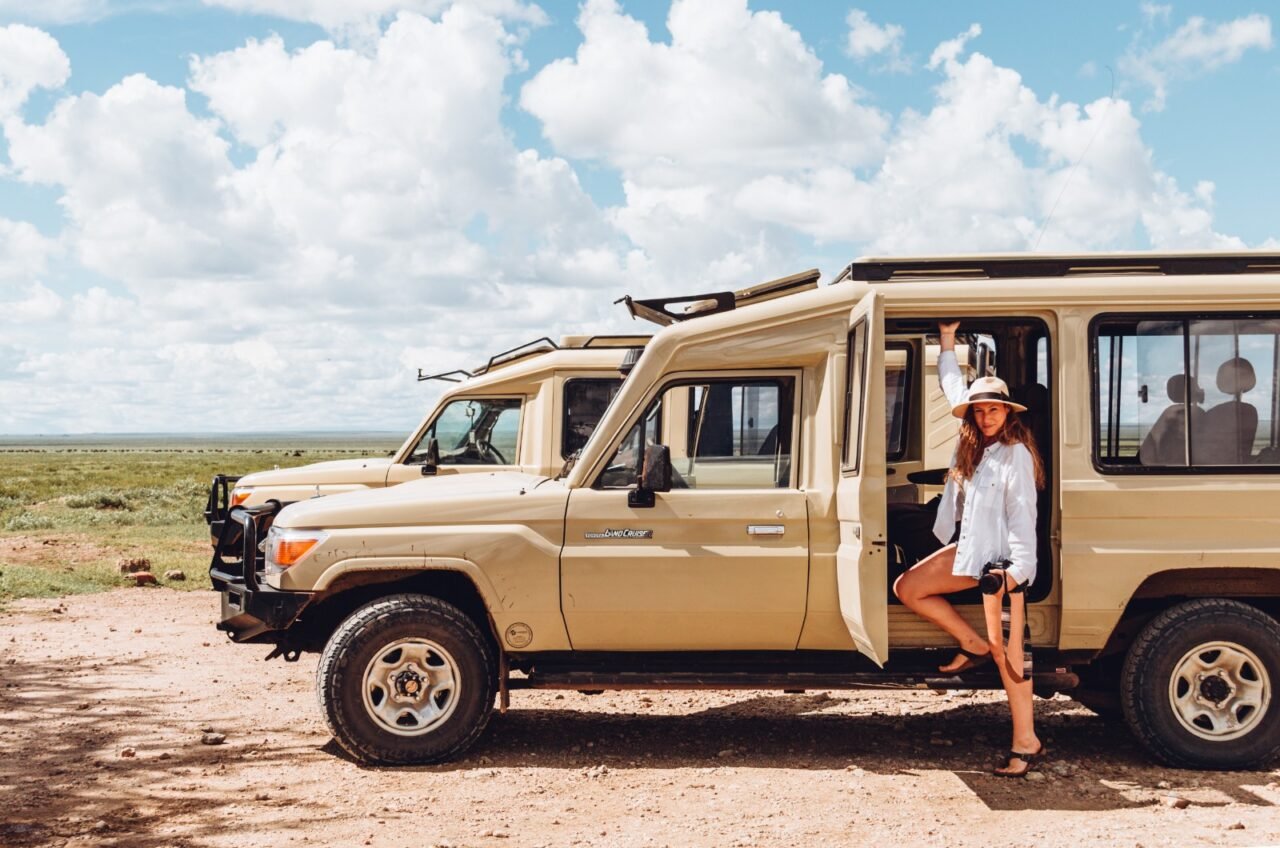
Choosing a group joining safari for your November 2026 trip to Tanzania is less about compromising on the experience and more about the logistics of shared discovery. When you join a pre-scheduled departure, you are essentially securing a seat in a 4×4 Land Cruiser with like-minded travelers, splitting the overhead costs of fuel, park entrance fees, and the professional guide. For a 7-day itinerary starting November 18, 2026, this format offers a balance: it provides enough time to move beyond the “highlights only” pace of shorter trips, allowing for genuine wildlife encounters in the vast plains of the Serengeti.
Why November is a Strategic Time for a 7-Day Safari
Many travelers fixate on the dry months of July and August, but November presents a unique rhythm in the Serengeti ecosystem. This period is often referred to as the start of the “short rains.” While the name suggests constant downpours, the reality is often quite different: brief, refreshing showers that transform the landscape into a vibrant, dust-free green. The air is clear, the light for photography is exceptional, and the dust that plagues the dry season is settled.
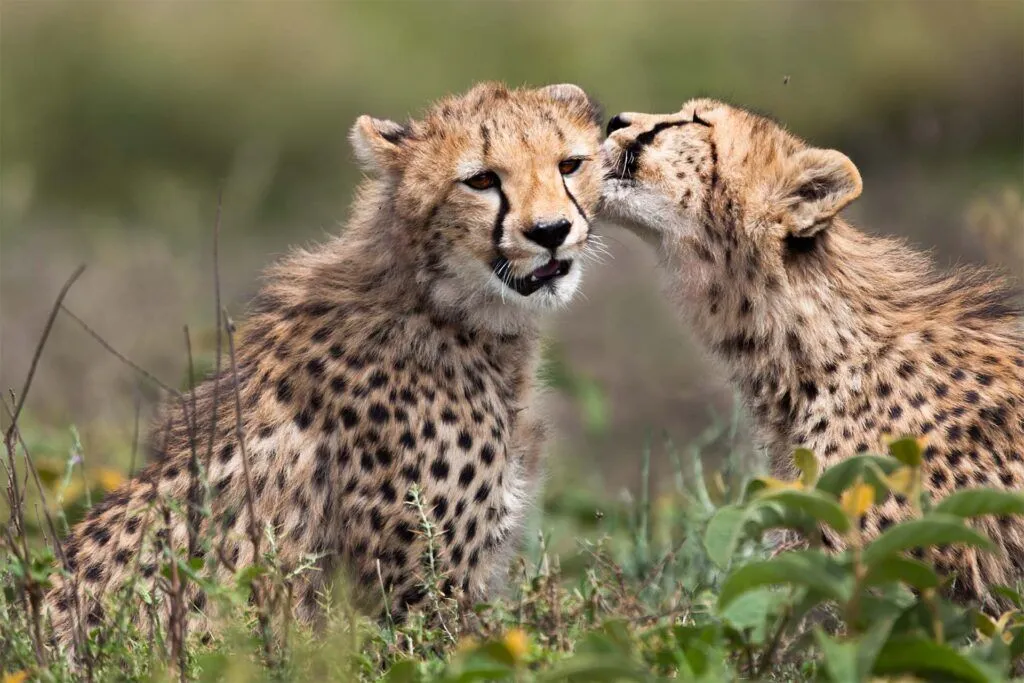
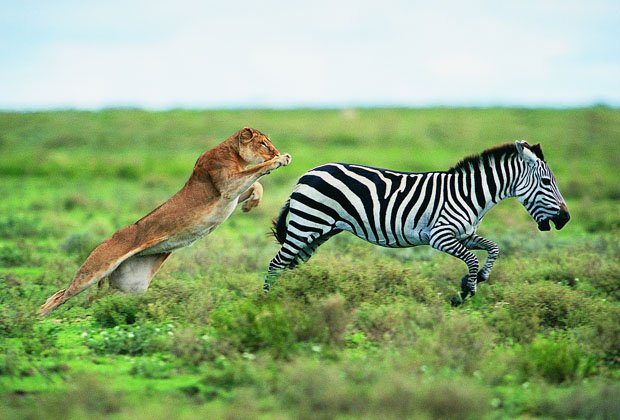
From a wildlife perspective, November is a transitional month. Migratory birds begin arriving from Europe and North Africa, turning the Serengeti into a birdwatcher’s paradise. For the mammals, the fresh grass draws herbivores, which in turn brings out the predators. Because November is generally considered a shoulder season, you will find fewer vehicles crowding the sightings at the Ngorongoro Crater floor compared to the peak summer months, allowing for a more intimate observation of lions, rhinos, and the resident herds.
Understanding the 7-Day Northern Circuit Itinerary
A 7-day group joining safari is the “sweet spot” for most visitors. It is long enough to reduce the fatigue of daily driving while providing enough variety to keep the experience fresh. While exact itineraries can vary based on the specific group’s pace and accommodation choices, a standard 7-day departure for mid-November typically follows this flow:
Day 1: Arrival and Briefing
Your journey begins with an arrival at Kilimanjaro International Airport (JRO). Your guide will meet you and transfer you to your hotel in Moshi or Arusha. This is the time to settle in, check your gear, and attend a pre-safari briefing. The briefing is crucial; it’s where you will meet your group members, discuss the route, and confirm the logistics for the week ahead.
Day 2: Tarangire National Park
We head out early toward Tarangire. Known for its massive baobab trees and the largest elephant herds in northern Tanzania, this park is the perfect introduction to the bush. In November, the Tarangire River is a magnet for wildlife, providing reliable sightings.
Day 3: Lake Manyara National Park
Before entering the Serengeti, we spend time in Lake Manyara. Famous for its tree-climbing lions and the vast flock of flamingos that populate the lake shore, this park offers a different ecosystem—a mix of groundwater forest and acacia woodland—that contrasts sharply with the open plains to come.
Day 4: Into the Serengeti (Central)
The drive into the Serengeti is an event in itself. As you ascend the Ngorongoro Highlands and drop into the Serengeti plains, the landscape opens up infinitely. We spend the afternoon on a game drive in the Central Serengeti, specifically targeting the Seronera Valley, where leopard and lion sightings are frequent.
Day 5: Serengeti Exploration
A full day in the Serengeti. In November, the herds are often moving toward the southern plains, but the central region remains a hotspot for resident wildlife. You have the flexibility to explore different sectors, maximizing your time with the animals rather than spending the whole day in transit.
Day 6: Ngorongoro Crater
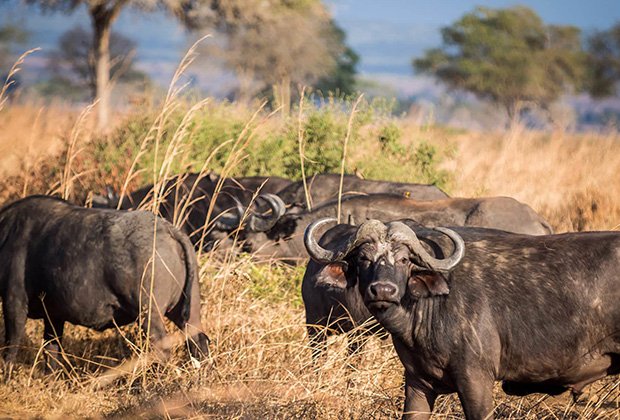
We depart the Serengeti and head toward the Ngorongoro Conservation Area. The following morning, we descend into the Crater floor. This is a “must-see” location—a self-contained ecosystem where you can often spot the “Big Five” in a single day. The sheer density of wildlife here is unparalleled.
Day 7: Return to Arusha or Airport
On our final day, we may make a quick stop at a local cultural site or craft market near Mto wa Mbu before heading back to Arusha. We aim to have you back in the city or at the airport in time for late afternoon or evening flights.
If you are looking for shorter or slightly different variations, you might find our 6-day Northern Circuit group safari or our 5-day lodge-based group joining safari better suited to your schedule. We also maintain a full list of available group departures if your dates are flexible.
The Logistics of “Group Joining”: What to Expect
Joining a group safari is fundamentally different from a private charter. It requires a level of flexibility and social cooperation. Our groups are typically capped at 6 to 7 people per vehicle, ensuring that everyone gets a window seat. The vehicle is a customized 4×4, usually a Land Cruiser, equipped with a pop-up roof for optimal wildlife viewing.
Key considerations for group joining participants:
- Punctuality: Since you are sharing a vehicle, the group’s schedule relies on everyone being ready at the agreed-upon time.
- Flexibility: You might not get to choose the exact lodge or the specific timing of every stop, as the itinerary is designed to balance the interests of all group members.
- Social Environment: You will be spending long hours in the vehicle with your fellow travelers. It’s a great way to meet people from around the world, but be prepared for shared space.
- Communication: Your guide is the bridge between the group and the park authorities. If you have specific interests—like a focus on photography or birding—mention it to the guide early so they can try to accommodate these preferences during game drives.
If you have specific dietary requirements or medical needs, please inform us well in advance. While we can cater to most requests, group logistics require us to coordinate these details with the lodges and the safari team before the departure date.
Pricing and Booking Your November 2026 Trip
Because costs for group safaris can fluctuate based on accommodation standards (camping vs. mid-range lodge vs. luxury lodge) and the number of confirmed participants, we do not list fixed prices on our site. Instead, we provide personalized quotes based on your specific requirements.
To get a clear understanding of the costs for the November 18 departure, please reach out to our team. We can explain the breakdown of what is included—typically park fees, professional guide services, 4×4 transport, all meals while on safari, and accommodation—and what is excluded, such as international flights, visa fees, and gratuities.
How to proceed:
- Contact us: Send a message to WhatsApp at +255 747 477 898 or email us at climb4africa@gmail.com.
- Specify your needs: Let us know if you prefer a budget camping experience or a lodge-based safari. If you are a solo traveler, we can check for other solo travelers to pair you with.
- Confirm availability: Once we have your details, we will confirm the current status of the November 18, 2026, group and provide the latest price.
For those who may need a backup, you can also reach our team at info@climb-4-africa.com. We are a local operator based in Tanzania, and we handle all the logistics on the ground, meaning you get direct support without intermediaries.
Preparing for Your Safari: A Brief Checklist
Preparation for a 7-day safari is about comfort and utility. You don’t need a massive amount of gear, but you do need the right gear.
- Clothing: Pack in layers. The early mornings in the Ngorongoro Highlands can be surprisingly chilly, even in November. A light fleece or jacket is essential. During the day, it warms up, so breathable, long-sleeved shirts are ideal to protect against the sun and insects.
- Footwear: You will spend most of your time in the vehicle, but for stops and short walks, comfortable walking shoes are sufficient. Hiking boots are generally not required unless you are planning a specific hiking activity or a Kilimanjaro climb before or after your safari.
- Photography: A good zoom lens is your best friend. Even with a modern smartphone, a dedicated camera with a 200mm to 400mm lens will capture wildlife in a way that truly conveys the scale of the Serengeti. Don’t forget extra batteries and memory cards; you will take more photos than you think.
- Health and Safety: Consult your travel clinic about malaria prophylaxis and routine vaccinations. Tanzania requires a Yellow Fever certificate only if you are arriving from a country with a risk of transmission.
By booking with Climb 4 Africa, you are choosing a team that understands the local terrain, the seasonal migration patterns, and the logistical challenges of the Northern Circuit. We are not just a booking portal; we are your on-the-ground support system from the moment you land at Kilimanjaro Airport until the moment you depart. If you are combining your safari with other adventures, such as a trek up Mount Kilimanjaro, let us know—we often coordinate multi-leg itineraries that ensure your transition from the mountain to the plains is smooth.
Whether this is your first time in Africa or you are returning for another look at the savanna, the 7-day group joining safari provides the structure you need to relax and the freedom to enjoy the spectacle of the Serengeti and Ngorongoro. We look forward to hearing from you and helping you finalize your plans for November 2026.
Navigating the Social Dynamics of a Shared Safari
While the logistical framework of a group joining safari is straightforward, the human element—the social dynamics of spending seven days in close quarters with strangers—is often the most overlooked aspect of the planning process. When you sign up for a November 2026 departure, you are not just booking a seat in a 4×4; you are entering a temporary community. Successfully navigating this experience relies on a few unwritten rules of safari etiquette that ensure everyone, regardless of their background or personal travel style, has a rewarding trip.
The most critical component of group cohesion is the seating rotation policy. In a standard safari Land Cruiser, not all seats are created equal. The front seat next to the driver offers a different perspective than the middle or back rows, and window seats are naturally more coveted for photography. To maintain harmony, most reputable operators implement a daily rotation system. On day one, the person in the front seat moves to the back, and everyone else shifts forward. This ensures that by the end of your seven-day circuit, every participant has enjoyed an equal share of the prime viewing spots. If your group does not automatically suggest this, do not hesitate to raise the topic on the first morning. It is a standard, professional approach that prevents resentment and keeps the mood light.
Another common source of friction is the variation in photographic intensity. In a group of six or seven, you will inevitably have a mix of travelers: some who are professional photographers with heavy telephoto lenses who want to spend an hour waiting for a leopard to wake up, and others who are casual observers who prefer to see as much wildlife as possible in a shorter timeframe. The role of the guide is paramount here. A skilled guide will act as a mediator, ensuring the group reaches a consensus. If you are the photographer, be mindful of your group’s time; if you are the casual observer, understand that the stillness required for wildlife photography is part of the safari experience. Respecting these different motivations is the key to a successful journey.
Accommodation arrangements are another area where clarity is essential. In a group joining itinerary, the quoted price often assumes double occupancy. If you are a solo traveler, you will generally be paired with another traveler of the same gender. If you prefer to have your own room, you will need to pay a ‘single supplement.’ This is not just a surcharge; it is a logistical necessity, as lodges in the Serengeti and Ngorongoro regions have limited capacity and must charge for the full room regardless of occupancy. Clarifying your rooming preference well in advance of your November 2026 departure is crucial to avoid any awkwardness or last-minute scrambling when you arrive at a remote tented camp.
Finally, remember that the vehicle is your sanctuary. Keep your personal gear organized and contained. Because space in a 4×4 is limited, bringing a massive hard-shell suitcase is generally discouraged. Soft-sided duffel bags are the industry standard because they are easier to stack and stow. Keeping your camera bags, snacks, and personal items within your designated footwell or seat area prevents the vehicle from becoming cluttered, which is vital when you need to stand up quickly to view an animal through the pop-up roof hatch. By maintaining a clean, respectful, and flexible environment, you ensure that the focus remains on the landscape and the wildlife, rather than the minor inconveniences of shared travel.
Wildlife Photography and Etiquette in a Shared Vehicle
In a group joining safari, your 4×4 Land Cruiser serves as your mobile observation deck for seven days. While the vehicle is designed for comfort, it is a confined space, and photography logistics can quickly become a friction point if not managed with mutual respect. The most critical piece of advice for photographers is to leave the tripod at home. In a moving vehicle, a tripod is cumbersome, takes up valuable legroom, and is virtually impossible to use effectively due to the vibration of the engine and the limited space inside the cabin. Instead, invest in a high-quality beanbag. Most safari operators provide them, but bringing your own—empty, to be filled with rice or beans at your first stop in Arusha—allows you to stabilize your camera on the edge of the pop-up roof hatch without shaking the vehicle or disturbing your seatmates.
Regarding the pop-up roof: on a 7-day safari, this hatch is your primary window to the Serengeti. When the vehicle stops for a sighting, the roof is raised, and passengers take turns standing to view the wildlife. A common etiquette error is to monopolize the best viewing angle. If you are using a long telephoto lens, try to position yourself so that you are not blocking the view of others who may be using binoculars or smartphones. If you have captured your shot, move slightly to the side to allow the next person a clear line of sight. Silence is also a form of etiquette. While excitement is natural, loud conversations or sudden movements can spook animals, particularly sensitive species like leopards or cheetahs, which may retreat into the thicket if they sense human presence.
Communication with your driver-guide is another logistical nuance. In a group of six, you may have differing priorities. Some travelers are ‘big five’ hunters who want to tick off the checklist, while others are interested in birdlife or landscapes. Establish a system early on. If you see something, point it out quietly rather than shouting, which can startle the animals. If you have specific photographic needs—such as wanting the driver to turn off the engine to reduce vibration—communicate this politely and ensure it does not conflict with the group’s overall pace. Remember that the driver is managing the vehicle’s position, the safety of the passengers, and the regulations of the park authorities; their instructions on when to stay inside the vehicle must always be followed without debate.
Understanding Tipping and Service Norms
Tipping is a standard, albeit sometimes confusing, aspect of Tanzanian safari culture. Because you are on a group joining safari, the question of ‘who tips what’ is often magnified. In Tanzania, tipping is not a mandatory service charge added to a bill, but rather a voluntary expression of gratitude for professional service. For a 7-day Northern Circuit itinerary, the tipping culture generally divides into two categories: the safari crew (your driver-guide and, if you are camping, your cook) and the lodge staff.
For the driver-guide, who spends seven days ensuring your safety and navigating the vast Serengeti plains, a tip is the primary way to acknowledge their expertise. In a group setting, it is standard practice to pool the tip together. On the final day, the group leader or a designated representative typically presents the collective tip to the guide in an envelope. This approach prevents the awkwardness of individual passengers handing over varying amounts, which can create perceptions of favoritism or inadequacy. It is advisable to discuss this with your group on day one or two to ensure everyone is comfortable with the amount and the collection method.
Regarding lodge staff, most mid-range and luxury lodges in the Serengeti and Ngorongoro regions have a ‘tipping box’ at the reception. This is the most professional and equitable way to ensure that the behind-the-scenes staff—the cleaners, kitchen assistants, and groundskeepers—receive their share of the gratuity. Individual tipping for luggage porters or waitstaff is also appreciated but should be done discreetly. When preparing for your November 2026 trip, carry a supply of clean, crisp US Dollar bills (post-2009 series) or local Tanzanian Shillings. While USD is widely accepted, smaller denominations are essential for lodge tips, whereas larger denominations are more practical for the collective guide tip. Always clarify your operator’s specific tipping guidelines during your pre-safari briefing; many professional companies provide a recommended range, which takes the guesswork out of the process and ensures that your appreciation aligns with local norms.
Managing Health, Nutrition, and Safety in a Group Setting
While the logistics of a group joining safari are primarily focused on transport and itinerary, the health and safety of the group require a different layer of preparation. Because you are sharing a vehicle and, often, communal dining experiences, your personal health choices directly influence the group’s overall comfort and itinerary stability. Managing these variables proactively ensures that a minor health issue does not derail the experience for everyone on board.
Dietary Requirements and Shared Vehicle Logistics
In a private safari, catering is bespoke; in a group joining safari, it is standardized. If you have specific dietary requirements—such as severe allergies, vegetarianism, or religious dietary laws—these must be communicated to your operator the moment you book, not upon arrival. Kitchens in the bush, especially those servicing remote campsites or tented lodges, operate on strict supply chains. Unlike a restaurant in Arusha, they cannot simply run to a grocery store if they lack specific ingredients for your meal. Ensure your booking agent provides written confirmation that your dietary needs have been passed to the lodge managers and the safari cook.
Furthermore, consider the communal nature of safari lunches. Often, these are packed lunches taken in the field to maximize game-viewing time. These are typically prepared in advance and may be less customizable than lodge dinners. If you have extreme sensitivities, it is often wise to pack a small supply of supplementary, shelf-stable snacks that you know are safe for you to eat. This prevents you from being reliant on a menu that may not accommodate your needs during the long hours spent between the Serengeti and Ngorongoro.
Health Protocols and Emergency Preparedness
Tanzania, particularly the Northern Circuit, is a malaria-endemic region. While the risk varies, professional medical advice consistently recommends malaria prophylaxis for travelers. Because you will be in a group, it is helpful to discuss your vaccination and medication status with your doctor well before your November 18 departure. In the event that a member of your group falls ill, the itinerary may need to be adjusted; having your own comprehensive travel insurance that includes medical evacuation is non-negotiable. Most reputable operators in the Northern Circuit are affiliated with the AMREF Flying Doctors service, which provides emergency air evacuation to medical facilities in Nairobi or Arusha. Familiarize yourself with your operator’s specific emergency protocols during your Day 1 briefing.
Hydration is another critical factor often overlooked until it is too late. The combination of high altitude in the Ngorongoro Highlands and the equatorial sun can lead to rapid dehydration, which mimics the symptoms of altitude sickness or fatigue. While your vehicle will be stocked with bottled water, do not wait until you are thirsty to drink. Maintain a consistent intake throughout the day. If you are sensitive to changes in water sources, stick strictly to the bottled water provided by your operator and avoid ice cubes in drinks at remote lodges unless the establishment specifically confirms they use purified water.
The November Factor: Managing Dampness and Hygiene
November marks the beginning of the “short rains.” While this provides beautiful, lush scenery, it introduces specific hygiene challenges. High humidity can accelerate the spoilage of food and the growth of mold on gear. Keep your camera equipment, electronics, and spare clothes in airtight dry bags or sealed plastic containers when not in use. This protects them from the sudden moisture that characterizes afternoon showers.
Regarding personal hygiene, carry a robust supply of hand sanitizer and wet wipes. In the bush, you will frequently be touching dusty surfaces, camera gear, and shared door handles. Maintaining clean hands before every meal is the single most effective way to prevent the common stomach bugs that can occasionally affect travelers in East Africa. If you are prone to motion sickness, the bumpy, mud-prone tracks of the Serengeti during the rainy season can be challenging. Pack your preferred medication in your carry-on, as the movement of the 4×4 can be unpredictable, and you do not want to be searching for supplies once you are deep inside the park.
Navigating Cultural Tourism and Community Visits
While the primary focus of your November 2026 safari will undoubtedly be the wildlife encounters in the Serengeti and Ngorongoro Crater, the 7-day Northern Circuit itinerary frequently incorporates cultural stops, most notably in the Mto wa Mbu area or near the Ngorongoro Conservation Area boundaries. In a group joining setting, these visits are often pre-arranged as part of the standard route. Understanding the nuances of these interactions is essential, as they differ significantly from the solitary nature of game drives.
It is important to manage your expectations regarding these community visits. In the context of a group safari, these stops are generally curated experiences designed to provide a glimpse into the lifestyle of the Maasai or the agricultural practices of local Tanzanian tribes. Because you are in a group, you do not have the flexibility to linger indefinitely or to deviate from the group’s agreed-upon timeframe. Your guide will typically facilitate the introduction, but the responsibility for respectful engagement lies with each individual traveler. Before you arrive at a village or cultural site, discuss with your guide what the expected protocol is regarding photography and interaction. In many instances, taking photographs of individuals or their homes requires explicit, verbal permission, even if the site is designated for tourism. In a group of six or seven, if everyone pulls out their cameras simultaneously, it can feel overwhelming and intrusive for the local residents. Consider designating one person to take photos for the group, or agree to a ‘no-photos’ window to allow for genuine conversation.
Commerce is another aspect of these visits that can create friction if not understood beforehand. You will likely be presented with the opportunity to purchase handicrafts, beadwork, or traditional items. It is vital to recognize that this is a significant part of the local economy. However, as a member of a group, there is often pressure to ‘keep up’ with the pace of the visit. If you are interested in purchasing items, be prepared with small denominations of Tanzanian Shillings or US Dollars. Haggling is common and expected, but it should always be conducted with humor and respect. Avoid ‘bargaining’ aggressively to the point where the transaction becomes unpleasant; remember that these artisans are often sustaining their families through these sales. If you are not interested in buying, a polite but firm ‘no thank you’ is perfectly acceptable. Do not feel compelled to purchase an item simply because you have entered a shop or viewed a display.
Finally, consider the ‘group dynamic’ of these stops. If the majority of your group is eager to spend time at a local market, but you would prefer to rest in the vehicle, communicate this clearly and early. Because the 7-day itinerary is relatively packed, these cultural stops are often strategically placed to break up long drives. If you find the cultural aspect of the trip particularly rewarding, you might suggest to your guide that the group spend a little extra time there, provided it does not jeopardize the arrival time at your lodge or the park gate closure. Conversely, if you feel the group is spending too much time at a souvenir stop, it is perfectly appropriate to discuss this with your guide, who acts as the arbiter for the group’s collective interests.
Mastering the Art of the Game Drive in a Shared Vehicle
In a group joining safari, the game drive experience is a collective endeavor, not a private command performance. Understanding how your guide operates within the broader network of vehicles is essential to managing your own expectations. In the Serengeti and Ngorongoro, guides utilize a sophisticated, informal communication network—often called the “bush telegraph.” They are in constant contact via radio with other drivers in the area, sharing locations of sightings, weather updates, and road conditions. As a passenger, you may overhear snippets of Swahili radio chatter; this is the lifeblood of the safari. Recognizing that your guide is balancing your group’s specific interests with the real-time intelligence coming over the radio will help you understand why, for example, the vehicle might suddenly pivot away from a scenic landscape toward a distant, crowded cluster of other Land Cruisers.
The Dynamics of Vehicle Positioning at Sightings
When a major sighting occurs—such as a pride of lions, a hunting leopard, or a cheetah on a kill—the “sighting etiquette” becomes critical. Tanzania’s national parks have strict rules regarding off-road driving and vehicle proximity to animals, but the practical reality often involves multiple vehicles arriving at once. In a group joining vehicle, you are subject to the guide’s professional judgment on positioning. A skilled guide will prioritize getting the best angle for the majority of the passengers while ensuring the vehicle is not blocking others or disturbing the wildlife. If you find yourself in the back row of a crowded vehicle during a high-profile sighting, practice patience. The vehicles often rotate or shift positions as others depart. Avoid the urge to stand on seats or lean precariously out of windows, as this can startle wildlife and disrupt the experience for the rest of your group.
Managing Wildlife Interests in a Shared Group
Conflict in a shared vehicle often arises from differing wildlife priorities. One traveler may be a dedicated birdwatcher hoping to spend an hour photographing a specific raptor, while another may only be interested in the “Big Five.” Because your 7-day itinerary is fixed, your guide has a limited window to cover specific sectors of the Serengeti or the Crater floor. To maximize your satisfaction, communicate your “must-see” list to your guide early on the first day, rather than during a game drive. If the group’s interests are diametrically opposed, the guide will typically attempt a compromise—perhaps spending 20 minutes at a birding spot before moving on to search for larger mammals. Accepting that you will not see everything is the hallmark of a seasoned safari-goer.
Post-Safari Logistics: Managing the Transition from Bush to City
The final day of a 7-day group joining safari is often the most logistically complex. Unlike the previous days, where the group moves as a synchronized unit from lodge to park, the return to Arusha or the airport involves disentangling the group members based on their disparate travel schedules. It is standard for the group to be dropped at different locations: some travelers may be heading directly to Kilimanjaro International Airport (JRO) for late-night international flights, while others may be checking into hotels in Arusha or Moshi for an extended stay. Because of this, the final day often feels rushed or fragmented. Ensure that your flight departure times have been communicated to your tour operator well in advance of the final day. If you have an evening flight, you may be the last person dropped off, meaning you will spend the afternoon sitting in the vehicle while others are dropped at their hotels. Conversely, if you have an early flight, the guide will prioritize your route, which may mean skipping the final stops or market visits that the rest of the group might otherwise enjoy. Being aware of this “last-day shuffle” helps prevent frustration when the group dynamic begins to dissolve in the final hours of the trip.
Power, Connectivity, and Digital Hygiene in the Bush
For the modern traveler, a 7-day safari is rarely a complete digital detox. Between capturing high-resolution wildlife photography, navigating with GPS, and staying in touch with family, the demand for power and connectivity is constant. However, operating within the constraints of a group joining safari—where you share space, resources, and time with strangers—requires a more disciplined approach to your electronic needs. Understanding how to manage your devices ensures that you remain powered up without becoming a source of friction within your group.
Managing Charging Logistics in a Shared Vehicle
The standard 4×4 Land Cruiser used for group joining safaris is typically equipped with a single 12V cigarette lighter socket or, in some cases, a modified inverter system. It is a common misconception that every seat will have a dedicated USB port or power outlet. In reality, you are likely sharing one or two power sources with up to six other passengers. Do not assume your guide will have a power strip to accommodate everyone’s cameras, phones, and tablets simultaneously.
The most effective strategy is to arrive prepared with a high-capacity power bank (at least 20,000mAh) that can charge your phone or camera battery independently. Use the vehicle’s power source only for emergency top-ups or when the vehicle is in motion for long stretches, such as the drive from Arusha to Tarangire or the transit between the Serengeti and the Ngorongoro Conservation Area. Furthermore, avoid bringing long, tangled cables that can become a tripping hazard or a nuisance to those sitting next to you. Compact, short-length charging cables are far more practical in the confined seating arrangement of a shared safari vehicle.
The Reality of Internet Connectivity and SIM Cards
While many lodges and tented camps in the Northern Circuit advertise Wi-Fi, it is rarely the high-speed, reliable connection you might be accustomed to in urban centers. In remote areas of the Serengeti, connectivity is often limited to the main reception or lounge area, and bandwidth is frequently restricted to basic messaging and email. If your intention is to upload high-resolution video or back up large photo files to the cloud, you will likely be disappointed. Expect periods of complete digital silence, which is often a welcome respite from the daily grind.
For those who require consistent access, purchasing a local Tanzanian SIM card (such as Vodacom or Airtel) at Kilimanjaro International Airport upon arrival is the most reliable solution. While coverage can be spotty in deep crater valleys or remote savannah stretches, a local SIM generally provides better data stability than international roaming plans. However, remember that you are in a shared group; checking your emails or scrolling through social media during a game drive is generally frowned upon. It disrupts the collective focus and can be distracting to others who are trying to observe wildlife. Reserve your connectivity for the evenings at the lodge, rather than while in the field.
Protecting Your Equipment During the November Rains
As November marks the beginning of the “short rains,” the environment poses a specific threat to your electronics. Humidity levels can spike, and unexpected showers can occur during game drives. While the 4×4 vehicles are designed to be weather-resistant, dust and moisture are the primary enemies of camera sensors and lenses. If you are using a DSLR or mirrorless camera, bring a dedicated rain cover or, at the very least, a high-quality dry bag to store your gear when it is not in use.
Avoid leaving your devices on the floor of the vehicle, where they are susceptible to dust kicked up by the floor mats or accidental spills. Instead, keep your electronics in a dedicated, padded camera bag that remains on your lap or in a secure overhead rack. If you do encounter a heavy downpour, ensure your gear is sealed away before the pop-up roof is closed, as the rapid transition from a dry, open environment to a closed, potentially humid vehicle cabin can lead to condensation inside your lens elements.
Digital Etiquette in a Communal Safari Environment
The most successful group safaris are those where travelers respect the shared nature of the experience. This extends to your digital behavior. If you are using a drone, be aware that flying is strictly prohibited in most Tanzanian national parks without a specific, difficult-to-obtain permit; attempting to fly one can lead to significant fines or confiscation of your gear. If you are using a camera with a loud shutter, consider using a silent mode if you are sitting close to other passengers during a quiet, intimate wildlife sighting. Finally, if you are sharing photos or videos with your group members at the end of the trip, ensure you have a simple way to transfer them—such as a cloud link or a dedicated messaging group—rather than expecting everyone to gather around a small screen in a crowded lodge lobby.
Navigating Long-Haul Transit Days in a Shared Vehicle
While the game drives represent the core of your 7-day Northern Circuit itinerary, a significant portion of your time—often totaling 15 to 20 hours over the week—will be spent in transit between parks. In a group joining safari, the “transit day” is a distinct logistical phase that differs significantly from the active, high-adrenaline environment of a game drive. Understanding how to navigate these stretches is essential for maintaining group harmony and personal comfort.
The transition between Tarangire, Lake Manyara, and the Serengeti involves traversing a mix of tarmac roads, graded gravel, and, particularly in November, potentially muddy tracks. Because November marks the onset of the “short rains,” the road conditions are rarely uniform. You may find that a stretch of road that was passable a week prior has become slick or rutted. In a shared vehicle, this unpredictability requires patience. Your guide will prioritize safety, which may necessitate lower speeds or taking alternate routes to avoid getting bogged down. It is vital to respect the driver’s judgment during these periods; attempting to pressure the guide to drive faster to make up time is counterproductive and, in wet conditions, potentially dangerous.
The social dynamics of a shared vehicle during long transit hours can be delicate. When you are confined to a 4×4 Land Cruiser for four or five hours, the cabin can quickly feel small. Establishing a “transit etiquette” early in the trip is highly recommended. For instance, if you prefer to listen to music or podcasts, headphones are mandatory; avoid playing audio through your phone speakers, as this can be intrusive to others who may be trying to rest or read. Conversely, if you are a traveler who prefers conversation, read the room. If your fellow passengers are dozing or staring out the window, it is a cue to allow for quiet time. Silence during transit is not an indicator of social friction; it is often a necessary respite from the constant stimulation of the bush.
Use these transit hours as an opportunity to engage your guide on topics outside of wildlife biology. During game drives, the guide’s attention is split between tracking animals and navigating the vehicle; during transit, their attention is more available. This is the optimal time to ask about Tanzanian history, the complexities of the land-use policies in the Ngorongoro Conservation Area, or the daily realities of life in Arusha. A knowledgeable guide is an invaluable resource, and these long, monotonous stretches of road are often when you will gain the deepest insights into the culture and socio-political landscape of the region, which adds a crucial layer of context to your wildlife sightings.
Finally, manage your physical comfort proactively. The transit days often involve longer stretches between restroom facilities. While your driver will stop for necessary breaks, these are not always available on demand in the remote bush. Balance your hydration with the reality of the route. If you have specific needs—such as the need to stretch frequently due to back issues or the requirement for a specific type of restroom facility—communicate this to your guide at the start of the transit day, not when the urge becomes an emergency. Being “transit-ready” means having your water, snacks, and a light jacket (as the air conditioning or open windows can create a draft) easily accessible in your seat pocket, rather than buried in a large duffel bag in the back of the vehicle.
Managing Transit Fatigue and Cabin Fever
After three or four days of safari, “safari fatigue” is a real phenomenon. The combination of early wake-up calls, bumpy roads, and the sensory overload of constant wildlife viewing can lead to irritability. On long transit days, this fatigue often manifests as cabin fever. If you feel the walls of the vehicle closing in, utilize the designated stops at local markets or designated viewpoints to physically detach from the vehicle. Even a ten-minute walk around a rest area can reset your tolerance for the confined space. Remember that everyone in the group is experiencing the same constraints; a collective effort to keep the vehicle tidy—by removing trash at every opportunity and keeping personal gear organized—goes a long way toward maintaining a pleasant environment for the duration of the trip.
Navigating Mechanical Contingencies and Road Conditions in November
While your 7-day itinerary is carefully planned to maximize wildlife viewing, the reality of operating a heavy 4×4 vehicle in the Serengeti and Ngorongoro Conservation Area during the November “short rains” introduces variables that are entirely outside of the operator’s control. The most significant of these is the condition of the road network, which is dominated by what locals and experienced guides refer to as “black cotton soil.” This clay-rich earth, when dry, creates a hard, cracked surface that is easy to navigate. However, when it absorbs even a moderate amount of rainfall, it transforms into an incredibly slippery, viscous substance that can challenge even the most experienced drivers and the most robust 4×4 vehicles.
In a group joining safari, your vehicle is essentially your home for the week. Mechanical issues, tire punctures, or getting temporarily bogged down in mud are not signs of poor maintenance or operator negligence; they are inherent risks of off-road travel in remote wilderness areas. When you are part of a shared group, the way you react to these minor, inevitable setbacks defines the overall quality of your trip. The most successful travelers in these situations are those who view these moments not as interruptions to their vacation, but as authentic parts of the African safari experience.
The Reality of Road Conditions and Vehicle Performance
During November, you may encounter sections of the park where the roads are essentially temporary riverbeds. Your guide is trained to read these conditions, but sometimes, a vehicle will slide or become stuck. If this happens, the standard protocol is for the guide to assess the situation. They will often deflate tires to increase traction or use a shovel and traction mats to clear the mud. During this time, the safety of the passengers is the absolute priority. You will likely be asked to remain inside the vehicle or, if it is safe to do so, move to a designated area a short distance away. It is critical to follow the guide’s instructions immediately and without debate; they are experts in the terrain and understand the risks posed by wildlife in the immediate vicinity.
The Communal Nature of Safari Support
One of the hidden benefits of a group joining safari is that you are part of a massive, informal network of professional drivers. The safari industry in Tanzania relies on a culture of mutual assistance. If your vehicle experiences a mechanical issue that cannot be resolved in the field, or if you are stuck, it is highly probable that another vehicle from the same company or a partner operator will pass by. In the Serengeti, it is an unwritten rule that drivers stop to assist one another. You might find yourself waiting while your guide coordinates with another driver to borrow a tool, retrieve a part, or even transfer the group to a different vehicle if the mechanical issue is significant. This process can take time, but it is a demonstration of the resilience of the safari infrastructure.
Managing Group Expectations During Delays
When a delay occurs—whether due to a flat tire, a stuck vehicle, or a mechanical check—it can test the patience of the group. As a participant, your role is to maintain morale. Avoid the temptation to micromanage the driver or offer unsolicited advice on how to fix the vehicle. These drivers are highly skilled mechanics who understand their machines better than anyone. Instead, use the downtime to observe the environment. Often, when a vehicle is stationary in the middle of the Serengeti, you have a unique opportunity to listen to the sounds of the bush without the hum of the engine, or to spot wildlife that might have been startled by the vehicle’s movement. Keeping the atmosphere calm and cooperative makes the inevitable wait feel significantly shorter and prevents the frustration that can quickly sour the group dynamic.
Safety Protocols and Communication
Always maintain your awareness of the guide’s communication methods. Most vehicles are equipped with high-frequency radios, which are essential for coordinating with other guides and park authorities. If your guide is occupied with a repair, refrain from using the radio or distracting them from the task at hand. If you have concerns about the timeline or the safety of the situation, approach the guide calmly once the immediate task of securing the vehicle is complete. By understanding that these logistical hiccups are a standard feature of the November landscape, you can adjust your expectations and remain flexible, ensuring that your 7-day journey remains an adventure rather than a source of stress.
The Tented Camp vs. Lodge Experience in a Group Joining Safari
One of the most defining aspects of your November 2026 group joining safari is the accommodation style. Unlike a private safari where you might meticulously select your lodges based on specific design, amenities, or proximity to migratory paths, a group joining itinerary relies on a pre-established network of partner accommodations. These are chosen by the operator for their reliability, logistical accessibility, and ability to host diverse groups. Understanding the fundamental difference between a permanent tented camp and a traditional lodge is crucial, as it dictates your level of immersion in the Serengeti environment, especially during the shifting weather patterns of the November short rains.
The Allure and Reality of Tented Camps
Permanent tented camps are not camping in the traditional, rugged sense; they are sophisticated, semi-permanent structures featuring canvas walls, solid concrete or wooden floors, and full en-suite bathrooms. They offer an unmatched connection to the bush that lodges simply cannot replicate. In November, when the landscape is transitioning from the dry season to the green season, staying in a tented camp allows you to hear the environment. You will hear the rain hitting the canvas roof, the distant calls of nocturnal predators, and the rustle of wind through the acacia trees. This is often referred to as “bush TV”—the simple act of sitting on your porch and observing the immediate surroundings.
However, there are trade-offs to consider. Soundproofing is minimal; you will hear your neighbors and the wildlife outside. If you are a light sleeper, this can be challenging. Furthermore, while these tents are designed to be waterproof, the high humidity levels typical of November can sometimes make the canvas feel slightly damp. You are choosing these for the “classic safari” feel, but you must be prepared for a slightly more rustic experience. The pathways between your tent and the main dining area are often unpaved, which, during the occasional November downpour, can become muddy. It is advisable to pack a pair of slip-on shoes that you don’t mind getting dirty, specifically for walking to and from your tent during the evening.
The Comforts and Constraints of Permanent Lodges
Lodges, by contrast, are constructed of brick, stone, or wood. They offer a more substantial barrier against the elements, which can be a significant advantage if you are visiting during a period of heavier rainfall in late November. Because the walls are solid, lodges typically offer better insulation, which can make a noticeable difference in comfort during the cooler, rainy evenings in the Ngorongoro Highlands. They often provide more robust amenities, such as larger common areas, swimming pools, and more reliable electricity grids that can support high-drain appliances. If your group joining itinerary places you in lodges, you might find the environment feels more “contained.” You are protected from the immediate sights and sounds of the bush, which offers a different type of comfort—a sanctuary to retreat to after a long day on the dusty or muddy roads.
The primary constraint of the lodge experience is the physical separation from the wilderness. You are inside a building, which can sometimes feel like a hotel anywhere in the world, rather than a safari experience. However, for travelers who value consistency, security, and the ability to have a quiet, private space to retreat to away from the group, the lodge is often the preferred choice. In a group joining setting, where you have already spent 8 to 10 hours in a vehicle with the same people, the ability to retreat to a solid-walled room can be a vital component of maintaining your personal stamina for the duration of the 7-day trip.
Making the Most of Communal Dining and Shared Spaces
Regardless of whether you are in a tented camp or a lodge, the dining experience in a group joining safari is almost always communal. This is where the social dynamics of your 7-day trip truly solidify. In tented camps, the dining area is often an open-sided tent, fostering a more relaxed, campfire-style atmosphere where travelers naturally mingle. It is intimate, informal, and often feels like an expedition base camp. In contrast, lodge dining is often more structured, sometimes featuring buffet-style setups that cater to larger numbers of guests. While this can feel less intimate, it provides more space and, frequently, a greater variety of food options.
Use these meals to decompress. If you are an introvert, the lodge environment might offer more nooks and crannies to find a quiet moment, whereas the tented camp encourages group interaction. Recognizing your own preference for social engagement versus solitude can help you better appreciate the specific style of accommodation your operator has selected. If you find yourself in a tented camp and crave quiet, remember that your tent is your private domain; if you find yourself in a lodge and crave social connection, the communal lounge areas are usually the hub of the evening’s activity. By managing your expectations around the accommodation style, you ensure that the “home base” of your safari supports your energy levels rather than depleting them.
Navigating the Solo Traveler Experience in a Group Joining Safari
For many, the group joining safari is the most accessible way to experience the Northern Circuit, but for the solo traveler, it presents a unique set of logistical and social considerations. The most immediate decision involves accommodation: whether to pay a “single supplement” to secure a private room or to request a shared room with another traveler of the same gender to reduce costs. Operators typically offer both options, but it is critical to clarify this at the time of booking. If you opt for a shared room, understand that you are essentially entering a roommate situation with a stranger; while this can lead to lifelong friendships, it also requires a high degree of flexibility regarding sleep schedules, clutter management, and bathroom usage.
If you choose to pay the single supplement, you guarantee your own sanctuary, which can be invaluable after a long, intense day of game viewing. However, the social nature of the group joining safari continues into the evenings. As a solo traveler, you may occasionally feel like the “odd one out” if the rest of the group consists of couples or families. This is rarely intentional; groups naturally gravitate toward their existing partners. To navigate this, adopt an open, approachable posture during communal meals. You are not obligated to spend every waking moment with your group, but initiating conversation during the evening debriefs or breakfast is the most effective way to integrate yourself into the group dynamic.
Finally, consider the financial and logistical implications of your solo status. If you are traveling alone, ensure that your operator is aware of your preferences well before the November 18, 2026, departure. If you are sharing a room, ask if the operator can provide a brief bio or contact method for your roommate ahead of time; a simple email exchange before the trip can mitigate anxiety about sharing space. Furthermore, always pack a set of high-quality earplugs and an eye mask. Regardless of whether you are in a lodge or a tented camp, the bush environment is rarely silent, and having the tools to ensure your own rest is the single most important factor in maintaining your energy levels for the week-long itinerary.
Environmental Stewardship and Vehicle Hygiene in a Shared Safari
In the confined, high-traffic environment of a 4×4 Land Cruiser, the concept of "Leave No Trace" takes on a literal, daily meaning. While your guide is responsible for the vehicle’s mechanical health, the cleanliness and order of the cabin are a shared responsibility among the passengers. Over the course of a 7-day itinerary, a vehicle can quickly accumulate dust, snack wrappers, discarded water bottles, and miscellaneous gear. Maintaining a high standard of vehicle hygiene is not merely about comfort; it is a fundamental aspect of safari etiquette and environmental respect.
The Serengeti and Ngorongoro ecosystems are strictly protected, and the introduction of non-biodegradable waste—even accidentally—poses a significant threat to wildlife. In a group setting, it is easy to assume that someone else will handle the trash. However, the most successful groups are those that establish a collective system for waste management from Day 1. Designate a specific, sealed bag for all non-organic waste and ensure it is emptied at designated disposal points at your lodge or camp, never left in the vehicle overnight or discarded near a sighting. Avoid the temptation to use the seat-back pockets as a permanent storage for personal items; these are meant for light, transient use. By keeping your personal footprint minimal, you prevent the vehicle from becoming cluttered, which allows for better movement when switching seats for photography.
Furthermore, consider the impact of dust management. November, with its alternating dry spells and rain, means the vehicles are often coated in a fine layer of dust that migrates inward. While you cannot stop the dust, you can mitigate its impact by ensuring your gear is properly stowed in dust-resistant bags when not in use. Avoid shaking out clothing or towels inside the vehicle, as this creates a localized dust storm that affects everyone’s respiratory comfort and camera sensors. By adopting a mindset of shared stewardship, you not only improve the physical comfort of the group but also demonstrate a level of professionalism and respect that guides deeply appreciate, often resulting in a more collaborative and harmonious relationship throughout the week.
The Pre-Safari Briefing: The Critical Eve-of-Departure
For a group joining safari commencing on November 18, 2026, the success of your journey is often determined on the evening of November 17. Most reputable tour operators in Arusha mandate a pre-safari briefing. This is not merely a formality or a sales pitch; it is the most important logistical checkpoint of your entire seven-day expedition. During this session, you will meet your lead guide and, in some cases, your fellow travelers. This is the moment to verify that the itinerary discussed at the time of booking matches the logistical reality of the current park conditions, especially given the transition into the November “short rains.”
During this briefing, your operator will conduct a final document check. Ensure you have your passport, as it will be checked at park gates, and your yellow fever vaccination certificate if required by your transit or entry history. This is also the time to clarify any outstanding balance payments. In a group joining environment, operators often require full payment before departure to secure the vehicle and logistics for the entire group. Clarifying these administrative details here prevents potential delays on the morning of departure, where every minute saved is a minute gained in the Serengeti.
The Administrative Reality of Group Joining Cancellations
One of the most significant, yet rarely discussed, aspects of a group joining safari is the dependency on the group’s integrity. Unlike a private safari where you are the sole client, a group joining expedition is a shared contract. You should be fully aware of your operator’s policy regarding last-minute cancellations. If the minimum number of participants required to make the trip financially viable is not met—or if a member drops out at the last minute—the operator may either cancel the departure, merge your group with another, or, in some cases, ask the remaining participants to cover the deficit to proceed.
Understanding the “minimum participant” clause in your booking contract is essential. If your November 2026 trip is contingent on a specific group size, confirm with your operator how they handle fluctuations. Most professional operators have robust networks and will work to fill the seat, but you should be mentally prepared for the possibility that your group composition may change slightly up until the final hours before departure. Flexibility is not just a virtue in the bush; it is a prerequisite for the group joining model.
Navigating ‘Excluded’ Costs in a Group Joining Itinerary
While the base price of your 7-day Northern Circuit safari typically covers transport, fuel, guide services, park entrance fees, and full-board accommodation, there is a secondary layer of expenses that often catches travelers off guard. Recognizing these “excluded” costs before you arrive in Tanzania will help you budget accurately and avoid awkward financial moments during the trip.
First, be prepared for visa fees. While these are often paid online in advance, having the exact amount in clean, post-2009 USD bills is a common requirement for on-arrival processing. Second, consider the “bar tab” at your lodges and tented camps. In almost all group joining packages, bottled water is provided in the vehicle, but soft drinks, beer, wine, and spirits at the accommodation are considered personal expenses. These are settled at the front desk upon checkout. Because you are in a group, it is helpful to establish a habit of settling your own tab nightly or each morning to avoid the bottleneck of six people trying to pay their individual bills simultaneously when the guide is ready to depart for the morning game drive.
Finally, ensure you have allocated funds for emergency evacuation insurance. While your operator will have basic liability insurance, a comprehensive travel insurance policy that specifically covers medical evacuation from remote areas like the Serengeti is non-negotiable. If you are participating in any optional activities not included in the standard itinerary—such as a hot air balloon safari or a specialized cultural visit—these should be budgeted for separately and, ideally, booked through your operator in advance to ensure they can be seamlessly integrated into your group’s transit schedule.
Managing Luggage and Personal Space Constraints in a Shared 4×4
In a group joining safari, your 4×4 Land Cruiser is not merely a mode of transport; it is your mobile living room, storage locker, and viewing platform for the next seven days. Because the vehicle must accommodate the luggage of six or more passengers—plus the driver’s supplies, spare tires, and water canisters—space is the most precious commodity on the road. Understanding the physical limitations of this shared space is critical to maintaining both group harmony and the integrity of your personal belongings.
The most fundamental rule of a group joining safari is the absolute necessity of soft-sided luggage. Hard-shell suitcases, while excellent for airline travel, are the primary antagonist of a smooth safari departure. In a shared vehicle, the storage compartment is often a rear internal rack or a specific section of the boot that requires a ‘Tetris-like’ configuration to fit multiple bags. Hard-shell cases cannot be compressed, squeezed, or reshaped to fill the odd angles of a 4×4’s storage area. If you arrive with a rigid, oversized suitcase, you are effectively forcing the driver to sacrifice space that would otherwise be used for essential supplies, or worse, forcing your fellow travelers to place their bags on the roof rack, where they will be exposed to the elements and potential theft or damage during transit.
Beyond the structural constraints, there is the reality of the “dust factor.” Even with the windows closed, the fine, volcanic dust of the Serengeti and Ngorongoro regions is pervasive. It infiltrates every crevice. If your luggage is not dust-proof or at least water-resistant, you will find your clothing coated in a fine layer of grit by the end of day two. A high-quality, heavy-duty duffel bag is the industry standard for a reason. To further protect your items, pack your clothing in individual dry bags or compression sacks. This serves a dual purpose: it keeps your clothes clean and organized, and it allows you to compress your total luggage volume, making it easier to fit into the shared storage area without encroaching on the space allocated to your seatmates.
The social etiquette of personal space within the cabin is equally important. Your ‘day bag’—the small backpack or camera bag you keep at your feet—should be kept as compact as possible. It is tempting to bring a large camera bag with multiple lenses, a laptop, a tablet, and a massive water bottle, but remember that you are sharing the footwell with the gear of others. If your bag is too large, it will inevitably spill over into your neighbor’s legroom. A best practice is to carry only what is essential for the day’s drive. If you have extra camera gear, consider using a dedicated padded insert that can be placed in the overhead rack or the rear storage when not in use, rather than keeping a massive, bulky case at your feet for seven days. By respecting the physical boundaries of the shared vehicle, you significantly reduce the potential for ‘cabin fever’ and ensure that the group remains focused on the wildlife rather than the clutter.
Navigating Intercultural Communication in a Shared Safari Vehicle
A group joining safari is, by definition, a microcosm of global travel. Over the course of seven days, you will likely share a vehicle with individuals whose cultural norms regarding punctuality, personal space, and social interaction differ significantly from your own. The most frequent source of friction in these groups is not the wildlife or the itinerary, but the daily rhythm of the expedition. For instance, in some cultures, a 6:00 AM departure is considered a non-negotiable deadline, while in others, it is treated as a flexible target. Establishing a consensus on punctuality during the first evening briefing is the single most effective way to prevent resentment before the first game drive begins.
Furthermore, the dynamics of the vehicle cabin require a high degree of emotional intelligence. Because you are physically confined for hours at a time, your ‘acoustic footprint’ matters. Engaging in loud, prolonged phone conversations—even if you have a signal—or dominating the conversation with topics that exclude others can create an exclusionary atmosphere. Conversely, inclusive behavior, such as sharing observations or pointing out wildlife to those seated on the opposite side of the vehicle, fosters a cohesive group dynamic. When language barriers exist, non-verbal communication and shared enthusiasm for the sighting become the common language. Remember that you are not just sharing a vehicle; you are sharing a 7-day narrative. The quality of that narrative depends as much on the social cohesion of your group as it does on the quality of the game drives themselves.
Implementing a Seat Rotation Policy
In a group joining 4×4, the window seat is the most coveted position, yet it is a finite resource. If your group does not proactively discuss seating, you risk creating a hierarchy where the first person to the vehicle each morning claims the best views for the entire week. To mitigate this, the most successful groups implement a daily seat rotation policy. This ensures that every passenger spends time in different rows and on both sides of the vehicle, guaranteeing that everyone has an equal opportunity to photograph the Serengeti plains and the Ngorongoro crater rim. Address this on Day 1, ideally with the guidance of your driver, to ensure the rotation is fair, transparent, and accepted by all participants.
Related Guides and Packages
Check Availability for Nov 18, – 7 Day Serengeti And Ngorongoro Group Joining Safari 2026
Ready to compare dates, prices, and the best option for your group? Send the package name and travel month so the team can reply with a clear quote, availability, and what is included.
Nov 10, – 4 Day Serengeti, Ngorongoro And Tarangire Group Safari 2026
Join our group safari on November 10, 2026, for an intensive 4-day tour of Tanzania's Northern Circuit. Perfect for those with limited time who want to experience the best of the Serengeti...
View package details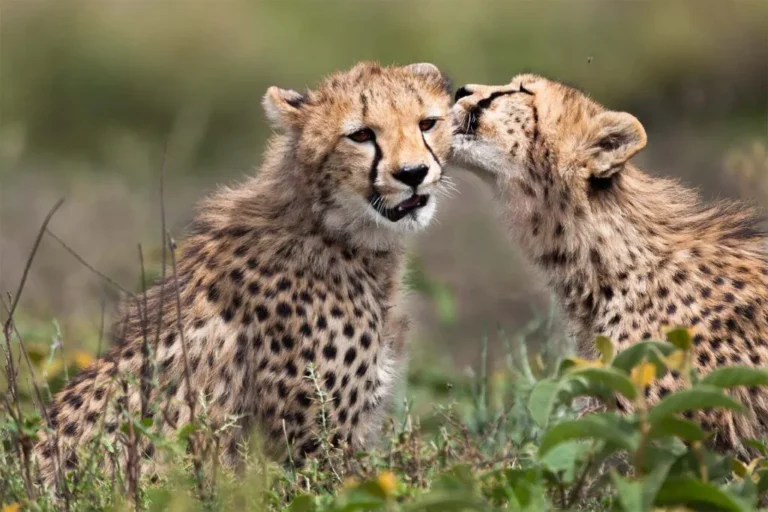
Oct 31, – 6 Day Serengeti, Ngorongoro, Tarangire And Manyara Group Safari 2026
A detailed look at the 6-day Northern Circuit group safari departing October 31, 2026, covering Tarangire, Manyara, Serengeti, and Ngorongoro Crater.
View package detailsOct 29, – 4 Day Tarangire, Serengeti And Ngorongoro Group Safari 2026
Plan your October 2026 Tanzania adventure. This 4-day group safari covers Tarangire, Serengeti, and Ngorongoro Crater with reliable local support.
View package details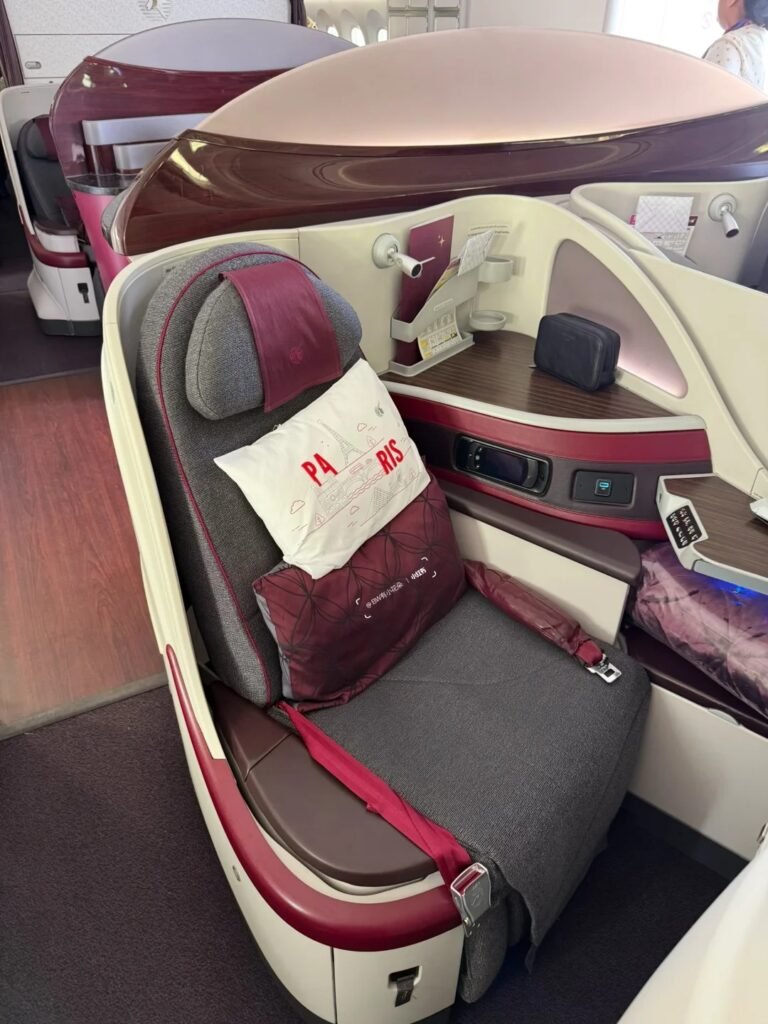
Fly-In Safari To Ngorongoro And Serengeti: Flights & Transfer Costs 2026-2027
Discover the logistics and cost breakdown for a fly-in safari to Ngorongoro and the Serengeti, including airstrip transfers, baggage limits, and vehicle positioning.
View package details
3-Day Serengeti & Ngorongoro Safari From Zanzibar By Flight 2027
3-Day Serengeti & Ngorongoro Safari From Zanzibar by Flight is explained with current 2027 planning, price, itinerary and booking information.
View package details
Oct 26, – 2 Day Tarangire And Ngorongoro Group Joining Safari 2026
Oct 26, 2026 – 2 Day Tarangire and Ngorongoro Group Joining Safari.
View package detailsNov 4, – 2 Day Tarangire And Ngorongoro Group Safari From Arusha 2026
A detailed guide to the November 4, 2026, group joining safari, covering Tarangire National Park and the Ngorongoro Crater, with logistics for travelers starting from Arusha.
View package detailsOct 28, – 3 Day Tarangire, Lake Manyara And Ngorongoro Group Safari 2026
A detailed guide to our 3-day group joining safari departing October 28, 2026. Explore the logistics, wildlife highlights, and why this specific route is ideal for travelers looking to...
View package detailsNov 8, – 3 Day Tarangire, Lake Manyara And Ngorongoro Group Safari 2026
Planning for a 3-day group safari in Tanzania? Our November 8, 2026, departure offers a structured, cost-effective way to explore Tarangire, Lake Manyara, and the Ngorongoro Crater.
View package detailsOct 25, – 1 Day Ngorongoro Crater Group Safari From Moshi 2026
A detailed guide to organizing a one-day group safari to the Ngorongoro Crater starting from Moshi, specifically focusing on the logistics for October 25, 2026.
View package details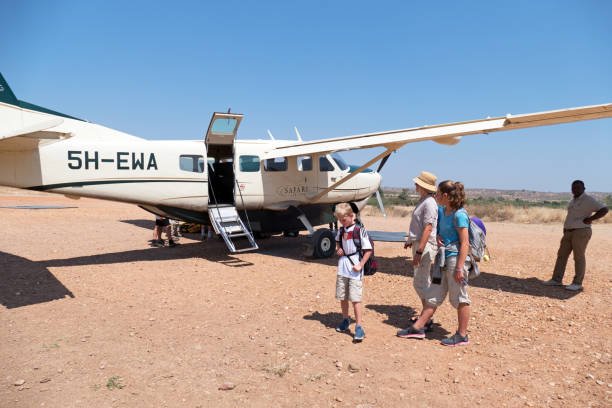
2-Day Serengeti Safari From Zanzibar By Flight: Price & Booking Guide
A practical guide to booking a 2-day Serengeti safari from Zanzibar by flight, covering itinerary logistics, cost considerations, and how to maximize your short time in the bush.
View package details2-Day Tarangire & Ngorongoro Safari From Zanzibar: Flight Package Cost 2026
A detailed guide on the logistics, cost factors, and itinerary realities for a 2-day fly-in safari from Zanzibar to Tarangire National Park and the Ngorongoro Crater.
View package detailsNo related package matches those filters. Clear one or more filters to see the other topic-matched options.



