
The 4 Day Serengeti, Ngorongoro and Tarangire Group Safari departing on November 10, 2026, is an intensive, high-value circuit designed for travelers who want to experience Tanzania’s three most iconic parks in a condensed timeframe. By sharing transport and accommodation costs within a small group, you gain access to the Serengeti plains, the Ngorongoro Crater floor, and Tarangire’s elephant-rich landscapes while optimizing your budget and travel logistics.
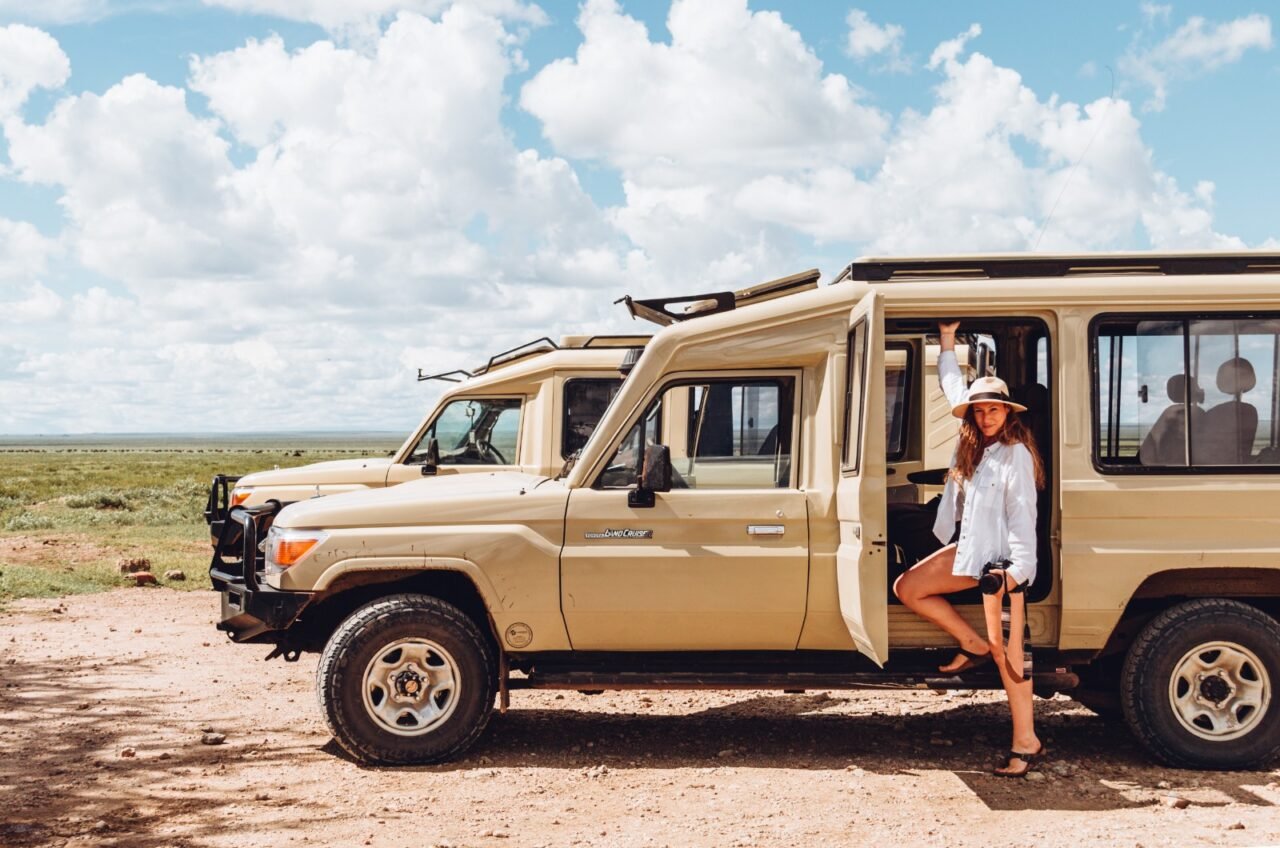
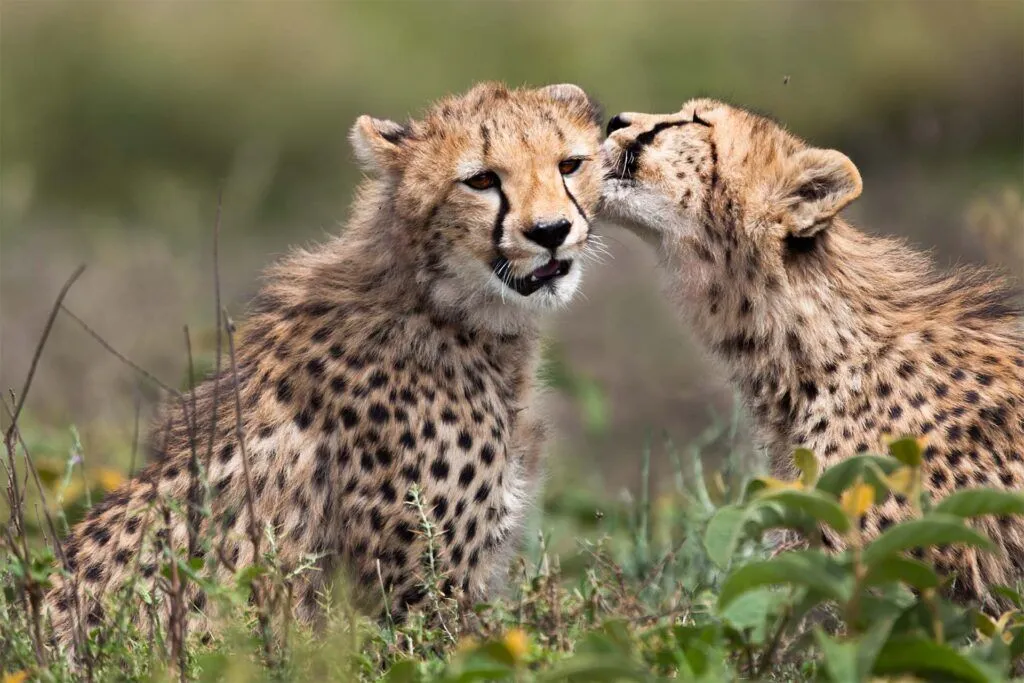
When you look at a map of Tanzania’s Northern Circuit, the distance between Arusha, Tarangire, the Serengeti, and the Ngorongoro Crater is significant. A 4-day trip is the absolute minimum duration required to cover this ground effectively. This itinerary is not a leisurely pace; it is an expedition designed for maximum wildlife exposure. By choosing a group departure for these dates, you are opting for a social, cost-effective way to navigate these vast distances while relying on our local logistics to handle the complex park permits, vehicle maintenance, and accommodation bookings.
The November Advantage: Why Travel in Mid-November?
Travelers often ask about the “short rains” (known locally as vuli) that typically occur in November. While some might avoid this time, savvy travelers recognize it as a strategic window. After the dry season, the landscape begins to transform. The dust settles, the plains turn a vibrant green, and the air is remarkably clear, which is excellent for photography.
From a logistical standpoint, mid-November is a shoulder season. You are avoiding the massive crowds of the peak summer months and the heavy rains of April and May. For a 4-day group safari, this means your game drives in the Ngorongoro Crater are less likely to be congested, and the Serengeti offers a more intimate wildlife viewing experience. You will see migratory birds returning and, often, the start of the calving season in certain areas, which naturally draws predators.
Your 4-Day Itinerary Breakdown
This itinerary is structured to minimize “dead time” and maximize your hours inside the national parks. Because we are managing a group, we prioritize efficiency, ensuring everyone reaches the park gates early.
Day 1: Arusha to Tarangire National Park
We depart Arusha early, heading south toward Tarangire. This park is famous for two things: its massive population of African elephants and the iconic baobab trees that dot the landscape. In November, the Tarangire River is a critical water source, making it a reliable spot for wildlife congregating to drink. You will spend the afternoon on a game drive here before heading to your accommodation for the night.
Day 2: Tarangire to the Serengeti
This is your transit day. We leave the Tarangire region and head toward the Serengeti. While the drive is long, it is far from boring. You will pass through the Ngorongoro Conservation Area, offering stunning views of the highlands before descending onto the endless plains of the Serengeti. We aim to get you into the park by the afternoon for an introductory game drive as the sun begins to dip.
Day 3: Full Day in the Serengeti
This is the highlight of your 4-day trip. With a full day dedicated to the Serengeti, you have the best chance to track the Big Five—lion, leopard, elephant, buffalo, and rhino. We focus on the central Serengeti, where the resident wildlife remains year-round. Because you are in a group, your driver-guide will be in constant radio contact with other vehicles to locate sightings, significantly increasing your chances of seeing elusive predators.
Day 4: Ngorongoro Crater to Arusha
We start before dawn to reach the Ngorongoro Crater floor as the gates open. The morning light on the crater floor is unmatched. This is your best opportunity to see the black rhino, which are notoriously difficult to spot elsewhere. By early afternoon, we begin the ascent and the return drive to Arusha, arriving by evening. This schedule is tight, but it ensures you leave with a comprehensive experience of the Northern Circuit.
Group Safari Logistics: What You Need to Know
Joining a group safari is fundamentally different from a private trip. It requires a degree of flexibility and a willingness to share space, but it also provides a unique opportunity to meet like-minded travelers from around the world. At Climb 4 Africa, we manage these departures to ensure that the group size remains manageable, usually in comfortable, custom-modified 4×4 land cruisers with pop-up roofs for optimal viewing.
Why choose this 4-day group option?
- Shared Costs: Fuel, park entry fees (which are significant in Tanzania), and vehicle hire are split, making this one of the most economical ways to see the Serengeti.
- Expert Guidance: You aren’t just getting a driver; you are getting a local guide who knows the terrain, the animal habits, and the best places to position the vehicle for photography.
- Safety and Support: Traveling in a group with a professional operator means you have a support network. If a vehicle has a minor issue, there is always another one nearby.
If you find that this 4-day itinerary feels too rushed, you might want to compare it with our other departures. For example, our 6-day Serengeti, Ngorongoro, Tarangire, and Manyara group safari offers a more relaxed pace and includes Lake Manyara, which is fantastic for tree-climbing lions and birdlife. We also have shorter options like the October 29th departure, which follows a similar logic.
Planning Your November 2026 Trip
Preparation is key for a short, high-intensity safari. Since you will be moving between different altitudes—from the low-lying plains of the Serengeti to the cooler, higher rim of the Ngorongoro Crater—layering is essential. Mornings and evenings can be chilly, even in November, while mid-day game drives can get quite hot.
Essential Packing List:
- Layers: A light fleece or jacket for early mornings and a hat for the sun.
- Dust Protection: The roads are dusty. Protect your camera gear with dust-proof bags or covers.
- Binoculars: While your guide will have a pair, having your own means you don’t have to share during sightings.
- Power Banks: You will be taking many photos. Ensure you have extra battery capacity for your devices.
For those arriving in Arusha, we recommend arriving at least one day before the safari starts. This gives you a buffer for any flight delays and allows you to attend the pre-safari briefing. We can assist with airport transfers and accommodation bookings in Arusha to ensure your transition to the group is smooth.
Booking and Inquiries
Because these group departures are based on shared vehicles, they tend to fill up well in advance of the November 2026 date. We do not use automated booking systems that might overbook; we prefer to handle each request personally to ensure your expectations align with the itinerary.
To check availability for the November 10, 2026 departure, or to ask about inclusions such as park fees, professional guides, and meals, please reach out directly. You can contact our team via WhatsApp at +255 747 477 898 or email us at climb4africa@gmail.com. You can also reach our backup office at info@climb-4-africa.com.
When you inquire, please let us know:
- The number of travelers in your party.
- Any specific wildlife interests (e.g., birding, photography, big cats).
- If you require assistance with pre-safari or post-safari accommodation in Arusha.
We are a local Tanzania-based team. When you book with us, you are working directly with the people who manage the logistics on the ground. We understand the roads, the park regulations, and the seasonal changes better than any international agency, and we are here to ensure your 4-day safari is safe, efficient, and memorable.
Frequently Asked Questions
Is 4 days enough to see the Serengeti?
It is tight, but it is enough to experience the highlights. The key is to manage expectations. You will spend a significant amount of time in the vehicle on the second day traveling to the Serengeti, but you will be rewarded with a full third day of game drives. It is an ideal trip for those who want to see the “Big Three” (Tarangire, Serengeti, Ngorongoro) without committing to a full week.
What is the difference between this and a private safari?
The primary difference is cost and the social dynamic. In a group safari, you share the vehicle and the guide with other travelers. This significantly reduces the individual cost per person. A private safari allows you to dictate the pace—you can decide to stay longer at a leopard sighting or leave earlier if you are tired. In a group, the schedule is fixed to ensure everyone gets to see the parks as planned.
Are park fees included in the price?
Typically, our group packages are all-inclusive regarding park entry fees, vehicle costs, accommodation, and meals. However, please confirm the specific quote for the November 2026 departure when you inquire, as park fee structures can sometimes change based on government regulations. We will always provide a transparent breakdown of what is covered.
What happens if it rains in November?
The “short rains” are usually brief, afternoon thundershowers. They rarely wash out a full day of game driving. In fact, the rain often clears the air and settles the dust, which is excellent for visibility. Our vehicles are equipped for all weather conditions, and your driver-guide will adjust the route if necessary to ensure you stay safe and comfortable.
Whether you are a solo traveler looking to join a group or a small party wanting to secure your spots on this specific date, we are ready to assist. Contact us today to secure your place on the November 10, 2026, Northern Circuit adventure.
Managing the Pace: Expectations for a 4-Day Intensive Safari
A 4-day safari covering Tarangire, the Serengeti, and the Ngorongoro Crater is an inherently high-intensity experience. Because you are covering vast distances in a short window, the schedule is designed to prioritize time in the parks over time in transit. This creates a specific rhythm that you should be prepared for before you arrive in Arusha, as the pace of a condensed circuit differs significantly from a longer, more leisurely week-long expedition.
Expect early mornings. To maximize your chances of seeing predators like lions and leopards, which are most active during the cooler dawn hours, your driver-guide will typically aim to have you at the park gates shortly after sunrise. This often means breakfast before 6:00 AM. While this may feel rigorous, it is the standard for a successful safari. We recommend adjusting your sleep schedule a few days before your departure to ensure you are well-rested and ready for the early starts, as a tired traveler is less likely to enjoy the bumpy, dusty, and visually stimulating game drives.
Physical endurance is also a factor. The roads in Tanzania, particularly outside the main paved routes, can be rough and uneven. You will spend significant hours in a safari vehicle. To manage this, ensure you stay hydrated—even if it means more frequent stops—and take advantage of the legroom in the modified 4×4 vehicles. If you have any back issues or physical limitations, it is critical to inform your guide at the start of the trip so they can adjust their driving style, such as taking a slower, more cautious pace over corrugated road sections. Your comfort is a priority, but communication with your guide is the only way to ensure they know how you are feeling.
Finally, manage your wildlife expectations. A 4-day trip does not guarantee a sighting of every animal on your list. The Serengeti is vast, and wildlife is migratory and unpredictable. Occasionally, you may spend hours driving without a major “big” sighting. This is a normal part of the safari experience. Trust your guide; they are constantly scanning the horizon, listening to radio reports from other vehicles, and reading animal behavior to improve your odds. Avoid the temptation to demand constant movement; sometimes, the best wildlife viewing happens when you sit still and wait for the environment to reveal itself, rather than rushing to the next location.
Navigating Shared Spaces: Etiquette and Conduct for Group Safaris
Joining a group safari for your November 2026 trip requires more than just physical stamina; it demands a high level of situational awareness. Because you will be sharing a 4×4 safari vehicle with other travelers for four consecutive days, the dynamics inside the cabin are just as important as the wildlife sightings outside. The success of your group dynamic hinges on mutual respect for space, gear, and the quiet required for successful wildlife viewing.
The Luggage Constraint: Soft-Sided Bags Only
Space inside a safari vehicle is at a premium. Unlike a standard bus or train, the rear storage area of a safari 4×4 is limited to accommodate spare tires, emergency supplies, and the collective gear of four to six passengers. Rigid, hard-shell suitcases are notoriously difficult to pack into these vehicles and often result in a chaotic, inefficient loading process that delays your departure. For your November departure, prioritize soft-sided duffel bags. These are malleable, allowing your driver to stack them efficiently like a puzzle, ensuring that your belongings are secure and accessible without obstructing the aisle or the view.
Photography and the Window Dilemma
One of the most common sources of friction in group safaris is the “window seat” issue. While it is natural to want the best vantage point for photography, remember that you are part of a team. Most reputable group operators implement a rotation system where passengers swap seats at scheduled intervals—often after every major stop or at the end of each day. If your group does not have a formal rotation, take the initiative to suggest one on the first morning. When photographing, be mindful of your neighbors. Avoid using long, bulky telephoto lenses that require significant elbow room, as these can easily hit other passengers or obstruct their view. If you are using a DSLR or mirrorless camera, keep your movements fluid and quiet; sudden movements or loud shutter clicks can startle wildlife, particularly predators like leopards or cheetahs that are sensitive to sound.
Vehicle Silence and Sensory Awareness
Wildlife viewing is a sensory experience that requires patience. Inside the vehicle, excessive chatter, loud music, or constant rustling of snack wrappers can distract from the sounds of the bush. When your guide cuts the engine to observe a pride of lions or a herd of elephants, the vehicle should ideally fall silent. This is not just for your benefit; it is to ensure the guide can hear the alarm calls of birds or other animals, which often signal the presence of a predator nearby. Keep your phone on silent and avoid using flash photography, which is strictly prohibited in national parks as it can disorient and stress the animals.
Power and Connectivity
Do not rely solely on the vehicle’s power outlets. While many modern safari vehicles are equipped with charging ports, they are often limited in number and can be temperamental due to the vibrations of off-road driving. Bring a high-capacity portable power bank that is fully charged before you leave your accommodation in Arusha. This ensures you can keep your camera batteries and smartphone charged throughout the long game drive days without needing to compete for limited ports or risk draining the vehicle’s auxiliary battery.
Tipping Etiquette in a Group Setting
Navigating gratuities in a group safari can be awkward if not discussed early. In Tanzania, tipping is a standard practice and a significant part of the income for driver-guides and support staff. It is best to discuss this with your group members on the first day to decide on a collective approach. Generally, tipping is calculated per vehicle per day, rather than per person, which makes pooling resources the most efficient method. Having a clear plan prevents confusion on the final day when you are rushing to return to Arusha. Ensure you carry enough small-denomination US dollars (printed after 2009) or Tanzanian Shillings to facilitate this, as your guide may not be able to provide change for large bills.
On-the-Ground Realities: Vehicle Seating and Accommodation Standards
While the itinerary outlines your movement between parks, the day-to-day reality of a 4-day group safari revolves around two logistical pillars: the vehicle environment and the accommodation setup. Understanding these before you depart Arusha ensures that your group dynamic remains positive and your expectations align with the standard tier of travel.
The Mechanics of Seat Rotation
In a shared safari vehicle, the seat you occupy significantly impacts your photography and viewing angles. The window seats are naturally the most sought-after, as they offer unobstructed views for both game viewing and photography. Because a 4-day trip is intense, feelings can flare if one passenger monopolizes a window seat for the duration of the journey. To mitigate this, most reputable group operators implement a mandatory seat rotation policy.
The standard protocol is a clockwise rotation, usually occurring at every major stop or at the start of each morning game drive. For instance, if you sit in a middle row, you move to the window row after the first day, and eventually to the front or back depending on the vehicle configuration. It is advisable to clarify this policy with your driver-guide on the morning of Day 1. By agreeing to a rotation schedule early, you remove the guesswork and potential for resentment, allowing everyone to enjoy the Serengeti and Ngorongoro Crater from different vantage points throughout the trip.
Understanding Your Accommodation Profile
For a 4-day circuit covering Tarangire, the Serengeti, and the Ngorongoro Crater, the accommodation included in group packages typically falls into the ‘mid-range’ category. It is essential to understand what this means in the context of the Tanzanian bush. Unlike city hotels, these properties are designed to be functional, sustainable, and in-depth.
Most mid-range group safaris utilize permanent tented camps or safari lodges. Permanent tented camps are a highlight of the Tanzanian experience; they feature canvas walls but include solid floors, real beds, and en-suite bathrooms with hot showers and flush toilets. They offer a closer connection to the wilderness—you will hear the sounds of the bush at night—but they are not luxury resorts. Power is often provided by generators or solar systems, which may be switched off during the night to conserve energy or minimize noise. If you require continuous power for a CPAP machine or specialized medical equipment, you must inform your booking agent well in advance so they can ensure your accommodation has 24-hour electricity or a dedicated power supply.
Furthermore, because you are moving between distinct geographical zones, the style of accommodation will vary. In the Serengeti, you might stay in a tented camp in the central region to maximize proximity to wildlife, while near the Ngorongoro Crater, you might stay in a lodge on the rim or in the nearby Karatu area. These are chosen for their strategic location to minimize transit time, not for their proximity to luxury amenities. Expect simple, hearty meals, often served buffet-style to accommodate a group, and limited Wi-Fi connectivity. Embracing this ‘rustic-comfort’ approach is key to enjoying the 4-day experience; you are there for the wildlife and the landscapes, and the accommodation serves as a comfortable, safe base to recharge between your early morning starts and late afternoon returns.
Strategic Packing: Gear for a 4-Day November Safari
Packing for a 4-day intensive safari requires a different mindset than preparing for a standard vacation. Because you are navigating a shared 4×4 vehicle with a group, space is your most valuable currency. The logistical reality of this circuit—transitioning from the hot, dusty lowlands of Tarangire to the high-altitude, chilly rim of the Ngorongoro Crater—demands a highly specific approach to your luggage and personal gear.
The Soft Bag Requirement
The single most important rule for any Tanzanian safari, particularly a 4-day group departure, is to use a soft-sided duffel bag rather than a hard-shell suitcase. Safari vehicles are built for off-road durability, not for luggage storage. The rear cargo area is often tight, and hard-sided suitcases cannot be compressed or stacked efficiently. A soft bag can be squeezed into the nooks and crannies of the vehicle’s storage compartment, ensuring that no one’s luggage is left behind or awkwardly balanced on the roof rack. Aim for a bag that is roughly 60–80 liters in capacity; anything larger is unnecessary for a 4-day trip and will only frustrate your fellow travelers.
Managing Temperature and Tsetse Flies
November weather in the Northern Circuit is a study in contrasts. While the days are generally warm, the Ngorongoro Crater rim sits at an elevation of over 2,200 meters. Before dawn, especially when you are heading down to the crater floor, temperatures can drop significantly. You must pack in layers. A lightweight, windproof jacket or fleece is essential for the early morning game drives. Conversely, when you are in the Tarangire or Serengeti, the heat can be intense. For these areas, lightweight, breathable, long-sleeved shirts and trousers are recommended. These serve a dual purpose: they protect you from the sun and, crucially, from tsetse flies. In Tarangire, these flies are attracted to dark colors, particularly blue and black. Stick to khaki, tan, or olive green to minimize their interest in you.
Power, Connectivity, and Digital Hygiene
In the context of a 4-day group safari, you cannot rely on constant access to electrical outlets. While many lodges have power, it is often restricted to specific hours (e.g., in the morning and evening) or provided by solar systems that may not support high-draw devices. If you travel with cameras, phones, and tablets, you must bring a high-capacity power bank. While most safari vehicles are equipped with charging ports, these are typically cigarette-lighter style (12V) and charge devices slowly. Do not assume you will be able to charge your equipment while the vehicle is stationary or the engine is off. Additionally, bring a universal travel adapter, as the standard in Tanzania is the UK-style three-pin plug (Type G), though some older lodges may use different configurations.
Dust Management and Camera Gear
Even in November, when the ‘short rains’ provide some relief, the Tanzanian bush is inherently dusty. This is the primary enemy of high-end camera equipment. If you are bringing a DSLR or mirrorless camera, ensure you have a dedicated, dust-proof bag to store it in when you are not actively shooting. A simple microfiber cloth and a blower brush are essential tools to keep in your daypack to clean lenses between sightings. In a group vehicle, you will be constantly moving your gear to adjust for different angles. Having a small, dedicated camera bag that sits at your feet is much safer than having loose lenses rolling around on the seat or floor. Furthermore, consider a beanbag mount if you are using heavy telephoto lenses; it is far more stable than a tripod inside a moving vehicle and is the standard support tool used by professional wildlife photographers in the region.
Personal Health and First Aid
Because you are on a tight, 4-day schedule, you do not have the luxury of losing time to minor, preventable ailments. Pack a compact personal medical kit. This should include basic rehydration salts, as the combination of heat and altitude can lead to mild dehydration. Include high-SPF sunscreen, lip balm, and insect repellent with DEET, which is effective against mosquitoes and tsetse flies. While your accommodation will provide bottled water, bringing a reusable water bottle is highly encouraged to reduce plastic waste, which is a major environmental concern in the national parks. Finally, ensure any prescription medication is kept in your carry-on luggage—never in your checked bag—and bring a copy of your prescription in case of an emergency. By arriving prepared with these specific items, you allow yourself to focus entirely on the wildlife rather than on logistical inconveniences.
Financial Etiquette: Managing Gratuities in a Group
One of the most frequently asked questions—and a common source of anxiety—for travelers on a 4-day group safari is the protocol for tipping. Because you are sharing the vehicle and the guide with other travelers you may not know well, the logistics of tipping can feel socially awkward. In Tanzania, tipping is not mandatory, but it is standard practice for those who have received good service. For a group safari, the most efficient and stress-free approach is to discuss the ‘group pot’ strategy with your fellow travelers early in the trip, ideally on the first evening.
Typically, a tip for a professional driver-guide is calculated on a per-vehicle, per-day basis rather than per-person. Industry standards generally suggest a range of $20 to $30 USD per day for the driver-guide, depending on the level of service, knowledge, and vehicle maintenance provided. By pooling this amount as a group, you avoid the confusion of individual passengers trying to calculate their share at the end of the trip. If you have four or five people in the vehicle, contributing $5 to $8 per person per day is a manageable and generous way to acknowledge the guide’s hard work. It is advisable to carry small denominations of USD or Tanzanian Shillings specifically for this purpose, as your guide may not always have the ability to provide change.
Regarding lodge staff, most accommodations in the Serengeti and Tarangire regions have a central ‘tip box’ at the reception desk. This is the preferred method for rewarding the behind-the-scenes staff—housekeepers, waitstaff, and kitchen teams—who make your stay comfortable. You do not need to tip individual staff members separately unless someone has provided exceptional, personalized service. If you choose to tip individually, ensure you do so discreetly. Remember that tipping is a gesture of appreciation for service rendered; it should never be used as a tool to demand preferential treatment or to circumvent the rules of the national parks.
Cultural Engagement: Navigating Local Interactions
During your transit between the Serengeti and the Ngorongoro Conservation Area, you may be presented with opportunities to visit a Maasai boma (a traditional village). These visits are often arranged as a cultural exchange, but they require a high degree of sensitivity and awareness to ensure your interaction is respectful. The Maasai people have adapted to the tourism industry, and these visits are often transactional. It is common to pay an entry fee, which supports the village, and you may be invited to purchase beadwork or crafts.
When visiting these communities, photography etiquette is paramount. Always ask for permission before taking photographs of individuals or their homes. In many cases, you may be asked for a small fee for the privilege of taking photos of warriors or elders in traditional attire; if this is the case, be prepared to pay it or simply refrain from taking the photo. Avoid the temptation to hand out candy, money, or school supplies to children you see along the roadside. While the impulse to help is generous, it encourages ‘begging’ behaviors that disrupt the local social fabric and can be dangerous, as children are often drawn toward moving vehicles. If you are interested in supporting local education or community development, the most effective way to do so is to donate through established, reputable NGOs or by asking your tour operator if they have a verified partnership with a local school where supplies can be dropped off officially.
Finally, engage with your guide about the cultural landscape you are driving through. The Maasai, Hadzabe, and Datoga people have deep, ancient connections to the Ngorongoro and Serengeti ecosystems. Asking thoughtful questions—such as how these communities balance traditional pastoralism with the conservation mandates of the national parks—often leads to far more enriching conversations than simply observing from the vehicle. Approaching these interactions with humility and curiosity will significantly enhance the quality of your 4-day circuit, transforming it from a simple wildlife-viewing trip into a deeper, more meaningful travel experience.
Wildlife Viewing Dynamics: The Reality of the ‘Game Drive’ Experience
While the itinerary for your November 2026 trip provides the structure, the actual experience of wildlife viewing is a dynamic, unpredictable process. In a 4-day group safari, the mechanics of how you interact with the environment—and with your fellow travelers—are just as important as the wildlife you encounter. Managing your expectations regarding the ‘game drive’ reality is essential for maintaining a positive group dynamic and maximizing your personal experience.
The ‘Spotter’s Etiquette’ in a Shared Vehicle
In a shared 4×4 vehicle, you are part of a team. While your guide is the primary spotter, the best safari experiences occur when the passengers act as secondary eyes. However, this requires a specific etiquette. If you spot something—whether it is a distant lion or a unique bird species—the goal is to communicate it clearly without causing chaos. Use the clock system to direct the guide: ‘Lion at 3 o’clock’ is far more effective than ‘Look over there!’
Equally important is the ‘code of silence’ when nearing a sensitive sighting. When the vehicle approaches a predator, especially a leopard or a lion, engine noise and human voices should be kept to a minimum. Loud conversations or sudden movements can cause animals to retreat into the bush. Furthermore, be mindful of your physical footprint within the vehicle. If you are standing up through the pop-top roof, avoid leaning over the person next to you or blocking their line of sight. It is a shared space; if you have a clear view, briefly step back to allow others a turn, especially if the vehicle is stationary for an extended period.
Deconstructing the ‘Big Five’ Obsession
Many travelers arrive in Tanzania with a singular focus on ticking off the ‘Big Five’ (lion, leopard, elephant, buffalo, and rhino). While seeing these iconic species is a primary goal of your 4-day circuit, fixating on them can detract from the richness of the ecosystem. The term ‘Big Five’ originated from big-game hunters who considered these the most dangerous and difficult animals to hunt on foot. In the context of a modern, eco-conscious safari, this metric is outdated.
During your November trip, you will encounter vast herds of plains game, complex social structures of baboons, and hundreds of bird species. The Serengeti ecosystem is defined by its interconnectedness. A sighting of a dung beetle rolling its prize, or a lilac-breasted roller displaying its plumage, offers as much insight into the ecosystem as a distant, sleeping lion. If you spend your four days exclusively hunting for the ‘Big Five,’ you may find yourself frustrated by the unpredictability of nature. Instead, approach your game drives with a focus on ‘wildlife behavior.’ Watching a group of elephants interact at a waterhole is often more rewarding and emotionally resonant than a fleeting glance at a distant rhino.
Photography from the Pop-Top Roof
The pop-top roof of your safari vehicle is your primary photography platform. However, it is a constrained environment. Space is limited, and stability is difficult to achieve. Do not attempt to bring full-sized tripods; they are useless inside a moving vehicle and will only take up valuable floor space. Instead, use a ‘beanbag’—a simple fabric bag filled with beans or rice—to stabilize your camera lens on the metal frame of the roof opening. If your operator does not provide one, consider bringing an empty beanbag shell and filling it with dried beans at a local market in Arusha before you depart.
Be aware of the ‘vibration factor.’ Even when the engine is off, the vehicle can shake if other passengers are moving. Communicate with your group: ‘I am taking a photo, could you please stay still for a moment?’ This simple request is standard on professional photography safaris and is perfectly acceptable on a group trip. Finally, respect the ‘sun angle.’ Your guide will try to position the vehicle to ensure the sun is behind you, illuminating the subject. If you are in a group, acknowledge that the vehicle cannot be repositioned for every single person’s preferred angle. Accept the shot you have, and focus on the wildlife rather than the perfect composition.
The November Wildlife Shift: Why Dispersal Matters
November marks the beginning of the ‘short rains’ (vuli). This meteorological shift has a profound impact on wildlife behavior. In the peak of the dry season, animals are forced to congregate around permanent water sources, such as the Tarangire River or specific waterholes in the central Serengeti. This makes them easy to find. In November, however, the landscape begins to green, and temporary water pools form across the plains. As a result, wildlife becomes more dispersed.
You may find that you have to drive further to find concentrations of game compared to a trip in August or September. Do not interpret this as a lack of wildlife; rather, it is a sign of a healthy, recovering ecosystem. The animals are moving into areas they avoided during the drought. This dispersal can actually lead to more intimate, less crowded sightings. While you might not see the massive, congested herds of the dry season, you are far more likely to see animal behaviors that are rarely observed when they are stressed by thirst—such as courtship rituals, territorial displays, and the rearing of young. Embracing this shift in animal behavior is the key to enjoying the unique, verdant beauty of the Tanzanian bush in November.
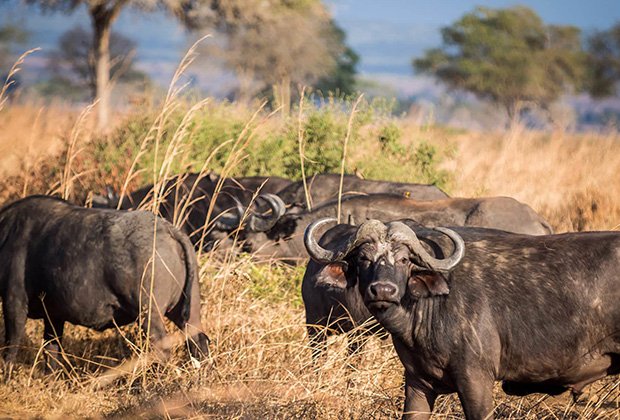
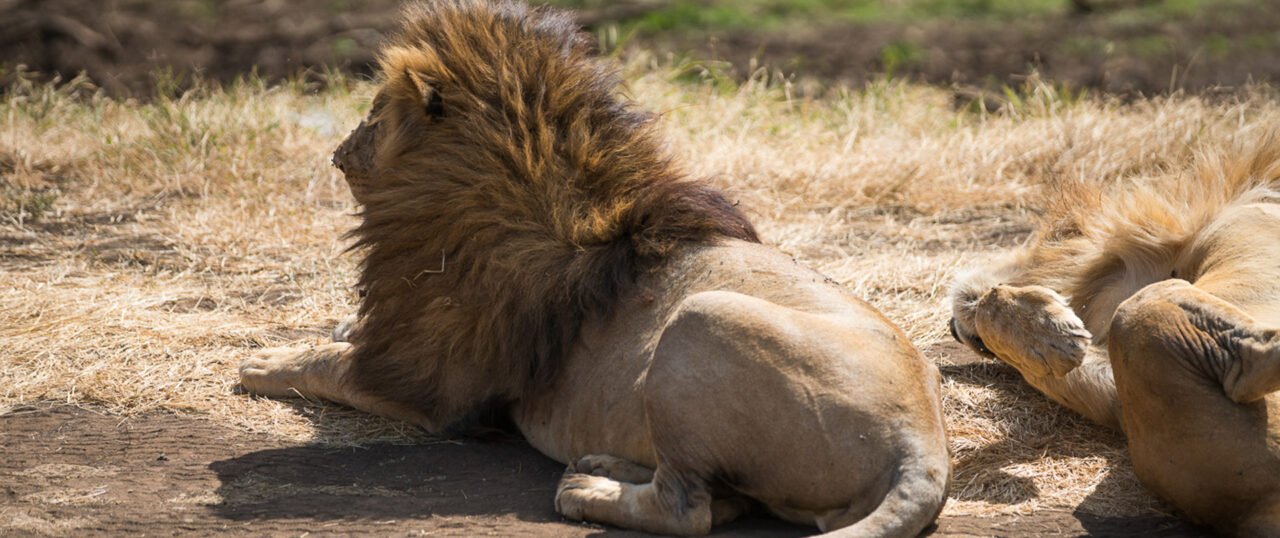
Navigating Dietary Needs and Hydration Logistics
For a 4-day intensive safari circuit, the logistics of food and water are often overlooked until the moment you are deep in the Serengeti, miles from the nearest supply point. Unlike a city hotel where you can order room service or find a restaurant around the corner, your dining experiences are tethered to the remote lodges or camps where your group is booked. Managing your dietary requirements and hydration levels requires proactive communication and an understanding of the rural supply chain in Tanzania.
The Reality of ‘Packed Lunch’ Culture
On days when you are covering significant ground—specifically the transit from Tarangire to the Serengeti and the full-day game drive in the Serengeti—you will be away from your lodge from dawn until dusk. During these days, your lunch will be a ‘packed lunch’ provided by the lodge. This is a functional, necessary component of the safari experience, not a gourmet one. Expect standard fare: typically a combination of cold chicken, hard-boiled eggs, a piece of fruit, a sandwich, and a juice box. It is designed to be eaten quickly, often at a designated picnic site or, occasionally, inside the vehicle if weather conditions (or tsetse flies) make exiting the vehicle unwise. Do not expect to customize these individual boxes daily; the lodge kitchens prepare these in bulk for all guests. If you have specific dietary restrictions, you must communicate them to your safari operator at least two weeks before your November 10 departure. While lodges are accustomed to accommodating vegetarian, vegan, and gluten-free diets, they require advance notice to stock specific ingredients in these remote locations.
Managing Fluid Intake and ‘Bush’ Sanitation
The climate in November, while not as scorching as the peak of the dry season, is still dehydrating. You will be spending hours in a vehicle with the windows down, exposed to wind and sun. You must drink water consistently to avoid fatigue and altitude-related headaches, especially as you climb toward the Ngorongoro Crater. However, this creates a logistical tension with the reality of ‘bush’ travel. There are no gas stations or rest stops between the park gates. The only ‘restrooms’ available are either at designated picnic sites or, in emergencies, the ‘bush toilet’ behind the vehicle. If you are prone to needing frequent stops, communicate this to your driver-guide early in the morning. They are accustomed to these requests, but it is far more efficient to plan stops around wildlife sightings or picnic areas rather than interrupting the flow of a game drive. Always carry a small supply of biodegradable tissues and a sealable plastic bag in your daypack, as you are required to carry out everything you bring into the bush.
The Evening Dining Routine at Remote Lodges
Dinner on a group safari is a communal affair. Most mid-range lodges in the Northern Circuit operate on a set schedule, typically serving dinner between 7:00 PM and 8:30 PM. This is not just a meal; it is the time when the lodge staff and your guide coordinate the next day’s start time. It is important to be punctual. If you arrive late, you may find the kitchen has already closed or that the buffet selection has been cleared away. Furthermore, these dining rooms are often open-air or semi-open, which is part of the charm, but it means you should dress appropriately for the evening—long sleeves and trousers are recommended to protect against mosquitoes, which are most active at dusk and dawn. If you have a specific food allergy, always introduce yourself to the head waiter or lodge manager upon arrival. Do not rely solely on the note passed from your booking agent; verbal confirmation at the lodge ensures that the kitchen staff is aware of your specific requirements before the buffet or plated meal is served.
The Role of Personal Snacks
While your package includes all meals, the energy expenditure of a 4-day safari is high. The early starts (often 5:30 AM or 6:00 AM) mean you may be hungry long before the lunch box is opened. Bringing a personal supply of high-energy, non-perishable snacks is highly advisable. Trail mix, protein bars, or dried fruit are excellent choices. Avoid snacks that melt easily or have strong odors that might be unpleasant in a shared, enclosed vehicle. Keep your snacks in a sealed, easily accessible bag within your daypack. Sharing snacks with your group can be a great way to build camaraderie, but always ensure your supply is sufficient for your own needs first, as restocking in the middle of the Serengeti is impossible.
Navigating the Return Transit: The Final Drive to Arusha
The conclusion of your 4-day group safari is often characterized by a shift in momentum. After the high-intensity game viewing of the Serengeti and the Ngorongoro Crater, the final leg—the drive from the Ngorongoro Conservation Area back to Arusha—serves as the decompression phase of your itinerary. Understanding the logistics of this final day is essential for managing your onward travel plans, particularly if you have flights departing late on the evening of November 13th or early the following morning.
The drive from the Ngorongoro Crater rim back to Arusha covers approximately 180 to 200 kilometers, depending on the specific exit gate and road conditions. While this distance might seem manageable on a standard map, in the context of Tanzanian infrastructure, it is a journey that typically requires four to five hours of driving time. The route takes you through the bustling town of Karatu and eventually onto the main highway that connects the Northern Circuit parks to Arusha. Traffic density increases significantly as you approach the city outskirts, and road construction or heavy transit trucks can create unpredictable delays that are beyond the control of your driver-guide.
For travelers on the November 10th departure, it is critical to align your post-safari expectations with this reality. If your itinerary involves a departure flight from Kilimanjaro International Airport (JRO), you must account for the fact that JRO is located approximately 50 kilometers east of Arusha city center. This adds another hour of travel time to your journey. We strongly advise against booking any flight that departs before 8:00 PM on your final day. Attempting to rush this transit to catch an earlier flight places undue pressure on your guide to bypass safety protocols or drive at excessive speeds, neither of which is acceptable in a professional safari operation.
The final drive also serves as a moment of transition for your group. Over the previous three days, you have likely navigated the intensity of shared vehicle dynamics, early morning starts, and the physical demands of the bush. As you leave the protected areas, the landscape shifts from the acacia-studded plains back to the agricultural heartlands of the Mbulu highlands and the coffee plantations surrounding Karatu. This is an excellent time to finalize any remaining administrative tasks with your guide, such as confirming your drop-off location—whether it be a hotel in Arusha or directly at the airport—and managing the final exchange of gratuities if you have not already done so.
Communication is paramount during this final transit. If you have a specific deadline, inform your driver-guide during the morning briefing on Day 4. They can then optimize the route and the timing of your final lunch stop to ensure you reach your destination with a comfortable buffer. Remember that the ‘packed lunch’ culture persists until the very end of your trip; do not expect a sit-down restaurant meal on the way back to Arusha unless your group collectively decides to stop at a pre-arranged lodge or café, which may incur extra costs or time. By approaching this final drive as a deliberate part of your safari experience rather than a mere inconvenience, you ensure a smoother, more relaxed conclusion to your 4-day adventure.
Managing Onward Travel and Airport Transfers
One of the most frequent logistical oversights for travelers on a 4-day group safari is the miscalculation of airport transfer times. Arusha is a sprawling city, and traffic congestion can be severe, particularly during peak hours in the late afternoon. If your package includes a transfer to Kilimanjaro International Airport (JRO), this is typically handled by a separate vehicle or by your safari guide depending on the operator’s fleet logistics. Ensure you have the contact details of your transport provider readily available. If you are staying an extra night in Arusha after the safari, confirm your check-in time, as most lodges operate on standard 11:00 AM or 12:00 PM check-out times, and you may arrive back in the city before your room is ready. Having a pre-packed bag with fresh clothes for your post-safari stay is a small detail that significantly improves your comfort upon arrival back in civilization.
The Mechanics of ‘Bush’ Transitions: Understanding Park Fees and Entry Permits
A critical, often overlooked aspect of your 4-day group safari is the administrative reality of entering and exiting multiple national parks and conservation areas. Unlike a standard park visit where you pay a single entry fee, the Tanzanian Northern Circuit operates on a complex system of permits that are strictly timed and location-dependent. For your November 2026 trip, these fees are not merely a line item on your invoice; they are the logistical backbone of your movement between Tarangire, the Ngorongoro Conservation Area (NCA), and the Serengeti.
When you transition from the Ngorongoro Conservation Area into the Serengeti National Park, you are crossing a specific administrative boundary. Your guide must present your group’s paperwork at the Naabi Hill Gate. This is not a casual checkpoint; it is a formal, often time-consuming registration process. During the high season, queues here can stretch for hours, but even in the shoulder season of mid-November, you should expect a mandatory stop. This is where your guide validates the entry permits that have been pre-arranged by the tour operator. As a passenger, your role is to remain in the vehicle and keep your passport or identification accessible, as park rangers may conduct spot checks to verify the names on the permit against the occupants of the vehicle.
Furthermore, park fees in Tanzania are calculated on a 24-hour cycle. This is why the timing of your entry and exit is so precise. If you enter the Serengeti at 10:00 AM on Day 2, your permit is valid until 10:00 AM on Day 3. If you exceed this 24-hour window, the system automatically triggers an additional 24-hour fee. This is why you will notice your driver-guide occasionally checking their watch or adjusting the pace of the game drive as you approach the gate. They are not rushing you out of the park for lack of interest; they are managing the strict financial clock that dictates your group’s operational budget. Understanding that these constraints are regulatory rather than arbitrary helps clarify why your guide may be firm about departure times from your lodge or the timing of your final game drive on the last day.
The Ngorongoro Crater Transit Fee vs. Entry Fee
It is vital to distinguish between the entry fee for the Ngorongoro Conservation Area and the specific ‘Crater Service Fee.’ The Conservation Area is a vast multi-use land, but the Crater floor itself is a protected caldera with a separate, higher access cost. Because your 4-day itinerary includes a descent into the Crater, your operator must secure a specific ‘Crater Permit.’ These permits are often limited in number to prevent overcrowding. In November, while crowds are thinner, the permits are still subject to availability. By booking a group safari well in advance, you are ensuring that your operator has secured these specific, high-demand slots, which prevents the frustration of being denied access to the floor upon arrival at the Loduare Gate.
The Psychology of the 4-Day Intensive: Managing Group Dynamics
While much of the preparation for a 4-day Serengeti, Ngorongoro, and Tarangire group safari focuses on the logistics of gear, permits, and park fees, there is an often-overlooked component that significantly dictates the quality of your experience: the psychological management of the group dynamic. You are embarking on an intensive, high-sensory expedition where you will be confined within the same 4×4 vehicle for roughly 30 to 40 hours over four days. This is not merely a transport arrangement; it is a temporary social ecosystem. Understanding the arc of group energy—from the initial ‘honeymoon’ phase to the inevitable ‘fatigue wall’—is essential for maintaining your personal equilibrium.
On Day 1, the collective energy of the group is typically high. Everyone is rested, the landscape is new, and the novelty of spotting your first elephant in Tarangire creates a shared sense of wonder. This is the honeymoon phase. Conversations flow easily, and patience is high. However, by the afternoon of Day 3, as you navigate the vast, repetitive plains of the Serengeti, the reality of the ‘intensive’ schedule begins to set in. The cumulative effect of 5:30 AM wake-up calls, the constant vibration of the vehicle on unpaved roads, and the persistent exposure to heat and dust can lead to a phenomenon known as ‘safari fatigue.’ This is not physical exhaustion alone; it is a form of sensory overload that can fray nerves and make small, insignificant annoyances—like a fellow traveler’s camera shutter speed or a difference in preferred conversation volume—feel disproportionately irritating.
Identifying and Mitigating the ‘Fatigue Wall’
The ‘fatigue wall’ usually hits during the transit between the Serengeti and the Ngorongoro Conservation Area. By this stage, you have seen hundreds of animals, the initial excitement has stabilized, and the physical toll of the bumpy roads begins to manifest. Recognizing this shift in yourself and your group is the first step toward mitigating it. If you find yourself becoming irritable or less interested in the wildlife, it is a clear signal that you need to prioritize self-care rather than pushing through the discomfort. Use the downtime between game drives to engage in ‘low-stimulus’ behavior: put on noise-canceling headphones, read a book, or simply close your eyes. In a group setting, it is perfectly acceptable to signal that you are taking a moment for yourself; it is often the most respectful way to ensure you remain a pleasant companion for the remainder of the trip.
Establishing a ‘Social Contract’ for the Vehicle
To avoid conflict, many successful groups implicitly (or explicitly) establish a ‘social contract’ within the first few hours of Day 1. This involves setting expectations for the vehicle environment. For instance, agree early on that the vehicle is a ‘shared space’ regarding sound. While enthusiasm is encouraged, constant, loud commentary can be draining for others who may be trying to record video or simply observe the environment in silence. If you are a photographer, clarify your needs regarding the pop-top roof early, but acknowledge that you are part of a rotation. If you are not a photographer, be mindful of the space you occupy. The most harmonious groups are those that operate with a ‘low-friction’ mindset—understanding that your guide is the final authority on vehicle movement and that your fellow travelers have paid for the same experience you have. If a conflict arises—perhaps regarding the duration of a stop at a specific sighting—it is almost always better to defer to the guide’s judgment rather than engaging in a debate with a fellow passenger. The guide is balancing the needs of the group, the 24-hour park fee clock, and the distance to the next camp; trusting their timing is the fastest way to resolve any tension.
The Post-Safari Decompression
The final drive back to Arusha on Day 4 is a critical period for mental decompression. You are transitioning from the hyper-focused, wild environment of the parks back to the bustling, paved reality of an urban center. This transition can be jarring. Many travelers experience a sense of ‘wildlife withdrawal’ or a sudden return of travel-related stress as they shift their focus back to flight logistics, email, and city traffic. Allow yourself this buffer. Do not plan a high-energy activity for the evening of your return. The most successful way to end your 4-day intensive circuit is to treat the final transit not as a chore, but as a deliberate winding-down period. Use this time to process the memories, organize your digital photos, and gradually recalibrate to the pace of the outside world. By acknowledging that the safari is a distinct, high-intensity bubble, you can appreciate the experience for exactly what it was—a brief, concentrated immersion into the Tanzanian wilderness—without the lingering frustration of trying to maintain that level of intensity after the trip has concluded.
Navigating the Night: Lodge Security and Wildlife Proximity
As you transition between different accommodation types during your 4-day group safari, you will likely encounter a mix of permanent lodges and semi-permanent tented camps. While lodges in areas like Arusha or near the Ngorongoro Crater rim are often fenced, many camps deep within the Serengeti are unfenced. This is not a security oversight; it is a design choice intended to minimize the environmental footprint and allow wildlife to move through the area naturally. Understanding the protocols at these properties is essential for your peace of mind and safety.
The cardinal rule of these properties is the ‘escort protocol.’ After sunset, you are strictly prohibited from walking between your tent and the main dining or reception area unescorted. Even if the distance is only twenty meters, you must wait for a member of the camp staff—typically a Maasai askari—to accompany you with a flashlight. These guards are highly trained in wildlife behavior and are your primary point of contact for safety. Never attempt to navigate the camp grounds alone after dark, regardless of how well-lit the paths may appear; the askari are there to ensure that your movement is monitored and that you do not inadvertently surprise an animal moving through the camp.
Furthermore, expect the environment to be audibly active at night. The Serengeti does not go silent; it merely changes shifts. You will hear the whooping of hyenas, the distant roar of lions, and the constant, rhythmic chirping of insects. For many, this is the highlight of the safari experience, but it can be jarring for those accustomed to urban silence. If you are a light sleeper, pack earplugs. They are a non-negotiable item for ensuring you get the rest required to tackle the next day’s early morning game drive. Trusting in the expertise of the camp staff to monitor the perimeter allows you to appreciate the sounds of the African night as part of the wilderness experience, rather than as a source of anxiety.
The Mechanics of Vehicle Recovery and Mechanical Resilience
On a 4-day group safari, the vehicle is your lifeline. While modern safari cruisers—typically Toyota Land Cruisers—are engineered for extreme off-road conditions, the reality of the Tanzanian bush is that mechanical fatigue is a constant variable. Unlike city driving, where a breakdown is an inconvenience, a mechanical issue in the Serengeti or Tarangire is a logistical hurdle that requires immediate, expert mitigation. Understanding how your operator manages these risks provides significant peace of mind.
The primary stressor on these vehicles is the road surface. The transit from Arusha to Tarangire, and subsequently into the Serengeti, involves long stretches of corrugated dirt roads. These ‘washboards’ create constant, high-frequency vibrations that loosen bolts, stress suspension components, and rattle electrical connections. A well-maintained vehicle is not just about the engine; it is about the integrity of the entire chassis. When selecting a group safari, verify that the operator conducts a ‘pre-departure inspection’—a formal checklist that includes tire tread depth, suspension bushings, and battery health—specifically for the vehicle assigned to your group.
In the event of a mechanical failure—be it a flat tire, a punctured radiator, or a suspension issue—the protocol is standardized across the industry but executed with varying degrees of efficiency. First, your guide is the primary technician. Most guides are highly skilled in basic field repairs; they carry essential tools, spare tires, and, crucially, a satellite or radio communication device. Because cellular coverage is inconsistent in the remote sections of the Serengeti, your guide’s ability to radio the lodge or the central office is the first line of defense. Do not be alarmed if you see your guide performing field repairs; this is standard procedure and often part of the ‘adventure’ of the Tanzanian safari experience.
The ‘Group’ aspect of your safari adds a layer of resilience that solo travelers lack. If a vehicle experiences a critical failure that cannot be repaired on-site, the network of safari operators in the Northern Circuit is highly collaborative. It is common practice for a neighboring vehicle—often from the same company or a trusted partner—to assist by transferring passengers. While this may temporarily disrupt your schedule or require a tighter squeeze in a replacement vehicle, it ensures that your itinerary remains intact. Your safety and ability to continue the game drive are prioritized over the vehicle’s pride.
To mitigate the risk of downtime, ensure you are mentally prepared for the ‘bush mechanic’ reality. If the vehicle stops, remain calm. Do not attempt to exit the vehicle unless explicitly instructed by your guide, especially in the Serengeti or Tarangire, where wildlife is present. The guide will assess the situation, communicate with base, and coordinate a recovery plan. This might mean waiting for a support vehicle to bring a part or a spare tire from the nearest town. These moments, while frustrating, are rarely dangerous if the group remains inside the vehicle, which serves as a secure, elevated observation platform.
Finally, consider the ‘dust factor’ in relation to maintenance. Dust is the silent killer of mechanical parts. It clogs air filters and fouls fuel injectors. You may notice your guide frequently checking the engine bay or cleaning the air intake. This is not a sign of a failing vehicle; it is a sign of proactive maintenance. By respecting the guide’s need to perform these checks during lunch stops or refueling breaks, you are directly contributing to the reliability of your transport for the duration of the 4-day circuit.
The Ethics of ‘Game Drive’ Crowding and Vehicle Positioning
A frequent point of friction in group safaris, particularly in the Ngorongoro Crater, is the phenomenon of vehicle crowding around a major sighting. When a leopard, cheetah, or lion pride is spotted, the radio chatter spreads quickly, and within minutes, multiple vehicles may converge on the location. As a passenger in a group safari vehicle, you have a role in how this interaction is managed.
Ethical wildlife viewing dictates that the animal’s welfare comes before the perfect photograph. If your vehicle is the fourth or fifth one in a tight circle around a predator, the most responsible action is to move on or wait for a space to open up. Aggressive positioning—cutting off other vehicles or driving off-road where it is prohibited—is not only illegal but detrimental to the environment and the animals’ behavior. A professional guide will adhere to the park’s ‘no-off-roading’ policy, even if other, less scrupulous drivers ignore it. Support your guide in this decision. If you feel the group is pushing for a closer look at the expense of the animal’s comfort, advocate for a respectful distance. This is part of the ‘social contract’ of your group dynamic; prioritizing the long-term health of the ecosystem ensures that the wildlife remains visible for future visitors.
Furthermore, be aware of the ‘engine-off’ protocol. When observing wildlife, a good guide will kill the engine to reduce noise and vibration. This is the moment to remain still and quiet. Loud conversations, sudden movements, or, worse, standing up and shouting to get a better view, will spook the animal and ruin the sighting for everyone in the vehicle and nearby. The most successful game drives are those where the human presence is minimized, allowing the natural behavior of the wildlife to unfold undisturbed.
The Ngorongoro Crater: Navigating Altitude and Microclimates
The Ngorongoro Crater is not merely another game viewing location; it is a distinct, self-contained caldera ecosystem that operates on its own climatic rules. Understanding these rules is crucial for the final leg of your 4-day itinerary. The rim of the crater sits at approximately 2,300 meters above sea level, while the floor lies at roughly 1,700 meters. This 600-meter vertical drop creates a significant microclimate difference compared to the vast, open plains of the Serengeti or the lower-lying scrublands of Tarangire.
In November, while the ‘short rains’ may bring moisture, the crater rim is frequently shrouded in morning mist or low-hanging clouds. This can lead to temperatures that feel surprisingly chilly, particularly during the early morning descent. Many travelers, acclimated to the heat of the lower-lying parks, are caught off guard by the biting cold at the crater rim before the sun fully breaks through. It is essential to dress in layers for your Day 4 morning. A fleece or windbreaker is not optional; it is a necessity for the first hour of your game drive as you navigate the steep, winding descent roads.
Furthermore, the altitude can have a subtle impact on physical exertion. While 1,700 to 2,300 meters is not extreme altitude, the sudden change in elevation—combined with the long days of the safari—can exacerbate mild dehydration or fatigue. If you feel slightly lightheaded or find yourself breathing more heavily during a short walk near a picnic site, recognize it as a physiological response to the altitude and the cumulative exhaustion of the 4-day intensive schedule. Hydrate aggressively, even if you do not feel thirsty, and prioritize the ‘early to bed’ routine on the night preceding your crater visit.
Finally, the microclimate influences wildlife behavior. The crater floor acts as a giant bowl that traps heat and moisture, often resulting in denser vegetation and more consistent water availability than the surrounding highlands. This is why the crater supports such a high concentration of wildlife year-round. However, the misty, cool mornings can make spotting predators like lions or cheetahs slightly more challenging until the sun warms the floor and the animals become active. Patience is your greatest asset here; allow your guide the time to navigate the terrain and wait for the light to improve, rather than pushing for constant movement.
Related Guides and Packages
Check Availability for Nov 10, – 4 Day Serengeti, Ngorongoro And Tarangire Group Safari 2026
Ready to compare dates, prices, and the best option for your group? Send the package name and travel month so the team can reply with a clear quote, availability, and what is included.
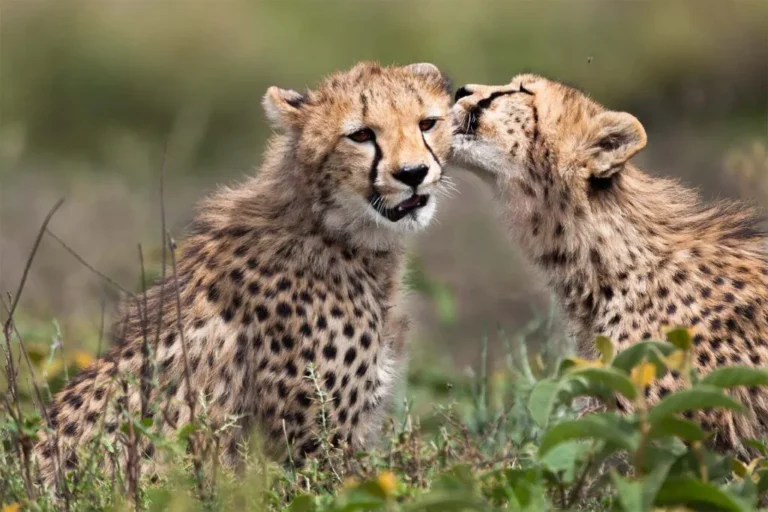
Oct 31, – 6 Day Serengeti, Ngorongoro, Tarangire And Manyara Group Safari 2026
A detailed look at the 6-day Northern Circuit group safari departing October 31, 2026, covering Tarangire, Manyara, Serengeti, and Ngorongoro Crater.
View package detailsOct 29, – 4 Day Tarangire, Serengeti And Ngorongoro Group Safari 2026
Plan your October 2026 Tanzania adventure. This 4-day group safari covers Tarangire, Serengeti, and Ngorongoro Crater with reliable local support.
View package details
Nov 18, – 7 Day Serengeti And Ngorongoro Group Joining Safari 2026
A detailed guide to the 7-day group joining safari departing November 18, 2026, covering Serengeti, Ngorongoro, and the logistical advantages of shared travel.
View package detailsNov 8, – 3 Day Tarangire, Lake Manyara And Ngorongoro Group Safari 2026
Planning for a 3-day group safari in Tanzania? Our November 8, 2026, departure offers a structured, cost-effective way to explore Tarangire, Lake Manyara, and the Ngorongoro Crater.
View package detailsNov 4, – 2 Day Tarangire And Ngorongoro Group Safari From Arusha 2026
A detailed guide to the November 4, 2026, group joining safari, covering Tarangire National Park and the Ngorongoro Crater, with logistics for travelers starting from Arusha.
View package detailsOct 28, – 3 Day Tarangire, Lake Manyara And Ngorongoro Group Safari 2026
A detailed guide to our 3-day group joining safari departing October 28, 2026. Explore the logistics, wildlife highlights, and why this specific route is ideal for travelers looking to...
View package detailsOct 26, – 2 Day Tarangire And Ngorongoro Group Joining Safari 2026
Oct 26, 2026 – 2 Day Tarangire and Ngorongoro Group Joining Safari.
View package details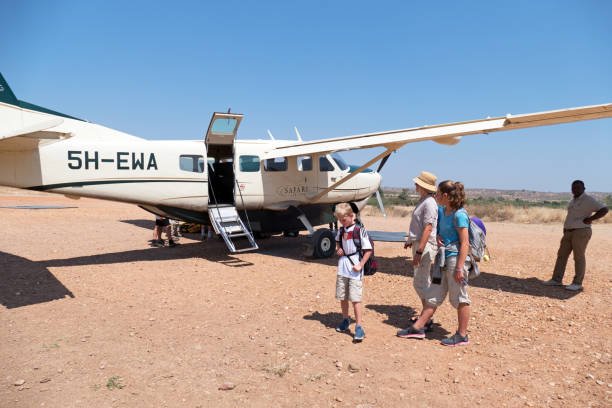
2-Day Tarangire & Ngorongoro Safari From Zanzibar: Flight Package Cost 2026
A detailed guide on the logistics, cost factors, and itinerary realities for a 2-day fly-in safari from Zanzibar to Tarangire National Park and the Ngorongoro Crater.
View package details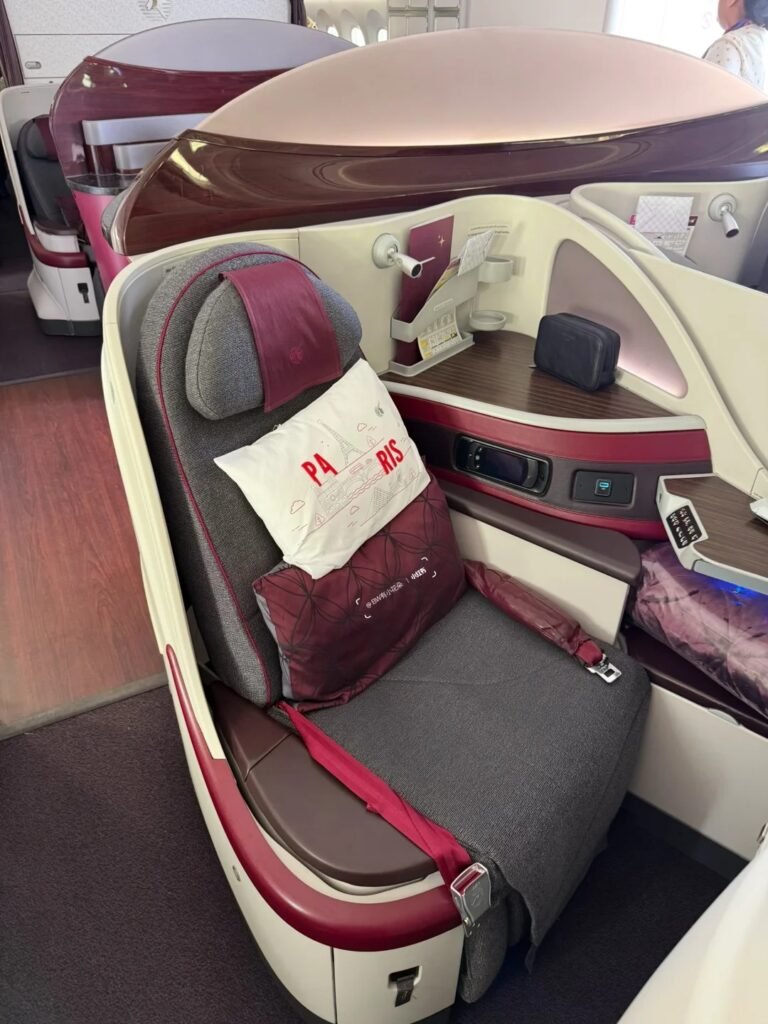
Fly-In Safari To Ngorongoro And Serengeti: Flights & Transfer Costs 2026-2027
Discover the logistics and cost breakdown for a fly-in safari to Ngorongoro and the Serengeti, including airstrip transfers, baggage limits, and vehicle positioning.
View package details
3-Day Serengeti & Ngorongoro Safari From Zanzibar By Flight 2027
3-Day Serengeti & Ngorongoro Safari From Zanzibar by Flight is explained with current 2027 planning, price, itinerary and booking information.
View package detailsOct 25, – 1 Day Ngorongoro Crater Group Safari From Moshi 2026
A detailed guide to organizing a one-day group safari to the Ngorongoro Crater starting from Moshi, specifically focusing on the logistics for October 25, 2026.
View package details4-Day Serengeti Safari From Zanzibar With Return Flights: A Planning Guide
A deep look at planning a 4-day fly-in safari from Zanzibar to the Serengeti, covering flight logistics, itinerary structures, and the critical decisions needed for a successful 2026 or...
View package detailsNo related package matches those filters. Clear one or more filters to see the other topic-matched options.



