
The 6 Day Serengeti, Ngorongoro, Tarangire and Manyara Group Safari departing on October 31, 2026, is a shared-cost expedition across Tanzania’s premier Northern Circuit parks. This itinerary is specifically structured to balance travel time with wildlife viewing, allowing participants to visit four distinct ecosystems—Tarangire National Park, Lake Manyara, the Serengeti, and the Ngorongoro Crater—within a single week. Because this is a group-joining departure, logistics are fixed, meaning you share the 4×4 safari vehicle and accommodation costs with other travelers, making it a more economical choice than a private tour.
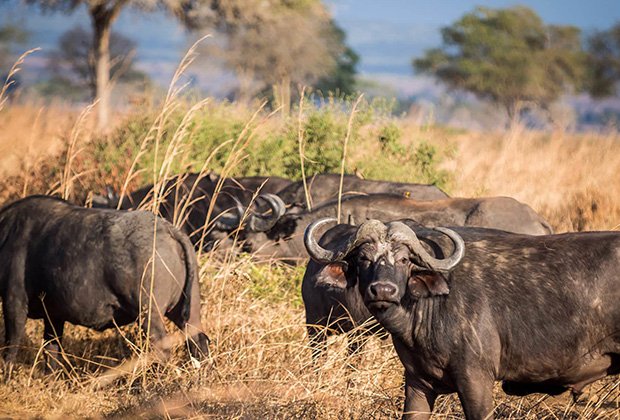
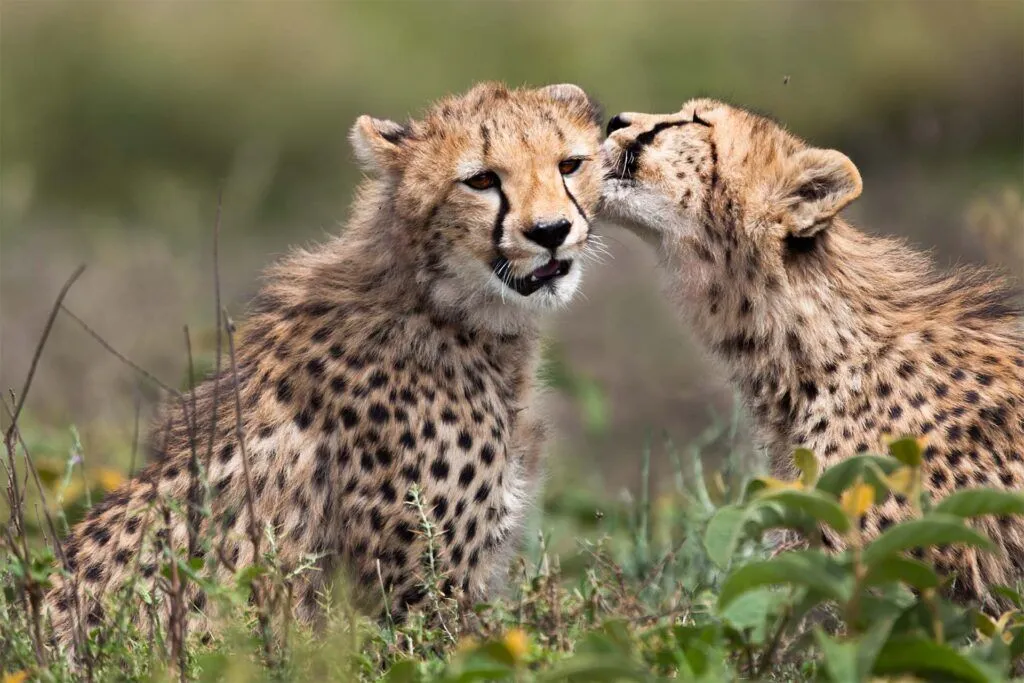
When you look at a map of Northern Tanzania, the route from Arusha to the Serengeti is more than just a drive; it is a transition through vastly different landscapes. By choosing a 6-day itinerary that includes Tarangire, Lake Manyara, the Serengeti, and the Ngorongoro Crater, you are essentially opting for the most efficient way to see the widest variety of Tanzania’s wildlife in a short timeframe. For a departure on October 31, 2026, you are also hitting a transitional period in the weather, which often offers distinct advantages for wildlife photography and park accessibility.
Why Choose the 6-Day Northern Circuit Group Safari?
The primary benefit of this 6-day group safari is the pacing. Many travelers are tempted by shorter 3- or 4-day trips, but those often require significant time spent on the road, with less time spent actually viewing animals. By extending the trip to 6 days, you gain an extra night in the Serengeti, which is critical. The Serengeti is vast, and having more time allows your driver-guide to venture further into the plains where the wildlife density is higher, rather than just sticking to the main entry gates.
Furthermore, joining a group for this specific date—October 31, 2026—means you are splitting the costs of the vehicle, fuel, and guide fees with others. In Tanzania, the cost of a private safari is heavily weighted by the vehicle and guide, which remain the same price whether there are two people or six. A group-joining model significantly lowers the per-person price point, making it a practical choice for solo travelers, couples, or small groups looking to manage their budget without sacrificing the quality of the experience.
6-Day Itinerary Breakdown
This itinerary is designed to build intensity, starting with the unique landscapes of the Rift Valley and ending with the dramatic climax of the Ngorongoro Crater.
Day 1: Arusha to Tarangire National Park
Your journey begins in Arusha. After a briefing, you head toward Tarangire National Park. Known as the home of the giants, Tarangire is famous for its massive baobab trees and large elephant herds. In late October, as the dry season wanes, wildlife often congregates around the Tarangire River, making it one of the best times to see large concentrations of animals near the water sources.
Day 2: Lake Manyara National Park
From Tarangire, you move to Lake Manyara. This park is distinct for its groundwater forest, which feels completely different from the dry savanna of Tarangire. It is known for its tree-climbing lions (though sightings are never guaranteed) and a massive population of baboons, monkeys, and flamingos along the lake shore. The steep escarpment of the Great Rift Valley provides a stunning backdrop for your game drive.
Day 3: Into the Serengeti
Today is a travel-heavy but rewarding day as you drive toward the Serengeti. You will pass through the Ngorongoro Conservation Area, gaining elevation and enjoying panoramic views before descending onto the vast plains of the Serengeti. The afternoon is dedicated to your first game drive in the park, focusing on the central Seronera area, which is known for high leopard and lion activity.
Day 4: Full Day in the Serengeti
With a full day in the Serengeti, your guide can drive deeper into the park, away from the main access roads. This is the day you have the best chance of spotting the “Big Five” and witnessing predator-prey interactions. The flexibility of having a full day here is the main reason this 6-day itinerary is superior to shorter 4-day group safaris, which often have to rush through this section.
Day 5: Serengeti to Ngorongoro Crater
After a final morning game drive in the Serengeti, you make your way back toward the Ngorongoro Conservation Area. You will spend the night on the crater rim or in the nearby town of Karatu, positioning you perfectly for an early descent into the crater the following morning.
Day 6: Ngorongoro Crater and Return to Arusha
The Ngorongoro Crater is a UNESCO World Heritage site and essentially a self-contained zoo. You descend into the caldera early, which is when the animals are most active. You have a few hours to traverse the crater floor, spotting rhinos, lions, and hippos before the drive back to Arusha, concluding your 6-day adventure.
Logistics and Vehicle Sharing
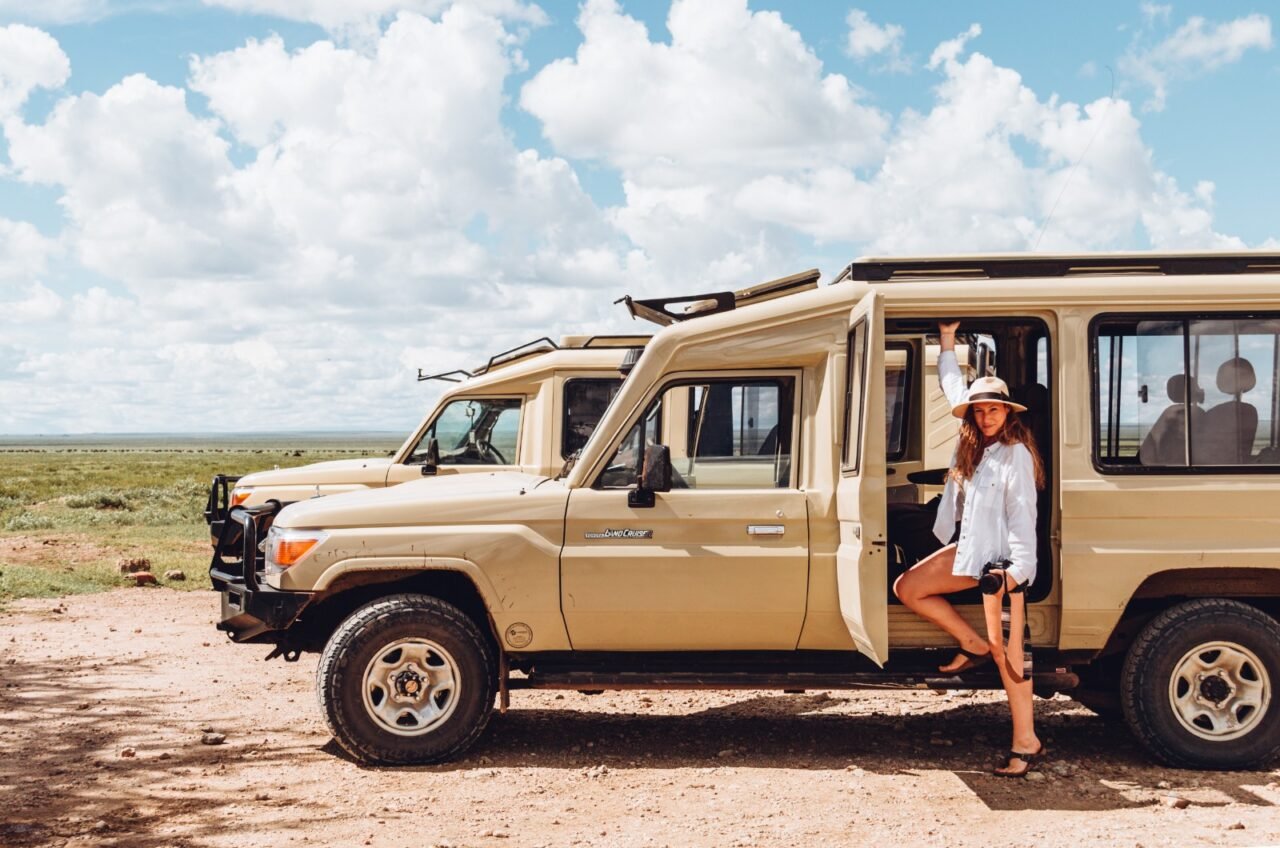
When participating in a group-joining safari, understanding the mechanics of the vehicle and accommodation is vital. Our group tours typically use 4×4 Land Cruisers, which are the standard for Tanzanian safaris. These vehicles are designed with pop-up roofs, ensuring that every passenger has a clear view of the wildlife during game drives.
Note on Accommodation: In a group-joining format, accommodation is typically pre-booked in mid-range lodges or permanent tented camps. These are comfortable, reliable, and well-situated. If you have specific preferences for luxury lodges or budget camping, you should mention this when inquiring, though note that changing accommodation types may affect the group’s overall logistics.
One common question travelers have is how the group is formed. We aggregate bookings for specific dates to fill the vehicles. This means you will likely meet your fellow travelers at the start of the trip in Arusha. It is a social experience, and you will be spending a significant amount of time in the vehicle together, so come prepared with a flexible attitude.
Why Late October is a Strategic Choice
Many travelers focus on the peak months of July and August, but October—specifically the end of the month—is a less crowded place for safari planning. The dry season is drawing to a close, which means the vegetation is still relatively thin, making it easier to spot wildlife. While there is a possibility of the short rains beginning, they are generally infrequent and often arrive as brief, refreshing afternoon showers that clear the air and settle the dust.
Furthermore, because the peak European and American summer holidays have ended, the parks are generally less crowded. You will experience shorter wait times at park entrances and less vehicle congestion around wildlife sightings, which significantly improves the quality of your photographs and the overall serenity of the experience.
Planning Your Booking
If you are considering the October 31, 2026, departure, the best approach is to start the conversation early. While group departures are planned, they rely on a minimum number of participants to confirm the vehicle. By contacting us early, you get on our radar, and we can provide you with the most up-to-date information on group size and availability.
How to Inquire:
To get a quote or to ask about joining this specific October 31, 2026, group, please send us an email at climb4africa@gmail.com or info@climb-4-africa.com. You can also reach our team directly via WhatsApp at +255 747 477 898.
When you contact us, please provide the following details to speed up the process:
- Number of travelers in your party.
- Any specific dietary requirements (e.g., vegetarian, vegan, allergies).
- Your flight arrival details (if you have them) so we can arrange your airport transfer in Arusha.
- Whether you are interested in adding a post-safari trip to Zanzibar or a Kilimanjaro climb.
We are a local operator, which means we handle your logistics from the moment you land. We don’t just book the tour; we provide the support system on the ground. If your flight is delayed or if you need help with local arrangements in Arusha before the safari starts, our team is there to assist. We prioritize clear communication and practical, no-nonsense travel advice.
For those looking for shorter or longer options, you might find our 5-day Northern Circuit group safari a useful comparison. Each day added or removed from your itinerary significantly changes the geography you can cover. For example, a 3-day trip is excellent for a quick look at Ngorongoro and Tarangire, but it simply cannot include the depth of the Serengeti that a 6-day trip provides. Think about your priorities: are you looking to tick off as many parks as possible, or are you looking to spend more time in the wilderness? The 6-day option is widely considered the best balance for most international travelers.
Finally, remember that the price of your safari usually includes park entry fees, accommodation, the 4×4 vehicle, the driver-guide, and meals while on safari. Always double-check what is excluded—typically international flights, visas, travel insurance, and tips for the guide—so you can budget effectively for your 2026 trip.
Essential Preparation for Your Northern Circuit Group Safari
Preparing for a 6-day expedition that spans from the sweltering plains of Tarangire to the high-altitude chill of the Ngorongoro Crater rim requires more than just booking the trip; it demands a strategic approach to packing and personal logistics. Because you are traveling in a shared vehicle, the efficiency of your personal organization directly impacts the comfort of the entire group. Understanding the nuances of the Northern Circuit environment will ensure you spend your time focusing on wildlife rather than managing gear.
Mastering the Art of Packing for Microclimates
The Northern Circuit is a study in climatic contrasts. In late October, you will experience intense heat during the midday game drives in Tarangire and the Serengeti, where temperatures can soar. However, the Ngorongoro Conservation Area sits at a significantly higher elevation. On the crater rim, early morning temperatures often plummet, requiring layers that many first-time safari-goers overlook. Your packing list should prioritize versatility over bulk. Focus on breathable, moisture-wicking fabrics for the daytime. Avoid dark blue or black clothing, as these colors are known to attract tsetse flies, which are prevalent in certain parts of the Tarangire and Serengeti ecosystems. Instead, opt for khaki, beige, or olive tones.
For the colder mornings, a lightweight fleece or a windbreaker is essential. You do not need heavy winter gear, but a “three-layer” system—a base layer, a warm mid-layer, and a protective outer shell—will allow you to adjust comfortably as the sun rises and the temperature fluctuates. Furthermore, bring a pair of comfortable, closed-toe walking shoes. While you will spend most of your time inside the vehicle, the dust in the dry season is pervasive, and open-toed sandals offer little protection against the grit and potential thorns encountered during brief stops at picnic sites or lodges.
Navigating Shared Vehicle Dynamics
A group-joining safari is a social experience, and maintaining harmony within the 4×4 Land Cruiser is vital for a smooth trip. First and foremost, remember that space is at a premium. Hard-shell suitcases are notoriously difficult to store in the luggage compartments of safari vehicles. Always use soft-sided duffel bags, which can be compressed and molded into the available storage space. If you are traveling with a large hardshell suitcase, you may find that it becomes a burden for both you and your fellow travelers.
Inside the vehicle, most reputable operators implement a rotation policy for seating. If your group is large enough to fill the vehicle, ask your guide about the rotation schedule on the first day. This ensures everyone gets a turn at the window seats, which are coveted for photography. Regarding electronics, while many modern safari vehicles are equipped with charging ports, they are not always reliable. Do not rely solely on the vehicle to charge your camera batteries or phones. Bring a high-capacity power bank. Additionally, keep your audio levels low; loud conversations can spook wildlife, particularly in quieter, more secluded areas of the Serengeti, and your fellow passengers will appreciate the quiet when trying to spot elusive animals.
Tipping Culture and Financial Etiquette
Tipping in Tanzania is not mandatory, but it is a deeply ingrained part of the tourism economy and serves as a significant supplement to the income of your crew. For a 6-day group safari, it is customary to tip your driver-guide at the end of the trip. While there is no fixed “rule,” a standard guideline is to budget approximately $15 to $20 USD per day for the driver-guide, to be shared among the members of the group. If your trip includes a cook or camp staff, they are typically tipped separately, often in a communal pool.
Carry your tips in crisp, clean USD bills. Avoid old or torn bills, as many local banks and currency exchanges in Tanzania will not accept them. It is helpful to have a variety of smaller denominations so you can split the total amount easily among your group members. Avoid the temptation to tip in local currency (Tanzanian Shillings) unless you have confirmed with your group that this is preferred, as the exchange rate can make smaller tips less practical for the staff.
Connectivity and Health Realities
Do not expect consistent high-speed internet throughout the Northern Circuit. While lodges and hotels in towns like Karatu or Arusha usually offer Wi-Fi, connectivity inside the parks is often spotty or non-existent. If you require data, purchasing a local Tanzanian SIM card (such as Vodacom or Airtel) at the airport or in Arusha is the most reliable solution, but even then, be prepared for “dead zones” in the vast plains of the Serengeti. Download any maps, documents, or entertainment you might need while you are still in Arusha.
From a health perspective, ensure your medical kit includes personal prescriptions, but also pack basics like rehydration salts, antiseptic wipes, and high-SPF sunscreen. The equatorial sun is deceptive, especially when you are standing in a pop-up roof vehicle for hours. Even if it feels cool due to the breeze, the UV exposure is high. Finally, consult your travel clinic regarding malaria prophylaxis. While the risk varies by season and altitude, the Northern Circuit is generally considered a malaria-endemic area, and taking preventative measures is a standard precaution for any visitor to Tanzania.
Navigating the Final Return: Logistics of the Last Day
The conclusion of your 6-day safari on the afternoon of Day 6 is often more logistically complex than the start. After the morning game drive in the Ngorongoro Crater, the drive back to Arusha is approximately 170 to 190 kilometers, which typically translates to a 3- to 4-hour journey depending on traffic conditions on the main road through Karatu and Mto wa Mbu. Because this is a group-joining safari, your vehicle will likely have multiple drop-off points, which is a detail frequently overlooked by participants until the final hours.
It is standard for the safari operator to coordinate drop-offs at various hotels in Arusha. If you have an onward flight from Kilimanjaro International Airport (JRO), communicate this clearly to your driver-guide at the start of the trip, not just on the final day. The airport is located roughly 50 kilometers east of Arusha town. If your group has members staying in different parts of the city or heading to different destinations, the driver must navigate these logistics sequentially. This means that if you are the first to be dropped off at a lodge, you might arrive in Arusha by 4:00 PM, but if you are the last, or if you are heading directly to the airport, your arrival time will shift accordingly.
Avoid booking international flights that depart before 9:00 PM on the evening of Day 6. This buffer is essential. Unexpected road conditions, vehicle traffic, or even a delayed exit from the crater can shift your arrival time in Arusha. If your flight is earlier, it is often safer to book an additional night in Arusha and fly out the following morning. This also provides a much-needed opportunity to shower and repack in a stationary room before your flight, rather than attempting to organize luggage in the back of a safari vehicle.
If you find yourself with several hours to kill between arriving in Arusha and your flight, inquire with your tour operator about a “day room.” Many lodges in Arusha offer a reduced rate for access to a room for a few hours. This allows you to store your luggage securely, take a hot shower, and use Wi-Fi to check in for your flight. Given that you have spent five nights in various lodges or camps, this final transition is crucial for your comfort and for ensuring you do not feel rushed as you exit the safari environment.
Understanding Safari Vehicle Configurations and Seat Assignments
In the context of a 6-day group safari, the physical vehicle is your primary environment for nearly 40 hours of travel time across the Northern Circuit. Most operators utilize modified 4×4 Land Cruisers, typically seating between six and seven passengers plus the driver-guide. Understanding the configuration of these vehicles is essential for managing expectations regarding comfort, visibility, and group dynamics.
Standard safari vehicles are equipped with three rows of passenger seating. The front row is located directly behind the driver and front passenger seat. The middle row is usually a bench seat, and the rear row often consists of two to three seats facing forward or inward. Because group-joining safaris are cost-shared, seat rotation is the gold standard for fairness. Most reputable group operators implement a mandatory seat rotation policy, ensuring that every participant gets a turn in the coveted window seats and the front row at some point during the six-day journey. If your group does not proactively discuss this on the morning of Day 1, it is perfectly acceptable—and often encouraged—to bring it up with your guide to ensure the rotation schedule is clear from the start.
Visibility is the primary concern for any safari participant. While the pop-up roof allows everyone to stand and view wildlife simultaneously, the seated view varies significantly. The middle and rear seats often have restricted views of the horizon compared to the front row. Furthermore, the rear of the vehicle can experience more “bouncing” on the rugged, corrugated roads of the Serengeti and the Ngorongoro Conservation Area. If you suffer from motion sickness, lobby early for a seat in the middle row, which is generally positioned over the vehicle’s center of gravity and offers a smoother ride than the seats positioned directly over the rear axle.
Additionally, pay attention to the charging capabilities within the vehicle. While most modern safari Land Cruisers are retrofitted with power inverters or USB ports, these are often shared among the entire group. Do not assume you will have a dedicated, constant power source for your camera batteries, phones, and tablets. Bringing a high-capacity portable power bank is a crucial addition to your kit. Because the vehicle’s battery is also used for the engine, guides will typically only allow charging while the engine is running. Coordinating with your fellow travelers to stagger charging times ensures that no one’s equipment runs out of power during critical game viewing moments.
Managing Dust and Equipment Protection
The dry conditions of late October in Northern Tanzania mean that dust is an inevitable part of the safari experience. When driving through the Serengeti plains or the dusty tracks of Tarangire, the fine, silty soil permeates even closed vehicles. This is a critical consideration for photographers and those carrying sensitive electronics.
Before you board the vehicle on Day 1, ensure your camera gear and sensitive items are stored in dust-proof, sealable bags or dedicated hard-shell cases. Simply placing a camera on the seat is a recipe for dust infiltration into lens mechanisms and sensor ports. If you are using a DSLR or mirrorless camera, avoid changing lenses while the vehicle is in motion or even while it is parked in dusty areas; the dust in the air can settle directly onto the sensor. Many seasoned travelers carry a dedicated “dust cloth” or a small, soft brush to wipe down equipment at the end of each game drive. Remember that your driver-guide is focused on navigating the terrain and spotting wildlife; they are not responsible for the cleanliness of your personal electronics. Taking proactive steps to seal your equipment when not in use will save you hours of cleaning and potential repair costs after your trip concludes.
Dietary Logistics and Culinary Expectations on a Group Safari
When participating in a 6-day group-joining safari, your culinary experience is dictated by the logistics of remote, off-grid travel. Unlike a private tour where you might have the flexibility to stop at various restaurants or customize menus on the fly, a group safari relies on a pre-planned supply chain. Understanding how food is sourced, prepared, and served is essential for a comfortable trip, especially when you are sharing resources with five or six other travelers.
Pre-Trip Communication: The Golden Rule for Dietary Restrictions
The single most critical factor in managing dietary needs during your October 31, 2026, safari is communication, which must occur well before you arrive in Arusha. Because your tour operator manages the logistics for the entire group, they must coordinate with various lodges and camps across the Northern Circuit. If you have severe allergies, religious dietary requirements, or specific medical nutritional needs, you must submit these in writing to the tour operator at the time of booking. Do not assume that a lodge in the Serengeti can accommodate a complex, last-minute request. Kitchens in these remote locations operate on limited supplies, and restocking can take days. By notifying the operator early, you allow them to ensure that your specific needs are accounted for in the group’s overall provisioning.
The Mechanics of Safari Meal Service
On a 6-day safari, you will generally encounter two types of meal service: the ‘bush lunch’ (or packed lunch) and the lodge-based meal. The packed lunch is the standard for your game drive days—specifically Days 3 and 4 in the Serengeti. These are prepared by your lodge or the safari company’s kitchen before you depart in the morning. They are designed for portability and durability; expect sandwiches, hard-boiled eggs, fruit, and perhaps a pastry or juice box. While they may seem simple, they are the logistical backbone of your ability to stay out in the park for extended hours. Because these meals are prepared in bulk for the entire group, individual variation is limited. If you are vegetarian, vegan, or gluten-free, ensure this is clearly communicated so the kitchen can provide an alternative box lunch that meets your requirements, rather than just removing the meat from a standard sandwich.
Lodge dining, by contrast, is usually a buffet or a set-menu service. In the evenings, you will dine with your group and potentially other travelers at the lodge. This is where the social dynamic of the safari truly shines. However, it is important to remember that these lodges are often servicing dozens of guests simultaneously. If you have a dietary restriction, identify yourself to the lodge staff upon check-in—do not wait until you are seated for dinner. A quick, polite conversation with the head waiter ensures that your needs are met without interrupting the flow of service for the rest of your group.
Hydration and Water Protocol
Hydration is perhaps more important than food on a 6-day safari, particularly given the heat of late October and the high altitude of the Ngorongoro Crater. While the tap water in most Tanzanian cities and lodges is not potable for international visitors, your safari vehicle will be stocked with bottled drinking water. In a group setting, this is a shared resource. As a matter of etiquette and logistics, always confirm with your driver-guide how the water supply is managed. Some operators provide a specific number of bottles per person per day, while others keep a cooler in the back of the Land Cruiser for everyone to access. Never assume that the water supply is unlimited. If you are a high-volume water drinker, it is wise to purchase an extra case of water in Arusha before you depart on Day 1. This ensures you have a personal buffer and prevents you from depleting the group’s shared supply on the second or third day.
Managing Group Dining Dynamics
Eating in a group setting for six consecutive days can be a social challenge. You will likely be tired after long days of game viewing, and meal times are often the only periods when you have a chance to decompress. Be mindful that your fellow travelers may have different energy levels and appetites. If your group decides to eat at the lodge restaurant at a specific time, try to adhere to that schedule. Being the person who holds up the group because you are still finishing a drink or checking emails can create unnecessary friction. Furthermore, if you find that the group’s dining pace is significantly different from your own, feel free to politely excuse yourself once you have finished, but always coordinate with your driver-guide regarding the following morning’s departure time. Your meals are the fuel that powers your 6-day adventure; treating the logistics of those meals with the same respect you give your camera gear will ensure a much smoother, more enjoyable journey across the Northern Circuit.
Wildlife Observation Etiquette and Photographic Coordination in Shared Vehicles
In a group-joining safari, the 4×4 Land Cruiser becomes a shared sanctuary for wildlife observation, and your behavior within this confined space significantly impacts the quality of the experience for everyone on board. While vehicle configurations and seat rotations are typically managed by your operator, the unspoken etiquette of the safari drive is entirely in the hands of the passengers. The primary source of friction in group safaris often stems from the differing priorities between casual observers and serious photographers. Recognizing that you are sharing a limited space with others who have paid for the same experience is essential for maintaining group harmony.
The most critical rule is the “Silent Observation” protocol. Safari vehicles are not soundproof; in fact, the metal body of a Land Cruiser can act as a resonator, amplifying sounds from within the cabin. When you approach a predator—such as a lion or leopard—sudden movements, loud whispers, or enthusiastic gasps can cause the animal to become skittish and move away. It is imperative to maintain a low volume during sightings. If you see something exciting, point silently rather than shouting. This allows everyone the opportunity to witness the behavior naturally without the animal being alerted to your presence by excessive noise.
Regarding photography, the physical mechanics of the vehicle dictate your limitations. Tripods are almost universally impractical and prohibited inside a standard safari Land Cruiser because they take up too much floor space and create vibration transfer between passengers. Instead, professional and amateur photographers alike rely on beanbags. These are typically provided by the operator or can be brought from home to be filled with rice or beans at the start of your trip. A beanbag draped over the edge of the pop-up roof or the window frame provides a stable, vibration-dampening platform for your camera lens. If you are using a heavy telephoto lens, ensure you are not resting it on the same surface as your seatmate’s camera, as the slightest movement on your part will shake their image.
Furthermore, managing the “Movement Tax” is essential. In a group vehicle, you are part of a collective unit. If you are the person standing in the pop-up roof, be acutely aware of your body position. Leaning against the metal frame of the roof can cause the entire vehicle to tilt or vibrate, which ruins the focus for everyone else trying to capture steady shots. Always try to keep your weight centered and avoid sudden, erratic movements. If you must change your lens or access your camera bag, do so during lulls in the action rather than during the climax of a sighting. It is a common courtesy to acknowledge that in a group vehicle, you will not always have the perfect angle; sometimes the animal is on the left, and you are seated on the right. Accepting this limitation without demanding the driver reposition the vehicle—which may disturb the wildlife or violate park rules—is the hallmark of a seasoned safari traveler.
Finally, respect the driver-guide’s authority regarding positioning. There is often a temptation to ask the guide to “get closer” to an animal for a better photo. Professional guides in the Serengeti and Ngorongoro are trained to adhere to strict distance regulations to protect the wildlife and the passengers. Pressuring a guide to break these rules not only risks the safety of the group but can also lead to fines or the revocation of the operator’s permit. Trust that your guide is positioning the vehicle to provide the best possible view while remaining compliant with park regulations and keeping the animals at ease. By prioritizing the collective experience over individual demands, you ensure that the group remains focused on the wildlife rather than internal conflict.
Post-Safari Transitions: Managing the Final 24 Hours
The conclusion of your 6-day Northern Circuit safari is a logistical pivot point that often catches travelers off guard. While the focus of the previous five days has been on the rhythm of the bush—early wake-ups, game drives, and wildlife spotting—the final hours of Day 6 require a shift in mindset toward international travel logistics and personal recovery. Many participants assume that once they exit the Ngorongoro Conservation Area, the journey is effectively over; however, how you manage the transition from the safari vehicle to your onward destination—whether that is a flight home, a transfer to a beach resort, or a hotel in Arusha—will define the ease of your exit.
The Peril of Same-Day International Departures
One of the most common mistakes travelers make when booking a 6-day safari is attempting to schedule an international flight out of Kilimanjaro International Airport (JRO) on the evening of Day 6. While it is theoretically possible to reach the airport by late evening, it is a high-risk strategy that we strongly advise against. The drive from the Ngorongoro Crater floor back to Arusha covers significant distance, and traffic congestion as you approach the city outskirts can be unpredictable. Furthermore, road conditions, potential vehicle mechanical issues, or even a late-afternoon wildlife sighting that holds up the group can easily push your arrival time back by several hours. For a group-joining safari, you are at the mercy of the collective schedule; if one person in the group needs a specific stop or if there is a delay in the group’s final administrative checkout, your buffer time vanishes. Always plan to spend the night of Day 6 in Arusha or at a lodge near the airport. This provides a necessary safety net, allowing you to decompress and ensuring you do not miss your international connection due to circumstances beyond your control.
Utilizing Day-Use Facilities in Arusha
After six days of traversing the Northern Circuit, you will likely be covered in the fine, red dust that characterizes the region, particularly during the dry conditions of late October. You will also be carrying significant amounts of luggage, including gear you likely haven’t used since Day 1. If you have an evening flight or are waiting for a shuttle to the airport, do not simply sit in the hotel lobby or at the airport terminal for hours. In Arusha, many lodges and guesthouses offer a “day-use” room rate. This is one of the most valuable, underutilized services for safari travelers. A day-use room allows you to keep your luggage in a secure space, take a hot shower, change into clean clothes, and repack your gear before your flight. Having a private space to organize your belongings is far superior to trying to repack in a communal area or airport bathroom. When communicating with your tour operator prior to the trip, ask if they can facilitate a day-use booking at your final accommodation. This small investment in comfort transforms the end of your trip from a frantic, dusty scramble into a relaxed conclusion.
Managing Gear and Laundry Post-Safari
Your gear will be dusty. Even with the best precautions, the fine volcanic soil of the Ngorongoro Crater and the dry plains of the Serengeti will permeate your luggage and clothing. Before you board your next flight, take a moment to perform a “gear audit.” If you are heading directly to a beach destination like Zanzibar, you do not want to carry safari dust into your beach accommodation. Use the final evening to shake out your clothes and, if necessary, utilize the laundry services offered by your hotel. Most hotels in Arusha are well-versed in the needs of safari travelers and can provide rapid, overnight laundry service. Additionally, take this time to clean your camera equipment. The fine dust of the Northern Circuit is abrasive and can damage sensors if left to settle. Use a proper blower and lens cloth to clean your optics before you pack them away for the final leg of your journey. If you have been using a beanbag for photography, empty it of its rice or bean filling before you return to the hotel, or leave it with your driver-guide if you have no further use for it; do not attempt to transport organic matter across international borders.
The Psychology of the Post-Safari Transition
Finally, be prepared for the “safari comedown.” After six days of intense stimulation—the constant search for wildlife, the adrenaline of the crater floor, and the social dynamics of a shared vehicle—the silence of a hotel room can feel jarring. This is a common phenomenon. You have spent nearly 144 hours in a hyper-alert state, scanning the horizon for movement and processing a constant stream of visual information. When that stimulus is removed, it is normal to feel a sense of fatigue that is both physical and mental. Do not schedule a packed itinerary for the day immediately following your safari. Allow yourself a “buffer day” to process the experience, review your photos, and transition back to a slower pace of life. This mental adjustment period is just as important as the physical logistics of your flight, ensuring that you leave Tanzania with a sense of completion rather than exhaustion.
Navigating the Social Ecosystem of a Shared Safari Vehicle
While the logistics of your 6-day safari are managed by your operator, the social environment within your 4×4 Land Cruiser is entirely in your hands. A shared safari vehicle functions as a high-intensity micro-society; you are confined in a small space for hours at a time, often during the heat of the day, with individuals you have only just met. Recognizing that your group is a temporary team rather than just a collection of passengers is the most effective way to ensure the trip remains enjoyable for everyone. The “safari fatigue” that often sets in by Day 4, combined with the heat of late October, can shorten tempers, making proactive social management essential.
The Dynamics of the Rotating Seating Chart
The most common source of friction in a group safari is the seating arrangement. In a standard safari Land Cruiser, some seats offer better views, easier access to the pop-up roof, or more legroom. To avoid resentment, establish a rotation system on the very first morning. The most equitable method is to shift one seat forward (or back) after every morning and afternoon game drive. By formalizing this, you remove the ambiguity of “claiming” seats and prevent the formation of cliques based on who sits where. This rotation ensures that everyone gets a turn at the window and equal access to the guide’s proximity, which is vital for hearing commentary clearly.
Balancing Competing Priorities: The Observer vs. The Photographer
Conflict often arises between passengers with different goals. One traveler may wish to observe a lion pride for an hour to capture the perfect photographic series, while another may prefer to keep moving to see as many species as possible. This is a classic “Observer versus Photographer” dilemma. To manage this, hold a brief “goals check-in” on the first day. Acknowledge that the group has different interests and agree to a compromise: perhaps the photographer gets priority on “big cat” sightings, while the observer gets priority on landscape stops or birding opportunities. If a stalemate occurs, empower your driver-guide to make the final call based on the group’s overall schedule, taking the pressure off individual passengers to be the “bad guy.”
The Punctuality Pact
In the context of the Northern Circuit, time is a finite resource. When you have a 6-day itinerary, every minute spent waiting for a straggler at breakfast is a minute lost on the game drive. Establish a “Punctuality Pact” on Day 1. Agree that the vehicle will depart at the scheduled time, regardless of whether everyone is ready. While this may sound harsh, it is the only way to respect the time of the majority and ensure you reach the park gates before the peak heat of the day. If someone is consistently late, address it early and politely, framing it around the collective goal of maximizing wildlife viewing time rather than as a personal criticism.
Managing Fatigue-Induced Friction
By the time you reach the Serengeti on Day 4, the combination of early wake-up calls, bumpy roads, and intense sun will inevitably lead to fatigue. This is when patience wears thin and social boundaries are tested. If you find yourself becoming irritated by a fellow traveler’s habits—whether it is excessive talking, loud equipment handling, or constant snacking—take a moment to step back. Remember that everyone is experiencing the same exhaustion. If the vehicle environment becomes too overwhelming, use the “silence zones” during transit between parks. It is perfectly acceptable to communicate, “I’m feeling a bit drained and am going to take a nap for the next hour,” to signal that you need a period of quiet. Setting these boundaries clearly and kindly prevents the buildup of resentment and keeps the group dynamic healthy until the final return to Arusha.

Navigating the Contractual Realities of Group-Joining Safaris
While the social and physical logistics of your 6-day Northern Circuit safari are vital, the financial and contractual framework of a group-joining expedition is often the most overlooked aspect of the planning process. Unlike a private safari, where you hold a bespoke contract with an operator, a group-joining safari is a shared liability arrangement. Understanding the fine print of your booking is essential to ensuring that your October 31, 2026, departure proceeds as expected without unforeseen financial or logistical friction.
The “Minimum Participants” Clause
The defining characteristic of a group-joining safari is the “minimum participants” clause. To make these trips economically viable, operators set a threshold—typically ranging from two to four passengers—required to cover the fixed costs of the vehicle, the guide’s salary, and the fuel for the 6-day route. When you book your spot, you are often entering into a conditional agreement. Before you finalize your international flights, verify whether your departure is currently listed as “guaranteed” or “provisional.” A guaranteed departure means the operator has already met the minimum threshold and the trip will run regardless of future cancellations. A provisional booking, however, is subject to change. If you are the first or second person to book, you are effectively a placeholder. Always ask your operator for their specific policy on “last-minute cancellations by other group members.” Does the price increase if the group size drops below the minimum? Does the operator have the right to cancel the trip entirely? Understanding this threshold prevents the anxiety of a last-minute itinerary collapse.
Decoding Your Safari Voucher and Itinerary
Your booking voucher is not merely a receipt; it is the legal document that governs your 6-day experience. When you receive your confirmation for the October 31, 2026, departure, scrutinize the “Inclusions” and “Exclusions” lists with extreme precision. In the context of the Northern Circuit, vague language is a liability. Ensure the voucher explicitly lists the vehicle type (e.g., “4×4 Land Cruiser with pop-up roof”), the specific park entry fees (confirming they are included, as these are significant costs in Tanzania), and the meal plan. If the voucher says “full board,” ensure it clearly defines what that includes—specifically, whether bottled water is provided in the vehicle or if you are expected to purchase it yourself. Furthermore, check if the itinerary includes the “Ngorongoro Crater Service Fee,” a specific, often separate, entry cost that some budget operators omit from their headline price to make the quote look artificially low. If a fee is not explicitly listed as “included,” assume you will be asked to pay it in cash upon arrival, which can lead to awkward group dynamics if others were told it was included.
Managing Group Attrition and Last-Minute Changes
Group-joining safaris are dynamic. It is not uncommon for a participant to cancel their trip three weeks before departure due to unforeseen circumstances. This creates a ripple effect. If the departure was “provisional” and relied on that person to meet the minimum threshold, their cancellation could technically jeopardize the entire group’s trip. Ask your operator how they handle “group attrition.” The most reputable operators will absorb the cost of a cancellation themselves rather than passing the burden onto the remaining group members or cancelling the trip. However, smaller or less established operators may try to force the remaining passengers to pay a “supplement” to keep the trip running. Knowing your operator’s policy on this in advance allows you to negotiate or walk away before you are financially committed to a precarious situation.
The Legal Nuance of Itinerary Deviations
Finally, be aware of the “itinerary deviation” clause. Because you are traveling in a group, the operator reserves the right to modify the route if circumstances demand it—such as road closures during the rainy season or vehicle mechanical failures. However, this clause should not be a catch-all for poor planning. Your contract should stipulate that any major deviation must maintain the “equivalent value” of the original itinerary. If, for example, your planned lodge in the Serengeti is overbooked and the operator moves you to a lower-tier property, you are entitled to a refund or a credit. Documenting your itinerary in advance allows you to advocate for yourself if the reality on the ground does not match the service level you purchased. If you notice a discrepancy, address it with your driver-guide or the operator’s office in Arusha immediately on Day 1, rather than waiting until the end of the trip to complain.
Navigating Emergency Protocols and Vehicle Incidents
In the vast, rugged landscapes of the Northern Circuit, mechanical failures are an infrequent but realistic possibility. When traversing the corrugated roads of the Serengeti or the rocky ascents near the Ngorongoro Crater, the wear and tear on safari Land Cruisers is significant. If your vehicle experiences a breakdown, it is essential to understand that this is not necessarily a reflection of poor maintenance, but rather a hazard of the terrain. Your driver-guide is trained in basic field repairs, but if the issue requires a mechanic or a replacement vehicle, the protocol is strictly regulated by safety and park rules. You must remain inside the vehicle at all times unless explicitly instructed otherwise by your guide. In most cases, the operator will coordinate with a nearby lodge or another vehicle from their fleet to assist, which may involve a transfer of passengers. Patience is your greatest asset here; attempting to troubleshoot the situation yourself or demanding immediate solutions can hinder the guide’s ability to communicate with the base office via radio or satellite phone.
Regarding medical emergencies, while the risk is low, it is standard practice to understand the role of the “Flying Doctor” services. Most reputable operators are affiliated with emergency evacuation providers, such as the African Medical and Research Foundation (AMREF). This service is designed for critical medical evacuations, not for minor illnesses or inconveniences. If a passenger experiences a genuine medical crisis, the guide will immediately initiate the evacuation protocol, which involves coordinating with the nearest airstrip. Familiarize yourself with your travel insurance policy before departure to ensure it covers medical evacuation to a hospital in Arusha or Nairobi, as standard health insurance often excludes these specific, high-cost scenarios.
The Bureaucracy of Park Entry: TANAPA Compliance
The efficiency of your 6-day safari is heavily influenced by the Tanzanian National Parks Authority (TANAPA) digital entry system. Gone are the days of manual cash payments at every gate; today, entry is managed through a centralized electronic system. When your vehicle arrives at a gate—such as the Naabi Hill Gate entering the Serengeti—there is a mandatory registration process. The guide must present the group’s digital permits and identification documents. This process can be time-consuming, especially during peak hours or busier seasons.
Understanding this bureaucratic layer helps manage expectations regarding your schedule. If you find yourself in a queue at the gate, do not view it as a failure of your guide. It is a regulatory requirement that ensures conservation fees are properly accounted for. Avoid the temptation to wander away from the vehicle while the guide is processing paperwork. These gate areas are often active wildlife zones, and for safety reasons, you must stay within the vicinity of your Land Cruiser. Furthermore, ensure you have your passport or a digital copy readily available on your phone, as park rangers may conduct spot checks to verify the identity of the passengers against the permits issued.
Power Management and In-Vehicle Charging Realities
In the context of a 6-day group-joining safari, the ability to keep your camera equipment and smartphones charged is a common point of anxiety. While most modern safari Land Cruisers are equipped with power inverters, they are not industrial-grade power stations. These systems are typically connected to the vehicle’s battery, and their output is often limited. Do not assume that every seat will have an individual, high-voltage power outlet or a fast-charging USB port.
To mitigate potential friction within the group, assume that the vehicle’s power supply is a shared, limited resource. If you have high-drain equipment, such as professional-grade camera bodies or large laptop batteries, charge them at your lodge or tented camp during the night whenever possible. If you must charge during a game drive, bring a multi-port USB charger or a high-capacity power bank. Avoid plugging in devices that draw excessive wattage, such as hair dryers or travel kettles, as these can trip the inverter or drain the vehicle’s secondary battery, potentially causing a failure that delays the entire group. If you are sharing a power strip with other passengers, establish a rotation system on Day 1, ensuring everyone has equal opportunity to power their essential devices.
The Driver-Guide Relationship: Navigating the Captain of Your Expedition
On a 6-day group-joining safari, your driver-guide is the single most significant determinant of your trip’s success. Unlike a private safari where the itinerary is bespoke, the group-joining format requires the guide to manage a diverse set of personalities while simultaneously adhering to strict park regulations, vehicle maintenance schedules, and fuel limitations. Recognizing the guide’s role as the ‘captain of the vessel’ rather than merely a service employee is essential for a smooth experience.
Defining the Guide’s Authority and Operational Constraints
It is vital to understand that your guide operates under a rigid framework of Tanzanian National Parks Authority (TANAPA) rules. When they decline a request—such as driving off-road to get closer to a cheetah or staying in the park past the official gate closing time—it is almost never a matter of laziness or lack of effort. It is a matter of compliance. Fines for off-road driving or late exits are severe and can result in the loss of a guide’s license or the impounding of the vehicle. By accepting that your guide’s primary responsibility is the safety of the group and the preservation of the vehicle, you avoid unnecessary friction.
The Protocol of Requesting Stops and Deviations
In a group of six or seven, the guide must constantly balance the competing interests of passengers. If you feel a need to request a stop—whether for a bathroom break, to adjust your camera settings, or to ask for more time at a sighting—the timing of your request matters. Do not interrupt the guide while they are actively tracking wildlife or navigating difficult terrain, as this is when their focus is most critical. Instead, wait for a natural lull in the drive or a moment when the vehicle is stationary. When making a request, phrase it as a question rather than a demand: “We would love to spend a bit more time with this pride if the schedule allows, but we understand if we need to keep moving.” This collaborative tone empowers the guide to find a solution that works within the logistical constraints of the day.
The “Final Word” Doctrine in Wildlife Safety
When you are in the bush, the guide’s instruction is absolute. This is not a suggestion; it is a safety protocol. If your guide instructs you to stay inside the vehicle, keep your voice down, or refrain from standing up through the pop-up roof, there is a legitimate safety reason for it. While you may feel protected by the steel frame of the Land Cruiser, wildlife—particularly elephants and lions—can perceive sudden movements or loud noises as threats. In the Serengeti or the Ngorongoro Crater, where animals are habituated to vehicles but still wild, the guide is trained to read subtle behavioral cues that you may miss. If they tell you to sit down, do so immediately without debate. Establishing this level of trust early on Day 1 allows the guide to focus on finding wildlife rather than managing passenger behavior.
Navigating the Feedback Loop
If you encounter a genuine issue with your guide—such as a persistent misunderstanding of group needs or a safety concern—address it professionally. Avoid venting your frustrations in front of other passengers, as this can create an awkward atmosphere within the vehicle. Instead, speak to the guide privately during a break or at the end of the day. Frame your feedback constructively: focus on the impact of the behavior rather than the person. If the issue remains unresolved, your next step is to contact the tour operator’s office in Arusha. Remember that your guide is also human; they are navigating long, exhausting hours in the heat, often managing the maintenance of the vehicle after the passengers have retired for the night. A respectful, communicative relationship goes a long way in ensuring they go the extra mile to find the wildlife you traveled thousands of miles to see.
Navigating Cultural Interactions and Community Etiquette
While the focus of your 6-day Northern Circuit safari is undeniably the wildlife, your journey will inevitably intersect with the vibrant human landscapes of Northern Tanzania. Most group-joining itineraries include stops in transit hubs like Mto wa Mbu, which sits at the base of the Great Rift Valley, or Karatu, the gateway to the Ngorongoro Conservation Area. These are not merely refueling stops; they are your primary opportunities to engage with local communities. Navigating these interactions with cultural sensitivity is essential to ensuring a positive experience for both you and the residents you encounter.
The Ethics of Photography in Local Markets
In transit towns like Mto wa Mbu, you will likely encounter bustling markets, roadside fruit stalls, and energetic street scenes. It is natural to want to document this color and movement, but the “shoot first, ask later” approach common in wildlife photography is entirely inappropriate here. Tanzanians are generally proud and hospitable, but they are not exhibits in a museum. Before raising a camera or smartphone to photograph individuals—particularly those working in stalls or walking along the road—always seek non-verbal permission. A simple smile, a nod, and pointing to your camera while making eye contact is usually sufficient. If someone declines, respect that decision immediately and without protest. Avoid “paparazzi-style” photography where you snap shots from the safety of the safari vehicle window, as this can be perceived as dehumanizing.
Engaging with Maasai Boma Visits
Many 6-day itineraries offer an optional excursion to visit a Maasai boma (a traditional homestead) on the way to or from the Serengeti. These visits are often a highlight for travelers, but they can be complex. You may feel a tension between the desire to learn about a unique pastoralist culture and the fear of participating in a “human zoo” experience. To maximize the educational value and minimize the awkwardness, approach the visit as a guest rather than a consumer. Listen to the guide’s introduction, participate in the traditional dances if invited, and ask questions about the construction of the manyatta (mud-and-stick huts) or the role of cattle in their society. Avoid treating the residents as props for your photography. If you wish to purchase handicrafts, do so as a direct support mechanism for the community, but remember that bargaining in this context is different from a commercial market; the price you pay often supports the entire village, so aggressive, low-ball bargaining is culturally insensitive.
The Dynamics of Market Bargaining
When you visit local markets, whether for souvenirs or fresh produce, you are entering a space where the “fixed price” culture of your home country likely does not apply. In Tanzanian markets, bargaining is a social interaction, not a combative sport. It is a way to establish a rapport. However, as a tourist, you will often be quoted a higher “tourist price.” This is a standard reality of the local economy. Rather than becoming frustrated or accusing the vendor of dishonesty, view the price as a starting point for a conversation. Offer a fair counter-price that acknowledges the value of the item. If you cannot reach an agreement, it is perfectly acceptable to walk away with a polite “asante sana” (thank you very much). The goal is to reach a price that feels equitable to both parties. Avoid the common mistake of comparing prices with other members of your safari group in front of the vendor; this can create unnecessary tension and undermine the relationship the vendor is trying to build with the group.
Dress Codes and Social Sensitivity
While the safari vehicle is a space where you can wear whatever is practical for the heat and dust, the moment you step into a village or town, the social expectations change. Tanzania is a conservative country. While there is no strict legal dress code for tourists, dressing modestly when stopping in towns like Karatu or Mto wa Mbu is a sign of respect. For both men and women, this generally means keeping shoulders covered and avoiding overly revealing shorts or swimwear. This simple adjustment in your attire signals that you are a respectful guest who understands and honors local norms, which often opens doors to warmer, more genuine interactions with the people you meet.
Understanding the Mechanics of Tipping in a Group-Joining Context
In the ecosystem of a 6-day Northern Circuit group safari, tipping is not merely a gesture of appreciation; it is a fundamental component of the service economy that sustains the industry. However, the dynamics of tipping change significantly when you are part of a group-joining expedition compared to a private safari. In a private vehicle, the tipping relationship is direct and simple: you and your party tip the guide at the end of the trip. In a shared vehicle, the responsibility is collective, and failing to coordinate this can lead to awkward discrepancies or, worse, a situation where the guide feels undervalued by the group as a whole.
The standard industry practice for a safari guide is a daily tip, typically ranging between $15 and $25 USD per day, per vehicle—not per person. This is a critical distinction that often confuses travelers. If you have a group of six or seven in your Land Cruiser, you should aim for a collective pool. For a 6-day safari, a total tip amount of approximately $100 to $150 USD for the entire trip is generally considered standard for a high-quality, professional guide. When this amount is divided by six passengers, the cost is roughly $20 to $25 per person for the entire six-day journey. This is a modest investment for the level of expertise, safety management, and long hours your guide provides.
To avoid confusion on the final day, address the tipping protocol early in the trip—ideally by the evening of Day 2 or 3. Use a neutral moment, perhaps during dinner or while relaxing at the lodge, to casually bring it up with your fellow travelers. You might say, “I was thinking about how we should handle the tip for our guide at the end of the trip. Does everyone want to chip in together so we can present it as a group?” This prevents the “who is paying what” anxiety that often permeates the final day of the safari. By pooling the money, you ensure the guide receives a substantial, unified sum that reflects the group’s collective gratitude, rather than a collection of disparate, potentially confusing envelopes.
Handling Tips for Lodge and Camp Staff
While the driver-guide is the captain of your expedition, they are not the only person ensuring your comfort. Throughout your 6-day journey, you will interact with lodge receptionists, housekeeping staff, and waitstaff. Many travelers mistakenly believe they need to tip every individual at every lodge. This is not the case. Most lodges have a centralized “tip box” at the reception desk. This is the preferred method for rewarding the entire lodge staff, including the kitchen crew and the housekeepers who clean your rooms and manage your laundry.
If you choose to use the tip box, consider contributing roughly $5 to $10 USD per person, per night, for the lodge staff. If you are staying at a lodge for only one night, a small contribution is sufficient. If you are staying for two nights, such as during your time in the Serengeti, a slightly higher contribution is appropriate. Always carry a supply of small-denomination US dollar bills (the $1, $5, and $10 denominations are best) for this purpose. Ensure these bills are crisp, clean, and dated 2009 or later; Tanzanian banks and businesses are notoriously strict about the condition of foreign currency, and torn, marked, or older bills are frequently rejected.
The Role of Currency and Financial Preparedness
Financial etiquette on a group safari also requires you to be self-sufficient. Do not rely on your guide to provide change for large bills. Your guide is not a bank, and they often carry limited cash to cover park fees or emergency fuel. If you owe your share of a group expense—such as a shared drink tab or a collective tip—have the exact amount ready. This level of preparation marks you as a seasoned, considerate traveler and saves the guide from unnecessary logistical headaches.
Furthermore, avoid the temptation to tip in local currency (Tanzanian Shillings) unless you are absolutely certain of the exchange rate and have obtained the currency through an official bank or ATM. While Shillings are accepted, US dollars remain the “gold standard” for tipping in the tourism sector. Using dollars eliminates the guesswork for the recipient regarding exchange rates and ensures the full value of your tip reaches them. Keep your tipping money in a separate, secure envelope or pouch, distinct from your daily spending money, so you aren’t fumbling with wallets when it comes time to express your gratitude.
Navigating the “Tip Fatigue” Phenomenon
By the time you return to Arusha on Day 6, you may experience what some call “tip fatigue.” This is the cumulative effect of constantly reaching for your wallet to tip porters, waiters, guides, and park staff. It is normal to feel this, but resist the urge to let it affect your generosity toward your primary guide. Remember that your guide has spent 144 hours responsible for your safety, navigating complex terrain, spotting wildlife, and managing the delicate social dynamics of your group. They are the primary architect of your experience. When you present the tip, do so with a handshake and a genuine “asante” (thank you). This personal connection matters as much as the money itself, serving as a respectful closure to your shared adventure.
Related Guides and Packages
Check Availability for Oct 31, – 6 Day Serengeti, Ngorongoro, Tarangire And Manyara Group Safari…
Ready to compare dates, prices, and the best option for your group? Send the package name and travel month so the team can reply with a clear quote, availability, and what is included.
Nov 10, – 4 Day Serengeti, Ngorongoro And Tarangire Group Safari 2026
Join our group safari on November 10, 2026, for an intensive 4-day tour of Tanzania's Northern Circuit. Perfect for those with limited time who want to experience the best of the Serengeti...
View package details
Oct 29, – 4 Day Tarangire, Serengeti And Ngorongoro Group Safari 2026
Plan your October 2026 Tanzania adventure. This 4-day group safari covers Tarangire, Serengeti, and Ngorongoro Crater with reliable local support.
View package details
Nov 8, – 3 Day Tarangire, Lake Manyara And Ngorongoro Group Safari 2026
Planning for a 3-day group safari in Tanzania? Our November 8, 2026, departure offers a structured, cost-effective way to explore Tarangire, Lake Manyara, and the Ngorongoro Crater.
View package detailsOct 28, – 3 Day Tarangire, Lake Manyara And Ngorongoro Group Safari 2026
A detailed guide to our 3-day group joining safari departing October 28, 2026. Explore the logistics, wildlife highlights, and why this specific route is ideal for travelers looking to...
View package detailsNov 18, – 7 Day Serengeti And Ngorongoro Group Joining Safari 2026
A detailed guide to the 7-day group joining safari departing November 18, 2026, covering Serengeti, Ngorongoro, and the logistical advantages of shared travel.
View package detailsNov 4, – 2 Day Tarangire And Ngorongoro Group Safari From Arusha 2026
A detailed guide to the November 4, 2026, group joining safari, covering Tarangire National Park and the Ngorongoro Crater, with logistics for travelers starting from Arusha.
View package detailsOct 26, – 2 Day Tarangire And Ngorongoro Group Joining Safari 2026
Oct 26, 2026 – 2 Day Tarangire and Ngorongoro Group Joining Safari.
View package details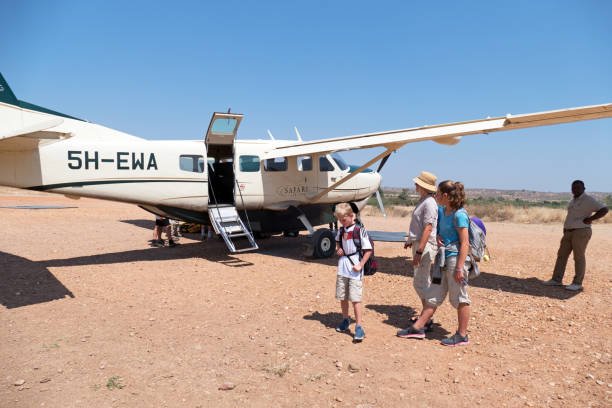
2-Day Tarangire & Ngorongoro Safari From Zanzibar: Flight Package Cost 2026
A detailed guide on the logistics, cost factors, and itinerary realities for a 2-day fly-in safari from Zanzibar to Tarangire National Park and the Ngorongoro Crater.
View package details
Lake Manyara To Serengeti Flight Price & Safari Connections 2026-2027
A practical guide to connecting Lake Manyara and the Serengeti by air, covering flight pricing factors, logistical trade-offs, and how to optimize your safari schedule.
View package detailsFly-In Safari To Ngorongoro And Serengeti: Flights & Transfer Costs 2026-2027
Discover the logistics and cost breakdown for a fly-in safari to Ngorongoro and the Serengeti, including airstrip transfers, baggage limits, and vehicle positioning.
View package details
3-Day Serengeti & Ngorongoro Safari From Zanzibar By Flight 2027
3-Day Serengeti & Ngorongoro Safari From Zanzibar by Flight is explained with current 2027 planning, price, itinerary and booking information.
View package detailsShould I Visit Tarangire Or Lake Manyara On A Short Safari? 2027
Choosing between Tarangire and Lake Manyara for a short safari in Tanzania involves weighing their unique strengths in wildlife viewing, landscapes, and accessibility. This guide helps you...
View package detailsNo related package matches those filters. Clear one or more filters to see the other topic-matched options.



