
The cost of an Arusha to Lake Manyara Airstrip flight is not a single fixed price but depends heavily on whether you are booking a scheduled commercial flight or a private charter flight, the time of year, and the specific operator. For most safari travelers, the most common and practical option is a private charter, which allows for flexible scheduling directly to your lodge or camp, and pricing is determined by flight duration and aircraft type. You must contact a local specialist, such as Climb 4 Africa, to receive a precise, up-to-date quote for 2026 or 2027.
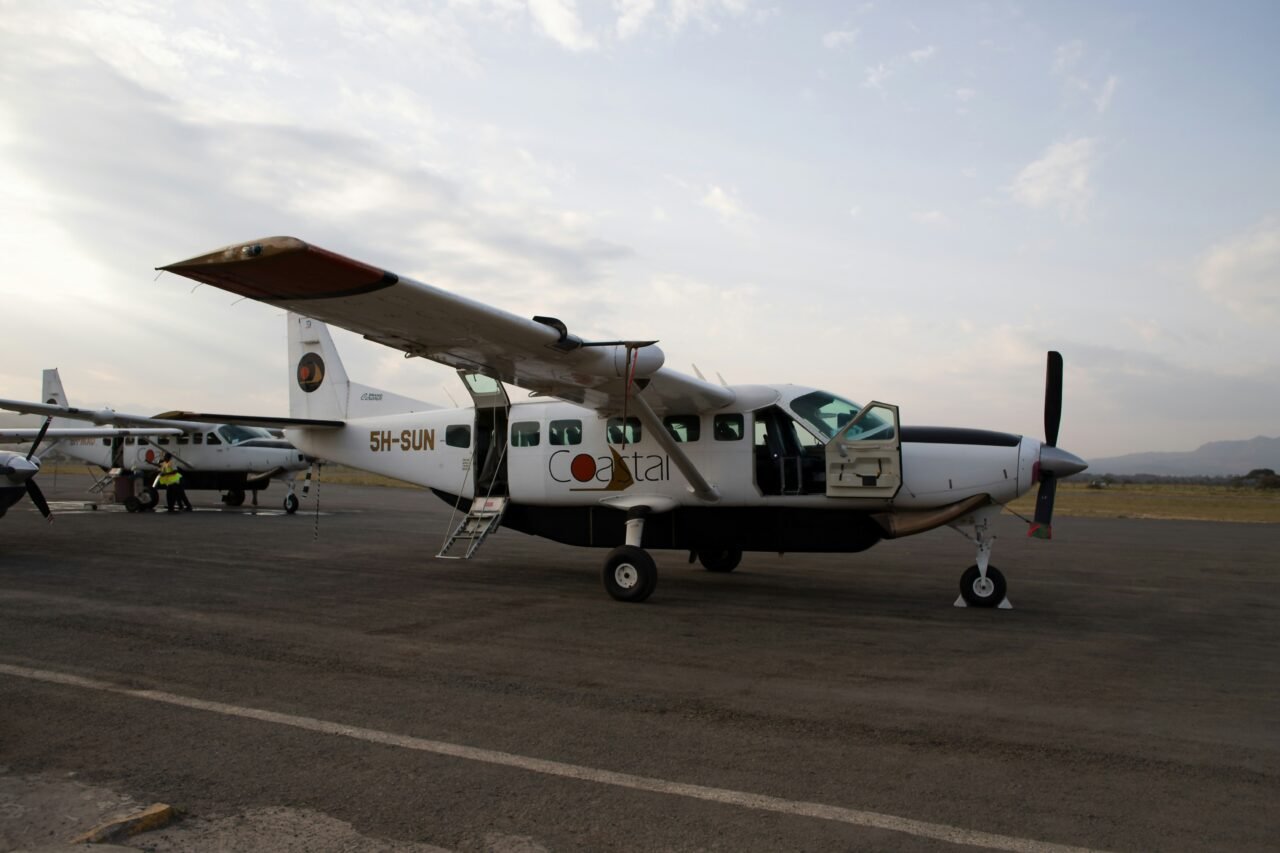
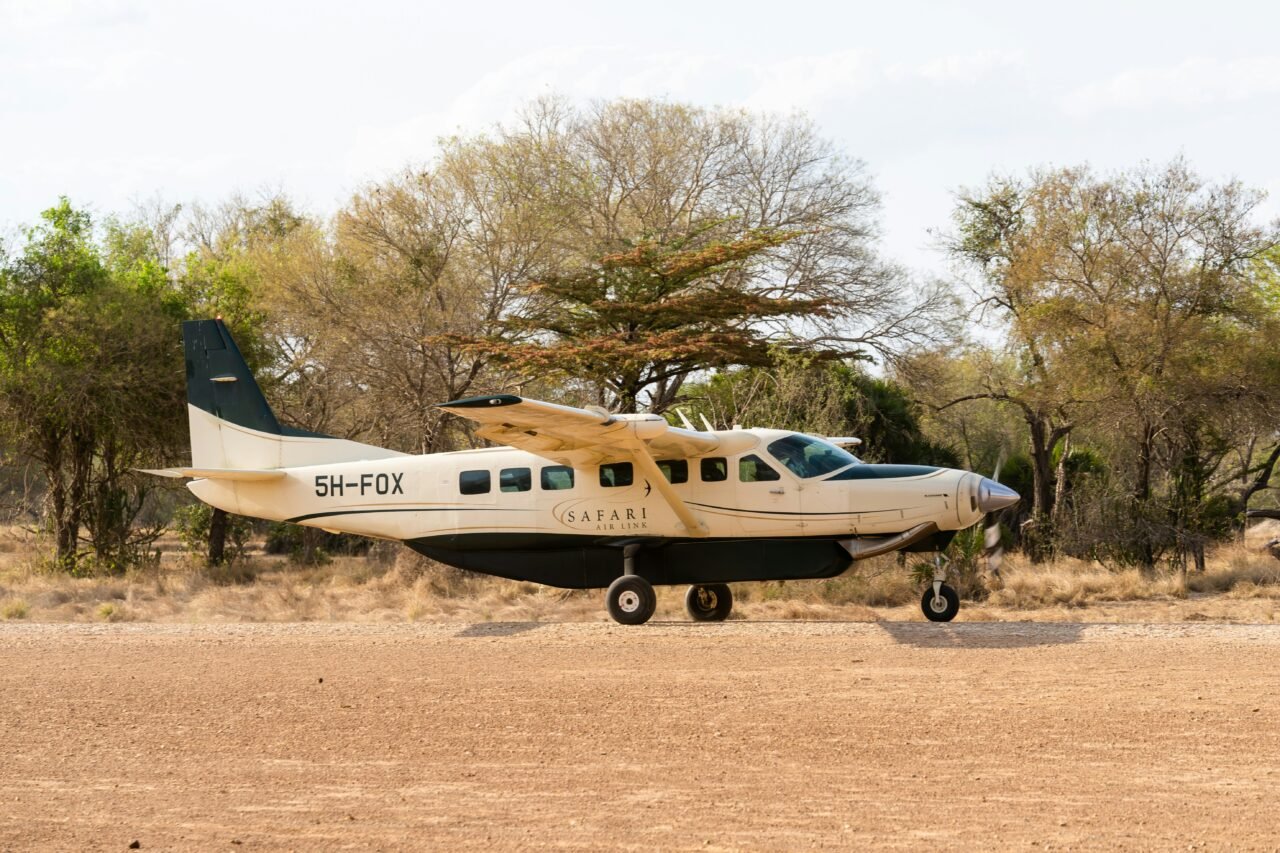
Understanding the Flight Options: Charter vs. Scheduled Flights
When planning your Tanzanian safari logistics, the term “flight price” can be misleading because the options are highly specialized. Unlike flying between major international hubs, the flights into smaller safari airstrips like Lake Manyara are almost exclusively handled by small, dedicated safari charter companies. You generally have two main approaches:
Private Safari Charter Flights
This is the standard, highly recommended method for accessing Lake Manyara from Arusha. A charter flight means the plane is flying specifically for your group or tour itinerary. These flights are incredibly flexible. Instead of needing to arrive at a specific airport and wait for a scheduled departure, your flight is timed to meet your lodge’s requirements, often picking you up directly from your Arusha accommodation and dropping you off at the designated airstrip near Lake Manyara. This convenience is a massive part of the safari experience.
The pricing model here is based on operational costs: fuel, pilot time, aircraft maintenance, and landing fees. Since these are bespoke flights, there is no standard ticket price. The final cost is a package rate that integrates the flight into your overall safari plan. This flexibility is why it is crucial to work with an experienced local operator who manages the logistics end-to-end.
Commercial Flights (Limited Use)
While some major regional airlines service certain routes, flying a commercial flight from Arusha (ARK) directly to a small safari airstrip like Lake Manyara is rare or non-existent. Commercial flights are typically reserved for larger tourist hubs or major inter-city travel. For the safari experience, the charter is the definitive answer. Attempting to use a commercial route usually requires an unnecessary detour to a larger regional airport, adding time, expense, and complexity to your itinerary.
Local Expert Tip: When researching the “price,” you are actually researching the cost of a tailored transfer service. Focus your inquiry on the total safari package cost, which includes this flight, rather than trying to isolate a single ticket price, as the latter will not be available.
Factors Determining the Cost of Arusha to Lake Manyara Flights
Since a fixed price is unavailable, understanding the variables that influence the cost is the most practical way to budget. These factors are crucial when planning for 2026 or 2027, as operational costs and seasonal demand can shift.
1. Aircraft Type and Capacity
The size of the aircraft is a primary determinant. A small, light bush plane designed for 4-6 passengers will have a different operational cost than a larger, more robust aircraft capable of carrying 10+ guests. The choice of plane often depends on the specific safari lodge’s requirements and the number of people in your group. Generally, smaller planes offer a more intimate, classic safari experience, while larger planes may be preferred for larger groups or specific logistical needs.
2. Seasonality and Demand
Like all travel, demand affects pricing. Peak season (typically the dry months, which often align with the best wildlife viewing) sees higher demand and, consequently, higher operational costs for the charter service. Shoulder seasons or the wet season might offer slightly more competitive rates, though this must always be balanced against the potential impact of weather on safari activities.
3. Flight Duration and Logistics
The actual flight time, combined with the complexity of the ground transfers (from your Arusha hotel to the airstrip, and from the Manyara airstrip to your lodge), contributes to the final price. A simple point-to-point flight is less expensive than a flight that requires complex scheduling around other park entry/exit points.
4. Service Inclusions
It is vital to clarify what the quoted price includes. Does it cover just the airfare, or does it encompass the ground transfers, the pilot’s fees, landing fees, and any required park permits or conservation levies? Always ensure the quote from a company like Climb 4 Africa covers the entire transfer experience, minimizing unexpected costs upon arrival.
Practical Logistics: The Journey from Arusha to Manyara
The flight is just one piece of the travel puzzle. To fully understand the logistics, you need to picture the entire sequence of events. This is not just an airport transfer; it is a carefully coordinated safari transfer.
The Pre-Flight Sequence
Your safari begins in Arusha, a major logistical hub. Upon arrival at your hotel or lodge, the safari operator coordinates a private ground transfer. This vehicle will take you to the designated departure point, which may be a private helipad or a smaller, dedicated airstrip near Arusha. This ground transfer is essential and is usually included in the total package price.
The Airstrip Experience at Lake Manyara
The Lake Manyara Airstrip is positioned to provide direct access to the park and your chosen accommodation. The flight itself is usually short, offering a wonderful first glimpse of the Tanzanian landscape. The pilot is typically knowledgeable about the region, which adds value to the experience. Upon landing, the safari vehicle is waiting, ready to take you the final short distance to your lodge or camp, completing the transfer loop.
Checklist for Smooth Airstrip Transfers:
- Confirmation: Confirm the exact pick-up time and location in Arusha with your operator.
- Documentation: Ensure all necessary travel documents (passports, visas) are in order well in advance.
- Timing: Allow ample buffer time for ground transfers and potential minor delays in the region.
- Inclusions: Explicitly confirm if the charter price covers all associated fees (landing fees, conservancy fees).
Comparing Safari Logistics: Manyara vs. Other Airstrips
Manyara is a popular entry point, but it is one of several airstrips in Tanzania. Understanding the differences between using the Lake Manyara airstrip versus flying into, say, Serengeti or Ngorongoro, helps clarify why the logistics and associated costs vary. Each airstrip serves a specific part of the safari experience.
Lake Manyara is known for its diverse ecosystems, including woodland, lake views, and abundant birdlife, often offering a slightly different safari flavor than the vast plains of the central Serengeti. Its logistics are streamlined to provide a direct gateway to that specific park experience.
For comparison, if your itinerary extended further into the Serengeti, you might look at options like the Lobo Airstrip or Kogatende Airstrip. These different entry points are often associated with different lodges and different wildlife viewing opportunities. For instance, flying into a Serengeti airstrip might give you immediate access to the great migration areas, while Manyara focuses on its unique baobab forests and lake activities. When planning a multi-park journey, the flight costs are aggregated, but the destination logistics change entirely.
Logistics Comparison Overview (Arusha Departure)
| Destination Airstrip | Primary Park/Area | Typical Safari Focus | Logistical Profile |
|---|---|---|---|
| Lake Manyara | Lake Manyara National Park | Woodland, Lake Views, Birding | Direct, streamlined access from Arusha |
| Seronera | Central Serengeti | Classic Plains Safari, Migration | High-demand, often integrated into major routes |
| Ndutu | Ndutu Region (Serengeti) | Calving Season, Specialized Wildlife | Seasonal importance, specialized logistics |
Planning for 2026 and 2027: Booking Strategy and Considerations
Given the lead time of 2026 and 2027, your booking strategy should focus on securing the right logistical partnership rather than hunting for a specific flight ticket price. The best time to book a complex itinerary like this is often when the safari operator is finalizing their routes and partnerships for the coming year.
Why Early Planning is Crucial for Charters
Safari charter planes are not available on a public booking platform. They are allocated based on demand and operational capacity. By booking well in advance, you give your chosen operator, like Climb 4 Africa, the necessary lead time to secure the best aircraft, coordinate lodge availability, and lock in the most favorable operational rates. This allows you to benefit from better planning and potentially more competitive rates before high-demand periods fill up.
Navigating Price Fluctuation
While we cannot give you a definitive price, we can advise on the price drivers. Expect pricing to fluctuate based on the time of year. The months known for optimal viewing are generally the most expensive. When discussing quotes, ask your operator to provide a breakdown of the included costs to ensure transparency. For example, a quote might separate the flight cost from the lodge stay and park fees.
When to Act: Securing Your 2027 Safari
For complex, bespoke travel like a charter flight to Lake Manyara, the ideal time to make initial inquiries and receive quotes is 12 to 18 months out. This allows the operator to finalize their fleet scheduling and provide the most accurate projection of costs for 2027. Do not wait until the last minute; the best logistical options are secured early.
Beyond the Flight: What to Expect in Lake Manyara National Park
Since the flight serves as your gateway, it’s helpful to know what you are flying into. Lake Manyara National Park offers a distinctly different safari environment compared to the vast plains of the Serengeti. It is known for its unique ecological features.
Unique Wildlife and Scenery
Manyara is famous for its tree-climbing lions—a sight not commonly found elsewhere in the parks. Beyond the lions, the park is rich in bird species and hosts large herds of wildlife, including various antelope, giraffes, and baboons. The park’s proximity to the lake adds a beautiful scenic element to the daily drives, offering a mix of terrestrial and aquatic viewing opportunities.
Park Rules and Safari Etiquette
As with all Tanzanian national parks, strict rules apply. Guides are responsible for ensuring compliance, but travelers should be aware of the rules regarding vehicle usage, off-roading, and interaction with wildlife. The park operates on a specific timetable, and your safari vehicle will be driven according to these regulations. Your operator handles all the necessary park entry permits and fees, which should be factored into the total cost.
Finalizing Your Travel Plans: Making the Decision
The decision to fly into Lake Manyara is a decision about the type of experience you want. If your priority is a diverse, slightly less intense park setting with unique features like the tree-climbing lions, this is an excellent choice. If your primary goal is witnessing the Great Migration in its full, massive scale, you might need to prioritize a different airstrip in the Serengeti.
To move from understanding the cost factors to actually securing your journey, you need a detailed, customized quote. Generic prices are useless here. The most professional approach is to provide your desired travel window (e.g., September 2027), your preferred group size, and your general budget range to an expert operator.
At Climb 4 Africa, as specialized experts in Tanzanian travel, we can structure a complete itinerary for you, ensuring the Lake Manyara flight is integrated perfectly with the rest of your safari plan. We handle the complex coordination between the charter plane, the ground transfers, and the lodges, removing the logistical headaches so you can focus on the wildlife.
To begin planning your tailor-made 2026 or 2027 African adventure, please reach out directly. You can contact us via WhatsApp at +255 747 477 898, or send an email to climb4africa@gmail.com. For backup inquiries, please use info@climb-4-africa.com. Let us build the perfect, stress-free journey for you.
Navigating the Operational Realities of Bush Aviation
While the cost of a flight from Arusha to Lake Manyara is often viewed through the lens of a simple “ticket price,” the reality of bush aviation in Tanzania involves a complex web of operational variables that dictate the final invoice. Understanding these nuances helps travelers appreciate why quotes fluctuate and why last-minute changes can be expensive. Bush pilots operate under strict visual flight rules (VFR), meaning that weather conditions in the Great Rift Valley—often characterized by sudden afternoon winds or cloud cover over the escarpment—can necessitate flight path adjustments or delays. These operational realities are built into the charter pricing model. When you pay for a charter, you are not merely paying for a seat; you are paying for the availability of the aircraft, the pilot’s standby time, and the flexibility to adjust departure times based on the morning’s weather reports.
Furthermore, aircraft weight limitations are a critical, often misunderstood component of flight pricing and logistics. Unlike commercial airlines where baggage allowances are standardized, bush planes have strict payload capacities. If your group includes heavy camera equipment, specialized safari gear, or exceeds the standard luggage weight allowance, operators may require you to book an extra seat or upgrade to a larger aircraft class. This is not a hidden fee, but a safety necessity. The cost difference between a Cessna 206 and a Cessna Caravan, for example, is significant, and your operator must calculate the exact weight of your party and gear before confirming the flight price. This is why providing an accurate weight estimate during the booking phase is essential to avoid surprises at the Arusha airstrip.
The Economic Impact of Airstrip Infrastructure and Maintenance
A frequently overlooked factor in the pricing of Arusha to Lake Manyara flights is the maintenance and landing fee structure of the airstrips themselves. Lake Manyara Airstrip is a critical hub, serving not just the park but also surrounding lodges and private concessions. The upkeep of these dirt or gravel runways requires constant investment, which is funded through landing fees charged to every aircraft that touches down. These fees are passed directly to the charter companies, who in turn incorporate them into your charter quote.
Unlike major international airports where landing fees are a static line item, bush airstrip fees can fluctuate based on local government regulations, conservation area levies, and the specific location of the airstrip relative to the park entrance. If your itinerary involves a “split” arrival—for example, flying into Lake Manyara and then needing a short transfer to a lodge located deep within a private concession—the flight operator may need to coordinate with different ground transport providers. These multi-leg logistics often require higher administrative effort, which is reflected in the total cost of your safari package. When comparing quotes from different operators, ensure you are comparing “apples to apples” by verifying whether landing fees, park entry taxes for the pilot, and ground transfers are included in the price or if they will be billed as extras upon arrival.
Weather-Related Contingency Planning
The geography of the Lake Manyara region, dominated by the dramatic wall of the Rift Valley escarpment, creates unique microclimates. During the rainy seasons, airstrips can occasionally become waterlogged, leading to temporary closures or the need to divert flights to alternative, all-weather landing strips. A reputable charter operator will always have a contingency plan. While this might sound like a logistical headache, it is a standard part of Tanzanian safari operations. The cost of these contingencies—such as a longer drive from a secondary airstrip to your lodge—is often managed through the insurance and operational buffers built into the charter company’s pricing. Travelers should view their flight not as a static transit, but as a dynamic service that adapts to the environment to ensure safety and comfort.
Luggage Logistics and Soft-Sided Bags
To keep flight costs predictable and to ensure compliance with small aircraft regulations, all operators mandate the use of soft-sided luggage. Hard-shell suitcases are notoriously difficult to stack in the confined cargo holds of bush planes. If you arrive with hard-shell luggage, you may be forced to leave items behind in Arusha or pay for a specialized cargo transfer, which adds unnecessary expense and stress to the start of your safari. Always prioritize soft-sided duffel bags that can be easily molded into the aircraft’s storage compartments. This simple preparation step ensures your flight proceeds as scheduled and prevents any last-minute logistical friction that could impact your overall travel budget.
Navigating the Complexity of Hidden Surcharges and Operational Taxes
When analyzing the cost of an Arusha to Lake Manyara flight, travelers often focus exclusively on the base charter rate, overlooking a complex web of operational taxes and surcharges that can significantly inflate the final invoice. These costs are rarely transparent in initial quotes because they are subject to change based on Tanzanian Civil Aviation Authority (TCAA) adjustments and local conservation fee structures. Understanding these hidden components is essential for accurate budgeting.
The primary hidden cost involves the Landing Fee. Unlike major international airports where landing fees are standardized and absorbed into ticket prices, bush airstrips often operate on a per-landing basis. These fees are set by the airstrip management—which could be the Tanzania National Parks Authority (TANAPA) or a private lodge concession—and are charged every time an aircraft touches down. If your itinerary involves a multi-leg safari where you are hopping from Arusha to Lake Manyara and then onward to the Serengeti, you will be billed for every landing. These fees can vary widely; a private airstrip maintained by a high-end lodge may charge a premium for the convenience of landing closer to your accommodation, while public airstrips managed by TANAPA have fixed, government-regulated tariffs.
Furthermore, there is the matter of Passenger Service Charges. These are effectively airport taxes levied on every passenger departing from a facility. While nominal on their own, when multiplied across a group of four or six travelers, they represent a non-trivial line item. Some charter operators bundle these into the “all-in” quote, while others itemize them separately to maintain a lower base price on their marketing materials. It is critical to scrutinize the quotation provided by your operator. Ask specifically: “Does this quote include all TCAA landing fees, passenger service charges, and conservation area access fees for the pilot?” Often, the pilot’s entry fee into the park or conservation area is passed on to the client, as the pilot must enter the park to drop you off and then depart.
The Economics of “Dead-Leg” Positioning Fees
A frequently misunderstood aspect of private charter pricing is the concept of “positioning fees” or “dead-leg” charges. Because bush planes are not based at every single airstrip in Tanzania, they must often fly from their hub—typically Arusha or Wilson Airport in Nairobi—to pick you up, or return to their base after dropping you off at Lake Manyara. If you are the only group utilizing the aircraft for that specific circuit, you are effectively subsidizing the empty flight time required to get the plane to your location.
To mitigate these costs, savvy travelers coordinate their flight times with the operator’s existing schedule. If a charter company already has an aircraft scheduled to be in the Lake Manyara area for another group, they may offer you a “repositioning rate” or a split-cost arrangement. This is why flexibility is the single most effective tool for reducing flight costs. If you are rigid about your departure time—insisting on a 9:00 AM takeoff when the operator has an aircraft landing at Manyara at 11:00 AM—you will pay the full premium for a dedicated repositioning flight. By allowing the operator to slot you into an existing logistical flow, you can often save a significant percentage on the total charter cost.
Understanding Multi-Leg Itineraries and Aircraft Utilization
The cost structure changes dramatically when you transition from a simple point-to-point flight to a multi-leg safari circuit. When you book a flight from Arusha to Lake Manyara as part of a larger, multi-day safari, you are essentially renting the aircraft’s capacity for a specific duration. This is known as “aircraft utilization pricing.”
In this model, the charter company charges based on the total flight hours required to complete your entire itinerary, rather than individual legs. This is generally more cost-effective than booking three or four separate charters. However, it requires a higher degree of planning. You must ensure that the aircraft type assigned to your itinerary is capable of handling the entire route. For example, if your itinerary includes a short, rugged airstrip in the Ngorongoro Highlands followed by a longer, paved runway elsewhere, the operator must select an aircraft that is versatile enough for both. A larger, faster twin-engine aircraft might be perfect for the long legs but unable to land on the shorter, more remote strips. Conversely, a smaller Cessna Caravan might be perfect for the bush but slower and less comfortable for longer transfers. The operator’s choice of aircraft is a direct reflection of the route’s complexity, and the price will be adjusted to cover the operating costs of that specific machine.
When reviewing these multi-leg quotes, pay close attention to “standby fees.” If you require the pilot and the aircraft to remain at the airstrip while you take a short morning game drive before flying to your next destination, you will be billed for the pilot’s time and the aircraft’s idle time. These fees are designed to cover the opportunity cost of the aircraft being unavailable for other charters. If you are looking to minimize costs, it is almost always cheaper to complete your flight transfers immediately upon arrival or departure, avoiding the need for the aircraft to wait on the ground.
The Intersection of Aviation Precision and Wildlife Logistics
While the financial focus of your Arusha to Lake Manyara flight is often centered on the charter invoice, the operational reality is deeply intertwined with the unpredictable nature of the ecosystem you are visiting. It is a common misconception among first-time safari travelers that the flight is merely a transfer; in the context of bush aviation, the flight is the first active component of your wildlife observation strategy. The timing of your flight, which dictates when you land at the Manyara airstrip, directly influences the efficacy of your initial game drives. Understanding this allows you to make informed decisions about flight times that go beyond mere price comparison.
Synchronizing Flight Arrival with Wildlife Activity Cycles
The cost-benefit analysis of your flight time should include the “wildlife window” you are purchasing. In the Lake Manyara region, wildlife activity—particularly for the tree-climbing lions and the vast elephant herds—is highly sensitive to diurnal temperature shifts. Flights arriving at the Manyara airstrip mid-day, when temperatures are at their peak, often result in travelers arriving at their lodge just as the wildlife seeks deep shade, effectively rendering the afternoon game drive less productive. Operators who charge a premium for “early bird” or “first-light” flights are often pricing in the logistical complexity of positioning the aircraft in Arusha the night before, but this cost often yields a higher return on your safari investment by placing you in the field during the cooler, more active morning hours.
Conversely, choosing a mid-day flight—often cheaper due to lower demand and operator flexibility—requires an acceptance that your arrival day will be primarily for transit and relaxation at the lodge, rather than active exploration. When reviewing quotes, treat the flight time not as a static logistical slot, but as a strategic asset. If a charter operator offers a price reduction for a later afternoon flight, calculate if the loss of a half-day of game viewing outweighs the savings. In many cases, the cost difference is negligible compared to the daily rate of the safari lodge, making the “cheaper” flight a false economy.
The Impact of Airstrip Proximity on Safari Efficiency
Not all airstrips serving the Lake Manyara region are equal, and the price of your charter is frequently dictated by which specific landing strip your lodge utilizes. There is a critical distinction between the main Lake Manyara Airstrip and the smaller, private strips often located closer to specific luxury lodges or camps. The main airstrip is a public-use facility, which generally commands lower landing fees and is accessible by a wider range of aircraft, including larger, more cost-effective options. However, landing there may necessitate a longer road transfer to your accommodation.
When you opt for a flight that lands at a private airstrip closer to your lodge, you are paying for both the convenience and the specialized pilot certification required to land on shorter, often unpaved, and more challenging runways. These flights are rarely “cheap” because they require a higher level of pilot skill and potentially a smaller, more nimble aircraft that cannot carry as many passengers, thereby increasing the per-seat cost. Before finalizing your booking, request a breakdown of the landing fees associated with your specific destination airstrip. Understanding whether your charter company is charging a flat rate or passing through variable landing fees allows you to better assess if you are paying for genuine logistical efficiency or simply a premium for proximity.
Managing Expectations: The Reality of “Bush Airport” Limitations
Regardless of the price paid, it is essential to internalize that Lake Manyara airstrips are not commercial airports. They function as remote infrastructure points. This means that even if you have paid for a premium private charter, the experience will remain subject to the “bush aviation” standard. There are no tarmac terminals, no climate-controlled lounges, and no sophisticated baggage handling systems. The price you pay covers the safety, the fuel, and the pilot’s expertise, not luxury ground services. This distinction is vital for managing travel expectations. Delays due to weather, wildlife on the runway, or late arrivals of incoming passengers are not failures of the service, but inherent characteristics of the environment. When evaluating the cost of your flight, consider the “resilience fee”—the implicit cost you pay for an operator who has the fleet redundancy to swap an aircraft quickly if a mechanical issue arises, versus a smaller operator who might offer a lower price but lacks the depth of resources to recover a disrupted schedule.
The Calculus of Time vs. Cost: Weighing Flight Against Road Transfer
While the focus of this article has been on the intricacies of flight pricing and the mechanics of bush aviation, a comprehensive assessment of the Arusha to Lake Manyara route requires a candid look at the alternative: the road transfer. For many travelers, the flight is not just a luxury preference but a strategic decision based on the value of their time. When evaluating the cost of a flight, it is helpful to contrast it against the operational reality of driving. The price gap between a charter flight and a private road transfer can be significant, yet the difference in the “quality of time” spent is even greater.
Driving from Arusha to the Lake Manyara region involves navigating diverse traffic conditions, ranging from the bustling, congested outskirts of Arusha city to the more fluid, albeit unpredictable, rural highways. A road transfer typically involves a private 4×4 vehicle with a dedicated driver-guide. While this is undeniably cheaper than a charter flight, it consumes a substantial portion of a travel day. For a traveler on a limited safari itinerary—perhaps only five or six days in total—the six to eight hours potentially lost to road transit represent a significant erosion of the “safari value” per day. If you calculate the daily cost of your luxury lodge accommodation, park entry fees, and private guide services, the “cost” of a full day spent driving becomes surprisingly high. In this context, the premium paid for a 45-minute flight is often offset by the immediate gain of half a day of wildlife viewing or relaxation at your destination.
The Hidden Variable: Fatigue and Safari Readiness
Beyond the raw math of hours saved, one must consider the physiological impact of the transfer. Road travel in this region is rarely smooth. It involves navigating potholes, speed bumps, and the erratic driving patterns common on major transit arteries. Arriving at a luxury lodge after a bumpy, dusty, and lengthy drive can leave guests physically drained, often requiring a recovery period before they are ready to engage in game drives or walking safaris. Conversely, arriving via a bush flight minimizes physical fatigue. You land, meet your guide, and are often within a 20-minute drive of the park entrance or your lodge. This allows for a “soft landing,” where guests can transition seamlessly from the transit phase into the safari experience without the lingering exhaustion of a long road journey.
Analyzing the “Value-Added” Cost of Flight Transfers
When you receive a quote for a flight, it is common to fixate on the bottom line. However, savvy safari planners look at the “value-added” components that are often bundled into the flight price. Many reputable charter operators coordinate directly with lodge-based transfer vehicles. When you pay for the flight, you are often paying for a synchronized logistical chain. The pilot communicates with the ground team at the airstrip, ensuring that a vehicle is waiting upon landing. This level of coordination is rarely achieved with long-distance road transfers, where traffic delays or vehicle issues can lead to unpredictable arrival times, potentially disrupting the lodge’s scheduled activities.
Furthermore, consider the security and reliability of the transfer. A charter flight is a point-to-point service that bypasses the variables of road accidents, heavy truck traffic, or road closures that can occasionally plague the Arusha-Manyara corridor. While aviation carries its own risks—primarily weather-related—it is a controlled environment. When you pay for a flight, you are purchasing reliability and predictability, which are commodities in themselves when managing a high-stakes vacation schedule.
Strategic Planning: When to Drive and When to Fly
There is no universal rule dictating that flying is always superior. The decision should be driven by the specific constraints of your itinerary. For travelers with a generous time buffer—those spending two weeks or more in Tanzania—the road transfer can actually be a valuable part of the experience. It offers a glimpse into local life, passing through bustling markets and rural villages that you would completely miss from the air. In this scenario, the cost savings of the road transfer can be reallocated toward a higher-tier accommodation or an extra night in the park. The choice is essentially a trade-off: do you prioritize the “journey” and the cultural immersion of the road, or do you prioritize the “destination” and the efficiency of the air?
Ultimately, when your travel agent or safari operator presents you with the option of a flight versus a drive, do not simply compare the price tags. Ask for a “time-cost analysis.” Ask how the choice of transport impacts your arrival time at the lodge and your ability to participate in the first afternoon activity. If the flight allows you to arrive in time for a sundowner or an afternoon game drive that you would otherwise miss, the price differential is effectively an investment in the quality of your safari experience. Conversely, if your itinerary is flexible and you enjoy the scenic, slower pace of the Tanzanian countryside, the road transfer may provide a more nuanced, albeit longer, introduction to the region.
Finally, consider the luggage constraints. Charter flights have strict weight and dimension limits due to the size of the aircraft. If you are traveling with significant equipment—such as professional photography gear, specialized medical supplies, or a large amount of luggage—the road transfer is often the only viable option, regardless of price. A private vehicle can accommodate items that would simply never fit into the cargo hold of a light aircraft. Always cross-reference your packing list with the baggage policy of the charter operator before committing to a flight price, as the cost of shipping excess luggage separately can quickly negate any logistical benefits of flying.
The Influence of Accommodation Proximity on Charter Costs
While flight duration and aircraft type are the most cited factors in pricing a charter from Arusha to Lake Manyara, the specific location of your accommodation acts as a silent, yet powerful, variable in the final quote. Not all airstrips serving Lake Manyara are equal in terms of operational efficiency or landing access. Some lodges are situated within a short drive of the primary airstrip, while others require longer transfers across uneven terrain. When booking a private charter, the operator must factor in the precise landing location required to minimize your transit time, and this choice can influence the overall cost structure.
The airstrip you select is often dictated by the “fly-in” agreement between the charter operator and the specific lodge or camp. High-end, fly-in safari properties often have exclusive or preferred access to specific airstrips that are located closer to their gates. If your itinerary includes a stay at a remote, luxury property on the escarpment or deep within the park boundaries, the flight might be priced differently because it involves landing at a more secluded or specialized airstrip. These smaller, private strips sometimes carry higher landing fees or require specific pilot certifications, which are costs passed down to the charter client. It is a mistake to assume that all flights to the “Lake Manyara area” land at the same central hub; checking the exact landing site is essential for understanding the quote you receive.
Analyzing the “Transfer-to-Flight” Efficiency
A critical, often overlooked cost component is the ground transfer time between the airstrip and your lodge. Some charter quotes include the cost of the ground transfer, while others treat it as a separate billable service managed by the lodge. When analyzing your flight price, you must clarify whether the quote is “tarmac-to-tarmac” or “door-to-door.” If you are flying into a more distant airstrip to save on landing fees, you may inadvertently be increasing your costs and reducing your comfort by adding a two-hour, dusty, and bumpy road transfer on the backend. In this scenario, the initial flight price looks attractive, but the total “cost of arrival”—measured in time, physical toll, and potential vehicle transfer fees—is actually higher.
Savvy travelers look for the “lodge-adjacent” landing option. While landing closer to your camp might carry a slightly higher flight or landing fee, it drastically reduces the wear and tear on your body after a flight. Furthermore, many lodges charge a hefty premium for transfers that exceed a certain distance. By opting for a flight that lands at an airstrip closer to your final destination, you are often paying a premium for the flight to offset a much larger, hidden cost in ground transfer logistics. Always ask your operator for a comparison: “If we land at Airstrip A vs. Airstrip B, how does the final ground transfer cost change?” This holistic view prevents the common error of choosing a flight based solely on the airfare, only to be surprised by an expensive, long-distance road transfer upon arrival.
The Role of Aircraft Positioning in Remote Access
Another factor that influences your flight price is the concept of “aircraft positioning” relative to your chosen lodge. Because Lake Manyara is a popular destination, charter companies often have aircraft already operating in the Northern Circuit. If your requested flight time aligns with an aircraft that is already scheduled to be in the area, you may benefit from more competitive pricing. However, if your accommodation is in a particularly remote section of the Manyara region, the charter company may need to fly an aircraft empty from Arusha specifically to meet you, or fly it back empty after drop-off. This “dead-leg” or positioning cost is almost always absorbed into the private charter quote.
To mitigate this, discuss your accommodation choices with your charter operator *before* confirming your booking. Sometimes, simply shifting your flight time by a few hours—or even moving your arrival or departure by a day—can align your needs with an existing flight path, effectively sharing the positioning costs with other travelers or utilizing an aircraft that is already “in the field.” This is not always possible, but it is a strategic inquiry that can lead to significant cost efficiencies. The goal is to avoid being the sole party responsible for the fuel and pilot costs of an aircraft moving into or out of the region specifically for your itinerary.
The Economic Distinction Between Private and Shared-Charter Operations
A frequent point of confusion when evaluating the cost of flying from Arusha to Lake Manyara is the distinction between a private charter and a shared-charter, often referred to in the industry as a “seat-in-plane” (SIP) service. While the terms are sometimes used interchangeably in casual conversation, they represent fundamentally different economic models that dictate the final price on your invoice. A private charter operates on a flat-fee basis for the entire aircraft. Whether you are a solo traveler or a group of six, the cost remains static because you are paying for the utilization of the aircraft, the pilot’s duty time, and the specific routing required to meet your itinerary. This model offers the ultimate flexibility, allowing for departure times that align precisely with your lodge transfer or safari activity schedule.
Conversely, a shared-charter model operates on a per-seat basis. In this scenario, the charter company aggregates passengers traveling to similar regions or airstrips, effectively splitting the operational costs of the flight among multiple parties. While this is mathematically the most cost-effective way to fly, it introduces significant rigidity. You are no longer the architect of the schedule; you are a passenger on a fixed route. If you miss a shared-charter departure due to a delayed international arrival or a slow morning at your Arusha hotel, you may forfeit the cost of the seat entirely, or be forced to pay a high rebooking fee. When comparing prices between operators, ensure you are comparing apples to apples: a quote for a private charter is a fixed-cost asset, whereas a quote for a shared-charter is a variable-cost service dependent on the operator’s ability to fill the remaining seats on that specific flight.

Operational Weight Limits: The Hidden Cost of Over-Packing
The pricing of your flight is often inextricably linked to the physics of the aircraft. When booking a flight into Lake Manyara, you will notice a strict luggage policy, typically capping baggage at 15 kilograms (33 pounds) per person, usually in soft-sided bags. This is not merely a matter of convenience; it is a critical safety parameter. Bush aircraft are often operating at maximum takeoff weight (MTW) when departing from short, unpaved strips, particularly if the airstrip is at a higher elevation or if ambient temperatures are high, which decreases air density and engine performance.
The financial impact of ignoring these limits can be severe. If you arrive at the Arusha airstrip with luggage exceeding these strict allowances, the pilot has the authority to refuse the excess weight. In such cases, you are left with two expensive options: leaving your gear behind or purchasing an additional “freight seat.” A freight seat is exactly what it sounds like—you are paying the full price of a passenger ticket simply to secure the weight capacity for your excess bags. This can effectively double the cost of your flight transfer instantly. To avoid this, savvy travelers treat the 15kg limit as a hard ceiling, not a suggestion. If your safari requires specialized photography equipment or specific gear that exceeds this, you must declare this to your charter operator during the booking phase. They may recommend booking a larger aircraft class from the outset—such as upgrading from a Cessna 206 to a Caravan—which, while more expensive, is often cheaper than the penalty of purchasing a freight seat on a smaller, over-capacity aircraft.
Managing the “Weather-Contingency” Budget
A critical, yet rarely discussed, variable in the flight cost is the “weather-contingency” buffer. The Lake Manyara airstrip is situated in a region where the escarpment creates localized microclimates. It is not uncommon for a morning flight from Arusha to be delayed or diverted because the airstrip is obscured by low cloud cover or has been rendered unusable by unexpected rainfall. Unlike commercial airlines operating between major international airports, bush aviation does not have the luxury of instrument landing systems (ILS) or massive ground crews to clear runways.
When a flight is diverted or cancelled due to weather, the financial responsibility typically falls on the passenger. You are often liable for the cost of the road transfer that must be organized as an emergency replacement, and you may still be charged for the positioning flight that attempted to reach the airstrip. Sophisticated travelers account for this by maintaining a “logistics contingency fund” in their safari budget—typically 10-15% of the total transfer cost. This fund acts as an insurance policy. If the flight proceeds as planned, the money remains in your travel budget; if weather forces a pivot to a road transfer, you have the liquidity to secure a reliable, private vehicle immediately rather than scrambling for the cheapest, potentially less reliable, alternative. Understanding that the flight price is an investment in speed, rather than a guarantee of arrival, allows for a more pragmatic approach to safari financial planning.
Aligning Flight Scheduling with Seasonal Wildlife Migration Dynamics
While the financial cost of an Arusha to Lake Manyara flight is often calculated based on aircraft positioning and fuel, the “true cost” of your safari often hinges on timing. Selecting the right window for your flight is not merely a matter of calendar availability; it is a strategic decision involving the intersection of aviation logistics and the erratic, yet predictable, movements of East African wildlife. When booking your charter, understanding how specific months influence both price volatility and the efficacy of your flight is paramount.
The Shoulder Season Advantage: Balancing Cost and Visibility
The shoulder seasons—typically November (the short rains) and May/June (the transition from long rains to the dry season)—present a unique pricing paradox. During these windows, charter operators often have increased capacity because demand from high-season tourists dips. Consequently, you may find that the “dead-leg” positioning fees—costs incurred when an aircraft must fly empty to pick you up—are more negotiable. Operators are often more willing to bundle services or offer slightly more competitive rates to keep their fleets utilized during these quieter months.
However, the trade-off is the unpredictability of the Lake Manyara environment. During the short rains of November, the airstrip may experience intermittent closures due to muddy conditions or localized cloud cover. While you might save on the base charter rate, you increase your risk of needing the “weather-contingency” budget discussed previously. The strategic traveler views the lower cost of shoulder-season charter flights not as a discount, but as an offset for the higher probability of needing a backup road transfer. If your budget is tight, this is the time to fly, provided you accept the operational realities of the bush.
High Season Peak: The Premium of Precision
Conversely, the peak dry season (July through September and January through February) commands premium pricing for a reason. During these months, the demand for bush aviation skyrockets. Every aircraft in the Arusha-based fleet is usually fully booked, often flying multiple legs per day. In this environment, the “price” is not just currency; it is the opportunity cost of securing a slot. You will find very little room for negotiation on charter rates because operators have no shortage of demand.
The wildlife benefit, however, is immense. During the dry season, the Lake Manyara landscape thins out, and the game congregates around the shrinking water sources. Flying into the airstrip during this time maximizes your safari efficiency. Because the roads can be dusty, bumpy, and slow, arriving by air allows you to bypass hours of transit, putting you in the heart of the action immediately. The higher cost of a peak-season charter is effectively a “time-purchase”—you are buying back four to six hours of potential wildlife viewing time that would otherwise be lost to a long, grueling road transfer.
The Migration Variable: Why Timing Matters
Lake Manyara National Park is famous for its tree-climbing lions and flamingo-laden soda lake, but it is also part of a wider ecosystem that reacts to the seasonal rains. When you book your flight, it is essential to coordinate with your safari operator regarding the current wildlife trends. If the rains have been heavy, the lake levels rise, and the flamingo populations shift. If the rains have been sparse, the park dynamics change entirely.
A knowledgeable charter operator will often advise on the “optimal arrival window.” For instance, if you are flying in during a period of heavy migration or specific breeding seasons, the timing of your flight arrival can determine whether you see the park’s highlights on your first afternoon or spend that time stuck in transit. Paying a premium to ensure your flight arrives at the airstrip in the early morning—before the heat of the day and before the afternoon flight traffic congestion—is often a worthwhile investment. This ensures your ground transfer vehicle is waiting at the airstrip, ready to transport you directly to your camp, allowing you to maximize the “golden hours” of the afternoon, which are critical for predator activity.
Operational Constraints and Seasonal Pricing
It is important to recognize that charter operators adjust their pricing structures to account for the increased wear and tear on aircraft operating during the wet seasons. Flying in mud-prone environments requires more frequent maintenance, cleaning, and sometimes specialized tire configurations. These hidden operational costs are often baked into the seasonal pricing models. When you receive a quote for a flight, it is helpful to ask if the pricing reflects a “standard” rate or if it includes seasonal adjustments. This transparency can help you understand why a flight in May might be priced differently than one in August, even if the distance and flight time remain identical. By aligning your flight choice with these seasonal realities, you transform the transfer from a simple logistical hurdle into a calculated component of your overall safari success.
The Critical Transition: Airstrip-to-Vehicle Synchronization
The moment your charter aircraft touches down on the Lake Manyara airstrip, the logistical responsibility shifts from the aviation operator to your ground safari team. This transition—often referred to as the ‘handoff’—is one of the most critical, yet frequently overlooked, aspects of safari logistics. Unlike a commercial airport where you walk through a terminal to a taxi stand, a bush airstrip is typically an unfenced, remote landing strip. There is no infrastructure for public transport, and there are no roaming taxis waiting for passengers. Your ground vehicle must be pre-positioned at the airstrip before your aircraft arrives.
Successful synchronization requires that your safari operator possesses your exact flight manifest, including the tail number of the aircraft and the pilot’s contact information. In the aviation world, delays are common due to weather or technical requirements. A professional safari operator will maintain a ‘flight watch’ protocol, where they receive updates from the pilot while the aircraft is in the air. If the flight is delayed by thirty minutes, the ground guide must be notified so they can adjust their own positioning. For the traveler, this means that while you are in the air, your ground logistics are being actively managed. It is vital to confirm that your booking includes this ‘meet and greet’ service, as being dropped off at an airstrip without a confirmed vehicle is a significant safety and logistical risk.
Navigating Park Entry Formalities and Ground Logistics
Once you have successfully linked with your driver-guide, the next logistical phase involves park entry formalities. Lake Manyara National Park, like many Tanzanian protected areas, operates with strict administrative oversight. Your vehicle must be registered, and entry permits must be processed. Depending on the location of the airstrip relative to the park’s main gate, these formalities might occur at the airstrip itself, at the park entrance, or via a pre-arranged digital system that your guide manages before you arrive.
Travelers should be aware that the airstrip location is not always synonymous with the park gate. You may land, meet your guide, and then start a thirty-to-sixty-minute drive before you actually reach the park entrance. This drive is often your first ‘game drive’ of the trip, but it is important to distinguish between the transit phase and the game viewing phase. During the transit phase, your guide is focused on navigating roads and reaching the gate to process permits. Once the permits are secured, the vehicle transforms into a mobile observation platform. Ensuring your guide has all necessary documentation ready before your arrival saves precious time, allowing you to bypass administrative queues that can build up at popular park entrances during peak morning hours.
The Importance of Pre-Arranged Ground Transport
The type of vehicle you are met with at the airstrip is a function of the service level you have booked. In the context of Lake Manyara, there is a distinct operational difference between a ‘transfer vehicle’ and a ‘game viewer.’ A transfer vehicle is typically a standard 4×4 or minivan designed for efficiency on transit roads. A game viewer, conversely, is a specialized vehicle—often an open-sided Land Cruiser—designed for maximum visibility, photography, and off-road capability.
When booking your flight and ground logistics, clarify whether your transfer vehicle is also your game viewing vehicle. If you are flying into a remote airstrip, it is common for the operator to send a transfer vehicle to pick you up and take you to your lodge, where you then switch into a game viewer. This ‘vehicle swap’ adds a layer of complexity to the logistics but ensures you are in the correct equipment for the specific terrain of the park. If your safari itinerary relies on a single vehicle for both transit and game viewing, ensure that vehicle is fully equipped for bush conditions, including extra fuel capacity, dual spare tires, and radio communication equipment, as mobile phone signal can be intermittent or non-existent in the bush.
Contingency Planning for Airstrip Arrivals
Even with the most precise planning, bush aviation is subject to environmental variables. If a sudden weather front makes the airstrip temporarily unusable, or if a mechanical issue forces a change in aircraft, your ground team needs a contingency plan. This is why the role of the ‘Safari Coordinator’ is so distinct from the ‘Driver-Guide.’ The coordinator, usually based in Arusha, acts as the central communication hub. They monitor the weather patterns and flight paths, communicating directly with the pilot and the ground guide to pivot the plan if necessary.
For the traveler, this means maintaining a flexible mindset. If your flight is diverted or delayed, your ground team may need to adjust your itinerary on the fly—perhaps by shifting a game drive to the following day or re-routing your lodge transfer. These adjustments are standard operational procedures in remote safari logistics. The most effective way to mitigate the stress of these changes is to ensure that your safari operator has a dedicated 24-hour support line and that your guide is briefed on your specific priorities—such as whether you would prefer to prioritize reaching the lodge for a meal or heading straight into the park for a late-afternoon drive if the flight lands behind schedule.
The Dynamics of Aircraft Seating Capacity and Group Economics
When analyzing the cost structure of flights from Arusha to Lake Manyara, the distinction between private charter and seat-in-plane (shared) operations often hinges on the economic concept of “per-seat utilization.” While many travelers assume that chartering a small aircraft is always a luxury expenditure, the reality is that the cost-per-person can shift dramatically depending on group size and the specific aircraft model deployed. Understanding how these variables intersect with aviation economics is essential for travelers trying to optimize their budget without compromising on the efficiency of their safari.
Maximizing Load Factors: The Shared-Charter Model
In the context of Tanzanian bush aviation, a “shared charter” is not a commercial airline flight, but rather a booking model where an operator aggregates multiple passengers onto a single aircraft to split the total charter cost. This is the most cost-effective way to fly into Lake Manyara. The economics here are straightforward: the operator has a fixed cost for the flight—covering pilot fees, fuel, airport taxes, and landing fees—which remains constant regardless of whether the plane is full or empty. When you book a seat on a shared charter, you are essentially paying for a fraction of that fixed cost. The primary trade-off, however, is scheduling rigidity. You are no longer dictating the departure time; you are adhering to a schedule designed to maximize the aircraft’s utilization throughout the day. For groups of one to three travelers, this is almost always the most fiscally responsible choice.
The Private Charter Premium: Paying for Exclusivity and Schedule Control
Conversely, a private charter involves renting the entire aircraft. While this is often perceived as an extravagant expense, it becomes an economic necessity for larger groups, families, or travelers with highly specific time constraints. If you are a party of six or eight, the cost of booking six to eight individual seats on a shared service often approaches or exceeds the price of chartering the entire plane. In this scenario, the “premium” for privacy effectively disappears, and you gain the significant advantage of schedule control. A private charter allows you to dictate departure times based on your internal flight connections from Kilimanjaro International Airport (JRO) or Arusha Airport (ARK), potentially saving you hours of waiting time in a terminal—time that could otherwise be spent on a game drive.
Aircraft Selection and Operational Efficiency
The choice of aircraft model also plays a pivotal role in the pricing equation. Operators typically utilize a mix of single-engine and twin-engine aircraft. Single-engine planes, such as the Cessna Caravan, are the workhorses of the Northern Circuit. They are fuel-efficient and capable of landing on the short, unpaved strips typical of Lake Manyara. However, they have strict weight limitations, which are exacerbated by high-altitude departures or hot weather conditions (known as “density altitude” limitations). If your group size or luggage volume exceeds these limits, the operator may be forced to utilize a larger, twin-engine aircraft or split your party across two separate flights. This is a critical hidden cost: the moment you require a second aircraft, your operational costs effectively double. Discussing your precise passenger count and total luggage weight with your safari coordinator during the initial inquiry phase is the only way to avoid these “operational surcharges” that can arise when a single aircraft cannot legally or safely accommodate your group.
The Hidden Costs of “Light” vs. “Heavy” Operations
It is important to recognize that aviation pricing is sensitive to payload. If you are traveling with professional photography equipment, specialized medical gear, or simply more luggage than the standard bush-flight allowance, you may be required to purchase an additional “cargo seat.” This is a common point of contention for travelers who are unaware of the strict weight-and-balance protocols that pilots must adhere to. When an operator quotes a price, it is calculated based on standard weight assumptions (typically 75–80 kg per passenger plus a modest luggage allowance). If your group exceeds these averages, the operator must account for the reduction in fuel capacity or the need for a larger aircraft to maintain safety margins. Transparent communication about your group’s physical profile and gear requirements at the time of booking is the best way to ensure your quoted price remains accurate and does not balloon into unexpected fees on the day of departure.
Ultimately, the decision between private and shared operations should be driven by a balance of group size, desired flexibility, and the specific timing of your international connections. By understanding that you are paying for the utilization of an asset rather than a ticket to a destination, you can better navigate the quotes provided by your safari operator and identify the option that offers the best value for your specific itinerary.
Deciphering the Anatomy of an Aviation Quote
When you receive a quote for an Arusha to Lake Manyara flight, the absence of a standardized ticket price often leads to confusion. A professional, transparent quote from a reputable aviation operator or safari specialist should never be a single, flat figure without context. Instead, it must be itemized to reflect the specific operational realities of bush flying. Understanding these line items allows you to differentiate between a competitive, honest offer and a quote that may be hiding significant variables. A transparent quote typically segments costs into three distinct pillars: the base aircraft hourly rate, airport/landing fees, and the specific logistics of the flight path.
The base hourly rate is the core of the expense. This covers the aircraft’s ‘wet rate’—which includes fuel, pilot salaries, insurance, and the inherent depreciation of the airframe. Because the aircraft must be positioned, the operator often calculates this based on the time the engine is running, including taxi time. If a quote seems suspiciously low, it may be omitting the return leg or the positioning flight required to bring the aircraft to your departure point. Always verify if the quote is ‘point-to-point’ or if it includes the ‘ferry time’ required for the pilot to reach your origin. A transparent operator will clarify this immediately, ensuring you are not surprised by a supplemental invoice for repositioning the aircraft after your drop-off.
Analyzing Variable Fees and Regulatory Surcharges
Beyond the flight time, the quote must account for regulatory and infrastructure costs. Lake Manyara Airstrip, like many others in the Northern Circuit, operates under the jurisdiction of the Tanzania Civil Aviation Authority (TCAA) and the Tanzania National Parks Authority (TANAPA). These entities impose landing fees, passenger service charges, and sometimes night-landing surcharges if your schedule requires an arrival or departure outside of daylight hours. These are not arbitrary fees; they are fixed costs that the operator pays on your behalf. A high-quality quote will itemize these as ‘Third-Party Disbursements’ or ‘Statutory Fees,’ distinct from the operator’s service margin. If these are bundled into a single opaque ‘service fee,’ you lose the ability to audit whether you are being overcharged for standard airport taxes.
Furthermore, consider the ‘VAT and Tax’ transparency. Aviation services in Tanzania are subject to Value Added Tax, and the application of this tax can vary depending on whether the flight is classified as an international connection or a domestic transfer. A professional quote should explicitly state whether the provided price is inclusive or exclusive of VAT. Misunderstandings here can lead to a 18% discrepancy in your final budget, which, on a high-value charter, represents a substantial financial oversight. Always request a quote that breaks out the ‘Net’ cost versus the ‘Gross’ cost including all applicable government levies.
The Importance of ‘Dead-Leg’ and Utilization Transparency
Perhaps the most complex aspect of budget management is the concept of ‘dead-leg’ positioning. If you are flying into Lake Manyara and the aircraft has no immediate return passenger, you are effectively paying for the aircraft to fly back empty. This is where the ‘Shared-Charter’ model provides significant value. If your operator can bundle your flight with another group moving in the opposite direction or on a similar route, they can split the cost of the positioning flight between two sets of passengers. A transparent operator will disclose if your flight is being ‘subsidized’ by another movement or if you are paying for the full utilization of the asset. Knowing whether you are paying for a ‘private’ flight or a ‘shared’ flight is critical. A private flight implies you are covering the entire cost of the round-trip aircraft utilization, whereas a shared flight should reflect a significantly lower price point, as the operator is leveraging the aircraft’s efficiency for multiple clients.
Finally, look for the ‘Exclusion Clause.’ A reputable quote will clearly define what is not included. Common exclusions that cause budget creep include ground transport from the airstrip to your specific lodge (if not pre-arranged), specialized catering on board, or the costs associated with flight rescheduling due to weather delays. If a quote claims to be ‘all-inclusive’ without defining these boundaries, it is a red flag. True transparency in bush aviation is defined by the operator’s willingness to delineate the risks: who pays if the weather turns? Who pays for the extra ground time if your international flight is delayed? By demanding these details in writing, you transform a vague estimate into a robust financial plan for your safari logistics.
Related Reading
Check Availability for Arusha To Lake Manyara Airstrip Flight Price 2026-2027
Ready to compare dates, prices, and the best option for your group? Send the package name and travel month so the team can reply with a clear quote, availability, and what is included.
Lake Manyara Airstrip Vs Arusha Airport: Which Is Best For Ngorongoro In ?
Deciding between Lake Manyara Airstrip and Arusha Airport for your Ngorongoro Crater safari? We compare the transfer times, costs, and travel styles to help you choose the right gateway for...
View package details
Lake Manyara To Serengeti Flight Price & Safari Connections 2026-2027
A practical guide to connecting Lake Manyara and the Serengeti by air, covering flight pricing factors, logistical trade-offs, and how to optimize your safari schedule.
View package detailsZanzibar To Lake Manyara Flights: Prices & Safari Transfers 2026-2027
Zanzibar to Lake Manyara Flights: Prices & Safari Transfers is explained with current 2026-2027 planning, price, itinerary and booking information.
View package detailsShould I Visit Tarangire Or Lake Manyara On A Short Safari? 2027
Choosing between Tarangire and Lake Manyara for a short safari in Tanzania involves weighing their unique strengths in wildlife viewing, landscapes, and accessibility. This guide helps you...
View package details
Arusha To Grumeti Airstrip Flights: Detailed Pricing And Booking Guide 2027
Planning your safari requires understanding the internal flight logistics. This guide details the process, costs, and best timing for flying from Arusha to Grumeti Airstrip.
View package details
Arusha To Ndutu Airstrip Flight Prices & Safari Transfers 2027
Arusha to Ndutu Airstrip Flight Prices & Safari Transfers is explained with current 2027 planning, price, itinerary and booking information.
View package detailsArusha To Serengeti Flight Price : Tickets & Safari Airstrips 2027
Arusha to Serengeti Flight Price 2027: Tickets & Safari Airstrips is explained with current 2027 planning, price, itinerary and booking information.
View package details
Fly From Arusha To Serengeti For A 3-Day Safari: Flights & Package Prices 2027
Discover the most efficient ways to fly from Arusha to the Serengeti for a concentrated 3-day safari. This guide breaks down airstrip choices, flight costs, and package structures for 2027.
View package detailsArusha To Northern Serengeti Flight Prices & Booking Guide () 2027
A comprehensive guide detailing the logistics, costs, and best practices for flying from Arusha to the Northern Serengeti for your 2027 safari.
View package details
Arusha To Zanzibar Flight Price : Airlines, Tickets & Booking Guide 2027
Essential guide for booking flights from Arusha to Zanzibar in 2027. Learn about typical prices, available airlines, how to find the best tickets, and essential booking advice for a smooth...
View package detailsCheap Flights From Arusha To Serengeti: Prices & Booking 2027
Cheap Flights From Arusha to Serengeti: Prices & Booking is explained with current 2027 planning, price, itinerary and booking information.
View package detailsArusha To Tarangire Fly-In Safari: Flight And Package Costs 2026-2027
Arusha to Tarangire Fly-In Safari: Flight and Package Costs is explained with current 2026-2027 planning, price, itinerary and booking information.
View package detailsNo related package matches those filters. Clear one or more filters to see the other topic-matched options.



