
Kilimanjaro January and February 2027 Climbing Tours refer to Kilimanjaro ascent trips scheduled in the Tanzanian dry season peak window of early year 2027, typically maximizing clear skies and stable trekking conditions. A practical selection combines widely used routes (Lemosho, Machame, Rongai, Shira) with acclimatization time, mid-range group sizes, and season-aware packing; expect 6–8 day itineraries, baseline inclusions such as park fees and permits, and guidance on transfers, treks, and post-climb plans. The strongest approach is to confirm your exact dates, route preference, and inclusions with Climb 4 Africa, then align with a 6–7 day ascent that fits your fitness level and travel dates. For booking details, contact WhatsApp +255 747 477 898 or Email climb4africa@gmail.com.
Why January–February for Kilimanjaro Climbing Tours
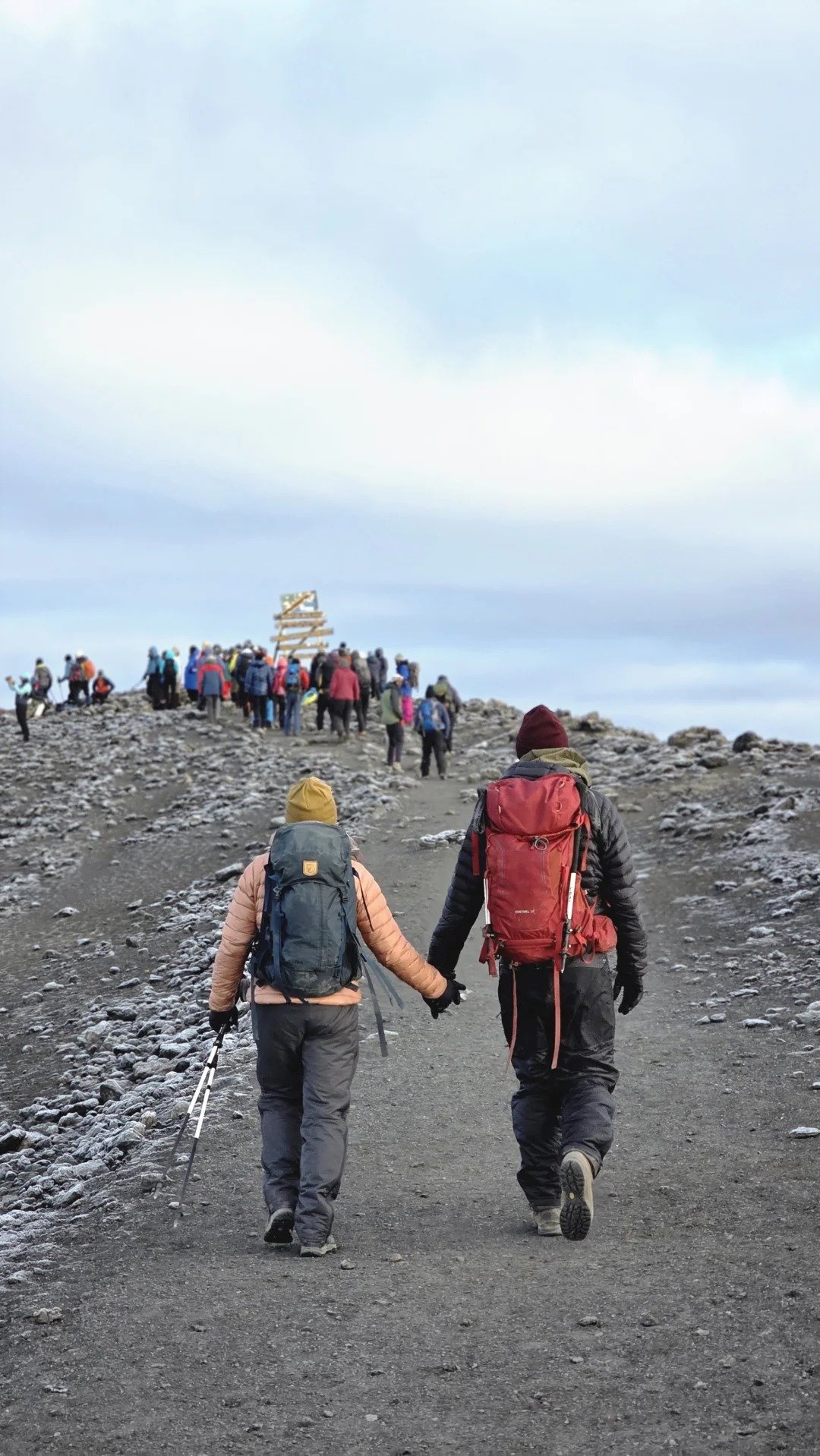
The dry season months in Tanzania—January and February—offer some of the most reliable trekking conditions on Kilimanjaro. Clear morning views, lower humidity, and generally better trail maintenance reduce the risk of rain-impacted days. This window also often aligns with post-holiday travel lulls in some markets, which can translate to slightly more flexible group dynamics and slightly Better availability for mid-range itineraries. Trade-offs to consider: peak-season crowding begins to rise as February nears, and lodge and park services ramp up in anticipation of peak season. For climbers prioritizing consistent trail conditions and dependable logistics, January–February remains a solid choice when balanced with flexible dates and a well-structured acclimatization plan.
Route options for 6–8 days
Climb 4 Africa typically emphasizes routes known for good acclimatization profiles and solid summit success potential. Here are representative pathways you’ll commonly encounter in January–February 2027 climbs, with the practical trade-offs to help you decide. Note: exact dates, availability, and inclusions must be confirmed with our team.
- Lemosho Route (7–8 days): A longer approach with excellent acclimatization, scenic diversity, and high summit success potential. Good entry for first-timers who want a generous acclimatization schedule and fewer crowds early in the year.
- Machame Route (6–7 days): The famous “Whiskey Route” known for strong scenery and solid acclimatization when paired with a second short acclimatization day. Popular for groups seeking a balanced pace and classic Kilimanjaro experience.
- Mweka Extension or Kilimanjaro Marathon Combos (6–7 days): For climbers who want a shorter ascent with a strong finish and true summit-night challenge, often used as a post-summit activity in some itineraries.
- Rongai Route (6–7 days): A less crowded path approaching from the northeast, with a different ecological sequence. Suitable for travelers seeking a quieter route, though sometimes more exposed to cold mornings.
- Shira Route (6–7 days): A quieter alternative with a gentler start and steady ascent, appealing to those who want to avoid the busiest trails while keeping acclimatization reasonable.
Key planning note: some routes include an extra acclimatization day on day 3 or 4, which can be essential in January–February when temperatures and day length vary. Your guide will tailor the pace to your group’s fitness level and previous altitude experience.
Acclimatization, weather, and trail conditions
Altitude acclimatization is the single most important determinant of summit success on Kilimanjaro. For January–February climbs, plan for a deliberate progression: elevation gain is spread over more days on routes like Lemosho or Machame to ease the body into thinner air. Expect cool winds and potential night-time frost, with daytime highs around trekking temperatures that feel brisk under a sun-drenched sky. Trails are generally dry, but occasional humidity or dew can affect overnight comfort. Rain is unlikely in this window, yet weather patterns on Kilimanjaro can still surprise you, so pack for variability and follow your guide’s lead for pace adjustments. Hydration, slow ascent, and rest days are non-negotiable for higher success probability.
Sample itineraries for 6–8 days
Below are representative patterns you might encounter when selecting a January–February departure. They illustrate typical pacing, not a fixed guarantee. Always refer to the current 2027 offer from Climb 4 Africa for exact days and inclusions.
- 7 days Lemosho (recommended baseline): Day 1 – Kilimanjaro International Airport to Moshi; Day 2 – Acclimatization hike in Moshi or nearby forest; Day 3–7 – Trek via western approach with a resting day (Day 4) and summit push on final night; Day 8 – Descent and return to Moshi/Arusha.
- 6 days Machame (classic pace): Day 1 – Airport transfer and acclimatization stroll; Day 2 – Mti Mkubwa forest walk; Day 3 – Summit prep hike; Day 4 – Summit night; Day 5 – Descent to Mweka Camp; Day 6 – Return to Moshi/Arusha.
- 6 days Rongai (northeast route): Day 1 – Transfer to Rongai gate near the Kenyan border; Day 2–5 – Gradual ascent with a mid-point acclimatization stop; Day 6 – Summit night and descent.
Exact daily schedules depend on group fitness, weather windows, and park rules. Climb 4 Africa will share a day-by-day plan in your personalized quote and will adjust pacing to keep you safe and comfortable.
Planning tips and packing gear
Smart packing is a difference-maker. For January–February, you’ll want layers that handle cool mornings, warmer afternoons, and alpine nights. Core gear includes windproof outer layers, insulating mid-layers, a high-quality sleeping bag for sub-zero conditions, and a reliable 30–40 liter daypack for summit push essentials. A sturdy pair of waterproof boots with good ankle support, gaiters, and trekking poles improve stability on rocky sections. Don’t overlook a well-fitted headlamp, spare batteries, and a power bank. Hydration systems and electrolyte solutions aid acclimatization, while a light pair of gloves and a warm hat guard against the summit chill. A compact first-aid kit, altitude bracelets (if you use them), and a small personal kit for planned breaks keep you moving with confidence.
General outfitting advice: choose a reputable local operator like Climb 4 Africa to coordinate gear lists, potential rental options, and to ensure you’re covered for national park fees and porters’ support with ethical handling. Ask about porter ratios, which affect comfort and pace, and confirm whether you need to bring a sleeping mat or if it’s provided on your chosen itinerary.
What’s included and how to book
Inclusions vary by itinerary and season, but typical inclusions for January–February climbs often cover park entry, rescue insurance, tented accommodation or camping gear, meals, guides, porters, and transfer services between Kilimanjaro region hubs. Exclusions usually include international flights, visa fees, personal gratuities, alcohol, and certain optional activities. For the most accurate quote, request a customized package from Climb 4 Africa, tailored to your group size, preferred route, and dates.
Booking steps with Climb 4 Africa:
- Identify your preferred route window (e.g., 6–7 days on Machame or Lemosho) and your fitness level.
- Request a current, detailed quote including inclusions, porters, and any extra acclimatization days.
- Confirm a flexible deposit arrangement and understand the payment milestones.
- Share passport copies, preferred flight details, and any special dietary needs or medical considerations.
To start a tailored quote, contact WhatsApp +255 747 477 898 or email climb4africa@gmail.com. Mention your intended January–February 2027 timing, number of travelers, and any route preferences so the team can propose a precise itinerary and price framework.
Altitude safety and safety considerations
Altitude safety hinges on gradual ascent, adequate acclimatization, and attentive guides. Even in dry-season windows, mornings at the summit can drop below freezing, and weather can shift quickly. Expect a patient pace, regular rest stops, and the option to shorten or adjust days if your body signals the need. Ensure your guide-to-porter ratio stays within recommended limits and keep hydrated with regular water intake. If you have a history of altitude illness, discuss risk mitigation with Climb 4 Africa before booking so they can adapt the plan, possibly adding an extra acclimatization day or selecting a route with a lower summit altitude gain per day.
Practical FAQs
- Is January–February a good time to climb Kilimanjaro?
- Yes for many climbers, due to favorable weather and clearer trails, but you should be prepared for crowd density as the window progresses. Acclimatization remains essential.
- How long is a typical Kilimanjaro climb in this window?
- Most itineraries range from 6 to 8 days of trekking, plus travel days to and from Moshi/Arusha. Your exact plan will depend on the route and pace chosen.
- What should I book through Climb 4 Africa?
- A tailored Kilimanjaro climb with route choice, acclimatization plan, porters, guides, park fees, meals, and airport transfers. Flights and visas are arranged separately.
Related Guides and Packages
Check Availability for Kilimanjaro January And February Climbing Tours 2027
Ready to compare dates, prices, and the best option for your group? Send the package name and travel month so the team can reply with a clear quote, availability, and what is included.
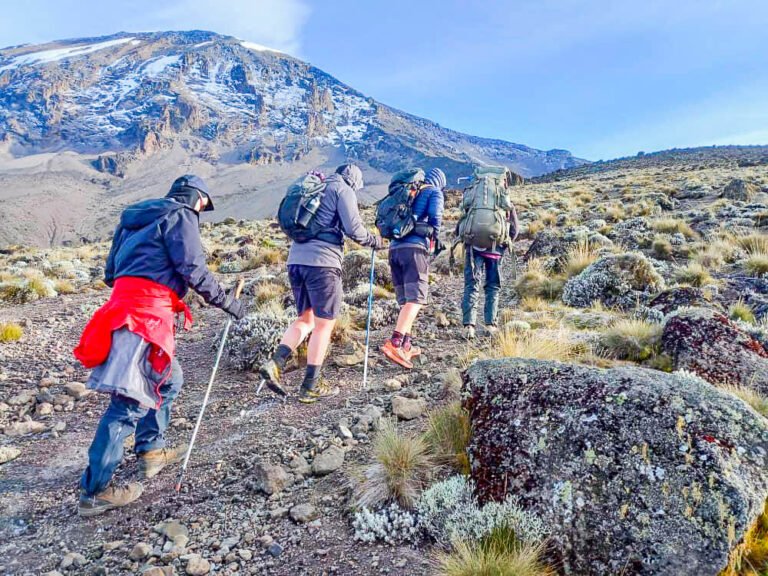
Climbing Kilimanjaro : Prices, Dates, And Routes 2026-2027
A comprehensive guide to planning your 2027 Kilimanjaro expedition, covering route choices, cost factors, and the essential logistics for a successful summit.
View package details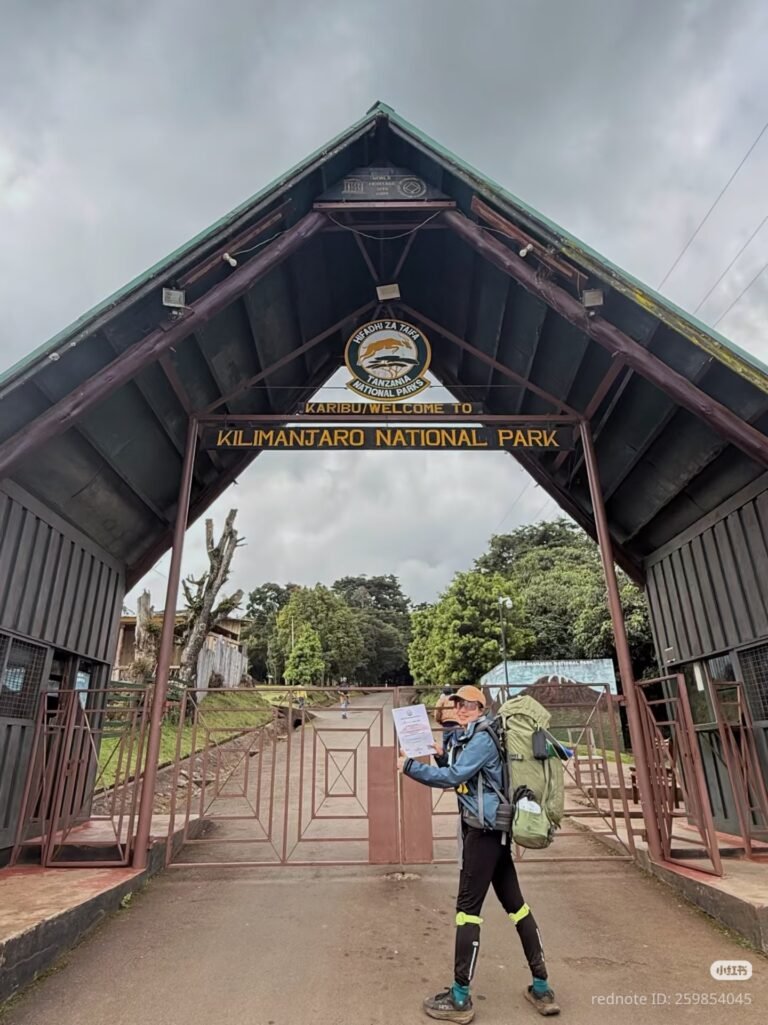
Kilimanjaro Climbing Tours From Canada – Guide 2027
- Kilimanjaro Climbing Tours from Canada – 2027 Guide is explained with current 2027 planning, price, itinerary and booking information.
View package details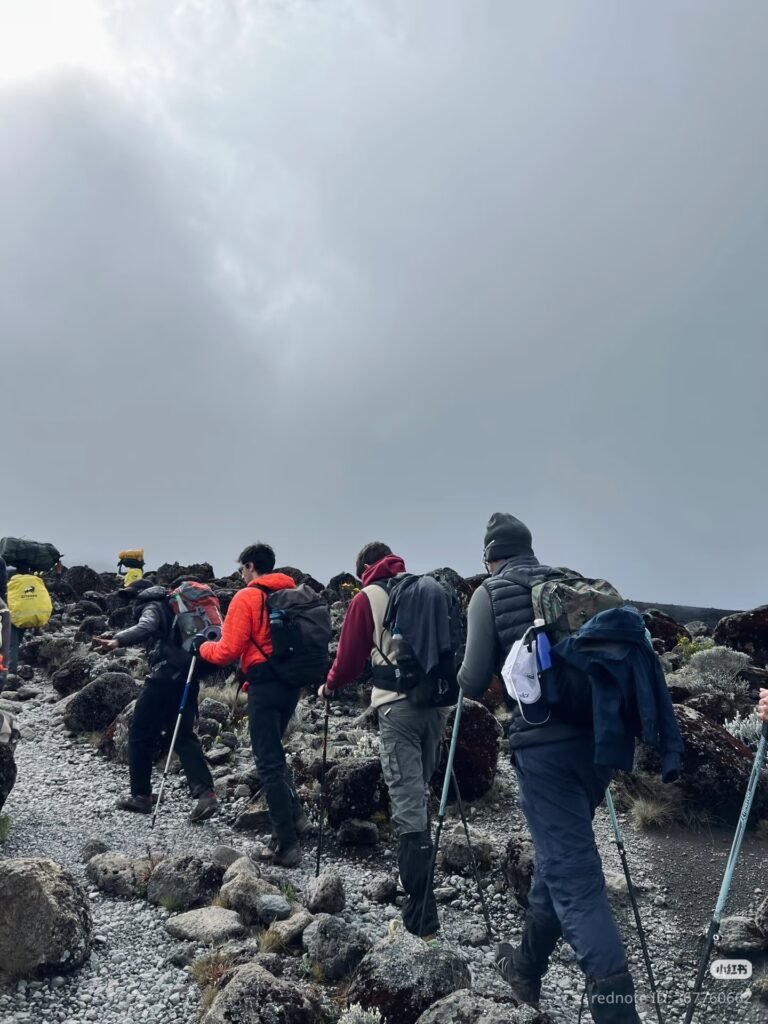
Kilimanjaro Group Climbing Tours : Join Scheduled Departures 2027
A guide for US travelers planning a Kilimanjaro climb in 2027, focusing on the logistical, financial, and social advantages of joining scheduled group departures.
View package detailsFrom USA, Best Kilimanjaro Climbing Packages : Routes, Prices & Planning 2027
A practical guide for US travelers planning a Kilimanjaro expedition in 2027, covering route selection, seasonal logistics, and booking transparency.
View package details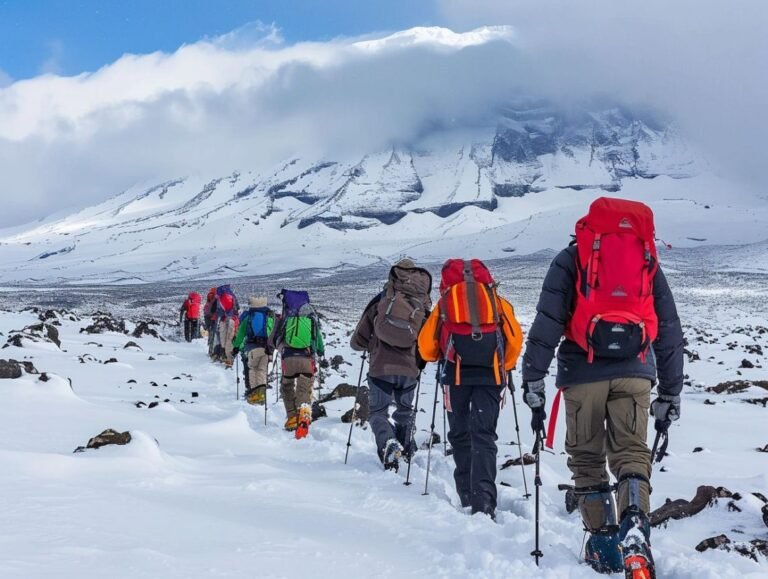
8 Day Lemosho Route – 20 February Kilimanjaro Departure With Climb 4 Africa
This article details the 8-day Lemosho Route Kilimanjaro climb scheduled for February 20, 2027, focusing on planning, itinerary, and what makes this departure a unique opportunity with...
View package details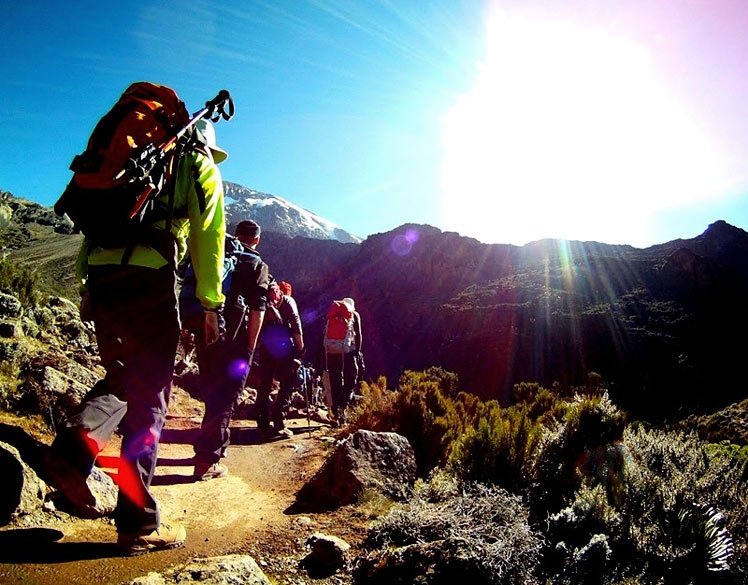
Kilimanjaro Climb February – Dry Season Groups And Availability 2027
Kilimanjaro Climb February 2027 – Dry Season Groups and Availability is explained with current 2027 planning, price, itinerary and booking information.
View package details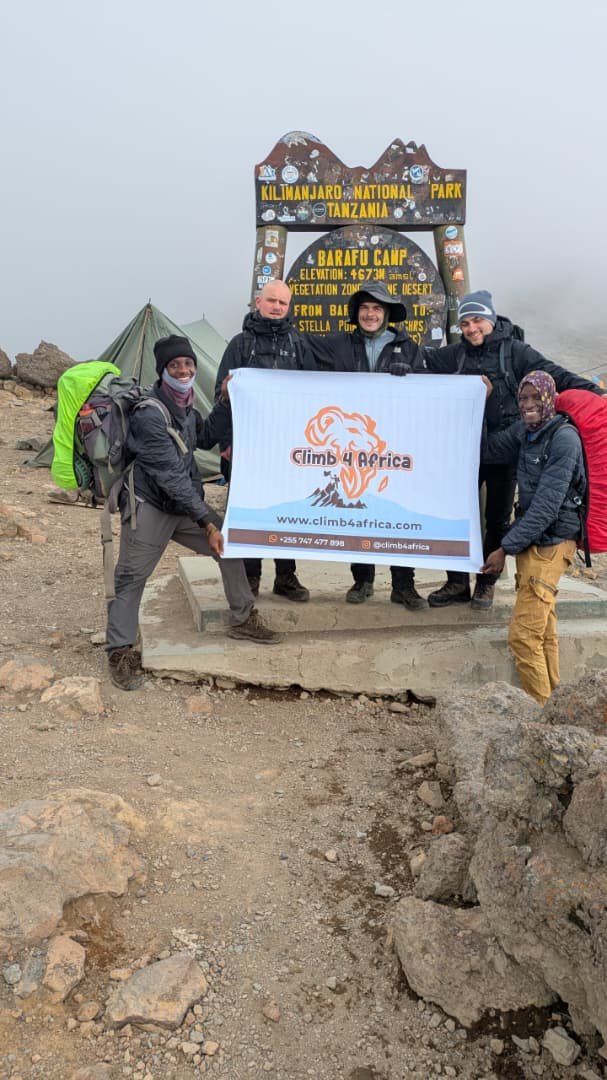
Kilimanjaro Climb August : Dates And Costs Planning Guide 2026-2027
Expert guide to planning a Kilimanjaro expedition in August 2027. We break down the logistics, cost factors, route choices, and seasonal weather patterns for your summit attempt.
View package details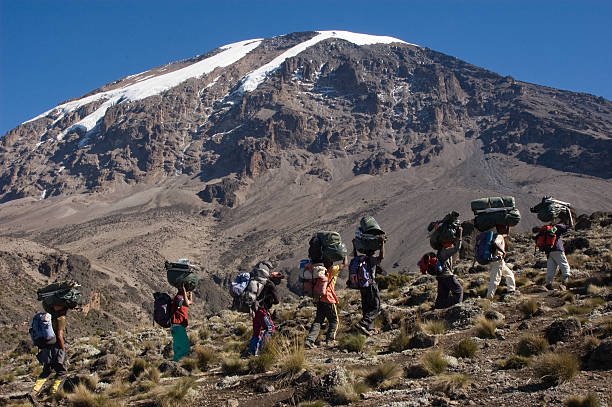
Mount Meru And Kilimanjaro Combo Trip : The Ultimate Acclimatization Strategy
Maximize your Tanzanian trekking success by combining Mount Meru and Kilimanjaro. Get expert planning advice for your 2027 expedition.
View package details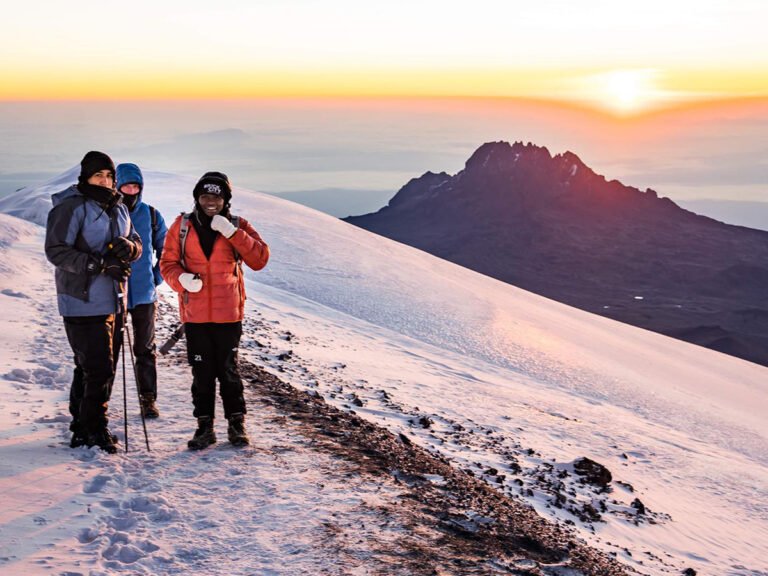
Kilimanjaro Machame Route 7 Days: A Practical Guide To Itinerary And Costs
A deep look at the 7-day Machame Route on Kilimanjaro. Understand the itinerary, why the extra day matters for your summit success, and how to plan your 2026-2027 expedition.
View package detailsKilimanjaro Climb : Guided Group Tours & Planning Guide 2026-2027
A deep look at planning your 2027 Kilimanjaro expedition. Learn why guided group tours are the preferred choice for safety, logistics, and shared camaraderie on the roof of Africa.
View package detailsKilimanjaro And Serengeti Safari Holiday : Your Ultimate Tanzania Adventure
Discover how to combine the challenge of climbing Kilimanjaro with the majesty of the Serengeti safari in 2027. Practical advice for planning your perfect Tanzanian journey.
View package details
Ireland — Book Kilimanjaro Trekking 2027
A practical, field-guide style guide for Irish travelers planning Kilimanjaro trekking in 2027 with Climb 4 Africa, covering routes, planning, inclusions, and booking steps.
View package detailsNo related package matches those filters. Clear one or more filters to see the other topic-matched options.



