
Kilimanjaro and Mount Meru trekking packages for 2027 involve selecting between two distinct, yet equally rewarding, Tanzanian volcanic giants: Kilimanjaro, the highest peak in Africa, and Mount Meru, a more accessible, lower-altitude companion peak. The practical direct answer is that while Kilimanjaro offers iconic, high-altitude challenges (like the Lemosho or Machame routes), Mount Meru provides a shorter, more manageable, and highly scenic climb ideal for those seeking a less extreme, yet deeply rewarding, volcanic experience. Both require careful planning, especially regarding acclimatization and seasonal timing, which can be confirmed with specialized local operators like Climb 4 Africa.
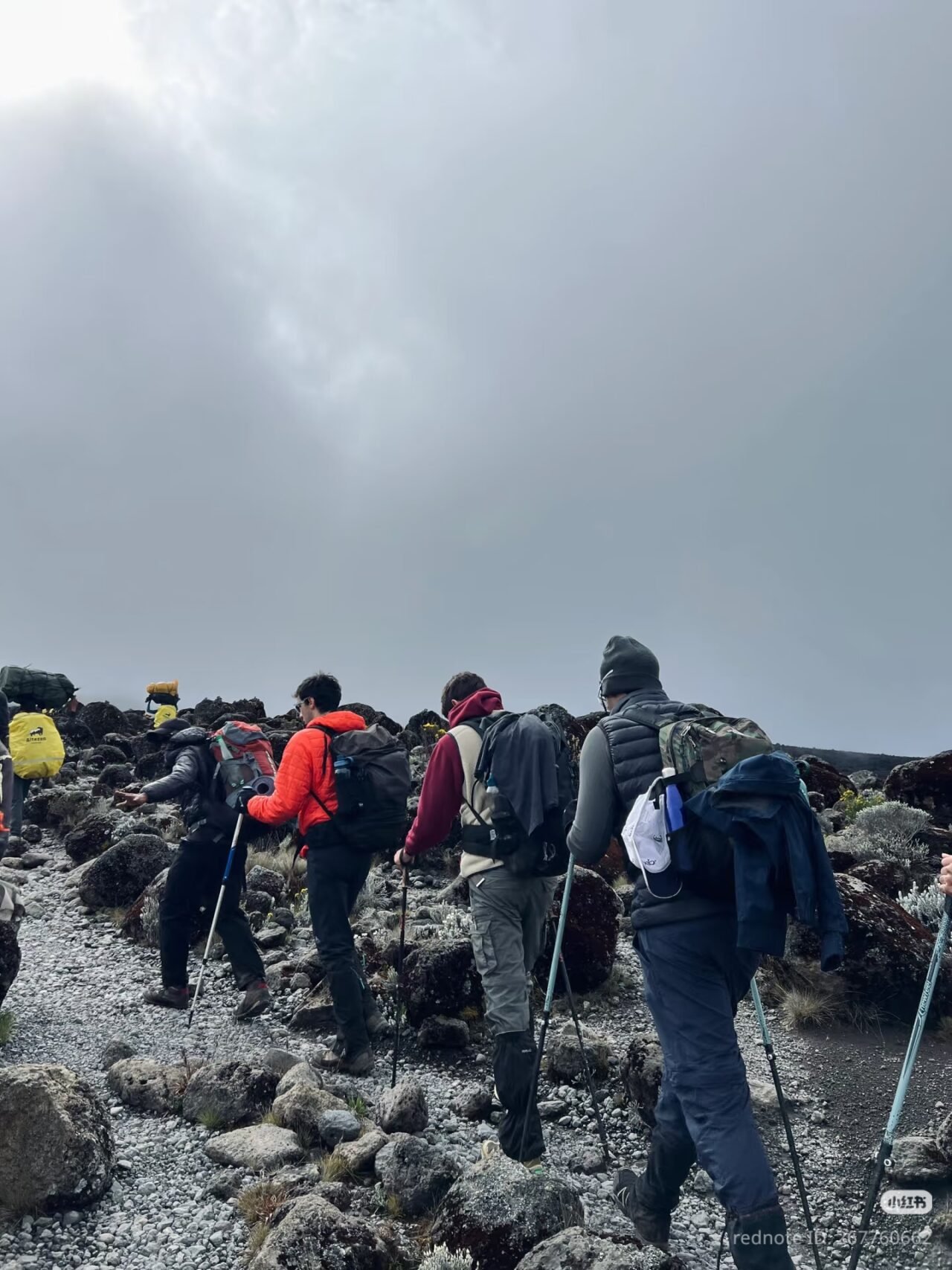
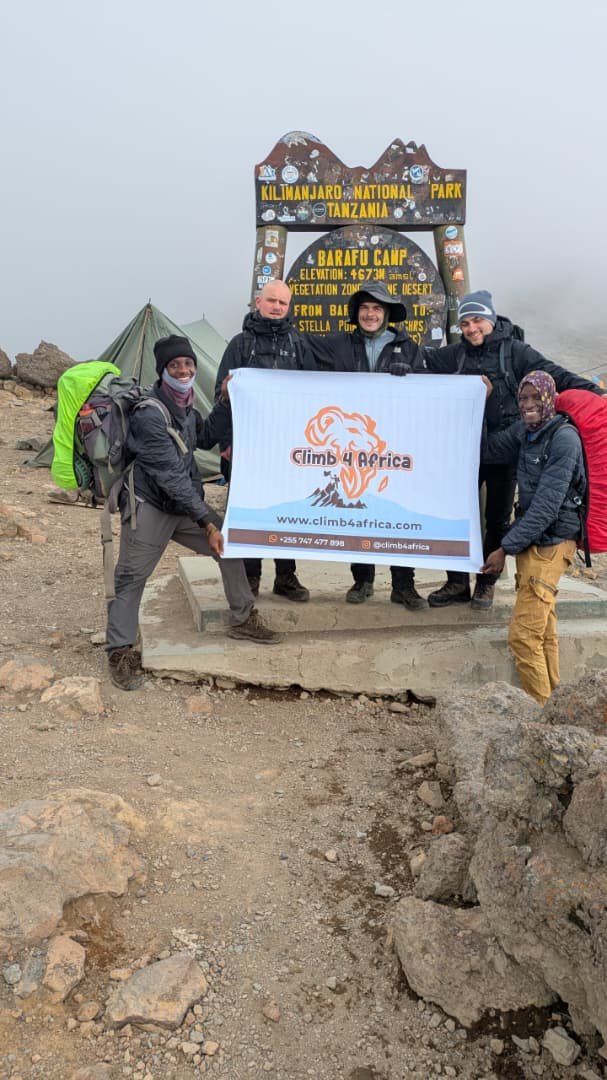
Understanding the Two Volcanoes: Kilimanjaro vs. Meru
Before committing to a trekking package, it is crucial to understand the fundamental difference between these two magnificent mountains. While they share the same geological region and impressive Tanzanian landscape, they offer vastly different experiences. Kilimanjaro is the undisputed titan, standing at 5,895 meters (19,341 ft), presenting a significant, high-altitude challenge that demands meticulous acclimatization. It is the goal for many serious mountaineers seeking a true high-altitude achievement. Mount Meru, conversely, sits lower at 4,565 meters (14,900 ft). This difference in elevation is not merely a number; it dictates the entire trekking experience—the physical demands, the required duration, and the physiological risks associated with altitude sickness.
Mount Meru is often viewed as a superb, more attainable introduction to high-altitude trekking in East Africa. It provides a deeply scenic, rugged climb, offering unique views of the surrounding plains and forests before reaching its summit. Kilimanjaro, due to its sheer scale and height, requires a much longer, slower ascent profile to mitigate the effects of altitude. Choosing between them in 2027 is fundamentally a choice between a monumental, high-stakes summit experience (Kilimanjaro) and a highly rewarding, expertly managed, mid-altitude expedition (Meru).
Kilimanjaro Trekking in 2027: The Icon
Kilimanjaro demands respect. Its altitude means that the body’s ability to process oxygen becomes the primary constraint, making the pace and the route selection paramount. For 2027 trekkers, the key decision revolves around the number of days. The longer the trek, the better the chance of successful acclimatization, and therefore, the higher the probability of reaching the summit. This principle is non-negotiable for a safe and successful climb.
Kilimanjaro Route Strategies: Pace and Profile
Operators offer several distinct routes, each with its own unique advantages, terrain profile, and acclimatization strategy. There is no single ‘best’ route; there is only the route that best matches your physical condition, time allowance, and desired scenery. Some popular options include:
- Machame Route: Often considered the most popular and scenic option. It traverses lush rainforest sections before transitioning into moorland and eventually alpine desert. It is a challenging route but is highly respected for its gradual ascent profile. It is typically offered in 6 or 7 days, with the 7-day option being strongly recommended for safety and acclimatization.
- Lemosho Route: Known for its stunning, diverse landscapes and its gradual, logical ascent. Because it is longer, it inherently provides excellent acclimatization opportunities. This route is often preferred by those who prioritize a comprehensive experience and a higher likelihood of summit success.
- Northern Circuit: This route is significantly longer, often taking 8 to 10 days. Its advantage lies in its gradual elevation gain and exposure to different ecological zones, making it arguably the safest route for maximizing acclimatization. It is ideal for travelers who have more time and are prioritizing a high chance of summiting.
Specialist Advisory: When reviewing Kilimanjaro packages for 2027, never accept a short, 5-day itinerary unless you are extremely fit and understand the significant risk involved. For a comfortable and responsible climb, focus on 7-day options at minimum, and ideally 8 or 10 days if time permits. The difference in summit success rates between a 5-day and a 7-day climb is substantial and is directly tied to the time spent at intermediate altitudes.
Kilimanjaro Logistics and Gear Considerations
Logistically, a Kilimanjaro trek involves intricate coordination: ground transfers from airports (like Kilimanjaro International Airport, JRO) to the park entrance, daily transport to camps, porters, guides, and cook services. The quality of the operator directly impacts the quality of these elements. For 2027, travelers must confirm the level of support—whether you are opting for a standard shared group package or a private expedition. The gear list is extensive, requiring specialized high-altitude sleeping bags, layering systems, and sturdy boots. While operators provide camping equipment, the heavy-duty cold-weather clothing and technical footwear are personal responsibilities.
Mount Meru: The Strategic Alternative
Mount Meru offers a completely different kind of adventure. It is less about conquering extreme altitude and more about a deep, rewarding journey through varied Tanzanian ecosystems. The trek is shorter, often requiring only 3 to 5 days, depending on the chosen itinerary and speed. It is a superb choice for travelers who want the iconic volcanic scenery of Tanzania but may not be prepared for the sustained physiological stress of Kilimanjaro’s higher reaches.
The Meru Trekking Experience: Landscape and Pace
The ascent of Meru typically takes you through distinct ecological zones: fertile low-lying plains, dense montane forest, and finally, high moorland leading up to the summit plateau. The trails are generally well-maintained, and the pace, while still challenging, is manageable for a wider range of fitness levels. The reward is a powerful sense of achievement achieved through a shorter, more focused effort. For those who find the thought of extreme altitude daunting, Mount Meru provides a perfect, exhilarating alternative.
Meru vs. Kili: A Quick Mental Check
If your primary goal is to push the limits of human endurance at extreme altitude, choose Kilimanjaro. If your goal is a deeply in-depth, challenging, yet more manageable journey through diverse volcanic landscapes, Mount Meru is the superior choice. Meru is often seen as the perfect complement to a safari, offering a shorter, focused adventure that complements the wildlife viewing experience.
Route Comparison and Decision Factors: Choosing Your Ascent
The decision between Kilimanjaro and Meru, or even between two Kili routes, requires a systematic comparison of several key factors. This is where a seasoned local specialist’s insight is most valuable—understanding the trade-offs inherent in each choice.
Physical Fitness and Acclimatization Requirements
Acclimatization is the single most important factor for safety on Kilimanjaro. The duration of your trek directly dictates the acclimatization window. Meru’s lower altitude reduces the immediate risk, but proper pacing is still essential. For Kilimanjaro, a slower, deliberate pace (often referred to as ‘Pole, pole’—slowly, slowly) is not merely a philosophy; it is a medical necessity. If you are unsure of your fitness level, starting with a shorter, well-supported Meru trek can be an excellent way to test your body’s response to high-altitude trekking before committing to the massive undertaking of Kilimanjaro.
Time and Budget Trade-Offs
Generally, a Kilimanjaro trek will require significantly more time and therefore a higher overall package cost than a Mount Meru trek. The longer duration of Kili is directly correlated with the increased logistical complexity (more nights in camp, more days of guiding and support). However, budget options exist for both. When comparing costs, remember that the package price must cover all aspects: park fees, guide/porter wages, camping gear, and food. Always request a detailed breakdown to ensure transparency regarding the inclusions.
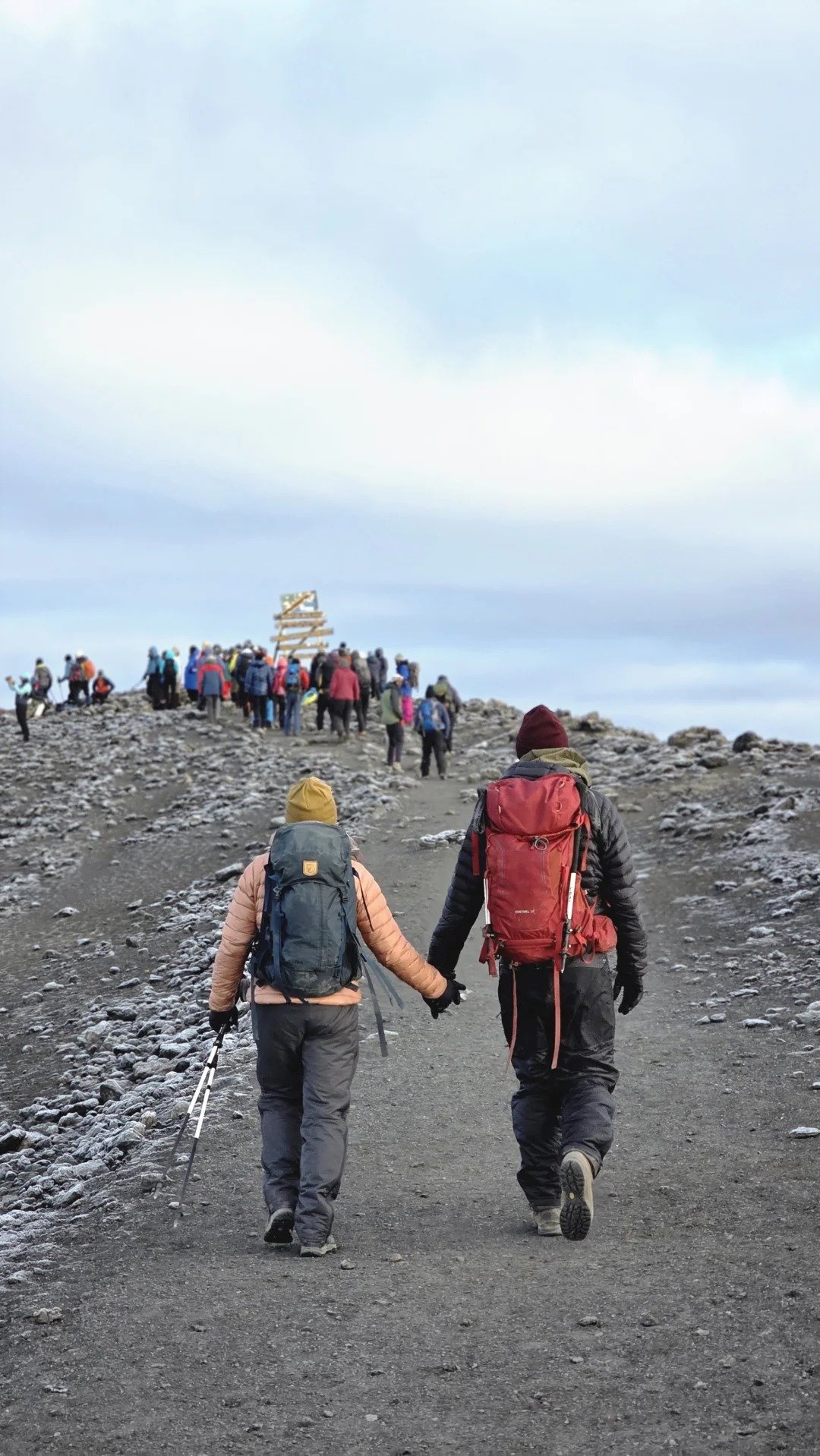
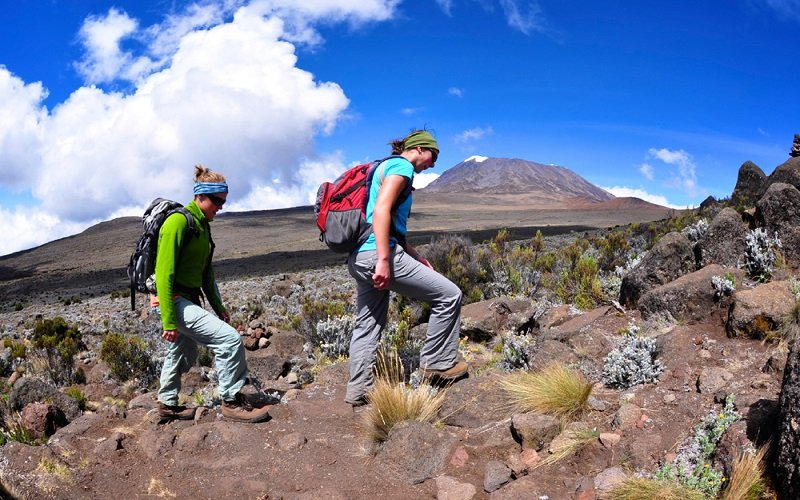
Logistics and Planning for 2027: What to Confirm
Planning for 2027 requires foresight, especially regarding seasonal windows and permit availability. Tanzania’s climate dictates the best time to climb. The dry seasons (typically June-October and December-February) offer the most stable weather, reducing the risk of severe rain and mudslides, which can severely impact trekking schedules. The peak season, however, means higher demand and potentially higher operational costs.
Critical Checklist for 2027 Booking
- Route Confirmation: Clearly define if the priority is Kili (e.g., Lemosho 8D) or Meru (e.g., 4-day ascent).
- Pace Commitment: Discuss the desired trekking pace (fast vs. slow) with the operator.
- Inclusions Clarity: Confirm what is covered (e.g., meals, porters, permits, insurance recommendations).
- Departure Window: Specify your desired month in 2027, understanding that certain high-demand slots fill quickly.
- Support Level: Decide between shared group trekking or private guiding.
Before making any commitment, it is vital to engage with local experts who manage the intricate relationship with the park authorities. The permits and local infrastructure are managed on the ground, and a reliable operator ensures this entire system runs smoothly. If you are looking to compare options or need a customized itinerary that blends a Kilimanjaro climb with a subsequent safari, consulting with Climb 4 Africa is a sensible next step.
Essential Trekking Preparation and Safety
Safety in high-altitude trekking is not an afterthought; it is the entire focus of a professional operation. The most common danger is Acute Mountain Sickness (AMS). Mitigation involves proper physical preparation, slow ascent, and hydration. Hydration, specifically, is crucial—the dry, thin air at altitude can cause rapid dehydration, exacerbating altitude symptoms.
Pre-Trip Physical and Medical Preparation
For Kilimanjaro, a period of targeted cardiovascular training months before departure is highly recommended. This doesn’t mean becoming an elite athlete, but ensuring your body is robust enough to handle the sustained physical effort. Medically, consult your doctor about altitude sickness medication (such as Diamox) and ensure you have comprehensive travel insurance that specifically covers high-altitude trekking and emergency evacuation. This insurance is a critical, non-negotiable component of any serious climbing plan.
On-Mountain Safety Protocols and Guide Roles
Your guides are trained professionals whose primary role is your safety. They monitor your symptoms, manage the pace, and know the established protocols for AMS. Travelers must be honest with their guides about how they are feeling, even if they feel capable. Never hesitate to communicate discomfort. Furthermore, be aware of the environmental risks: unpredictable weather changes, especially in the alpine zones, require proper layering and preparedness for sudden temperature drops.
When considering your overall Tanzanian journey, remember that these climbs often pair perfectly with wildlife experiences. Many travelers choose to combine a challenging trek with a subsequent safari experience, perhaps looking at Kilimanjaro and Tanzania Safari Packages. This combination offers the best of both worlds: the majesty of the mountains and the drama of the Serengeti.
Planning Your Perfect Tanzania Adventure
Whether your heart is set on the monumental challenge of Kilimanjaro or the magnificent, accessible journey of Mount Meru, the planning phase for 2027 is where you establish the foundation for a successful trip. The ideal planning window is well in advance of your travel dates, allowing for detailed itinerary customization and securing the best possible operational team.
If you are looking for a pre-defined group experience, exploring options like Kilimanjaro Group Trekking Holidays 2027 might suit your needs. Conversely, if you require a completely bespoke itinerary that perfectly balances climbing days with cultural excursions or safari stops, a tailor-made package is the way to go. At Climb 4 Africa, the focus is on providing practical local support that transforms the logistical complexity into a smooth, rewarding experience.
The next decisive step is to articulate your needs clearly: what is your fitness level? What is your maximum time budget? Is the ultimate goal summiting Kili, or enjoying the Meru experience? Once these parameters are established, a specialist can provide a precise, current quote and a tailored itinerary specific to your travel dates in 2027. Do not rely on general online information for final booking details; professional consultation ensures all regulatory and logistical details are managed correctly.
To start designing your perfect Tanzanian expedition, including options for Kilimanjaro, Mount Meru, or even combining the two with a safari, please contact the specialists at Climb 4 Africa. You can reach them via email at climb4africa@gmail.com or directly via WhatsApp at +255 747 477 898. They are ready to brief you on the specific requirements and options available for your 2027 adventure.
Related Guides and Packages
Check Availability for Kilimanjaro And Mount Meru Trekking Packages : Expert Guide 2027
Ready to compare dates, prices, and the best option for your group? Send the package name and travel month so the team can reply with a clear quote, availability, and what is included.
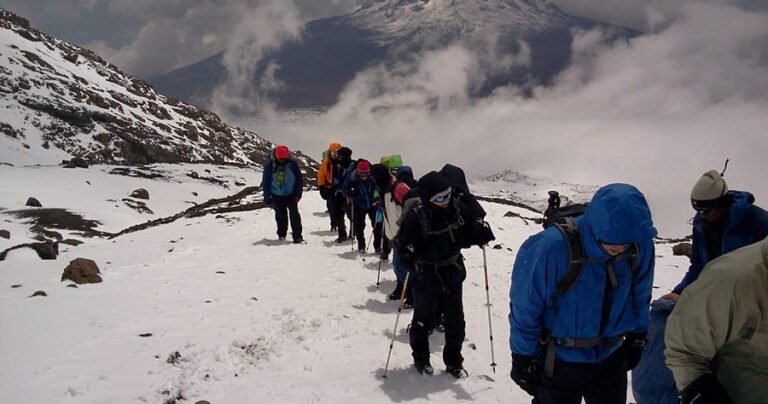
Mount Meru 4-Day Climb: The Complete Guide To Tanzania’s Hidden Peak 2026-2027
A deep look at the 4-day Mount Meru climb, covering the Momella route, altitude considerations, park logistics, and why this peak is the ultimate preparation for Kilimanjaro.
View package details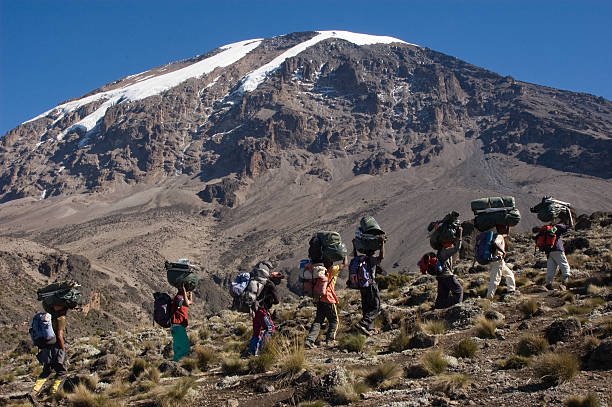
Mount Meru And Kilimanjaro Combo Trip : The Ultimate Acclimatization Strategy
Maximize your Tanzanian trekking success by combining Mount Meru and Kilimanjaro. Get expert planning advice for your 2027 expedition.
View package details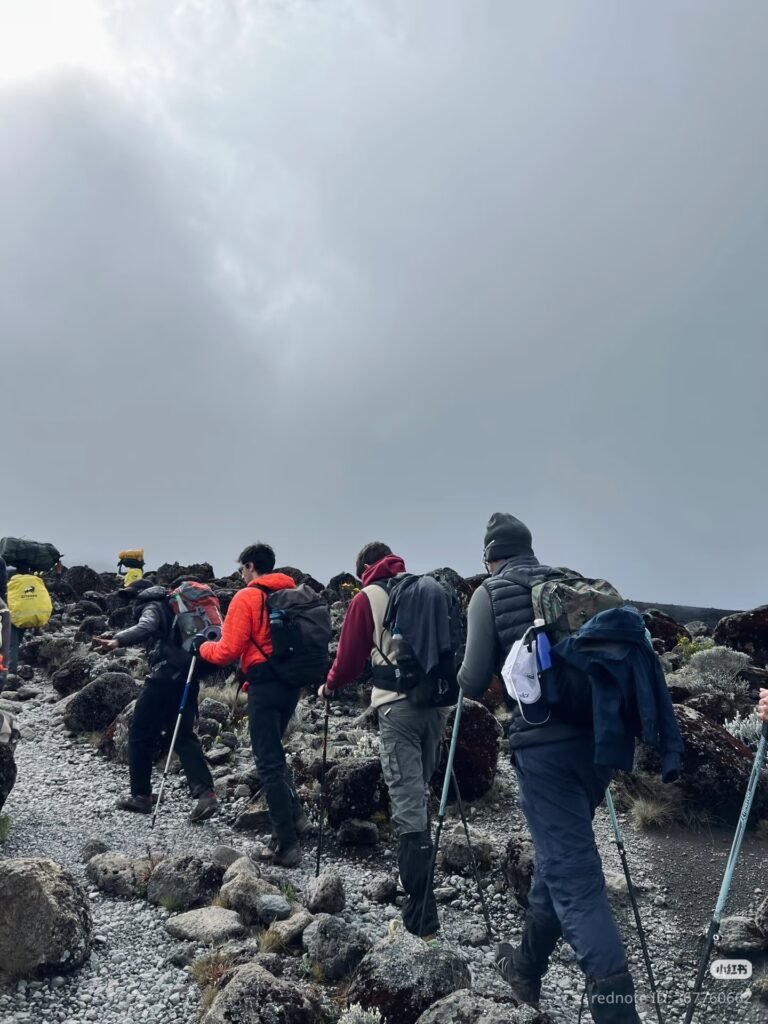
Mount Meru Trekking Tours Tanzania – Prices & Dates 2027
- Mount Meru Trekking Tours Tanzania – Prices & Dates is explained with current 2027 planning, price, itinerary and booking information.
View package detailsMount Kilimanjaro Guided Tours : Planning Your Trek From The Usa 2027
A comprehensive guide for US travelers planning a Kilimanjaro expedition in 2027, focusing on route selection, local operator logistics, and travel preparation.
View package details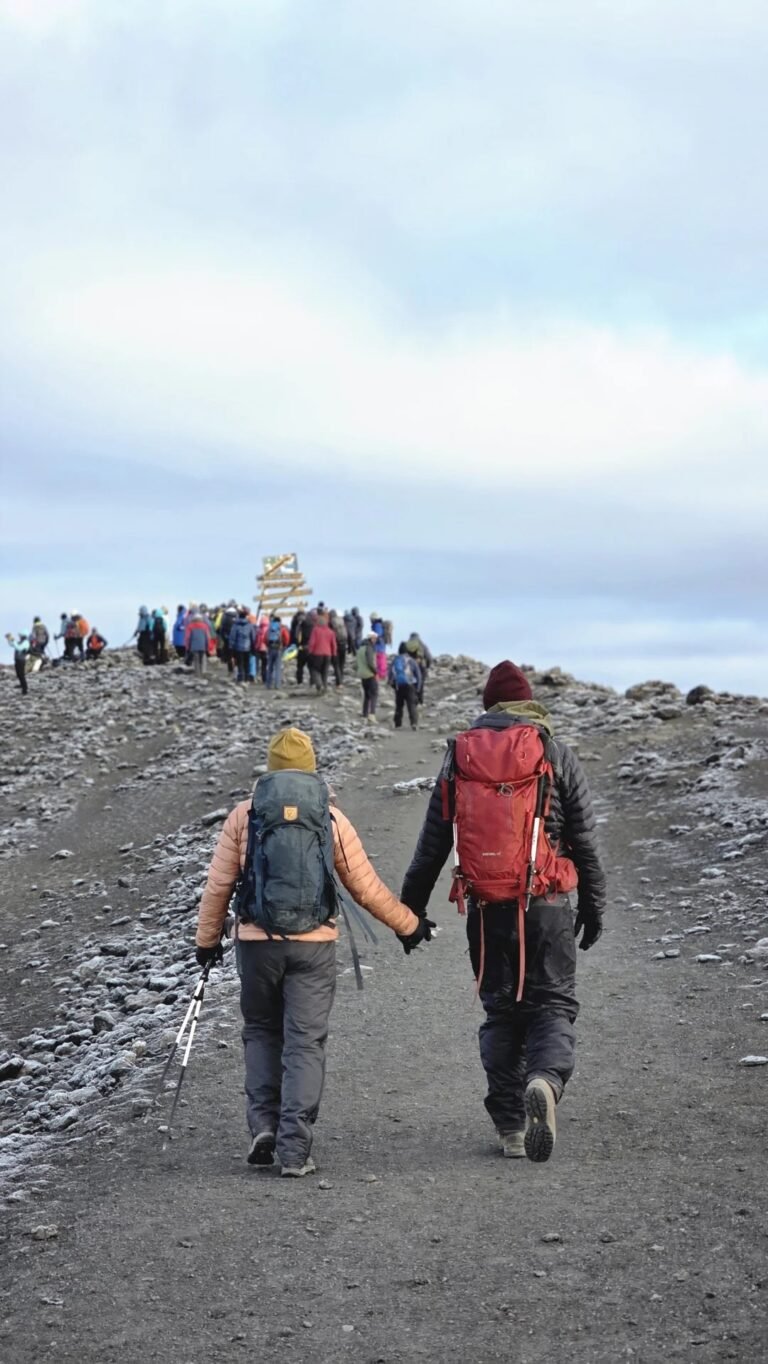
Ireland — Book Kilimanjaro Trekking 2027
A practical, field-guide style guide for Irish travelers planning Kilimanjaro trekking in 2027 with Climb 4 Africa, covering routes, planning, inclusions, and booking steps.
View package details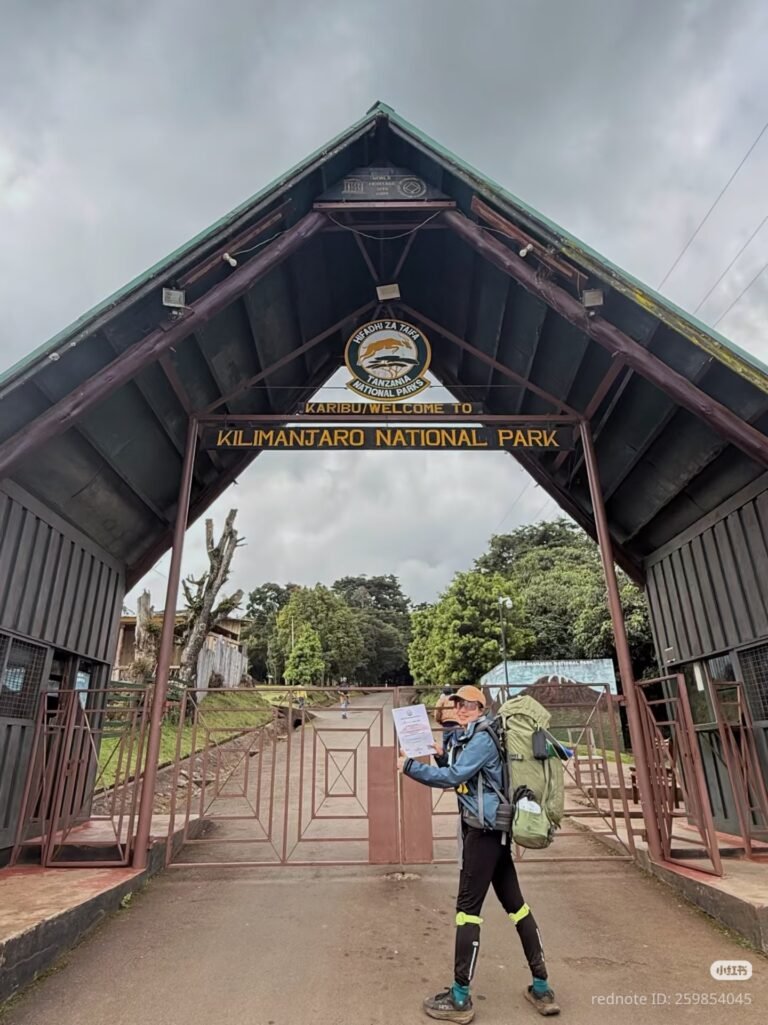
🇦🇺 Australia & 🇳🇿 New Zealand — Book Kilimanjaro Trekking 2027
🇦🇺 Australia & 🇳🇿 New Zealand — Book Kilimanjaro Trekking 2027 is explained with current 2027 planning, price, itinerary and booking information.
View package details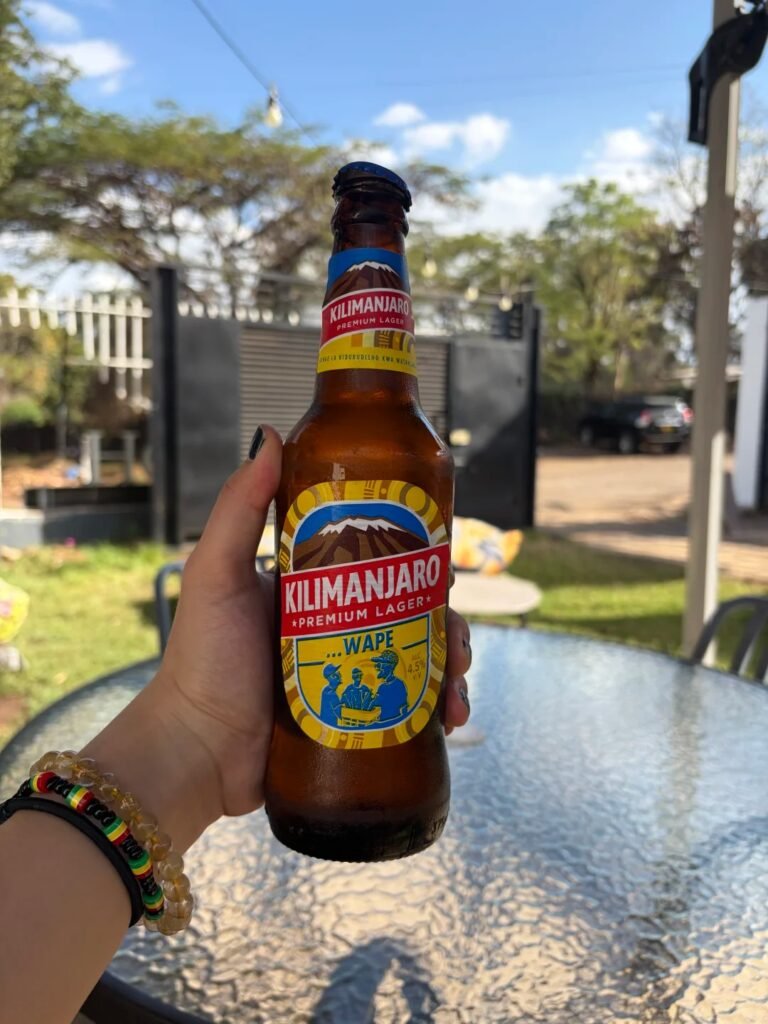
Canada To Kilimanjaro Trekking : Your Complete Guide To Booking With Climb 4
A practical, expert guide for Canadians planning Kilimanjaro trekking in 2027 with Climb 4 Africa, covering routes, durations, and planning steps without pressure.
View package detailsKilimanjaro Trekking Holidays From Ireland : Expert Planning Guide 2027
A comprehensive guide for Irish travelers planning their Mount Kilimanjaro ascent in 2027, covering route selection, logistics, and essential planning steps.
View package detailsKilimanjaro Group Trekking Holidays 2027
- Kilimanjaro Group Trekking Holidays 2027 is explained with current 2027 planning, price, itinerary and booking information.
View package detailsKilimanjaro Trekking Tours From Australia – Packages 2027
- Kilimanjaro Trekking Tours from Australia – 2027 Packages is explained with current 2027 planning, price, itinerary and booking information.
View package detailsKilimanjaro Trekking Packages For Canadian Travellers 2027
- Kilimanjaro Trekking Packages for Canadian Travellers is explained with current 2027 planning, price, itinerary and booking information.
View package details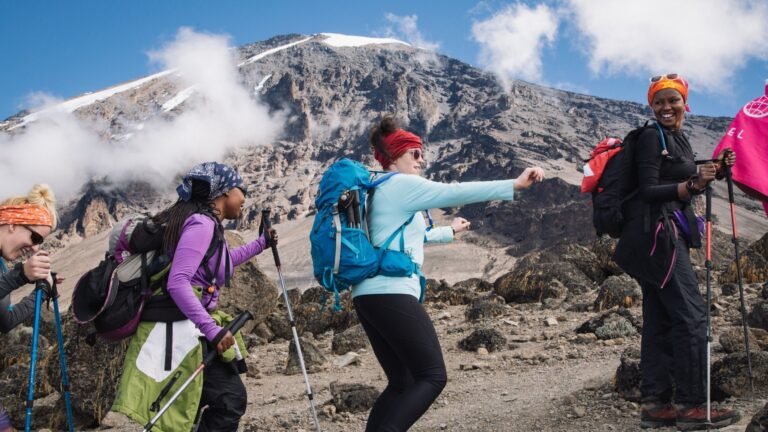
Kilimanjaro 1 May : Your Day Mountain Adventure Awaits 2027
start an unforgettable Kilimanjaro 1 May 2027 adventure. This guide details everything you need to know for a successful May Day climb, from route selection to essential preparation.
View package detailsNo related package matches those filters. Clear one or more filters to see the other topic-matched options.



