
Kilimanjaro and Tanzania Safari Packages combine two of Africa’s most iconic experiences: conquering Africa’s highest peak and witnessing the Great Migration and diverse wildlife across Tanzania’s parks. A typical package integrates a Kilimanjaro climb (often 6-8 days) with a multi-park safari (7-14 days), usually starting in Arusha. The best approach depends on your priority—whether it’s the physical challenge of the mountain or the relaxed wildlife viewing—and requires careful logistical planning for transit between the two major activities.
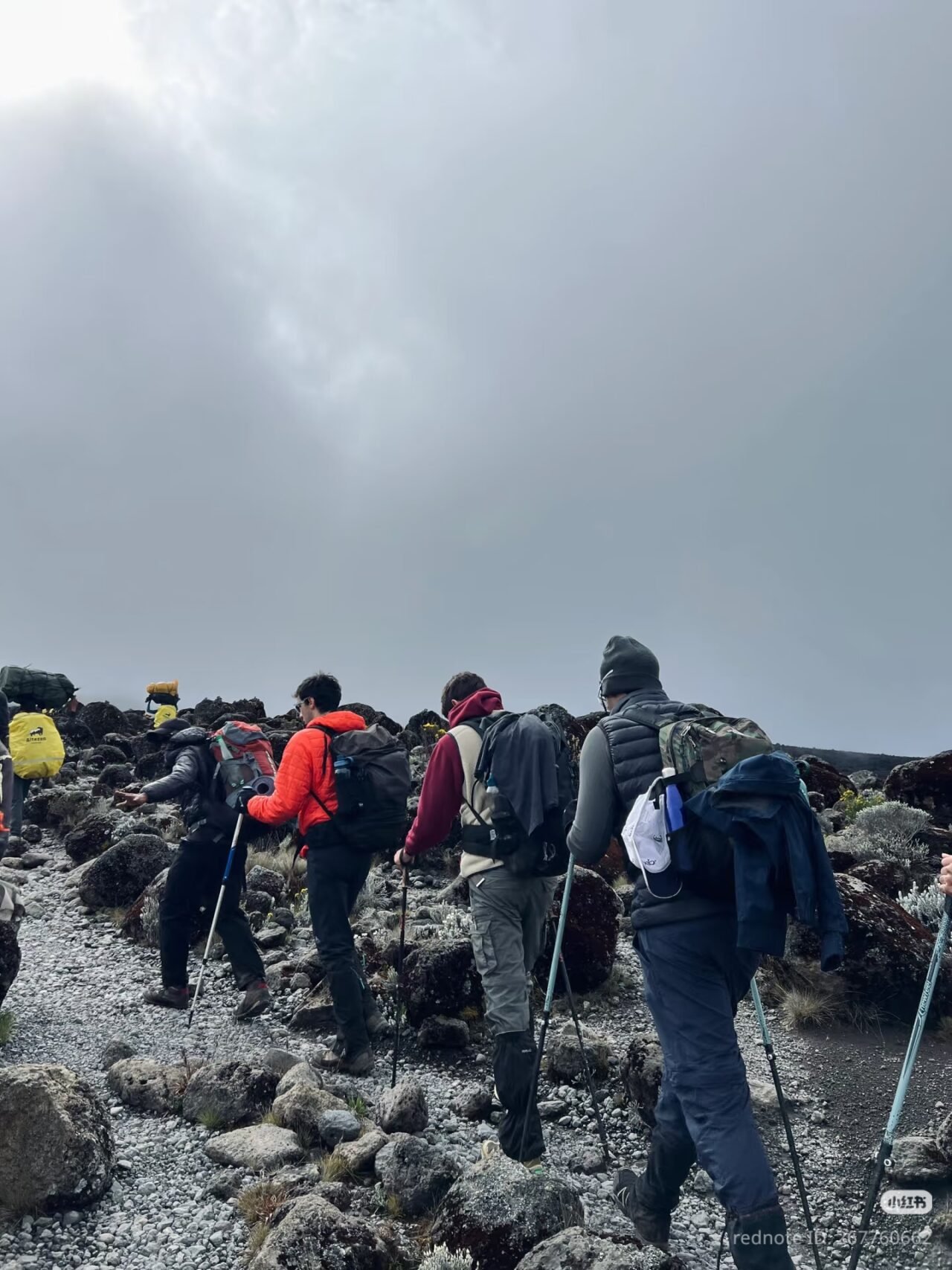
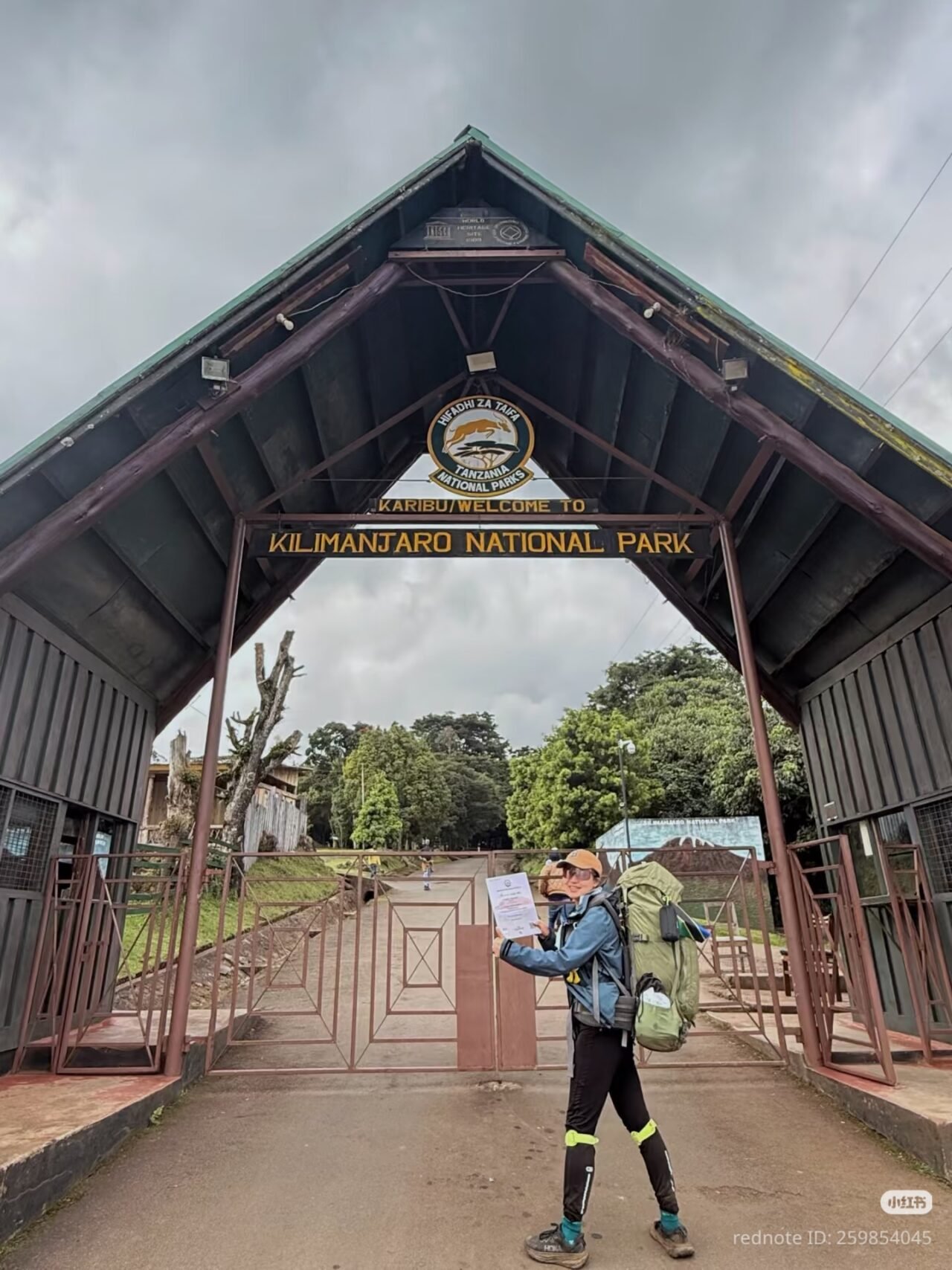
For many serious travelers, the dream of visiting Tanzania involves a combination of the spiritual triumph of reaching Uhuru Peak and the raw, untamed majesty of the Serengeti plains. These two activities, while geographically close, demand vastly different levels of physical exertion, logistical planning, and pacing. As a specialist guide for 2027 travel, my advice is to treat this combination not as a simple itinerary, but as a strategic adventure requiring careful sequencing and deep understanding of the trade-offs involved.
Planning the Great Adventure: Strategy and Timing
Before looking at any specific package, you must define your travel priority. Do you want a deeply challenging trek where acclimatization is paramount, or do you want a more relaxed, high-end safari experience that allows for long game drives? The synergy between the two activities is excellent, but the timeline is critical. Trying to cram both into a short window is a recipe for burnout, poor trekking performance, or rushed wildlife viewing.
A standard, well-paced combination package usually spans between 3 and 4 weeks. This allows sufficient time for a successful Kilimanjaro ascent (which demands patience and a longer route) and then gives the safari component enough time to explore multiple key regions—from the Ngorongoro Crater to the Serengeti and perhaps even the coast of Zanzibar. If your time budget is less than three weeks, you must be brutally selective: either focus on a shorter, less demanding Kilimanjaro route, or choose a shorter, targeted safari.
Timing the trip also matters significantly. The dry season (roughly June through October) is generally considered the prime time for safaris, as the weather is stable and wildlife is more concentrated. However, the rainy seasons do not necessarily preclude a trek; rather, they can impact park conditions and logistics. Always consult with an operator regarding the specific weather patterns for both the mountain and the plains during your planned travel window in 2027.
The Tanzania Safari Component: Parks and Experiences
The safari element of any comprehensive Kilimanjaro and Tanzania Safari Package is where the vast diversity of the country reveals itself. While the mountains provide high-altitude drama, the parks offer ecological drama. The key destinations—and the types of experiences they offer—are distinct:
- Serengeti National Park: The ultimate wildlife destination. This is where the Great Migration takes place, offering unparalleled views of massive herds. Safari here is about wide-open spaces, tracking, and vast distances.
- Ngorongoro Conservation Area: Often viewed as the jewel of the safari circuit, the Ngorongoro Crater offers a unique, self-contained ecosystem. Its high density of wildlife, including the rare black rhino, makes it a crucial stop. The experience here is intensely concentrated viewing within the caldera.
- Tarangire National Park: Known for its enormous baobab trees and large elephant populations, Tarangire provides a slightly different flavor—a focus on massive land animals and unique landscapes, often serving as a perfect transition park before or after the Serengeti.
- Zanzibar: While not a wildlife park, the inclusion of Zanzibar is a common and highly desirable addition. It serves as a coastal escape, offering beaches, culture, and a necessary decompression period after the rigors of both trekking and game driving. It’s the perfect way to conclude the adventure.
When evaluating a package, look beyond just the park names. Consider the flow of the itinerary. Does it move logically? For instance, moving from Arusha to Tarangire, then into the Ngorongoro Crater, before heading into the Serengeti allows for a natural progression of landscapes and wildlife types. A strong operator will build a narrative flow into the travel plan, not just a list of stops.
Conquering Kilimanjaro: Route Selection and Acclimatization
Mount Kilimanjaro is not merely a peak; it is a test of endurance, acclimatization, and mental fortitude. The route you choose is the single most important decision regarding the success of your climb. Altitude sickness is a real and serious risk, and the route itself is designed to mitigate this risk through gradual ascent.
The two most commonly recommended routes are the Machame and the Lemosho. While both are world-class, they offer different experiences:
- Machame Route (The Classic): This route is often favored for its relatively direct path and established reputation. It is a solid, challenging option, but because it is more direct, it requires strict adherence to the “pole pole” (slowly, slowly) mantra to ensure proper acclimatization. It is a popular choice, making logistical support well-established.
- Lemosho Route (The Scenic): Lemosho is often considered the preferred route for those who prioritize a slower, more gradual ascent and a more diverse, scenic experience. It takes longer, which is beneficial for acclimatization, and offers impressive views as it winds through different ecological zones. If maximizing the chances of reaching the summit is the priority, Lemosho is often the safer choice.
It is vital to understand that the duration is intrinsically linked to the route and the level of acclimatization needed. A 6-day trek, while possible, is often considered borderline for optimal acclimatization on Kilimanjaro. Most experienced mountaineers advise opting for 7 or even 8 days. The extra days are not ‘padding’; they are essential recovery and acclimatization time that directly impacts your success and safety. When comparing options, always ask the operator about the specific route and the day count they recommend for your profile.
A critical detail to confirm is the level of support. All legitimate packages include a licensed guide, a porter team, cooking staff, and all necessary equipment (tents, sleeping bags). The quality of the porter support and the expertise of the guide are what truly differentiate a good trek from a great one. Climb 4 Africa, for example, focuses on providing practical local support, ensuring your guides understand not just the mountain, but the cultural context of the region.
Logistics: Connecting the Mountain and Wildlife
The practical challenge of a combined trip lies in the transition. You will need to move from the high-altitude environment of Kilimanjaro (usually descending back toward the foothills near Arusha) to the plains and parks of the Serengeti or Ngorongoro. This requires robust ground transportation and often a change in accommodation style, moving from basic camp tents to safari lodges and camps.
The Transit Phase: Arusha as the Hub
Arusha serves as the primary logistics hub for nearly all Tanzanian travel. After completing your trek, you will typically spend a day or two in Arusha, allowing for rest, recovery, and necessary administrative transitions. From Arusha, your safari journey will begin. Operators manage these transfers, ensuring that your transition is smooth, especially when coordinating internal flights (e.g., from Arusha to the Serengeti airstrip) which are often the most efficient way to link distant safari locations.
When reviewing packages, pay close attention to how the travel between the mountain and the parks is handled. Does the package include internal flights, or is it relying solely on long, multi-day road transfers? While road travel offers a different perspective, internal flights significantly reduce travel time and maximize valuable game-viewing hours in the parks. For a high-quality, time-efficient trip, internal flights are often the better investment.
Package Style: Choosing Your Travel Pace and Comfort Level
The term “package” is broad. It can range from a basic, shared-group, budget-conscious experience to a highly customized, luxury private journey. Understanding these tiers allows you to align the trip with your personal travel philosophy and budget.
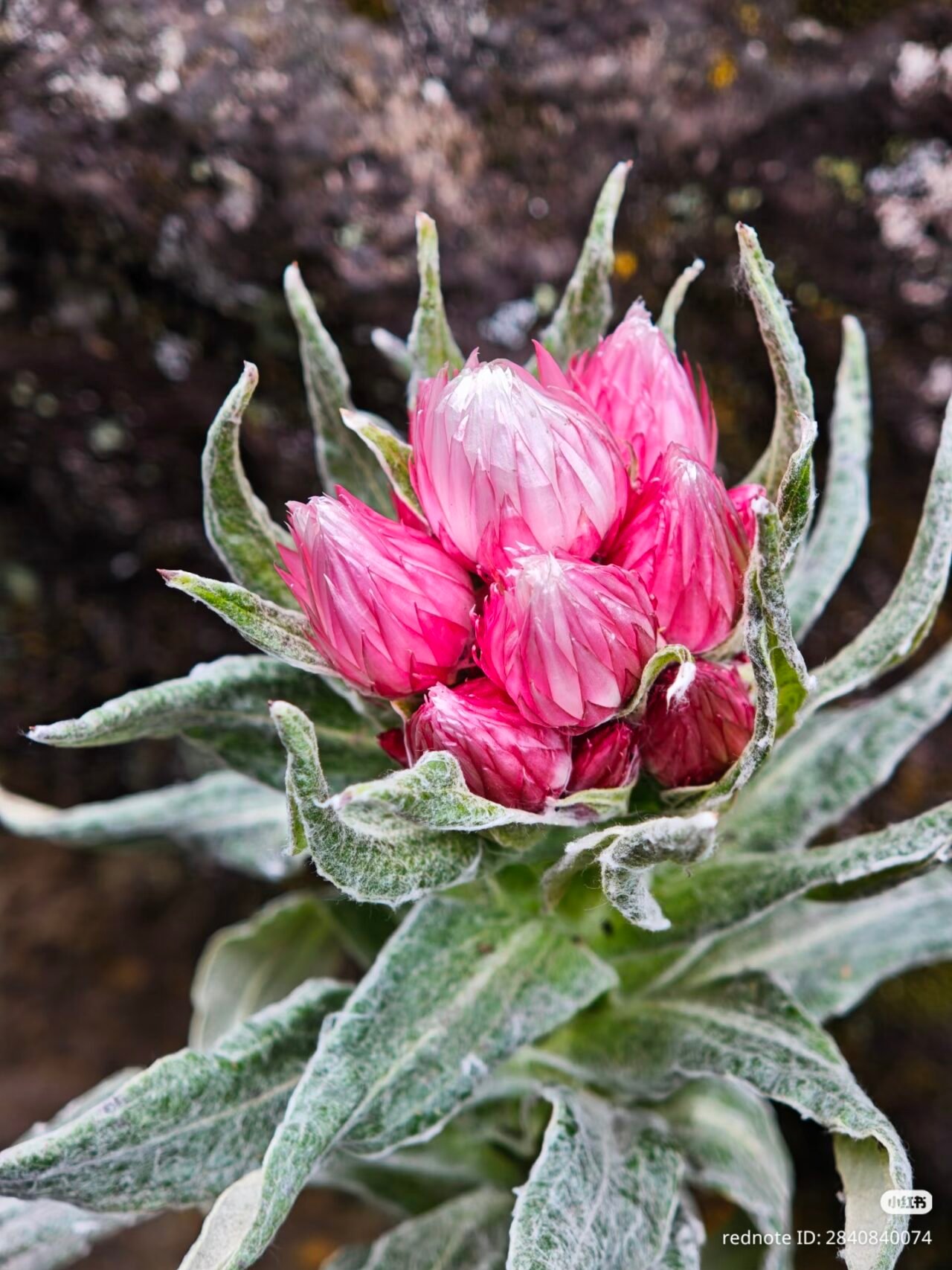
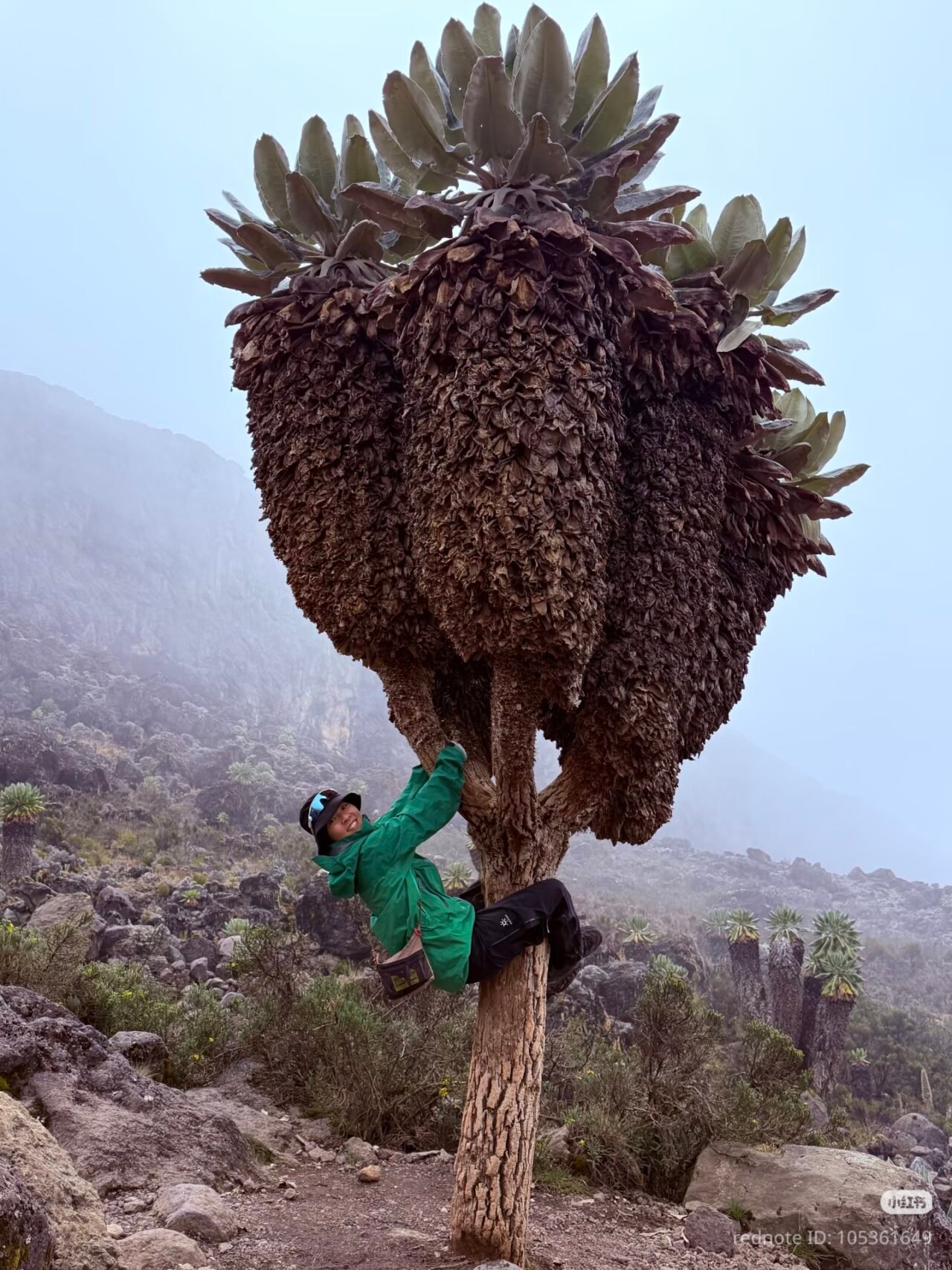
Shared Group vs. Private Tour
Shared Group Tours: These are excellent for budget-conscious travelers and those who enjoy the camaraderie energy of trekking and safaris with a group. The cost per person is significantly lower because fixed costs (vehicles, guides, permits) are spread across multiple travelers. However, you sacrifice a degree of personalization and flexibility. For those interested in seeing what other travelers experience, this is the ideal choice. You can find information on shared safari tour options.
Private Tours: A private package offers complete control over the itinerary, the pace of the climb, the choice of camps, and the vehicle used for the safari. You travel with your own dedicated guide and team. This is significantly more expensive, but the trade-off is unparalleled flexibility and a highly personalized experience. If you are traveling as a couple or small family, the added control and privacy often justify the investment.
Climb 4 Africa specializes in tailoring these experiences, offering the practical local support needed to bridge the gap between a standardized group trip and a highly customized private adventure. Whether you are looking at Kilimanjaro Trekking Packages for Canadian Travellers or a complex multi-park itinerary, the consultation phase is where the right match is found.
The Influence of Seasonality
Seasonality affects both the mountain and the safari. In the peak dry season, wildlife is highly visible in the parks, but the Kilimanjaro weather can also be harsher. Conversely, during shoulder seasons, you might find more moderate weather on the mountain, though the parks might be greener and the game slightly more dispersed. When planning your 2027 trip, consider whether you prefer the crisp, predictable wildlife viewing of the dry season, or the more lush, varied landscapes of the shoulder months. This decision should be made in conjunction with your desired trekking conditions.
Essential Planning Checklist for 2027
Planning an adventure of this magnitude requires diligence. Here is a practical checklist to ensure a smooth journey, moving beyond just booking the flights:
- Passport and Visa Requirements: Ensure your passport is valid for at least six months beyond your planned departure date from Tanzania. The Tanzanian visa process should be handled well in advance.
- Health and Vaccinations: Consult a travel doctor specializing in African travel. Yellow Fever vaccination is often mandatory. Discuss anti-malarial prophylaxis, especially for the safari regions.
- Insurance: Secure comprehensive travel insurance that specifically covers high-altitude trekking and emergency medical evacuation (crucial for Kilimanjaro). Standard travel insurance may not cover this level of risk.
- Gear Assessment: Trekking gear is specialized. Do not skimp on high-quality, layered clothing, sturdy hiking boots, and a reliable down jacket for the summit push. Safari gear is simpler—light, neutral-colored clothing for game drives.
- Budgeting for the Whole Trip: Remember that the package price does not include international flights, travel insurance, and pre-trip medical consultations. Budgeting must account for all these elements.
The logistical complexity is high, which is why engaging an experienced local operator is invaluable. They manage the permit acquisition, the complex ground transfers, the local logistics for the mountain (porters, guides), and the park access, allowing you to focus purely on the adventure itself. For detailed assistance with your 2027 travel plans, reaching out to Climb 4 Africa via WhatsApp at +255 747 477 898 or by email at climb4africa@gmail.com is the most practical first step.
By understanding the distinct requirements of the high-altitude challenge and the expansive wildlife viewing, you can move past the concept of a simple ‘package’ and start building a truly personalized, impactful African adventure. This level of preparation ensures that whether you are conquering Kilimanjaro or tracking the Great Migration, the focus remains on the journey, not the logistics.
Related Guides and Packages
Check Availability for Kilimanjaro And Tanzania Safari Packages – Canadian Travel Guide 2027
Ready to compare dates, prices, and the best option for your group? Send the package name and travel month so the team can reply with a clear quote, availability, and what is included.
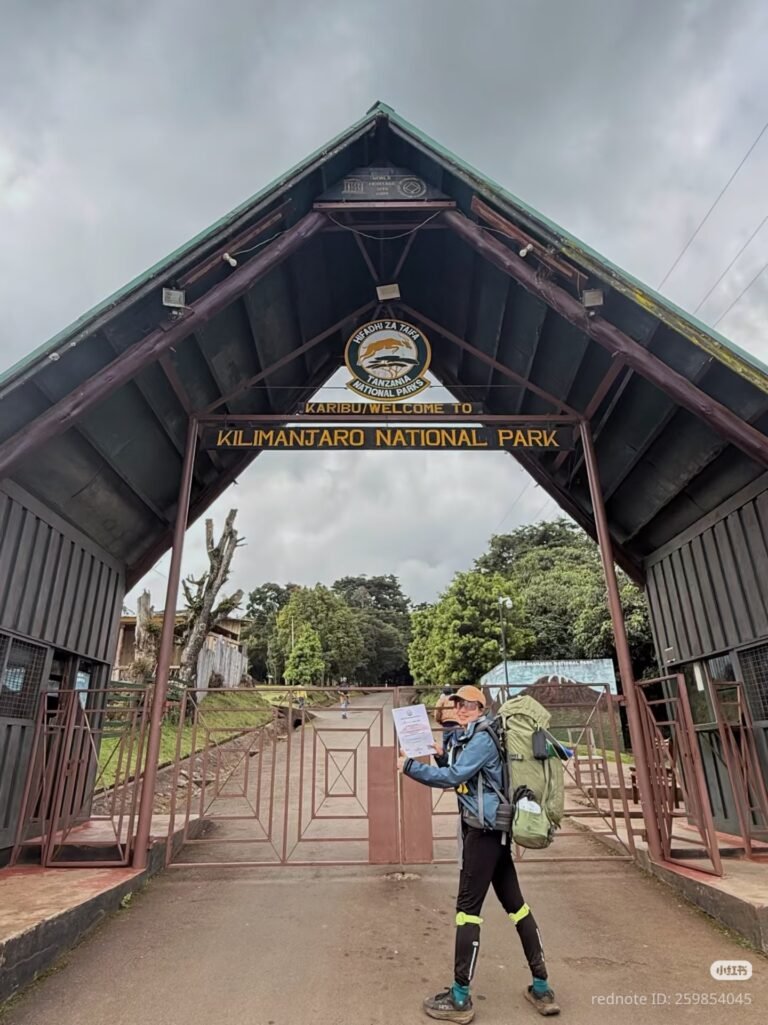
Kilimanjaro And Serengeti Safari Holiday : Your Ultimate Tanzania Adventure
Discover how to combine the challenge of climbing Kilimanjaro with the majesty of the Serengeti safari in 2027. Practical advice for planning your perfect Tanzanian journey.
View package detailsTanzania Kilimanjaro And Safari Holiday Packages 2027
An expert, long-form guide to combining Kilimanjaro treks with Tanzania safaris and Zanzibar experiences, with practical planning and booking guidance for 2027.
View package details
Best Airport To Fly Into Tanzania For Safari, Kilimanjaro & Zanzibar 2027
Planning a Tanzanian adventure combining wildlife safaris, the iconic Mount Kilimanjaro, and the tropical paradise of Zanzibar requires choosing the right entry point. This guide clarifies...
View package details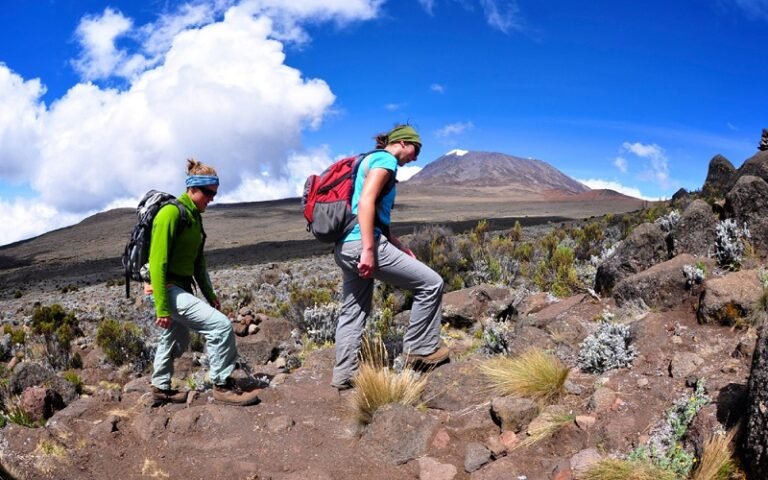
Kilimanjaro And Mara River Crossing Safari August : Peak Season Adventure 2027
Combining the ultimate challenge of climbing Mount Kilimanjaro with the awe-inspiring spectacle of the Great Migration river crossing in the Maasai Mara offers an unparalleled African...
View package details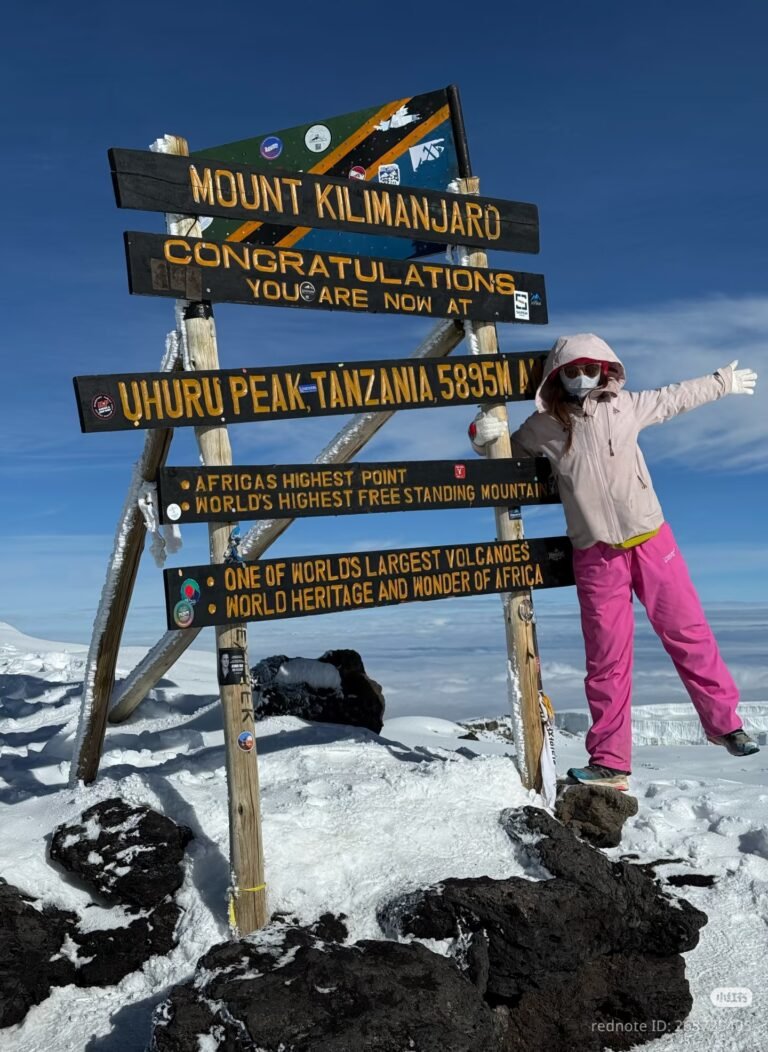
Kilimanjaro And Great Migration Safari August : Your Peak Season Adventure
Plan your ultimate Tanzanian adventure in August 2027, combining a Kilimanjaro climb with the spectacle of the Great Migration. This guide details the best timings, routes, and safari...
View package details
Direct Flights To Tanzania: Airlines, Airports & Ticket Prices For 2027
Planning a trip to Tanzania in 2027? Discover the most convenient ways to get there with direct flight options, key airports, and insights into ticket prices. Learn which airlines serve...
View package details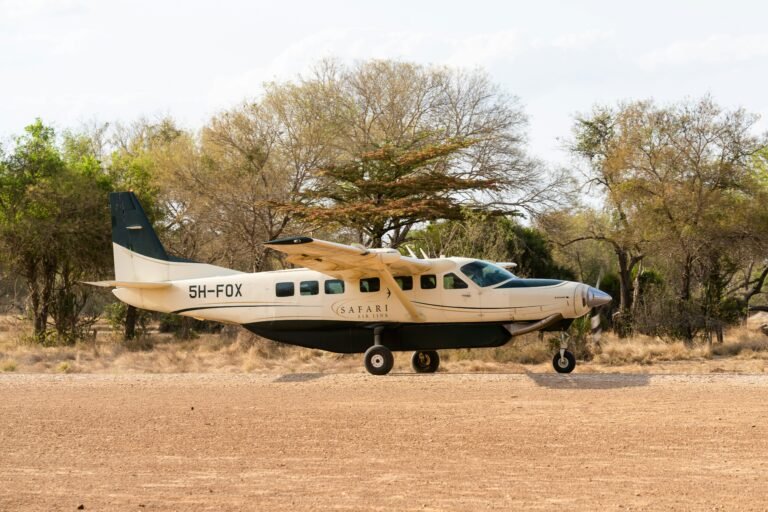
One-Way Flights To Tanzania: Your Guide To Prices And Airlines 2027
Navigating one-way flights to Tanzania requires understanding airline options, potential costs, and strategic booking. This guide breaks down what to expect for your 2027 travels, whether...
View package detailsCheap Flights To Tanzania: Best Airlines, Routes & Ticket Deals For 2027
Securing affordable airfare is key to planning a memorable Tanzanian adventure. This guide reveals the best airlines, routes, and strategies for finding cheap flights to Tanzania in 2027...
View package details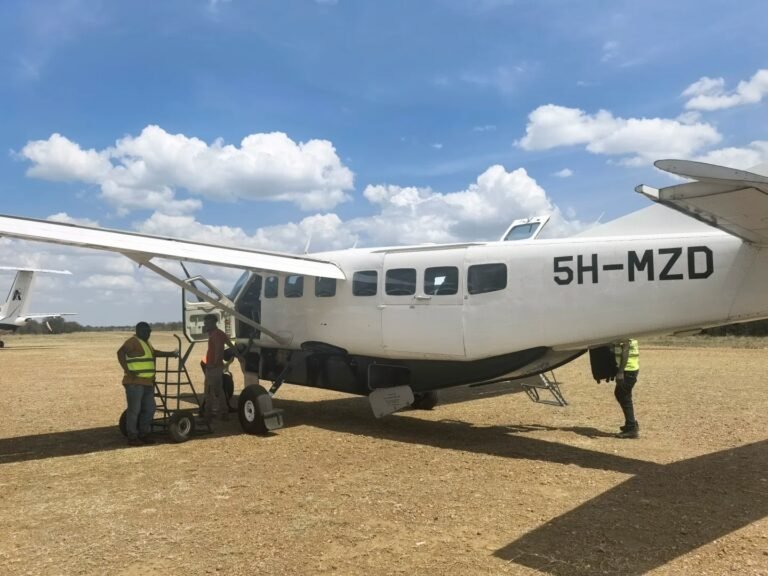
Arusha To Zanzibar Flight Price : Airlines, Tickets & Booking Guide 2027
Essential guide for booking flights from Arusha to Zanzibar in 2027. Learn about typical prices, available airlines, how to find the best tickets, and essential booking advice for a smooth...
View package detailsTanzania Flight Costs By Month: Cheapest And Most Expensive Seasons 2027
Planning your trip to Tanzania involves understanding the ebb and flow of flight prices throughout the year. Knowing when to book can significantly impact your budget for adventures in...
View package details
Kilimanjaro Trekking Packages For Canadian Travellers 2027
- Kilimanjaro Trekking Packages for Canadian Travellers is explained with current 2027 planning, price, itinerary and booking information.
View package details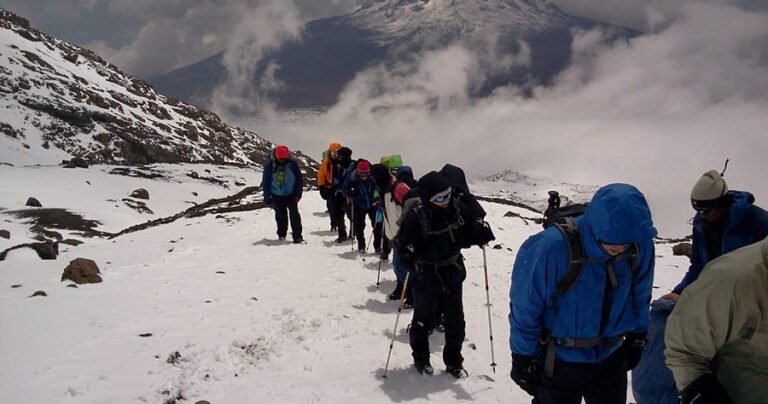
Mount Meru 4-Day Climb: The Complete Guide To Tanzania’s Hidden Peak 2026-2027
A deep look at the 4-day Mount Meru climb, covering the Momella route, altitude considerations, park logistics, and why this peak is the ultimate preparation for Kilimanjaro.
View package detailsNo related package matches those filters. Clear one or more filters to see the other topic-matched options.



