
A 4-day Serengeti safari generally offers a more comprehensive and in-depth wildlife experience, allowing for deeper exploration of different park regions and increased chances of witnessing diverse animal behaviors, whereas a 2-day fly-in safari prioritizes maximizing wildlife viewing within a very limited timeframe, ideal for travelers with tight schedules. The choice hinges on your available time, budget, and desired level of immersion in the Serengeti ecosystem for your 2027 travels.
Understanding the Core Difference
When planning a safari in Tanzania’s iconic Serengeti National Park, two popular itinerary structures emerge: the more expansive 4-day safari and the time-efficient 2-day fly-in safari. The fundamental distinction lies not just in the duration, but in the *depth* of experience each offers. A 4-day Serengeti safari is designed for travelers who want to truly soak in the atmosphere, explore diverse habitats within the park, and increase their chances of observing nuanced animal behaviors. It typically involves driving into or out of the park, allowing for a more gradual immersion. Conversely, a 2-day fly-in safari is engineered for maximum impact in minimal time. It bypasses the longer overland journeys by utilizing small aircraft to land directly at airstrips within the Serengeti, immediately placing you in prime wildlife areas. This is crucial for those with very limited vacation time who still want to experience the Serengeti’s magic in 2027.
The 4-Day Serengeti Safari: An In-Depth Experience
A 4-day Serengeti safari is often the sweet spot for many travelers, offering a substantial taste of the park’s grandeur without demanding an extensive time commitment. This itinerary typically begins with a drive from Arusha or a nearby airstrip, allowing you to witness the changing landscapes as you approach the Serengeti. The extra two days compared to a fly-in option are invaluable.
Benefits of a Longer Stay
- Deeper Exploration: Four days allow you to cover more ground. You can venture into different zones of the Serengeti, such as the central Seronera region (known for its resident predators), the western corridor (especially during the migration), or even the northern Serengeti (for river crossings). This varied exploration significantly increases the likelihood of seeing a wider array of wildlife and experiencing different facets of the park’s ecosystem.
- Increased Wildlife Sightings: More time in the park naturally means more hours on game drives. This extends your opportunities to encounter the Big Five, witness predator-prey interactions, and observe the intricate social dynamics of herds. Early morning and late afternoon drives, often the most productive for wildlife viewing, can be fully utilized.
- Reduced Pace and Increased Immersion: A 4-day trip allows for a more relaxed pace. You aren’t constantly rushing between locations. This allows for more moments of simply observing, absorbing the sights and sounds, and truly connecting with the wilderness. It’s less about ticking off sightings and more about experiencing the Serengeti’s soul.
- Flexibility: With an extra day or two, there’s more flexibility to adjust plans based on wildlife movements or specific interests. If a particularly exciting sighting occurs, you have the time to linger or revisit the area.
Sample 4-Day Itinerary Logic
While specific routes vary, a typical 4-day Serengeti safari might look like this:
- Day 1: Drive from Arusha to Serengeti National Park, possibly via a stop at Lake Manyara or the Ngorongoro Conservation Area (though focusing solely on Serengeti means entering directly). Arrive in the Seronera area for an afternoon game drive.
- Day 2: Full day exploring the central Serengeti, focusing on predator sightings and resident wildlife.
- Day 3: Drive towards a different region, perhaps the northern Serengeti if timing is right for the migration, or explore the western corridor. This involves a game drive en route.
- Day 4: Morning game drive in the new region, followed by a drive back to Arusha or to an airstrip for your onward flight.
This structure, often involving overland travel, provides a richer journey through the park.
Who is a 4-Day Safari Best For?
This itinerary is ideal for travelers who:
- Have at least 5-6 days available in their overall Tanzania trip (allowing for travel to/from Arusha and the safari itself).
- Want a comprehensive introduction to the Serengeti’s wildlife and landscapes.
- Prefer a slightly more relaxed pace and deeper immersion.
- Are interested in potentially exploring different regions within the Serengeti.
- Are looking for a balance between experience and cost, as overland travel is generally more economical than frequent flights.
The 2-Day Fly-In Safari: Efficiency and Impact
The 2-day fly-in Serengeti safari is a masterclass in efficiency. It’s designed for travelers who are severely time-constrained but still want to experience the Serengeti’s legendary wildlife. The key here is the use of light aircraft.
Maximizing Wildlife Encounters
The primary advantage of a fly-in safari is the immediate access it grants to the heart of the Serengeti. Instead of spending 6-8 hours driving from Arusha, you take a short flight (around 1-1.5 hours) directly to an airstrip within the park, such as Seronera Airstrip. This saves precious hours that are then converted into more game drive time.
- Time Saved, Wildlife Gained: The hours saved on road travel are immediately put to use on game drives. For a 2-day trip, this difference is critical. You can often fit in two substantial game drives on your arrival day and one on your departure day, effectively maximizing your time in prime wildlife areas.
- Access to Remote Areas: Depending on the airstrip used and the season, a fly-in safari can sometimes offer access to areas that might be more challenging to reach by road within such a short timeframe, particularly if you’re targeting specific migration hotspots.
- Comfort and Scenery: While driving offers unique landscape views, flying provides a impressive aerial perspective of the vast Serengeti plains, offering a different but equally stunning visual experience.
Logistics of a Fly-In Safari
The typical flow for a 2-day fly-in Serengeti safari involves:
- Morning Flight: Depart from Arusha Airport (ARK) or Kilimanjaro International Airport (JRO) on a scheduled or private charter flight to a designated Serengeti airstrip.
- Meet and Greet: You’ll be met at the airstrip by your safari guide and vehicle.
- Game Drive En Route: Your first game drive often begins immediately as you head towards your lodge or tented camp.
- Accommodation: Stay in a lodge or tented camp located strategically within the park.
- Full Day/Half Day Drives: Depending on your arrival and departure times, you’ll have one full day and two half-days of game drives.
- Return Flight: On the final day, you’ll have a morning game drive before being transferred back to the airstrip for your flight back to Arusha or Kilimanjaro.
It’s important to note that fly-in safaris often come with stricter luggage weight limits (typically 15kg per person in a soft-sided bag) due to the small aircraft used. Understanding flight restrictions is key when packing for these trips.
Who is a 2-Day Fly-In Safari Best For?
This option is perfect for travelers who:
- Have very limited time, perhaps only 2-3 days available for a safari experience.
- Prioritize maximizing wildlife viewing opportunities above all else.
- Are willing to accept a higher cost for the convenience and time-saving of flying.
- Are comfortable with stricter luggage limitations.
- Are looking for a highly efficient and impactful safari experience in 2027.
Key Comparison Factors for 2027 Planning
When weighing a 4-day Serengeti safari against a 2-day fly-in, several critical factors come into play, especially as you plan for 2027.
Time Commitment
This is the most obvious differentiator. A 4-day safari requires a minimum of 4 full days within the Serengeti, plus travel time to and from Arusha. A 2-day fly-in safari, while technically only two days in the park, can be done within a total of 3 days from arrival in Tanzania to departure from Arusha, making it ideal for a short break.
Cost Considerations
Generally, a 2-day fly-in safari is more expensive than a 4-day overland safari. The cost difference is driven by the expense of internal flights, which include the aircraft charter or scheduled flight fees, landing fees, and the associated operational costs. While a 4-day safari involves longer vehicle hire and guide days, the absence of multiple flight legs typically makes it the more budget-friendly option. However, for very short trips, the fly-in might offer better value by maximizing sightings in the limited time, making it a trade-off between cost per day and cost per sighting.
For budget-conscious travelers in 2027, considering budget Tanzania safari tours can help make either option more accessible, but the overland 4-day safari will usually have a lower overall price tag.
Wildlife Viewing Depth
While both safaris offer incredible wildlife viewing, the 4-day option inherently provides more time for exploration and observation. This means you have a better chance of encountering elusive animals, witnessing complex behaviors like hunts or social interactions, and experiencing different parts of the Serengeti. The 2-day fly-in is optimized for hitting key wildlife hotspots but offers less opportunity for serendipitous discoveries or in-depth observation over a wider area.
Traveler Style and Pace
If you prefer a more relaxed, in-depth journey where you can truly ‘feel’ the rhythm of the wilderness, the 4-day safari is likely a better fit. It allows for more downtime, contemplation, and a less rushed experience. The 2-day fly-in safari is for the action-oriented traveler who wants to pack as much viewing as possible into every available minute. It’s high-intensity and focused on maximizing sightings.
Logistical Complexity
Overland safaris are generally simpler logistically. You have your vehicle and guide for the duration. Fly-in safaris add the complexity of coordinating flight schedules, adhering to luggage limits, and ensuring smooth transfers between the airstrip and your accommodation. While reputable operators handle this seamlessly, it’s an extra layer to consider.
The Migration Factor: Timing is Everything
The decision between a 4-day and 2-day safari can also be heavily influenced by the timing of the Great Migration. If you are specifically aiming to witness the migration’s dramatic river crossings (typically July-September in the north) or its presence in the southern Serengeti (calving season, January-March), your itinerary choice might be dictated by how best to position yourself. A 4-day safari offers more flexibility to move between regions if needed to track the herds. A 2-day fly-in might be perfectly suited if the migration is known to be in a specific, accessible area, allowing you to fly directly there for intense viewing.
For instance, targeting the Grumeti Migration Safari in June or the Mara River Crossing in July/August 2027 means planning your safari duration to coincide with peak movements. A 4-day trip allows for more exploration around these key events, while a 2-day fly-in could be a quick, impactful way to see the action if you’re already in Tanzania for another reason.
Beyond the Serengeti: Combining Your Safari
Often, a Serengeti safari is part of a larger Tanzania itinerary. If you are combining your Serengeti experience with other destinations like the Ngorongoro Crater, Tarangire National Park, or even a Zanzibar beach holiday, the length of your Serengeti portion becomes a crucial decision. A 2-day fly-in might be the perfect way to ‘get your Serengeti fix’ without eating too much into time allocated for other activities. Conversely, if the Serengeti is your primary focus, a 4-day safari allows for a much richer, more in-depth experience.
For example, if you are climbing Kilimanjaro and then heading for a safari, a 4-day Serengeti safari allows for a more relaxed post-climb recovery and a deeper wildlife immersion. If you have limited time before or after your climb in 2027, a 2-day fly-in is a highly efficient way to see the Serengeti.
Making Your Decision for 2027
Ultimately, the choice between a 4-day Serengeti safari and a 2-day fly-in safari is a personal one, driven by your specific travel priorities. There’s no single ‘better’ option; only the option that is better for *you*.
- Choose the 4-Day Serengeti Safari if: You have a minimum of 5-6 days to dedicate to the safari experience, value depth and immersion over sheer speed, want to explore different park regions, and are looking for a more cost-effective way to experience the Serengeti. This allows for a more holistic understanding of this incredible ecosystem.
- Choose the 2-Day Fly-In Safari if: Your time is extremely limited (2-3 days total for the safari), your priority is maximizing wildlife sightings in the shortest possible period, you are comfortable with a higher cost for efficiency, and you can adhere to strict luggage limits. This is about getting a concentrated, high-impact dose of Serengeti wildlife.
For travelers planning their 2027 adventure, understanding these trade-offs is key. Whether you opt for the expansive journey of a 4-day safari or the swift impact of a 2-day fly-in, the Serengeti promises an unforgettable wildlife spectacle. To discuss which itinerary best suits your specific needs, travel dates, and budget for 2027, and to receive a personalized quote, please don’t hesitate to reach out to our expert team at Climb 4 Africa. We can help tailor the perfect Serengeti experience for you.
Contact us via WhatsApp +255 747 477 898 or email us at climb4africa@gmail.com to start planning your dream Tanzanian safari.
Related Guides and Packages
Check Availability for 4 Day Serengeti Safari Vs. 2 Fly-In Which Is Better For You? 2027
Ready to compare dates, prices, and the best option for your group? Send the package name and travel month so the team can reply with a clear quote, availability, and what is included.
Fly Into Serengeti Or Drive From Arusha? The Ultimate Tanzania Safari
Choosing between flying directly into the Serengeti or driving from Arusha is a pivotal decision for any Tanzania safari. This guide breaks down the advantages and disadvantages of each...
View package details
Serengeti To Zanzibar Vs Arusha To Which Is Better After Safari? 2027
Choosing the right transfer to Zanzibar after a safari—Serengeti to Zanzibar or Arusha to Zanzibar—depends entirely on your safari route, time constraints, and budget. This guide breaks...
View package details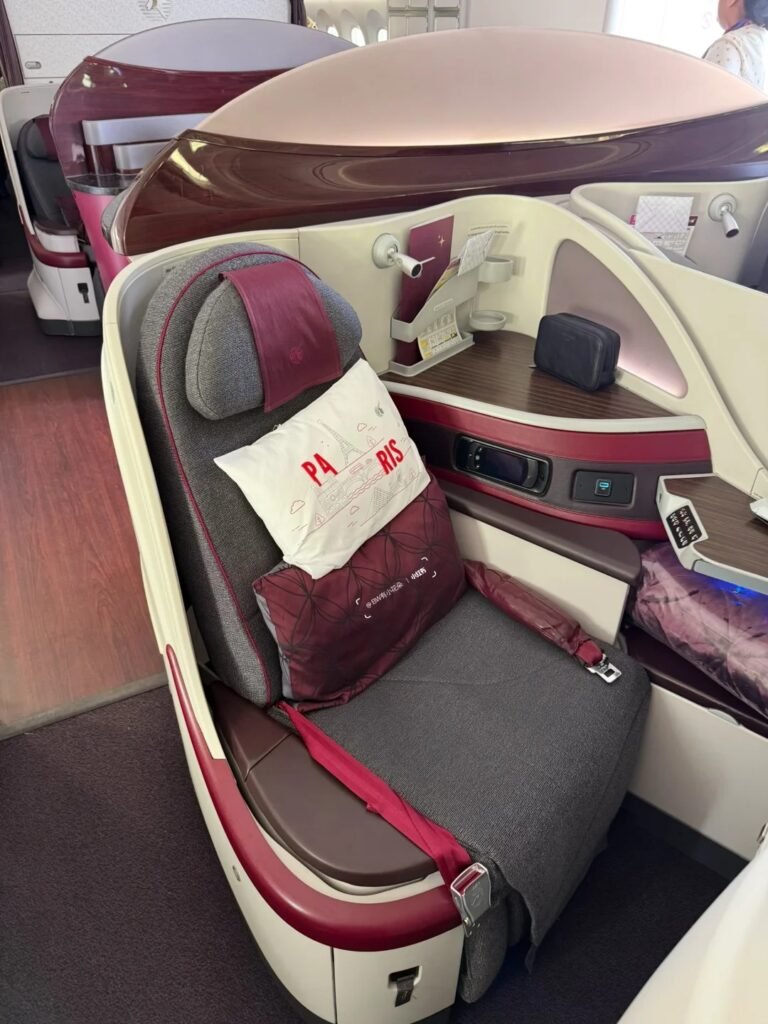
Is Serengeti Or Ngorongoro Better For A First Tanzania Safari? 2027
Is Serengeti or Ngorongoro Better for a First Tanzania Safari? is explained with current 2027 planning, price, itinerary and booking information.
View package detailsLake Manyara To Serengeti Flight Price & Safari Connections 2026-2027
A practical guide to connecting Lake Manyara and the Serengeti by air, covering flight pricing factors, logistical trade-offs, and how to optimize your safari schedule.
View package detailsFly-In Safari To Ngorongoro And Serengeti: Flights & Transfer Costs 2026-2027
Discover the logistics and cost breakdown for a fly-in safari to Ngorongoro and the Serengeti, including airstrip transfers, baggage limits, and vehicle positioning.
View package details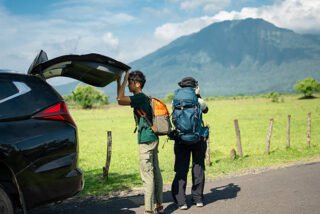
3-Day Serengeti & Ngorongoro Safari From Zanzibar By Flight 2027
3-Day Serengeti & Ngorongoro Safari From Zanzibar by Flight is explained with current 2027 planning, price, itinerary and booking information.
View package details3-Day Serengeti Fly-In Safari From Zanzibar: All-Inclusive Package Prices 2027
Plan your ultimate Tanzanian adventure, combining Zanzibar's beaches with the Serengeti's wildlife. This guide details all-inclusive package pricing and logistics for a 3-day fly-in safari...
View package details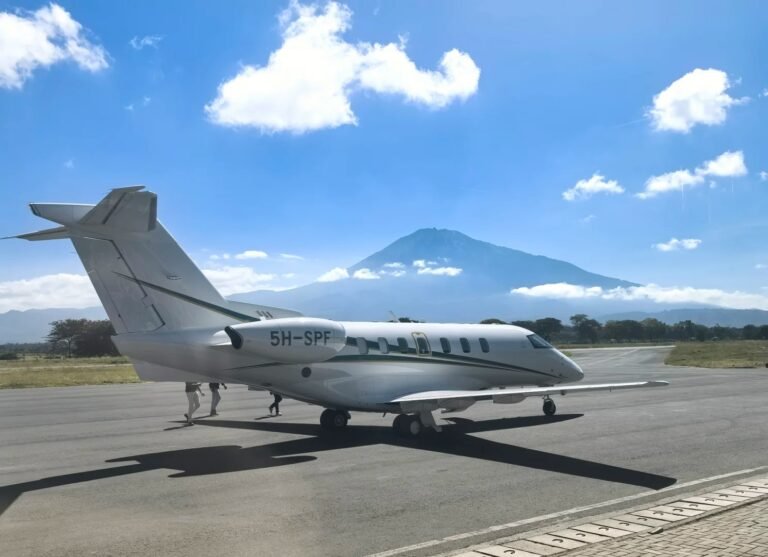
Zanzibar To Serengeti Flight Price –: Planning Your Safari Transfer 2027
Navigate the complex flight and transfer options between Zanzibar and the Serengeti. This deep guide breaks down expected costs, seasonal variables, and optimal routing for 2026 and 2027...
View package detailsArusha To Serengeti Flying Safari Vs Road Full Cost Comparison 2027
Arusha to Serengeti Flying Safari vs Road Safari: Full Cost Comparison is explained with current 2027 planning, price, itinerary and booking information.
View package detailsFly From Arusha To Serengeti For A 3-Day Safari: Flights & Package Prices 2027
Discover the most efficient ways to fly from Arusha to the Serengeti for a concentrated 3-day safari. This guide breaks down airstrip choices, flight costs, and package structures for 2027.
View package detailsArusha To Serengeti Flight Price : Tickets & Safari Airstrips 2027
Arusha to Serengeti Flight Price 2027: Tickets & Safari Airstrips is explained with current 2027 planning, price, itinerary and booking information.
View package details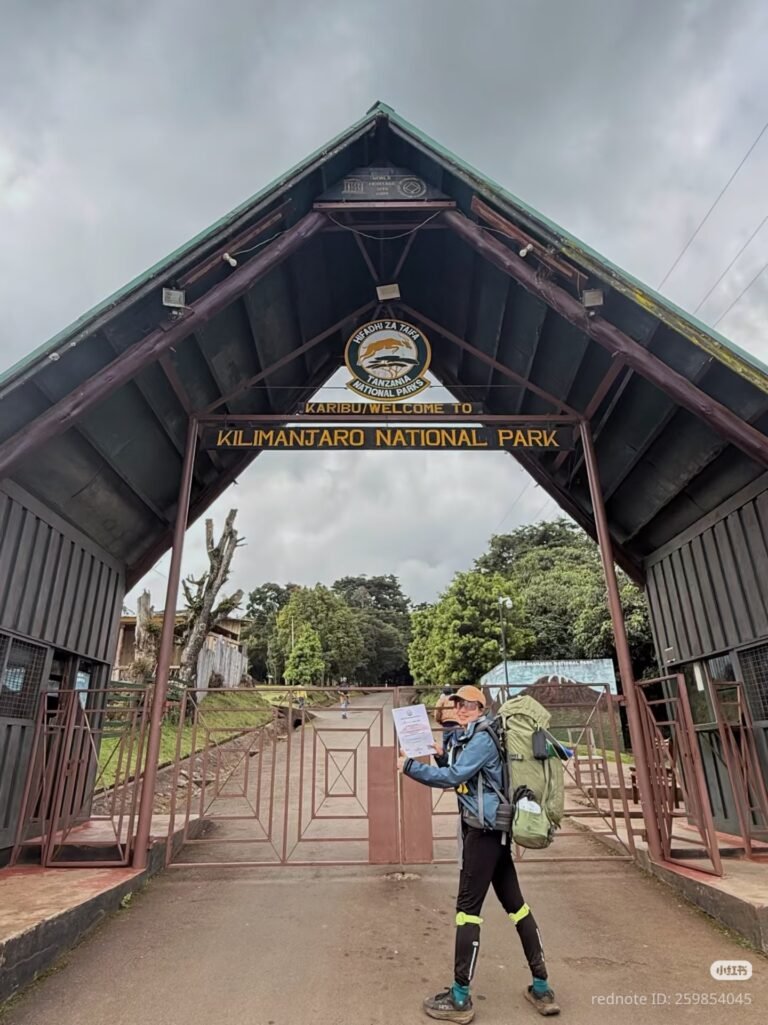
Kilimanjaro And Serengeti Safari Holiday : Your Ultimate Tanzania Adventure
Discover how to combine the challenge of climbing Kilimanjaro with the majesty of the Serengeti safari in 2027. Practical advice for planning your perfect Tanzanian journey.
View package detailsNo related package matches those filters. Clear one or more filters to see the other topic-matched options.



