
Combining a Kilimanjaro climb with a Serengeti safari during the January calving season in 2027 offers a spectacular window into Tanzania’s natural wonders, featuring dramatic wildlife births and challenging mountain ascents. The best approach involves booking well in advance for January 2027 departures, as this period is highly sought after for both the mountain and the Serengeti’s unique ecosystem events. Typically, a Kilimanjaro and Serengeti calving safari in January 2027 would involve a 6-8 day trek up Kilimanjaro followed by a 3-5 day safari, often focusing on the southern Serengeti where the wildebeest herds gather to give birth.
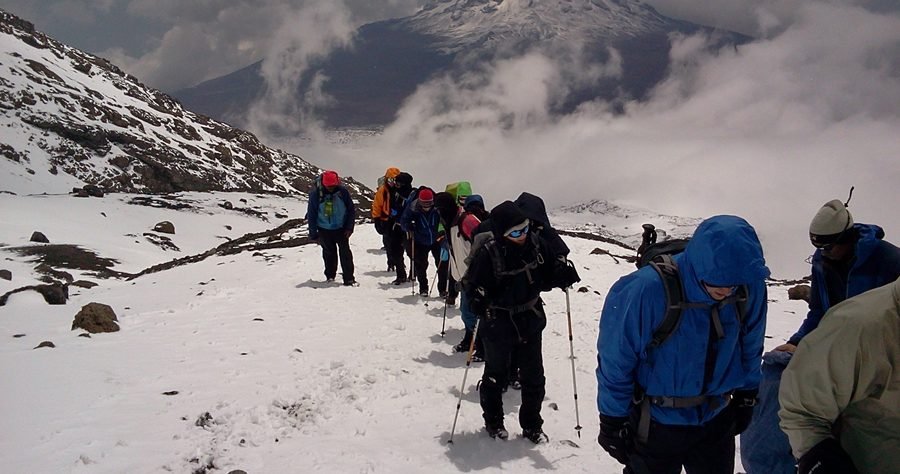
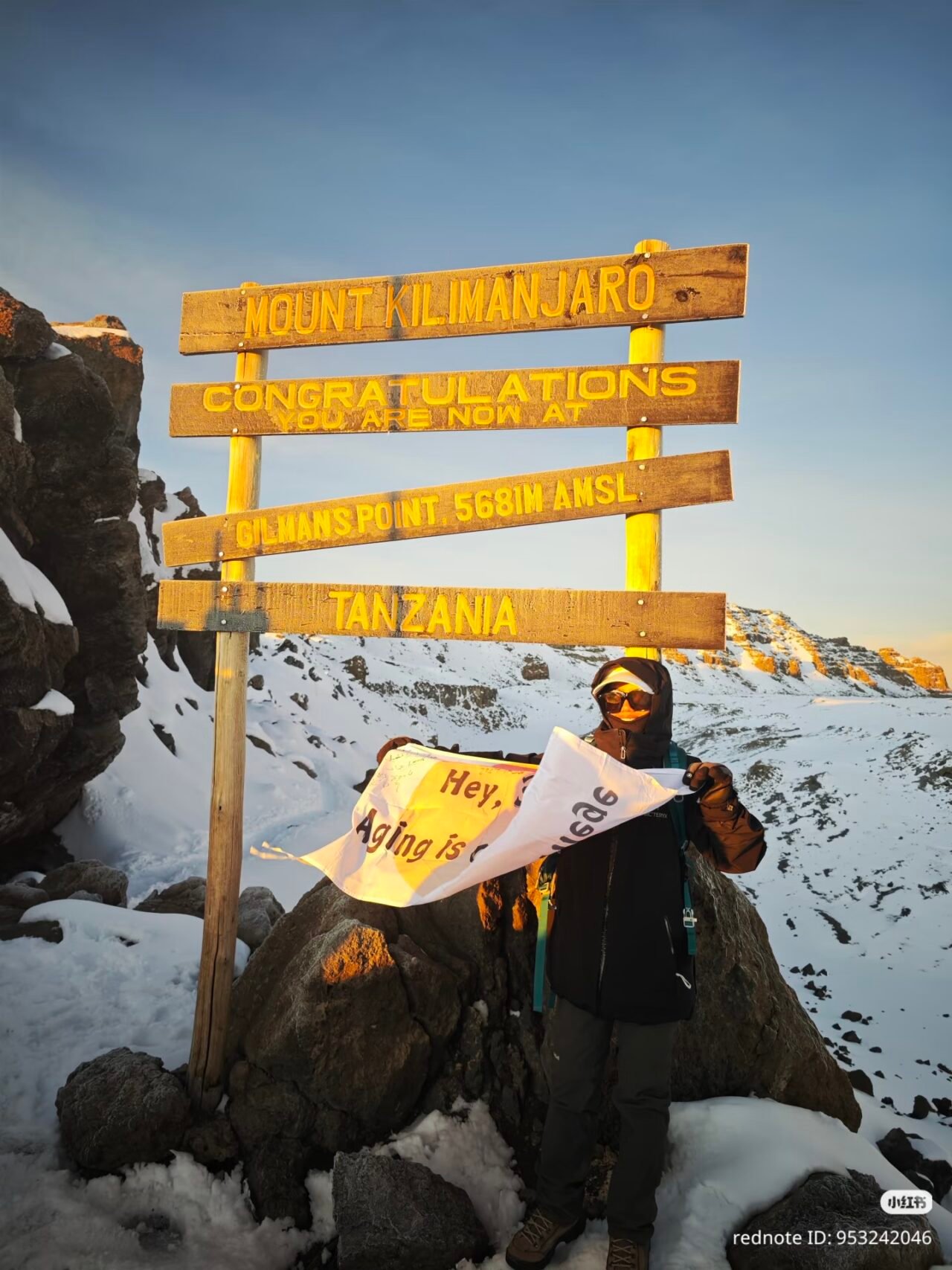
Understanding the January 2027 Kilimanjaro & Serengeti Calving Safari
A Kilimanjaro and Serengeti calving safari in January 2027 represents a dual-faceted African dream. It’s not just about ticking off two iconic Tanzanian experiences; it’s about timing them to coincide with one of nature’s most profound spectacles. January falls within the short rainy season in Tanzania, but this often means fewer crowds and lush, green landscapes, especially in the Serengeti. For Kilimanjaro, January is generally considered part of the dry season, offering relatively stable weather conditions for climbing, though always unpredictable at higher altitudes. The combination offers a powerful juxtaposition: the physical challenge and immense reward of reaching Uhuru Peak, followed by the awe-inspiring, vast theatre of the Serengeti’s plains.
When planning for January 2027, it’s crucial to understand that this is a popular time for both components. Kilimanjaro sees consistent climber numbers, and the Serengeti’s calving season draws significant interest from wildlife enthusiasts. Therefore, early booking is not just recommended; it’s essential for securing preferred dates, routes, and accommodations. This dual trip requires careful logistical planning to ensure smooth transitions between the mountain and the wildlife parks. The focus for a Kilimanjaro and Serengeti calving safari January 2027 trip is often on maximizing wildlife viewing opportunities during the peak calving period, typically from late January through February, while also targeting a successful Kilimanjaro ascent.
Consider the sequence: most travelers opt to climb Kilimanjaro first, allowing them to acclimatize and then relax on safari, or vice versa. Climbing Kilimanjaro first can be a physically demanding way to start, but successfully reaching the summit can provide a fantastic sense of accomplishment before a more relaxed safari experience. Conversely, starting with a safari can offer a gentler introduction to Tanzania, building anticipation for the mountain challenge. For a Kilimanjaro and Serengeti calving safari January 2027, many find that tackling Kilimanjaro early in the month, perhaps on a departure like the January 2nd, 2027 departure, allows ample time for recovery and a leisurely transition to the Serengeti for the peak calving events later in the month.
The experience is truly about embracing the wild heart of Tanzania. From the stark, majestic beauty of Kilimanjaro’s volcanic slopes to the vibrant, teeming life of the Serengeti, this journey offers unparalleled adventure. The unique timing for a Kilimanjaro and Serengeti calving safari January 2027 makes it a distinct experience, one that requires a traveler ready for both physical exertion and the profound wonder of the natural world.
The Serengeti Calving Season January 2027: What to Expect
The Serengeti National Park is a place of constant movement and dramatic natural cycles, but the period around January and February is particularly special. This is when the vast herds of wildebeest, numbering in the hundreds of thousands, return to the southern plains of the Serengeti and the adjacent Maswa Game Reserve (and sometimes extending into the Ngorongoro Conservation Area) to give birth. This event is the focus of the so-called “calving season.”
For visitors undertaking a Kilimanjaro and Serengeti calving safari January 2027, the primary draw is witnessing this incredible phenomenon. Expect to see enormous numbers of wildebeest, zebra, and gazelles grazing on the short-grass plains. The air is alive with the sounds of millions of animals. The key attraction is the sheer volume of new life; thousands of calves are born each day, a impressive display of nature’s continuity. This period is also a prime time for predators. Lions, cheetahs, hyenas, and wild dogs are highly active, drawn by the abundance of vulnerable young prey. Safaris in the southern Serengeti during January 2027 will likely offer frequent sightings of these predators in action, making for incredibly dramatic game drives.
While the calving is concentrated in the south, the Great Migration is a circular journey. By late January and into February 2027, the herds will be concentrated in areas like Ndutu and the Moru Kopjes region. The rains, though short, are crucial. They bring fresh, nutritious grass, which is vital for the lactating mothers and their newborns. The landscape transforms into a sea of green, dotted with the dark shapes of countless animals.
It’s important to note that the exact timing can vary slightly each year depending on rainfall patterns. However, January 2027 is almost guaranteed to be within the prime calving period. Safari lodges and camps in the southern Serengeti and Ndutu area will be in high demand. For a comprehensive safari experience, consider combining the southern plains with a visit to other areas of the Serengeti if time permits, although the southern sector is the undisputed heart of the calving action.
When planning your Kilimanjaro and Serengeti calving safari January 2027, be prepared for a truly wild experience. The southern Serengeti is less developed in terms of infrastructure than the central or northern areas, which contributes to its raw, authentic feel. This means fewer lodges and more open spaces, perfect for observing the migration. The drama of birth and predation is raw and constant, offering a visceral connection to the natural world that few other places can match.
Planning Your Kilimanjaro Climb for January 2027
Climbing Kilimanjaro in January 2027 offers several advantages. It falls within the dry season, which typically means clearer skies and more stable weather, although summit conditions can always be harsh and unpredictable. The temperatures are generally cold, especially at higher altitudes, but the lack of rain makes trekking more pleasant and the trails less muddy.
Key considerations for a January 2027 Kilimanjaro climb include:
* Booking Window: As mentioned, January is a popular month. To secure your preferred climb dates and routes for January 2027, it’s advisable to book at least 6-12 months in advance. This is particularly important for joining group departures or securing private climbs.
* Weather: While considered dry, January can still experience snow on the summit and rain at lower altitudes. Layers are crucial. The summit night will be extremely cold, often dropping to -15°C to -20°C (5°F to -4°F) or colder, with wind chill.
* Altitude Acclimatization: Kilimanjaro is a high-altitude trek. The longer the route, the better the acclimatization profile and the higher the success rate. For January 2027, routes of 7 days or more are highly recommended. The 8-day Lemosho Route or the Northern Circuit offer excellent acclimatization.
* Physical Fitness: Regardless of the month, Kilimanjaro requires good physical fitness. Begin training several months before your January 2027 trek, focusing on cardiovascular endurance, strength training (especially for legs and core), and hiking with a loaded backpack.
* Park Fees and Operator Costs: Park fees are set by the Tanzanian government and can change. Ensure your operator includes these in their quotes. For 2027, expect these fees to remain substantial. Operators like Climb 4 Africa work with local guides and porters, ensuring fair wages and ethical treatment, which is reflected in the overall cost but crucial for a responsible climb.
When planning your combined Kilimanjaro and Serengeti calving safari January 2027, it’s wise to build in rest days. A successful Kilimanjaro climb is physically taxing. Having a day or two to recover in Moshi or Arusha before embarking on your safari can make the transition much more comfortable. Some itineraries might include a rest day between the mountain descent and the start of the safari.
For those specifically looking at January 2027 departures, you can find fixed group dates for Kilimanjaro climbs, such as the January 2027 group departures, which can be a cost-effective way to travel and offer a social dynamic. Solo travelers can also find confidence in joining these established groups, as highlighted in options like Solo Traveller Kilimanjaro January 2027.
Kilimanjaro Routes Best Suited for January 2027 Climbs
Choosing the right route is paramount for a successful Kilimanjaro climb, and this is no different for January 2027. While all routes are technically non-technical treks, their length, acclimatization profiles, scenery, and camping versus hut options vary significantly. For a January 2027 climb, focusing on routes with better acclimatization is key to increasing your chances of reaching the summit.
Recommended Routes for January 2027:
* Lemosho Route (7-8 days): This is consistently one of the most popular routes due to its excellent acclimatization profile, stunning scenery, and high success rates. It offers a gradual ascent through diverse ecosystems. The 8-day version, like the January 2nd, 2027 departure, provides an extra day for acclimatization, which is invaluable.
* Northern Circuit (9-10 days): The longest route, the Northern Circuit, offers the highest success rates on Kilimanjaro. It circles the mountain, providing spectacular views and a very slow, steady acclimatization. This is an excellent choice for those who want to maximize their chances and enjoy a more in-depth mountain experience. It’s ideal for a Kilimanjaro and Serengeti calving safari January 2027 if you have ample time and want the best possible climb conditions.
* Machame Route (7 days): Often called the “Whiskey Route,” Machame is popular for its scenic beauty and challenging ascent profile, which aids acclimatization. While the 7-day version is common, an 8-day Machame can be arranged for improved acclimatization. There are departures like the January 20th, 2027 group climb.
* Marangu Route (5-6 days): Known as the “Coca-Cola” or “Hut” route, Marangu is the only route with dormitory-style accommodation instead of camping. While it’s the shortest and most accessible, its rapid ascent profile means lower acclimatization and success rates. For a January 2027 climb, the 6-day Marangu is preferable to the 5-day if you’re considering this route, but it’s generally less recommended than the longer camping routes for a successful summit bid.
Routes to approach with caution for January 2027:
* Rongai Route (6-7 days): Rongai approaches from the north, which can be drier. While good, it’s often considered less scenic than Lemosho or Machame. Its acclimatization is decent, but the longer routes are generally superior for January conditions and success rates.
* Umbwe Route (5-6 days): This is the steepest and most direct route, offering the least acclimatization. It’s only recommended for very experienced high-altitude trekkers who are exceptionally well-acclimatized. For a combined Kilimanjaro and Serengeti calving safari January 2027, choosing a route with a higher success rate means you can focus more on enjoying the safari portion without the added stress of a potentially unsuccessful climb.
When considering your Kilimanjaro and Serengeti calving safari January 2027, remember that the climb is a significant undertaking. Choosing a longer route like the 8-day Lemosho or the Northern Circuit is a strategic decision for January 2027, balancing the desire for a successful summit with the overall trip objectives. The January 30th climb offers a late-month option, potentially allowing for a safari that begins in February.
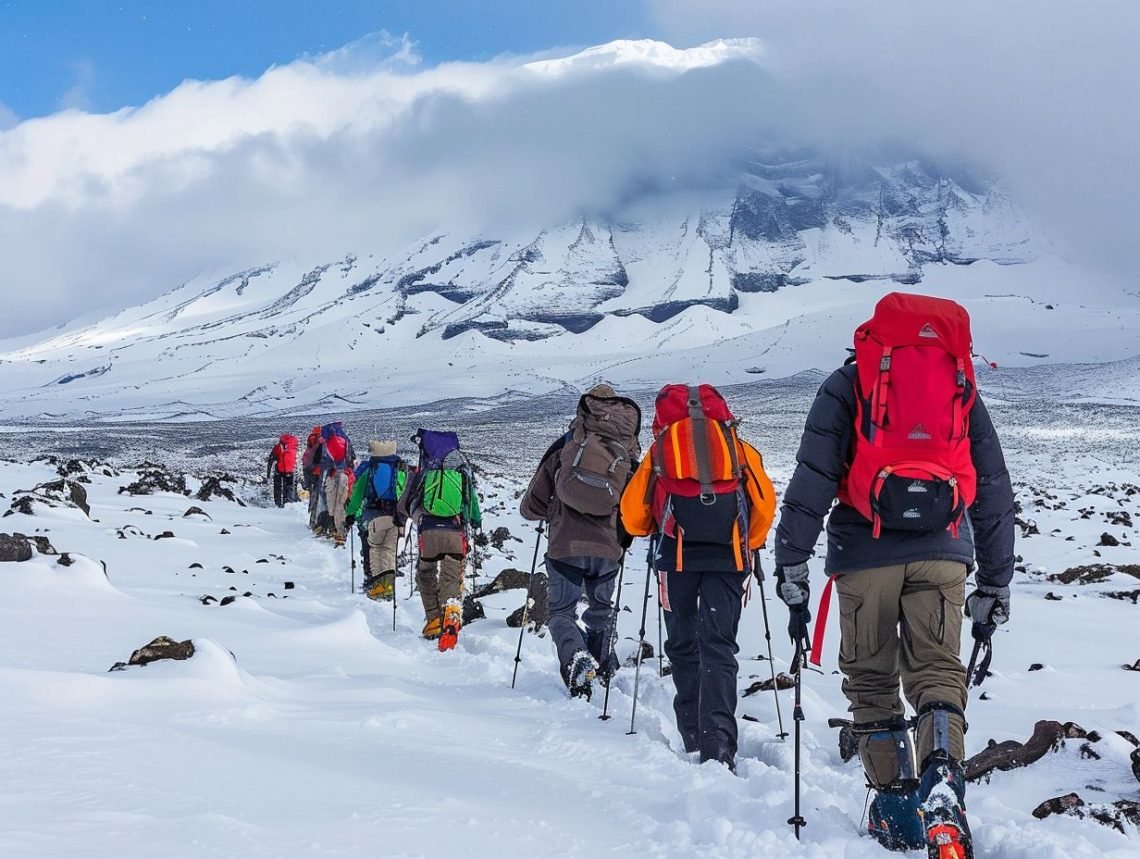
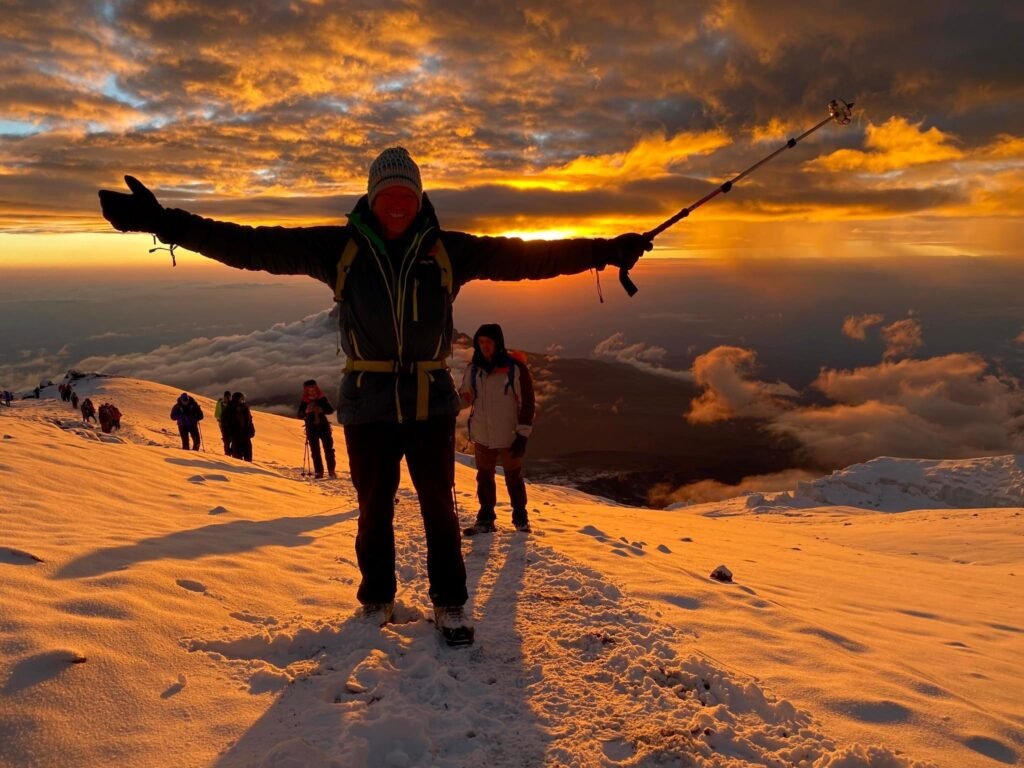
Safari Itineraries for the Southern Serengeti January 2027
For a Kilimanjaro and Serengeti calving safari January 2027, the focus of your safari portion will be the southern Serengeti and its surrounding areas, particularly the Ndutu region. This is where the calving action is most intense. A typical safari itinerary would range from 3 to 5 days, allowing for sufficient exploration of this wildlife-rich area.
A 3-Day Southern Serengeti Safari might look like:
* Day 1: Arrive at Kilimanjaro International Airport (JRO), transfer to Arusha for an overnight stay or directly fly to the Serengeti airstrip (e.g., Seronera or Ndutu). If flying, begin game drives en route to your lodge/camp in the southern Serengeti/Ndutu area.
* Day 2: Full day of game drives in the southern Serengeti and Ndutu plains. Focus on observing the wildebeest herds, newborns, and predators. This is prime time for lion, cheetah, and hyena sightings.
* Day 3: Morning game drive. After breakfast, transfer to a nearby airstrip for your flight back to Arusha or Kilimanjaro, connecting to your onward journey.
A 4-Day Southern Serengeti Safari offers more depth:
* Day 1: Arrive JRO, transfer to Arusha. Overnight.
* Day 2: Morning flight from Arusha to Ndutu Airstrip. Begin game drives as you head to your camp. Afternoon game drive exploring the Ndutu plains.
* Day 3: Full day dedicated to the calving grounds. Track predators and witness the herds. Explore different areas within Ndutu and the southern Serengeti.
* Day 4: Morning game drive. After breakfast, fly from Ndutu back to Arusha/JRO.
A 5-Day Safari allows for broader exploration:
* Day 1: Arrive JRO, transfer to Arusha. Overnight.
* Day 2: Fly to Seronera Airstrip (central Serengeti). Transfer to your lodge/camp, with a game drive en route. Afternoon game drive in the central Serengeti.
* Day 3: Drive south towards Ndutu, game viewing en route. Spend the afternoon in the Ndutu calving areas.
* Day 4: Full day of game drives focusing on the southern Serengeti and Ndutu, tracking the migration and predators.
* Day 5: Morning game drive. Fly from Ndutu Airstrip back to Arusha/JRO.
Key aspects to consider for your January 2027 safari:
* Accommodation: Options range from luxury tented camps to more permanent lodges. In Ndutu, many camps are semi-permanent or mobile, strategically positioned to follow the herds. Booking accommodation well in advance for January 2027 is critical.
* Game Drives: Most safaris use open-sided 4×4 safari vehicles with pop-up roofs, driven by experienced guides. The focus in January 2027 will be on predator-prey interactions and the sheer spectacle of the calving.
* Flights: Internal flights between Kilimanjaro/Arusha and Serengeti airstrips are highly recommended to save time and maximize wildlife viewing. They are a significant part of the safari cost but offer immense value.
* Park Fees: Serengeti National Park and the Ngorongoro Conservation Area (which Ndutu falls under) have substantial daily park fees. These are typically included in tour operator packages.
For a Kilimanjaro and Serengeti calving safari January 2027, combining a climb with a 3-5 day safari in the southern Serengeti is a classic and highly rewarding itinerary. The Southern Serengeti Conservation Safari offers a glimpse into the type of experience available, focusing on this crucial ecosystem.
Combining Kilimanjaro and Safari: Logistics and Timing 2027
The success of a combined Kilimanjaro and Serengeti calving safari January 2027 hinges on meticulous logistical planning and appropriate timing. These two experiences are vastly different, requiring distinct preparations and allowing for different paces.
Typical Itinerary Flow:
1. Arrival in Tanzania: Fly into Kilimanjaro International Airport (JRO). You’ll likely spend a night in Arusha or Moshi to prepare for the climb.
2. Kilimanjaro Climb: This typically takes 6 to 9 days, depending on the route chosen. For a January 2027 climb, aiming for a longer route (7-9 days) is recommended for acclimatization. Popular departure dates for January 2027 are available, such as the Kilimanjaro Climb January 2027.
3. Post-Climb Recovery: After descending Kilimanjaro, you’ll need at least 1-2 days to rest and recover in Moshi or Arusha. This is crucial for physical recovery and to process the mountain experience before the next adventure.
4. Safari Transfer: From Arusha, you’ll either drive to a local airport for a flight to the Serengeti or begin a road transfer to a Serengeti gate.
5. Serengeti Safari: A 3-5 day safari, focusing on the southern Serengeti and Ndutu for the calving season. For January 2027, this means aligning your safari dates with the peak of the migration’s presence in the south.
6. Departure: Fly from a Serengeti airstrip back to Arusha/JRO for your international flight home.
Timing Considerations for January 2027:
* Kilimanjaro Departures: Many operators offer fixed group departures. For January 2027, look for early to mid-month departures if you want to be back and ready for safari by late January. For example, a January 16th Lemosho group climb allows for a safari starting around the 23rd-24th.
* Calving Season Peak: While calving begins in late December, the peak of births and subsequent predator activity is typically from late January through February. Therefore, planning your safari portion for the latter half of January 2027 or early February is ideal for the calving spectacle.
* Weather Balance: January is generally dry on Kilimanjaro but can have short rains. In the Serengeti, it’s the short rainy season, meaning lush landscapes but also potential for rain showers, which usually pass quickly and can enhance game viewing by bringing animals out. The dramatic skies can be excellent for photography.
* Travel Time: Factor in travel time between locations. Driving from Moshi/Arusha to the Serengeti can take a full day. Flying significantly cuts down travel time, allowing more time for activities.
Example Combined Itinerary (14-16 Days Total):
* Day 1: Arrive JRO, transfer to Arusha.
* Day 2: Arusha – final preparations, gear check.
* Day 3-9: 7-Day Kilimanjaro Climb (e.g., Machame or Lemosho).
* Day 10: Descend Kilimanjaro, transfer to Moshi/Arusha. Rest.
* Day 11: Fly from Arusha to Ndutu Airstrip. Begin 4-day Southern Serengeti Safari.
* Day 12-13: Full days of game drives in Ndutu/Southern Serengeti.
* Day 14: Morning game drive. Fly from Ndutu to Arusha/JRO. Depart.
This timeline ensures you get a good Kilimanjaro climb, adequate rest, and prime viewing of the Serengeti calving season in January 2027. For those looking to combine a Christmas holiday with early January activities, the Kilimanjaro Christmas Climb and Tanzania Safari 2026 offers a precedent for such combined trips.
Packing Essentials for Your January 2027 Adventure
Packing for a Kilimanjaro and Serengeti calving safari January 2027 requires a dual approach, considering the vastly different environments and activities. Layering is key for Kilimanjaro, while comfort and practicality are paramount for the safari.
For Kilimanjaro (January 2027):
* Clothing:
* Base Layers: Moisture-wicking thermal tops and bottoms (merino wool or synthetic).
* Mid Layers: Fleece jacket or down vest for insulation.
* Outer Layer: Waterproof and windproof jacket and trousers (Gore-Tex or similar).
* Hiking Trousers: Comfortable, quick-drying hiking pants (avoid jeans).
* Shirts: Several moisture-wicking short and long-sleeved shirts.
* Headwear: Warm woolen hat/beanie, sun hat with a brim, balaclava or neck gaiter for summit night.
* Gloves: Warm, waterproof gloves or mittens, and thinner liner gloves.
* Socks: Several pairs of warm hiking socks (wool or synthetic).
* Footwear: Broken-in waterproof hiking boots, comfortable camp shoes or trainers.
* Gear:
* Backpack: 30-40L daypack for essentials during the hike.
* Duffel Bag: 80-100L waterproof duffel bag for porters to carry.
* Sleeping Bag: Rated to -10°C to -20°C (4-season bag).
* Sleeping Pad: (Often provided, but check with operator).
* Trekking Poles: Highly recommended for stability and reducing knee strain.
* Headlamp: With extra batteries.
* Water Bottles/Hydration Reservoir: At least 3 liters capacity. Insulated covers for water bottles are useful in cold.
* Sunscreen & Lip Balm: High SPF.
* Sunglasses: With UV protection.
* Personal First-Aid Kit: Including blister treatment, pain relievers, and any personal medication.
* Toiletries: Biodegradable soap, wet wipes, hand sanitizer.
For Serengeti Safari (January 2027):
* Clothing:
* Neutral-Colored Clothing: Khaki, green, brown – avoid bright colors
Check Availability for Kilimanjaro And Serengeti Calving Safari January 2026-2027
Ready to compare dates, prices, and the best option for your group? Send the package name and travel month so the team can reply with a clear quote, availability, and what is included.
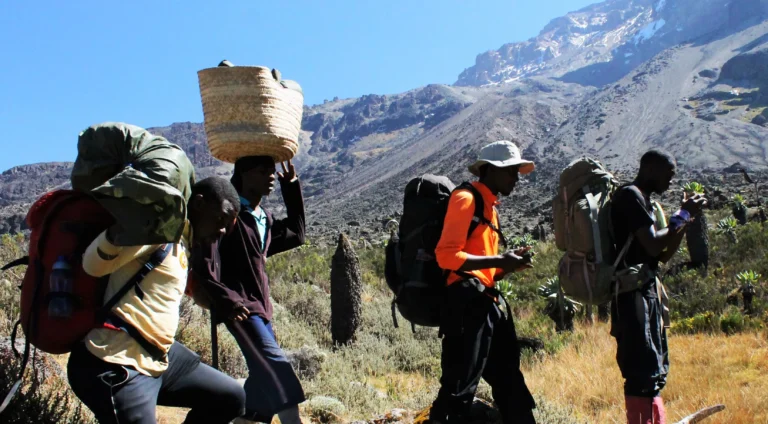
Best Kilimanjaro And Serengeti Calving Season Safari March 2027
Discover the magic of a March 2027 Kilimanjaro and Serengeti calving season safari. This guide explores the unique advantages and considerations for experiencing Tanzania's wildlife...
View package details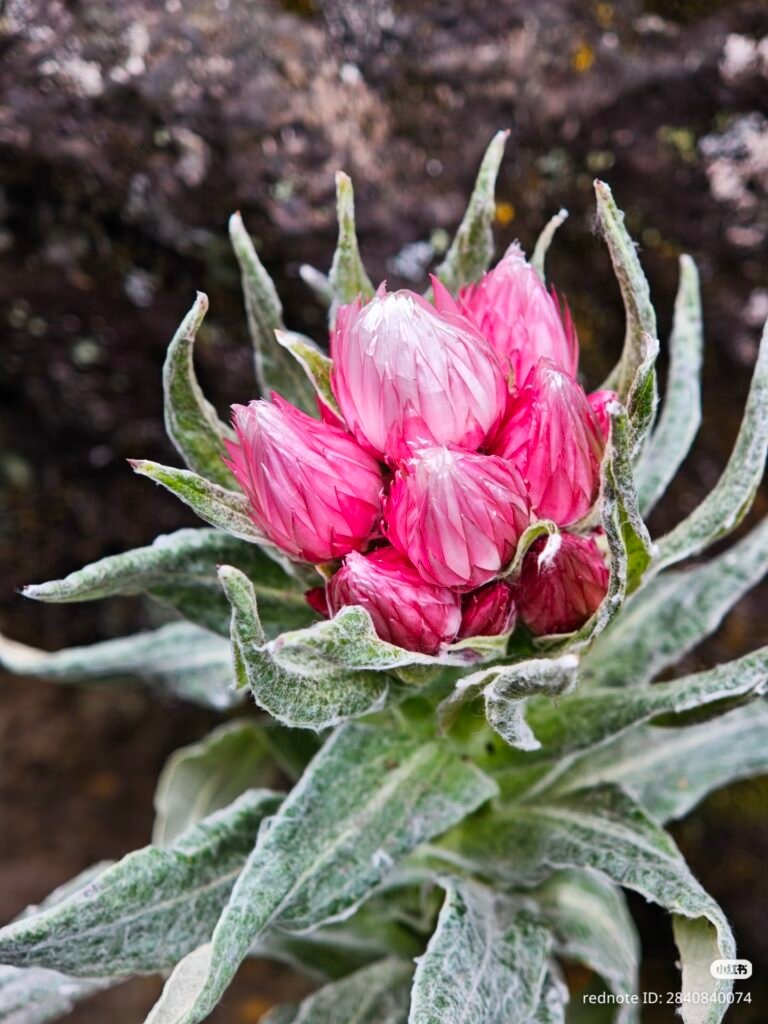
Kilimanjaro And Serengeti Calving Safari February : The Ultimate Planning
Combine the majesty of Mount Kilimanjaro with the impressive spectacle of the Serengeti's calving season in February 2027. This guide details how to plan this dual adventure, focusing on...
View package details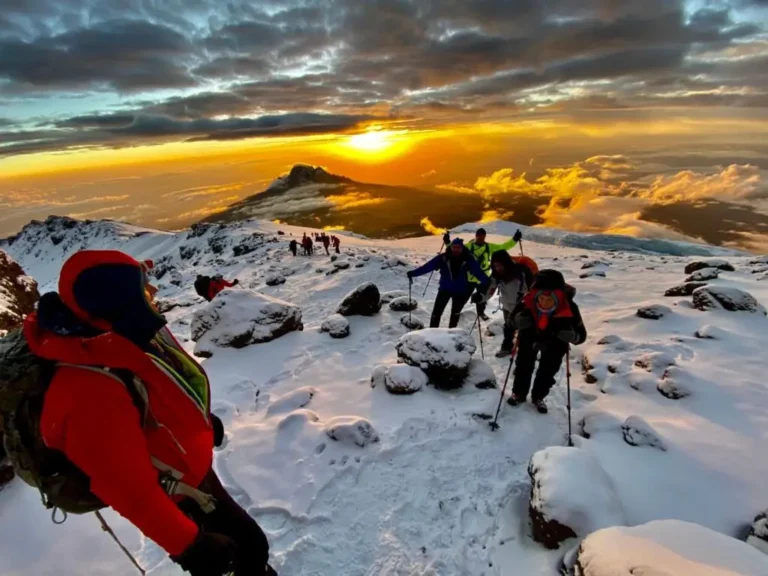
Kilimanjaro And Grumeti Migration Safari June : The Ultimate Tanzanian
Plan your unforgettable Kilimanjaro and Grumeti Migration safari for June 2027. This comprehensive guide details how to combine the challenge of summiting Africa's highest peak with the...
View package details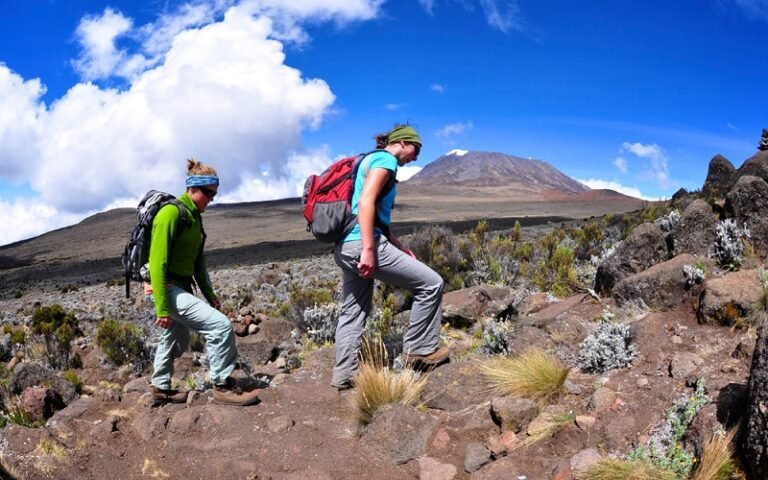
Kilimanjaro And Mara River Crossing Safari August : Peak Season Adventure 2027
Combining the ultimate challenge of climbing Mount Kilimanjaro with the awe-inspiring spectacle of the Great Migration river crossing in the Maasai Mara offers an unparalleled African...
View package details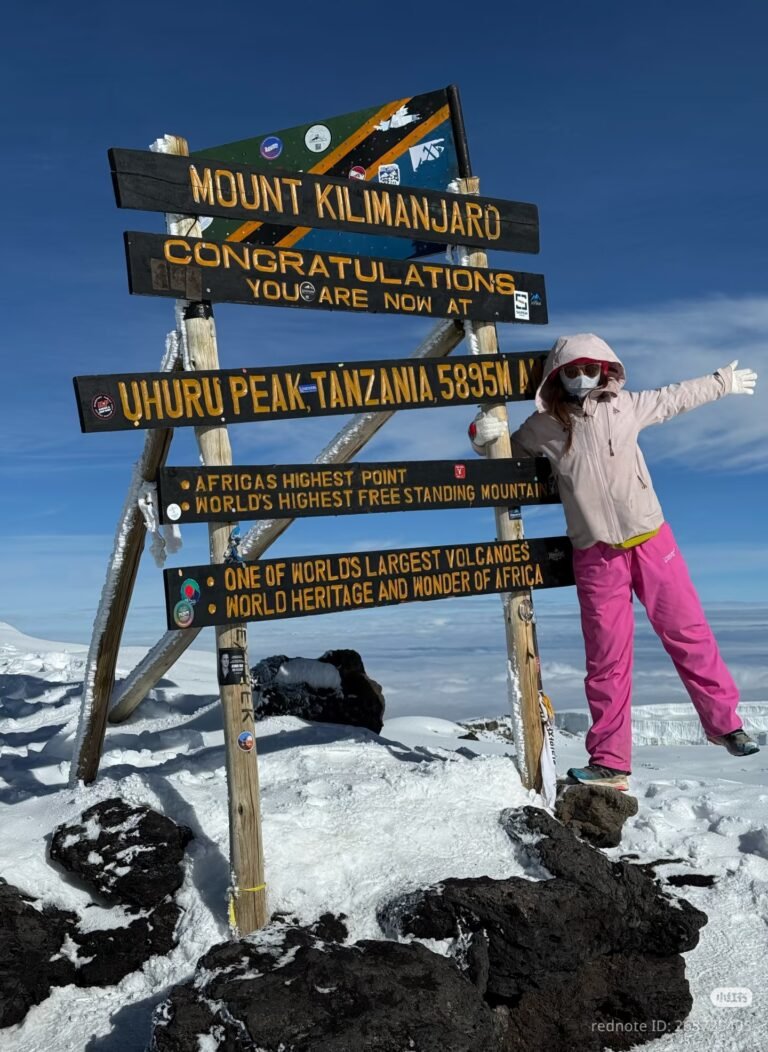
Kilimanjaro And Great Migration Safari August : Your Peak Season Adventure
Plan your ultimate Tanzanian adventure in August 2027, combining a Kilimanjaro climb with the spectacle of the Great Migration. This guide details the best timings, routes, and safari...
View package detailsKilimanjaro And Mara River Crossing Safari July 2027
Kilimanjaro and Mara River Crossing Safari July 2027 is explained with current 2027 planning, price, itinerary and booking information.
View package detailsKilimanjaro And Great Migration Safari July : Your Ultimate Tanzanian
Combining a Kilimanjaro climb with a Great Migration safari in July 2027 offers a spectacular Tanzanian adventure. This guide helps you plan your ideal itinerary, considering the best...
View package details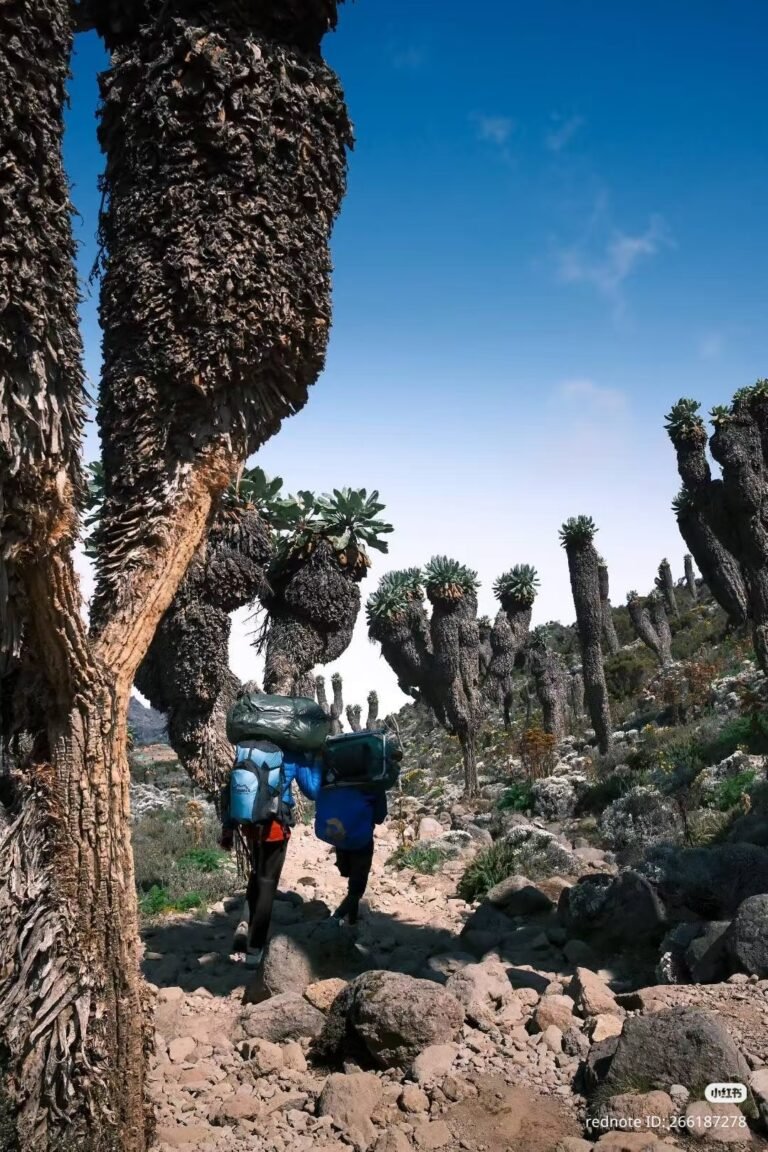
Kilimanjaro Christmas Climb And Tanzania Safari : Your Festive Adventure
Combine the magic of a Christmas ascent of Kilimanjaro with a thrilling Tanzania safari in 2026. Discover how to plan this dual adventure for a truly unique festive season.
View package details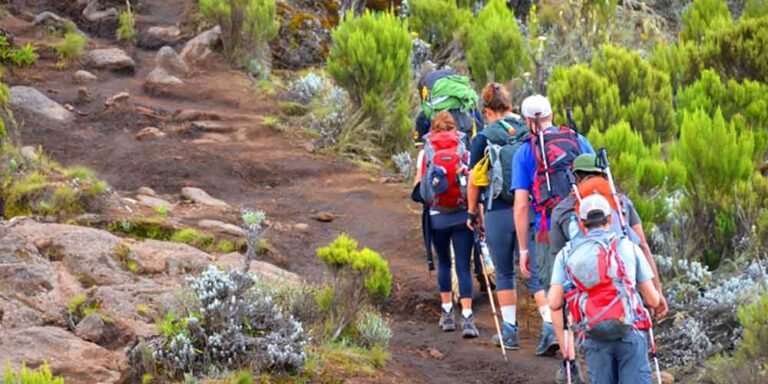
Kilimanjaro 9 January : Lemosho, Machame & Northern Circuit Choices 2027
Explore your Kilimanjaro climbing options for a January 9, 2027 departure, focusing on the popular Lemosho, Machame, and Northern Circuit routes. Understand the unique characteristics of...
View package detailsMachame Route – 4 January Kilimanjaro Group Departure 2027
Secure your spot on the popular Machame Route for a Kilimanjaro group trek departing on January 4, 2027. This guide details the itinerary, highlights, and key considerations for this...
View package detailsNorthern Circuit Kilimanjaro – 3 January Long Acclimatization Trek 2027
start the Northern Circuit Kilimanjaro trek starting 3 January 2027. This extended route prioritizes acclimatization for a more comfortable and successful ascent. Explore its unique...
View package details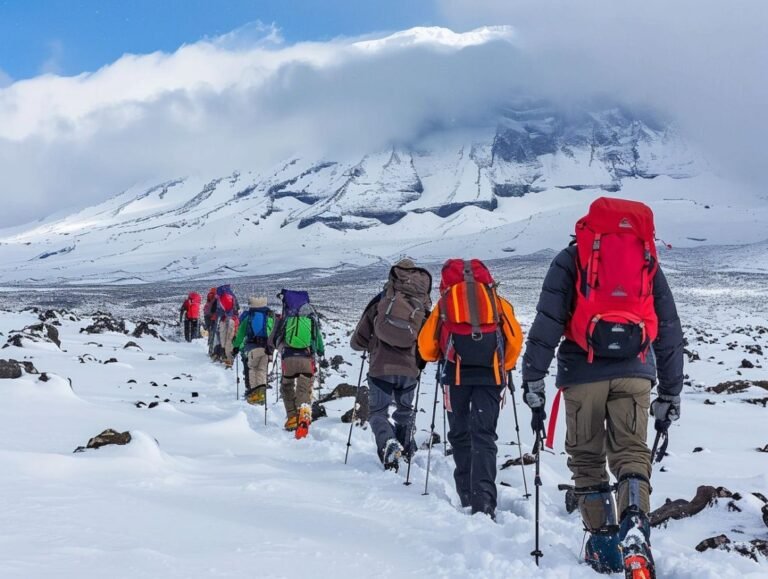
Solo Traveller Kilimanjaro January – Confirmed Groups To Join 2026-2027
Solo Traveller Kilimanjaro January 2027 – Confirmed Groups to Join is explained with current 2026-2027 planning, price, itinerary and booking information.
View package detailsNo related package matches those filters. Clear one or more filters to see the other topic-matched options.



