
The Northern Circuit on Mount Kilimanjaro is the longest and one of the most rewarding trekking routes, offering a complete circumnavigation of the mountain. It is known for its excellent acclimatization profile, scenic beauty, and higher success rates due to its gradual ascent and longer duration.
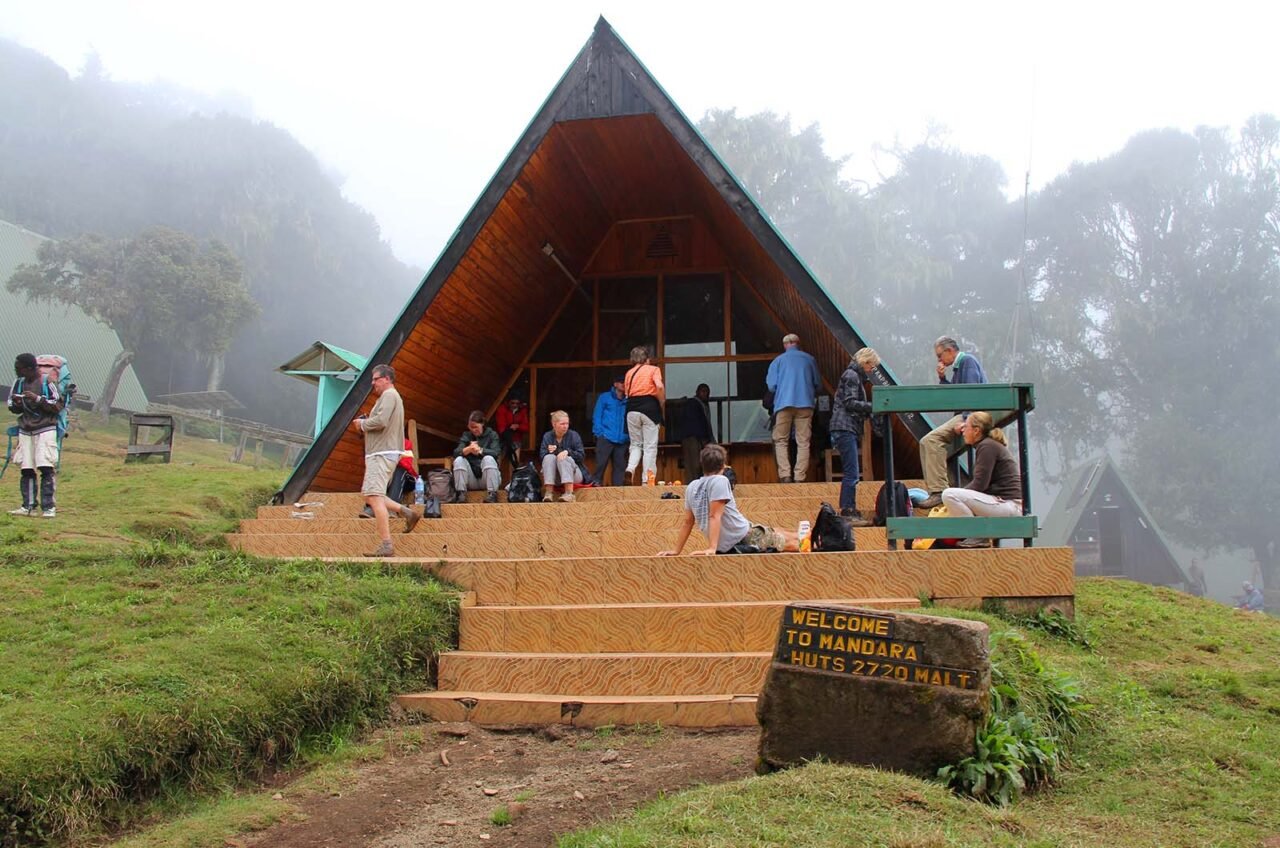
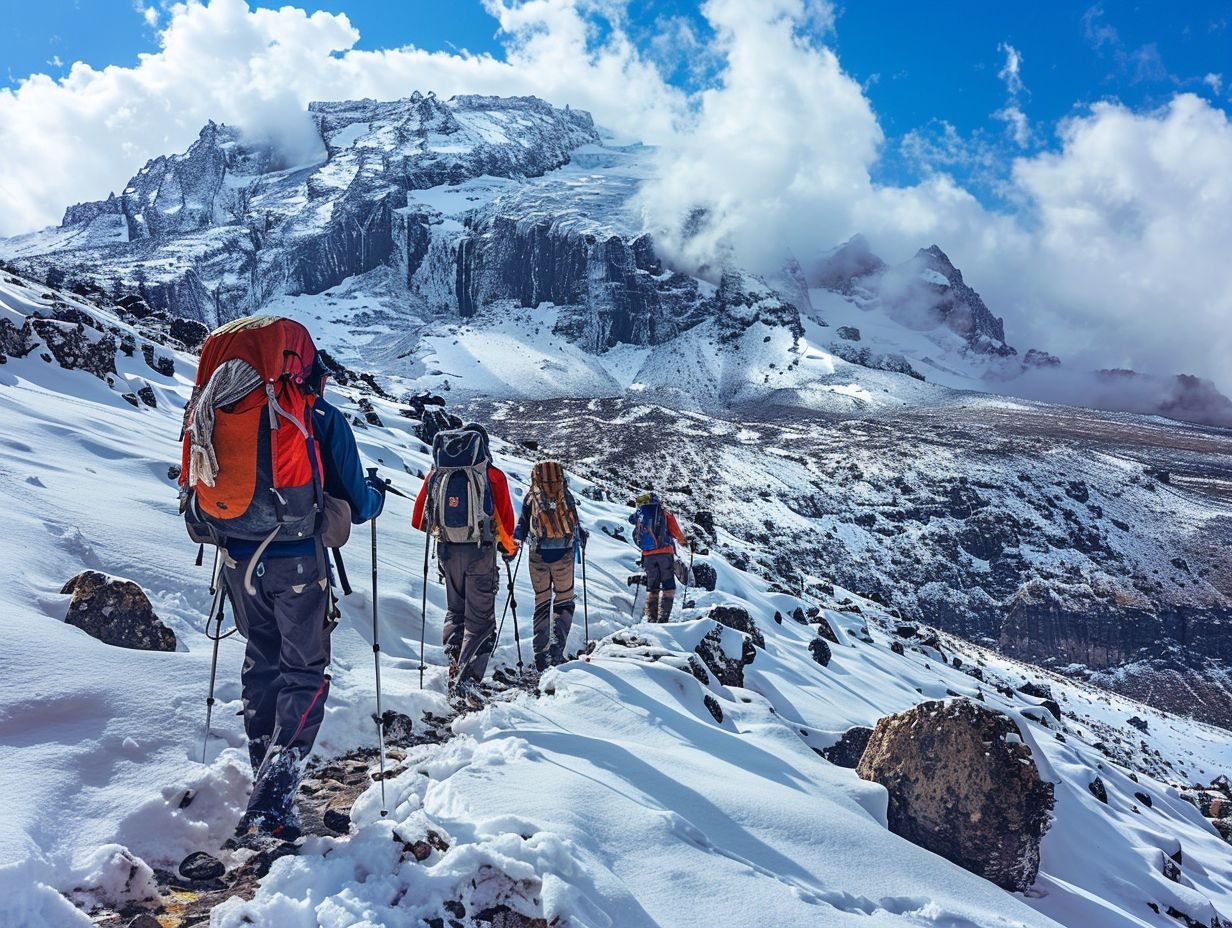
Northern Circuit Kilimanjaro: An Overview
The Northern Circuit route on Mount Kilimanjaro stands apart from its more frequently traversed counterparts. It is the longest of all the established routes, taking trekkers on a comprehensive journey around the mountain’s entire circumference. This extended duration, typically spanning 8 to 9 days, is its defining characteristic and the primary reason for its superior acclimatization profile. Unlike shorter routes that rush trekkers towards the summit, the Northern Circuit allows for a much more gradual ascent, enabling the body to adapt more effectively to the increasing altitude. This adaptation is crucial for a safe and successful climb. The route begins at the Lemosho Gate and follows a similar path to the Lemosho route initially, before diverging to circle the northern slopes and eventually joining the Barafu route for the final summit push. This circumnavigation provides unparalleled views and a diverse experience of Kilimanjaro’s varied ecosystems.
Why Choose the Northern Circuit?
Several compelling reasons make the Northern Circuit a preferred choice for many trekkers, particularly those prioritizing safety, scenery, and a more in-depth experience. The most significant advantage is its extended itinerary. By offering more days on the mountain, trekkers can ascend at a slower pace, a strategy widely recognized as the most effective way to combat altitude sickness. This gradual acclimatization leads to a higher probability of reaching Uhuru Peak, Kilimanjaro’s summit. Beyond acclimatization, the route’s circuitous path offers a unique perspective. It traverses the less-visited northern slopes, exposing climbers to a wider array of landscapes, from alpine deserts to unique flora and fauna, and often provides stunning panoramic views of the surrounding plains, including Mount Kenya on clear days. This less-congested path also contributes to a more tranquil trekking experience, allowing for greater connection with the mountain environment.
Route Comparison: Northern Circuit vs. Others
When considering Kilimanjaro routes, understanding the differences is key. The Northern Circuit is significantly longer than routes like Marangu (5-6 days) or Machame (6-7 days). While these shorter routes can be successful, they often involve a faster ascent and less time for the body to adjust to altitude, potentially increasing the risk of altitude-related illness. The Lemosho route (7-8 days) is a popular alternative that also offers good acclimatization, and the Northern Circuit shares its initial stages. However, the Northern Circuit extends beyond Lemosho, completing a full circle of the mountain, whereas Lemosho typically descends via the Mweka route. The Rongai route (6-7 days) approaches from the north and is known for its drier conditions, making it a good option during wetter seasons, but it does not offer the same comprehensive circumnavigation or acclimatization benefits as the Northern Circuit. The Umbwe route is the shortest and steepest, demanding a high level of fitness and offering minimal acclimatization, making it generally not recommended for most trekkers. The Northern Circuit’s length and design prioritize a slower, more methodical approach, making it one of the most successful routes in terms of summit achievement.
Northern Circuit Itinerary Breakdown
The Northern Circuit route is typically completed over 8 or 9 days, offering a more relaxed pace and enhanced acclimatization. While specific operators may vary the daily stages slightly, the general progression involves ascending through diverse ecological zones and circumnavigating the mountain’s upper reaches before the summit attempt. The following is a representative 8-day itinerary, illustrating the typical progression and key camps.
Day 1: Machame Gate to Shira 2 Camp
The journey commences at Machame Gate (1,800m / 5,906 ft), where formalities are completed, and porters are engaged. The trek begins by ascending through the lush montane forest. This initial stage is characterized by dense vegetation, abundant birdlife, and the possibility of spotting colobus monkeys. The path can be muddy, especially during the rainy seasons. The day’s trek concludes at Shira 2 Camp (3,850m / 12,631 ft), situated on the Shira Plateau. This is a significant altitude gain for the first day, but the trek itself is not overly strenuous. Reaching Shira 2 Camp allows for a good initial acclimatization period.
Day 2: Shira 2 Camp to Lava Tower
This day involves a steady ascent across the Shira Plateau, offering increasingly expansive views. The landscape transitions from forest to moorland, with hardy grasses and unique giant heathers. The goal for the day is Lava Tower (4,630m / 15,190 ft), a prominent volcanic plug. This point is crucial for acclimatization as it represents a significant altitude. Trekkers often spend time exploring the area around Lava Tower, enjoying the stark beauty of the alpine desert. From Lava Tower, the route descends slightly to the nearby Karranga Camp (4,200m / 13,780 ft) or a similar campsite, facilitating a ‘climb high, sleep low’ strategy, which is beneficial for acclimatization. The descent after reaching Lava Tower helps reduce the risk of altitude sickness overnight.
Day 3: Lava Tower to Karranga Camp
If the previous day ended at Lava Tower, the trek to Karranga Camp is a relatively short one, focusing on the descent and acclimatization. If the itinerary has Karranga Camp as the day’s destination after a higher point, the trek involves traversing the alpine desert. The Karranga Camp is situated in a sheltered valley, offering a welcome respite. The views from this elevation are dramatic, with the southern ice fields becoming more visible. The day is generally less demanding in terms of distance and elevation gain, reinforcing the acclimatization process. The primary focus remains on hydration and rest.
Day 4: Karranga Camp to Barafu Camp
This day marks a significant step towards the summit. The trek from Karranga Camp leads upwards towards Barafu Camp (4,670m / 15,322 ft), which serves as the base camp for the summit attempt. The terrain becomes more rugged and scree-covered as the vegetation thins out considerably. The landscape is starkly alpine, with minimal plant life. Barafu Camp is exposed and often windy. Upon arrival, trekkers rest and prepare for the challenging summit night. Hydration and early rest are paramount. The early start on this day allows for ample time to reach Barafu Camp, hydrate, and get as much sleep as possible before the midnight ascent.
Day 5: Barafu Camp to Uhuru Peak and Descend to Mweka
This is the most demanding day, beginning in the early hours of the morning (around midnight to 2 am). Trekkers ascend from Barafu Camp towards Stella Point (5,756m / 18,885 ft) on the crater rim, a steep and arduous climb over loose scree and rock. From Stella Point, the route continues along the crater rim to Uhuru Peak (5,895m / 19,341 ft), the highest point in Africa. The sunrise views from the rim are often spectacular. After celebrating at the summit, the descent begins. This is a long descent, first back to Barafu Camp for a short rest and some sustenance, and then continuing all the way down to Mweka Camp (3,100m / 10,171 ft) in the montane forest. The descent is physically taxing and requires careful footing.
Day 6: Mweka Camp to Mweka Gate
The final day of the trek involves a relatively short descent from Mweka Camp through the montane forest to Mweka Gate (1,640m / 5,381 ft). The path is often steep and can be muddy. Upon reaching the gate, trekkers are



