
For travellers planning a Kilimanjaro climb as rains approach, understanding the transitional weather patterns is key. While the main rainy seasons (March-May and November) present challenges like increased mud and reduced visibility, they also offer fewer crowds and potentially lower prices. Success hinges on choosing the right route, packing meticulously for wet conditions, and maintaining a flexible mindset. Routes like Machame and Lemosho, known for their gradual ascent and varied terrain, often remain more accessible during these times, providing a more stable climbing experience in 2026 and 2027.
Understanding Kilimanjaro’s Weather Patterns
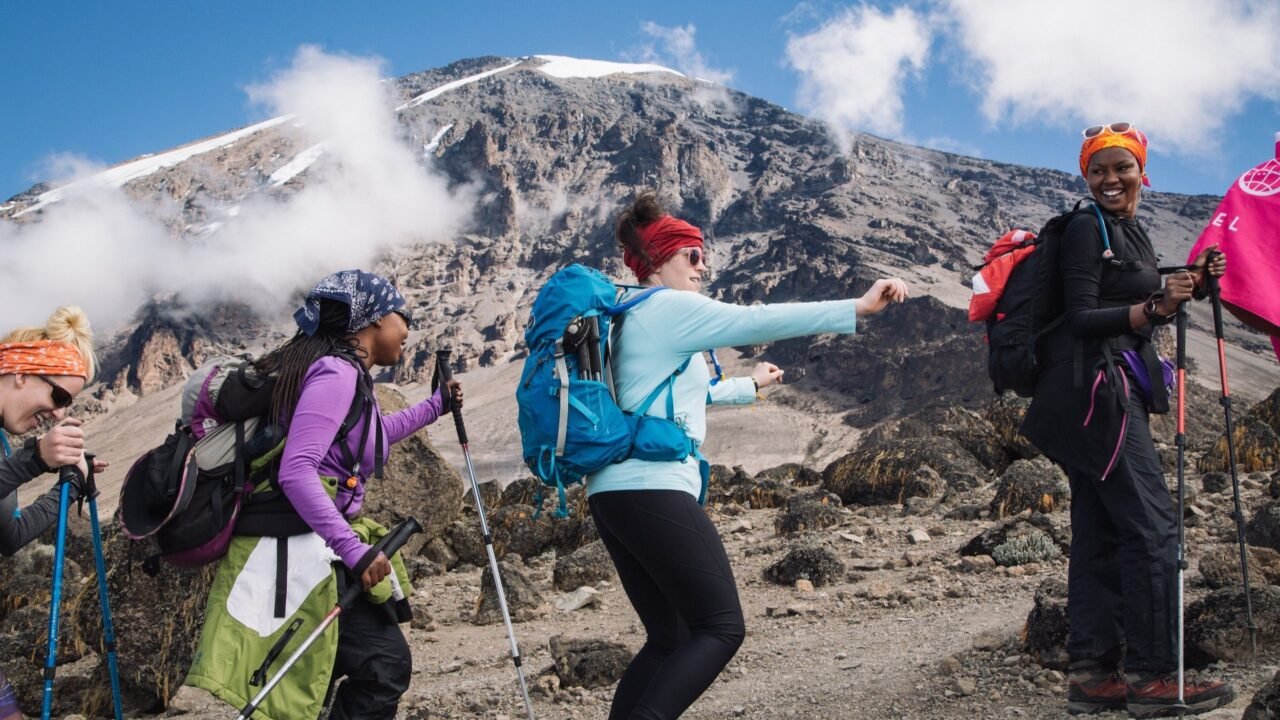
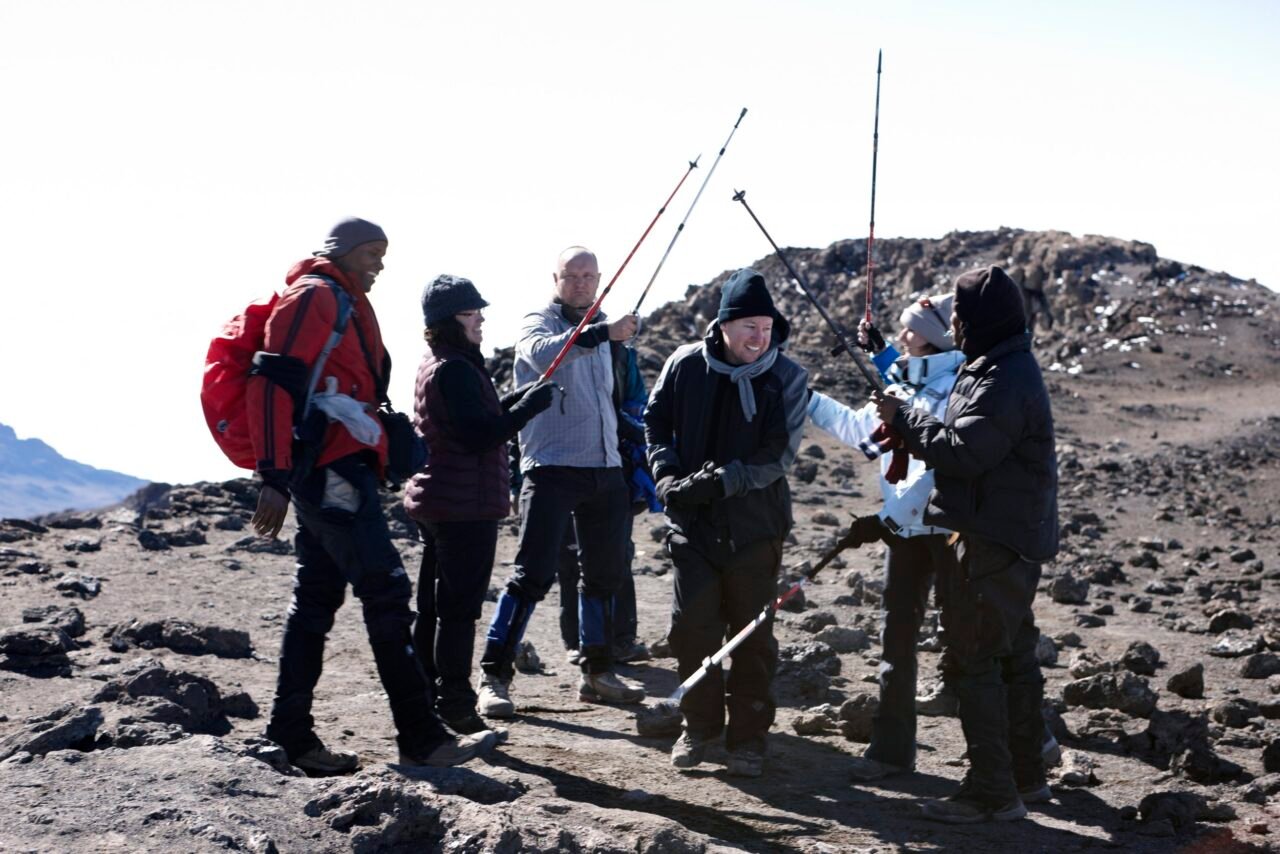
Kilimanjaro, an iconic stratovolcano in Tanzania, presents a complex microclimate that shifts dramatically with altitude and season. For travellers considering a climb as the rains approach, a thorough understanding of these patterns is not just beneficial; it’s essential for a safe and enjoyable expedition. The mountain experiences distinct wet and dry seasons, but the ‘approach’ of the rains means we are often looking at transitional periods, which can be unpredictable.
The weather on Kilimanjaro is a primary concern for any climber, but it takes on heightened importance when the forecast suggests precipitation. Unlike a beach holiday where rain might mean a change of activity, on Kilimanjaro, it directly impacts your ability to ascend, your comfort, and your overall safety. The mountain’s sheer height means you can experience multiple climate zones in a single trek, from the warm, humid rainforest at the base to the freezing, arid alpine desert and the glacial summit zone. Each zone reacts differently to the onset of rain.
The Two Main Rainy Seasons
Kilimanjaro is generally subject to two distinct rainy seasons:
- The Long Rains (March, April, May): This is the most significant rainy period. April is typically the wettest month, with heavy, prolonged downpours, especially on the southern and eastern slopes. Clouds often obscure the summit, and visibility can be poor. Trails can become very muddy and slippery, and streams can swell. Temperatures also tend to be milder than during the dry seasons, but the constant dampness can lead to significant chill, especially at higher altitudes.
- The Short Rains (November): This season brings shorter, less intense bursts of rain, often in the afternoons. While still a wet period, it’s generally considered more manageable than the long rains. The landscape remains lush, and the rains can clear the air, offering stunning views after showers.
Climbers who are ‘weather-conscious’ as rains approach are often targeting the periods just before or just after these main rainy spells – the shoulder seasons. These can offer a mixed bag of weather, with a higher chance of rain than the dry seasons but potentially fewer trekkers.
Shoulder Seasons and Transitional Weather
The periods between the dry and wet seasons are crucial for those who are particularly mindful of rain. These shoulder seasons can offer:
- Late February to early March: This is the tail end of the dry season, moving towards the long rains. You might experience some scattered showers, but generally, the trails are still in good condition, and the landscape is vibrant.
- June to October: This period follows the long rains and precedes the short rains. June can still see lingering showers, but by July, the weather typically stabilises into the main dry season (June-October). However, the transition into the short rains in November means that late October and early November can become wetter.
Travellers who are ‘weather-conscious’ often aim for June, July, or early October to maximise their chances of dry weather while avoiding the peak season crowds of August and September. However, if a climb is scheduled for late March, April, May, or November, a proactive approach to weather is paramount.
Impact of Altitude on Weather
It’s vital to remember that Kilimanjaro’s weather is not uniform. As you ascend, the temperature drops, and the weather becomes more extreme. The rainforest zone at the base might be humid and warm, with rain falling as a tropical downpour. As you climb into the moorland and alpine desert zones, the rain can turn to sleet or even snow, especially at higher elevations. The summit zone is permanently frozen, and any precipitation here will be snow or ice, often accompanied by fierce winds.
Understanding this altitudinal variation helps in packing appropriately. Waterproofs are essential throughout, but the layering system becomes critical as you move through these different climatic bands. The onset of rain can significantly lower the perceived temperature, making a well-prepared climber much more comfortable and safer than someone caught off guard.
Choosing the Right Route During Rainy Periods
When the rains are approaching or actively falling, route selection on Kilimanjaro becomes a critical decision. Some routes are more exposed to the elements, while others offer better shelter or more gradual ascents that can be less impacted by muddy conditions. For travellers who are weather-conscious, understanding these differences can significantly improve their trekking experience in 2026 and 2027.
Machame Route: Pros and Cons in Rain
The Machame Route is one of the most popular choices for Kilimanjaro climbs, and for good reason. It offers a high success rate due to its gradual ascent profile, which aids acclimatisation. When rains are approaching:
- Pros: The Machame route is generally considered more resilient to rain than some other options. Its varied terrain means that while lower sections can get muddy, higher sections often transition to scree and rock, which can drain better than dense mud. The route is also well-trodden, meaning guides and porters are very experienced in navigating it during wet conditions. Its longer duration (typically 6-7 days) allows for better acclimatisation, which is always a plus, but especially so when weather can slow progress.
- Cons: The lower sections, particularly in the rainforest, can become extremely muddy and slippery during the rainy seasons. This can slow progress and increase the risk of slips and falls. Visibility can also be significantly reduced in the rainforest and lower moorland zones during heavy downpours.
For a weather-conscious climber, the Machame route offers a good balance. The acclimatisation benefits are substantial, and the experienced guiding teams are adept at managing the conditions. It’s a strong contender if you’re climbing in a transitional period like late March or November.
Lemosho Route: Advantages in Transitional Weather
The Lemosho Route is renowned for its scenic beauty and excellent acclimatisation profile, often taking 7-8 days. Its advantages during rainy periods include:
- Pros: Lemosho starts on the western side of Kilimanjaro, which can sometimes experience slightly less rainfall than the southern or eastern slopes, although this is not guaranteed. Its longer duration is a significant plus for acclimatisation, reducing the risk of altitude sickness. The route’s gradual ascent through diverse landscapes means that you experience different weather conditions, and the terrain, while muddy in parts, often offers a good mix. The initial stages through the rainforest can be challenging with rain, but the route’s overall progression is designed for steady ascent.
- Cons: Similar to Machame, the rainforest section can be very muddy. The remoteness of the initial stages might mean slightly less immediate support compared to the more heavily trafficked Machame, though reputable operators ensure full support. The main disadvantage is the longer duration, which might not suit all travellers’ schedules, even if it’s better for acclimatisation and weather management.
For those prioritising a more gradual ascent and acclimatisation, especially when anticipating rain, Lemosho is an excellent choice. Its longer itinerary provides more buffer time and a better chance for the body to adapt.
Other Routes and Their Suitability
- Marangu Route: Known as the ‘Coca-Cola’ route, Marangu is the oldest and perhaps the most straightforward. However, it’s less ideal for climbing as rains approach. Its steep, direct ascent can be hard on the knees and lungs, and it offers less acclimatisation. The trails can become very muddy, and the huts offer limited shelter from the rain itself once you’re outside. Its popularity means it can still be crowded even in shoulder seasons.
- Rongai Route: This route approaches from the north, in a drier region of the mountain. It’s often recommended for the drier months. While it might experience less rain initially, it still traverses the same climatic zones as it ascends, and by the time you reach higher altitudes, you will encounter the same potential for rain and snow. Its main advantage is potentially drier lower slopes.
- Northern Circuit & Umbwe Route: The Northern Circuit is the longest route, offering superior acclimatisation but is still subject to the mountain’s overall weather patterns. The Umbwe route is the shortest and steepest, making it the most challenging and least recommended for anyone concerned about weather or acclimatisation, especially during the rainy seasons.
For a weather-conscious traveller, the Machame and Lemosho routes generally offer the best combination of acclimatisation, trail resilience, and experienced guiding when rains are approaching.
Route Selection Trade-offs for 2026-2027
When planning for 2026 or 2027, consider these trade-offs:
- Acclimatisation vs. Speed: Longer routes like Lemosho or the Northern Circuit offer better acclimatisation, which is crucial when weather can slow your pace and increase fatigue. Shorter, steeper routes might seem appealing for speed but are riskier in wet conditions.
- Crowds vs. Conditions: Shoulder seasons (late March, April, May, November) often have fewer crowds. This can be a significant advantage for a quieter experience. However, these are also the periods when rain is more likely. If you prioritise fewer people, be prepared for the weather.
- Scenery vs. Practicality: Some routes are more scenic but might be more exposed or challenging in rain. For example, the rainforest sections of Machame and Lemosho are beautiful but can become very muddy.
When booking your 2026 or 2027 Kilimanjaro climb, discuss these route options with your tour operator. A reputable company like Climb 4 Africa will help you weigh these factors based on your experience and comfort level with potential adverse weather.
Essential Gear for Wet Kilimanjaro Climbs
Packing for Kilimanjaro is always a detailed affair, but when rains are approaching, your gear choices become even more critical. The right equipment can mean the difference between a miserable, cold trek and a challenging but ultimately rewarding experience. Focus on waterproofing, layering, and comfort in damp conditions.
Waterproof Outerwear: Critical Considerations
This is non-negotiable. You’ll need a high-quality, breathable waterproof jacket and trousers. Don’t skimp here; a cheap set will likely leak and leave you cold and miserable.
- Jacket: Look for a jacket with a good hood that can be adjusted to fit snugly around your face, a durable waterproof and breathable membrane (like Gore-Tex or similar), and pit zips for ventilation. Ensure it’s long enough to cover your lower back.
- Trousers: Full-length, waterproof, and breathable overtrousers are essential. Side zips are highly recommended, allowing you to put them on and take them off over your boots and trousers without removing your footwear.
- Umbrella: Many climbers find a lightweight trekking umbrella surprisingly useful for keeping rain off their faces and upper body, especially during less strenuous sections. It can also provide a bit of shade.
The aim is to stay dry from the outside in, preventing water from soaking through to your insulating layers.
Footwear and Gaiters for Muddy Trails
Your feet are your primary tools on Kilimanjaro, and keeping them dry and comfortable is paramount, especially when trails turn to mud.
- Boots: Waterproof, sturdy, high-ankle hiking boots are a must. They should be well broken-in before your trek to prevent blisters. Ensure they have good grip for slippery, muddy terrain.
- Socks: Pack plenty of warm, moisture-wicking socks. Merino wool is excellent. Avoid cotton at all costs, as it holds moisture and will make your feet cold. Consider bringing liner socks to reduce friction and prevent blisters.
- Gaiters: These are fabric coverings that go from the top of your boots to just below your knees. They are invaluable for keeping mud, water, and scree out of your boots and off your trousers. They are particularly useful on muddy ascents and descents.
- Camp Shoes/Sandals: A lightweight pair of shoes or sandals for wearing at camp is a good idea to let your feet breathe and dry out after a day’s trekking.
The combination of good boots, waterproof gaiters, and appropriate socks will make a huge difference in your comfort on muddy trails.
Layering for Temperature Fluctuations
Kilimanjaro’s weather can change rapidly, and the onset of rain often brings a significant drop in temperature. A good layering system allows you to adapt to these changes.
- Base Layer: Moisture-wicking tops and bottoms (synthetic or merino wool). These draw sweat away from your skin.
- Mid Layer: Insulating layers such as fleece jackets or down vests/jackets. You might need one or two mid-layers depending on the temperature. A fleece is good for moderate cold, while a down jacket is crucial for the extreme cold of the summit night.
- Outer Layer: Your waterproof and windproof jacket and trousers (as mentioned above). This layer protects you from the elements.
The key is to be able to add or remove layers as you ascend or as conditions change. You don’t want to overheat and sweat excessively, only to get cold when you stop or when the rain starts.
Trekking Poles and Other Support
When the trails are wet and slippery, trekking poles become almost indispensable.
- Trekking Poles: Adjustable, sturdy trekking poles with good tips will significantly aid your balance on muddy and rocky sections. They reduce the strain on your knees and provide extra stability. Consider bringing rubber tips for use on less sensitive terrain if required by park regulations.
- Water Bottles/Hydration Pack: Ensure your water bottles have insulated covers to prevent water from freezing at higher altitudes. If using a hydration pack, ensure the hose is insulated or you have a backup method for drinking, as the hose can freeze.
Waterproofing Your Gear
Even with waterproof outer layers, it’s wise to take extra precautions to keep your belongings dry.
- Dry Bags: Pack essential items like your sleeping bag, spare clothing, and electronics in dry bags or robust plastic bags.
- Waterproof Backpack Cover: Most trekking rucksacks come with one, but ensure it fits well and is genuinely waterproof.
- Duffel Bag: Your main luggage will be carried by porters in a large duffel bag. Ensure this bag is also water-resistant or use dry bags inside.
Being weather-conscious means anticipating the worst-case weather and packing accordingly. For 2026 or 2027 expeditions approaching the rainy season, this detailed approach to gear is vital.
Health and Safety Considerations
Climbing Kilimanjaro is an adventure that requires careful attention to health and safety, especially when trekking during periods of approaching rain. The combination of altitude, changing weather, and terrain can pose unique challenges that require specific preparation and awareness.
Managing Hypothermia Risks
Hypothermia, a dangerous drop in body temperature, is a significant risk on Kilimanjaro, particularly when it’s wet and cold. Rain can saturate clothing, rapidly drawing heat away from the body. This is exacerbated by wind chill at higher altitudes.
- Stay Dry: The first and most crucial step is to stay as dry as possible using your waterproof gear.
- Layering: Ensure your layering system is effective. Avoid cotton, which holds moisture. Opt for wool or synthetic base and mid-layers that retain insulating properties even when damp.
- Recognise Symptoms: Be aware of the early signs of hypothermia: shivering, fatigue, confusion, slurred speech, and loss of coordination. Report any symptoms to your guide immediately.
- Energy Intake: Maintain a high intake of calories and warm fluids. Your body needs fuel to generate heat.
- Guide’s Role: Your guides are trained to monitor trekkers for signs of hypothermia and to manage situations effectively. Trust their judgment and follow their instructions.
For those climbing in 2026 or 2027 during the shoulder seasons, understanding and actively managing hypothermia risk is paramount.
Hydration and Nutrition in Damp Conditions
It’s common for people to feel less thirsty in cold, damp weather, but staying hydrated is just as important, if not more so, at altitude. Dehydration can worsen altitude sickness symptoms.
- Drink Plenty: Aim to drink 3-4 litres of fluid per day. Warm drinks like herbal tea, broth, or hot water with lemon are excellent for both hydration and warmth.
- Food is Fuel: Eat all your meals and snacks. High-carbohydrate foods provide energy. When it’s cold, your body burns more calories just to stay warm.
- Warm Meals: Reputable operators will provide hot meals and drinks, which are invaluable for morale and energy levels during wet treks.
Ensure your water bottles are insulated to prevent freezing, and consider carrying a thermos for hot drinks.
Dealing with Muddy and Slippery Terrain
The most visible impact of approaching rains is often the state of the trails. Mud can make even seemingly easy sections difficult and dangerous.
- Pace Yourself: Don’t rush. Take slow, deliberate steps.
- Use Trekking Poles: As mentioned, poles are invaluable for balance and stability.
- Good Footwear: Ensure your boots have excellent tread and are waterproof.
- Gaiters: Essential for keeping mud out of boots.
- Watch Your Step: Be aware of where you are placing your feet. Look for firmer ground if possible, but often you’ll have to navigate through the mud.
- Descents: Descending on muddy, slippery slopes can be as challenging as ascending. Zigzagging can sometimes help, but often it’s about controlled sliding and using poles for support.
Experienced guides will know the safest lines through difficult sections.
Importance of Experienced Guides
When climbing Kilimanjaro, especially in challenging weather conditions, the quality and experience of your guides and support crew cannot be overstated.
- Weather Monitoring: Experienced guides are adept at reading the weather and making informed decisions about route changes or pacing.
- Safety First: They are trained in first aid, altitude sickness management, and emergency procedures.
- Navigation: They know the mountain intimately and can navigate even in low visibility.
- Morale: A good guide can significantly boost morale, which is crucial when facing difficult conditions.
Choosing a reputable operator like Climb 4 Africa ensures you have a team of highly trained and experienced professionals leading your expedition. Their expertise is invaluable when climbing Kilimanjaro as rains approach.
Logistics and Booking for 2026-2027 Climbs
Planning a Kilimanjaro climb requires meticulous attention to detail, and this is amplified when targeting a period when rain is a significant possibility. For travellers looking ahead to 2026 and 2027, understanding the booking process and logistical considerations for these transitional seasons is crucial for a successful expedition.
Timing Your Climb Within the Rainy Season
If your travel dates fall within the main rainy seasons (March-May, November) or the shoulder periods just before or after, you’ll need to be strategic.
- Early March/Late May: These can be good times to catch the tail end of a dry season or the beginning of a wet one, potentially with fewer crowds. However, expect increasing chances of rain as March progresses or lingering showers in late May.
- November: The short rains offer shorter, less intense showers. This can be a viable option if you’re prepared for afternoon downpours.
- Avoid Peak Rain: If your priority is avoiding the heaviest rain, try to schedule your climb for the dry seasons (January-February and June-October). However, if your schedule dictates a climb as rains approach, accept the possibility and prepare accordingly.
When booking for 2026 or 2027, communicate your flexibility and weather concerns to your tour operator. They can advise on the best weeks within these transitional periods.
Choosing a Reputable Tour Operator
This is perhaps the most important decision for any Kilimanjaro climb, and it becomes even more critical when facing challenging weather.
- Experience: Look for operators with a proven track record, especially in managing climbs during adverse weather conditions.
- Safety Standards: Ensure they have robust safety protocols, well-trained guides (including wilderness first aid certification), and adequate emergency equipment.
- Guide-to-Client Ratio: A lower ratio generally means more personalised attention and safety monitoring.
- Inclusions: Understand what is included in the package. This often dictates the quality of food, equipment, and support staff.
- Reviews and Reputation: Check independent reviews and testimonials.
Climb 4 Africa specialises in Kilimanjaro climbs and has extensive experience navigating the mountain’s conditions, including the transitional rainy periods. Their local expertise and commitment to safety make them an excellent choice for your 2026 or 2027 expedition.
Understanding Inclusions and Exclusions
A clear understanding of what your climb package includes is vital, especially when extra gear or support might be needed due to rain.
- Typical Inclusions: Park fees, accommodation before/after the climb, meals on the mountain, experienced guides and porters, camping equipment (tents, mess tent), safety equipment (oxygen, first-aid kit), and transfers.
- Potential Exclusions: Flights, visas, travel insurance, personal gear (clothing, boots, sleeping bag), tips for guides and porters, drinks, and optional extras.
When booking for 2026 or 2027, clarify with your operator if any specific gear (like extra waterproofs or emergency shelters) is provided or if you need to rent them. Ensure your package covers adequate meals and hot drinks, which are crucial for warmth and energy in wet weather.
Packing List: Finalize and Check
A detailed packing list is essential. When preparing for a climb as rains approach, pay extra attention to:
- Waterproofs: Jacket, trousers, and waterproof gloves/mittens.
- Footwear: Well-worn, waterproof boots and gaiters.
- Socks: Plenty of warm, moisture-wicking socks.
- Layers: Base, mid, and insulating layers.
- Sleeping Bag: A 4-season sleeping bag rated to at least -15°C (0°F) is recommended, even in drier seasons, and is crucial for warmth in damp conditions.
- Waterproofing: Dry bags for all essential items.
A comprehensive packing list is usually provided by your tour operator. Go through it meticulously and ensure you have everything. Consider renting items like sleeping bags or poles if you don’t own them.
Travel Insurance Essentials
Comprehensive travel insurance is a non-negotiable requirement for climbing Kilimanjaro. Ensure your policy covers:
- High Altitude Trekking: Many standard policies exclude high-altitude activities.
- Emergency Evacuation: This is critical. Ensure it covers helicopter evacuation from high altitudes.
- Trip Cancellation/Interruption: In case weather or illness forces you to abandon your climb.
- Medical Expenses: For any injuries or illnesses sustained during the trek.
When booking your 2026 or 2027 climb, ensure your insurance is in place well in advance.
The Advantages of Climbing Kilimanjaro in the Rainy Season
While the primary concern for many travellers is avoiding rain, approaching the rainy season or climbing during it can offer distinct advantages that might appeal to a certain type of adventurer. For those who are ‘weather-conscious’ but still looking for a unique experience, understanding these benefits is important for making an informed decision about their 2026 or 2027 trek.
Fewer Crowds and a Quieter Experience
The most significant advantage of climbing during the shoulder seasons or the main rainy periods is the substantial reduction in the number of trekkers on the mountain. Peak seasons (July-August and December-February) can see hundreds of people on the trails and at campsites each day. During the rainy seasons, you’re likely to encounter far fewer fellow climbers.
- More Serenity: Enjoy a more peaceful and introspective trekking experience.
- Better Campsite Experience: Campsites will be less crowded, offering more space and a greater sense of solitude.
- Personalised Attention: With fewer climbers, guides and support staff might have more time to dedicate to individual trekkers.
This quieter atmosphere can be a major draw for those seeking a more intimate connection with the mountain and its environment.
Potential for Lower Costs in 2026-2027
While park fees and guide salaries are generally fixed, some tour operators may offer slightly lower prices for climbs booked during the off-peak or rainy seasons. This is often to fill available slots and manage their resources.
- Package Deals: You might find better deals on flights or pre/post-climb accommodation.
- Negotiation: Some operators might be more flexible with pricing or offer added value during these less popular periods.
It’s always worth inquiring about potential discounts or special offers for climbs scheduled during the transitional rainy periods for 2026 or 2027. However, ensure that any cost savings do not come at the expense of essential safety standards or quality of service.
Lush Landscapes and Unique Views
While heavy clouds can obscure summit views, the rain transforms Kilimanjaro’s lower slopes into incredibly vibrant and lush environments.
- Emerald Rainforests: The rainforest zone, in particular, becomes incredibly verdant and alive with the sounds of birds and insects.
- Dramatic Skies: The dramatic interplay of rain clouds, mist, and sunlight can create stunning, moody landscapes that are quite different from the clear blue skies of the dry season.
- Waterfalls and Streams: Waterfalls and streams swell, adding a dynamic element to the scenery.
For photographers and nature lovers, the unique beauty of Kilimanjaro under cloud and rain can be just as interesting, if not more so, than the clear-sky views. The air is often clearer after rain, offering moments of impressive visibility.
The Satisfaction of Overcoming Challenges
Successfully summiting Kilimanjaro is always an achievement. Completing it under more challenging weather conditions can add an extra layer of personal satisfaction and accomplishment.
- Resilience: It tests your resilience, adaptability, and mental fortitude.
- Sense of Achievement: Overcoming physical and environmental challenges can lead to a profound sense of self-efficacy.
- Story to Tell: You’ll have a unique story of how you conquered the mountain despite, or perhaps even because of, the elements.
For some, the allure of a more demanding climb, where success is not guaranteed by perfect weather, is precisely the appeal.
Making the Most of Your Kilimanjaro Experience in Wet Weather
Even with meticulous preparation, climbing Kilimanjaro as the rains approach or during them is an experience that demands a certain mindset. Beyond the gear and route selection, your attitude and approach can significantly influence how enjoyable and successful your trek is. For 2026 and 2027 expeditions, embracing these strategies will be key.
Mental Preparation and Attitude
This is arguably the most critical element. If you’re climbing when rain is likely, you need to go in with realistic expectations and a positive, adaptable mindset.
- Acceptance: Accept that rain, mud, and potentially lower visibility are part of the experience. Fighting against it will only lead to frustration.
- Focus on the Present: Concentrate on each step, each day, and the immediate task at hand. Don’t let the thought of potential future rain dampen your current enjoyment.
- Problem-Solving: View challenges as opportunities to test your preparedness and resilience. If a trail is muddy, focus on how to navigate it safely rather than dwelling on the inconvenience.
- Gratitude: Appreciate the unique beauty of the mountain, the effort of your support crew, and the opportunity to be there.
Your mental state can profoundly impact your physical performance and your overall perception of the trek. A positive attitude can make even a cold, wet day feel manageable.
Enjoying the Journey Despite the Elements
It’s easy to get fixated on the summit, but the Kilimanjaro climb is as much about the journey as the destination.
- Appreciate the Lower Zones: The rainforest and moorland zones are stunning, especially when lush and vibrant from recent rain. Take time to observe the flora and fauna.
- Connect with Your Team: Engage with your guides and porters. Their knowledge, stories, and camaraderie can be a source of great joy and motivation.
- Savour Warmth and Comfort: When you reach camp, relish the warmth of a hot meal, the comfort of your sleeping bag, and the dry shelter of your tent. These simple comforts become incredibly precious.
- Celebrate Small Victures: Reaching the next camp, completing a challenging day’s trek, or seeing a break in the clouds are all reasons to celebrate.
Don’t let the potential for rain rob you of the beauty and experience of the mountain itself.
Photography Tips for Rainy Conditions
Capturing memories on Kilimanjaro is important, but rain presents unique challenges for photographers.
- Protect Your Gear: Use waterproof camera bags, dry bags, or even a plastic bag to shield your camera from rain. Ensure your backpack cover is effective.
- Quick Changes: Be ready to quickly pull out your camera when you see a photographic opportunity, and equally quickly put it away.
- Focus on Mood: Embrace the moody, dramatic atmosphere. Mist, clouds, and rain can create unique photographic effects.
- Lens Wipes: Carry plenty of microfiber lens cleaning cloths to keep your lenses clear of moisture and raindrops.
- Low Light: Rainy conditions often mean lower light. You might need to use a higher ISO or a wider aperture if your camera allows, or be prepared for slightly less sharp images.
- Tripod: While difficult to use in strong winds, a lightweight tripod can be useful for capturing landscapes in low light if conditions permit.
Documenting your climb, even in challenging weather, will be a rewarding keepsake for years to come, a testament to your successful expedition in 2026 or 2027.
Contact Climb 4 Africa for Your Kilimanjaro Adventure
Embarking on a Kilimanjaro climb, especially when considering the weather patterns as rains approach, requires expert guidance and reliable support. At Climb 4 Africa, we understand the nuances of Kilimanjaro’s climate and terrain throughout the year. Our team of experienced local guides is dedicated to ensuring your safety, comfort, and success on the mountain, whether you’re climbing in the dry seasons or navigating the transitional periods of 2026 and 2027.
We pride ourselves on offering personalised itineraries, high safety standards, and a deep commitment to providing an unforgettable African adventure. Whether you are drawn to the scenic Machame route, the acclimatisation benefits of Lemosho, or have specific dates in mind for your 2026 or 2027 climb, we can help you plan the perfect expedition.
To discuss your Kilimanjaro climb, get a personalised quote, or simply ask questions about climbing as the rains approach, please don’t hesitate to reach out. We’re here to help you prepare for every aspect of your journey.
You can contact us via:
- WhatsApp: +255 747 477 898
- Email: climb4africa@gmail.com
Let Climb 4 Africa be your trusted partner in conquering Kilimanjaro.
Check Availability for Kilimanjaro Weather: Your Guide For Travellers As Rains Approach 2026-2027
Ready to compare dates, prices, and the best option for your group? Send the package name and travel month so the team can reply with a clear quote, availability, and what is included.
Rongai Route March : Your Northern Approach For Changing Kilimanjaro Weather
The Rongai Route offers a unique advantage for trekkers aiming for Kilimanjaro in March 2027. Its northern approach provides a distinct weather pattern compared to southern routes, often...
View package details
Kilimanjaro Mid-July : Best Routes For Summer Climbers 2027
Embarking on a Kilimanjaro adventure in mid-July 2027 offers a unique window of opportunity for trekkers. This period falls within the drier, cooler season, generally providing stable...
View package details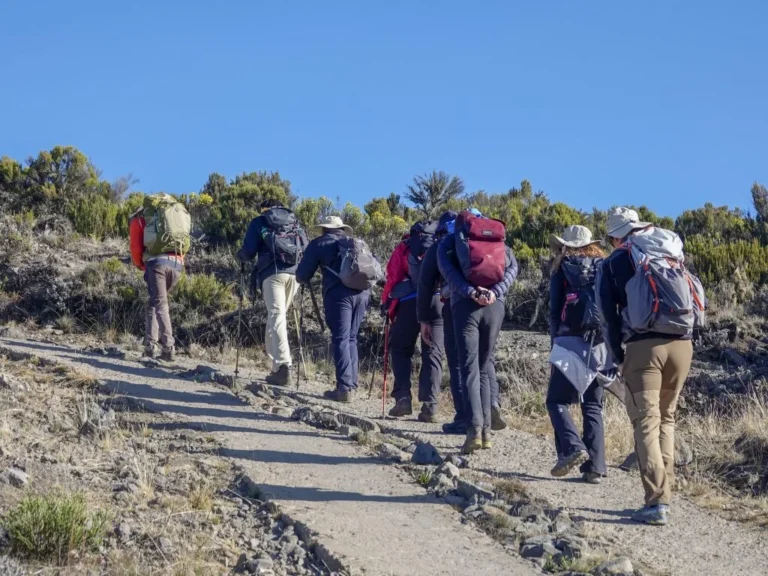
Kilimanjaro June Vs July – Weather, Crowds And Prices 2027
Kilimanjaro June 2027 vs July 2027 – Weather, Crowds and Prices is explained with current 2027 planning, price, itinerary and booking information.
View package details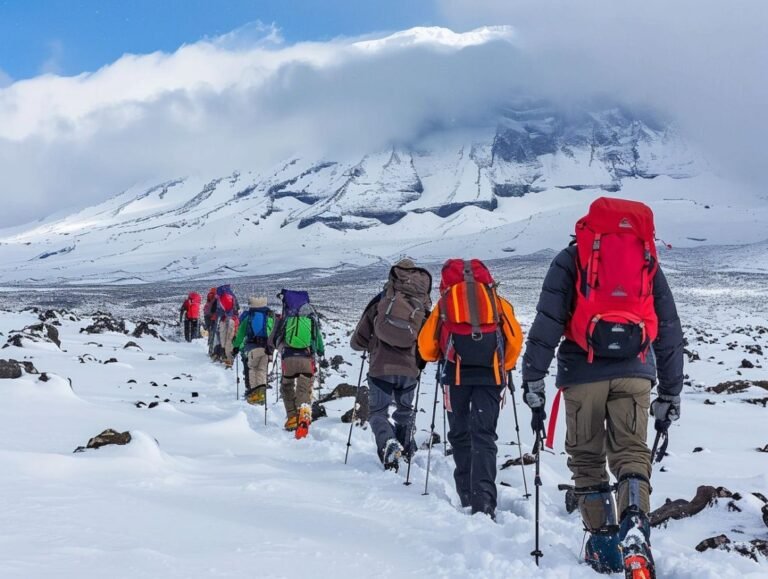
Private Kilimanjaro Climb April : Your Flexible Trekking Adventure 2027
start a personalized Kilimanjaro ascent in April 2027 with a private climb tailored for flexible travellers. Explore route options, understand the April weather, and learn how to book your...
View package details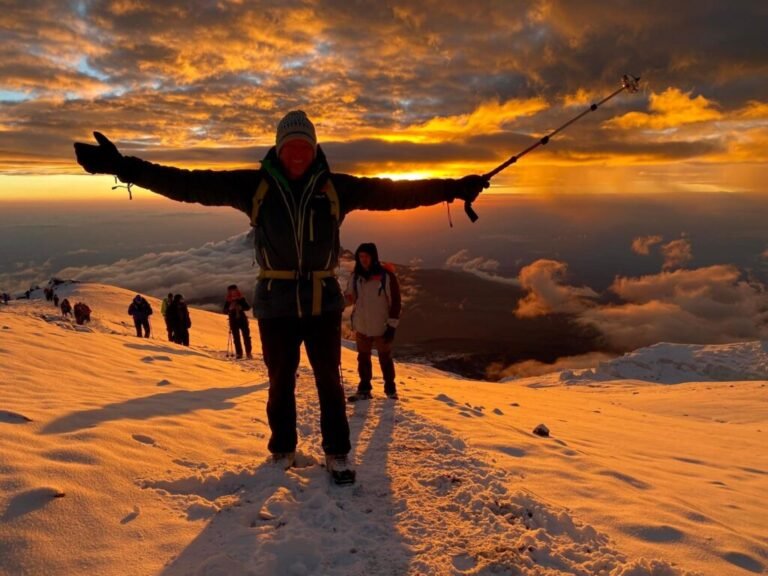
Kilimanjaro 24 April : Late Trek & Weather Expectations 2027
Discover what to anticipate for a Kilimanjaro climb on April 24, 2027. This guide covers late April weather patterns, suitable routes, and essential preparation for your ascent.
View package details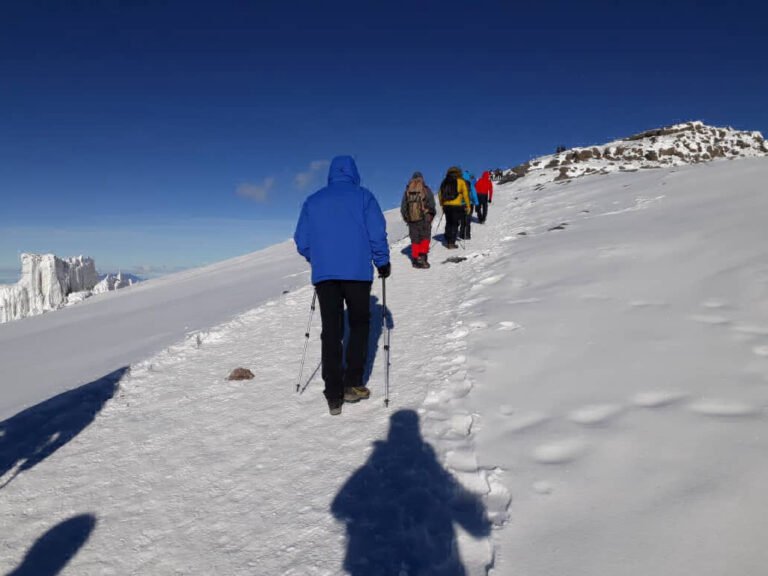
Kilimanjaro April – Quiet Trails, Weather And Route Choice 2027
Kilimanjaro April 2027 – Quiet Trails, Weather and Route Choice is explained with current 2027 planning, price, itinerary and booking information.
View package details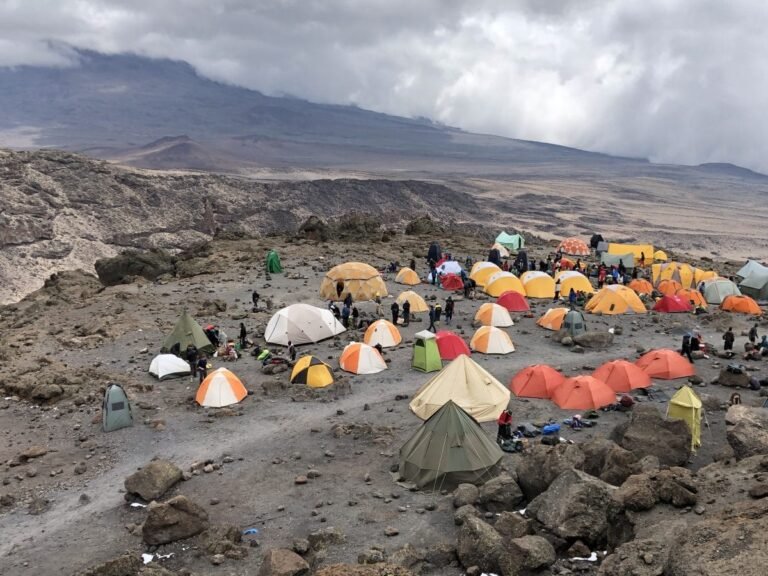
Kilimanjaro Climb March 2027 – Early-Month Groups Before The Long Rains Guide
Discover the unique advantages of climbing Kilimanjaro in early March 2027, just before the onset of the long rainy season. This guide covers weather expectations, route considerations, and...
View package details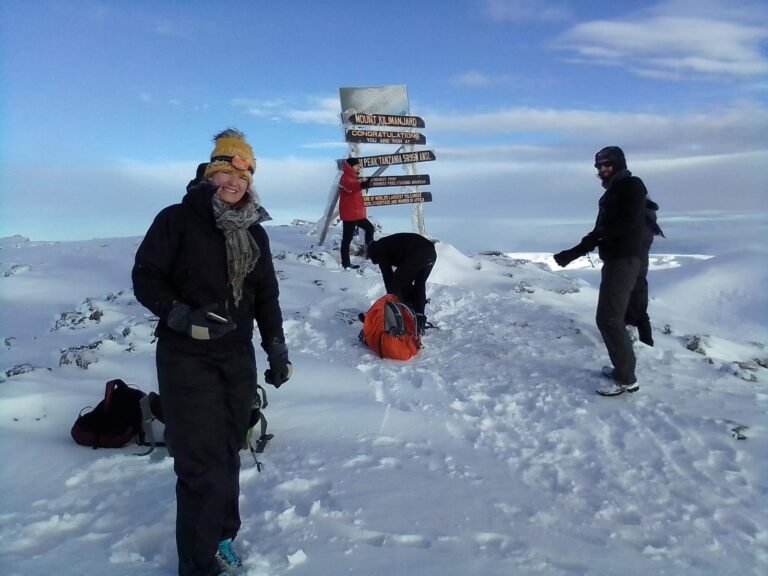
Kilimanjaro Late February : Last Dry-Season Groups Before March Rains 2027
Discover the unique opportunity to climb Kilimanjaro in late February 2027, capturing the last dry weather window before the arrival of the March rains. Plan your ascent during this...
View package details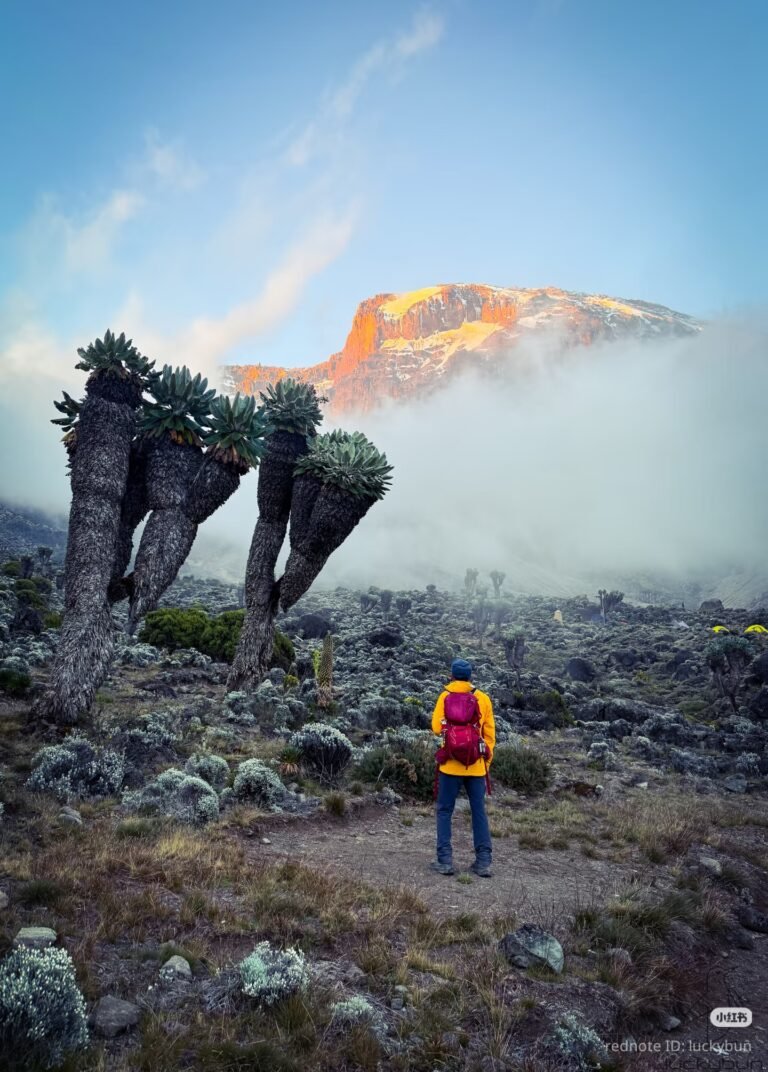
Kilimanjaro Climb January : Group Departures, Weather, And Pricing Guide
start your Kilimanjaro adventure in January 2027! This guide covers everything you need to know about group departures, the favorable January weather, typical pricing, essential...
View package detailsRongai Route Kilimanjaro Late October : Your Drier Northern Approach Guide
Explore the Rongai Route for your Kilimanjaro climb in late October 2026. This guide details the drier northern approach, itinerary, benefits, and what to expect for your 2026-2027 trek.
View package details
Kilimanjaro Mid-October – Best Routes Before The Short Rains 2026-2027
Kilimanjaro Mid-October 2026 – Best Routes Before the Short Rains is explained with current 2026-2027 planning, price, itinerary and booking information.
View package details
Machame Route 14 November : Navigating The Short Rains On Kilimanjaro
Climbing Kilimanjaro via the Machame Route on November 14, 2026, falls within the 'short rains' season. This guide details what trekkers can anticipate regarding weather, trails...
View package detailsNo related package matches those filters. Clear one or more filters to see the other topic-matched options.



