
Joining a group Kilimanjaro trek in November 2026 for either 6 or 7 days offers distinct advantages, with the 7-day option generally providing a higher success rate due to better acclimatization. November falls within a shoulder season, often presenting clearer skies and fewer crowds than the peak seasons. Climb 4 Africa specializes in expert-led group treks, tailoring itineraries to optimize your experience and safety on the mountain, with specific group departures available for 2026.

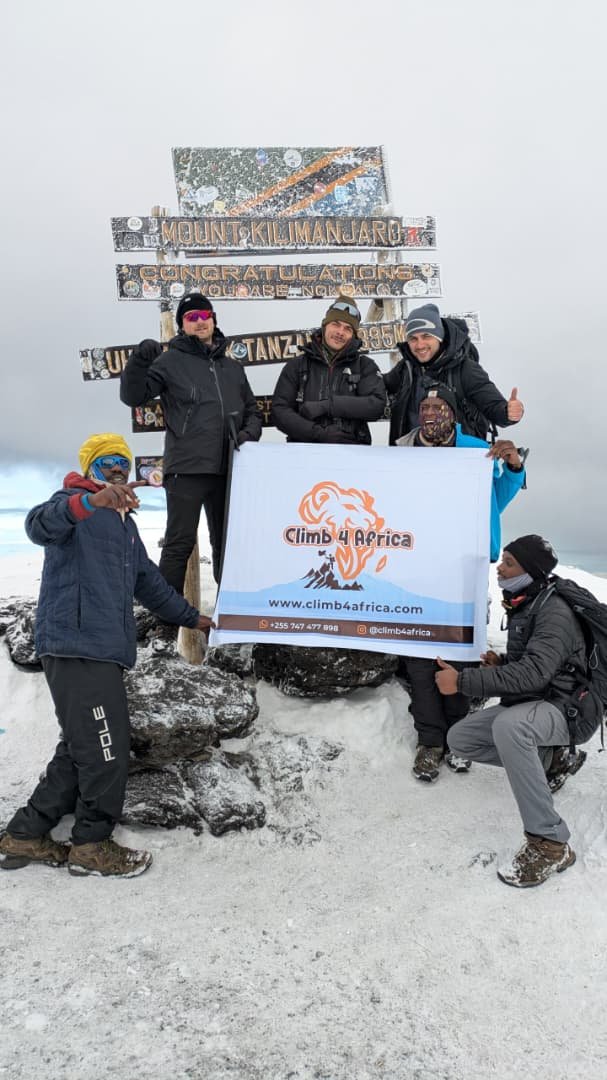
Understanding November on Kilimanjaro
November on Kilimanjaro marks a transitional period between the short rainy season (vuli) and the dry season. This often means a mix of weather conditions. While not as consistently dry as the peak seasons of January-March or June-October, November can offer significant advantages for trekkers looking to avoid larger crowds. The landscape is typically lush and green, especially in the lower reaches, offering beautiful scenery. You might encounter rain showers, particularly in the afternoons, but these are often brief and can clear up quickly, revealing stunning vistas. The higher altitudes are less predictable, and snow is always a possibility near the summit, regardless of the season. However, the trade-off for potentially mixed weather is a more serene trekking experience, with fewer fellow climbers on the trails and at the campsites. This can enhance the feeling of solitude and connection with the mountain. For those planning a November group Kilimanjaro trek in 2026, understanding these weather patterns is key to preparation. It means packing layers suitable for a range of temperatures and precipitation, and maintaining a flexible attitude towards the weather. The benefits of fewer crowds and potentially lower pricing during shoulder seasons like November can make it an attractive choice for budget-conscious travelers or those seeking a more intimate mountain experience. It’s important to note that while November is part of the short rainy season, the rainfall is often less intense and widespread than during the main rainy season in April and May. Many days can be perfectly clear and sunny, especially in the mornings. The key is preparedness and working with an experienced operator like Climb 4 Africa who understands how to navigate these conditions safely and effectively for your 6-day or 7-day Kilimanjaro trek in 2026.
Kilimanjaro Routes for 6-Day and 7-Day Treks
When considering a November group Kilimanjaro trek for 6 days or 7 days in 2026, route selection is paramount. The duration significantly influences the route options available, with longer routes generally offering better acclimatization and thus higher summit success rates. For 6-day and 7-day itineraries, the Machame Route is often the most recommended and popular choice. Other routes like Marangu and Rongai can be done in 6 days, but they are less ideal for acclimatization and therefore less recommended for those prioritizing safety and success.
### The 6-Day Machame Route
The 6-day Machame Route, often called the ‘Whiskey Route,’ is a popular choice for its scenic beauty and relatively good acclimatization profile. It begins in the rainforest and winds its way up through diverse ecological zones. The ascent is steep in places, and the descent is quite rapid. In a 6-day version, the itinerary is compressed, meaning less time is spent at higher altitudes for acclimatization. This can increase the risk of altitude sickness and reduce summit success rates compared to the 7-day version. Trekkers will typically cover more ground each day, with longer trekking hours. The 6-day Machame route involves:
* Day 1: Machame Gate to Machame Camp
* Day 2: Machame Camp to Shira 2 Camp
* Day 3: Shira 2 Camp to Barranco Camp (via Lava Tower)
* Day 4: Barranco Camp to Karanga Camp
* Day 5: Karanga Camp to Barafu Camp
* Day 6: Barafu Camp to Summit, then descend to Mweka Camp or Mweka Gate.
While feasible, the 6-day Machame is a challenging option. It requires a good level of fitness and a strong commitment to acclimatization strategies. For a November 2026 group trek, this route is available, but Climb 4 Africa would strongly advise considering the 7-day option for enhanced safety and comfort.
### The 7-Day Machame Route
The 7-day Machame Route is widely considered one of the best routes on Kilimanjaro, balancing scenic beauty, acclimatization, and a good success rate. The extra day allows for a more gradual ascent, a slower pace, and a more relaxed trek. This is particularly beneficial for acclimatization, significantly reducing the risk of altitude sickness and increasing the chances of reaching the summit. The 7-day Machame itinerary typically includes:
* Day 1: Machame Gate to Machame Camp
* Day 2: Machame Camp to Shira 2 Camp
* Day 3: Shira 2 Camp to Barranco Camp (via Lava Tower)
* Day 4: Barranco Camp to Karanga Camp
* Day 5: Karanga Camp to Barafu Camp
* Day 6: Summit Attempt (Uhuru Peak) and overnight at Barafu Camp or Mweka Camp.
* Day 7: Mweka Camp to Mweka Gate.
Some 7-day itineraries might include an extra night at an intermediate camp or a slightly different progression, but the core principle is the same: slower ascent for better acclimatization. The addition of an extra day allows trekkers to enjoy the scenery more, rest better, and push towards the summit with more energy. For a November group Kilimanjaro trek in 2026, the 7-day Machame route is highly recommended by experienced operators like Climb 4 Africa.
### Other Routes and Considerations
While Machame is often the go-to for 6-7 day treks, other routes exist, though they might not be ideal for these shorter durations or for group departures in November:
* Marangu Route (Coca-Cola Route): The only route with dormitory-style accommodation. It’s a direct ascent and can be completed in 5 or 6 days. However, its rapid ascent profile leads to significantly lower acclimatization and summit success rates, making it less advisable, especially for first-time trekkers or in mixed weather conditions.
* Rongai Route: This route approaches Kilimanjaro from the north, near the Kenyan border. It’s known for its drier climate, which can be appealing for November. It can be completed in 6 or 7 days. The 7-day Rongai offers better acclimatization than the 6-day version, but it’s generally considered less scenic than Machame.
For a November 2026 Kilimanjaro group trek, the choice between 6 and 7 days on the Machame route is the most practical and recommended decision. The 7-day option significantly boosts your chances of a successful and enjoyable summit experience by prioritizing acclimatization. Climb 4 Africa always guides clients toward routes and durations that maximize safety and success for their specific trek dates, including those planned for 2026.
Group Trekking: Advantages and Considerations
Joining a group trek for your November group Kilimanjaro trek in 2026 comes with a unique set of benefits and considerations. Group departures are a fantastic way for solo travelers, couples, or friends to share the experience and costs, making the adventure more accessible.
Advantages of Group Trekking:
* Cost-Effectiveness: Sharing logistics, guides, porters, and equipment costs among more people generally leads to a lower per-person price compared to private treks. This is a significant factor for many planning their 2026 climb.
* Social Aspect: Trekking with like-minded individuals can be highly motivating and enjoyable. You’ll share incredible moments, challenges, and the ultimate triumph with a team, fostering camaraderie and shared memories.
* Shared Expertise: Group treks are led by experienced guides and supported by a full crew. This means a high guide-to-client ratio, ensuring safety and personalized attention even within a group setting. The collective wisdom of the group and crew can be invaluable.
* Structured Itinerary: Group departures have fixed dates, offering a clear planning timeline. For November 2026 Kilimanjaro treks, this provides a concrete goal and allows for coordinated preparation.
* Motivation and Support: When the going gets tough, the support of fellow trekkers and the encouragement from guides can make a significant difference. The shared goal provides a powerful motivational force.
Considerations for Group Trekking:
* Pace: Group treks move at the pace of the slowest member. While guides manage this effectively, you might find yourself waiting or walking slower than your natural pace at times. This is crucial for acclimatization, as it ensures everyone ascends safely.
* Fixed Dates: You need to align your schedule with the group’s departure dates. If you have specific dates in mind outside of the scheduled November 2026 departures, you might need to consider a private trek or adjust your plans.
* Group Dynamics: While usually positive, group dynamics can occasionally be challenging. However, experienced guides are adept at managing group cohesion.
* Less Flexibility: Group treks follow a set itinerary. Spontaneous detours or extended stops are generally not possible. This is less of an issue on Kilimanjaro as the routes are fixed, but it means adhering to the schedule.
When booking a November group Kilimanjaro trek for 6 days or 7 days in 2026, it’s essential to choose an operator that prioritizes safety and acclimatization within the group setting. Climb 4 Africa’s group treks are carefully managed, with experienced guides focused on the well-being of every individual, ensuring that the group moves at a pace conducive to safe ascent and summit success. Their expertise in managing group dynamics and ensuring everyone gets the support they need is a key benefit.
Choosing Between 6 Days and 7 Days in November 2026
The decision between a 6-day and a 7-day Kilimanjaro trek in November 2026 is one of the most critical for ensuring a successful and enjoyable climb. While a 6-day trek might seem appealing due to a shorter time commitment or potentially lower cost, the 7-day option offers significant advantages, primarily related to acclimatization and overall experience.
Why the 7-Day Trek is Generally Superior:
* Acclimatization: The most significant difference. An extra day on the mountain allows for a slower, more gradual ascent. This is crucial for your body to adapt to the decreasing oxygen levels at higher altitudes. The 7-day Machame route, for example, includes a day at Karanga Camp, breaking up the ascent to Barafu Camp (the base camp for the summit push) and allowing for a ‘climb high, sleep low’ strategy on one of the days. This significantly increases your chances of reaching Uhuru Peak without succumbing to altitude sickness.
* Success Rate: Statistically, 7-day treks have a considerably higher summit success rate than 6-day treks on the same routes. For a trip as significant as climbing Kilimanjaro, maximizing your chances of success is a primary goal.
* Enjoyment and Pace: A 7-day trek allows for a more relaxed pace. You have more time to appreciate the stunning scenery, take photographs, and enjoy the journey without feeling constantly rushed. This reduces physical and mental fatigue, making the overall experience more pleasant.
* Reduced Risk of Altitude Sickness: By allowing your body more time to adjust, the risk of developing Acute Mountain Sickness (AMS) is substantially lowered. Symptoms of AMS can range from mild headaches to severe and life-threatening conditions.
When a 6-Day Trek Might Be Considered:
* Time Constraints: If your schedule is extremely tight and you absolutely cannot spare an extra day, a 6-day trek might be the only option. However, this should be a last resort.
* Previous High-Altitude Experience: Individuals with proven experience of successfully acclimatizing to high altitudes (e.g., over 4,000 meters) might manage a 6-day trek, but it still carries higher risks.
* Budget: While the difference is not massive, a 6-day trek is typically slightly less expensive than a 7-day trek due to one less day of guiding, porterage, and camping services.
Recommendation for November 2026:
For a November group Kilimanjaro trek in 2026, Climb 4 Africa strongly recommends the 7-day Machame Route. November’s potentially variable weather adds another layer of complexity; a more gradual ascent provided by the 7-day itinerary will better equip your body to handle the physical demands and potential weather shifts. While a 6-day trek is possible, the increased risk of altitude sickness and lower summit success rate make it a less advisable choice for most trekkers aiming for a positive experience. Prioritizing acclimatization through the 7-day option ensures a safer and more rewarding journey towards the Roof of Africa.
Physical Preparation for Your 2026 Kilimanjaro Trek
Successful ascent of Kilimanjaro, especially during a November group Kilimanjaro trek in 2026, hinges significantly on physical preparation. While Kilimanjaro is not technically demanding, it requires excellent cardiovascular fitness, muscular endurance, and mental fortitude. The primary challenge is altitude, but a strong body can better cope with the physical stress of the climb and the environmental conditions.
Key Areas of Physical Training:
* Cardiovascular Fitness: This is paramount. Engage in activities that elevate your heart rate for extended periods. Aim for at least 3-4 sessions per week, each lasting 45-60 minutes. Excellent choices include:
* **Hiking with a backpack:** Simulate trek conditions by hiking on varied terrain (hills, stairs) while carrying a weighted pack (5-10 kg). This is the most relevant training.
* **Running/Jogging:** Builds stamina and lung capacity.
* Cycling: A good low-impact option for cardiovascular health.
* Swimming: Excellent for overall fitness and endurance.
* Leg Strength and Endurance: Your legs will be working hard for days. Focus on exercises that build strength and stamina in your quadriceps, hamstrings, calves, and glutes.
* Squats and Lunges: Excellent for building lower body strength.
* Step-ups: Mimic climbing stairs, use a bench or step.
* Calf Raises: Strengthen calf muscles for ascents.
* Stair Climbing: Find a local stadium or tall building and climb stairs.
* Core Strength: A strong core provides stability and balance, crucial for navigating uneven terrain and carrying a pack.
* Planks, Crunches, and Leg Raises: Standard core exercises.
* Mental Preparation: The mental aspect is as important as the physical. Kilimanjaro is a test of endurance and perseverance. Practice pushing through discomfort during your training. Visualize yourself succeeding. Understand that there will be challenging moments, especially on summit night.
Training Timeline:
Start your training at least 2-3 months before your November 2026 Kilimanjaro trek. Gradually increase the intensity, duration, and weight of your pack. Two weeks before your departure, taper your training to allow your body to recover and be at its peak for the climb.
Altitude Acclimatization:
While physical fitness helps your body cope with the demands of the trek, it does not prevent altitude sickness. Acclimatization is primarily achieved by ascending slowly, staying hydrated, and avoiding overexertion. The 7-day itinerary is designed to facilitate this, but your physical conditioning will allow you to maintain a steady pace and enjoy the journey more, which indirectly aids acclimatization.
Climb 4 Africa emphasizes that while you cannot ‘train for altitude’ directly, being physically prepared will make the experience significantly more enjoyable and increase your chances of reaching the summit. Their guides are trained to monitor for signs of altitude sickness, but a fit trekker is better equipped to communicate their condition and manage the climb effectively.
Essential Gear and Packing for a November Climb
Packing appropriately is critical for comfort and safety on your November group Kilimanjaro trek, whether you choose the 6-day or 7-day option in 2026. November can bring a mix of weather, from warm and sunny in the rainforest to freezing temperatures and potentially snow at the summit. Layering is the key strategy.
Clothing Layers:
* Base Layers: Moisture-wicking tops and bottoms (merino wool or synthetic). You’ll need several sets.
* Mid Layers: Fleece jackets or insulated vests for warmth. One or two are usually sufficient.
* Outer Layer (Shell): Waterproof and windproof jacket and trousers. Essential for rain and wind protection.
* Insulation Layer: A warm down or synthetic jacket for summit night and cold evenings.
Headwear and Handwear:
* Warm Hat: Wool or fleece, covering your ears.
* Sun Hat/Cap: For lower altitudes.
* Balaclava or Buff: For face protection against wind and cold.
* Gloves: Lightweight liner gloves and warm, waterproof outer gloves or mittens.
Footwear:
* Hiking Boots: Waterproof, well-broken-in boots with good ankle support. This is non-negotiable.
* Camp Shoes/Sandals: For relaxing at camp.
* Socks: Several pairs of warm, moisture-wicking hiking socks (wool or synthetic).
Trekking Gear:
* Backpack: A comfortable daypack (30-40 liters) for essentials during the day. Your main duffel bag (80-100 liters) will be carried by porters.
* Duffel Bag: Waterproof and durable, for porters to carry.
* Sleeping Bag: Rated to at least -10°C (0°F), preferably -15°C or lower, for cold nights.
* Trekking Poles: Highly recommended for stability and reducing strain on knees.
* Headlamp: With extra batteries for summit night and camp use.
Other Essentials:
* Water Bottles/Hydration Reservoir: Carry at least 3 liters capacity. Insulated covers are useful in cold weather.
* Sunscreen and Lip Balm: High SPF.
* Sunglasses: With good UV protection.
* Personal First-Aid Kit: Including blister treatment, pain relievers, personal medications.
* Toiletries: Biodegradable soap, toothbrush, toothpaste, wet wipes.
* Snacks: Energy bars, nuts, dried fruit for extra energy.
* Camera and Power Bank: For photos and keeping devices charged.
* Passport and Visa: Keep in a waterproof bag.
* Cash: For tips and personal expenses.
Special Considerations for November:
Given the possibility of rain in November, ensure your outer shell clothing and duffel bag are truly waterproof. Gaiters can be useful to keep mud and water out of your boots. Waterproof covers for your backpack and camera are also wise investments. Climb 4 Africa provides a detailed packing list to all clients booking a November 2026 Kilimanjaro trek, ensuring you are well-prepared for the varied conditions you might encounter.
Logistics and Support with Climb 4 Africa
Choosing the right tour operator is crucial for a safe and successful Kilimanjaro climb, especially for a November group Kilimanjaro trek in 2026. Climb 4 Africa, as an expert Kilimanjaro operator and Tanzanian travel company, focuses on providing comprehensive logistical support and high-quality guiding services.
What Climb 4 Africa Provides:
* Experienced Guides: Certified, knowledgeable guides with extensive experience on Kilimanjaro, trained in first aid and altitude sickness management.
* Support Crew: A dedicated team of porters to carry your main luggage, tents, cooking equipment, and food, ensuring you only carry a daypack.
* High-Quality Equipment: Well-maintained tents (sleeping tents, mess tents), cooking gear, and other necessary camping equipment.
* Nutritious Meals: Three hot, balanced meals per day, prepared by experienced camp cooks, tailored to provide energy for the trek. They cater to various dietary needs upon request.
* Park Fees and Permits: All necessary Kilimanjaro National Park entrance fees, camping fees, and rescue fees are included.
* Accommodation: Camping on the mountain. Pre- and post-trek accommodation in Moshi can often be arranged.
* Transfers: Round-trip transportation from Kilimanjaro International Airport (JRO) to your hotel in Moshi, and transfers to/from the mountain gates.
* Safety Equipment: Oxygen cylinders and a comprehensive medical kit are carried by guides.
* Pre-Trek Briefing: A thorough briefing in Moshi before your climb, covering itinerary, safety, and gear checks.
The Climb 4 Africa Difference:
* Focus on Safety and Success: Climb 4 Africa prioritizes climber safety and summit success. This is reflected in their recommended 7-day itineraries for better acclimatization, their porter welfare policies, and the quality of their guiding team.
* Local Expertise: Being a local Tanzanian company, they have deep-rooted knowledge of the mountain, the culture, and the logistical challenges. This allows for smooth operations and genuine local support.
* Group Management: For November 2026 group treks, Climb 4 Africa manages group sizes to ensure personalized attention and effective guidance for all members. They carefully match trekkers to groups that suit their pace and experience.
* Transparency: Clear communication regarding inclusions, exclusions, and what to expect. They aim to provide all necessary information for clients to plan their trip effectively.
When you choose Climb 4 Africa for your 6-day or 7-day November Kilimanjaro trek in 2026, you are partnering with a team dedicated to providing an exceptional and safe mountain experience. Their commitment to operational excellence and climber well-being ensures that the complex logistics of climbing Kilimanjaro are handled professionally, allowing you to focus on the trek itself.
What to Expect on Your Kilimanjaro Trek
Embarking on a November group Kilimanjaro trek for 6 days or 7 days in 2026 is an extraordinary adventure, and understanding the daily realities will help manage expectations and enhance your experience.
Daily Trekking Routine:
* Wake-up Call: Typically around 6:00-7:00 AM. Your wake-up call might include a hot drink brought to your tent.
* Breakfast: A hearty breakfast, usually served in the mess tent.
* Packing Up: Porters will pack your duffel bags while you eat. Your tent will be dismantled.
* Morning Trek: The day’s trek usually begins around 8:00-9:00 AM. You’ll walk through diverse landscapes, from rainforest to moorland, alpine desert, and arctic zones.
* Lunch: A packed lunch or a hot meal prepared by the cook at a suitable spot along the trail.
* Afternoon Trek: Continuing your ascent, often with shorter breaks.
* Arrival at Camp: You’ll typically arrive at camp by mid-afternoon (2:00-4:00 PM).
* Camp Setup: Your tents will be ready for you, and the mess tent will be set up.
* Rest and Hydration: The afternoon is for resting, rehydrating, and acclimatizing. You might have a cup of tea or hot chocolate.
* Dinner: A substantial hot dinner served in the mess tent.
* Evening Briefing: The lead guide will brief you on the next day’s itinerary, weather, and any important considerations.
* Sleep: Bedtime is usually between 8:00-9:00 PM to ensure adequate rest.
Challenges and Comforts:
* Altitude: The primary challenge. Symptoms like headaches, nausea, and fatigue are common. Listen to your body and communicate with your guide.
* Weather: November can bring rain, wind, and cold. Be prepared with layers.
* Basic Facilities: On the mountain, toilets are typically pit latrines or simple portable toilets. Showers are not available. You’ll wash with wet wipes or a basin of warm water.
* Food: While meals are designed to be nutritious and tasty, camp food is not gourmet. It’s hearty, filling, and designed to provide energy.
* Sleeping: Sleeping in a tent at high altitude can be challenging. It will be cold, and the ground can be hard, even with a sleeping mat.
Summit Night:
Summit night is the most demanding part of the trek. You’ll typically start around midnight, climbing in the dark for several hours. The pace is very slow, and it will be extremely cold. You’ll ascend through the arctic zone towards Stella Point and then to Uhuru Peak. Reaching the summit for sunrise is an unforgettable experience. The descent is long and can be tough on the knees, often continuing all the way down to Mweka Camp.
November Specifics:
Expect cooler temperatures than in the dry season, with a higher chance of rain, especially on the lower slopes. The air can be crisp and clear on many days, offering stunning views. The trails might be muddy in places. Guides are adept at navigating these conditions. For your November 2026 Kilimanjaro group trek, embracing the adventure, staying positive, and trusting your guides are key to a rewarding experience.
Booking Your November 2026 Group Trek
Securing your spot on a November group Kilimanjaro trek in 2026, whether for 6 or 7 days, involves a straightforward process with Climb 4 Africa. Early booking is advisable, especially for popular group departures, to ensure availability and to allow ample time for your physical preparation and gear acquisition.
Steps to Book:
1. Choose Your Itinerary: Decide between the 6-day or 7-day option. For November 2026, Climb 4 Africa strongly recommends the 7-day Machame route for optimal acclimatization and success rates.
2. Select Your Departure Date: Review the available November 2026 group trek dates. If none of the fixed dates work, inquire about custom group departures.
3. Contact Climb 4 Africa: Reach out to discuss your plans and confirm availability. You can do this via:
* WhatsApp: +255 747 477 898
* Email: climb4africa@gmail.com
4. Receive a Detailed Quotation: Climb 4 Africa will provide a comprehensive quote detailing what is included and excluded in your trek package. This will cover park fees, guides, porters, food, accommodation on the mountain, and transfers.
5. Submit Booking Form and Deposit: Once you are ready to proceed, you will fill out a booking form and submit a deposit to secure your place on the trek. The deposit amount and payment schedule will be outlined in your quotation.
6. Pre-Trip Planning: After booking, Climb 4 Africa will provide you with a detailed pre-departure information pack, including a comprehensive packing list, training recommendations, visa information, and advice on vaccinations. They will also be available to answer any questions you have leading up to your trip.
Important Considerations for Booking:
* Travel Insurance: Ensure you have comprehensive travel insurance that covers high-altitude trekking, medical evacuation, and trip cancellation. This is mandatory for all Kilimanjaro climbs.
* Visa Requirements: Check the visa requirements for Tanzania for your nationality well in advance.
* Vaccinations and Health Advice: Consult your doctor or a travel clinic about recommended vaccinations and malaria precautions.
* Tipping: Tipping for guides, porters, and cooks is customary and expected. Climb 4 Africa provides guidelines on tipping amounts.
By contacting Climb 4 Africa directly, you benefit from their local expertise and personalized service. They can help tailor your experience, answer specific questions about climbing in November 2026, and ensure all logistical aspects of your 6-day or 7-day Kilimanjaro trek are meticulously managed. Their commitment is to provide a safe, memorable, and successful adventure on Africa’s highest peak. Don’t hesitate to reach out with any queries; they are ready to assist you in planning your dream climb for 2026.
Check Availability for Join November Group Kilimanjaro Trekking: 6 Days Or 7 In 2026-2027
Ready to compare dates, prices, and the best option for your group? Send the package name and travel month so the team can reply with a clear quote, availability, and what is included.
Join December Group Kilimanjaro Trekking For 6 Days Or 7 2026-2027
Join December Group Kilimanjaro Trekking for 6 Days or 7 Days 2026 is explained with current 2026-2027 planning, price, itinerary and booking information.
View package details
Join October Group Kilimanjaro Trekking For 6 Days Or 7 2026-2027
Join October Group Kilimanjaro Trekking for 6 Days or 7 Days 2026 is explained with current 2026-2027 planning, price, itinerary and booking information.
View package details
Monte Meru Y Kilimanjaro: Trekking En Tanzania 2026-2027
Discover the ultimate trekking experience in Tanzania by combining Mount Meru and Mount Kilimanjaro. This comprehensive guide covers everything from route selection and preparation to...
View package details
Trek Mont Meru 4 Jours: Your Complete Guide 2026-2027
start a 4-day trek up Mount Meru, a challenging yet rewarding climb near Kilimanjaro. This guide covers routes, preparation, gear, and essential tips for your 2026-2027 expedition.
View package detailsWhat To Expect On Your First Kilimanjaro Trek: A Comprehensive Guide 2026-2027
Planning your first climb up Kilimanjaro? This comprehensive guide covers everything you need to know, from choosing a route and preparing your body to what daily life on the mountain is...
View package detailsKilimanjaro Climb Machame Route : Expert Guide For Your Trek 2026-2027
Discover the ultimate guide to climbing Mount Kilimanjaro via the Machame Route for your 2026 or 2027 adventure. This comprehensive resource covers everything from choosing an itinerary and...
View package detailsWhy Do People Travel From Around The World To Climb Kilimanjaro? 2026-2027
Why Do People Travel From Around the World to Climb Kilimanjaro? is explained with current 2026-2027 planning, price, itinerary and booking information.
View package detailsWhy Do Thousands Of Travelers Visit Kilimanjaro Every Year? Your Expert Guide
Thousands of adventurers flock to Kilimanjaro each year, drawn by its status as Africa's highest peak and a bucket-list trekking challenge. This guide explores the compelling reasons behind...
View package detailsKilimanjaro Routes: Which Is Best For Your Climb? 2026-2027
Choosing the right Kilimanjaro route is crucial for a successful and enjoyable climb. This comprehensive guide compares the main routes, helping you select the best option for your...
View package details10 Mistakes To Avoid Before Climbing Kilimanjaro In 2026-2027
Planning a Kilimanjaro climb is exciting, but avoiding common mistakes is key to a successful and enjoyable experience. This guide details ten critical errors to sidestep, from choosing the...
View package details10 Most Challenging Mountains To Climb In Africa 2026-2027
While Mount Kilimanjaro is Africa's most famous peak, the continent harbors a spectrum of formidable mountains that test even seasoned climbers. This guide details the 10 most challenging...
View package detailsWhy Is Climbing Kilimanjaro So Expensive? 2026-2027
Why Is Climbing Kilimanjaro So Expensive? is explained with current 2026-2027 planning, price, itinerary and booking information.
View package detailsNo related package matches those filters. Clear one or more filters to see the other topic-matched options.



