A Serengeti safari combined with a Zanzibar beach holiday offers the quintessential East African adventure, blending iconic wildlife encounters with tropical relaxation. For 2026-2027, expect to spend approximately 3-5 days exploring the Serengeti’s vast plains, witnessing the Great Migration or abundant resident wildlife, followed by 3-7 days unwinding on Zanzibar’s pristine beaches, enjoying its rich culture and turquoise waters. This combination is highly recommended for travelers seeking diverse experiences, with planning typically involving flights between the mainland park airstrip and Zanzibar, and accommodation ranging from comfortable lodges to luxurious tented camps.

The Allure of Combining Serengeti Safari and Zanzibar Beach Holiday
Tanzania presents a masterclass in diverse travel experiences, and few combinations capture its essence quite like a Serengeti safari and Zanzibar beach holiday. This pairing is more than just two distinct destinations; it’s a curated journey that transitions from the raw, untamed wilderness of the African savanna to the tranquil, sun-drenched shores of the Indian Ocean. For many, this is the ultimate Tanzanian adventure, offering a perfect balance of thrilling wildlife encounters and serene coastal rejuvenation. Whether you’re planning for 2026 or 2027, understanding the nuances of each part of this trip is key to crafting an unforgettable experience.
The Serengeti National Park is globally renowned for its immense plains, dramatic predator-prey interactions, and the awe-inspiring Great Migration. It’s a place where the circle of life unfolds before your eyes, offering unparalleled opportunities for photography and wildlife observation. Complementing this wild spectacle is Zanzibar, an archipelago with a rich history, vibrant culture, and some of the most idyllic beaches in the world. From the bustling markets of Stone Town to the powdery white sands of Nungwi and Paje, Zanzibar offers a sensory feast and a chance to relax and reflect after the excitement of the safari.
When considering a Serengeti safari and Zanzibar beach holiday, it’s important to recognize that these are two very different, yet complementary, experiences. The planning requires attention to detail, from choosing the right safari circuit in the Serengeti to selecting the perfect beach resort in Zanzibar. The logistical transition between the two also needs careful consideration, typically involving a flight. This comprehensive guide aims to demystify the process, providing practical advice for travelers looking to book their dream Tanzanian getaway for 2026-2027, drawing on the expertise of local operators like Climb 4 Africa.
Deep look at the Serengeti Safari Experience
The Serengeti is the undisputed jewel in Tanzania’s safari crown. Its name, derived from the Maasai word ‘Siringet’ meaning ‘endless plains,’ perfectly describes its vast, open landscapes. A Serengeti safari is not just about seeing animals; it’s about experiencing an ecosystem in constant motion, a place where nature’s drama plays out daily.
Understanding the Serengeti’s Ecosystem and Wildlife
The Serengeti ecosystem is incredibly diverse, encompassing vast grasslands, acacia woodlands, riverine forests, and kopjes (rocky outcrops). This varied habitat supports an astonishing array of wildlife. The park is home to the ‘Big Five’ – lion, leopard, elephant, rhino, and buffalo – but its true marvel lies in the sheer density and diversity of its mammal populations. Over 500 species of birds have also been recorded here, making it a paradise for birdwatchers.
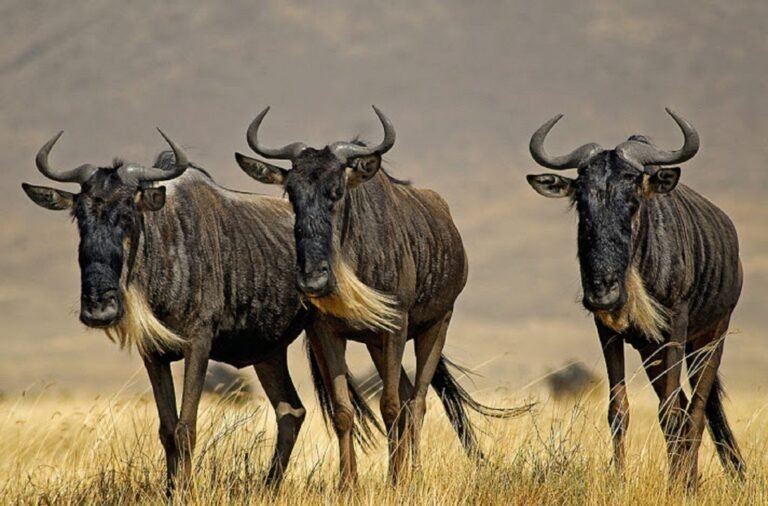
The star attraction, without question, is the Great Migration, a spectacular natural phenomenon involving over 1.5 million wildebeest, zebras, and gazelles moving in a massive circular pattern across the Serengeti and Maasai Mara ecosystems in search of fresh grazing land. Witnessing the dramatic river crossings of the Grumeti or Mara Rivers, particularly during the dry season (roughly June to October), is a bucket-list experience for many. However, even outside of the migration’s peak, the Serengeti offers phenomenal game viewing year-round, with resident populations of predators often found concentrated in areas like the central Seronera Valley.
Key Safari Circuits in the Serengeti
The Serengeti is vast, and different areas offer unique experiences depending on the time of year and what you wish to see. Understanding these circuits is crucial for planning your Serengeti safari component of your combined trip:
- Central Serengeti (Seronera Valley): This is the most accessible and popular area, known for its excellent resident wildlife populations year-round. It’s particularly good for spotting big cats like lions and leopards, which are often seen lounging in the acacia trees or on the kopjes. The density of game here is consistently high, making it a reliable choice for any safari duration.
- Northern Serengeti (Kogatende/Lamai): This region is prime territory for witnessing the dramatic river crossings of the Great Migration during the migration season (typically July to October). The landscape here is more rugged, with the Mara River cutting through the plains. It offers a more remote and wild feel.
- Western Corridor (Grumeti River): Similar to the north, the Western Corridor offers opportunities to see the migration, particularly the Grumeti River crossings, which often involve large crocodiles. This area is usually visited between May and July.
- Southern Serengeti (Ndutu/Nalatiak): This area, often shared with the Maasai Mara, is where the wildebeest typically give birth to their calves between January and March. It’s a time of intense predator activity as lions, cheetahs, and hyenas feast on the vulnerable newborns. The plains here are vast and dotted with acacia trees.
- Eastern Serengeti (Lobo): This region is less visited but offers a more exclusive safari experience. It’s known for its hilly landscapes and is a good area to see elephants and giraffes.
When planning your Serengeti safari, your itinerary will likely focus on one or two of these circuits, depending on the length of your stay and the time of year you plan to travel in 2026 or 2027. A typical 3-4 day safari might focus on the Central Serengeti for reliable game viewing, while a longer 5+ day trip could incorporate the Northern or Southern sectors to align with migration movements.
Activities on a Serengeti Safari
The primary activity on a Serengeti safari is game driving in a 4×4 safari vehicle, with an experienced guide. These drives usually take place in the early morning and late afternoon, when animals are most active. Beyond standard game drives, other activities can enhance the experience:
- Hot Air Balloon Safaris: An iconic Serengeti experience, offering a unique perspective of the plains and wildlife from above at sunrise. This is a premium activity and adds a significant cost but provides unparalleled photographic opportunities.
- Walking Safaris: Available in specific areas and concessions outside the main park boundaries, walking safaris offer an intimate connection with the bush, focusing on smaller details, flora, and fauna that might be missed from a vehicle.
- Cultural Visits: While less common within the Serengeti itself, some itineraries might include visits to Maasai villages on the park’s periphery to learn about their traditional way of life.
The choice of activities will depend on your interests, budget, and the specific concessions your lodge or camp is located in. For a Serengeti safari and Zanzibar beach holiday, balancing the adventure of the safari with the relaxation of the beach is key.
Crafting Your Ideal Zanzibar Beach Escape
After the dust and excitement of the Serengeti, Zanzibar offers a welcome change of pace. This exotic island, historically a major trading hub, is a melting pot of cultures and boasts impressive natural beauty, particularly its coastline. A Zanzibar beach holiday is the perfect counterpoint to the wildlife adventures.
Zanzibar’s Diverse Coastal Experiences
Zanzibar is not a monolithic destination; its coastline offers distinct experiences catering to different preferences. The northern and eastern coasts are generally considered the prime beach destinations, while the west and south offer different attractions.
- Nungwi and Kendwa (North): Famous for their powdery white sand beaches, calm turquoise waters, and spectacular sunsets. Nungwi is more developed with a lively atmosphere, offering a wide range of accommodations, restaurants, and water sports. Kendwa, slightly south, is a bit more laid-back. These beaches are less affected by tides, meaning swimming is possible throughout the day.
- Paje and Jambiani (East): These villages are known for their long, expansive beaches, shallow turquoise lagoons, and the dramatic tidal changes. Paje is a hub for kite surfing due to the consistent winds. Jambiani offers a more traditional village feel. The scenery here is stunning, especially at low tide when the ocean recedes, exposing sandbanks and dhows.
- Matemwe (Northeast): Offers a more secluded and tranquil beach experience, often associated with luxury lodges. It’s a great spot for snorkeling and diving, particularly near the Mnemba Atoll.
- Kizimkazi (South): While historically known for dolphin tours, the beaches here are less spectacular than in the north or east. However, it’s a gateway to exploring the southern part of the island and its mangrove forests.
When planning your Zanzibar beach holiday, consider the vibe you’re seeking: lively and active, or quiet and secluded? The choice of beach will significantly shape your experience. For a Serengeti safari and Zanzibar beach holiday, many opt for the north (Nungwi/Kendwa) for its consistent swimming conditions and amenities, or the east (Paje/Jambiani) for its dramatic beauty and water sports.
Beyond the Beach: Exploring Zanzibar’s Culture and History
Zanzibar is more than just its beaches. Its history as a spice island and a center of trade has left an indelible mark:
- Stone Town: A UNESCO World Heritage Site, Stone Town is the historic heart of Zanzibar City. Its narrow, winding alleys, bustling bazaars, intricately carved wooden doors, and the remnants of its sultanate past are fascinating to explore. Key sights include the House of Wonders, the Old Fort, and the former slave market. Taking a guided walking tour is highly recommended to understand its rich, complex history.
- Spice Tours: Zanzibar is famously known as the ‘Spice Island.’ A spice tour is a sensory journey where you can see, smell, and taste a variety of spices, fruits, and herbs grown locally. It’s an educational and often delicious experience.
- Prison Island (Changuu Island): A short boat trip from Stone Town, this island is home to giant Aldabra tortoises and offers good snorkeling opportunities.
- Local Villages: Exploring villages like Jambiani provides insight into the daily lives of the Zanzibari people, their fishing traditions, and local crafts.
Integrating these cultural experiences into your Zanzibar beach holiday can provide a more rounded and enriching trip, making your combined Serengeti safari and Zanzibar beach holiday truly comprehensive.
smooth Logistics: Connecting Serengeti Safari and Zanzibar Beach Holiday
The transition between the Serengeti and Zanzibar is a critical part of planning your combined trip. Efficient logistics ensure you maximize your time enjoying the destinations rather than navigating complex travel arrangements.
Connecting Flights: Serengeti to Zanzibar
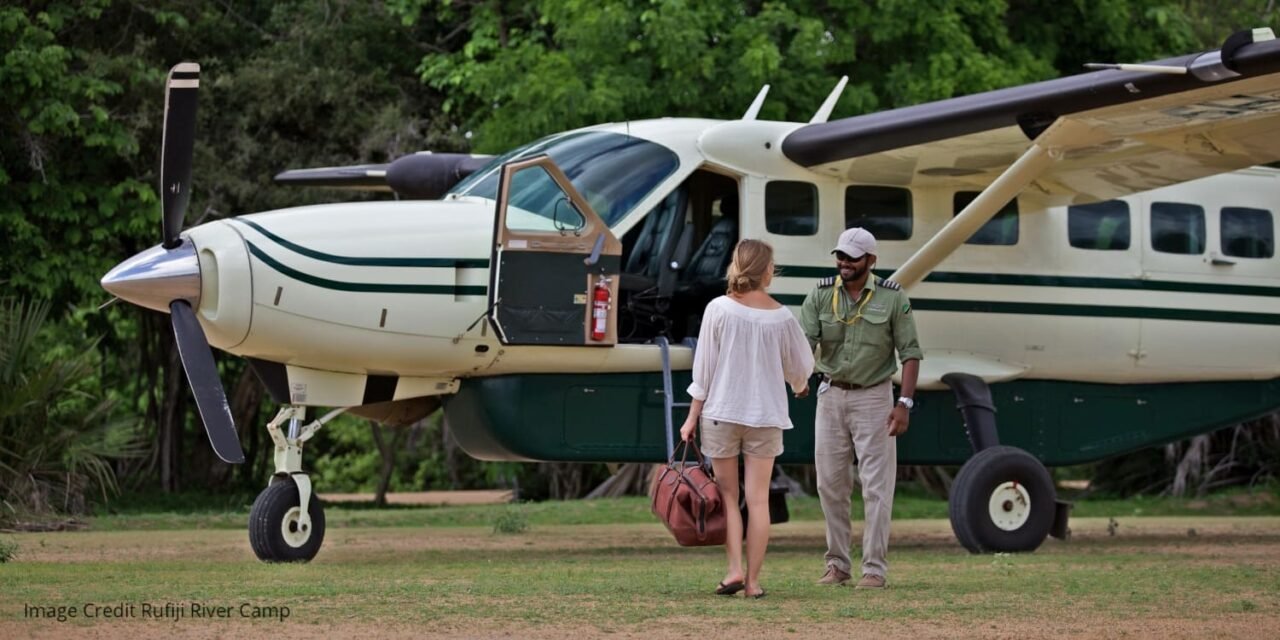
The most common and practical way to travel between the Serengeti and Zanzibar is by light aircraft. Serengeti National Park has several airstrips, with the most common ones used for tourist flights being Seronera Airstrip (SEU) in the central Serengeti, and sometimes Grumeti or Kogatende airstrips in the west or north, depending on your safari lodge location.
Flights typically operate daily between Serengeti airstrips and Zanzibar International Airport (ZNZ). These flights are usually operated by local Tanzanian carriers. The flight duration is approximately 1.5 to 2 hours. The cost of these internal flights is a significant component of the overall trip budget and is often factored into tour packages. Booking these flights well in advance, especially for 2026-2027 travel, is essential due to limited seating.
Typical Itinerary Flow
A standard Serengeti safari and Zanzibar beach holiday itinerary might look like this:
- Day 1-4: Serengeti Safari. Arrive at Kilimanjaro International Airport (JRO) or Arusha Airport (ARK), transfer to Arusha for an overnight stay or directly to a domestic flight to a Serengeti airstrip. Spend 3-4 days on safari, staying in lodges or tented camps.
- Day 5: Transfer to Zanzibar. After a final morning game drive or breakfast, transfer to the nearest Serengeti airstrip for your flight to Zanzibar. Upon arrival at Zanzibar Airport, you’ll be met and transferred to your chosen beach resort.
- Day 6-10: Zanzibar Beach Holiday. Enjoy 5 days relaxing on the beach, exploring Stone Town, taking spice tours, or engaging in water sports.
- Day 11: Departure. Transfer to Zanzibar Airport for your international flight home or onward travel.
This is a basic framework. Durations can be adjusted. For instance, a Serengeti safari and Zanzibar beach holiday could be extended to 10 days in the Serengeti and 7 days in Zanzibar, or shortened to 3 days for each. The order can also be reversed, with a Zanzibar beach holiday first, followed by the Serengeti safari.
Internal Transfers and Connections
When booking with a tour operator like Climb 4 Africa, the internal transfers – from your arrival airport to Arusha, from Arusha to the Serengeti airstrip (if applicable), and from Zanzibar Airport to your hotel – are typically included. The connection between your safari lodge/camp and the Serengeti airstrip, and from the Zanzibar airstrip to your hotel, is also managed. This removes a layer of complexity for the traveler, ensuring smooth transitions for your Serengeti safari and Zanzibar beach holiday.
Visa and Health Requirements
Tanzania requires a visa for most nationalities, which can often be obtained online in advance or upon arrival at major entry points. Health-wise, yellow fever vaccination is often a requirement if arriving from a country with a risk of yellow fever transmission, and antimalarial medication is highly recommended for both the safari and Zanzibar. It’s crucial to consult your doctor or a travel clinic well in advance of your 2026-2027 trip.
Timing Your Serengeti Safari and Zanzibar Beach Holiday: 2026-2027 Considerations
Choosing the right time to travel significantly impacts the experience of both your Serengeti safari and your Zanzibar beach holiday. Tanzania has distinct seasons that influence wildlife movements, weather, and crowd levels.
Serengeti Seasons and Wildlife Viewing
- Dry Season (June to October): This is generally considered the peak safari season. The weather is cooler and drier, with less vegetation making wildlife spotting easier. This is also the prime time to witness the Great Migration river crossings in the Northern Serengeti (July-October). However, it’s also the busiest and most expensive time to travel.
- Wet Season (November to May): This period is characterized by rains, which vary in intensity. The ‘short rains’ occur in November and December, while the ‘long rains’ are typically from March to May. During the wet season, the landscape turns lush and green, offering stunning photographic opportunities. Wildlife disperses, but resident game viewing remains excellent, especially in areas like Central Serengeti. The Southern Serengeti (Ndutu) is excellent for calving season from January to March. This period is generally less crowded and more budget-friendly.
Zanzibar Seasons and Beach Conditions
Zanzibar’s weather is tropical, with high temperatures and humidity year-round. However, there are distinct periods:
- Dry Seasons (June to October, December to February): These are the most popular times for beach holidays, offering sunny skies and lower humidity. June to October coincides with the dry season in the Serengeti, making it ideal for the combined trip. December to February is hot but generally dry and sunny.
- Rainy Seasons (March to May, November): March to May sees the ‘long rains,’ which can be heavy and prolonged, making beach time less predictable. November has ‘short rains’ which are usually brief showers. While these periods can be cheaper, the weather can be a gamble.
Ideal Timing for a Serengeti Safari and Zanzibar Beach Holiday in 2026-2027
The best time for a combined Serengeti safari and Zanzibar beach holiday depends on your priorities:
- For the Great Migration River Crossings & Best Beach Weather: July to October 2026/2027. This is peak season for both. You’ll have excellent chances of seeing the migration cross rivers in the north, and enjoy ideal beach conditions in Zanzibar. Expect higher prices and more crowds.
- For Calving Season & Good Beach Weather: January to March 2027. The Serengeti’s southern plains are alive with newborn wildebeest and abundant predator action. Zanzibar enjoys good dry weather, though it can be hot.
- For Lower Crowds & Better Value: November 2026, April-May 2027, or November 2027. You might catch the tail end of the migration or its movement into new areas. Beach weather can be hit-or-miss during the shoulder seasons, but you’ll find better deals and fewer people.
When planning for 2026-2027, it’s wise to book at least 9-12 months in advance, especially for peak season travel, to secure preferred accommodations and flights.
Accommodation Choices for Your Serengeti Safari and Zanzibar Beach Holiday
The choice of accommodation significantly influences the style and budget of your Serengeti safari and Zanzibar beach holiday. Both destinations offer a wide spectrum, from rustic charm to ultimate luxury.
Serengeti Safari Accommodation
Safari accommodation ranges from basic campsites to ultra-luxury lodges. For most travelers combining safari and beach, mid-range to luxury lodges and tented camps are popular choices.
- Tented Camps: These range from canvas tents with en-suite bathrooms and comfortable beds (often called ‘glamping’) to more permanent structures that mimic traditional safari tents. They offer an in-depth experience, often located closer to wildlife. Mobile camps move seasonally to follow the Great Migration.
- Lodges: These are permanent structures, often built with stone and thatch, featuring comfortable rooms, dining areas, lounges, and sometimes swimming pools. They offer more amenities and a classic safari lodge feel.
- Luxury Safari Villas: For ultimate privacy and exclusivity, private villas offer personalized service, private guides, and bespoke dining experiences.
Consider factors like location (proximity to wildlife viewing areas, migration routes), amenities (dining, Wi-Fi, power), and the overall experience (intimate vs. larger scale) when choosing. For 2026-2027 bookings, early selection is advised.
Zanzibar Beach Accommodation
Zanzibar’s coast is dotted with resorts, boutique hotels, and private villas.
- Large Resorts: Offer a full range of amenities including multiple restaurants, bars, pools, spas, and organized activities. They can be ideal for families or those seeking a resort experience.
- Boutique Hotels: Smaller, often more stylish properties that provide a more intimate and personalized service. Many are located in Stone Town or offer beachfront locations with a unique character.
- Beach Bungalows/Villas: From simple, charming bungalows right on the sand to luxurious private villas with pools, these offer direct beach access and a sense of seclusion.
- All-Inclusive Options: Some resorts offer all-inclusive packages, which can be convenient for budgeting your Zanzibar beach holiday.
When planning your Serengeti safari and Zanzibar beach holiday, think about the balance. If you opt for a high-end safari lodge, you might choose a comfortable mid-range beach hotel, or vice versa. Climb 4 Africa can help tailor accommodation choices to your budget and preferences for your 2026-2027 trip.
Essential Packing for a Serengeti Safari and Zanzibar Beach Holiday
Packing for a Serengeti safari and Zanzibar beach holiday requires versatility, as you’ll be transitioning between rugged wilderness and tropical shores. The key is to pack light, practical items.
Safari Essentials
- Clothing: Neutral-colored, lightweight clothing (khaki, beige, olive green) is best. Avoid bright colors or dark colors like blue and black, which can attract insects or be too hot. Pack long-sleeved shirts and trousers for sun protection and cooler evenings. Include a fleece or warm jacket for early morning game drives, as temperatures can drop significantly.
- Footwear: Comfortable walking shoes or hiking boots (if planning any walks) and a pair of comfortable trainers or sandals for relaxing at the lodge.
- Sun Protection: Wide-brimmed hat, sunglasses, and high SPF sunscreen are non-negotiable.
- Insect Repellent: A good quality repellent containing DEET is essential, especially for evenings.
- Camera Gear: Binoculars are a must for wildlife viewing. A good camera with a zoom lens will enhance your photography. Extra batteries and memory cards are vital.
- First-Aid Kit: Include personal medications, antiseptic wipes, bandages, pain relievers, and any specific items recommended by your doctor.
Beach Holiday Essentials
- Swimwear: Several swimsuits or trunks.
- Lightweight Clothing: Sundresses, shorts, t-shirts, lightweight trousers for evenings. Consider clothing that covers shoulders and knees for visiting Stone Town or villages out of respect for local culture.
- Footwear: Sandals, flip-flops, and perhaps a pair of espadrilles or smarter sandals for evenings.
- Sun Protection: Reiterate the importance of hats, sunglasses, and sunscreen.
- Casual Evening Wear: For dinners at restaurants or bars.
General Items for Both
- Adapter: Tanzania uses Type D and Type G sockets.
- Power Bank: Useful for charging devices on the go, especially during long game drives or transfers.
- Headlamp or Small Torch: Handy for navigating around camps or lodges at night.
- Reusable Water Bottle: To stay hydrated and minimize plastic waste.
When packing for your Serengeti safari and Zanzibar beach holiday, remember that luggage limits on small bush planes can be strict (usually around 15-20 kg per person, soft bags preferred). Therefore, packing efficiently is paramount. Climb 4 Africa can provide a more detailed packing list tailored to your specific itinerary for 2026-2027.
Planning Your Serengeti Safari and Zanzibar Beach Holiday with Climb 4 Africa
Organizing a combined Serengeti safari and Zanzibar beach holiday involves several moving parts. Working with an experienced local tour operator like Climb 4 Africa simplifies this process immensely, ensuring a well-coordinated and memorable trip.
Why Choose a Local Operator?
Climb 4 Africa, with its deep roots in Tanzania, offers several advantages:
- Local Expertise: We understand the nuances of the Serengeti ecosystem, the best times to visit specific areas, and the most reliable local transport options. We also have firsthand knowledge of Zanzibar’s accommodations and activities.
- Tailor-Made Itineraries: We don’t offer one-size-fits-all packages. We work with you to create a bespoke itinerary that matches your interests, budget, and travel style for your Serengeti safari and Zanzibar beach holiday.
- Logistical Management: We handle all the bookings for internal flights, lodges, camps, transfers, and guides, ensuring a smooth transition between your safari and beach segments.
- Value for Money: Our local partnerships often allow us to secure competitive rates for accommodation and internal flights, providing excellent value without compromising on quality.
- Support: We offer 24/7 support throughout your trip, from initial planning in 2026 or 2027 right through to your departure.
What to Consider When Booking
When you’re ready to plan your Serengeti safari and Zanzibar beach holiday, consider the following:
- Duration: How long do you want to spend on safari versus on the beach? A minimum of 7-10 days is recommended for a satisfying experience, but longer trips allow for deeper exploration.
- Budget: Safari and Zanzibar holidays can range from mid-range to luxury. Be clear about your budget, and we can advise on the best options. Factors like accommodation type, private vs. shared drives, and time of year significantly impact cost.
- Travel Style: Are you looking for a fast-paced adventure with lots of game drives and activities, or a more relaxed pace? Do you prefer luxury lodges or more rustic tented camps?
- Interests: Are you particularly interested in birdwatching, photography, cultural experiences, or specific wildlife sightings?
Getting Started with Climb 4 Africa
To begin planning your dream Serengeti safari and Zanzibar beach holiday for 2026-2027, the best step is to contact us directly. We’ll ask you a series of questions to understand your preferences and then propose a draft itinerary. You can reach us via:
- WhatsApp: +255 747 477 898
- Email: climb4africa@gmail.com
We look forward to helping you craft an unforgettable Serengeti safari and Zanzibar beach holiday, combining the thrill of the wild with the serenity of the coast. Whether you’re dreaming of witnessing the Great Migration or simply relaxing on a white-sand beach, let us handle the details so you can focus on the adventure. Remember, early booking for 2026 and 2027 is highly advisable for the best availability and pricing.
Check Availability for Serengeti Safari And Zanzibar Beach Holiday: The Ultimate Tanzania
Ready to compare dates, prices, and the best option for your group? Send the package name and travel month so the team can reply with a clear quote, availability, and what is included.
Nov 23, – 3 Day Serengeti And Ngorongoro Safari From Zanzibar
Nov 23, 2026 – 3 Day Serengeti and Ngorongoro Safari from Zanzibar.
View package details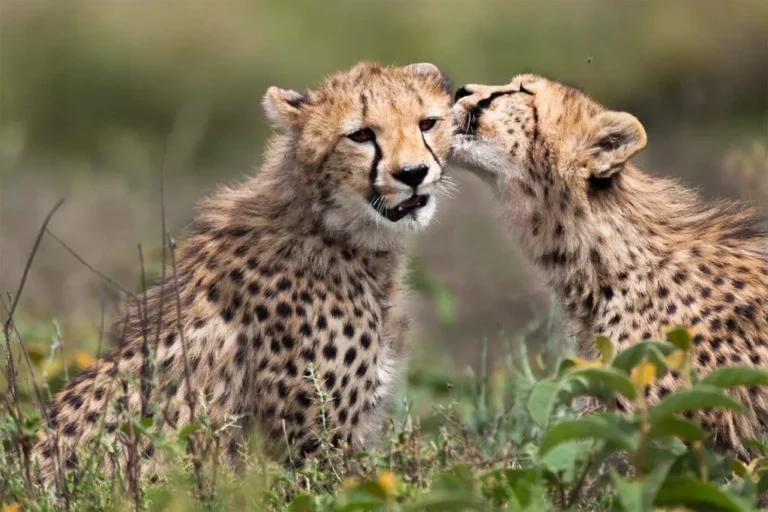
Nov 28, – 3 Day Fly-In Serengeti Group Safari From Zanzibar 2026
A detailed look at the 3-day fly-in Serengeti group safari departing November 28, 2026, including logistics, itinerary highlights, and travel tips for your Tanzania adventure.
View package details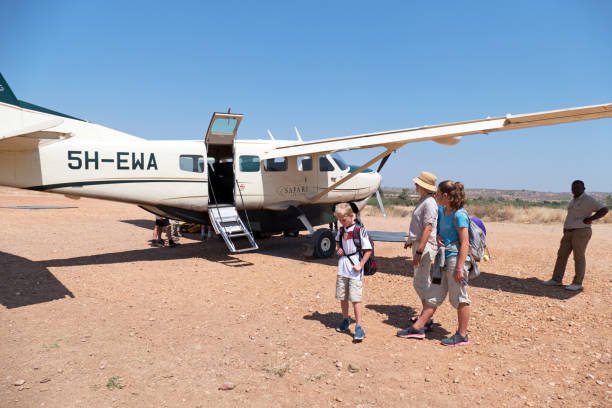
2-Day Serengeti Safari From Zanzibar By Flight: Price & Booking Guide
A practical guide to booking a 2-day Serengeti safari from Zanzibar by flight, covering itinerary logistics, cost considerations, and how to maximize your short time in the bush.
View package details4-Day Serengeti Safari From Zanzibar With Return Flights: A Planning Guide
A deep look at planning a 4-day fly-in safari from Zanzibar to the Serengeti, covering flight logistics, itinerary structures, and the critical decisions needed for a successful 2026 or...
View package details1-Day Serengeti Safari From Zanzibar By Flight: Cost & Itinerary 2026-2027
Is a 1-day Serengeti safari from Zanzibar feasible? Get the expert breakdown on the flight logistics, cost factors, and how to manage your expectations for this intense, one-day wildlife...
View package detailsZanzibar To Serengeti Safari By Flight: Prices & Packages 2026-2027
A practical guide to booking a Zanzibar to Serengeti safari by flight in 2027, covering route options, baggage logistics, and how to choose the right itinerary length.
View package details
3-Day Serengeti & Ngorongoro Safari From Zanzibar By Flight 2027
3-Day Serengeti & Ngorongoro Safari From Zanzibar by Flight is explained with current 2027 planning, price, itinerary and booking information.
View package details_1_John_from-rednote-web-768x1024.jpg)
3-Day Serengeti Fly-In Safari From Zanzibar: All-Inclusive Package Prices 2027
Plan your ultimate Tanzanian adventure, combining Zanzibar's beaches with the Serengeti's wildlife. This guide details all-inclusive package pricing and logistics for a 3-day fly-in safari...
View package detailsSerengeti To Zanzibar Vs Arusha To Which Is Better After Safari? 2027
Choosing the right transfer to Zanzibar after a safari—Serengeti to Zanzibar or Arusha to Zanzibar—depends entirely on your safari route, time constraints, and budget. This guide breaks...
View package details
Zanzibar To Serengeti Flight Price –: Planning Your Safari Transfer 2027
Navigate the complex flight and transfer options between Zanzibar and the Serengeti. This deep guide breaks down expected costs, seasonal variables, and optimal routing for 2026 and 2027...
View package details
Serengeti To Zanzibar Flight Baggage Limits And Transfer Costs Guide () 2027
This deep-dive guide covers everything you need to know about baggage restrictions and transfer expenses when flying from the Serengeti region to Zanzibar, ensuring smooth travel planning.
View package details
Kogatende To Zanzibar Flights: Northern Serengeti Departure Guide 2027
Kogatende to Zanzibar Flights: Northern Serengeti Departure Guide is explained with current 2027 planning, price, itinerary and booking information.
View package detailsNo related package matches those filters. Clear one or more filters to see the other topic-matched options.