
The best time to go on an African safari, particularly in Tanzania’s iconic Northern Circuit (Serengeti, Ngorongoro, Tarangire, Lake Manyara), is generally during the dry seasons: June to October and December to February. These periods offer excellent wildlife viewing due to receding water sources concentrating animals, clearer skies, and easier game drives. For specific events like the Great Migration river crossings, aim for July to October. The shoulder months of May and November can offer fewer crowds and lush landscapes, though with a higher chance of rain.
Understanding the Seasons: Why Timing Matters
Choosing the right time for your African safari isn’t just about avoiding rain; it’s about maximizing your chances of seeing specific wildlife behaviors, enjoying comfortable travel conditions, and aligning with your personal preferences for crowds and budget. Africa, particularly East Africa where Tanzania shines, experiences distinct wet and dry seasons that profoundly influence the landscape and the movements of its incredible animal populations. Understanding these cycles is the first step to planning the best time to go on an African safari for your interests.
The interplay between rainfall, vegetation growth, and animal migration patterns creates a dynamic environment. For instance, the dramatic spectacle of the Great Migration in the Serengeti is entirely dictated by the availability of fresh grass, which in turn depends on the rains. Similarly, during the dry season, animals congregate around permanent water sources, making them more visible and predictable for safari-goers. This guide will break down these seasonal nuances, helping you pinpoint the ideal window for your 2026 or 2027 adventure.
When we talk about the best time for an African safari in Tanzania, we’re often referencing the Northern Circuit parks – the Serengeti National Park, Ngorongoro Conservation Area, Tarangire National Park, and Lake Manyara National Park. These are the jewels in Tanzania’s safari crown, offering a concentration of wildlife that is truly world-class. However, each park and each month can present slightly different opportunities and challenges.
Consider what you prioritize: witnessing the Great Migration’s river crossings? Seeing vast herds of wildebeest and zebras? Experiencing the lush, green landscapes after the rains? Or perhaps enjoying fewer crowds and potentially lower prices? Your answers will help steer you towards the most suitable season. For many, the answer to the best time to go on an African safari hinges on experiencing the wildebeest migration at its most dramatic, which has specific timing.
The Great Migration: A Spectacle Dictated by Nature
No discussion about the best time for an African safari in Tanzania is complete without mentioning the Great Migration. This colossal movement of over 1.5 million wildebeest, hundreds of thousands of zebras, and numerous gazelles is a natural phenomenon that draws visitors from across the globe. It’s a year-round cycle, but certain periods offer more dramatic viewing opportunities than others.
The River Crossings (July-October): This is arguably the most sought-after period for migration viewing and often considered the pinnacle of the best time to go on an African safari. As the herds move north through the Serengeti, they must cross the Mara River and the Grumeti River. These crossings are fraught with danger, with crocodiles lurking in the waters and predators like lions and hyenas waiting on the banks. Witnessing a river crossing is an intense, unforgettable wildlife encounter. The Mara River crossings, in particular, are often the most dramatic and are typically concentrated between July and September, though they can extend into October. The Grumeti River crossings tend to happen earlier, often in June and July.
Calving Season (January-March): The migration spends these months in the southern Serengeti and the Ndutu Plains (which straddle the Serengeti and the Ngorongoro Conservation Area). This is the calving season, when thousands of wildebeest calves are born. While less dramatic than river crossings, it’s a period of intense predator activity as lions, cheetahs, and hyenas capitalize on the vulnerable newborns. The landscape is often green and beautiful, offering excellent photographic opportunities and a chance to see young animals. Many consider this period to be part of the best time for an African safari for those interested in predator-prey interactions and the circle of life.
Wildebeest Movement and Grazing (April-June): As the southern plains dry out, the herds begin their long trek west and north. April and May are typically the wettest months, and the migration can be spread out across the central and western Serengeti. While game viewing is still possible, the herds may be dispersed, making them harder to track. This is generally considered a low season for tourism, meaning fewer crowds and potentially better prices. However, for photographers, the lush green scenery can be stunning.
The Serengeti’s North (September-October): As the northern Serengeti dries, the migration herds often congregate here, still interacting with the Mara River. This is another prime time for witnessing river crossings, especially if you missed them earlier in the season or want a second chance. It also offers excellent opportunities to combine with visits to Kenya’s Masai Mara, as the migration is not confined by park borders.
Planning for 2026-2027: If witnessing the Great Migration river crossings is your primary goal, aim for July to October 2026 or 2027. If you prefer seeing newborn animals and intense predator action in a green landscape, January to March 2027 is ideal. Always discuss your specific interests with your tour operator to align your safari dates with the most probable location of the migration herds.
The Dry Season: Peak Wildlife Viewing (June-October & December-February)
The dry seasons are widely considered the best time to go on an African safari for consistent and abundant wildlife viewing in Tanzania’s Northern Circuit. During these months, rainfall is minimal, leading to several advantageous conditions for spotting animals.
Concentration of Wildlife: As water sources dwindle, animals are forced to congregate around the remaining rivers, waterholes, and lakes. This makes them easier to find and observe. The Serengeti’s permanent water sources, the Grumeti and Mara rivers, become magnets for a vast array of wildlife. Tarangire National Park, famous for its large elephant herds, is particularly spectacular during the dry season as they gather around the Tarangire River. Ngorongoro Crater, with its permanent water, is a reliable haven for a dense population of animals year-round, but the dry season ensures they are easily visible on the crater floor.
Vegetation and Visibility: The dry conditions mean that vegetation thins out considerably. This reduced cover makes it much easier to spot animals hiding in the bush. Game drives become more productive as your guide can scan vast plains and woodlands with greater clarity. The skies are typically clear, offering excellent photographic opportunities without the haze that can sometimes accompany the wet season.
Game Drive Conditions: With less rain, the dirt tracks within the parks are generally in better condition. This leads to smoother and more comfortable game drives. While dust can be a factor, it’s a small price to pay for the exceptional wildlife sightings that characterize the dry season. The cooler temperatures during the dry months, especially in June, July, August, and September, also make for more pleasant days out in the open vehicle.
Specific Months:
- June to October: This is the primary dry season. Wildlife is abundant and concentrated, especially in the Serengeti and Tarangire. The Great Migration river crossings are typically at their peak during July, August, September, and October. This period is popular, so booking well in advance for 2026 or 2027 is highly recommended.
- December to February: This is the second, shorter dry season. It often coincides with the calving season in the southern Serengeti and Ndutu Plains. While the grass is shorter, leading to excellent predator sightings, it can be hotter than the June-October period. It’s also a busy time due to holiday travel.
Who it suits: The dry season is ideal for first-time safari-goers, photographers seeking clear shots, and those who want to maximize their chances of seeing iconic wildlife and dramatic predator-prey interactions. It’s particularly the best time for an African safari if you’re focused on witnessing the Great Migration’s river crossings.
The Green Season: Lush Landscapes and Birding Delights (November & March-May)
While often referred to as the “low season” or “rainy season,” the green months offer a unique and rewarding safari experience that many travelers find incredibly appealing. For those seeking fewer crowds, lush scenery, and incredible birdlife, this period can be considered the best time for an African safari.
Lush and Verdant Landscapes: The rains transform the dry, dusty plains into vibrant green carpets. This is a photographer’s dream for landscape shots, with dramatic skies and rich colors. The vegetation is thicker, which can make spotting some animals more challenging, but it also means there’s plenty of food for herbivores, leading to healthy populations.
Birding Paradise: November through April is when many migratory birds from Europe and Asia are present in Tanzania, alongside resident species. Birdwatchers will find this period exceptionally rewarding, with birds in their full breeding plumage. The presence of water and abundant insect life supports a thriving avian population, making it a fantastic time for birding safaris.
Calving Season (January-March): As mentioned, these months fall within the green season and are part of the southern Serengeti’s calving season. This means abundant young animals, attracting predators. If you’re fascinated by the cycle of life and predator-prey dynamics, this is a prime time, even with the chance of rain.
Fewer Crowds and Better Prices: Generally, the green season experiences fewer tourists compared to the peak dry months. This means more exclusive game viewing experiences, with fewer vehicles at sightings. Tour operators often offer more competitive pricing during these periods, making it a more budget-friendly option for planning your 2026 or 2027 safari. It is a fantastic opportunity to experience a high-quality safari at a more accessible price point.
Potential Challenges:
- Rainfall: While not continuous downpours, expect some rain. The heaviest rains usually occur in March, April, and May. This can lead to muddy tracks, potentially making some areas harder to access and game drives longer. However, rains often come in short, intense bursts followed by sunshine, offering dramatic skies and fresh landscapes.
- Dispersed Wildlife: With abundant water and vegetation spread across the parks, wildlife may be more dispersed, making sightings potentially less predictable than in the dry season.
Specific Months:
- November: This is a transitional month. The short rains often begin, bringing life back to the landscape. It can be a beautiful time, with fewer crowds before the peak December holiday season.
- March to May: This is the long rainy season. April and May are typically the wettest months. While wildlife viewing is still good, especially in areas like Ngorongoro Crater, be prepared for rain and potentially challenging driving conditions. This is often the lowest point for tourism, offering the best value for money if you’re not set on specific migration events.
Who it suits: Photographers who love lush landscapes, birdwatchers, budget-conscious travelers, and those who prefer a more solitary safari experience away from peak season crowds. It can still be the best time for an African safari if your priorities differ from peak season viewing.
Regional Variations and Microclimates
While we often generalize Tanzania’s seasons, it’s important to remember that the country is vast and experiences regional variations. Understanding these can help you pinpoint the absolute best time to go on an African safari for your specific interests within different ecosystems.
Serengeti National Park: As the migration dictates much of the Serengeti’s rhythm, the ‘best time’ here depends on where the herds are. The western corridor is best for Grumeti River crossings (June-July), the northern Serengeti for Mara River crossings (July-October), and the southern plains/Ndutu for calving (January-March). The central Serengeti offers good resident wildlife viewing year-round, making it a reliable choice outside migration peaks.
Ngorongoro Conservation Area: The Ngorongoro Crater is a unique ecosystem with a permanent water source and a very high density of wildlife. It’s considered a year-round destination. However, during the dry season (June-October), the animals are less likely to venture out of the crater, and visibility on the crater floor is excellent. During the green season, the crater floor remains a fantastic place to see wildlife, even if the surrounding highlands are receiving rain. The caldera’s dense population means you’ll see plenty regardless of the season, making it a strong contender for the best time for an African safari if you want guaranteed sightings.
Tarangire National Park: Tarangire truly shines in the dry season (June-October). This is when the Tarangire River becomes the only reliable water source, attracting massive herds of elephants, along with lions, giraffes, and buffalo. During the green season, wildlife disperses throughout the park and surrounding areas, making them harder to find. If elephants are a priority, aim for the dry months.
Lake Manyara National Park: Famous for its tree-climbing lions and large elephant herds, Manyara is good year-round. However, during the dry season (July-October), animals are more concentrated around the lake’s shrinking shores. The green season brings lush vegetation, which can make spotting lions more challenging but offers beautiful scenery and excellent birding.
The Coast and Zanzibar: If your safari is combined with a beach holiday in Zanzibar or along the coast, consider that the rainy seasons on the mainland also affect the coast. The ‘long rains’ (March-May) can mean heavy downpours and humid conditions, which are less ideal for beach activities. The ‘short rains’ (November-December) are usually less disruptive. The dry seasons (June-October) are typically the most pleasant for beach holidays, with sunny days and moderate humidity, aligning perfectly with the peak safari season.
Planning for 2026-2027: When planning your 2026 or 2027 safari, discuss with your tour operator which parks you want to visit and what you hope to see. This will help them tailor the itinerary to the specific seasonal strengths of each region, ensuring you experience the best time for an African safari based on your interests.
Beyond Game Drives: Activities by Season
While game drives are the cornerstone of any African safari, the season can influence the availability and experience of other activities. Knowing these can help you decide the best time to go on an African safari for a well-rounded trip.
Walking Safaris: These are often best enjoyed during the dry season. With less dense vegetation and fewer predators scattered across vast areas, walking safaris in designated areas (like parts of the Serengeti or on conservancies bordering national parks) can be safer and more rewarding. The cooler mornings and evenings of the dry season also make for more comfortable treks. Some operators offer guided walks in areas like the Ngorongoro Highlands or around Lake Manyara.
Hot Air Balloon Safaris: These iconic experiences are generally available year-round but are most reliably offered during the dry season. Clear skies and stable wind conditions are crucial for ballooning. The Serengeti is famous for its balloon safaris, offering a unique perspective of the landscape and wildlife, especially the migration. The stunning sunrises during the dry months provide a impressive backdrop. While possible in the green season, weather disruptions due to rain are more likely.
Cultural Visits: Visits to Maasai villages or local communities can be done at any time of year. However, the dry season might offer slightly easier access to roads leading to villages. The landscape during the green season, with its vibrant colors, can also make for very picturesque cultural exchanges.
Night Game Drives: These are typically offered in private concessions bordering national parks or in specific areas designated for night drives. They are most productive during the dry season when animals are more concentrated around water sources and are more active during cooler nights. Seeing nocturnal animals like leopards, civets, and various smaller mammals is a highlight.
Bird Watching: As mentioned, the green season (November to April) is unparalleled for bird watching due to the presence of migratory birds and resident species in breeding plumage. The lush vegetation also means a vibrant insect population, which is a food source for many birds.
Photography: Both seasons offer unique photographic opportunities. The dry season provides clear visibility, dramatic lighting (especially at sunrise and sunset), and concentrated wildlife action. The green season offers stunning landscapes, dramatic skies, and the chance to capture animals against vibrant backdrops. The choice depends on your photographic style and subject preference.
Planning for 2026-2027: If a hot air balloon safari is high on your list, aim for the dry season (June-October 2026 or 2027). If birding is your passion, the green season (November 2026 to April 2027) is your best bet. For a mix of activities, the shoulder months can be a good compromise.
Planning Your 2026-2027 Safari: Key Considerations
Choosing the best time to go on an African safari is just the first step. Successfully planning your 2026 or 2027 adventure involves several practical considerations to ensure a smooth and memorable experience.
Booking Window: Tanzania’s peak safari seasons (June-October and December-February) are incredibly popular. For the best time for an African safari, especially if you’re targeting the Great Migration river crossings, booking 9-12 months in advance is strongly recommended for 2026 and 2027. This secures your preferred accommodation, guides, and safari vehicles, particularly for private tours. The green season offers more flexibility, but booking 4-6 months ahead is still advisable to get the best options.
Accommodation Types: Your choice of accommodation can also influence the best time to travel. Luxury lodges and tented camps are available year-round. However, some mobile camps follow the Great Migration, meaning their location and availability change seasonally. If you wish to stay in a mobile camp to be close to the migration action, you must book during the specific period when the camp is positioned in the migration’s path.
Budget: The best time to go on an African safari from a budget perspective is generally during the green season (November and March-May), excluding the Christmas/New Year period. Prices for accommodation and sometimes even park fees can be lower. The peak dry season (June-October) is the most expensive due to high demand. Shoulder months (May, early June, November) can offer a good balance of decent weather and more moderate pricing.
Travel Style:
- Private Safaris: Offer maximum flexibility and customization. You can choose your itinerary, pace, and accommodation. These are ideal for those with specific interests, such as photography or tracking particular animals. For a private safari in 2026 or 2027, booking well in advance is crucial, especially for peak season.
- Group/Shared Safaris: These are more budget-friendly and offer a social experience. They follow set departure dates and itineraries. While less flexible, they are a great way to experience a high-quality safari at a lower cost. For group departures, check the departure dates for 2026 and 2027 to see which align with your preferred season. You can find these on operator websites like Climb 4 Africa’s group departures.
Health and Safety: Consult your doctor regarding malaria precautions and any necessary vaccinations well in advance of your 2026-2027 trip. The green season, with its increased rainfall, may see a higher mosquito population. However, reputable lodges and camps take measures to prevent insect bites. For any safari, especially during the rainy season, ensure your tour operator has robust safety protocols and experienced guides.
Visa Requirements: Check the latest visa requirements for Tanzania for your nationality. It’s advisable to apply for your visa in advance to avoid any last-minute issues at immigration.
Packing: Pack light, neutral-colored clothing. Bring layers for cooler mornings and evenings, especially during the dry season. Essentials include a wide-brimmed hat, sunglasses, high SPF sunscreen, insect repellent, a good camera, binoculars, and comfortable walking shoes. A waterproof jacket is advisable year-round, but especially during the green season.
Making Your Booking Decision
Deciding on the best time to go on an African safari is a significant step, and making the right booking decision will ensure your trip lives up to expectations. At Climb 4 Africa, we understand that every traveler has unique priorities, whether it’s witnessing the Great Migration, seeking out specific wildlife, enjoying lush landscapes, or managing a budget.
Aligning Your Safari Goals with the Season:
- For the Great Migration River Crossings: If seeing wildebeest and zebras plunge into the Mara or Grumeti Rivers is your ultimate goal, target July to October 2026 or 2027. This is peak season, so book early.
- For Newborn Animals and Predator Action: January to March 2027 offers the calving season in the southern Serengeti and Ndutu, with abundant young wildlife and intense predator activity. This falls within the green season, offering lush scenery.
- For Fewer Crowds and Lush Scenery: Consider the shoulder months like May or November 2026/2027, or the heart of the green season (March-May), excluding Easter. You’ll find fewer tourists and beautiful, green landscapes, often at a better price point.
- For Reliable Year-Round Sightings: Ngorongoro Crater is exceptional throughout the year. Tarangire is best for elephants in its dry season (June-October).
Why Contact Climb 4 Africa for Your 2026-2027 Safari Planning:
As a local Tanzania travel company and Kilimanjaro expert operator, Climb 4 Africa offers unparalleled insights into the best times to visit for specific experiences. We don’t just sell tours; we help you craft the perfect safari. By contacting us, you benefit from:
- Local Expertise: Our guides and planners live and breathe Tanzania. We know the subtle shifts in weather and wildlife patterns that aren’t always apparent in generic guides.
- Tailored Itineraries: We can create bespoke safaris that match your interests and the optimal seasonal conditions. Whether you want to focus on photography, birding, or a specific migration event, we design it around the best time for an African safari for *you*.
- Practical Advice: We provide honest advice on what to expect regarding weather, road conditions, and wildlife sightings for your chosen dates in 2026 or 2027.
- Comprehensive Planning: We handle all the logistics, from accommodation and park fees to vehicle hire and experienced guides, ensuring a smooth experience.
What to Do Next:
To start planning your unforgettable 2026 or 2027 African safari, reach out to our team. Provide us with your desired travel dates, your interests (e.g., Great Migration, specific animals, photography), your preferred travel style (private or group), and your approximate budget. We will then work with you to recommend the most suitable season and craft an itinerary that maximizes your experience. Let us help you discover the best time to go on an African safari for your dream adventure.
Get in touch:
- WhatsApp: +255 747 477 898
- Email: climb4africa@gmail.com
- Website: Climb 4 Africa
“,
“faq_schema”: [
{
“question”: “What is the absolute best time to see the Great Migration on an African safari?”,
“answer”: “The absolute best time to witness the Great Migration river crossings on an African safari in the Serengeti is generally from July through October. During these months, the herds move north and must cross the Mara and Grumeti rivers, creating dramatic and often perilous spectacles. For the calving season, when thousands of wildebeest are born and predators are highly active, January to March in the southern Serengeti and Ndutu Plains is ideal.”
},
{
“question”: “Are African safaris good during the rainy season?”,
“answer”: “Yes, safaris can still be very good during the rainy season (often called the ‘green season’), typically from November and March to May. While you might encounter some rain, it often falls in short bursts. The landscapes become lush and beautiful, birdlife is abundant, and there are fewer crowds, often leading to better prices. Wildlife viewing remains excellent, especially in areas like the Ngorongoro Crater, and the calving season in January-March is a highlight.”
},
{
“question”: “When is the cheapest time to go on an African safari?”,
“answer”: “The cheapest time to go on an African safari is generally during the green season (November and March-May), excluding the Christmas and New Year holidays. These months typically have lower demand, leading to reduced prices for accommodation and tours. However, it’s important to note that some activities might be affected by weather, and wildlife can be more dispersed due to plentiful water and vegetation.”
},
{
“question”: “What are the peak months for African safaris in Tanzania?”,
“answer”: “The peak months for African safaris in Tanzania, offering the best wildlife viewing conditions due to dry weather and concentrated animals, are June through October and December through February. These periods, especially July-October for the Great Migration, see the highest demand and therefore are the most expensive times to travel.”
},
{
“question”: “Can I go on safari in 2026 or 2027? When is the best time for these years?”,
“answer”: “Absolutely! Safaris are available year-round in Tanzania. For 2026 and 2027, the best time depends on your priorities. For the Great Migration river crossings, aim for July-October 2026 or 2027. For lush landscapes and birding, consider November 2026 or March-May 2027. For excellent general wildlife viewing with dry weather, June-October 2026/2027 or December 2026-February 2027 are ideal.”
}
]
}
“`
Check Availability for Best Time To Go On An African Safari 2026-2027
Ready to compare dates, prices, and the best option for your group? Send the package name and travel month so the team can reply with a clear quote, availability, and what is included.
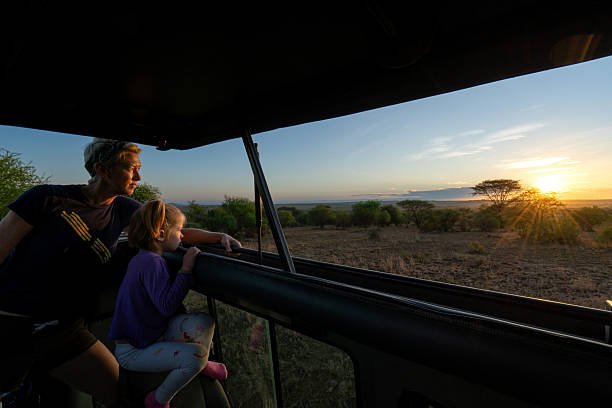
Is An African Safari Safe For First-Time Visitors? Expert Guidance 2026-2027
Planning your first African safari? This comprehensive guide details the safety aspects for first-time visitors, covering everything from wildlife encounters to health and logistics...
View package details
How Far In Advance Should You Book An African Safari? 2026-2027
How Far in Advance Should You Book an African Safari? is explained with current 2026-2027 planning, price, itinerary and booking information.
View package details
Solo African Safari Tours: Your Ultimate Guide For 2026-2027
start an incredible solo African safari adventure. This comprehensive guide covers everything you need to know for planning a safe, rewarding, and memorable trip in 2026-2027, from choosing...
View package details
What Is Included In An African Safari Package? A Complete Guide For 2026-2027
Demystifying African safari packages. This guide details what you can expect to be included, from essential logistics like accommodation and transport to crucial elements like park fees and...
View package details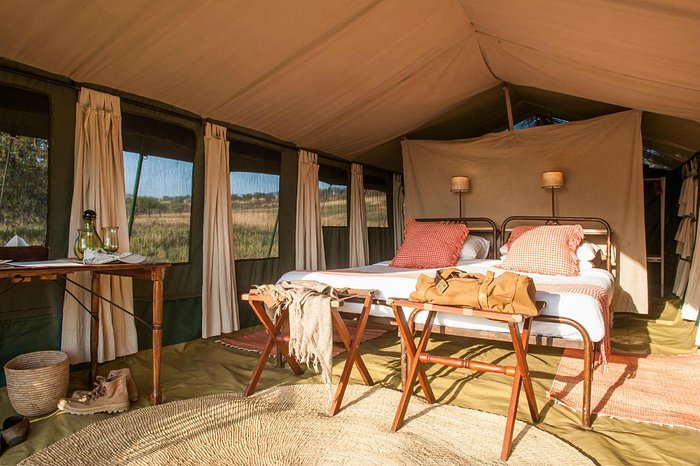
Affordable African Safari Packages: Your Guide To Budget-Friendly Tanzania
Discover how to plan and book affordable African safari packages for 2026-2027. This guide provides practical advice on choosing budget-friendly Tanzania tours, understanding costs, and...
View package details
Serengeti Safari Tours: Prices, Packages & Best Time To Visit In 2026-2027
Discover everything you need to know for planning your Serengeti safari tour, from understanding pricing and package variations to identifying the ideal travel times in 2026-2027. This...
View package details
African Safari Packages From Europe 2026-2027
African Safari Packages From Europe is explained with current 2026-2027 planning, price, itinerary and booking information.
View package details
African Safari Packages With Flights 2026-2027
African Safari Packages With Flights is explained with current 2026-2027 planning, price, itinerary and booking information.
View package details
Small-Group African Safari Tours Guide
Explore the best of Tanzania on a small-group safari. This guide covers everything you need to know for an incredible wildlife adventure in 2026-2027, from choosing the right tour to...
View package details
Are African Safari Prices Per Person Or Vehicle? Understanding Tanzania Costs
African safari costs can be confusing. This guide clarifies whether prices are quoted per person or per vehicle, detailing factors that influence your 2026-2027 safari budget in Tanzania.
View package details
What Animals Can You See On An African Safari? Your Ultimate Wildlife Guide
Planning an African safari and wondering which animals you'll encounter? This comprehensive guide details the wildlife you can expect to see, from iconic mammals to elusive birds, across...
View package detailsHow Much Money Do You Need For An African Safari? 2026-2027
How Much Money Do You Need for an African Safari? is explained with current 2026-2027 planning, price, itinerary and booking information.
View package detailsNo related package matches those filters. Clear one or more filters to see the other topic-matched options.



