Yes, it is entirely possible and often highly recommended to combine Kenya and Tanzania safaris without flying back to Nairobi. This approach streamlines your journey, saves time and money, and allows for more in-depth wildlife viewing by utilizing efficient overland routes and border crossings, particularly between the Masai Mara in Kenya and the Serengeti in Tanzania, which are contiguous ecosystems. Planning for 2026 and 2027 trips involves understanding these logistical connections, choosing the right entry and exit points, and working with tour operators experienced in multi-country itineraries.
Understanding the Kenya-Tanzania Safari Connection
The magic of combining Kenya and Tanzania for a safari lies in their shared ecosystems, most notably the Serengeti-Mara ecosystem. The vast plains of the Serengeti in Tanzania flow directly into the Masai Mara National Reserve in Kenya, and the Great Migration, a truly spectacular wildlife phenomenon, traverses this region annually. By planning your safari to connect these two iconic destinations overland, you bypass the logistical hurdle of returning to a major international airport like Nairobi or Kilimanjaro, thus maximizing your time observing wildlife and experiencing the African bush. This approach is not just feasible; it’s the most logical and rewarding way for many travelers to experience the highlights of both countries in a single, cohesive journey.
For travelers planning their adventures in 2026 and 2027, understanding the practicalities of this overland connection is crucial. It involves more than just hopping between parks; it requires careful itinerary design, consideration of border crossing procedures, and selecting reliable transportation. The goal is to create a continuous, enriching safari experience that flows naturally from one country’s unique landscapes and wildlife offerings to the other’s, without the artificial interruption of a flight back to a central hub.
The Central Route: Masai Mara to Serengeti (and vice-versa)
The most common and logistically straightforward way to combine Kenya and Tanzania without flying back to Nairobi is by traversing the border between the Masai Mara National Reserve in Kenya and the Serengeti National Park in Tanzania. These two world-renowned parks are geographically adjacent, separated only by an international border. This contiguous nature makes overland travel between them exceptionally efficient and rewarding.
How it Works:
- Entry Point: You might start your safari in Kenya, exploring regions like the Masai Mara.
- Border Crossing: From the Masai Mara, you would drive towards the border crossing point. The most common is the Isebania/Sirari border post, located south of the Mara.
- Transition to Tanzania: After completing immigration and customs procedures, you enter Tanzania and continue your journey towards the northern Serengeti.
- Safari in Serengeti: Your itinerary would then focus on exploring the Serengeti’s vast plains, perhaps moving south towards the Ngorongoro Conservation Area and ending in Arusha or Moshi, Tanzania.
The reverse itinerary is also very common: starting in Tanzania (Serengeti/Ngorongoro) and crossing into Kenya to visit the Masai Mara before potentially flying out from Nairobi.
Advantages of this overland route:
- smooth Wildlife Experience: The Great Migration, when present, moves freely across this border, meaning you can follow its movements without interruption.
- Cost-Effectiveness: Avoiding internal flights significantly reduces overall trip costs.
- Time Efficiency: Overland travel, when planned well, can be quicker than flying, especially when factoring in airport transfers, check-in times, and potential flight delays.
- Cultural Immersion: The overland journey allows for glimpses into local life and landscapes that are missed when flying.
For travelers planning for 2026 and 2027, this route remains the most popular and practical choice for a combined safari. It’s important to note that the condition of roads, especially near border crossings and within parks, can vary. Choosing a reputable tour operator with experienced drivers and well-maintained 4×4 safari vehicles is paramount for a comfortable and successful journey.
Border Crossing Points and Procedures
Successfully navigating the Kenya-Tanzania border is a critical step in combining your safari without returning to Nairobi. Understanding the process, required documents, and potential challenges will ensure a smooth transition between the two countries.
Key Border Crossing: Isebania (Kenya) / Sirari (Tanzania)
- Location: This is the primary overland border crossing used by tourists traveling between the Masai Mara and the Serengeti. It’s situated south of the Masai Mara and leads into the northern regions of the Serengeti.
- Process: You will typically arrive at the Kenyan immigration office to get your exit stamp and then proceed to the Tanzanian immigration office for entry. Your tour operator’s driver will usually assist you with the paperwork and guide you through the process.
- Visa Requirements: Ensure you have the necessary visas for Tanzania. Many nationalities can obtain a visa on arrival, but it’s highly advisable to check the latest requirements for your specific nationality well in advance of your 2026 or 2027 trip. Some travelers may opt to apply for e-visas beforehand. Kenya generally has straightforward visa policies for most tourists.
- Vehicle Carnet: If you are traveling in a private vehicle, a carnet de passage (a customs document for temporary import of a vehicle) might be required. However, most tourists travel with a tour operator who handles the vehicle’s cross-border documentation. Confirm this with your operator.
- Time Allocation: Allow at least 1-2 hours for the border crossing itself. This can vary depending on the volume of traffic, staffing levels, and any specific checks.
Other Potential Crossings (Less Common for Mara-Serengeti Route):
- Namanga: Located south of Amboseli National Park (Kenya) and north of Arusha (Tanzania). This crossing is more relevant if your itinerary includes Amboseli and then moves south into Tanzania’s northern circuit parks like Tarangire or Lake Manyara, bypassing the Serengeti initially.
Important Considerations for 2026-2027 Travel:
- Passport Validity: Ensure your passport is valid for at least six months beyond your intended stay and has sufficient blank pages for stamps and visas.
- Yellow Fever Certificate: Depending on your travel history and entry/exit points, you may need a valid Yellow Fever vaccination certificate. Always check the latest health advisories.
- Currency: While USD is widely accepted in tourist areas, having some local currency (Kenyan Shilling and Tanzanian Shilling) can be useful for smaller purchases or tips.
- Communication: Ensure your mobile phone plan covers international roaming or consider purchasing local SIM cards upon arrival in each country. Your guide will often have reliable communication methods.
Working with an experienced tour operator like Climb 4 Africa, which specializes in cross-border safaris, is invaluable. They will manage the complexities of border procedures, ensuring you have the correct documentation and a smooth transition.
Crafting Your Itinerary: Key Routes and Durations
Designing an itinerary that seamlessly connects Kenya and Tanzania without flying back to Nairobi requires careful planning. The focus is on maximizing game viewing time and minimizing travel disruptions. Here are some common and effective route structures, with considerations for 2026 and 2027 travel.
Option 1: Classic Northern Circuit (Kenya to Tanzania)
This is perhaps the most popular overland combination.
- Duration: Typically 10-14 days.
- Start: Nairobi, Kenya.
- Kenya Highlights: Masai Mara National Reserve (3-4 days).
- Transition: Overland drive from Masai Mara to Isebania/Sirari border crossing.
- Tanzania Highlights: Northern Serengeti National Park (3-4 days, focusing on areas like Kogatende or Lamai if following the migration), Central Serengeti (Seronera), Ngorongoro Conservation Area (Crater tour), potentially Lake Manyara or Tarangire National Park.
- End: Arusha or Kilimanjaro International Airport (JRO) in Tanzania.
Why it works: This route capitalizes on the direct adjacency of the Masai Mara and Serengeti, allowing for efficient movement. It covers two of Africa’s most iconic wildlife destinations.
Option 2: Southern Circuit (Tanzania to Kenya)
This is the reverse of Option 1, often chosen if flights into Tanzania are more convenient or if focusing on specific migration movements.
- Duration: Typically 10-14 days.
- Start: Arusha or Kilimanjaro International Airport (JRO), Tanzania.
- Tanzania Highlights: Ngorongoro Crater, Central/Northern Serengeti National Park.
- Transition: Overland drive from Serengeti to Isebania/Sirari border crossing.
- Kenya Highlights: Masai Mara National Reserve.
- End: Nairobi, Kenya (fly out from Jomo Kenyatta International Airport – NBO).
Why it works: Offers a similar wildlife experience to Option 1, just in reverse. It’s ideal if your flight logistics favor arriving in Tanzania first.
Option 3: Incorporating Amboseli and Southern Tanzania
This option offers more diversity, including different landscapes and wildlife viewing opportunities.
- Duration: Typically 12-18 days.
- Start: Nairobi, Kenya.
- Kenya Highlights: Amboseli National Park (iconic elephant herds with Kilimanjaro backdrop), potentially Tsavo West/East National Parks, then Masai Mara.
- Transition: Overland drive from Masai Mara to Isebania/Sirari OR drive south from Amboseli/Tsavo to the Namanga border crossing.
- Tanzania Highlights: If crossing at Namanga: Tarangire National Park (known for baobabs and elephants), Lake Manyara National Park (tree-climbing lions), Ngorongoro Crater, Serengeti National Park.
- End: Arusha or Kilimanjaro International Airport (JRO).
Why it works: This route provides a broader spectrum of East African environments, from the open plains of Amboseli to the woodlands of Tarangire and the dense wildlife of the Serengeti and Ngorongoro. It requires more travel time but offers immense variety.
Planning for 2026-2027:
- Migration Timing: The Great Migration is a key factor. It’s typically in the northern Serengeti/Masai Mara from July to October. Planning your safari for 2026 or 2027 during these months will increase your chances of witnessing this spectacle. However, excellent game viewing is possible year-round in both parks.
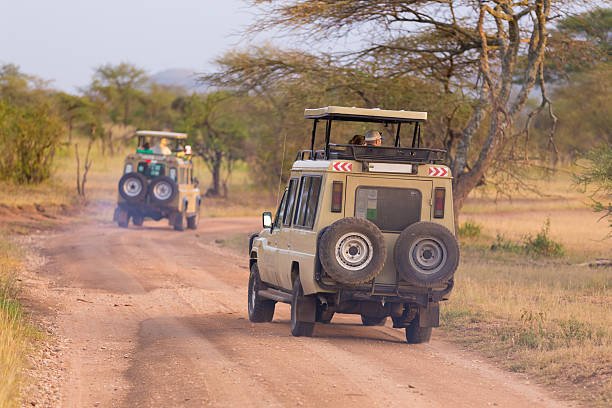
- Vehicle Choice: For overland travel, a sturdy 4×4 safari vehicle with pop-up roof is essential. Ensure your tour operator provides this.
- Pace: Don’t try to cram too much in. Allow at least 3-4 full days in each major park to appreciate its unique offerings.
Climb 4 Africa can help tailor these itineraries to your specific interests, budget, and preferred travel pace for 2026 and 2027, ensuring you get the most out of your combined Kenya-Tanzania safari.
Choosing Your Safari Vehicle and Accommodation
The choice of vehicle and accommodation significantly impacts your safari experience, especially when undertaking an overland journey between Kenya and Tanzania. For a combined safari without flying, these decisions are even more critical to ensure comfort, efficiency, and immersion.
Safari Vehicle Essentials
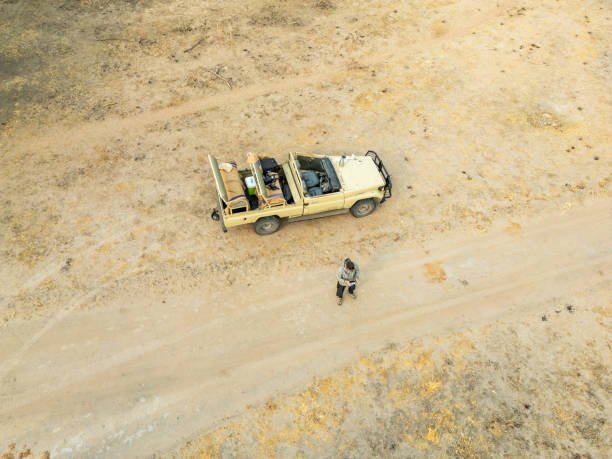
A reliable and comfortable safari vehicle is non-negotiable for this type of trip. The standard for reputable operators is a 4×4 safari vehicle, typically a Land Cruiser or Land Rover, equipped for the rugged terrain of East Africa.
- Four-Wheel Drive (4×4): Essential for navigating varied terrain, including muddy tracks after rain, sandy riverbeds, and steep inclines within parks.
- Pop-Up Roof: This is crucial for game viewing. It allows you to stand up and get unobstructed 360-degree views of wildlife, and it facilitates better photography.
- Comfortable Seating: Long drives are part of overland safaris. Ensure seats are comfortable, with ample legroom. Most vehicles seat 6-7 passengers comfortably, allowing each person a window seat.
- Pop-Top Roof Hatches: Some vehicles have these for even better viewing and airflow.
- Refrigeration: A cooler box or fridge is standard for keeping drinks and snacks cool during game drives.
- Power Outlets: Many vehicles are equipped with USB ports or 12V sockets for charging cameras and phones.
- Binoculars and Field Guides: Often provided by the operator, these enhance the wildlife viewing experience.
When booking for 2026 or 2027, specifically ask about the type of vehicle used and confirm these features. A well-maintained vehicle driven by an experienced guide is key to a successful overland safari.
Accommodation Options
Accommodation ranges from basic to luxurious, and the choice often depends on your budget and desired level of comfort. For a combined Kenya-Tanzania safari, you’ll typically encounter:
- Tented Camps: These offer a blend of comfort and wilderness immersion. They can range from permanent luxury camps with en-suite bathrooms and comfortable beds to semi-permanent or mobile camps that move with the migration. Mobile camps provide a unique experience, placing you closer to the wildlife action.
- Lodges: These are more permanent structures, often built with natural materials, offering comfortable rooms, common dining areas, and sometimes swimming pools. Lodges provide a higher level of comfort and amenities.
- Budget Camps/Campsites: For the more adventurous or budget-conscious traveler, public or private campsites are available. These offer basic facilities, often with shared ablutions, and you might sleep in your own tent or a provided safari tent.
Factors to Consider:
- Location: Camps and lodges located inside national parks or reserves offer earlier access to game drives and a more in-depth environment. Those outside require additional travel time to enter the park gates each day.
- Amenities: Consider what’s important to you – en-suite bathrooms, hot showers, electricity, Wi-Fi, dining options, bar, or swimming pool.
- Style: Do you prefer rustic charm, eco-friendly design, or classic safari luxury?
- All-Inclusive vs. Not: Some lodges and camps include meals and drinks, while others are a la carte. Clarify what’s included in your package, especially for 2026-2027 bookings.
Climb 4 Africa works with a carefully selected network of lodges and camps across both Kenya and Tanzania, ensuring quality and suitability for your overland safari. We can advise on the best options based on your itinerary, budget, and preferences for your 2026 or 2027 adventure.
The Great Migration: Timing Your Combined Safari
For many travelers, witnessing the Great Migration is a primary motivation for visiting East Africa. This incredible natural phenomenon involves millions of wildebeest, zebras, and gazelles migrating in a vast circular pattern across the Serengeti-Mara ecosystem in search of greener pastures and water. Understanding its timing is crucial for planning a combined Kenya-Tanzania safari, especially if you wish to see it in its full glory.
Understanding the Migration Cycle:
The migration is a year-round event, but its location and intensity vary significantly. Here’s a general overview:
- December – March: The herds are typically in the southern Serengeti plains (Tanzania) for calving season. This is a fantastic time for predator sightings as lion prides and other carnivores capitalize on the vulnerable newborns.
- April – May: The herds begin to move northwards, often spread across the central and western Serengeti. This is the ‘long rains’ period, and some camps might close or have limited access.
- June – July: The migration concentrates in the western Serengeti and approaches the Grumeti River. River crossings here can be dramatic, though not as massive as the Mara River crossings.
- July – October: This is peak season for witnessing the migration in the northern Serengeti (Tanzania) and the Masai Mara (Kenya). The herds cross the Mara River, a highly sought-after and often spectacular event. This is the most common time for travelers to combine both parks to follow the migration.
- November: The herds begin their southward journey, often moving through the eastern and central Serengeti. This is the ‘short rains’ period.
Planning for 2026 and 2027 Migration Viewing:
- Peak Season (July-October): If seeing the river crossings or large herds in the Mara/northern Serengeti is your priority, aim for these months. Book well in advance (12-18 months) for 2026 and 2027, as accommodations, especially in prime migration areas, fill up quickly.
- Calving Season (December-March): If you prefer fewer crowds and are fascinated by predator-wildlife interactions and newborn animals, this is an excellent time. The scenery is also beautiful, with lush green plains.
- Shoulder Seasons (April-June, November): These periods can offer good game viewing with fewer tourists and potentially lower prices. However, weather can be unpredictable, and migration movements might be less concentrated.
- Flexibility: While the migration follows a general pattern, weather and environmental conditions can influence its exact movements. A good guide and an itinerary that allows for some flexibility are essential.
Cross-Border Migration Viewing:
The beauty of combining the Masai Mara and Serengeti overland is that you can follow the migration seamlessly. If the herds are in the northern Serengeti, you can track them there, and then cross into the Masai Mara as they move north into Kenya, or vice-versa. This direct connection is a major advantage of avoiding internal flights. For your 2026-2027 trip, discussing the expected migration location with your tour operator based on the specific month of travel is highly recommended.
Logistical Considerations and Travel Tips
Embarking on a combined Kenya-Tanzania safari without flying back to Nairobi is an exciting prospect, but it requires attention to several logistical details to ensure a smooth and enjoyable journey. Being well-prepared will significantly enhance your experience, whether you are traveling in 2026 or 2027.
Packing Smart for Overland Safaris
Packing light and smart is crucial, as you’ll be moving between locations. Most safari vehicles have limited luggage space, usually restricted to soft duffel bags.
- Baggage: Soft-sided duffel bags are preferred (maximum 15-20 kg per person). Hard suitcases are generally not permitted on safari vehicles.
- Clothing: Neutral-colored clothing (khaki, green, brown) is best to avoid startling wildlife. Avoid bright colors and black/dark blue (which can attract tsetse flies). Pack layers, as mornings and evenings can be cool, while midday can be hot. Include:
- Long-sleeved shirts and trousers (for sun and insect protection)
- T-shirts and shorts/skirts
- Fleece jacket or warm sweater
- Light rain jacket
- Comfortable walking shoes/hiking boots (if planning any walking safaris)
- Sandals or flip-flops for camp/lodge
- Swimsuit (for lodges with pools)
- Accessories:
- Sunscreen, sunglasses, wide-brimmed hat
- Insect repellent (with DEET)
- Camera with extra batteries and memory cards
- Binoculars
- Personal first-aid kit
- Headlamp or small flashlight
- Travel adapter and power bank
- Hand sanitizer
Health and Safety
Consult your doctor or a travel clinic well in advance of your 2026-2027 trip regarding necessary vaccinations and malaria prophylaxis. Yellow Fever vaccination is often required for entry into Tanzania, depending on your travel route and country of origin. Always carry a copy of your vaccination certificate.
Communication and Connectivity
While in national parks and remote areas, mobile phone reception can be spotty. Your guide will have a satellite phone or radio for emergencies. Wi-Fi is often available at lodges and camps, but it may be slow or limited. Consider purchasing local SIM cards in Nairobi or Arusha if you need consistent connectivity.
Currency and Payments
The US Dollar is widely accepted in both Kenya and Tanzania for tourist services. However, for smaller purchases like souvenirs or tips, you will need local currency (Kenyan Shilling – KES, Tanzanian Shilling – TZS). ATMs are available in major towns like Nairobi and Arusha. Credit cards are accepted at most lodges and larger hotels, but it’s wise to carry some cash for smaller establishments or remote areas.
Tipping Etiquette
Tipping is customary for guides, drivers, and lodge/camp staff. Your tour operator will provide specific guidelines, but generally, expect to tip your driver/guide daily. For 2026 and 2027 trips, a common range for a private safari guide is $20-30 USD per day per vehicle, and for camp staff, $10-15 USD per day per guest. Tips are usually pooled and distributed among staff.
Booking and Confirmation
When booking your combined safari for 2026 or 2027, ensure you receive a detailed itinerary, including accommodation names, park fees, vehicle type, and inclusions/exclusions. A reputable operator will be transparent about all costs. It’s advisable to pay a deposit to secure your booking and the balance closer to the travel date, as per the operator’s terms.
Climb 4 Africa excels in managing these logistical details, ensuring your combined Kenya-Tanzania safari is as smooth as possible. We provide comprehensive pre-departure information and support throughout your journey.
Why Choose Climb 4 Africa for Your Combined Safari
Planning a multi-country safari like a combined Kenya and Tanzania adventure without flying back to Nairobi involves intricate logistics, deep local knowledge, and a commitment to providing an exceptional experience. This is where partnering with an experienced operator like Climb 4 Africa makes a significant difference, especially for your 2026 and 2027 travel plans.
Expertise in Cross-Border Safaris
We understand the nuances of overland travel between Kenya and Tanzania. Our team has firsthand experience with the border crossings, road conditions, and the best routes to maximize your wildlife viewing and minimize travel time. We craft itineraries that flow logically, ensuring you spend more time on safari and less time in transit or dealing with logistical hiccups.
Tailor-Made Itineraries
Every traveler is unique. Whether you dream of witnessing the Great Migration, focusing on birdlife, seeking out specific predators, or enjoying a blend of luxury and adventure, we can design a bespoke itinerary to match your interests and budget. Our goal for your 2026 or 2027 safari is to create an unforgettable journey tailored precisely to you.
Reliable Local Support
As a locally based company, Climb 4 Africa offers unparalleled on-the-ground support. Our guides are highly trained, knowledgeable about the wildlife and ecosystems, and dedicated to your safety and enjoyment. We maintain strong relationships with lodges, park authorities, and other service providers, ensuring smooth operations throughout your trip.
Value and Transparency
We are committed to offering competitive pricing without compromising on quality. Our packages are transparent, with clear inclusions and exclusions, so you know exactly what to expect. By operating efficiently and leveraging our local partnerships, we deliver excellent value for your investment in an East African safari for 2026-2027.
smooth Planning
From the initial inquiry to your departure, we handle all the details. We provide expert advice on the best times to travel, visa requirements, packing lists, and health recommendations. Our aim is to make the planning process as stress-free as possible, allowing you to anticipate your adventure with excitement.
Ready to plan your combined Kenya and Tanzania safari for 2026 or 2027?
We invite you to connect with us to discuss your dream safari. Whether you have a clear idea of your itinerary or need guidance, our experts are here to help. You can reach us via WhatsApp at +255 747 477 898 or email us at climb4africa@gmail.com. Let us help you craft the perfect overland safari adventure, connecting the magic of Kenya and Tanzania seamlessly.
Check Availability for Combine Kenya And Tanzania Safari Without Flying Back To Nairobi: Your
Ready to compare dates, prices, and the best option for your group? Send the package name and travel month so the team can reply with a clear quote, availability, and what is included.
_1_John_from-rednote-web-768x1024.jpg)
Arusha To Serengeti Flying Safari Vs Road Full Cost Comparison 2027
Arusha to Serengeti Flying Safari vs Road Safari: Full Cost Comparison is explained with current 2027 planning, price, itinerary and booking information.
View package details
Dec 20, – 10 Day Complete Tanzania Group Joining Safari
Dec 20, 2026 – 10 Day Complete Tanzania Group Joining Safari.
View package details
How Early Should I Book A Nov Or Dec Tanzania Group Safari?
How Early Should I Book a Nov or Dec Tanzania Group Safari?
View package details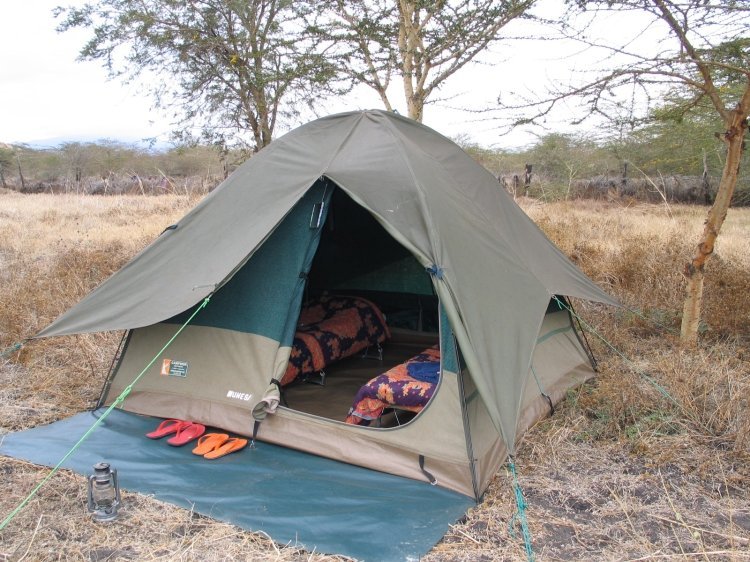
Can I Pay A Deposit To Reserve A Tanzania Group Safari?
Can I Pay a Deposit to Reserve a Tanzania Group Safari?
View package details
Dec 30, – 7 Day New Year Tanzania Group Joining Safari 2026
A complete guide to our 7-day group joining safari for the 2026/2027 New Year season, covering the Northern Circuit, wildlife expectations, and how to secure your spot.
View package details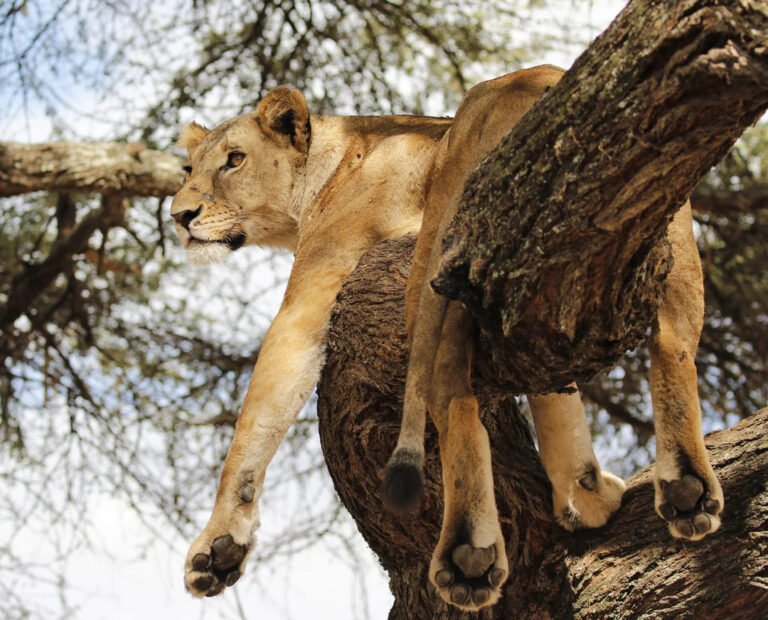
Dec 25, – 5 Day Christmas Tanzania Group Joining Safari 2026
Celebrate Christmas in the heart of the Tanzanian wilderness. Join our 5-day group safari departing December 25, 2026, and experience the iconic Northern Circuit.
View package details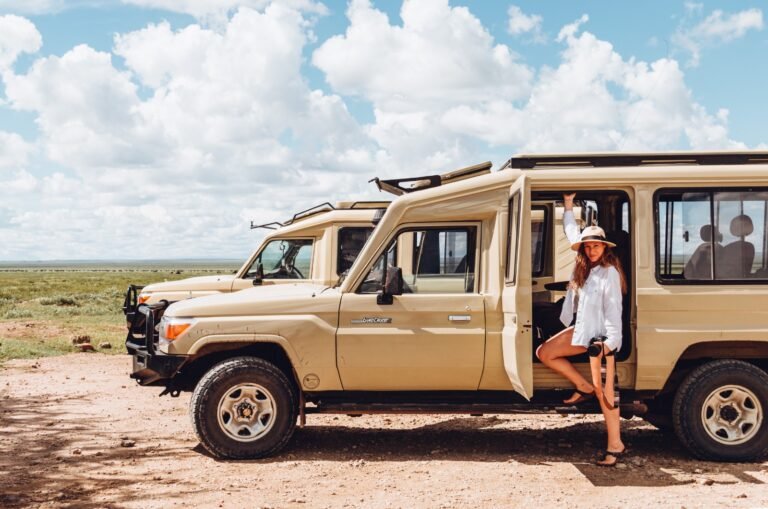
Dec 18, – 9 Day Tanzania Wildlife And Cultural Group Safari 2026
A deep look at our 9-day wildlife and cultural group safari departing December 18, 2026. This trip balances classic Northern Circuit game viewing with genuine cultural engagement.
View package detailsDec 14, – 7 Day Complete Tanzania Northern Circuit Group Safari 2026
Planning for December 2026? Join our 7-day complete Tanzania Northern Circuit group safari. A deep look at the Serengeti, Ngorongoro, and Tarangire with expert, locally-led logistics.
View package detailsDec 10, – 5 Day Northern Tanzania Group Joining Safari 2026
A detailed guide to our 5-day Northern Tanzania group joining safari scheduled for December 10, 2026. Learn about the route, group logistics, and how to book your spot.
View package detailsNov 27, – Black Friday Tanzania Group Safari Deals 2026
Discover why group joining safaris are the best way to secure value for your 2027 Tanzania adventure, plus expert advice on route planning and booking.
View package detailsNov 20, – 8 Day Complete Northern Tanzania Group Safari: Planning Your Trip
A comprehensive guide to the 8-day Northern Tanzania group safari departing November 20, 2026, covering logistics, route advantages, and planning essentials.
View package detailsNov 16, – 6 Day Tanzania Northern Circuit Group Safari 2026
Planning for November 2026? Join our 6-day group safari covering Tanzania's premier Northern Circuit parks. Expert-led, social, and cost-effective wildlife viewing.
View package detailsNo related package matches those filters. Clear one or more filters to see the other topic-matched options.