The best safari for a solo backpacker in Tanzania typically involves joining a shared group safari, focusing on the Northern Circuit parks like the Serengeti and Ngorongoro Crater, often for 3-5 days. This approach balances cost-effectiveness, essential for backpackers, with access to iconic wildlife viewing. Opting for reputable tour operators that facilitate small group departures allows solo travelers to share vehicle and guide costs, making it significantly more affordable than a private safari while still offering a rich wildlife experience. For 2026-2027, expect a range of options from budget-friendly camping safaris to more comfortable lodge-based tours, all designed to accommodate individual travelers seeking adventure.
Understanding the Solo Backpacker Safari Landscape in Tanzania
Tanzania is synonymous with incredible wildlife encounters. For the solo backpacker, the dream of seeing the Big Five in their natural habitat can seem daunting due to perceived costs and logistics. However, the reality is that Tanzania is very much a viable and popular destination for independent travelers. The key to a successful and budget-conscious solo safari lies in understanding how to access the country’s world-renowned parks without breaking the bank. This involves strategic planning, choosing the right type of safari, and being savvy about group dynamics.
When we talk about the ‘best safari for a solo backpacker in Tanzania’, we’re really talking about finding the sweet spot between affordability, authentic wildlife viewing, safety, and social interaction. Backpackers often travel with a limited budget but are rich in a desire for adventure and genuine experiences. They are typically looking for ways to connect with other travelers, share costs, and gain insights from local guides. This is precisely where the concept of shared or group safaris shines, especially for those venturing out alone.
The dominant safari circuit in Tanzania, the Northern Circuit, is the most accessible and well-trodden path for good reason. It encompasses the Serengeti National Park, Ngorongoro Conservation Area, Tarangire National Park, and Lake Manyara National Park. These parks offer an unparalleled density and diversity of wildlife, making them the prime choices for any safari, and particularly for those with limited time or budget who want to maximize their chances of seeing iconic animals. For solo backpackers planning a trip for 2026 or 2027, understanding these parks and how to explore them efficiently is paramount.
The primary trade-off for solo backpackers is between cost and exclusivity. A private safari offers ultimate flexibility and a vehicle all to yourself, but it comes at a premium that most backpackers cannot afford. Conversely, large, pre-packaged group tours might feel too restrictive or impersonal. The ideal solution is often a small, shared group safari, where you join a handful of other independent travelers in a 4×4 vehicle. This is where companies like Climb 4 Africa excel, facilitating these group departures and ensuring a balanced experience.
Safety is another crucial consideration for solo travelers. Tanzania is generally safe for tourists, but it’s always wise to travel with reputable operators who understand local conditions, have well-maintained vehicles, and experienced guides. These operators also handle the complex logistics of park entries, accommodation, and daily planning, allowing you to focus on the incredible wildlife.
The Power of Shared Safaris for Solo Backpackers
For a solo backpacker in Tanzania, the concept of a ‘shared safari’ isn’t just a cost-saving measure; it’s often the most practical and enjoyable way to experience the country’s wildlife. Unlike a private safari where you bear the full cost of the vehicle, guide, and fuel, a shared safari allows you to divide these expenses among a small group of fellow travelers. This dramatically reduces the per-person cost, making world-class destinations like the Serengeti accessible on a backpacker’s budget.
Why shared safaris are ideal for solo backpackers:
- Cost-Effectiveness: This is the most significant advantage. Splitting the cost of a 4×4 safari vehicle, a professional guide, fuel, park fees, and accommodation among 4-7 people makes a substantial difference compared to the price of a private tour.
- Social Interaction: Traveling solo doesn’t mean you have to be alone. Shared safaris provide built-in companionship. You’ll likely meet like-minded individuals from around the world, share game drive experiences, and enjoy evenings together, creating a communal travel atmosphere.
- Logistical Simplicity: As a solo traveler, organizing park entries, accommodation bookings, and daily game drive routes can be overwhelming. Shared safaris are pre-arranged by tour operators, meaning all the complex logistics are handled for you.
- Access to Expertise: You benefit from the knowledge of an experienced safari guide who knows the parks inside out, can spot elusive animals, and provide valuable insights into the ecosystem and local culture.
When looking for shared safaris for 2026 or 2027, pay attention to the operator’s philosophy. Some ‘group’ safaris can feel overly commercialized. Reputable operators focus on creating small, intimate groups that allow for flexibility within the group’s schedule. This means you still get ample opportunities for photos and to linger at sightings, without the rigidity of a large, pre-defined tour package. Climb 4 Africa, for instance, specializes in facilitating these smaller, more personalized group departures.
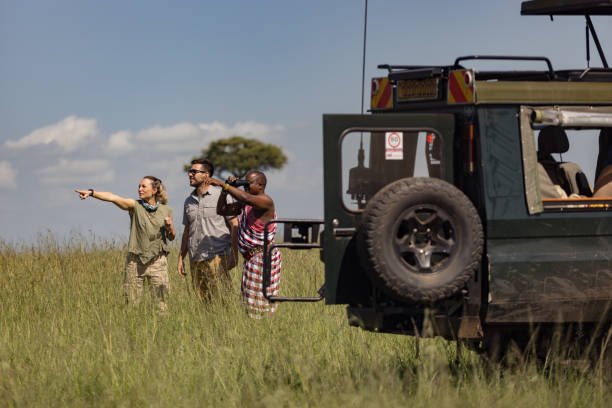
The typical vehicle for a shared safari is a 4×4 Land Cruiser or Land Rover, designed to handle the rugged terrain of the parks and equipped with pop-up roofs for optimal game viewing. These vehicles usually accommodate a maximum of 6-7 passengers, ensuring everyone has a window seat and space to move around. This configuration is crucial for solo travelers, as it guarantees a good viewing experience and avoids the feeling of being ‘stuck’ in the back row.
Choosing a shared safari is about finding the right balance. It’s not as flexible as a private tour, but it offers a far more engaging and economical experience than trying to navigate public transport between distant park gates (which is often impossible or impractical for wildlife viewing anyway). The social aspect can also be a huge plus for solo travelers looking to share their incredible experiences with new friends.
Comparing Safari Styles for Solo Backpackers
When planning your solo backpacking safari in Tanzania, you’ll encounter different styles of safaris, each with its own pros and cons for the independent traveler. Understanding these distinctions is key to selecting the best option for your budget, comfort level, and desired experience for 2026-2027.
1. Camping Safaris (Budget-Friendly & in-depth)
This is often the first choice that comes to mind for many backpackers, and for good reason. Camping safaris offer the most authentic, close-to-nature experience at the lowest price point. They involve staying in basic tented camps, either inside or just outside the national parks. These camps usually have communal dining areas and shared ablution facilities.
Pros for Solo Backpackers:
- Lowest Cost: Significantly cheaper than lodge-based safaris.
- Atmosphere: The sounds of the African bush at night, campfires, and communal meals create a strong sense of adventure and camaraderie.
- Proximity to Wildlife: Tented camps, especially those inside parks, offer a thrilling sense of being immersed in the wild.
Cons for Solo Backpackers:
- Basic Comforts: Facilities are minimal. Sleeping in a tent, even a comfortable one, might not appeal to everyone.
- Shared Facilities: Bathrooms and toilets are typically shared among all guests in the camp.
- Security: While generally safe with park rangers and camp staff, you are more exposed to the elements and nocturnal animal activity.
For a solo backpacker in 2026, a camping safari is an excellent way to stretch your budget while maximizing your time in the parks. Operators like Climb 4 Africa offer various levels of camping safaris, from basic fly camps to more established tented camps with comfortable bedding and facilities.
2. Mid-Range Lodge/Tented Camp Safaris (Comfort & Balance)
This style offers a step up in comfort. You’ll stay in permanent tented camps with en-suite bathrooms, comfortable beds, and often more amenities like private verandas or even swimming pools. Alternatively, you might stay in comfortable safari lodges, which are more akin to hotels but built in a rustic style to blend with the environment.
Pros for Solo Backpackers:
- Enhanced Comfort: Private bathrooms, hot showers, and comfortable beds significantly improve the relaxation aspect after long game drives.
- Convenience: Lodges and permanent camps often have restaurants, bars, and common areas, providing a relaxed environment.
- Good Balance: Offers a great blend of authentic safari experience and modern comforts.
Cons for Solo Backpackers:
- Higher Cost: More expensive than camping safaris, though still achievable for dedicated backpackers, especially when shared.
- Less ‘Wild’ Feel: Lodges, in particular, can feel more like hotels and less immersed in the raw wilderness compared to camping.
For many solo travelers in 2027, this mid-range option provides the best balance. It allows for comfortable nights, refreshing showers, and good meals, without the exorbitant price tag of luxury lodges. Shared departures are readily available in this category.
3. Luxury Safaris (High-End Experience)
These safaris involve staying in exclusive lodges or tented camps with top-tier amenities, gourmet dining, private plunge pools, and impeccable service. While luxurious, they are generally not the primary choice for budget-conscious solo backpackers unless they are looking for a very specific, high-end experience and are willing to save significantly for it.
Pros for Solo Backpackers (if budget allows):
- Unparalleled Comfort and Service: The ultimate in relaxation and pampering.
- Exclusive Locations: Often situated in prime wildlife areas with fewer crowds.
- Unique Experiences: May include private game drives (though this escalates cost dramatically), bush dinners, and specialized guiding.
Cons for Solo Backpackers:
- Prohibitive Cost: The most expensive option, typically out of reach for standard backpacking budgets.
- Less Social: While you might meet other guests, the focus is often on individual or private experiences, potentially making it less ideal for solo travelers seeking group interaction.
While not the typical choice, some solo travelers might opt for a luxury lodge for a night or two as a splurge. However, for the bulk of a solo backpacking safari in Tanzania, focusing on camping or mid-range lodge options is more practical.
The best safari for a solo backpacker in Tanzania, considering budget and experience, will almost always lean towards a shared camping or mid-range tented camp safari. These options allow for cost-sharing, social interaction, and a genuine connection with the environment, which are key priorities for independent travelers.
Key takeaway for solo backpackers:
Focus on operators offering small group shared safaris. This is the most effective way to manage costs while enjoying a high-quality wildlife experience. For 2026-2027, booking in advance, especially for shared departures during peak seasons, is advisable.
Choosing Your Safari Route: The Northern Circuit Essentials
For a solo backpacker in Tanzania, the Northern Circuit is the undisputed champion. It’s a well-established route that offers the highest concentration of iconic wildlife and is logistically the easiest to navigate, especially when joining group tours. Planning your route within this circuit is crucial for maximizing your experience within a limited time and budget.
The classic Northern Circuit safari typically includes:
- Tarangire National Park: Famous for its large elephant herds and baobab trees. Often visited first due to its proximity to Arusha.
- Lake Manyara National Park: Known for its tree-climbing lions (though sightings are not guaranteed), diverse birdlife, and large buffalo herds. It’s a smaller park, often visited for a half-day or full-day.
- Ngorongoro Conservation Area (and the Crater): A UNESCO World Heritage Site, the Ngorongoro Crater is a caldera of a massive extinct volcano, home to an incredible density of wildlife, including the endangered black rhino. It’s a highlight for most safaris.
- Serengeti National Park: Tanzania’s largest and most famous national park, renowned for its vast plains, abundant predators, and the Great Migration (seasonal).
The duration of a Northern Circuit safari can vary, but for solo backpackers, a 3-day, 5-day, or 7-day safari is most common.
3-Day Northern Circuit Safari: The Quick Introduction
A typical 3-day itinerary might look like this:
- Day 1: Arusha to Tarangire National Park. Game drive. Overnight near Tarangire or Karatu.
- Day 2: Ngorongoro Crater tour. Descend into the crater for game viewing. Overnight near Karatu or en route to Serengeti.
- Day 3: Drive through Serengeti (depending on logistics and time) with a morning game drive before returning to Arusha.
Best for: Backpackers with very limited time or budget, wanting a taste of the key highlights.
Considerations for 2026-2027: Even for short trips, booking a shared group is essential for affordability. You’ll see a lot, but it will feel rushed.
5-Day Northern Circuit Safari: A Balanced Experience
A popular duration that allows for more in-depth exploration:
- Day 1: Arusha to Tarangire National Park. Game drive. Overnight near Karatu.
- Day 2: Ngorongoro Crater tour. Full day game drive in the crater. Overnight near Karatu.
- Day 3: Drive to Serengeti National Park, entering with a game drive en route. Overnight in Central Serengeti.
- Day 4: Full day game drive in Serengeti. Overnight in Central Serengeti.
- Day 5: Morning game drive in Serengeti, then drive back to Arusha.
Best for: Solo backpackers seeking a comprehensive introduction to the Northern Circuit without being overly rushed. This duration offers a good balance of time in each key park.
Considerations for 2026-2027: This is often the most recommended duration for first-time solo safari-goers. Shared departures are widely available. Look for itineraries that maximize time in the Serengeti, as it’s the largest and most diverse park.
7-Day Northern Circuit Safari: Deeper Exploration
For those with more time, a 7-day safari allows for a more relaxed pace and exploration of additional areas or parks:
- Day 1: Arusha to Lake Manyara National Park. Game drive. Overnight near Karatu.
- Day 2: Ngorongoro Crater tour. Full day game drive. Overnight near Karatu.
- Day 3: Drive to Serengeti National Park, entering with a game drive. Overnight in Central Serengeti.
- Day 4: Full day game drive in Serengeti.
- Day 5: Morning game drive in Serengeti, then drive to the Serengeti’s Western Corridor or Northern/Kopjes areas (depending on season and migration). Overnight in that region.
- Day 6: Full day game drive in the chosen Serengeti region.
- Day 7: Morning game drive, then drive back to Arusha.
Best for: Solo backpackers who want to experience more of the Serengeti’s vastness or potentially catch different aspects of the Great Migration. This offers a more in-depth wildlife photography opportunity.
Considerations for 2026-2027: A 7-day trip allows for more flexibility in choosing accommodation locations within the Serengeti, potentially placing you closer to migration herds if timed correctly. Shared departures for longer itineraries might have fewer fixed dates, so planning ahead is crucial.
Alternative Parks (Less Common for Short Solo Backpacking Trips)
While the Northern Circuit is the standard, other parks exist:
- Ruaha National Park & Selous Game Reserve (Nyerere National Park): These are in Southern Tanzania. They offer a wilder, less crowded experience but are significantly harder and more expensive to reach, usually requiring internal flights. Not ideal for a typical solo backpacker on a tight schedule and budget unless a specialized southern circuit tour is specifically sought.
- Gombe Stream & Mahale Mountains National Parks: Famous for chimpanzee trekking. These are remote, require flights, and are expensive. Primarily for primate enthusiasts, not general wildlife safaris.
Recommendation for Solo Backpackers: Stick to the Northern Circuit. It offers the best value, most reliable wildlife sightings, and the easiest integration into shared group tours, which are essential for managing costs in 2026-2027. A 5-day safari is often the sweet spot for a memorable yet budget-conscious solo backpacking adventure.
Budgeting for Your Solo Safari: What to Expect in 2026-2027
Understanding the costs involved is critical for any solo backpacker planning a safari in Tanzania. While exact prices fluctuate based on season, accommodation choice, and operator, we can outline the typical cost structure and what to budget for in 2026 and 2027. The key to a budget solo safari is choosing a shared group tour.
Typical Inclusions in a Group Safari Package:
Reputable operators will generally include the following in their shared safari packages:
- Vehicle Hire: A 4×4 safari vehicle (Land Cruiser/Land Rover) with a pop-up roof.
- Professional Guide: An experienced, English-speaking safari guide.
- Fuel: For the duration of the safari.
- Park Entrance Fees: This is a significant cost component. Fees are per person, per day, and vary by park.
- Crater Service Fee: For Ngorongoro Crater access.
- Accommodation: Camping (tents, mattresses, often basic facilities) or lodge/tented camp as per your chosen package.
- Meals: Usually full board (breakfast, lunch, dinner) during the safari days.
- Bottled Water: Typically provided in the vehicle during game drives.
Common Exclusions (What You’ll Need to Budget Separately):
It’s vital to be aware of what’s *not* included:
- International Flights: To and from Kilimanjaro International Airport (JRO).
- Visa Fees: For Tanzania.
- Travel Insurance: Essential for any trip.
- Tips: For your guide and any camp staff. This is a significant part of the local economy and expected.
- Alcoholic and Soft Drinks: Beyond the provided bottled water.
- Personal Expenses: Souvenirs, laundry, etc.
- Pre/Post Safari Accommodation: In Arusha or Moshi.
- Optional Activities: Like Maasai village visits (sometimes included, check specifics).
Estimated Cost Ranges for Solo Backpackers (Per Person, Per Day) for 2026-2027:
These are estimates for shared group safaris (4-6 people):
- Budget Camping Safari: $180 – $250 USD per person, per day. This covers basic tented camps, shared facilities, and all standard inclusions.
- Mid-Range Lodge/Tented Camp Safari: $250 – $350 USD per person, per day. This includes comfortable permanent tented camps or mid-range lodges with en-suite bathrooms.
- Luxury Safari: $400+ USD per person, per day. For high-end lodges with premium amenities. (Generally outside typical backpacker budgets).
Important Notes on Pricing for 2026-2027:
- Peak Season (July-October, December-February): Prices tend to be higher due to demand.
- Low Season (March-June, November): Prices may be lower, but some parks can be affected by rain, though wildlife viewing is still excellent.
- Park Fees: These are non-negotiable and a substantial part of the cost. They are set by the Tanzanian government and can increase annually. For 2026-2027, expect them to remain a significant factor.
- Operator Markup: Different operators have different overheads and profit margins. Researching reputable companies is key.
Budgeting Example: 5-Day Shared Camping Safari
For a solo backpacker aiming for a 5-day budget camping safari in 2026 at the higher end of the budget range ($250/day):
Total Estimated Cost: 5 days * $250/day = $1,250 USD per person.
This estimate covers the safari package itself. Remember to add costs for flights, visas, insurance, tips, and pre/post-safari accommodation.
When comparing quotes for 2026 or 2027 safaris, always check what is included and excluded. A lower price might seem attractive, but if it excludes essential park fees or accommodation, it can quickly become more expensive than a slightly higher-quoted package that is more comprehensive.
Contacting operators like Climb 4 Africa directly with your budget and desired dates can help them tailor a suitable shared group departure or inform you about upcoming fixed dates. For instance, inquiring about shared safari dates for late 2026 or early 2027 will give you the most accurate pricing and availability.
Choosing the Right Operator for Your Solo Safari
Selecting the right tour operator is arguably the most critical decision for a solo backpacker. Your operator is your gateway to the safari experience, handling logistics, guiding, and ensuring your safety and enjoyment. For a solo traveler, choosing a company that understands the needs of independent travelers and specializes in facilitating group tours is paramount.
What to Look for in an Operator for Solo Backpackers:
- Focus on Group Departures: Do they regularly run scheduled group safaris? This indicates they are experienced in managing multiple bookings and catering to solo travelers.
- Reputation and Reviews: Look for companies with consistently positive reviews on platforms like TripAdvisor, Google, and travel forums. Pay attention to reviews from solo travelers.
- Transparency in Pricing: Clear breakdowns of what’s included and excluded. Avoid operators who are vague or seem to have hidden costs.
- Safety Standards: Well-maintained vehicles, experienced and certified guides, and clear emergency protocols.
- Responsiveness: How quickly and helpfully do they respond to your inquiries? This is a good indicator of their customer service.
- Local Knowledge: Operators based in Tanzania, like Climb 4 Africa, often have a deeper understanding of local conditions, park regulations, and community engagement.
Why Climb 4 Africa is a Strong Choice for Solo Backpackers:
Climb 4 Africa has a strong reputation for organizing safaris in Tanzania, including those specifically designed to be accessible and enjoyable for solo travelers. Their expertise in managing group departures for both Kilimanjaro climbs and safaris means they are well-equipped to handle the logistical and social aspects of shared tours.
- Facilitates Group Safaris: They actively organize and promote shared safaris, making it easy for solo travelers to join existing groups or for groups to form.
- Experienced Local Guides: Their guides are knowledgeable about the wildlife, culture, and terrain of the Northern Circuit, enhancing the safari experience.
- Value for Money: They aim to provide high-quality experiences at competitive prices, particularly for their shared tour options, aligning with backpacker budgets for 2026-2027.
- Comprehensive Planning Support: They can assist with itinerary planning, provide clear cost breakdowns, and answer all your questions, which is invaluable for a solo traveler planning a complex trip.
When you contact an operator like Climb 4 Africa, be clear about your status as a solo backpacker and your budget. Ask about upcoming scheduled group safaris for 2026 or 2027 that match your preferred duration and style (e.g., camping vs. lodge). They can often match you with a compatible group, ensuring a positive social dynamic.
Booking Tip for Solo Travelers:
Don’t hesitate to reach out to operators well in advance, especially if you’re targeting peak season in 2026 or 2027. Early booking for shared departures helps secure your spot and often gives you more choice in dates.
For personalized advice and to explore available group safari dates for your solo adventure, consider reaching out directly to Climb 4 Africa. Their team can provide tailored recommendations based on your interests and budget.
Packing Essentials for a Solo Backpacker Safari
Packing smart is crucial for a solo backpacker. You need to be prepared for varied conditions, carry your essentials efficiently, and avoid overpacking. The goal is to be comfortable, practical, and ready for anything the African bush throws at you.
Clothing:
- Neutral-Colored Clothing: Khaki, green, beige, or brown are best. Avoid bright colors (which can scare animals) and black/dark blue (which attract tsetse flies).
- Lightweight, Breathable Fabrics: Cotton, linen, or quick-dry synthetics are ideal for the heat.
- Long-Sleeved Shirts & Trousers: For sun protection during the day and to ward off insects in the evenings.
- T-shirts/Polo Shirts: Comfortable for game drives.
- Fleece or Warm Jacket: Evenings and early mornings can be cool, especially in the Crater or at higher altitudes.
- Rain Jacket/Poncho: Essential, especially during the rainy seasons (March-May and November).
- Comfortable Shorts/Skirts: For relaxing at camp or lodge.
- Swimsuit: If your lodge has a pool.
Footwear:
- Comfortable Walking Shoes/Hiking Boots: If you plan any light walking or for general comfort.
- Sandals/Flip-flops: For relaxing at camp or lodge.
Headwear & Eye Protection:
- Wide-Brimmed Hat: Crucial for sun protection during game drives.
- Sunglasses: To protect your eyes from the sun.
Health & Hygiene:
- Insect Repellent: With DEET or Picaridin, especially for evenings.
- Sunscreen: High SPF.
- Hand Sanitizer: For use on the go.
- Personal First-Aid Kit: Including plasters, antiseptic wipes, pain relievers, and any personal medication.
- Malaria Medication: Consult your doctor before travel.
- Basic Toiletries: Biodegradable options are a plus.
Gear & Accessories:
- Backpack/Duffel Bag: Most operators have luggage restrictions for vehicles (usually soft duffel bags are preferred).
- Daypack: For carrying essentials during game drives (water, camera, snacks, binoculars).
- Binoculars: Absolutely essential for spotting wildlife at a distance.
- Camera & Extra Batteries/Memory Cards: You’ll take a lot of photos! A zoom lens is highly recommended.
- Power Bank/Portable Charger: For keeping devices charged, as power sources can be limited.
- Headlamp/Torch: Useful for navigating camps at night.
- Reusable Water Bottle: To refill with provided purified water.
- Adapter: For charging electronics (Type G, UK style plug is common).
Solo Backpacker Safari Checklist Summary:
- Neutral-colored, lightweight clothing
- Warm layer & rain gear
- Comfortable walking shoes
- Wide-brimmed hat & sunglasses
- Sunscreen & insect repellent
- Personal first-aid kit
- Camera, binoculars, power bank
- Duffel bag (soft-sided)
- Headlamp
Remember that most safari operators provide tents, mattresses, and often cooking equipment if you’re camping. If staying in lodges, towels and basic toiletries are usually provided. Check with your operator about specific inclusions for your chosen package for 2026 or 2027.
Safety and Solo Travel Considerations
Solo travel, especially to a destination like Tanzania, brings its own set of considerations. While generally safe and welcoming, being a solo traveler requires a bit more awareness and preparation. The good news is that Tanzania is a well-established tourist destination, and operators are accustomed to solo travelers.
Key Safety Tips for Solo Backpackers:
- Choose Reputable Operators: As stressed before, this is your primary safety net. A good operator ensures well-maintained vehicles, experienced guides, and knowledge of park safety protocols. Companies like Climb 4 Africa prioritize safety.
- Listen to Your Guide: Your safari guide is experienced. Follow their instructions regarding wildlife, staying in the vehicle, and any safety briefings. Never exit the vehicle unless explicitly permitted by your guide in a designated safe area.
- Wildlife Safety: Maintain a safe distance from all animals. Never feed them. Be aware of your surroundings, especially at night if staying in a tented camp.
- Health Precautions: Consult your doctor about vaccinations and malaria prophylaxis well before your trip. Drink only bottled or purified water.
- Valuables: Keep your valuables secure. Avoid displaying expensive electronics unnecessarily.
- Share Your Itinerary: Let a trusted friend or family member back home know your travel plans, including your itinerary and contact details for your tour operator.
- Trust Your Instincts: If a situation feels unsafe or uncomfortable, remove yourself from it.
Making Connections as a Solo Traveler:
One of the joys of solo travel is the opportunity to meet new people. Shared safaris are excellent for this:
- Embrace Group Dynamics: Be open to chatting with your fellow travelers during game drives and evenings. Share stories and experiences.
- Participate in Camp Life: If camping, communal meals and campfires are natural social hubs.
- Be Approachable: A friendly attitude goes a long way.
For 2026-2027 trips, remember that most people on shared safaris are also looking to connect. You’re all there for the same reason – to experience the magic of Tanzania.
Communication:
Mobile phone reception can be patchy in national parks. Most lodges and some camps offer Wi-Fi, often at a cost. Purchasing a local SIM card upon arrival in Tanzania can be useful for staying in touch when you have signal.
By taking sensible precautions and choosing a reliable operator, a solo backpacking safari in Tanzania can be an incredibly rewarding and safe adventure. The focus should be on enjoying the incredible wildlife and the unique experience of being in the heart of Africa.
Planning Your 2026-2027 Solo Safari: Next Steps
You’ve explored the options, understand the costs, and know what to pack. Now, it’s time to turn that dream into reality. Planning your solo backpacking safari for 2026 or 2027 requires a few concrete steps.
Actionable Steps for Solo Safari Planning:
- Define Your Budget: Have a clear idea of how much you can spend on the safari itself, plus extra for tips, drinks, and souvenirs.
- Determine Your Dates: Consider the best time to visit Tanzania for wildlife viewing (generally June-October for drier weather and the Great Migration in the Serengeti, but other times offer unique advantages like fewer crowds and lower prices).
- Choose Your Safari Style: Camping or mid-range lodge? This will significantly impact your budget.
- Select Your Duration: A 5-day Northern Circuit safari is often recommended for solo backpackers.
- Research and Contact Operators: Look for operators with strong reviews for shared safaris. Climb 4 Africa is a highly recommended local operator specializing in these types of trips.
- Inquire About Group Departures: Specifically ask about scheduled group safari dates for 2026 or 2027 that fit your timeframe and budget.
- Get Detailed Quotes: Ensure quotes clearly list inclusions and exclusions.
- Book Your Safari: Once you’ve chosen an operator and itinerary, book your spot. A deposit is usually required.
- Arrange Flights and Visas: Book international flights to Kilimanjaro International Airport (JRO) and apply for your Tanzanian visa.
- Purchase Travel Insurance: Comprehensive travel insurance is non-negotiable.
- Prepare for Your Trip: Start gathering your packing list and get any necessary vaccinations.
When you reach out to Climb 4 Africa, be specific about your needs as a solo backpacker. Mention your preferred dates (e.g., “looking for a 5-day shared camping safari departure in August 2026”), your budget range, and any particular interests (e.g., photography, birdwatching). This allows them to provide the most relevant options.
Their team can be reached via:
- WhatsApp: +255 747 477 898
- Email: climb4africa@gmail.com
Don’t hesitate to ask them about specific itineraries, vehicle types, and what makes their group safaris ideal for solo travelers. They can help you navigate the planning process for your unforgettable 2026-2027 Tanzanian safari adventure.
By focusing on shared group tours, choosing the Northern Circuit, and partnering with a trusted local operator, your solo backpacking safari in Tanzania will be an accessible, affordable, and incredibly rewarding experience. The memories you make exploring the vast plains and encountering its incredible wildlife will last a lifetime.
“,
“faq_schema”: [
{
“question”: “What is the most budget-friendly safari option for a solo backpacker in Tanzania?”,
“answer”: “The most budget-friendly option for a solo backpacker in Tanzania is a shared camping safari. By joining a group, you split the costs of the vehicle, guide, park fees, and accommodation, making it significantly cheaper than a private tour. Expect to pay around $180 – $250 USD per person, per day for this style of safari in 2026-2027.”
},
{
“question”: “Which parks are best for a solo backpacker safari in Tanzania?”,
“answer”: “The Northern Circuit is overwhelmingly the best choice for solo backpackers due to its accessibility, concentration of iconic wildlife, and the prevalence of shared group tours. Key parks include the Serengeti National Park, Ngorongoro Crater, Tarangire National Park, and Lake Manyara National Park.”
},
{
“question”: “How long should a solo backpacker’s safari be?”,
“answer”: “For a solo backpacker, a 5-day Northern Circuit safari is often recommended. This duration provides a good balance, allowing sufficient time to experience the main highlights like the Serengeti and Ngorongoro Crater without feeling overly rushed, while still being manageable for a backpacker’s budget and schedule in 2026-2027.”
},
{
“question”: “What are the key inclusions and exclusions in a typical solo backpacker safari package?”,
“answer”: “Typical inclusions are vehicle hire, guide, fuel, park fees, accommodation (camping or mid-range lodge), meals (full board), and bottled water. Exclusions usually include international flights, visa fees, travel insurance, tips, alcoholic/soft drinks, and pre/post-safari accommodation. Always check the specific details with your operator.”
},
{
“question”: “When is the best time to book a solo safari for 2026-2027?”,
“answer”: “For peak season (July-October and December-February), it’s advisable to book your solo safari at least 6-12 months in advance to secure a spot on a shared group departure. For the shoulder or low seasons, booking 3-6 months ahead is usually sufficient for 2026-2027 trips.”
},
{
“question”: “What is the role of a tour operator like Climb 4 Africa for a solo traveler?”,
“answer”: “Tour operators like Climb 4 Africa are essential for solo backpackers. They facilitate shared group departures, manage all the complex logistics (park entries, accommodation, vehicle), provide experienced guides, and ensure safety. They are the best way for solo travelers to access affordable and well-organized safaris in Tanzania.”
}
]
}
“`
Check Availability for What Is The Best Safari For A Solo Backpacker In Tanzania? 2026-2027
Ready to compare dates, prices, and the best option for your group? Send the package name and travel month so the team can reply with a clear quote, availability, and what is included.
Dec 20, – 10 Day Complete Tanzania Group Joining Safari
Dec 20, 2026 – 10 Day Complete Tanzania Group Joining Safari.
View package details
How Early Should I Book A Nov Or Dec Tanzania Group Safari?
How Early Should I Book a Nov or Dec Tanzania Group Safari?
View package details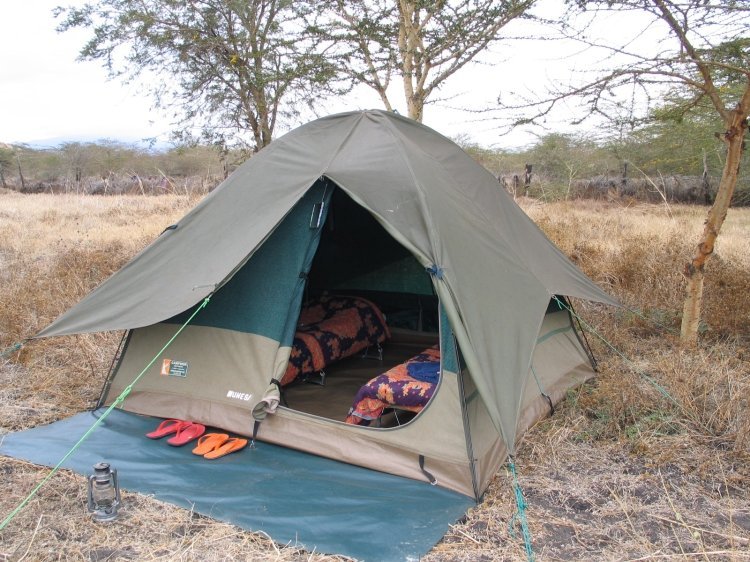
Can I Pay A Deposit To Reserve A Tanzania Group Safari?
Can I Pay a Deposit to Reserve a Tanzania Group Safari?
View package details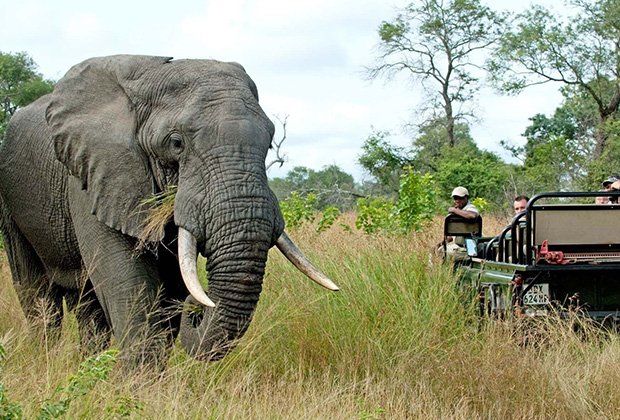
I Am On A Budget—What Is The Cheapest Serengeti Group Safari?
I Am on a Budget—What Is the Cheapest Serengeti Group Safari?
View package details
Dec 30, – 7 Day New Year Tanzania Group Joining Safari 2026
A complete guide to our 7-day group joining safari for the 2026/2027 New Year season, covering the Northern Circuit, wildlife expectations, and how to secure your spot.
View package details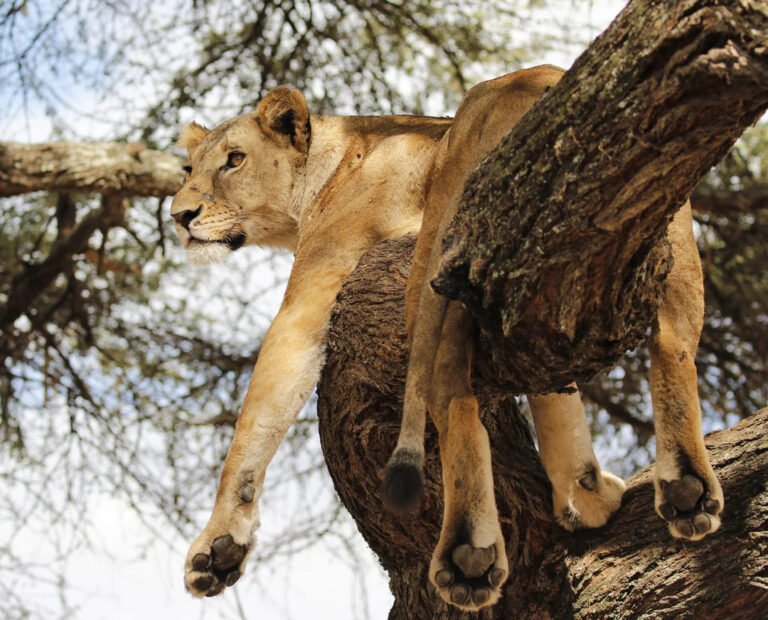
Dec 25, – 5 Day Christmas Tanzania Group Joining Safari 2026
Celebrate Christmas in the heart of the Tanzanian wilderness. Join our 5-day group safari departing December 25, 2026, and experience the iconic Northern Circuit.
View package details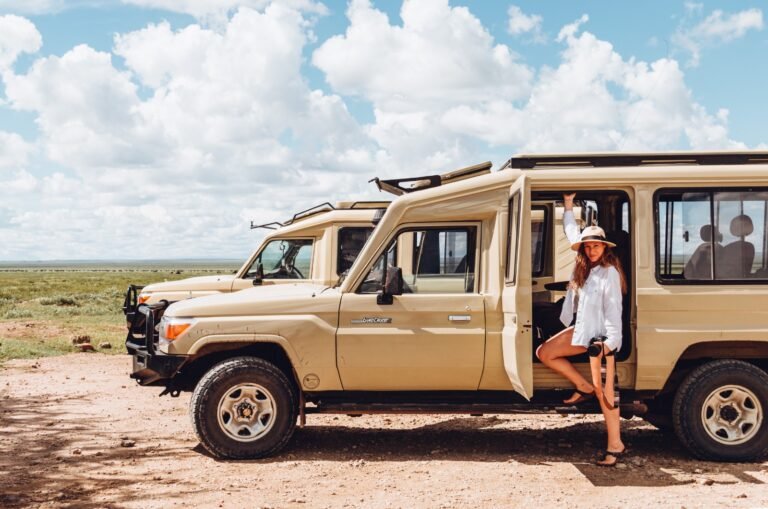
Dec 18, – 9 Day Tanzania Wildlife And Cultural Group Safari 2026
A deep look at our 9-day wildlife and cultural group safari departing December 18, 2026. This trip balances classic Northern Circuit game viewing with genuine cultural engagement.
View package detailsDec 14, – 7 Day Complete Tanzania Northern Circuit Group Safari 2026
Planning for December 2026? Join our 7-day complete Tanzania Northern Circuit group safari. A deep look at the Serengeti, Ngorongoro, and Tarangire with expert, locally-led logistics.
View package detailsDec 10, – 5 Day Northern Tanzania Group Joining Safari 2026
A detailed guide to our 5-day Northern Tanzania group joining safari scheduled for December 10, 2026. Learn about the route, group logistics, and how to book your spot.
View package detailsNov 27, – Black Friday Tanzania Group Safari Deals 2026
Discover why group joining safaris are the best way to secure value for your 2027 Tanzania adventure, plus expert advice on route planning and booking.
View package detailsNov 20, – 8 Day Complete Northern Tanzania Group Safari: Planning Your Trip
A comprehensive guide to the 8-day Northern Tanzania group safari departing November 20, 2026, covering logistics, route advantages, and planning essentials.
View package detailsNov 16, – 6 Day Tanzania Northern Circuit Group Safari 2026
Planning for November 2026? Join our 6-day group safari covering Tanzania's premier Northern Circuit parks. Expert-led, social, and cost-effective wildlife viewing.
View package detailsNo related package matches those filters. Clear one or more filters to see the other topic-matched options.