Yes, it is absolutely possible to do a day trip to Tarangire National Park from Arusha, though it requires an early start and a full day commitment. This option allows visitors to experience Tarangire’s remarkable elephant populations, diverse birdlife, and distinctive baobab scenery within a concentrated timeframe, making it a viable choice for those with limited time in Tanzania.
Understanding the Tarangire Day Trip Feasibility
For many travelers planning a Tanzanian adventure, the question of fitting in key national parks within a tight schedule is paramount. Tarangire National Park, renowned for its massive elephant herds, particularly during the dry season, and its iconic baobab trees, is a major draw. The practicality of experiencing Tarangire as a day trip from Arusha is a common query, and the answer is a resounding yes. However, this isn’t a casual excursion; it’s a full-day commitment that prioritizes maximizing your time in the park.
The journey from Arusha to Tarangire’s main gate typically takes around 2 to 3 hours, depending on road conditions and the specific starting point within Arusha. This means that to have a meaningful amount of time for game driving within the park, you’ll need to depart from Arusha very early in the morning, often before sunrise, and you won’t return until well after sunset.
This type of trip is best suited for travelers who might be:
- Arriving in Arusha the day before and departing the following day, with only one full day available.
- Looking to add a specific park experience to a Kilimanjaro climb or a Zanzibar holiday without extending their safari duration significantly.
- On a more budget-conscious trip where overnight safari accommodations are to be avoided.
While a day trip is feasible, it’s important to set expectations. You’ll experience a concentrated version of Tarangire. For a more in-depth exploration, an overnight stay is highly recommended, allowing for more leisurely game drives, exploring different areas of the park, and experiencing the magic of the African bush at dawn and dusk.
Tarangire Day Trip: The Logistics and What to Expect
Embarking on a day trip to Tarangire National Park from Arusha involves careful planning. The core elements are transportation, park entry, game driving time, and the return journey. Understanding these components is crucial for a successful and enjoyable experience in 2026 or 2027.
The Journey to Tarangire
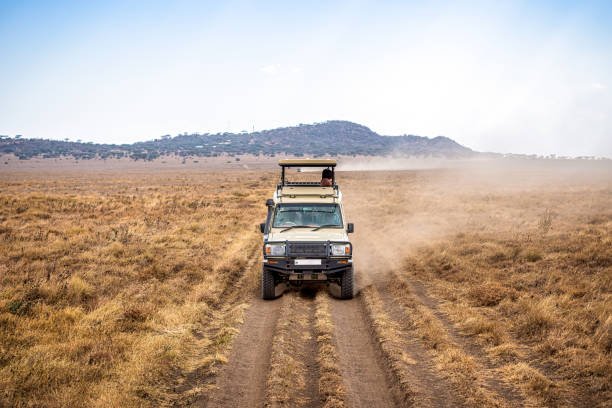
Your day will begin extremely early. Most tour operators will pick you up from your Arusha accommodation between 5:30 AM and 6:00 AM. The drive itself is part of the adventure, taking you through rural Tanzanian landscapes. You’ll pass through small villages, witness local life, and see the transition from urban to more agricultural and then wilder terrains. The road to Tarangire is generally in good condition, though some sections can be dusty or bumpy, especially closer to the park entrance.
The drive is approximately 150-180 kilometers, and with a private 4×4 safari vehicle, you can expect the journey to take between 2.5 to 3 hours one way. This travel time is a significant factor in how much actual game viewing time you’ll have on your Tarangire day trip.
Park Entry and Fees
Upon arrival at the Tarangire National Park gate, your guide will handle the park entry procedures. This involves paying the park entry fees, which are set by the Tanzania National Parks Authority (TANAPA). For international visitors, these fees are substantial and are a significant part of the safari cost. As of recent years, these fees have been around $50-$60 per person per day, plus a vehicle entry fee and potentially other conservation fees. It’s vital to confirm the exact current rates for 2026 or 2027 when booking, as they can be subject to change. These fees are typically included in the package price quoted by reputable tour operators.
Game Driving Time
Once inside the park, the game drive begins. Given the travel time, your effective game driving window will be roughly from 9:00 AM/9:30 AM until 3:00 PM/4:00 PM. This allows for about 6-7 hours of actual time within the park for exploring and wildlife viewing. During this period, your experienced guide will navigate the park’s roads, seeking out the best wildlife sightings. They are trained to spot animals that might be camouflaged and know the territories where certain species are commonly found.
The primary focus for a day trip to Tarangire is often its impressive elephant herds. You’ll also have a good chance of spotting lions, zebras, wildebeest, giraffes, various antelope species, and a rich diversity of birdlife. The park’s landscape, characterized by giant baobab trees, provides a stunning backdrop to your wildlife encounters.
The Return Journey
Your game drive will conclude in the mid-afternoon, allowing your guide sufficient time to drive back to Arusha before it gets too dark. You can expect to arrive back at your Arusha accommodation between 6:30 PM and 7:30 PM, depending on the exact time you exit the park and traffic conditions. This means it’s a very long day, starting before dawn and ending after dusk.
Comparing Day Trips vs. Overnight Stays in Tarangire
Deciding between a day trip and an overnight stay in Tarangire National Park is a critical planning decision. Each option offers a distinct safari experience, catering to different traveler needs, budgets, and time constraints for 2026-2027 itineraries.
The Case for a Tarangire Day Trip
A day trip is a pragmatic choice for those with very limited time in Tanzania. It allows you to tick Tarangire off your list without the need for additional accommodation or extending your safari itinerary. It’s often a more budget-friendly option as it eliminates the cost of an overnight lodge or tented camp, though park fees remain the same.
Pros of a Day Trip:
- Time Efficiency: Perfect for travelers with only one spare day for a safari.
- Cost Savings: Generally cheaper than an overnight stay due to no accommodation costs.
- Flexibility: Can be added easily to a pre-existing itinerary (e.g., before or after a Kilimanjaro climb).
- Focused Experience: Concentrates on the park’s most famous attractions like elephants and baobabs.
Cons of a Day Trip:
- Limited Game Drive Time: Significantly less time in the park compared to an overnight stay.
- No Sunrise/Sunset Safaris: Misses the magical light and increased animal activity during these times.
- Rushed Experience: The early start and late return can feel tiring.
- Less Exploration: You might not be able to explore as much of the park’s diverse habitats.
The Advantages of an Overnight Stay
An overnight stay offers a far richer and more in-depth Tarangire experience. It allows for a deeper connection with the park and its wildlife, providing more opportunities to explore different areas and witness the park’s changing moods throughout the day and night.
Pros of an Overnight Stay:
- Extended Game Drives: Significantly more time for exploration, often 1.5 to 2 full days of game driving.
- Sunrise and Sunset: Experience the park in the beautiful golden hours, when animals are most active.
- Diverse Habitats: Opportunity to explore different sections of the park, including the Silale swamp or the Minjingu area, which might be difficult to reach on a day trip.
- Relaxed Pace: Allows for a more leisurely safari, enjoying the lodge/camp ambiance and wildlife sounds.
- Potential for Night Game Drives: Some camps offer optional night drives, revealing nocturnal creatures.
Cons of an Overnight Stay:
- Higher Cost: Accommodation, meals, and potentially longer vehicle hire increase the overall price.
- More Time Required: Needs at least two full days (or one full day and two half-days) dedicated to the park.
- Logistical Planning: Requires booking accommodation in advance.
Which Option is Right for You?
Choose a Day Trip if: You have only one day available for a safari, are on a very strict budget, or simply want a ‘taste’ of Tarangire without committing to an overnight stay. It’s a good option for those who are more focused on ticking off major parks or who have other primary objectives like climbing Kilimanjaro in 2026.
Choose an Overnight Stay if: You have at least two days to spare, want a more profound wildlife experience, appreciate the tranquility of the bush at different times of day, and are willing to invest a bit more in your safari. For many, the added cost and time for an overnight stay significantly enhance the safari experience, making it more memorable and fulfilling.
Important Consideration for 2026-2027 Bookings:
When planning for 2026 or 2027, booking in advance, especially for overnight stays, is crucial, particularly during peak safari seasons (June to October and December to February). Day trips offer more flexibility, but early booking still ensures you secure a reliable operator and vehicle.
Tarangire’s Wildlife Highlights for a Day Trip
Even within a single day, Tarangire National Park offers incredible wildlife viewing opportunities. The park is most famous for its large elephant herds, but its diverse ecosystems support a wide array of other animals, making a day trip well worth the effort.
The Iconic Elephant Herds
Tarangire is often called the ‘land of giants’ due to its massive elephant population. During the dry season (typically July to October), the Tarangire River becomes a vital water source, attracting hundreds, and sometimes thousands, of elephants. You are almost guaranteed to see large herds, often with calves, bathing, drinking, and interacting. Their sheer numbers and proximity can be awe-inspiring. Even outside the peak dry season, you’ll encounter elephants, though perhaps in smaller family groups.
Predators and Other Mammals
Beyond elephants, Tarangire boasts a healthy population of predators. Lions are common, and the park is known for its tree-climbing lions, a behavior not frequently seen elsewhere. You might also spot leopards and cheetahs, though these are more elusive. Other notable mammals include:
- Giraffes: The distinct Masai giraffe are a common sight, often seen browsing on acacia trees.
- Zebras and Wildebeest: Large numbers of these grazers are present, especially during migration periods.
- Buffalo: Cape buffalo can be seen in herds near water sources.
- Antelopes: Various species such as impalas, grant’s gazelles, Thomson’s gazelles, dik-diks, and the greater kudu (Tarangire is one of the best places to see kudus) are present.
- Other Mammals: You might also encounter warthogs, baboons, vervet monkeys, and if you’re lucky, hippos in the river.
Birdlife Bonanza
Tarangire is a paradise for birdwatchers, with over 550 recorded species. Even on a day trip, you’ll be treated to a spectacular display of avian diversity. Look out for:
- Large Birds: Ostriches, secretary birds, kori bustards (the heaviest flying bird), and various eagles and vultures.
- Water Birds: Associated with the Tarangire River and swamps, including egrets, herons, kingfishers, and storks.
- Raptors: Numerous species of eagles, buzzards, and falcons.
- Endemic Species: While identifying all 550 might be challenging on a single day, guides can point out notable species.
The Unique Landscape
The landscape itself is a major attraction. Tarangire is famous for its vast savannah dotted with immense baobab trees. These ancient, colossal trees, often called the ‘upside-down trees,’ create a surreal and picturesque environment. The park also features rolling hills, acacia woodlands, and the seasonal Tarangire River, which carves through the park and sustains life during the dry months.
Planning Your Tarangire Day Trip from Arusha: Essential Tips
To ensure your Tarangire day trip is a success, meticulous planning is key. Here are essential tips to consider for your 2026-2027 safari.
Choosing the Right Tour Operator
The quality of your day trip hinges significantly on your tour operator. Look for:
- Reputation and Reviews: Check online reviews (e.g., TripAdvisor) and seek recommendations.
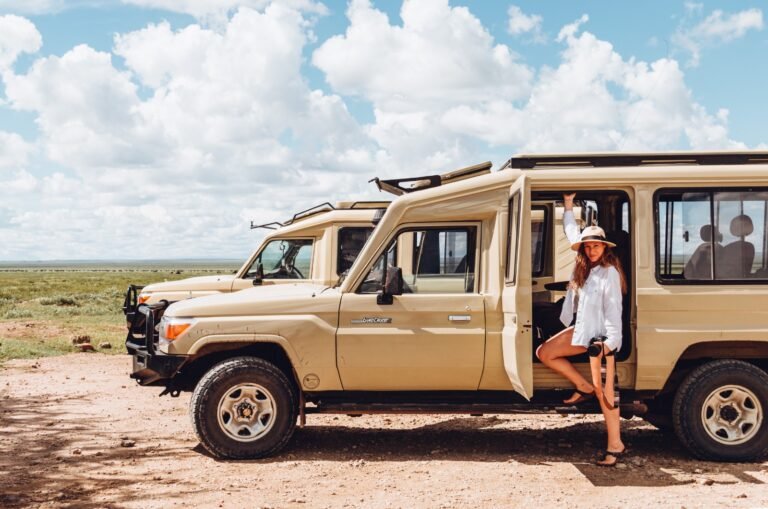
- Vehicle Quality: Ensure they use well-maintained, 4×4 safari vehicles with pop-up roofs for optimal game viewing.
- Experienced Guides: A knowledgeable guide is crucial for spotting wildlife and understanding the ecosystem.
- Inclusions: Clarify what is included in the day trip price (park fees, vehicle, guide, lunch, water, transfers).
Climb 4 Africa specializes in creating memorable safari experiences, including tailored day trips. For inquiries and bookings, you can reach them via WhatsApp +255 747 477 898 or email climb4africa@gmail.com. They can help tailor a Tarangire day trip to fit your schedule and interests for 2026-2027.
What to Pack for a Day Trip
Given the long day and potential for varied weather, packing smart is essential:
- Clothing: Lightweight, neutral-colored clothing (khaki, beige, green). Long sleeves and trousers are recommended for sun and insect protection. A light jacket or fleece is advisable for the early morning and cooler spells.
- Footwear: Comfortable closed-toe shoes or hiking boots.
- Sun Protection: Wide-brimmed hat, sunglasses, and high SPF sunscreen.
- Insect Repellent: Especially important for the afternoon.
- Camera: With extra batteries and memory cards. Binoculars are highly recommended for spotting distant wildlife.
- Water Bottle: Most operators provide bottled water, but a reusable bottle is good for the environment.
- Snacks: While lunch is usually provided, some prefer to bring extra snacks.
- Personal Items: Hand sanitizer, wet wipes, and any personal medication.
Best Time to Visit Tarangire
While a day trip is possible year-round, the experience varies:
- Dry Season (June – October): This is peak season. Wildlife, especially elephants, are concentrated around the Tarangire River. The landscape is drier. Expect more visitors.
- Green Season (November – May): The landscape is lush and green. Wildlife disperses as water is abundant. Birdwatching is excellent. Fewer tourists. However, some roads might become challenging after heavy rains, potentially affecting day trip accessibility or duration.
For a day trip focused on seeing large herds, the dry season (July-October) offers the highest probability of spectacular sightings. However, Tarangire is a beautiful park at any time of year.
What’s Typically Included
A standard Tarangire day trip package from Arusha usually includes:
- Private 4×4 safari vehicle with a pop-up roof.
- Professional English-speaking driver-guide.
- Park entrance fees for Tarangire National Park.
- Picnic lunch and bottled water.
- Vehicle and driver-guide fees.
- Hotel pick-up and drop-off in Arusha.
What’s usually NOT included:
- Tips for the driver-guide.
- Personal travel insurance.
- Alcoholic beverages and other soft drinks (beyond water).
- Souvenirs and personal expenses.
Maximizing Your Day in Tarangire
To make the most of your limited time on a Tarangire day trip, focus on efficiency and embracing the experience.
Early Start is Non-Negotiable
As mentioned, the early start is critical. Leaving Arusha between 5:30 AM and 6:00 AM maximizes your time in the park. This also allows you to potentially catch some early morning wildlife activity as you enter the park.
Communicate with Your Guide
Your guide is your most valuable asset. Don’t hesitate to communicate your interests. If you’re particularly keen on seeing a specific animal or want to focus on photography, let them know. They can adjust the route and pace accordingly. They are also trained to spot animals you might miss, so trust their expertise.
Focus on Key Areas
For a day trip, concentrating on the areas around the Tarangire River and the Silale Swamp is often most productive, as these are prime wildlife hotspots, especially for elephants and predators. Your guide will know the best routes to take within the available time.
Enjoy the Landscape
While wildlife is the main draw, take time to appreciate the unique landscape. The towering baobab trees are a spectacle in themselves. The contrast between the dry savannah and the lush riverbanks provides stunning photographic opportunities. Pause to soak in the views and the atmosphere.
Be Prepared for the Elements
The weather in Tarangire can be hot and dusty, especially during the dry season. Ensure you have adequate sun protection and stay hydrated. Evenings can be cooler, so a light jacket is a good idea.
Potential Challenges and How to Mitigate Them
While a Tarangire day trip is feasible, it’s good to be aware of potential challenges and how to manage them.
Long Travel Times
The 2-3 hour drive each way means a significant portion of your day is spent in the vehicle. This can be tiring, especially if you are not used to long drives. Mitigation: Ensure comfortable seating in your safari vehicle and bring entertainment for the drive if needed (though the scenery is usually engaging enough).
Limited Time in the Park
With only 6-7 hours of actual game driving, you might feel rushed. You won’t be able to explore every corner of the park. Mitigation: Accept that it’s a concentrated experience. Focus on quality over quantity, and enjoy the sightings you do get. Communicate your priorities to your guide.
Road Conditions
While generally good, some park roads can become muddy and challenging during the rainy season. This could lead to delays or necessitate route changes. Mitigation: Choose a reputable operator experienced in navigating local conditions. The dry season (June-October) generally offers better road access for day trips.
Crowds During Peak Season
During July to October, Tarangire can get busy, especially around popular water sources. Mitigation: Your guide will know how to navigate away from the busiest spots if possible. An early start also helps beat some of the crowds.
Missed Opportunities
A day trip means you miss out on dawn and dusk game drives, which are often the most rewarding times for wildlife viewing. You also miss the experience of staying overnight in the bush. Mitigation: If these are high priorities, an overnight stay is essential. For a day trip, focus on the incredible midday sightings you *will* have.
Booking Your Tarangire Day Trip in 2026-2027
When you’re ready to book your Tarangire day trip, whether for 2026 or 2027, a smooth process with a trusted operator is key. Here’s how to approach it.
Step 1: Choose Your Operator
Select a tour operator with a proven track record in Tanzania. Companies like Climb 4 Africa are well-versed in organizing day trips and longer safaris. They understand the logistics, park regulations, and what makes a safari memorable. Their local expertise is invaluable for planning trips in 2026 and 2027.
Step 2: Confirm Details and Inclusions
Once you have an operator in mind, confirm all the details of the day trip:
- Exact pick-up time and location in Arusha.
- Vehicle type and capacity.
- Inclusions: Park fees (confirm current rates for 2026-2027), lunch, water, guide.
- Exclusions: Tips, personal expenses, other beverages.
- Total duration of the trip.
Step 3: Discuss Your Interests
Let your operator know if you have specific interests, such as photography, birdwatching, or a particular animal you’re hoping to see. This allows them to brief the guide accordingly.
Step 4: Secure Your Booking
Most operators will require a deposit to secure your booking, with the balance due closer to the date of the trip. Ensure you understand their payment terms and cancellation policy. For 2026-2027 bookings, securing your spot early is always advisable, especially if traveling during peak season.
Contact Climb 4 Africa
For a reliable and well-organized Tarangire day trip from Arusha, consider reaching out to Climb 4 Africa. They offer practical local support and can help craft an itinerary that fits your needs for 2026 or 2027. You can connect with them via:
- WhatsApp: +255 747 477 898
- Email: climb4africa@gmail.com
When you contact them, mention your interest in a Tarangire day trip, your preferred travel dates for 2026 or 2027, and any specific requirements you might have. They can provide a personalized quote and itinerary.
Tarangire Day Trip vs. Other Arusha Day Trips
Arusha serves as a gateway to many day trip destinations. Comparing a Tarangire day trip with other popular options can help you make the best choice for your limited time.
Tarangire vs. Lake Manyara Day Trip
Lake Manyara National Park is closer to Arusha (about 1.5-2 hours drive) and is famous for its tree-climbing lions, large troops of baboons, and diverse birdlife, particularly around the shallow lake. It’s smaller than Tarangire.
- Tarangire: Better for large elephant herds, baobab scenery, and a more expansive feel. Longer drive.
- Lake Manyara: Closer to Arusha, excellent for birding, tree-climbing lions, and baboons. More compact experience.
If you have time for only one day trip and are drawn to elephants and iconic landscapes, Tarangire is often the preferred choice despite the longer drive. If proximity and a different set of wildlife highlights (like the famous baboon troop) are more appealing, Manyara is a great option.
Tarangire vs. Ngorongoro Crater Day Trip
The Ngorongoro Crater is a UNESCO World Heritage Site and offers arguably the most concentrated wildlife viewing in Tanzania. However, it is the furthest from Arusha (about 3-4 hours drive one way), making a day trip extremely long and often not recommended.
- Tarangire: More manageable drive time for a day trip, excellent elephant sightings, unique baobab landscape.
- Ngorongoro Crater: Incredible density of wildlife, including the ‘Big Five’ in a single day. Very long drive for a day trip, often requiring an overnight stay nearby.
A day trip to the Ngorongoro Crater is technically possible but involves 6-8 hours of driving round trip, leaving very little time for game viewing within the crater itself. Most reputable operators strongly advise against it, recommending at least an overnight stay. For a day trip from Arusha, Tarangire offers a much more balanced and enjoyable experience.
Tarangire vs. Arusha National Park Day Trip
Arusha National Park is the closest national park to Arusha (about 45 minutes to 1 hour drive). It offers a diverse landscape including Mount Meru, Momella Lakes, and Ngurdoto Crater. It’s known for colobus monkeys, buffalos, giraffes, and excellent birdwatching. It also offers walking safaris.
- Tarangire: Famous for elephants, baobabs, and vast savannahs.
- Arusha National Park: Close to Arusha, offers walking safaris, colobus monkeys, Momella Lakes, and Mount Meru views.
If you want a short, convenient day trip with varied activities like walking and canoeing (optional), Arusha National Park is ideal. If your priority is seeing large elephant herds and the iconic Tarangire landscape, and you don’t mind the longer drive, Tarangire is the better choice.
Conclusion: Is a Tarangire Day Trip the Right Choice for You?
To reiterate, a Tarangire National Park day trip from Arusha is indeed feasible and offers a concentrated safari experience. It allows visitors to witness the park’s magnificent elephant herds, unique baobab-dotted landscapes, and diverse wildlife within a single, albeit long, day. This option is particularly well-suited for travelers with very limited time in Tanzania, those on a tighter budget who wish to avoid overnight accommodation costs, or as an add-on to other major activities like a Kilimanjaro climb in 2026.
However, it’s crucial to understand the trade-offs. A day trip involves significant travel time, resulting in a shorter period for actual game drives compared to an overnight stay. You will miss out on the magical early morning and late evening wildlife activity, as well as the tranquil atmosphere of the bush after dark. For travelers seeking a more in-depth and comprehensive safari experience, an overnight stay in Tarangire is highly recommended, allowing for a more relaxed pace and deeper exploration of the park’s wonders.
For those who decide a day trip is the best fit for their 2026 or 2027 travel plans, meticulous planning is essential. Choosing a reputable tour operator, packing appropriately, and communicating clearly with your guide will significantly enhance your experience. The early start, the thrill of wildlife encounters, and the unique scenery make a Tarangire day trip a rewarding adventure.
If you’re considering a Tarangire day trip from Arusha or any other Tanzanian safari adventure for 2026-2027, Climb 4 Africa is an excellent partner. They offer expert guidance and tailor-made experiences. To discuss your options and get a personalized quote, please reach out:
- WhatsApp: +255 747 477 898
- Email: climb4africa@gmail.com
They can help you determine if a day trip to Tarangire meets your needs or if an extended safari would be a better fit for your Tanzanian adventure.
Check Availability for Can You Do A Tarangire National Park Day Trip From Arusha? Your Complete…
Ready to compare dates, prices, and the best option for your group? Send the package name and travel month so the team can reply with a clear quote, availability, and what is included.
Oct 25, – 1 Day Tarangire Group Joining Safari From Arusha 2026
Planning a trip for October 25, 2026? Join our group safari to Tarangire National Park for a day of wildlife viewing, departing from Arusha.
View package details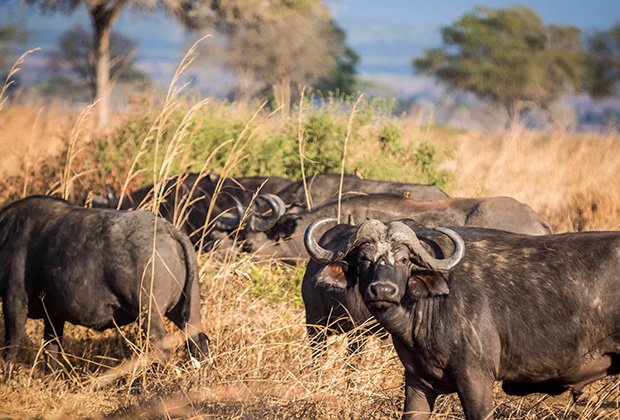
Nov 10, – 4 Day Serengeti, Ngorongoro And Tarangire Group Safari 2026
Join our group safari on November 10, 2026, for an intensive 4-day tour of Tanzania's Northern Circuit. Perfect for those with limited time who want to experience the best of the Serengeti...
View package detailsAFCON 2027 Tarangire Safari Packages
Mpango wa safari ya Tarangire katika AFCON 2027 unaangazia mbuga ya Tarangire, nyakati za mwitu, mipango ya kulala na usafiri wa ndani, na jinsi ya kupanga kwa ufanisi pamoja na Climb 4...
View package details
Dec 12, – 6 Day Serengeti, Ngorongoro, Tarangire And Manyara Group Safari 2026
Dec 12, 2026 – 6 Day Serengeti, Ngorongoro, Tarangire and Manyara Group Safari.
View package detailsDec 8, – 4 Day Tarangire, Serengeti And Ngorongoro Group Safari 2026
A detailed guide to our December 8, 2026 group joining safari, covering the itinerary, logistics, and what to expect during this 4-day wildlife adventure in Tanzania.
View package detailsDec 6, – 3 Day Tarangire, Lake Manyara And Ngorongoro Group Safari 2026
Dec 6, 2026 – 3 Day Tarangire, Lake Manyara and Ngorongoro Group Safari.
View package detailsDec 2, – 2 Day Tarangire And Ngorongoro Group Joining Safari 2026
Planning a trip for December 2, 2026? Join our 2-day shared safari to Tarangire and Ngorongoro. Perfect for travelers seeking an efficient, cost-effective wildlife experience.
View package detailsOct 31, – 6 Day Serengeti, Ngorongoro, Tarangire And Manyara Group Safari 2026
A detailed look at the 6-day Northern Circuit group safari departing October 31, 2026, covering Tarangire, Manyara, Serengeti, and Ngorongoro Crater.
View package detailsOct 29, – 4 Day Tarangire, Serengeti And Ngorongoro Group Safari 2026
Plan your October 2026 Tanzania adventure. This 4-day group safari covers Tarangire, Serengeti, and Ngorongoro Crater with reliable local support.
View package detailsOct 28, – 3 Day Tarangire, Lake Manyara And Ngorongoro Group Safari 2026
A detailed guide to our 3-day group joining safari departing October 28, 2026. Explore the logistics, wildlife highlights, and why this specific route is ideal for travelers looking to...
View package detailsOct 26, – 2 Day Tarangire And Ngorongoro Group Joining Safari 2026
Oct 26, 2026 – 2 Day Tarangire and Ngorongoro Group Joining Safari.
View package detailsWhich Tanzania Group Safari Includes All Northern Circuit Parks? A Planning
Planning a Northern Circuit safari often leads to the question of 'how many parks can I fit in?' We explore the reality of group joining itineraries that aim to cover Tarangire, Lake...
View package detailsNo related package matches those filters. Clear one or more filters to see the other topic-matched options.