Yes, if your main objective is to see large elephant herds, Tarangire National Park is an outstanding choice and often considered the best in Tanzania for this specific wildlife viewing experience. The park is famous for its massive elephant populations, particularly during the dry season (roughly June to October), when they congregate around the Tarangire River and its surrounding swamps. While other parks like the Serengeti also have elephants, Tarangire’s density and accessibility for viewing large groups make it a standout destination for elephant enthusiasts planning a 2026 or 2027 safari.
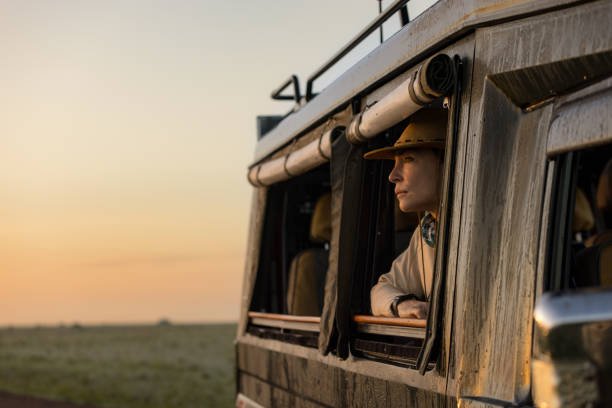
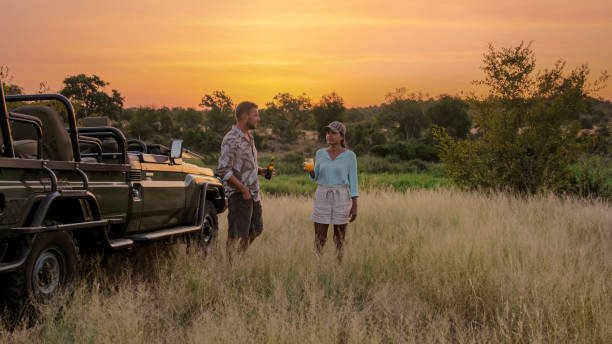
Understanding Tarangire’s Elephant Magnetism
Tarangire National Park, situated in the Manyara Region of Tanzania, owes its reputation for abundant elephants to a unique combination of factors. Unlike many other parks that rely solely on permanent water sources within their boundaries, Tarangire’s elephant population is influenced by a more complex migratory pattern, especially when water becomes scarce elsewhere. This makes the park a crucial haven and a magnet for these magnificent creatures, offering unparalleled opportunities for wildlife photographers and general safari-goers alike.
The Tarangire River, the park’s lifeline, flows year-round and is a primary draw for wildlife. However, it’s the concentration of elephants here during the dry season that truly sets Tarangire apart. As waterholes and vegetation dry up in the surrounding areas, elephants, along with other wildlife, migrate towards the Tarangire River, creating spectacular viewing opportunities. For those planning a safari for 2026 or 2027, understanding this seasonal dynamic is key to maximizing your chances of seeing large herds.
It’s not just about the numbers; it’s about the experience. The landscape of Tarangire, characterized by its iconic baobab trees, acacia woodlands, and vast open grasslands, provides a stunning backdrop for observing elephant behavior. You can witness family units, large bull elephants, and playful calves interacting within herds that can sometimes number in the hundreds. This visual spectacle is precisely what draws so many travelers to Tarangire, making it a cornerstone of many Northern Circuit safari itineraries.
Tarangire vs. Other Parks: The Elephant Factor
When planning a Tanzania safari, particularly with a focus on elephants, comparisons with other renowned parks are inevitable. The Serengeti National Park, famous for the Great Migration, undoubtedly hosts a substantial elephant population. However, the Serengeti’s vastness means elephants can be more dispersed, and viewing large, concentrated herds might be more a matter of luck and precise timing within the migratory cycle. While you will certainly see elephants in the Serengeti, the sheer density and predictable congregation of herds in Tarangire, especially during the dry season, give it an edge for dedicated elephant viewing.
Lake Manyara National Park, located near Tarangire, also has elephants, but its smaller size and different ecosystem mean you’re less likely to encounter the massive herds that Tarangire is known for. Manyara is excellent for tree-climbing lions, flamingos, and a variety of birdlife, offering a different, though equally rewarding, safari experience.
The Selous Game Reserve (now Nyerere National Park) in southern Tanzania is another vast wilderness with a healthy elephant population. However, its primary tourism activities often revolve around boat safaris and walking safaris, and while elephant sightings are common, the iconic, large-herd viewing experience that Tarangire offers is often more pronounced there. For travelers prioritizing seeing large elephant gatherings, Tarangire consistently delivers.
For your 2026 or 2027 safari planning, if elephants are your absolute priority, structuring your itinerary to include a significant amount of time in Tarangire is highly recommended. It’s a park that specializes in delivering on the promise of abundant and visible elephant life.
When to Visit Tarangire for Maximum Elephant Sightings
The timing of your visit to Tarangire National Park is crucial for witnessing large elephant herds. The park’s elephant population experiences seasonal movements, largely dictated by water availability. The prime time for seeing large congregations of elephants is during the dry season, which typically runs from June through October.
During these months, the Tarangire River becomes a vital water source, and the surrounding swamps remain moist even as other vegetation dries out. Elephants, being highly dependent on water, migrate into the park in large numbers to access these resources. This is when you can expect to see herds that can range from dozens to hundreds of individuals. Game drives during this period often involve encountering elephants crossing the river, drinking, or grazing near the water’s edge.
Peak dry season, generally from July to September, offers the most concentrated viewing. By October, the first rains might start, and wildlife may begin to disperse again.
The green season (November to May) presents a different safari experience. The landscape is lush and vibrant, birdlife is abundant, and newborn animals are often seen. However, the dispersed water sources mean elephants are more spread out across the park and surrounding areas, making it less likely to see the massive herds Tarangire is famous for. While you will still see elephants, the sheer numbers concentrated in one place are less common during these months.
Planning for 2026-2027:
- For large elephant herds: Aim for the dry season, particularly July, August, and September 2026 or 2027.
- For a combination of wildlife and fewer crowds (though still good elephant viewing): Consider the shoulder months of June or October 2026/2027.
- For lush landscapes and birding (with good but less concentrated elephant viewing): Plan for the green season (November to May), keeping in mind that elephant herd sizes might be smaller.
The decision on when to visit should align with your primary wildlife interests. If elephants are paramount, the dry season in Tarangire is your best bet.
What to Expect on a Tarangire Elephant Safari
A safari in Tarangire National Park focused on elephants promises an unforgettable experience. The park’s ecosystem is a significant draw, not just for elephants but for a diverse array of wildlife and stunning landscapes.
Elephant Encounters: Prepare for frequent and close-up sightings of elephants. Herds often number in the dozens, and during peak dry season, you might witness gatherings of over 100 individuals. You’ll see them drinking from the river, bathing, interacting with each other, and moving through the iconic baobab-dotted plains. The sheer scale and number of elephants can be awe-inspiring.
Landscape and Scenery: Tarangire is visually distinct. Its landscape is dominated by massive baobab trees, which are often hundreds of years old and provide a dramatic contrast to the open savanna and acacia woodlands. The Tarangire River valley, with its swamps and riverine forests, is a particularly rich habitat.
Other Wildlife: While elephants are the stars, Tarangire hosts a rich variety of other animals. You can expect to see lions (often found in prides and sometimes in trees), leopards, cheetahs, giraffes, zebras, wildebeest, buffalo, various antelope species (like dik-dik, impala, greater kudu, and fringe-eared oryx), and a stunning array of birdlife. The park is a designated Important Bird Area, with over 550 bird species recorded.
Safari Activities: The primary way to explore Tarangire is via game drives in open-top 4×4 safari vehicles. These drives are typically conducted in the early morning and late afternoon when wildlife is most active. Depending on your chosen lodge or camp, you might also have the opportunity for night game drives (often outside the park boundaries but arranged by lodges) or walking safaris with armed rangers, offering a different perspective on the bush and its inhabitants.
Logistics and Duration: Tarangire is part of the popular Northern Circuit and is often included in itineraries alongside the Serengeti, Ngorongoro Crater, and Lake Manyara. A typical stay ranges from 1 to 3 days. For dedicated elephant viewing, spending at least 2 full days in the park is recommended, allowing you to explore different areas and potentially witness varied elephant behaviors.
Planning for 2026-2027: Ensure your itinerary includes sufficient time in Tarangire, especially if large elephant herds are your priority. Factor in travel time from Arusha or other parks. Accommodation options range from budget-friendly tented camps to luxurious lodges, catering to various preferences and budgets.
Planning Your Tarangire Safari: Essential Considerations
To ensure your Tarangire elephant safari in 2026 or 2027 is a success, careful planning is essential. Here are key aspects to consider:
Best Time for Elephant Herds
As detailed earlier, the dry season (June to October) is paramount for seeing large elephant congregations. Aim for July to September for the highest probability. If you’re booking for 2026 or 2027, start your planning early, especially for these peak months, as accommodation and safari vehicles can book up.
Itinerary Integration
Tarangire is typically visited as part of a Northern Circuit safari. Common combinations include:
- Tarangire & Lake Manyara: A shorter trip focusing on these two distinct ecosystems.
- Tarangire, Lake Manyara & Ngorongoro Crater: A classic route.
- Tarangire, Lake Manyara, Ngorongoro Crater & Serengeti: The most comprehensive Northern Circuit itinerary.
Consider the duration. A minimum of 2 full days in Tarangire is recommended for dedicated elephant viewing. For a broader Northern Circuit experience including Tarangire, allow at least 5-7 days.
Safari Costs & Budgeting (2026-2027)
Safari costs in Tanzania can vary significantly based on accommodation level, vehicle type (private vs. shared), duration, and season. For a 2026 or 2027 safari focusing on Tarangire:
- Budget Safaris: Typically involve camping and shared vehicles. Expect costs to range from $200 – $300 per person per day.
- Mid-Range Safaris: Feature comfortable lodges or tented camps and private vehicles. Costs can be between $350 – $550 per person per day.
- Luxury Safaris: Offer high-end lodges, exclusive camps, and premium services. Expect costs from $600+ per person per day.
These figures are estimates and usually include park fees, vehicle and guide costs, accommodation, and meals. International flights, tips, visas, and personal expenses are typically extra. It’s always best to request a customized quote for accurate pricing for your specific 2026 or 2027 travel dates.
Accommodation Choices
Tarangire offers a range of accommodation:
- Inside the Park: Lodges and tented camps offer proximity to wildlife and early morning/late evening game drive opportunities.
- Outside the Park: More budget-friendly options are available, but require more travel time to enter the park each day.
Consider staying inside the park for the best wildlife viewing experience, especially for elephants.
What to Pack
Pack light, neutral-colored clothing. Essentials include:
- Lightweight long-sleeved shirts and trousers (for sun and insect protection).
- A warm fleece or jacket for cool mornings and evenings.
- Comfortable walking shoes.
- Sunscreen, hat, and sunglasses.
- Insect repellent.
- Binoculars.
- Camera with extra batteries and memory cards.
- Personal medications.
Park Fees and Regulations
Park entry fees are a significant part of safari costs. These are set by the Tanzanian government and are subject to change. For 2026-2027, expect daily park fees per person, plus vehicle fees. Your tour operator will include these in your package. Familiarize yourself with park rules, such as staying in your vehicle unless in designated areas and not littering.
Choosing the Right Safari Operator for Tarangire
Selecting the right safari operator is paramount to a successful and enjoyable Tarangire elephant safari. As a local Tanzanian company with deep expertise in the region, Climb 4 Africa understands the nuances of wildlife viewing, park logistics, and traveler needs.
Why Local Expertise Matters for Tarangire Elephant Safaris:
- In-depth Knowledge: Local operators know the best times to visit specific parks like Tarangire for elephant sightings. They understand the seasonal movements of wildlife and can advise on the optimal itinerary for 2026 or 2027 to maximize your chances of seeing large herds.
- Established Relationships: Local companies often have long-standing relationships with park authorities, lodges, and guides, ensuring smoother operations and access to prime locations.
- Customization: A local operator can tailor your safari to your specific interests, whether it’s focusing solely on elephants, combining Tarangire with other parks, or adjusting the pace and accommodation to fit your budget and comfort level.
- Value for Money: While not always the cheapest, local operators often provide better value by cutting out intermediaries and offering authentic experiences. They understand what constitutes a quality safari experience beyond just the price tag.
- Support: Having local support on the ground means any issues can be resolved quickly and efficiently, providing peace of mind throughout your trip.
When contacting Climb 4 Africa for your 2026-2027 Tarangire safari, be sure to mention:
- Your primary interest in seeing large elephant herds.
- Your preferred travel dates and duration.
- Your desired accommodation style (budget, mid-range, luxury).
- The number of people in your group.
- Any other parks or activities you wish to include (e.g., Serengeti, Ngorongoro Crater, Zanzibar).
This information will help us craft a personalized itinerary that perfectly matches your expectations for an unforgettable elephant safari in Tarangire.
Beyond Elephants: The Broader Appeal of Tarangire
While the allure of large elephant herds is a primary reason to choose Tarangire, the park offers a rich mix of wildlife and scenic beauty that appeals to all safari enthusiasts. Even if elephants are your main focus, the other inhabitants and the unique environment of Tarangire will undoubtedly enhance your overall experience.
Birdwatching Paradise: Tarangire is renowned among birdwatchers. With over 550 bird species documented, it’s a haven for ornithologists. During the green season (November to May), migratory birds from Europe and other parts of Africa are present, making it an even more vibrant spectacle. Keep an eye out for the striking yellow-necked spurfowl, rufous-tailed weaver, and various raptors. The park’s diverse habitats, from riverine forests to open grasslands, support a wide range of avian life.
Predator Sightings: Tarangire boasts a healthy population of predators. Lions are commonly seen, often lounging in the shade of acacia trees or even climbing them, a behavior not as prevalent in other parks. Leopards can be more elusive but are present, especially in areas with denser vegetation. Cheetahs are also found on the open plains. The park’s size and varied terrain provide excellent hunting grounds.
Unique Flora: The landscape is dominated by ancient baobab trees, which are a defining feature of Tarangire. These magnificent trees, some estimated to be over a thousand years old, are not only visually striking but also play a crucial role in the ecosystem, providing food and water for various animals. Their presence gives Tarangire a distinct, almost prehistoric feel.
Other Mammals: Beyond elephants, expect to see large herds of zebras and wildebeest, especially during the dry season when they are drawn to the river. Giraffes, buffaloes, warthogs, hyenas, wild dogs (though less common), and numerous antelope species, including greater kudu and fringe-eared oryx, are also resident.
Cultural Interactions: While not a primary focus within the park itself, the areas surrounding Tarangire are home to the Maasai and other pastoralist communities. Some safari packages may offer opportunities for cultural visits to nearby villages, providing insights into local traditions and lifestyles. This can add another dimension to your 2026 or 2027 safari experience.
By choosing Tarangire, you are selecting a park that excels in delivering iconic wildlife encounters, particularly with elephants, while also offering a rich and diverse safari experience that satisfies a wide range of interests.
Practicalities for Your 2026-2027 Tarangire Safari
To ensure a smooth and enjoyable safari experience in Tarangire for your 2026 or 2027 trip, consider these practical details:
Getting to Tarangire
Tarangire National Park is conveniently located about a 2-3 hour drive from Arusha, the main gateway city for Northern Circuit safaris. Most safaris begin and end in Arusha. You can fly into Kilimanjaro International Airport (JRO), which serves Arusha and Moshi. From Arusha, your safari operator will arrange private road transfers in a comfortable 4×4 safari vehicle.
Safari Vehicle and Guide
The quality of your safari vehicle and guide significantly impacts your experience. For optimal wildlife viewing, especially for spotting elephants and other animals in Tarangire, a pop-up roof 4×4 safari vehicle is essential. Experienced guides are knowledgeable about animal behavior, park geography, and the best locations for sightings. They are trained to track animals and provide insightful commentary. When booking for 2026 or 2027, inquire about the type of vehicle and the experience level of the guides.
Health and Safety
Consult your doctor well in advance of your 2026 or 2027 safari regarding recommended vaccinations and malaria prophylaxis. Tanzania is a malaria-endemic area, and preventative measures are advised. Carry a basic first-aid kit and any personal medications. Always follow your guide’s instructions regarding safety within the park.
Connectivity and Power
Mobile phone reception can be spotty in the park, though some lodges and camps offer Wi-Fi. Power is usually available in lodges and camps for charging cameras and devices, often via generators or solar power. Bring a universal travel adapter and consider a portable power bank for extended game drives.
Tipping Guidelines
Tipping is customary for guides and camp staff. While not mandatory, it’s a way to show appreciation for good service. Your tour operator can provide current recommended tipping guidelines for your 2026 or 2027 safari. Typically, tips are given at the end of the safari to your driver-guide and to the lodge/camp staff.
Comparing Tarangire with Other Elephant Hotspots
To solidify the decision of whether Tarangire is the right choice for seeing large elephant herds, let’s briefly compare it with other notable elephant destinations within Africa. While Tarangire excels in a particular type of elephant viewing, understanding other options can help refine your safari goals for 2026 or 2027.
Botswana (Chobe National Park): Chobe is arguably Africa’s premier destination for sheer elephant numbers, particularly along the Chobe Riverfront. During the dry season, vast herds, sometimes numbering in the hundreds or even thousands, gather to drink and graze. The viewing experience here is often from boats on the river, offering a unique perspective. If your absolute sole focus is the highest density of elephants possible, Chobe is a strong contender. However, Tarangire offers a more diverse landscape and is part of a more varied safari circuit.
Zimbabwe (Hwange National Park): Hwange is another park known for its large elephant populations, especially during dry spells when they congregate at man-made waterholes. It offers a wilder, less crowded experience than some other prime elephant destinations. The elephant herds here can also be very substantial.
Kenya (Amboseli National Park): Amboseli offers iconic views of elephants with Mount Kilimanjaro as a backdrop. The elephants here are often seen in smaller family groups but are very habituated to vehicles, allowing for close observation. While you can see many elephants, the massive, dense herds characteristic of Tarangire or Chobe are less common.
South Africa (Kruger National Park & Private Reserves): Kruger and its adjacent private reserves (like Sabi Sands) have abundant elephant populations. Sabi Sands, in particular, is famous for its predator sightings and excellent elephant viewing. However, the landscape is different, and the experience can be more curated, especially in private reserves, which come with higher costs.
Tarangire’s Unique Position: Tarangire offers a compelling blend. It provides the dramatic spectacle of large elephant herds, comparable to Chobe in terms of density during the dry season, but within the context of Tanzania’s classic Northern Circuit. The iconic baobab trees and the specific dynamics of the Tarangire River ecosystem create a unique visual and ecological setting. For many travelers, the ability to combine this exceptional elephant viewing with other highlights like the Ngorongoro Crater and Serengeti makes Tarangire the most practical and rewarding choice for a comprehensive East African safari in 2026 or 2027.
Making Your Booking Decision for 2026-2027
Deciding to focus on Tarangire National Park for its large elephant herds is a sound choice for many safari-goers. The park consistently delivers incredible sightings, particularly during the dry season months of July through October. When planning your 2026 or 2027 adventure, remember that early booking is highly recommended, especially for peak season travel.
The key is to work with a reputable tour operator who understands your priorities. Climb 4 Africa specializes in crafting tailor-made Tanzania safari experiences. We can help you:
- Determine the best time to visit Tarangire for elephant viewing in 2026 or 2027.
- Design an itinerary that maximizes your time in Tarangire, whether as a standalone destination or as part of a larger Northern Circuit tour.
- Select accommodations that suit your budget and desired comfort level.
- Provide transparent pricing and outline exactly what is included in your safari package.
- Offer expert advice on all aspects of your trip, from packing to health recommendations.
To start planning your dream safari focused on seeing large elephant herds in Tarangire National Park, please reach out to us. We are ready to assist you with creating an unforgettable journey for 2026 or 2027.
Contact Climb 4 Africa today:
- WhatsApp: +255 747 477 898
- Email: climb4africa@gmail.com
Let us help you craft the perfect Tarangire experience to witness the majesty of its elephant populations.
Check Availability for See Large Elephant Herds: Should You Choose Tarangire National Park?…
Ready to compare dates, prices, and the best option for your group? Send the package name and travel month so the team can reply with a clear quote, availability, and what is included.
AFCON 2027 Tarangire Safari Packages
Mpango wa safari ya Tarangire katika AFCON 2027 unaangazia mbuga ya Tarangire, nyakati za mwitu, mipango ya kulala na usafiri wa ndani, na jinsi ya kupanga kwa ufanisi pamoja na Climb 4...
View package details
Dec 12, – 6 Day Serengeti, Ngorongoro, Tarangire And Manyara Group Safari 2026
Dec 12, 2026 – 6 Day Serengeti, Ngorongoro, Tarangire and Manyara Group Safari.
View package details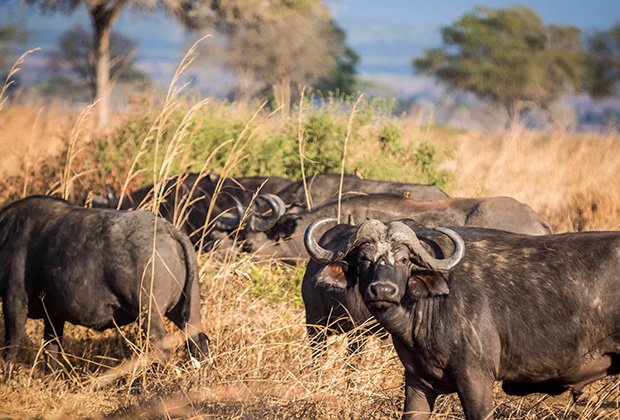
Dec 8, – 4 Day Tarangire, Serengeti And Ngorongoro Group Safari 2026
A detailed guide to our December 8, 2026 group joining safari, covering the itinerary, logistics, and what to expect during this 4-day wildlife adventure in Tanzania.
View package detailsDec 6, – 3 Day Tarangire, Lake Manyara And Ngorongoro Group Safari 2026
Dec 6, 2026 – 3 Day Tarangire, Lake Manyara and Ngorongoro Group Safari.
View package detailsDec 2, – 2 Day Tarangire And Ngorongoro Group Joining Safari 2026
Planning a trip for December 2, 2026? Join our 2-day shared safari to Tarangire and Ngorongoro. Perfect for travelers seeking an efficient, cost-effective wildlife experience.
View package detailsOct 25, – 1 Day Tarangire Group Joining Safari From Arusha 2026
Planning a trip for October 25, 2026? Join our group safari to Tarangire National Park for a day of wildlife viewing, departing from Arusha.
View package detailsNov 10, – 4 Day Serengeti, Ngorongoro And Tarangire Group Safari 2026
Join our group safari on November 10, 2026, for an intensive 4-day tour of Tanzania's Northern Circuit. Perfect for those with limited time who want to experience the best of the Serengeti...
View package detailsOct 31, – 6 Day Serengeti, Ngorongoro, Tarangire And Manyara Group Safari 2026
A detailed look at the 6-day Northern Circuit group safari departing October 31, 2026, covering Tarangire, Manyara, Serengeti, and Ngorongoro Crater.
View package detailsOct 29, – 4 Day Tarangire, Serengeti And Ngorongoro Group Safari 2026
Plan your October 2026 Tanzania adventure. This 4-day group safari covers Tarangire, Serengeti, and Ngorongoro Crater with reliable local support.
View package detailsOct 28, – 3 Day Tarangire, Lake Manyara And Ngorongoro Group Safari 2026
A detailed guide to our 3-day group joining safari departing October 28, 2026. Explore the logistics, wildlife highlights, and why this specific route is ideal for travelers looking to...
View package detailsOct 26, – 2 Day Tarangire And Ngorongoro Group Joining Safari 2026
Oct 26, 2026 – 2 Day Tarangire and Ngorongoro Group Joining Safari.
View package details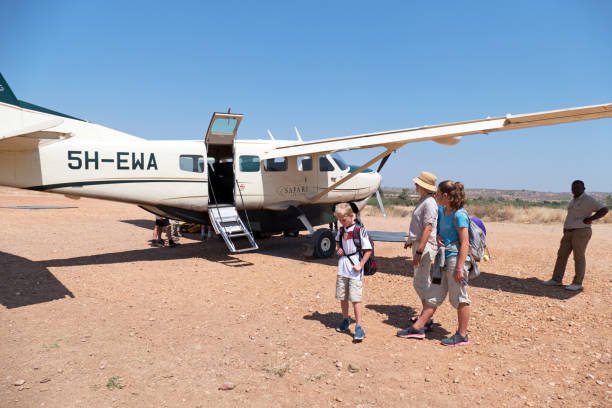
2-Day Tarangire & Ngorongoro Safari From Zanzibar: Flight Package Cost 2026
A detailed guide on the logistics, cost factors, and itinerary realities for a 2-day fly-in safari from Zanzibar to Tarangire National Park and the Ngorongoro Crater.
View package detailsNo related package matches those filters. Clear one or more filters to see the other topic-matched options.