
Yes, it is absolutely possible to fly into a specific wildlife migration area in Tanzania and then drive back through the Serengeti. This approach allows you to maximize your time viewing the migration in its most active locations, often in the northern Serengeti or the western corridor, and then experience the classic Serengeti landscapes and resident wildlife on your return journey. It requires careful logistical planning, especially regarding flight connections and vehicle arrangements, but offers a highly efficient and rewarding safari experience for 2026-2027 trips.

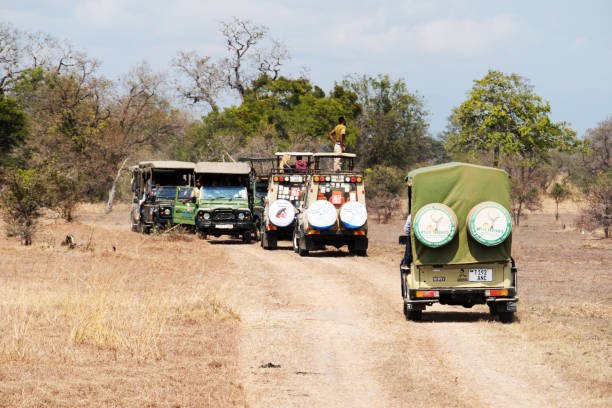
Planning Your Unique Tanzania Safari: Fly-In to Drive-Out Strategy
The idea of flying directly to the heart of the action – a prime wildebeest migration hotspot – and then embarking on a more traditional driving safari back through the vast plains of the Serengeti is an increasingly popular and practical choice for travelers seeking efficiency and unparalleled wildlife viewing. This itinerary structure is particularly effective for those with limited time or who wish to bypass longer overland transfers at the start of their safari. It’s a sophisticated way to experience Tanzania’s natural wonders, blending the convenience of air travel with the classic safari adventure of a 4×4 vehicle. For your 2026 or 2027 safari plans, understanding the nuances of this strategy is key to crafting an unforgettable journey.
This approach is not just about saving time; it’s about strategically positioning yourself for the best possible wildlife encounters. By flying into an airstrip close to the migration, you can often reach areas that might take a full day or more to drive to, especially during the wet seasons when road conditions can be challenging. Once you’ve immersed yourself in the dramatic spectacle of the migration, the drive back allows for spontaneous stops, exploration of different habitats within the Serengeti, and the chance to see resident wildlife that remains in the park year-round.
Climb 4 Africa specializes in tailoring these complex logistics. We understand that a trip like this requires precise coordination between light aircraft charter companies, ground transportation, accommodation, and park authorities. Our expertise ensures that your transition from air to land is smooth, and that your safari experience is optimized for wildlife, comfort, and value. When considering a 2026-2027 safari, let us help you design this ambitious yet achievable itinerary.
Understanding the Migration: Timing is Everything
The Great Migration is not a static event; it’s a continuous, year-round movement of over 1.5 million wildebeest, zebras, and gazelles across the Serengeti-Mara ecosystem. Their location is dictated by rainfall, which influences the availability of fresh grazing. Understanding these patterns is crucial for planning a safari where you fly directly to the migration area. The ‘migration area’ you fly into will change depending on the time of year you plan your 2026 or 2027 trip.
Seasonal Migration Hotspots
- December – March: Southern Serengeti & Ngorongoro Conservation Area (NCA). This is calving season. The herds congregate on the short-grass plains of the southern Serengeti and Ndutu area (part of the NCA but managed as Serengeti for wildlife). Expect vast herds, newborn calves, and high predator activity. Flying into the Seronera or Ndutu airstrips is common for this period.
- April – May: The Great Herd Moves North. As the rains taper off and the grass is depleted in the south, the herds begin their journey north and west. This is often considered a ‘low season’ for tourism due to rain, but it’s when the herds are on the move, often in large, unfragmented numbers.
- June – July: Western Corridor & Grumeti River. The migration typically reaches the western corridor of the Serengeti, where the Grumeti River presents a natural obstacle. This is a prime time for potential river crossings, though less dramatic than the Mara River crossings later in the year. Flying into the Kogatende airstrip might be considered if the migration is earlier than usual, or Seronera for access.
- August – October: Northern Serengeti & Mara River. This is the most iconic period for witnessing the dramatic Mara River crossings. The herds gather in huge numbers along the Mara River, waiting for opportune moments to cross, often pursued by crocodiles. The Kogatende airstrip is the ideal entry point for this phase.
- November: Transition Back South. The herds begin their return journey south, often following the short rains.
For a fly-in to drive-out safari, you’ll want to align your arrival airstrip with the expected location of the densest herds during your travel dates in 2026 or 2027. For instance, if you dream of seeing the Mara River crossings, you would fly into Kogatende. If calving season is your goal, Seronera or Ndutu are your best bets.
The Logistics of Flying into a Migration Area
This specialized safari requires careful planning of light aircraft charters. These are typically operated by local Tanzanian companies and connect major hubs like Kilimanjaro International Airport (JRO) or Arusha Airport (ARK) to various airstrips within the national parks and conservation areas. For a 2026-2027 trip, booking these flights well in advance is essential, especially during peak migration seasons.
Choosing Your Arrival Airstrip
The choice of airstrip is dictated by the migration’s location. Here are some common airstrips and their relevance:
- Seronera Airstrip (SEU): Located in the central Serengeti, this is a major hub. It’s excellent for accessing areas where resident wildlife is abundant year-round and can be a good base if the migration is in the central or southern regions. It’s also a convenient point for onward travel within the Serengeti.
- Kogatende Airstrip (KOG): In the far north, close to the Kenyan border and the Mara River. This is the premier airstrip for August-October migration viewing, specifically for river crossings. It provides direct access to the migration herds during these months.
- Ndutu Airstrip (NDT): Located in the Ngorongoro Conservation Area, adjacent to the southern Serengeti plains. This is the best airstrip for the calving season (December-March).
- Grumeti Airstrip (GTZ): Serves the western corridor, ideal for June-July when the migration passes through this region, with opportunities for Grumeti River crossings.
Aircraft Types and Capacity
Light aircraft used for these transfers are typically Cessna Caravans or similar Twin Otters. These are reliable bush planes, usually seating between 6 to 12 passengers. Luggage is restricted to soft-sided duffel bags, with weight limits usually around 15-20 kg per person, including hand luggage. This is a critical detail for packing for your 2026-2027 safari.
Booking and Scheduling
Flights are usually scheduled daily from Arusha or Kilimanjaro. The flight duration can range from 45 minutes to 1.5 hours, depending on the destination airstrip. It’s vital to book these flights as part of your overall safari package. Tour operators like Climb 4 Africa manage these bookings, ensuring that your ground transport is ready to meet you upon arrival at the airstrip.
The Driving Safari Back Through Serengeti
Once you land and meet your safari guide and vehicle, the overland portion of your journey begins. This is where you get to experience the Serengeti at a more intimate pace, driving through its diverse landscapes, stopping for picnics, and searching for resident wildlife.
Vehicle and Guide Coordination
Your safari vehicle, typically a custom-built 4×4 Land Cruiser or Land Rover with pop-up roofs for optimal game viewing, will be waiting for you at the airstrip. Your experienced guide will be your companion for the remainder of your trip, possessing intimate knowledge of the park’s wildlife, terrain, and the best viewing spots. The transition from the aircraft to the vehicle is usually immediate, allowing you to start your game drive without delay.
Route and Itinerary Flexibility
The route you take back through the Serengeti will be designed to maximize your wildlife viewing opportunities and to connect you to your subsequent accommodation, whether that’s a lodge or a tented camp. This could involve:
- Central Serengeti Exploration: If you flew into Kogatende, your drive back might take you through the vast central plains, offering chances to see lions, leopards, cheetahs, and elephants in areas like Moru Kopjes or Seronera Valley.
- Southern Serengeti Loop: If you flew into the north, you might drive south, experiencing the changing landscapes and potentially encountering the migration as it moves or resident herds.
- Western Corridor Excursion: If your arrival was in the south or center, a drive towards the western corridor might be included, especially if the migration is active there.
The beauty of this structure for a 2026-2027 safari is the inherent flexibility. Your guide can adapt the route based on recent wildlife sightings and your interests. This overland journey isn’t just transit; it’s an integral part of the safari experience, allowing for spontaneous discoveries.
Accommodation Choices
Your accommodation choices will influence the pace and route of your drive. Options range from:
- Luxury Lodges: Permanent structures offering high-end amenities, often with prime locations.
- Tented Camps (Luxury & Mid-Range): Offering a more authentic safari feel with comfortable beds and en-suite bathrooms, but still allowing you to feel close to nature. Some are mobile and move with the migration.
- Budget Camps: More basic facilities, often public campsites or simple tented accommodations, offering a more rustic experience.
The choice of accommodation will determine how many days you spend in different sectors of the Serengeti and influence the driving distances between locations. For a 2026-2027 booking, discussing your preferred comfort level and budget is key.
Combining Fly-In with Other Destinations
This fly-in to drive-out Serengeti safari can be seamlessly combined with other Tanzanian highlights, making it a comprehensive African adventure for 2026-2027.
Ngorongoro Crater
The Ngorongoro Crater, a UNESCO World Heritage Site, is a must-visit. It’s easily accessible from the Serengeti. You can drive from the Serengeti towards the Crater, spend a day exploring its unique ecosystem, and then potentially fly out from Lake Manyara Airstrip (LKY) or drive back towards Arusha.
Lake Manyara National Park
Known for its tree-climbing lions and large elephant herds, Lake Manyara can be a stopover point on your drive out of the Serengeti towards Arusha or Zanzibar. It offers a different landscape, with groundwater forests and alkaline lakes.
Zanzibar and Coastal Relaxation
After your exhilarating safari, a flight from the Serengeti (perhaps via Arusha or directly from Seronera) to Zanzibar is a popular choice. Zanzibar offers pristine beaches, rich history, and vibrant culture, providing a perfect contrast to the wilderness.
Mount Kilimanjaro Trek
For the adventurous, a Kilimanjaro climb can be incorporated before or after your safari. Many trekkers fly into Kilimanjaro International Airport (JRO), spend a day or two acclimatizing and preparing in Moshi or Arusha, and then start their trek. A safari can follow, either starting with a fly-in or a drive from Arusha.
Example Itinerary Flow (Fly-In North, Drive South):
Day 1: Arrive at Kilimanjaro International Airport (JRO), transfer to Arusha. Overnight in Arusha.
Day 2: Morning flight from Arusha (ARK) to Kogatende Airstrip (Northern Serengeti). Meet your guide and vehicle, begin game drive en route to your camp. Afternoon game drive. Overnight in Northern Serengeti.
Day 3-4: Full days exploring the Northern Serengeti, focusing on Mara River crossings (August-October). Overnight in Northern Serengeti.
Day 5: Morning game drive in the north, then drive south towards Central Serengeti. En route game viewing. Overnight in Central Serengeti.
Day 6-7: Explore the Central Serengeti (Seronera Valley), known for its resident big cats and diverse wildlife. Optional hot air balloon safari. Overnight in Central Serengeti.
Day 8: Drive towards Ngorongoro Conservation Area, descend into the Crater for a full day’s game drive. Overnight on the Crater rim or Karatu.
Day 9: Drive to Lake Manyara National Park for a morning game drive. Continue to Arusha or transfer to Arusha Airport for your flight to Zanzibar. Overnight in Arusha or Zanzibar.
Day 10 onwards: Continue to Zanzibar, fly home from JRO, or begin Kilimanjaro trek.
This is just one example for 2026-2027; itineraries can be fully customized. The key is the initial fly-in to a specific migration zone and the subsequent overland exploration.
Choosing the Right Time for Your 2026-2027 Safari
The success of a fly-in to drive-out migration safari hinges on timing. For 2026 and 2027, consider these points:
- Peak Migration Viewing: If witnessing the Mara River crossings is your priority, aim for August to October and fly into Kogatende.
- Calving Season: For the drama of newborns and predator action, target December to March and fly into Ndutu or Seronera.
- Shoulder Seasons: April to June and November can offer good wildlife viewing with fewer crowds and potentially lower prices, though the migration’s exact location can be more variable.
It’s important to note that while guides and park rangers do their best to track the herds, the migration is a natural phenomenon and sightings are never guaranteed. However, by flying into the right area at the right time, you significantly increase your chances of experiencing its full spectacle.
What to Pack for This Unique Safari
Packing for a safari that involves both light aircraft and overland travel requires careful consideration due to luggage restrictions on flights. For your 2026-2027 adventure:
- Soft-sided Duffel Bags: Absolutely essential due to weight and space limitations on small planes.
- Neutral-Colored Clothing: Khaki, beige, olive green, and brown are ideal. Avoid bright colors and white.
- Layers: Mornings and evenings can be cool, while the midday sun is hot. Pack t-shirts, long-sleeved shirts, a fleece or warm jacket, and trousers.
- Comfortable Footwear: Closed-toe walking shoes or hiking boots are suitable for light walks, but comfortable sneakers are usually sufficient for game drives.
- Sun Protection: Wide-brimmed hat, sunglasses, and high SPF sunscreen.
- Insect Repellent: Especially important for evenings.
- Binoculars: Crucial for spotting wildlife at a distance.
- Camera: With extra batteries and memory cards.
- Personal First-Aid Kit: With any personal medications.
- Adapter: For charging electronics. Most safari vehicles and lodges have charging facilities.
Important Note: Always check the specific luggage weight and size restrictions with your tour operator, as these can vary slightly between charter companies. For a 2026-2027 trip, confirm these details early in your planning.
Cost Considerations for a Fly-In, Drive-Out Safari
A safari structured this way is generally more expensive than a purely overland safari due to the added cost of light aircraft flights. For 2026-2027 travel, expect pricing to reflect these components:
- Light Aircraft Flights: These are a significant cost factor. Prices can range from $350-$600+ per person per leg, depending on the route and operator.
- Park Fees: Serengeti National Park fees are typically charged per person, per day. These are substantial and are usually included in tour packages.
- Accommodation: Varies greatly based on the type of lodge or camp chosen (budget, mid-range, luxury).
- Vehicle and Guide: Private safari vehicle and guide costs are spread over the duration of the overland portion.
- Meals and Drinks: Usually included, though specific inclusions can vary.
While the initial investment is higher, the time saved and the direct access to prime migration areas can make it a worthwhile trade-off for many travelers aiming for a focused wildlife experience in 2026 or 2027. It allows you to see more in less time.
Why Choose Climb 4 Africa for Your Fly-In Safari?
Planning a safari that involves flying into remote airstrips and coordinating complex ground logistics requires a partner with deep local knowledge and extensive experience. Climb 4 Africa excels in this:
- Expertise in Logistics: We have established relationships with reliable light aircraft charter companies and understand the intricacies of park regulations and airstrip operations.
- Tailored Itineraries: We don’t offer one-size-fits-all packages. We listen to your preferences, budget, and timing for 2026-2027, and craft a bespoke itinerary that perfectly matches your vision.
- Local Support: Based in Tanzania, we provide practical, on-the-ground support throughout your journey.
- Value for Money: While a fly-in safari is a premium experience, we are committed to providing excellent value, ensuring every aspect of your trip is optimized for the best possible wildlife encounters and overall experience.
We understand the unique challenges and rewards of a fly-in, drive-out safari and are equipped to make your 2026 or 2027 dream trip a reality. Whether you’re aiming for the Mara River crossings, the calving season, or a broader Serengeti exploration, we can arrange the perfect combination of air and land travel.
Frequently Asked Questions (FAQs)
Is it possible to fly into the Serengeti and then drive out?
Yes, absolutely. This is a common and efficient way to structure a safari, allowing you to reach specific wildlife hotspots quickly and then explore at your own pace.
What are the main benefits of a fly-in, drive-out safari?
The primary benefits are time-saving, direct access to remote or hard-to-reach wildlife areas (especially during migration), and the ability to experience both the efficiency of air travel and the in-depth nature of a road safari.
When is the best time to fly into the migration area?
This depends on which aspect of the migration you wish to see. For Mara River crossings, August-October is ideal (fly into Kogatende). For calving season, December-March is best (fly into Ndutu/Seronera).
What are the luggage restrictions for flights within Tanzania?
Typically, luggage must be in soft-sided duffel bags and limited to 15-20 kg per person. This is a critical factor when packing for your 2026-2027 safari.
Can I combine this type of safari with Zanzibar or Kilimanjaro?
Yes, this is very common. You can fly from the Serengeti (usually via Arusha) to Zanzibar for beach relaxation, or arrange a Kilimanjaro climb before or after your safari.
How much does a fly-in safari cost?
A fly-in safari is generally more expensive than an all-drive safari due to the cost of light aircraft flights. Exact costs for 2026-2027 will depend on accommodation choices, safari duration, and specific flight routes, but expect an increased budget compared to overland-only options.
This strategic approach to safari planning offers a remarkable way to experience Tanzania’s wildlife. By leveraging air travel to reach prime migration zones and then enjoying the classic overland safari experience back through the Serengeti, you can create an itinerary that is both efficient and deeply rewarding. Whether you are planning for 2026 or 2027, let Climb 4 Africa help you design your perfect fly-in, drive-out Serengeti adventure. We handle the complex logistics so you can focus on the incredible wildlife.
Ready to plan your unique fly to migration area and drive back through Serengeti safari for 2026-2027? Contact Climb 4 Africa today. We specialize in crafting these detailed itineraries and ensuring a smooth experience. Reach us via WhatsApp at +255 747 477 898 or email us at climb4africa@gmail.com. Let’s make your dream African safari a reality.
Check Availability for Fly To Migration Area And Drive Back Through Serengeti: Is This Possible?
Ready to compare dates, prices, and the best option for your group? Send the package name and travel month so the team can reply with a clear quote, availability, and what is included.
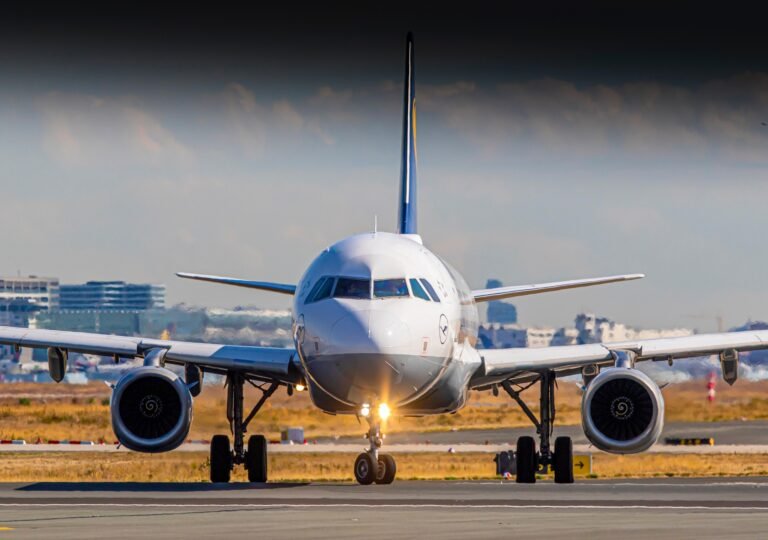
Serengeti Great Migration Safari Packages: Your Guide To Witnessing The Wonder
start an unforgettable journey with our comprehensive guide to Serengeti Great Migration safari packages for 2026-2027. Understand the best times to go, optimal viewing locations, and how...
View package details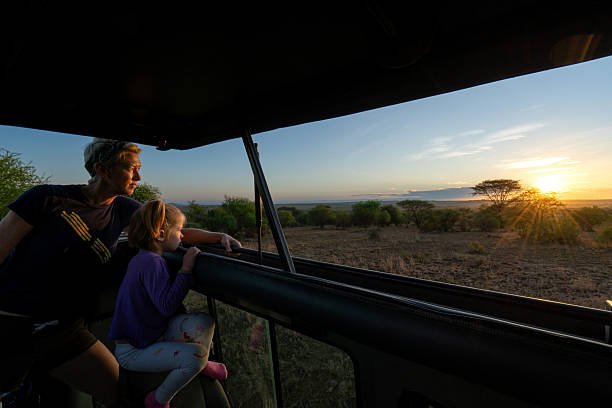
When Is The Great Migration In Tanzania And Kenya? Your Guide 2026-2027
The Great Migration's timing is dynamic, following the rains. Generally, it's in Kenya's Masai Mara from July to October, and in Tanzania's Serengeti from December to March. Planning around...
View package details
Serengeti Safari Tours: Prices, Packages & Best Time To Visit In 2026-2027
Discover everything you need to know for planning your Serengeti safari tour, from understanding pricing and package variations to identifying the ideal travel times in 2026-2027. This...
View package details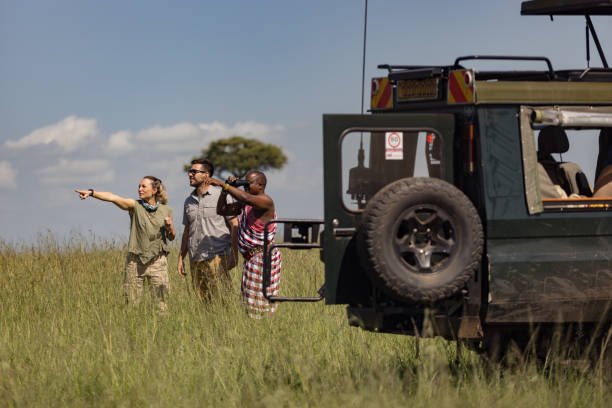
3-Day Serengeti And Ngorongoro Safari: Your Ultimate Tanzania Wildlife
start a concise yet unforgettable 3-day Serengeti and Ngorongoro safari, designed to maximize wildlife encounters in Tanzania's most celebrated parks. This compact adventure offers a taste...
View package details
Serengeti Safari And Zanzibar Beach Holiday: The Ultimate Tanzania
Combine the thrill of a Serengeti safari with the relaxation of a Zanzibar beach holiday. This guide covers everything you need to know for an unforgettable Tanzania adventure in 2026-2027...
View package details
Zanzibar To Serengeti Safari Packages 2026-2027
Zanzibar to Serengeti Safari Packages is explained with current 2026-2027 planning, price, itinerary and booking information.
View package details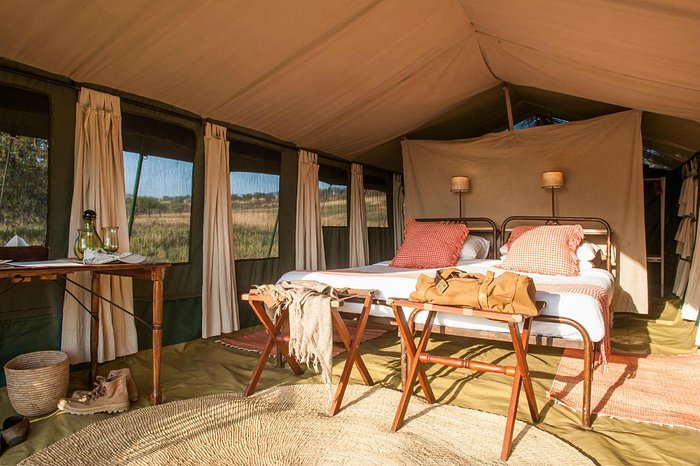
What Is The Best Month To Visit Serengeti? 2026-2027
What Is the Best Month to Visit Serengeti? is explained with current 2026-2027 planning, price, itinerary and booking information.
View package details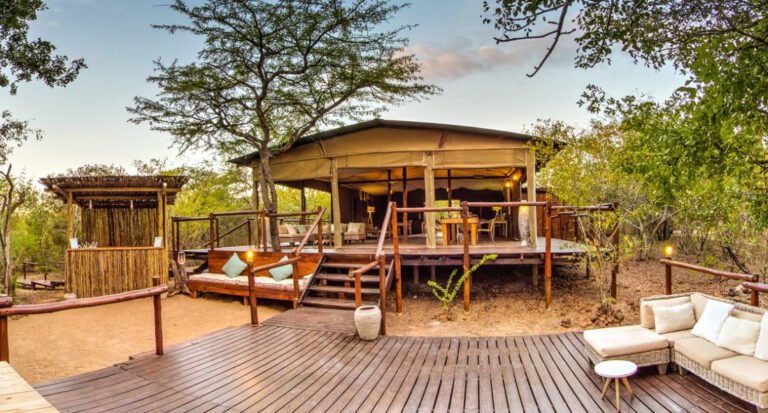
7-Day Tanzania Safari: Serengeti, Ngorongoro, And Tarangire In 2026-2027
A comprehensive guide to a 7-day Tanzania safari adventure, focusing on the iconic Serengeti National Park, the Ngorongoro Crater, and Tarangire National Park. Learn about optimal...
View package details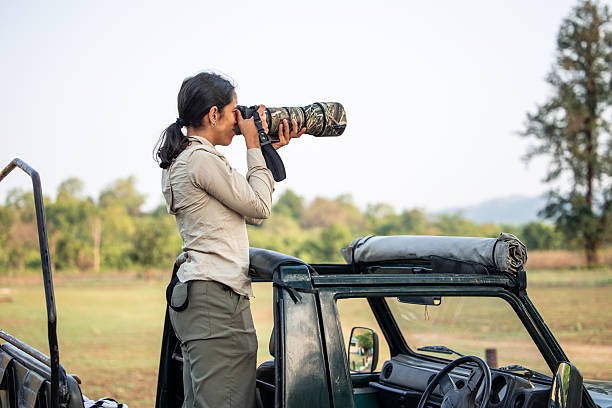
All-Inclusive African Safari Vacations Guide
start an all-inclusive African safari vacation in Tanzania, a premier destination for wildlife viewing in 2026-2027. This comprehensive guide covers everything from iconic parks like the...
View package details
Tanzania Safari Tours & Packages /: Your Ultimate Wildlife Adventure 2026-2027
Discover the magic of Tanzania with expertly crafted safari tours and packages for 2026 and 2027. From the vast plains of the Serengeti to the depths of the Ngorongoro Crater, find your...
View package detailsBest African Safari Tours & Vacation Packages /: Your Ultimate Tanzania
start an unforgettable African safari adventure in 2026/2027 with expertly curated tours and vacation packages in Tanzania's most iconic wildlife destinations. From the Serengeti to the...
View package detailsPrivate Tanzania Safari Packages: Your Ultimate Guide For 2026-2027
Discover the unparalleled freedom and personalized experience of a private Tanzania safari package. This comprehensive guide for 2026-2027 explores custom itineraries, key destinations like...
View package detailsNo related package matches those filters. Clear one or more filters to see the other topic-matched options.



