
If you’re traveling in January specifically to witness the migration herds, your primary focus should be Tanzania’s Serengeti National Park, especially the central and southern plains (Ndutu area). This is when the wildebeest and zebra herds congregate for the crucial calving season, offering incredible concentrations of animals and abundant predator activity. While the Serengeti is the main stage, understanding the nuances of this period and the specific areas within it will maximize your chances for an unforgettable viewing experience in 2026 or 2027.
Understanding the January Migration Phenomenon
The Great Migration is not a single, static event but a continuous, year-round movement of over 1.5 million wildebeest, zebras, and gazelles across the Serengeti-Mara ecosystem. Their journey is dictated by the search for fresh grazing and water, and crucially, by the reproductive cycle of the wildebeest. January marks a pivotal point in this cycle: the heart of the calving season.
As the rains begin to fall in the southern Serengeti and the Ngorongoro Conservation Area (NCA), the short dry grass sprouts, providing the nutrient-rich food necessary for the pregnant females. This abundance of food draws the vast majority of the migration herds into these southern reaches. Between late December and March, the southern Serengeti and the adjacent Ndutu region (which falls within the NCA but is accessed via Serengeti routes) become the epicenter of the migration. This is a period of intense activity, with up to 30,000 calves being born daily. The sheer density of prey also attracts a disproportionate number of predators – lions, hyenas, cheetahs, and wild dogs – making it a prime time for witnessing dramatic predator-prey interactions.
For those planning a safari in January 2026 or January 2027, understanding this specific phase of the migration is key to choosing the right location within the wider ecosystem. While the northern Serengeti might be quiet, the south will be teeming with life. The herds at this time are generally settled, grazing peacefully on the open plains, interspersed with moments of intense drama as predators hunt. This contrasts with the dramatic river crossings seen at other times of the year, but the concentration of animals and the calving spectacle are unparalleled.
Why the Southern Serengeti & Ndutu for January?
The decision to focus on the southern Serengeti and Ndutu in January is driven by predictable ecological factors:
- Calving Season: This is the primary reason. The nutritious grasses of the southern plains trigger the births. The concentration of newborns is staggering and forms the main draw for predators.
- Abundant Grazing: The rains, typically arriving by December, transform the dry plains into lush grasslands, supporting the massive herds.
- Predator Activity: With thousands of vulnerable calves and a high density of adult wildebeest and zebras, predators are at their most active and visible. This means more opportunities to witness lion prides, cheetah hunts, and hyena clans at work.
- Relatively Settled Herds: Unlike the frantic river crossings of July or October, the herds in January are largely settled on the plains, grazing and moving between water sources. This makes them easier to find and observe for extended periods.
- Spectacular Scenery: The southern Serengeti and Ndutu landscapes, with their vast, open plains dotted with acacia trees and kopjes, provide a dramatic backdrop for the immense herds.
When booking a safari for January, always confirm with your tour operator that your itinerary is specifically designed to spend time in these southern regions. This ensures you’re not just in the Serengeti generally, but in the areas where the migration is most concentrated during that month.
Navigating the Serengeti in January: Key Areas and Considerations
The Serengeti is vast, and while the southern plains are the migration magnet in January, different zones offer slightly varied experiences. Your choice of accommodation and safari activities will depend on the specific area you focus on.
The Southern Plains (Seronera Valley and Beyond)
The Seronera Valley, in the central Serengeti, is a perennial wildlife hotspot due to its permanent water source. While the migration herds might not be exclusively here in January, they often pass through or graze in the surrounding areas. Seronera is renowned for its resident big cats – lions, leopards, and cheetahs – and the open plains to the south and southeast are where the bulk of the wildebeest and zebra will be found. Expect to see large numbers of plains game, including Thomson’s gazelles, Grant’s gazelles, and various antelopes, all drawn by the same grazing opportunities.
Pros: High predator concentrations year-round, excellent resident game, good infrastructure, accessibility. The migration herds will be in the vicinity, providing an excellent backdrop.
Cons: Can be busier than other parts of the park, especially around Seronera itself, as it’s a central hub.
Ndutu Area (Ngorongoro Conservation Area)
Geographically, Ndutu is part of the Ngorongoro Conservation Area (NCA), but it shares a border with the Serengeti and is typically accessed on a Serengeti safari circuit. This is where the absolute heart of the calving season often lies. Vast expanses of short-grass plains here are carpeted with wildebeest, zebras, and gazelles. The landscape is breathtakingly open, offering incredible photographic opportunities with the herds stretching to the horizon. Ndutu is particularly famous for the sheer number of predators drawn to the calving grounds. You’ll often find lion prides resting in the shade of acacia trees, cheetahs scanning the plains for a meal, and hyena dens bustling with activity.
Pros: Unparalleled concentration of migration herds and calves, exceptional predator sightings, stunning open plains scenery, feels truly wild and expansive.
Cons: Limited permanent accommodation options mean camps are often mobile or semi-permanent, which can influence availability and cost. Off-road driving is permitted in Ndutu (unlike the Serengeti National Park proper), which can lead to closer wildlife encounters but also more vehicles at popular sightings.
What to Expect in January Wildlife Sightings
January is not about dramatic river crossings. Instead, it’s about the spectacle of life and death on the open plains:
- Calving: Witnessing newborn wildebeest and zebra taking their first wobbly steps is a profound experience.
- Predator Hunts: The abundance of young, inexperienced calves makes them easy targets. You’re likely to see lions, cheetahs, and hyenas actively hunting.
- Vast Herds: The sheer scale of the migration is overwhelming. Imagine plains dotted with hundreds of thousands of animals, stretching as far as the eye can see.
- Birdlife: January is also part of the green season, which means lush vegetation and abundant birdlife, including migratory birds from Europe and other parts of Africa.
Logistics for a January Migration Safari
When planning your January 2026 or January 2027 safari, consider these logistical points:
- Accommodation: Lodges and tented camps in the southern Serengeti and Ndutu are in high demand. Book well in advance, especially if you’re looking for specific types of accommodation (e.g., luxury tented camps, mobile camps that follow the migration).
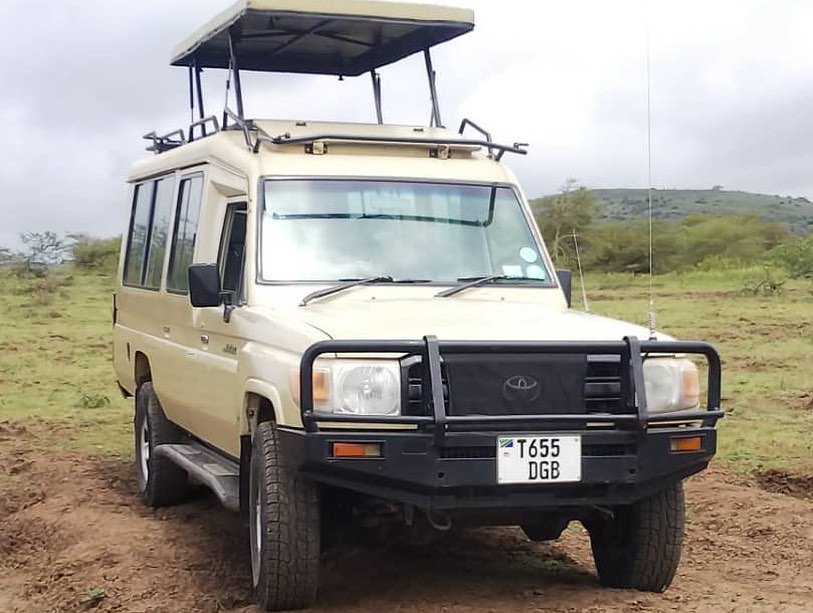
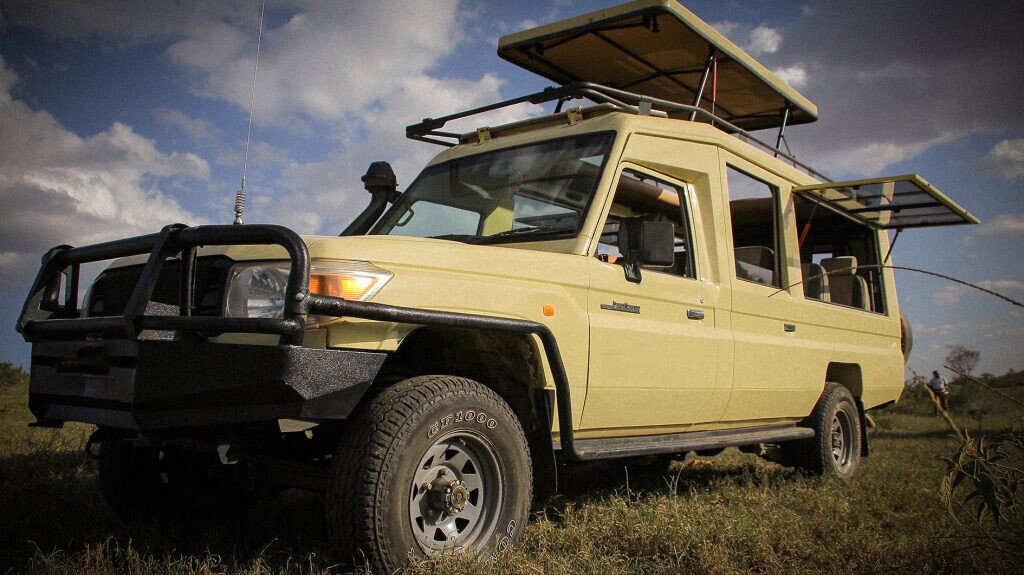
- Vehicle Choice: A 4×4 safari vehicle is essential for navigating the terrain. Private vehicles offer more flexibility in terms of game drives and stopping for sightings.
- Guides: Experienced guides are crucial. They understand the migration patterns and predator behavior, significantly enhancing your chances of witnessing key events.
- Duration: To truly appreciate the migration and the surrounding wildlife, aim for at least 3-4 nights in the southern Serengeti/Ndutu area.
Climb 4 Africa specializes in tailoring safaris to ensure you are in the right place at the right time. When you inquire, be sure to mention your primary interest in seeing the migration herds in January, and they can craft an itinerary that maximizes your chances.
Beyond the Serengeti: Other Wildlife Viewing Opportunities in January
While the Serengeti is the undisputed star for migration viewing in January, Tanzania offers other incredible wildlife destinations that are also at their best during this time. Combining a migration safari with another park can provide a richer and more diverse African wildlife experience.
Ngorongoro Crater
The Ngorongoro Crater, often visited in conjunction with the Serengeti, is a UNESCO World Heritage Site and a true natural wonder. Its unique caldera ecosystem supports an astonishing density of wildlife, including the Big Five (lion, leopard, elephant, rhino, buffalo). January falls within the green season here, meaning the crater floor is lush and verdant, attracting herbivores. While the migration herds are primarily on the open plains, you can still see large numbers of wildebeest and zebras within the crater, often grazing alongside other resident animals.
What to expect in January:
- High Wildlife Density: The crater boasts one of the highest densities of predators in Africa.
- Big Five: Excellent chances of spotting lions, elephants, buffalo, and the critically endangered black rhino. Leopards are more elusive but present.
- Scenic Beauty: The views from the crater rim are spectacular, and the crater floor itself is a stunning landscape.
- Green Season Benefits: The landscape is at its most beautiful, with vibrant colours and abundant birdlife.
Considerations: Crater tours are typically limited to a few hours due to conservation regulations, and the number of vehicles allowed into the crater each day is also capped, meaning popular spots can get busy. However, the sheer concentration of wildlife often makes up for any crowds.
Tarangire National Park
Tarangire National Park is famous for its large elephant herds and iconic baobab trees. January is part of the wet season in Tarangire, meaning the vegetation can become quite dense, sometimes making wildlife spotting more challenging than in the dry season. However, the park is still very rewarding, especially for birdwatchers and those interested in elephants. The rains bring life to the park, and the animals are more dispersed as water sources are plentiful.
What to expect in January:
- Elephant Herds: Tarangire is known for its massive elephant populations, and January sightings can still be impressive.
- Birding Paradise: The green season is excellent for birdwatching, with resident and migratory species abundant.
- Less Crowded: Compared to the Serengeti or Ngorongoro, Tarangire is often less crowded in January.
Considerations: Game viewing can be more spread out due to the availability of water. Roads can become muddy, potentially affecting travel times.
Lake Manyara National Park
Lake Manyara is a smaller park known for its diverse habitats, including groundwater forests, acacia woodlands, and the soda lake itself. It’s famous for its tree-climbing lions (though sightings are not guaranteed) and large troops of baboons. In January, the park is green and lush. The lake attracts large numbers of flamingos and other water birds, making it a good spot for birdwatching.
What to expect in January:
- Birdlife: Excellent for ornithologists, with many species around the lake and in the woodlands.
- Tree-Climbing Lions: A unique phenomenon, though sightings are not common.
- Diverse Habitats: The park offers varied scenery and opportunities to see primates, elephants, and various antelopes.
Considerations: Like Tarangire, the denser vegetation can sometimes make spotting animals more difficult.
Why a Multi-Park Itinerary Can Be Beneficial
While your primary goal is the migration herds in January, combining a few days in the southern Serengeti/Ndutu with a visit to the Ngorongoro Crater offers a fantastic contrast. You’ll experience the vastness of the plains and the incredible density of the migration, followed by the unique, contained ecosystem of the crater. This combination provides a comprehensive overview of Tanzania’s premier wildlife destinations. Many popular Tanzania safari packages, including those offered by Climb 4 Africa for 2026-2027, are designed to include these iconic parks.
Planning Your January Migration Safari: Practical Advice
Booking a safari to witness the migration herds in January requires careful planning to ensure you have the best possible experience. Here’s what you need to consider:
When to Book for January 2026/2027
Book Early! January is a popular month for safaris, especially for those targeting the migration. For the best availability of lodges and camps, particularly in the sought-after southern Serengeti and Ndutu areas, it’s advisable to book at least 6-12 months in advance. For peak season dates or specific lodges, even earlier booking might be necessary. This is especially true if you are planning for the 2026-2027 period, as popular dates fill up quickly.
Choosing Your Safari Style
Tanzania offers various safari styles, and your choice will impact your experience and budget:
- Budget/Camping Safaris: These involve staying in public campsites or basic tented camps. They are the most affordable option and offer a more rustic, adventurous feel. Shared camping safaris are common, where you join a group.
- Mid-Range Safaris: Typically utilize comfortable tented camps or lodges with en-suite facilities and more amenities. These offer a good balance of comfort and immersion.
- Luxury Safaris: Feature high-end lodges or exclusive tented camps with premium services, gourmet dining, and often private game drives.
- Private Safaris: You have a private vehicle and guide, offering maximum flexibility for game drives, meal times, and stopping for sightings. This is ideal for photographers or those who prefer a more personalized experience. You can opt for private camping, mid-range, or luxury.
Climb 4 Africa excels at crafting tailor-made African travel experiences. Whether you’re looking for a shared group departure or a private safari focused on the January migration herds, they can design a trip to suit your preferences and budget for 2026 or 2027.
What’s Typically Included in a January Migration Safari Package?
While inclusions can vary, a comprehensive safari package for the Serengeti in January usually covers:
- Accommodation: Lodges or tented camps for the duration of the safari.
- Meals: Usually full board (breakfast, lunch, dinner). Drinks might be extra depending on the lodge/camp.
- Park Fees: Entrance fees for all national parks and conservation areas visited.
- Game Drives: Transportation in a 4×4 safari vehicle with a professional driver-guide.
- Transfers: Airport transfers and transfers between locations.
- Water: Bottled water provided in the safari vehicle.
Important Exclusions to Clarify:
- International Flights: Flights to and from Tanzania.
- Visa Fees: Cost of Tanzanian visa.
- Travel Insurance: Highly recommended and often mandatory.
- Tips: Gratuities for guides, camp staff, etc.
- Personal Expenses: Souvenirs, laundry, alcoholic beverages, etc.
- Optional Activities: Hot air balloon safaris, cultural visits.
Packing Essentials for a January Safari
January is part of the “green season,” meaning there can be rain showers, though they are often short-lived and localized. Temperatures are generally warm to hot during the day and pleasant at night.
- Clothing: Lightweight, neutral-colored clothing (khaki, beige, olive green). Pack long-sleeved shirts and trousers for sun protection and cooler evenings. Include a light waterproof jacket or poncho.
- Footwear: Comfortable closed-toe walking shoes or hiking boots. Sandals for relaxing at the lodge/camp.
- Sun Protection: Wide-brimmed hat, sunglasses, high SPF sunscreen.
- Insect Repellent: Especially for evenings.
- Camera Gear: Extra batteries, memory cards, and a good zoom lens. Binoculars are essential.
- First-Aid Kit: Personal medications and basic first-aid supplies.
- Adapter: For charging electronics (Type G, the UK plug, is common in Tanzania).
When discussing your trip with Climb 4 Africa, they can provide a detailed packing list tailored to your specific itinerary and the time of year.
Comparing Safari Options: What Suits You Best?
Choosing the right safari experience for seeing migration herds in January depends on your priorities: budget, comfort, flexibility, and the intensity of wildlife viewing you seek. Here’s a breakdown to help you decide for your 2026-2027 trip.
Group Safaris vs. Private Safaris
Group Safaris:
- Pros: Significantly more affordable as costs are shared among travelers. Offers a social experience, meeting like-minded people. Fixed departure dates can simplify planning.
- Cons: Less flexibility – you travel with a set group, share game drives, and adhere to a group schedule. Limited ability to customize stops or duration at sightings. May involve larger vehicles.
Private Safaris:
- Pros: Ultimate flexibility. Your vehicle, your guide, your schedule. You decide when and where to stop, how long to stay, and can focus on your specific interests (e.g., photography, specific animals). Ideal for couples, families, or groups of friends. Often use custom 4x4s with pop-up roofs for better viewing.
- Cons: More expensive, as you bear the full cost of the vehicle, guide, and associated logistics.
Climb 4 Africa offers both shared group departures and bespoke private tailor-made safaris. For those who want to guarantee being in the right place for the January migration without compromising on their experience, a private safari offers the most control.
Mobile Camps vs. Permanent Lodges/Camps
Mobile/Tented Camps:
- Pros: These camps are set up in strategic locations to be as close as possible to the migration herds. They are often semi-permanent or seasonal, moving with the animals. This means you can be right in the heart of the action, often in more remote areas with fewer other vehicles. They offer an authentic safari feel.
- Cons: Facilities can be more basic than permanent lodges. Availability is highly seasonal and location-dependent.
Permanent Lodges/Tented Camps:
- Pros: Offer more fixed amenities, established infrastructure, and often a higher level of luxury and service. Located in prime areas, but may not always be at the absolute forefront of the migration compared to a well-placed mobile camp.
- Cons: Less flexibility in terms of location; you are tied to where the lodge is built. Can sometimes feel less “wild” than a mobile camp.
For the January migration, mobile camps in the Ndutu area are often the best choice for being truly immersed in the calving season spectacle. However, permanent camps in the southern Serengeti also offer excellent access.
Itinerary Length and Pacing
Minimum Recommended: For a safari focused on the migration herds in January, a minimum of 3-4 nights in the southern Serengeti/Ndutu area is recommended. This allows enough time to explore the plains, witness predator activity, and soak in the sheer scale of the herds.
Ideal: A 7-10 day safari allows for a more relaxed pace and the opportunity to combine the southern Serengeti with another park, such as the Ngorongoro Crater. For instance, a classic Northern Circuit itinerary could include:
- Day 1-4: Southern Serengeti/Ndutu (Migration Focus)
- Day 5: Transfer to Ngorongoro Crater
- Day 6: Ngorongoro Crater Tour & transfer to Arusha
This structure ensures you maximize your chances of seeing the January migration while also experiencing another of Tanzania’s wildlife jewels.
Budget Considerations for January 2026/2027
January falls within the green season, which is generally considered a lower season compared to the peak dry months (June-October). This can translate to slightly more competitive pricing for accommodation, although the prime migration viewing areas remain in high demand.
Estimated Cost Factors:
- Accommodation Level: Camping will be the most budget-friendly, followed by mid-range and then luxury lodges/camps.
- Safari Type: Group safaris are cheaper than private ones.
- Safari Length: Longer safaris naturally cost more.
- Park Fees: These are fixed per person per day and are a significant component of the total cost.
A rough estimate for a mid-range safari in January might range from $350 – $600 per person per day, excluding international flights and visas. Luxury options can easily exceed $800 – $1000+ per person per day. It’s crucial to get a detailed quote based on your specific requirements.
Climb 4 Africa provides transparent pricing and can help you understand where your budget is best allocated to achieve your goal of seeing the migration herds in January.
Why Choose Climb 4 Africa for Your January Migration Safari?
When planning a trip as significant as witnessing the Great Migration herds in January, choosing the right safari operator is paramount. Climb 4 Africa brings local expertise, a commitment to quality, and a passion for delivering authentic African experiences.
Local Expertise and Ground Support
As a Tanzanian-based company, Climb 4 Africa possesses invaluable on-the-ground knowledge. Our guides are not just drivers; they are passionate naturalists with years of experience tracking wildlife and understanding the intricate movements of the migration. We know the best camps, the most reliable routes, and the most effective strategies for finding the herds during the calving season. This local insight is crucial for a successful January migration safari in 2026 or 2027.
Tailor-Made Itineraries
We understand that every traveler is unique. Whether you dream of a family adventure, a romantic honeymoon safari, or a photography-focused expedition, we excel at creating tailor-made African travel experiences. We listen to your interests, budget, and desired pace, then craft an itinerary that perfectly matches your vision for seeing the migration herds in January. This includes selecting the ideal camps in the southern Serengeti and Ndutu, ensuring you are optimally positioned.
Commitment to Quality and Value
Climb 4 Africa is committed to providing excellent value without compromising on quality. We work with carefully selected lodges and camps that meet our high standards for service, comfort, and location. Our shared group departures offer a more budget-friendly way to experience the magic of Tanzania, while our private safaris provide unparalleled flexibility and personalization. We aim to make your dream safari accessible.
Practical Local Support
From the moment you make an inquiry until you return home, Climb 4 Africa provides dedicated support. We assist with all aspects of planning, from visa information and packing lists to ensuring smooth logistics on the ground. Our team is readily available to answer your questions and address any concerns, providing peace of mind for your journey.
Ready to Plan Your January Migration Safari?
To start planning your unforgettable safari to witness the migration herds in January 2026 or 2027, get in touch with our expert team. We can discuss your preferences, suggest the best itineraries, and provide a personalized quote.
Contact us today:
- WhatsApp: +255 747 477 898
- Email: climb4africa@gmail.com
Let Climb 4 Africa help you create the safari of a lifetime, perfectly timed to capture the incredible spectacle of the Great Migration’s calving season.
Frequently Asked Questions About January Migration Safaris
Here are some common questions travelers have when planning a safari to see the migration in January.
Will I definitely see the migration herds in January?
While the migration herds in January are reliably concentrated in the southern Serengeti and Ndutu area for the calving season, wildlife movements can always be influenced by weather and other natural factors. However, focusing your safari in these specific regions during this month offers the highest probability of witnessing the phenomenon. Our guides are experts at tracking and locating the herds.
Is January a good time for wildlife viewing in Tanzania?
Yes, January is an excellent time for wildlife viewing, particularly for the Great Migration. It’s the green season, meaning the landscape is lush, birdlife is abundant, and the predator-prey interactions are at their peak due to the calving season. While there might be occasional rain showers, they are usually brief and the sun shines brightly between them. It’s a fantastic time to visit for photography and observing dramatic wildlife events.
What is the difference between the Serengeti and Ndutu for January viewing?
Ndutu is technically within the Ngorongoro Conservation Area (NCA), bordering the Serengeti. In January, the vast majority of the wildebeest and zebra herds, along with their newborn calves, are found grazing on the short-grass plains of Ndutu and the southern Serengeti. Both areas offer incredible viewing. Ndutu is renowned for its open plains and intense calving activity, while the southern Serengeti also hosts large numbers of animals and is often more accessible via standard Serengeti park entry.
Can I combine a migration safari with a Kilimanjaro climb in January?
Yes, it’s possible to combine a Kilimanjaro climb with a Serengeti safari. However, January can be cold and wet on Kilimanjaro, especially at higher altitudes, though it’s still a viable climbing month. If you plan to do both, it’s often recommended to do the safari first to maximize chances of seeing the migration, then the climb. Ensure you allocate sufficient time for both activities, including travel days between them and recovery time after the climb before your flight home. Climb 4 Africa specializes in both Kilimanjaro climbs and safaris and can help you structure such a combined trip for 2026 or 2027.
How much does a January migration safari typically cost?
Costs vary significantly based on accommodation style (camping, mid-range, luxury), safari type (group vs. private), and duration. For a mid-range safari lasting around 7 days, you could expect prices to be in the range of $2,500 – $4,500 per person, excluding international flights. Luxury safaris would be considerably more. It’s best to request a personalized quote for the most accurate pricing for your specific plans for 2026-2027.
“,
“faq_schema”: [
{
“question”: “Will I definitely see the migration herds in January?”,
“answer”: “While the migration herds in January are reliably concentrated in the southern Serengeti and Ndutu area for the calving season, wildlife movements can always be influenced by weather and other natural factors. However, focusing your safari in these specific regions during this month offers the highest probability of witnessing the phenomenon. Our guides are experts at tracking and locating the herds.”
},
{
“question”: “Is January a good time for wildlife viewing in Tanzania?”,
“answer”: “Yes, January is an excellent time for wildlife viewing, particularly for the Great Migration. It’s the green season, meaning the landscape is lush, birdlife is abundant, and the predator-prey interactions are at their peak due to the calving season. While there might be occasional rain showers, they are usually brief and the sun shines brightly between them. It’s a fantastic time to visit for photography and observing dramatic wildlife events.”
},
{
“question”: “What is the difference between the Serengeti and Ndutu for January viewing?”,
“answer”: “Ndutu is technically within the Ngorongoro Conservation Area (NCA), bordering the Serengeti. In January, the vast majority of the wildebeest and zebra herds, along with their newborn calves, are found grazing on the short-grass plains of Ndutu and the southern Serengeti. Both areas offer incredible viewing. Ndutu is renowned for its open plains and intense calving activity, while the southern Serengeti also hosts large numbers of animals and is often more accessible via standard Serengeti park entry.”
},
{
“question”: “Can I combine a migration safari with a Kilimanjaro climb in January?”,
“answer”: “Yes, it’s possible to combine a Kilimanjaro climb with a Serengeti safari. However, January can be cold and wet on Kilimanjaro, especially at higher altitudes, though it’s still a viable climbing month. If you plan to do both, it’s often recommended to do the safari first to maximize chances of seeing the migration, then the climb. Ensure you allocate sufficient time for both activities, including travel days between them and recovery time after the climb before your flight home. Climb 4 Africa specializes in both Kilimanjaro climbs and safaris and can help you structure such a combined trip for 2026 or 2027.”
},
{
“question”: “How much does a January migration safari typically cost?”,
“answer”: “Costs vary significantly based on accommodation style (camping, mid-range, luxury), safari type (group vs. private), and duration. For a mid-range safari lasting around 7 days, you could expect prices to be in the range of $2,500 – $4,500 per person, excluding international flights. Luxury safaris would be considerably more. It’s best to request a personalized quote for the most accurate pricing for your specific plans for 2026-2027.”
}
]
}
“`
Check Availability for I Am Travelling In January And Want To See Migration Herds, Which Area…
Ready to compare dates, prices, and the best option for your group? Send the package name and travel month so the team can reply with a clear quote, availability, and what is included.
When Is The Great Migration In Tanzania And Kenya? Your Guide 2026-2027
The Great Migration's timing is dynamic, following the rains. Generally, it's in Kenya's Masai Mara from July to October, and in Tanzania's Serengeti from December to March. Planning around...
View package detailsGreat Migration Safari: Best Time, Places & Tours 2026-2027
Great Migration Safari: Best Time, Places & Tours is explained with current 2026-2027 planning, price, itinerary and booking information.
View package details
Serengeti Great Migration Safari Packages: Your Guide To Witnessing The Wonder
start an unforgettable journey with our comprehensive guide to Serengeti Great Migration safari packages for 2026-2027. Understand the best times to go, optimal viewing locations, and how...
View package details
How Far In Advance Should You Book An African Safari? 2026-2027
How Far in Advance Should You Book an African Safari? is explained with current 2026-2027 planning, price, itinerary and booking information.
View package details
Serengeti Safari Tours: Prices, Packages & Best Time To Visit In 2026-2027
Discover everything you need to know for planning your Serengeti safari tour, from understanding pricing and package variations to identifying the ideal travel times in 2026-2027. This...
View package details
What Is The Best Month To Visit Serengeti? 2026-2027
What Is the Best Month to Visit Serengeti? is explained with current 2026-2027 planning, price, itinerary and booking information.
View package detailsIs An African Safari Safe For First-Time Visitors? Expert Guidance 2026-2027
Planning your first African safari? This comprehensive guide details the safety aspects for first-time visitors, covering everything from wildlife encounters to health and logistics...
View package detailsWhich African Country Is Best For Safari? 2026-2027
Which African Country Is Best for Safari? is explained with current 2026-2027 planning, price, itinerary and booking information.
View package details
Kenya Safari Tours & Holiday Packages 2026-2027
Kenya Safari Tours & Holiday Packages is explained with current 2026-2027 planning, price, itinerary and booking information.
View package details
Solo African Safari Tours: Your Ultimate Guide For 2026-2027
start an incredible solo African safari adventure. This comprehensive guide covers everything you need to know for planning a safe, rewarding, and memorable trip in 2026-2027, from choosing...
View package detailsSafari From Zanzibar: Best Packages, Prices & Parks For 2026-2027
Combining a Zanzibar beach holiday with a Tanzania safari is a dream for many travelers. This guide details the best safari packages from Zanzibar, covering essential planning, park...
View package detailsIs It Better To Book A Safari Online Or Locally? 2026-2027
Is It Better to Book a Safari Online or Locally? is explained with current 2026-2027 planning, price, itinerary and booking information.
View package detailsNo related package matches those filters. Clear one or more filters to see the other topic-matched options.



