For your February calving season safari in Tanzania, the prime locations to stay are in the southern Serengeti National Park and the adjacent Ngorongoro Conservation Area’s Ndutu region. These areas are the epicentre of the wildebeest migration’s calving period, offering the highest concentration of wildlife, including newborn calves and their predators. Lodges and tented camps situated within or very near these zones, such as those around the Moru Kopjes or within Ndutu, provide the most direct access to this incredible natural event throughout February and into early March 2026 and 2027.
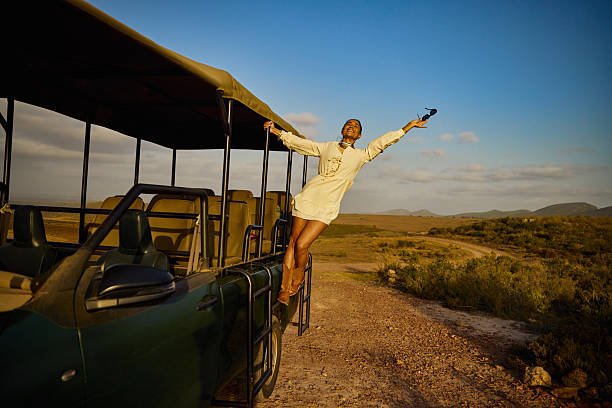

The Southern Serengeti & Ndutu: The Heart of the Calving Season
February marks a pivotal moment in the Great Migration’s annual cycle: the calving season. This is when hundreds of thousands of wildebeest, zebras, and gazelles, having completed their arduous journey south, gather on the short-grass plains. The southern Serengeti and the Ndutu area within the Ngorongoro Conservation Area are the epicentre of this phenomenon. Staying in this region during February 2026 or 2027 offers a unique and deeply rewarding wildlife experience. The vast, open grasslands here are perfectly suited for newborn animals, providing ample grazing and, crucially, good visibility for mothers to keep track of their young and for predators to find their next meal.
The decision to stay in the southern Serengeti or Ndutu is primarily driven by the specific location of the herds. While the migration is dynamic, historical patterns strongly suggest that February is the peak calving time in these southern expanses. The short-grass plains are dotted with acacia trees, offering a picturesque backdrop to the drama of life and death unfolding daily. The density of animals is staggering. You’ll witness vast herds stretching to the horizon, a truly awe-inspiring sight that few other places on Earth can replicate. This concentration of prey naturally attracts a significant number of predators, making February an excellent time for viewing lions, cheetahs, leopards, hyenas, and wild dogs in action.
Why these specific areas?
- Concentration of Newborns: The short-grass plains are rich in nutrients, ideal for the rapid growth of young wildebeest, zebras, and gazelles. Calving typically occurs over a concentrated period of about three weeks, meaning you’ll see thousands of calves being born.
- Predator Activity: With so many vulnerable young animals, predators are drawn to the area. This translates into exceptional opportunities for witnessing hunts and the predator-prey interactions that are the essence of African wildlife.
- Vast Open Landscapes: The southern Serengeti and Ndutu offer wide-open vistas, making it easier to spot wildlife from a distance and providing stunning photographic opportunities.
- Accessibility: While remote, these areas are served by a network of airstrips (like Seronera, although closer to central Serengeti, and smaller airstrips closer to Ndutu and southern Serengeti) which can significantly reduce travel time from Kilimanjaro International Airport (JRO) or Arusha.
When planning for February 2026 or 2027, understanding that the herds are concentrated here is paramount. Your accommodation choice will directly influence how much time you spend observing these events. Lodges and camps located deeper within these regions will offer more immediate access to the prime viewing spots, minimizing travel time each day and maximising your chances of witnessing the most dynamic wildlife moments.
The Ndutu Area: A Special Designation
It’s important to note that the Ndutu area, while geographically contiguous with the southern Serengeti, falls under the administration of the Ngorongoro Conservation Area Authority (NCAA). This distinction means different park fees might apply, and there can be specific regulations regarding off-road driving or camping. However, for the wildlife enthusiast, the boundaries blur. The short-grass plains extend across both the southern Serengeti and Ndutu, and the wildebeest herds do not respect administrative lines. Staying in a camp within Ndutu provides direct access to these plains, and game drives can easily traverse into the southern Serengeti and vice versa, depending on where the herds are most active. Many safari operators will arrange permits and logistics to allow smooth movement between these adjacent prime wildlife areas.
For travellers specifically targeting the calving season, choosing a camp that is strategically positioned in Ndutu or the immediate southern Serengeti is the most logical first step in planning. This ensures you are right in the middle of the action, ready to witness the miracle of birth and the ensuing predator-prey ballet that defines this time of year. The sheer volume of life, the constant buzz of activity, and the raw, untamed nature of the landscape make this a truly unforgettable safari experience.
Choosing Your Accommodation: Lodges vs. Tented Camps
When you decide to stay in the southern Serengeti or Ndutu for the calving season, you’ll encounter two primary types of accommodation: permanent lodges and mobile or semi-permanent tented camps. Each offers a distinct safari experience, and the best choice for you will depend on your preferences for comfort, immersion, and budget. Understanding the trade-offs is key to making the right decision for your February 2026 or 2027 safari.
Permanent Lodges
Permanent lodges in the southern Serengeti and Ndutu are typically built with more robust structures, often incorporating stone, concrete, and thatch. They offer a higher level of permanence and often a greater array of amenities. Expect spacious rooms or suites, en-suite bathrooms with flushing toilets and hot showers, comfortable beds, and common areas like lounges, dining rooms, and sometimes swimming pools or viewing decks. They are generally designed to blend into the environment but offer a more fixed and solid base.
Pros of Lodges:
- Comfort and Amenities: Higher levels of comfort, often with more sophisticated facilities, including reliable electricity, plumbing, and sometimes Wi-Fi.
- Privacy: Rooms are typically more private and soundproofed than in tented camps.
- Year-Round Operation: Lodges are usually open year-round and can withstand various weather conditions.
- Less Sensitive to Location Changes: Since they are permanent, their location is fixed, meaning you don’t need to worry about them being moved to follow the migration.
Cons of Lodges:
- Less in-depth: While still in the wild, the permanent structure can sometimes create a feeling of being slightly removed from the raw wilderness compared to a tented camp.
- Fixed Location: If the migration shifts unexpectedly, a lodge’s fixed location might mean slightly longer drives to reach the densest concentrations of animals, especially if the herds move further afield than anticipated.
- Potentially Higher Cost: The infrastructure and amenities of permanent lodges can sometimes translate to higher price points.
Tented Camps
Tented camps range from very basic fly camps to luxurious, canvas-walled suites. For the calving season in the southern Serengeti and Ndutu, you’ll most commonly find semi-permanent or seasonal tented camps. These are set up specifically to be in the best wildlife areas during certain times of the year. They often feature large canvas tents with comfortable beds, en-suite bathrooms (which might be a separate canvas structure with bucket showers and chemical toilets, or sometimes more permanent fixtures), and a central mess tent for dining and relaxation. The beauty of tented camps lies in their ability to be located in incredibly wild and remote spots, often closer to the heart of the action.
Pros of Tented Camps:
- Immersion: You are much closer to nature. The sounds of the African bush – the calls of animals, the rustling of leaves – are right outside your tent. This creates a profoundly in-depth experience.
- Prime Locations: Seasonal and semi-permanent camps are often strategically placed in areas that offer the best game viewing, sometimes in more exclusive or remote locations than permanent lodges.
- Authentic Safari Feel: Many travellers associate tented camps with the classic safari experience.
- Flexibility: Camps can be moved to follow the migration, although for February calving season, camps are typically set up in the south and Ndutu and remain there.
Cons of Tented Camps:
- Varying Comfort Levels: While many are luxurious, some camps might offer more basic facilities, particularly regarding bathrooms or heating.
- Noise: You are more exposed to the sounds of the bush, which can be exciting but also a little unnerving for some.
- Weather Sensitivity: Heavy rains can sometimes impact access roads or the comfort within tents, though most reputable camps manage this well.
Which is Right for You?
For a February calving season safari in the southern Serengeti and Ndutu, tented camps are often preferred by those seeking the most authentic and in-depth wildlife experience. Their ability to be located in prime wildlife areas means you’re often just minutes away from observing herds and predators. Many high-end tented camps offer exceptional comfort, combining the thrill of being in the wild with the luxury of fine dining and attentive service. If you prioritize ultimate comfort, predictable amenities, and a more fixed base, a permanent lodge is an excellent choice. Both options can provide outstanding game viewing, but the tented camp often edges out for that raw, connected-to-nature feeling that many travellers seek during the calving season.
When discussing your plans for February 2026 or 2027 with a tour operator like Climb 4 Africa, be sure to express your preferences regarding comfort, immersion, and the type of experience you’re hoping for. They can then recommend specific lodges or tented camps that align with your desires and are optimally located for the calving season.
Specific Accommodation Recommendations for the Calving Season
Choosing the right accommodation is crucial for maximizing your calving season experience in February 2026 or 2027. The key is proximity to the short-grass plains where the wildebeest herds will be concentrated. Below are some types of camps and lodges, along with factors to consider when selecting one in the southern Serengeti and Ndutu regions.
Lodges and Camps in the Southern Serengeti
The southern Serengeti itself offers several lodges and camps that are well-positioned for the calving season. These are often situated to take advantage of the plains and the kopjes (rocky outcrops) that dot the landscape, providing vantage points for predators.
- Serengeti Serena Safari Lodge: A classic, larger lodge offering panoramic views and comfortable amenities. Its location can be good for accessing the southern plains, though it’s a bit more north than some of the more intimate camps.
- Kusini Camp: Historically, this camp has been a strong contender for calving season viewing due to its location further south. It’s known for excellent lion sightings and proximity to migrating herds.
- Namiri Plains: While historically more known for cheetahs, Namiri Plains can also be an excellent option if the migration is in its vicinity. It offers a luxurious tented experience.
- Pamoja Mobile Camp (or similar mobile camps): These are excellent options. Mobile camps are specifically set up to follow the migration. For February, they would be in the southern Serengeti or Ndutu. They offer a very authentic, close-to-the-action experience. The exact name and location of mobile camps change seasonally and yearly, so working with an operator is vital for booking the best ones for 2026-2027.
Camps in the Ndutu Region
The Ndutu area is arguably the epicentre for calving, especially in the early part of February. Camps here are often set up seasonally to capitalize on the migration’s presence.
- Ndutu Safari Lodge: One of the oldest lodges in the area, offering a rustic charm and a fantastic location overlooking a permanent waterhole that attracts wildlife. It’s a solid, reliable choice.
- Kaskazini Tented Camp (and similar mobile/seasonal camps): Many operators run seasonal tented camps in Ndutu. These are often set up with luxury in mind, featuring spacious tents, en-suite facilities, and excellent guiding. Their location is paramount, and they are usually placed directly within the prime calving grounds. For example, Olakira Camp or Dunia Camp (though Dunia is often more central) might have seasonal outposts in Ndutu. For 2026-2027, it’s crucial to check with your operator for their specific seasonal camp placements.
- Serengeti South Wilderness Camp: A more rustic but well-located tented camp option, offering a good balance of comfort and immersion.
- Moru Kopjes Area Camps: While not strictly Ndutu, camps located near the Moru Kopjes in the southern Serengeti can also be excellent. This area is known for its resident wildlife and can be a transit point for the migrating herds.
Factors to Consider When Choosing for February 2026-2027:
- Proximity to Calving Grounds: This is the absolute priority. Aim for accommodation that is located within the short-grass plains of Ndutu or the southern Serengeti. Ask your tour operator how far the camp is from the areas where the wildebeest are expected to calve.
- Camp Type (Lodge vs. Tented Camp): As discussed, tented camps generally offer a more in-depth experience, which many travellers prefer for this specific event.
- Exclusivity and Crowd Levels: Ndutu can become quite busy during calving season, especially around popular viewing spots. Camps located in slightly more remote parts of Ndutu or the southern Serengeti might offer a more exclusive experience. Mobile camps often have fewer tents, enhancing this feeling.
- Guiding Quality: The skill of your guide is paramount. A good guide will know the best times and places to find the calving herds and predators. Ensure the camp or lodge you choose employs experienced, local guides.
- Inclusions: Understand what is included in your rate. Most safari packages will include accommodation, all meals, and game drives. Some may include park fees, drinks, or laundry. Clarify this for your 2026-2027 booking.
- Road Access: February is still in the rainy season. While the southern plains drain relatively well, some areas can become challenging. Enquire about the camp’s accessibility and how they manage potential road issues.
When planning for February 2026 or 2027, it’s vital to book well in advance. The calving season is a popular time, and the best-located accommodations, especially the more intimate tented camps, get booked up quickly. Working with a specialist like Climb 4 Africa is highly recommended. They have intimate knowledge of which camps are best positioned each year and can advise on the most suitable options based on the latest migration forecasts and your specific preferences.
Booking Tip: Ask your safari operator for a detailed itinerary that specifies the exact location of the camp or lodge you’ll be staying in. Understanding its proximity to the expected calving grounds is more important than the specific name of the camp itself, as the herds dictate the best viewing locations.
Logistics and Planning Your February Safari
A successful safari during the February calving season requires careful planning, especially concerning logistics. This includes flights, transfers, park fees, and understanding the seasonal nature of some accommodations and activities. For travellers looking at February 2026 or 2027, here’s a breakdown of what to consider.
Getting There: Flights and Transfers
Most international travellers arrive at Kilimanjaro International Airport (JRO) near Arusha. From JRO, you have a few options to reach the southern Serengeti/Ndutu area:
- Charter Flight to a Local Airstrip: This is the most efficient and recommended method for reaching the southern Serengeti or Ndutu. Airstrip options near Ndutu include Ndutu Airstrip, and for the southern Serengeti, there are airstrips like Seronera (though this is more central, it can be used for onward transfer) or smaller, seasonal strips. These flights significantly cut down on travel time, often reducing a full day or more of driving to just under two hours. Companies like Coastal Aviation or Auric Air operate these routes. The cost of these internal flights is a significant part of the overall safari budget.
- Road Transfer: It is possible to drive from Arusha to the southern Serengeti/Ndutu. However, this is a very long journey, typically taking 8-10 hours or more, much of it on unpaved roads. While it offers a chance to see more of the Tanzanian landscape and can be more budget-friendly if you are already on a ground package, it means losing a full day of potential game viewing. For a calving season safari, where time in the prime wildlife areas is of the essence, flying is generally the preferred option.
If you fly into a local airstrip, you will be met by your safari guide and vehicle from the lodge or camp you are staying at. This transfer to the camp is often your first game drive, so keep your camera ready!
Park Fees and Concessions
Park fees are a mandatory component of any Tanzanian safari. For the southern Serengeti and Ndutu area, you will typically encounter fees for:
- Serengeti National Park Fees: These are charged per person per day and are collected by the Tanzania National Parks Authority (TANAPA).
- Ngorongoro Conservation Area Fees: Ndutu falls under the NCAA. You will pay daily conservation fees here, which are separate from Serengeti fees.
- Vehicle Fees: A daily fee for the safari vehicle is also levied.
It is crucial to understand how these fees are structured and who is responsible for paying them. Reputable tour operators like Climb 4 Africa will usually include these fees in their safari package price, but it’s essential to confirm this in writing. For 2026-2027, expect these fees to remain substantial and potentially increase slightly.
When to Book for February 2026-2027
February is a popular month for safaris in Tanzania, not just for the calving season but also for the generally pleasant weather (typically the end of the rainy season, meaning greener landscapes and fewer crowds than the peak dry season). Bookings for February 2026 and 2027 should ideally be made 9-12 months in advance, especially if you have specific accommodation preferences or are travelling during a peak period. High-demand tented camps and lodges in the southern Serengeti and Ndutu can fill up very quickly.
Seasonal Considerations: The Rainy Season
February falls within Tanzania’s “short rains” season, though it’s often considered the tail end of it, transitioning towards the dry season. This means you can expect:
- Greener Landscapes: The land will be lush and green after the rains, offering beautiful scenery.
- Fewer Dust Clouds: Unlike the dry season, dust is less of an issue.
- Potential for Rain: While not constant downpours, expect some rain showers, usually in the afternoon or evening. These can be short and intense.
- Good Wildlife Viewing: The rain brings out insects and fresh grass, attracting herbivores. Predators are often more active during cooler, wetter periods.
- Fewer Crowds: Generally, February sees fewer tourists than the peak dry months of July to October.
Pack accordingly with waterproofs and layers. The temperature is usually warm to hot during the day, but can cool down in the evenings and early mornings, especially at higher altitudes.
What to Pack (Briefly)
Beyond standard safari clothing (neutral colours, layers), remember:
- A good waterproof jacket.
- Binoculars are essential for spotting wildlife.
- Sunscreen, hat, and sunglasses.
- Insect repellent.
- Camera with plenty of memory and spare batteries.
For travellers planning their 2026-2027 trip, it’s wise to discuss these logistical details thoroughly with your tour operator. Understanding flight schedules, transfer times, and fee structures upfront can prevent surprises and ensure a smooth, enjoyable safari experience focused on the incredible calving season.
Beyond the Calving: Other Wildlife and Activities
While the calving season is the main draw for February safaris in the southern Serengeti and Ndutu, it’s important to remember that these areas are rich with wildlife year-round. The presence of the migrating herds, especially the abundance of young animals, attracts a diverse array of predators and other species, offering a comprehensive wildlife spectacle that extends far beyond just the wildebeest births.
Predator Action
The sheer number of vulnerable calves makes February an absolute prime time for predator viewing. You can expect:
- Lions: The southern Serengeti and Ndutu are home to large lion prides. They will be actively hunting wildebeest calves and other young animals. Witnessing a lion hunt is a powerful, albeit sometimes graphic, experience.
- Cheetahs: Cheetahs, masters of the open plains, thrive during this period. Their speed and agility are perfectly suited to hunting young, less experienced wildebeest and gazelles. You might see mothers teaching their cubs to hunt.
- Leopards: While more elusive, leopards are present in areas with cover, such as kopjes and riverine thickets. They often prey on smaller animals but might take advantage of opportunities if a suitable meal presents itself.
- Hyenas: Spotted hyenas are highly social and formidable hunters and scavengers. They are incredibly common in this region and are often seen in large clans, sometimes taking over kills from lions or hunting independently.
- African Wild Dogs: Though less common than lions or hyenas, wild dogs are present and their packs can be a magnificent sight. They are diurnal hunters, so daytime sightings are possible.
Other Resident Wildlife
Beyond the migrating herds and their predators, the southern Serengeti and Ndutu are home to a wealth of resident wildlife:
- Zebras and Gazelles: Alongside wildebeest, large numbers of zebras and Thomson’s and Grant’s gazelles are present, also with young offspring.
- Elephants: While not as concentrated as in some other parks, elephants can be found in the southern Serengeti, particularly in areas with more trees and water sources.
- Giraffes: Maasai giraffes are a common sight, often seen browsing on acacia trees.
- Buffalo: Large herds of Cape buffalo are also residents of the Serengeti, adding to the impressive mix of large mammals.
- Smaller Mammals: Keep an eye out for jackals, bat-eared foxes, various mongoose species, and baboons.
- Birds: February is a great time for birdwatching, as many migratory birds are present, and resident species are active. Expect to see numerous raptors, waterfowl, and a variety of smaller bird species.
Activities to Enhance Your Safari
While game drives are the primary activity, your accommodation and safari operator might offer additional experiences:
- Hot Air Balloon Safaris: For a truly spectacular overview, a hot air balloon safari over the Serengeti plains at sunrise is an unforgettable experience. Drifting silently above the herds as the sun rises is impressive. This is an optional extra, typically costing upwards of $500-$600 per person, and is usually offered from the central Serengeti area, with transfers arranged if your camp is in the south. It’s worth considering for a unique perspective.
- Walking Safaris: Some camps, particularly those on the boundaries of the park or in conservancies (though less common in the core calving areas), may offer guided walking safaris. These provide a different, more intimate connection with the bush, allowing you to learn about tracks, plants, and smaller creatures. Check with your specific lodge or camp for availability and regulations.
- Cultural Visits: While the primary focus is wildlife, some itineraries might include visits to a Maasai village. This offers a glimpse into the traditional lifestyle of the local people who share the landscape with the wildlife. Ensure any such visit is conducted respectfully and ethically.
The abundance of life during the calving season means that even short game drives can yield incredible sightings. The landscape itself, lush and vibrant from the recent rains, provides a stunning backdrop to the wildlife drama. Whether you’re watching a lioness stalk a wildebeest calf or simply observing a vast herd graze under the African sun, the southern Serengeti and Ndutu in February offer a wildlife experience that is both profound and exhilarating. Planning for 2026-2027 with these diverse viewing opportunities in mind will ensure a well-rounded and memorable safari.
Logistics and Planning Your February Safari
A successful safari during the February calving season requires careful planning, especially concerning logistics. This includes flights, transfers, park fees, and understanding the seasonal nature of some accommodations and activities. For travellers looking at February 2026 or 2027, here’s a breakdown of what to consider.
Getting There: Flights and Transfers
Most international travellers arrive at Kilimanjaro International Airport (JRO) near Arusha. From JRO, you have a few options to reach the southern Serengeti/Ndutu area:
- Charter Flight to a Local Airstrip: This is the most efficient and recommended method for reaching the southern Serengeti or Ndutu. Airstrip options near Ndutu include Ndutu Airstrip, and for the southern Serengeti, there are airstrips like Seronera (though this is more central, it can be used for onward transfer) or smaller, seasonal strips. These flights significantly cut down on travel time, often reducing a full day or more of driving to just under two hours. Companies like Coastal Aviation or Auric Air operate these routes. The cost of these internal flights is a significant part of the overall safari budget.
- Road Transfer: It is possible to drive from Arusha to the southern Serengeti/Ndutu. However, this is a very long journey, typically taking 8-10 hours or more, much of it on unpaved roads. While it offers a chance to see more of the Tanzanian landscape and can be more budget-friendly if you are already on a ground package, it means losing a full day of potential game viewing. For a calving season safari, where time in the prime wildlife areas is of the essence, flying is generally the preferred option.
If you fly into a local airstrip, you will be met by your safari guide and vehicle from the lodge or camp you are staying at. This transfer to the camp is often your first game drive, so keep your camera ready!
Park Fees and Concessions
Park fees are a mandatory component of any Tanzanian safari. For the southern Serengeti and Ndutu area, you will typically encounter fees for:
- Serengeti National Park Fees: These are charged per person per day and are collected by the Tanzania National Parks Authority (TANAPA).
- Ngorongoro Conservation Area Fees: Ndutu falls under the NCAA. You will pay daily conservation fees here, which are separate from Serengeti fees.
- Vehicle Fees: A daily fee for the safari vehicle is also levied.
It is crucial to understand how these fees are structured and who is responsible for paying them. Reputable tour operators like Climb 4 Africa will usually include these fees in their safari package price, but it’s essential to confirm this in writing. For 2026-2027, expect these fees to remain substantial and potentially increase slightly.
When to Book for February 2026-2027
February is a popular month for safaris in Tanzania, not just for the calving season but also for the generally pleasant weather (typically the end of the rainy season, meaning greener landscapes and fewer crowds than the peak dry season). Bookings for February 2026 and 2027 should ideally be made 9-12 months in advance, especially if you have specific accommodation preferences or are travelling during a peak period. High-demand tented camps and lodges in the southern Serengeti and Ndutu can fill up very quickly.
Seasonal Considerations: The Rainy Season
February falls within Tanzania’s “short rains” season, though it’s often considered the tail end of it, transitioning towards the dry season. This means you can expect:
- Greener Landscapes: The land will be lush and green after the rains, offering beautiful scenery.
- Fewer Dust Clouds: Unlike the dry season, dust is less of an issue.
- Potential for Rain: While not constant downpours, expect some rain showers, usually in the afternoon or evening. These can be short and intense.
- Good Wildlife Viewing: The rain brings out insects and fresh grass, attracting herbivores. Predators are often more active during cooler, wetter periods.
- Fewer Crowds: Generally, February sees fewer tourists than the peak dry months of July to October.
Pack accordingly with waterproofs and layers. The temperature is usually warm to hot during the day, but can cool down in the evenings and early mornings, especially at higher altitudes.
What to Pack (Briefly)
Beyond standard safari clothing (neutral colours, layers), remember:
- A good waterproof jacket.
- Binoculars are essential for spotting wildlife.
- Sunscreen, hat, and sunglasses.
- Insect repellent.
- Camera with plenty of memory and spare batteries.
For travellers planning their 2026-2027 trip, it’s wise to discuss these logistical details thoroughly with your tour operator. Understanding flight schedules, transfer times, and fee structures upfront can prevent surprises and ensure a smooth, enjoyable safari experience focused on the incredible calving season.
Booking Your Calving Season Safari: What to Consider for 2026-2027
Securing the right accommodation and safari package for the February calving season requires attention to detail. As you plan for 2026 or 2027, here are the crucial points to consider when booking your trip to the southern Serengeti and Ndutu.
Choosing the Right Tour Operator
The success of your calving season safari hinges significantly on the expertise of your tour operator. Look for companies that:
- Specialize in Tanzania: Deep local knowledge is invaluable. Operators like Climb 4 Africa have years of experience navigating Tanzania’s parks and understanding the nuances of the Great Migration.
- Understand Migration Patterns: They should be able to advise on the most likely locations for the calving herds in February and the best camps to place you there.
- Offer Tailor-Made Itineraries: The best calving season safaris are often customized to your interests, budget, and desired level of comfort.
- Provide Clear Inclusions/Exclusions: Ensure you know exactly what your safari package covers – park fees, meals, drinks, activities, internal flights, etc.
- Have Strong Local Support: On-the-ground support in Tanzania is crucial for handling any unexpected issues.
When you contact Climb 4 Africa for a quote for your February 2026 or 2027 calving season safari, be sure to mention your specific interest in the calving event. This will help them recommend the most suitable camps and itineraries.
What to Confirm Before Booking
Before committing to a booking, confirm the following:
- Accommodation Location: Reiterate the importance of staying in the southern Serengeti or Ndutu. Ask for confirmation of the specific camp’s proximity to the short-grass plains.
- Itinerary Details: Ensure the daily schedule allows ample time for game drives in the prime wildlife areas.
- Inclusions: Get a written breakdown of what is included. This should cover accommodation, meals, park and conservation fees, game drives, internal flights (if applicable), and airport transfers.
- Exclusions: Be clear about what is NOT included, such as international flights, visas, travel insurance, tips, personal expenses, and optional activities like hot air ballooning.
- Payment Schedule: Understand the deposit requirements and final payment due dates. For 2026-2027 bookings, these are typically set well in advance.
- Cancellation Policy: Familiarize yourself with the operator’s cancellation and refund policy, especially given the advance booking times.
- Vehicle Type: For the southern Serengeti, a 4×4 safari vehicle is standard and essential for navigating varied terrain. Ensure your vehicle has a pop-up roof for optimal game viewing.
Budgeting for Your Calving Season Safari
A safari during the calving season, especially one focused on the southern Serengeti and Ndutu, is a significant investment. Prices can vary widely based on the level of luxury, duration, and specific camps chosen. As a general guide for 2026-2027:
- Mid-Range: Expect to pay approximately $400 – $600 per person per day, excluding international flights. This would typically cover comfortable tented camps or lodges, all meals, park fees, and game drives in a shared vehicle or a smaller private vehicle.
- Luxury: For higher-end tented camps and lodges with exceptional service, exclusive locations, and potentially private vehicles, budgets can range from $700 – $1,200+ per person per day.
- Internal Flights: Add approximately $350 – $550 per person for round-trip flights from Arusha to a local airstrip in the southern Serengeti/Ndutu.
These are estimates, and actual costs will depend on the specific choices made. Always request a detailed quote tailored to your requirements.
The Value of Expert Advice
Working with a specialist like Climb 4 Africa offers significant advantages. They can navigate the complexities of booking seasonal camps, advise on the best timing within February for the peak calving, and ensure your itinerary is optimized for wildlife viewing. Their knowledge of local conditions, accommodation providers, and logistical challenges is invaluable for planning a memorable trip for 2026-2027.
To start planning your unforgettable February calving season safari, reach out to the experts at Climb 4 Africa. You can contact them via WhatsApp at +255 747 477 898 or email them at climb4africa@gmail.com. Discuss your dream safari, and let them help you craft the perfect itinerary for witnessing one of nature’s greatest spectacles.
“,
“faq_schema”: [
{
“question”: “What is the best time in February to see the wildebeest calving?”,
“answer”: “The peak calving period typically occurs in the latter half of February, usually concentrated over about three weeks. However, herds start arriving in the southern Serengeti and Ndutu areas from late January, and births can begin earlier. For the highest chance of witnessing births and newborn calves, aim for mid to late February.”
},
{
“question”: “Are there specific areas within the southern Serengeti or Ndutu that are better for calving?”,
“answer”: “The short-grass plains of the southern Serengeti and the Ndutu region are the primary calving grounds. Within these areas, the herds tend to congregate where the grass is most nutritious. Camps situated directly on these plains, or with easy access to them, offer the best viewing opportunities. Your safari operator will guide you based on the most current migration movements.”
},
{
“question”: “What is the weather like in February in the southern Serengeti/Ndutu?”,
“answer”: “February is typically at the end of the ‘short rains’ season. You can expect warm to hot days with lush green landscapes. While not constant, there can be occasional afternoon showers. It’s generally a pleasant time to visit with fewer crowds than the peak dry season.”
},
{
“question”: “How far in advance should I book a safari for February 2026 or 2027?”,
“answer”: “Due to the popularity of the calving season and the limited availability of prime accommodations in the southern Serengeti and Ndutu, it is highly recommended to book at least 9-12 months in advance for February 2026 or 2027. Popular tented camps can fill up very quickly.”
},
{
“question”: “What is the difference between staying in a lodge versus a tented camp during calving season?”,
“answer”: “Permanent lodges offer more robust structures and amenities, while tented camps, especially seasonal ones, provide a more in-depth experience, placing you closer to nature and often in more remote, prime wildlife locations. For the calving season, many travellers prefer the intimate feel of a tented camp.”
},
{
“question”: “Are park fees included in safari packages?”,
“answer”: “Reputable tour operators like Climb 4 Africa usually include park and conservation fees in their safari packages. However, it’s essential to confirm this in writing before booking to understand exactly what is covered.”
}
]
}
“`
Check Availability for We Are Travelling In February For The Calving Season, Where Should We Stay?
Ready to compare dates, prices, and the best option for your group? Send the package name and travel month so the team can reply with a clear quote, availability, and what is included.
_1_John_from-rednote-web-768x1024.jpg)
Ndutu Airstrip Flights: Prices, Airlines & Calving Season Safari 2027
Ndutu Airstrip Flights: Prices, Airlines & Calving Season Safari is explained with current 2027 planning, price, itinerary and booking information.
View package detailsNo related package matches those filters. Clear one or more filters to see the other topic-matched options.