The best Tanzania safari for families traveling during school holidays typically involves a combination of the Serengeti National Park for its vast plains and iconic wildlife, and the Ngorongoro Conservation Area for its dense animal population within the crater, offering excellent viewing opportunities for all ages. For school holidays, consider late June to October 2026 or 2027, which aligns with the dry season and the Great Migration’s presence in the Serengeti, though it’s also a peak travel period. Shorter trips of 5-7 days focusing on these two key areas are manageable for families, with options for lodges or tented camps that cater to children. Early booking for 2026 and 2027 is crucial due to high demand during these periods.
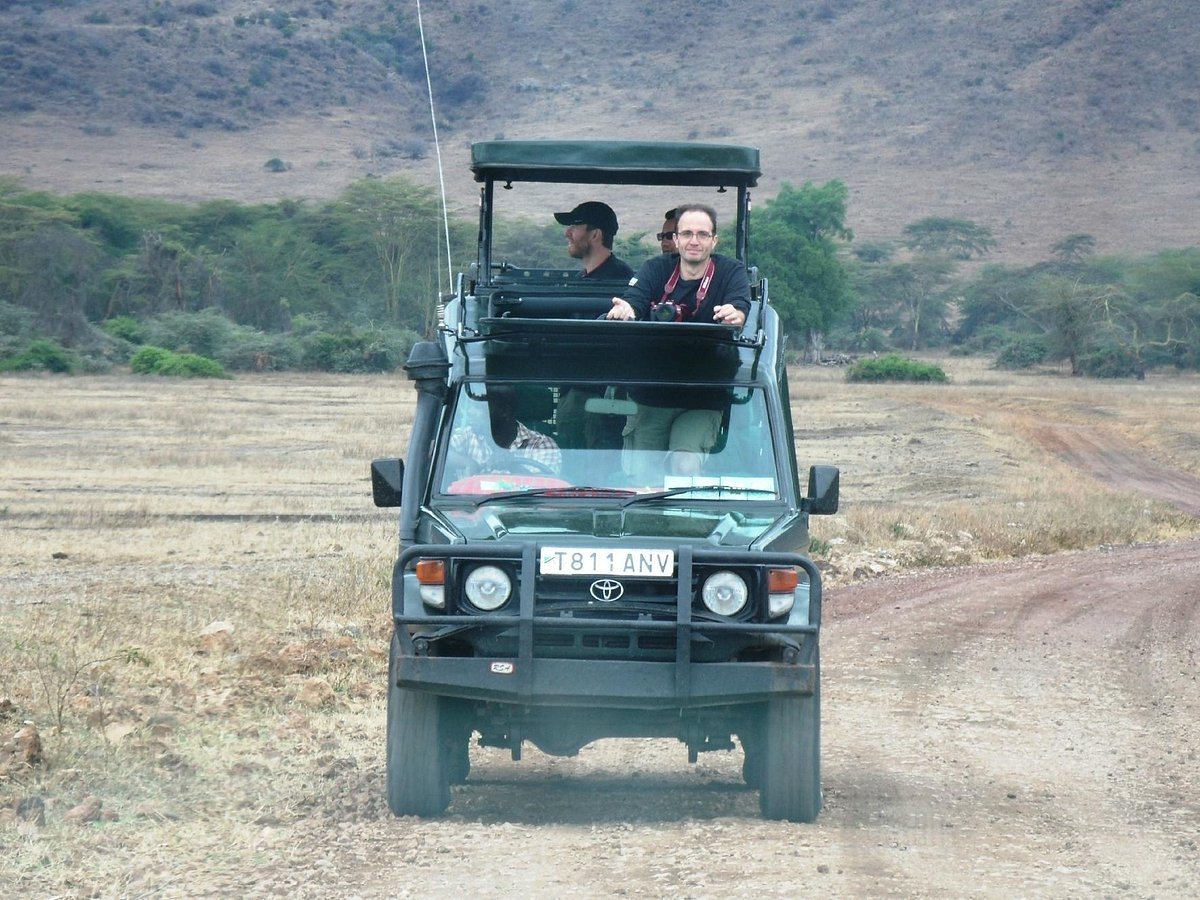

Planning Your Family Safari During Tanzania’s School Holidays
Choosing the right Tanzania safari for your family during school holidays requires careful consideration of several factors. School holiday periods, especially the long breaks in July-August and December-January, are popular times for families to travel. This popularity means higher demand, which translates to earlier booking requirements and potentially higher prices. Understanding these dynamics is key to securing the best experience for your 2026-2027 family safari.
The primary goal for a family safari is to balance exciting wildlife encounters with comfort, safety, and activities that engage children. This means selecting parks known for consistent wildlife sightings, choosing accommodation that is family-friendly, and planning an itinerary that isn’t overly taxing for younger travelers. The ‘best’ safari isn’t a single fixed route, but rather a tailored experience that fits your family’s specific needs, interests, and the age range of your children.
When Are Tanzania’s School Holidays?
Understanding when school holidays fall is paramount for planning. In Tanzania, school terms vary slightly, but the main breaks that coincide with international school holiday periods are:
- Mid-July to Early September: This is the longest school holiday and aligns perfectly with the dry season and the peak of the Great Migration in the northern Serengeti. It’s a prime time for wildlife viewing but also the busiest and most expensive period for safaris.
- Mid-December to Mid-January: This holiday period falls during the short rains and calving season in the southern Serengeti. It’s still a fantastic time for wildlife, with fewer crowds than the mid-year break, but the weather can be less predictable.
- April to May: While this is a longer break, it’s also the peak of the rainy season in much of Tanzania. Safaris are possible, but game viewing can be more challenging due to dense vegetation and dispersed animals. It’s generally a budget-friendly option if you can manage the rain.
For families traveling from overseas, you’ll primarily be looking at the July-August and December-January windows. For 2026 and 2027 family safaris, booking at least 9-12 months in advance for the July-August period is highly recommended, and 6-9 months for the December-January break.
Key Considerations for Family Safaris
When planning a Tanzania safari for a family during school holidays, several elements need special attention:
- Age Appropriateness: Safaris can be long days in a vehicle. Consider the stamina and interests of your youngest travelers. Many lodges offer kid-friendly activities or supervised game drives.
- Accommodation Style: Family tents, inter-leading rooms, or lodges with pools can make a big difference. Some camps have age restrictions for certain activities or even for staying overnight.
- Pace of Travel: Rushing between parks can be exhausting. It’s often better to spend more time in fewer locations to allow for relaxation and deeper exploration.
- Wildlife Viewing Focus: While the ‘Big Five’ are a draw, ensure your itinerary offers diverse wildlife viewing, including smaller creatures and birds, which can be equally fascinating for children.
- Safety and Health: Discuss malaria precautions and other health advice with your doctor well in advance. Reputable operators provide bottled water and ensure safe practices at lodges.
The trade-off during school holidays is usually between optimal weather/wildlife viewing (July-August) and lower crowds/prices (December-January, or shoulder seasons if you can manage slightly less predictable weather).
Top Safari Destinations for Families in Tanzania
Tanzania boasts an incredible array of national parks and conservation areas, but some are particularly well-suited for family safaris, especially during peak school holiday times. The focus for families is often on accessibility, consistent game viewing, and variety.
Serengeti National Park: The Classic Choice
No discussion of Tanzanian safaris is complete without mentioning the Serengeti. Its name, derived from the Maasai word ‘Siringet’ meaning ‘endless plains,’ perfectly describes its vast, sweeping landscapes. For families, the Serengeti offers:
- Exceptional Wildlife Density: Home to millions of wildebeest, zebras, and gazelles, as well as lions, leopards, cheetahs, elephants, giraffes, and more.
- The Great Migration: If traveling during the July-August school holidays, witnessing the Great Migration is an unparalleled experience. The spectacle of thousands of animals crossing rivers or grazing on the plains is unforgettable.
- Variety of Habitats: From open grasslands to woodlands and kopjes (rocky outcrops), the Serengeti supports a diverse range of wildlife.
- Family-Friendly Lodges: Many lodges and tented camps within the Serengeti are equipped to welcome families, offering spacious rooms and sometimes dedicated children’s programs.
Planning for the Serengeti during 2026-2027 school holidays:
- July-August: This is when the migration is typically in the northern Serengeti, often crossing the Mara River. This is the ‘must-see’ period for many, but requires booking accommodations and internal flights at least 10-12 months in advance.
- December-January: The migration moves to the southern Serengeti for the calving season. This offers incredible predator action as the newborns are vulnerable. It’s a good alternative if you can’t make the mid-year break, with slightly fewer crowds.
Trade-offs: The Serengeti is vast. To maximize game viewing during a shorter family holiday, focusing on a specific region (e.g., Central Serengeti for resident game year-round, or Northern Serengeti for the migration in July/August) is often best.
Ngorongoro Conservation Area: The ‘Eighth Wonder’
The Ngorongoro Crater is a UNESCO World Heritage Site and a truly unique ecosystem. Its caldera walls enclose a rich diversity of wildlife, making it a fantastic destination for families seeking concentrated game viewing.
- High Wildlife Concentration: The crater floor is home to an estimated 25,000 large animals, including a high density of predators like lions, hyenas, and jackals. It’s also one of the best places in Tanzania to spot the endangered black rhinoceros.
- Accessibility: The drive down into the crater is relatively short, and game viewing is excellent throughout the day. This is ideal for families with younger children who may have shorter attention spans.
- Scenery: The sheer scale and beauty of the crater are impressive. The views from the rim are spectacular, and the diverse habitats within offer a rich mix of life.
- Maasai Culture: The surrounding Ngorongoro Conservation Area is home to Maasai communities, offering opportunities for cultural visits that can be educational for children.
Planning for Ngorongoro during 2026-2027 school holidays:
- Year-round viewing: Unlike some migration-dependent areas, the Ngorongoro Crater offers excellent game viewing throughout the year.
- Crater floor access: Access to the crater floor is strictly controlled, with a limit on the number of vehicles. Book your permits and game drives well in advance, especially for peak school holiday dates.
- Accommodation: Options range from lodges on the crater rim (offering stunning views but often at a premium) to lodges and tented camps in the wider conservation area.
Trade-offs: Due to conservation regulations, time spent on the crater floor is limited, and off-road driving is prohibited. This means game viewing is more structured but highly rewarding.
Tarangire National Park: The Land of Giants
Tarangire is often visited in conjunction with the Serengeti and Ngorongoro as part of the Northern Circuit. It’s particularly renowned for its large elephant herds and iconic baobab trees.
- Elephant Spectacle: During the dry season (June-October), Tarangire becomes a haven for elephants, with massive herds gathering around the Tarangire River. This is a fantastic sight for all ages.
- Baobab Trees: The park’s landscape is dotted with ancient, majestic baobab trees, which are fascinating to observe and provide a unique photographic backdrop.
- Birdlife: Tarangire is a paradise for birdwatchers, with over 550 species recorded.
- Less Crowded: While popular, it’s often less crowded than the Serengeti or Ngorongoro, offering a more relaxed safari experience.
Planning for Tarangire during 2026-2027 school holidays:
- Dry Season (June-October): This is the prime time to visit Tarangire, especially for elephant viewing. It aligns well with the July-August school holidays.
- Accommodation: Several lodges and tented camps are situated within or on the borders of the park, offering varying levels of comfort and family-friendliness.
Trade-offs: While excellent for elephants and general game viewing, Tarangire is not as famous for big cats as the Serengeti or Ngorongoro, though sightings are still frequent.
Lake Manyara National Park: Tree-Climbing Lions and More
Lake Manyara is a smaller park, but it packs a punch with its diverse ecosystems and iconic wildlife, including the famed tree-climbing lions.
- Tree-Climbing Lions: While not guaranteed, spotting these elusive lions resting in the acacia trees is a memorable experience.
- Flocks of Flamingos: The alkaline lake attracts thousands of flamingos, creating a stunning pink spectacle, especially during certain times of the year.
- Diverse Habitats: From the lake shore to groundwater forests and acacia woodlands, the park supports a surprising variety of animals, including elephants, giraffes, hippos, and numerous primate species like baboons and vervet monkeys.
- Accessibility: Its proximity to Arusha makes it a good starting point for a safari or a shorter day trip.
Planning for Lake Manyara during 2026-2027 school holidays:
- Year-round viewing: Game viewing is good throughout the year.
- Combination trips: It’s often combined with Tarangire and Ngorongoro for a comprehensive Northern Circuit experience.
Trade-offs: Being a smaller park, it can feel more crowded than larger reserves, especially during peak seasons.
Structuring Your Family Safari Itinerary
The structure of your family’s safari itinerary is critical for enjoyment and logistics, especially when traveling during busy school holiday periods in 2026 or 2027. The aim is to minimize travel time between locations while maximizing wildlife viewing and family comfort.
Typical Family Safari Durations
For families, especially those with younger children, a safari of 5 to 8 days is often ideal. This allows for exploration of 2-3 key locations without feeling rushed.
- 5-Day Safari: Focus on 2 locations, e.g., Ngorongoro Crater & Tarangire, or a condensed Serengeti experience.
- 7-Day Safari: Allows for 3 locations, such as Tarangire, Ngorongoro, and a brief Serengeti stint, or a more in-depth exploration of two parks.
- 10+ Day Safari: For families with more time and older children, this can incorporate more remote areas or a combination of safari and Zanzibar.
Sample Itinerary Frameworks for School Holidays
Here are a couple of popular frameworks for family safaris during peak school holiday times like July-August or December-January, keeping in mind the need for early booking for 2026-2027.
Option 1: The Classic Northern Circuit (7 Days)
This is a well-trodden path that offers incredible diversity and is logistically straightforward.
- Day 1: Arrival in Arusha – Arrive at Kilimanjaro International Airport (JRO), transfer to your lodge in Arusha. Relax and prepare.
- Day 2: Tarangire National Park – Drive to Tarangire, known for its large elephant herds and baobab trees. Afternoon game drive. Overnight in Tarangire.
- Day 3: Ngorongoro Conservation Area – Morning game drive in Tarangire, then drive to the Ngorongoro Conservation Area. Overnight on the crater rim or nearby.
- Day 4: Ngorongoro Crater Tour – Descend into the crater for a full-day game drive. Incredible wildlife viewing opportunities.
- Day 5: Serengeti National Park (Central) – Drive to the Serengeti, stopping at Olduvai Gorge if time permits. Afternoon game drive in the Seronera area (central Serengeti), known for resident game. Overnight in Central Serengeti.
- Day 6: Serengeti National Park – Full day game drive in the Serengeti, exploring different areas or focusing on specific wildlife interests.
- Day 7: Departure – Morning game drive en route to a local airstrip for a flight back to Arusha, connecting to JRO for your international departure.
Best for: Families seeking a comprehensive introduction to Tanzania’s iconic wildlife and landscapes. This itinerary is excellent for the July-August 2026/2027 holidays if migration viewing is a priority (though the Serengeti portion might need adjustment for river crossings). December-January is also good, focusing on southern Serengeti calving season.
Option 2: Crater & Migration Focus (6 Days)
This itinerary prioritizes the Ngorongoro Crater and the Great Migration in the Serengeti, ideal for families with limited time but high wildlife expectations.
- Day 1: Arrival in Arusha – Transfer to your lodge.
- Day 2: Ngorongoro Crater Tour – Drive to Ngorongoro and descend into the crater for a full day’s game drive. Overnight near the crater.
- Day 3: Travel to Serengeti & Game Drive – Drive to the Serengeti, focusing on the northern sector if it’s July-August, or the central/southern if December-January. Afternoon game drive. Overnight in Serengeti.
- Day 4: Serengeti Exploration – Full day game drive in the Serengeti, potentially tracking the migration or seeking out specific animals.
- Day 5: Serengeti & Fly to Arusha – Morning game drive, then transfer to a local airstrip for a flight back to Arusha. Overnight in Arusha.
- Day 6: Departure – Transfer to JRO for your flight home.
Best for: Families prioritizing the iconic Ngorongoro Crater and the spectacle of the Great Migration. This is a fast-paced itinerary, best suited for families with older children or those who prefer more time in prime wildlife areas.
Customizing for Your Family
The beauty of planning a family safari during school holidays with a local operator like Climb 4 Africa is the ability to customize. Consider these modifications:
- Pacing: Add an extra day in the Serengeti or Ngorongoro to allow for a more relaxed pace, perhaps a bush walk (if age-appropriate and available), or simply more downtime.
- Interests: If your children are fascinated by big cats, focus more time in areas known for lion and cheetah sightings. If elephants are the draw, Tarangire is a must.
- Accommodation: Swap standard lodges for tented camps that offer a more adventurous feel but still provide comfort and safety.
- Activities: Some camps offer cultural visits to Maasai villages, bush breakfasts, or sundowners, which can be engaging for older children.
When booking your 2026 or 2027 family safari, discuss these customization options openly with your tour operator.
Choosing the Right Accommodation for Families
Accommodation is a crucial element of any safari, but for families traveling during school holidays, it takes on even greater importance. Comfort, safety, and amenities that cater to children can make or break the experience.
Types of Family-Friendly Accommodation
Tanzania offers a range of lodging options, each with its own appeal for families:
- Family Lodges/Camps: These are specifically designed with families in mind. They often feature:
- Family Suites or Inter-leading Rooms: Providing separate sleeping areas for parents and children while maintaining proximity.
- Children’s Menus: Offering familiar and appealing food options.
- Kid-Friendly Activities: Such as nature walks with guides, storytelling, or craft activities.
- Swimming Pools: A welcome respite from the heat and a great way for kids to burn energy.
- Babysitting Services: Allowing parents some downtime.
- Tented Camps: Many luxury and mid-range tented camps offer spacious canvas tents with en-suite bathrooms. For families, these can provide a thrilling ‘glamping’ experience. Some camps offer larger family tents or can set up extra beds. The proximity to nature is exhilarating, but ensure the camp has robust safety measures.
- Standard Lodges: Even standard lodges can be family-friendly. Look for those offering double rooms or triple rooms, and inquire about the possibility of adding extra beds. Proximity to activities or amenities like a pool is a plus.
Factors to Consider When Booking Family Accommodation
When evaluating accommodation for your 2026-2027 family safari:
- Age Restrictions: Some luxury camps have minimum age requirements (e.g., 8 or 12 years) due to safety concerns (proximity to wildlife, walking safaris). Always check this beforehand.
- Room Configuration: Ensure the room setup meets your family’s needs for space and privacy.
- Meals: Are meals included? Are there options for children? Do they cater to dietary restrictions?
- Location: Is the lodge conveniently located for game drives? Does it offer good views or access to specific wildlife areas? Lodges on the Ngorongoro Crater rim, for example, offer spectacular views but come at a premium.
- Safety: This is paramount. Reputable lodges have trained staff, secure perimeters, and clear safety protocols for guests, especially children.
Booking Tip: When you inquire about your best Tanzania safari for a family during school holidays with Climb 4 Africa, be very specific about the ages of your children and your accommodation preferences. This allows us to recommend lodges that are a perfect fit.
Accommodation for the Great Migration (2026-2027)
If your primary goal is to witness the Great Migration during the July-August school holidays, accommodation in the northern Serengeti (Kogatende, Lamai) is highly sought after. These camps are often seasonal and book up 12-18 months in advance. For December-January, lodges in the southern Serengeti (Ndutu) are ideal for the calving season. Early booking for these specific areas for 2026 and 2027 is non-negotiable.
Practicalities for Traveling with Children
Traveling with children adds an extra layer of planning to any trip, and a safari is no exception. Being prepared ensures a smoother and more enjoyable experience for everyone.
Health and Safety
Consult your doctor or a travel clinic 4-6 weeks before your trip regarding:
- Malaria Prevention: Tanzania is a malaria-risk area. Discuss appropriate antimalarial medication for adults and children, considering their age and weight.
- Vaccinations: Ensure all routine vaccinations are up-to-date. Your doctor may recommend others, such as Hepatitis A, Typhoid, or Yellow Fever (if arriving from a country with risk).
- First-Aid Kit: Pack a comprehensive kit including child-friendly pain relievers, antiseptic wipes, bandages, motion sickness medication, and any personal prescriptions.
- Sun Protection: High SPF sunscreen, wide-brimmed hats, and sunglasses are essential.
- Insect Repellent: Use repellent containing DEET or Picaridin, especially for evenings.
What to Pack for Kids
Pack light, breathable clothing in neutral colors (khaki, beige, green) for game drives. Avoid bright colors and black/dark blue, which can attract tsetse flies.
- Clothing: Long-sleeved shirts and trousers for sun and insect protection, t-shirts, shorts, a warm fleece or jacket for cool mornings/evenings, and comfortable walking shoes.
- Binoculars: Essential for spotting wildlife. Consider child-sized binoculars.
- Books and Games: To keep children entertained during downtime or long drives.
- Camera: Let kids capture their own memories. Simple digital cameras or even rugged phone cameras work well.
- Comfort Items: A favorite stuffed animal or blanket can provide comfort.
- Snacks: While lodges provide meals, having a few familiar snacks can be a lifesaver.
Managing Game Drives with Children
Game drives are the heart of the safari experience, but they can be challenging with young children. Here are some tips:
- Keep them Short and Sweet: Early morning and late afternoon drives are usually best for wildlife activity and when children are most alert.
- Involve Them: Give children binoculars, a checklist of animals to spot, or a ‘safari journal’ to draw in.
- Breaks are Key: Factor in opportunities for children to stretch their legs and have a snack or drink. Many lodges offer picnic lunches in scenic spots.
- Safety First: Always brief children on safari rules: stay seated, keep hands inside the vehicle, do not shout or make sudden movements.
- Flexibility: Be prepared to cut a drive short if a child is becoming restless or uncomfortable. A happy child makes for a happy family safari.
Connectivity and Downtime
While many lodges offer Wi-Fi, it can be spotty, especially in remote areas. Embrace the opportunity for children to disconnect and engage with nature. However, having a few downloaded movies or games on a tablet can be a lifesaver for quiet evenings or unexpected downpours.
When to Book Your 2026-2027 Family Safari
Booking your best Tanzania safari for a family during school holidays requires strategic timing, especially for the popular 2026 and 2027 dates.
- Peak Season (July-August, December-January): For these periods, especially if you aim for specific lodges or locations like the northern Serengeti during the migration, you should aim to book 9-12 months in advance. For the 2026 July-August holidays, this means starting your research and booking process in mid-to-late 2025. For 2027, start in mid-to-late 2026.
- Shoulder Seasons (e.g., February-March, June, September-October): If your school holidays align with these times, or if you have more flexibility, booking 6-8 months in advance is generally sufficient. These periods can offer a good balance of wildlife viewing and fewer crowds.
- Off-Season (April-May): This is the peak of the rainy season. While it’s the most budget-friendly time, fewer families opt for safaris then. Booking 4-6 months in advance is usually fine.
Why Book Early?
- Availability: Popular family-friendly lodges and specific camps catering to the Great Migration fill up quickly.
- Best Rates: Early booking can sometimes secure better rates, though prices tend to be highest during peak school holiday periods regardless.
- Customization: More time allows for detailed itinerary planning and personalization to suit your family’s needs.
- Peace of Mind: Knowing your safari is confirmed well in advance reduces stress.
Understanding Safari Costs for 2026-2027
The cost of a family safari during school holidays in Tanzania can vary significantly based on accommodation level, safari duration, transportation (private vehicle vs. shared, flights), and time of year. Expect mid-range to luxury pricing for peak school holiday dates. A 7-day family safari in the Northern Circuit during July-August 2026 or 2027, staying in comfortable mid-range lodges, could range from approximately $3,500 to $6,000+ per person. This typically includes accommodation, most meals, park fees, game drives in a 4×4 vehicle, and a driver-guide. International flights, visas, tips, and personal expenses are usually extra. Luxury options can significantly increase this figure. For budget-conscious travel during these popular times, consider shared group departures or slightly less exclusive accommodation, but always prioritize safety and family suitability.
Choosing the Right Tour Operator
Selecting a reputable tour operator is crucial for a successful family safari during school holidays. For a personalized and well-supported experience in 2026-2027, consider working with local experts.
Why a Local Operator Matters
Local operators like Climb 4 Africa have unparalleled knowledge of Tanzania’s parks, lodges, and logistical nuances. They can offer:
- In-depth Local Knowledge: Understanding the best times to visit specific areas, the most family-friendly lodges, and reliable guides.
- Flexibility and Customization: Tailoring itineraries to your family’s specific needs and interests.
- Practical Support: Providing on-the-ground assistance during your trip.
- Value for Money: Often able to secure better rates for accommodation and services than international agents.
What to Look For in a Family Safari Operator
- Experience with Families: Do they have specific family safari packages or a track record of organizing successful trips for families with children of similar ages to yours?
- Reputation: Check reviews and testimonials (e.g., on TripAdvisor) for feedback on their service, guides, and reliability.
- Communication: Are they responsive to your inquiries? Do they clearly explain inclusions, exclusions, and payment terms?
- Safety Standards: Do they adhere to high safety protocols for vehicles, guides, and accommodation recommendations?
When planning your best Tanzania safari for a family during school holidays for 2026 or 2027, reaching out to Climb 4 Africa is a great first step. We specialize in creating bespoke safari experiences and understand the unique requirements of family travel. You can connect with us via WhatsApp at +255 747 477 898 or email us at climb4africa@gmail.com to discuss your ideal itinerary.
Your Family Safari Planning Checklist for 2026-2027
- Define Dates: Confirm exact school holiday dates for 2026/2027.
- Set Budget: Determine your overall budget per person or for the family.
- Identify Priorities: What are your family’s ‘must-see’ animals or experiences? (e.g., Migration, Big Five, birdlife).
- Choose Parks: Select 2-3 key parks based on family suitability and interests.
- Determine Duration: Decide on the ideal safari length (5-8 days is often best for families).
- Research Accommodation: Look for family-friendly lodges or camps.
- Consult Doctor: Discuss health precautions and vaccinations.
- Pack Appropriately: Prepare a detailed packing list, including child-specific items.
- Book Early: Secure your safari, accommodation, and internal flights well in advance, especially for peak school holidays.
- Confirm Inclusions: Understand what is covered in your safari package (park fees, guides, meals, accommodation, transfers).
Beyond the Northern Circuit: Alternative Family Options
While the Northern Circuit (Serengeti, Ngorongoro, Tarangire, Manyara) is the most popular and arguably the best for a first-time family safari during school holidays, Tanzania offers other incredible regions that might suit specific interests or if you’re seeking a less crowded experience.
Ruaha National Park: For the Adventurous Family
Located in southern Tanzania, Ruaha is the country’s largest national park and offers a wilder, more remote safari experience. It’s fantastic for families with older children who appreciate a sense of discovery.
- Wildlife: Ruaha is renowned for its large elephant populations, incredible lion prides (some of the largest in Africa), and a high concentration of predators. It’s also a good place to spot wild dogs.
- Less Crowded: You’re likely to have vast areas of the park almost to yourselves, offering a more intimate wildlife encounter.
- Walking Safaris: Ruaha is one of the few parks where guided walking safaris are permitted, offering a different perspective on the bush. This is generally for older children (12+).
Consider Ruaha if: You’ve done a Northern Circuit safari before, or your family seeks a truly wild and less touristy experience during the 2026-2027 school holidays. Access is typically via a domestic flight from Dar es Salaam or Arusha.
Trade-offs: Logistically more complex and expensive to reach than the Northern Circuit. Game viewing might be more challenging due to the sheer size and density of the bush.
Selous Game Reserve (Nyerere National Park): River Safaris
The Selous, now officially Nyerere National Park, is one of Africa’s largest game reserves. It offers a unique blend of safari experiences, particularly its boat safaris on the Rufiji River.
- River Safaris: Boat trips offer excellent opportunities to see hippos, crocodiles, and a wealth of birdlife, as well as elephants and other animals coming to drink.
- Diverse Habitats: From miombo woodlands to the Rufiji River basin, the park supports a wide array of wildlife, including elephants, buffalos, lions, and wild dogs.
- Space: Like Ruaha, it’s vast and offers a sense of remoteness.
Consider Selous if: Your family enjoys water-based activities and wants a different safari dynamic. It’s often combined with Zanzibar for a beach and bush experience.
Trade-offs: While predator sightings are good, they might not be as consistent as in the Serengeti. Access is usually by flight from Dar es Salaam or Arusha.
Making the Most of Your Family Safari Experience
To ensure your best Tanzania safari for a family during school holidays is truly memorable, focus on creating a sense of wonder and shared experience.
- Engage Children in Planning: Let them help choose parks to visit or animals they’d like to see.
- Encourage Observation: Ask them what they notice, what sounds they hear, what they smell.
- Learn Together: Read up on the animals you might see beforehand. Download a wildlife identification app.
- Embrace Downtime: Safari days can be intense. Ensure there’s time for relaxation, swimming, or simply enjoying the lodge surroundings.
- Capture Memories: Encourage journaling, sketching, or photography. These activities deepen engagement.
Planning a family safari for 2026 or 2027 is an investment in shared memories. By choosing the right destinations, accommodations, and timing, you can create an adventure that your family will cherish for years to come. For expert guidance tailored to your family’s needs, contact Climb 4 Africa. We can help craft the perfect itinerary, ensuring all the details are covered for a stress-free and unforgettable experience. Reach out via WhatsApp at +255 747 477 898 or email us at climb4africa@gmail.com to start planning.
Check Availability for Best Tanzania Safari For Families During School Holidays: Expert Guide
Ready to compare dates, prices, and the best option for your group? Send the package name and travel month so the team can reply with a clear quote, availability, and what is included.
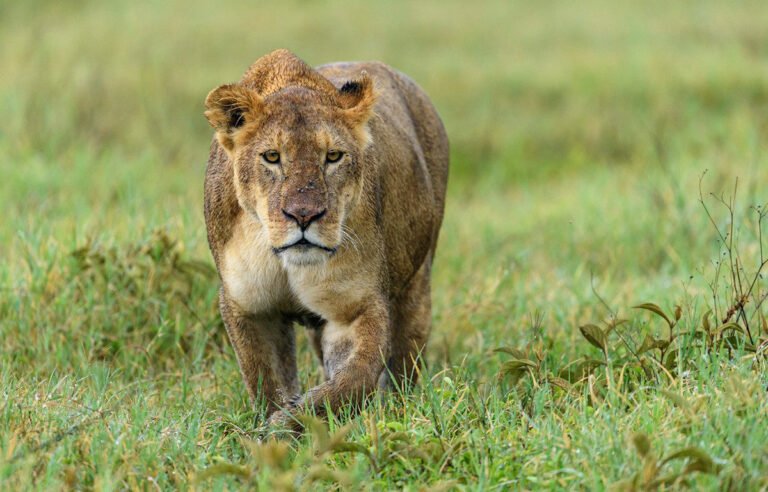
Dec 20, – 10 Day Complete Tanzania Group Joining Safari
Dec 20, 2026 – 10 Day Complete Tanzania Group Joining Safari.
View package details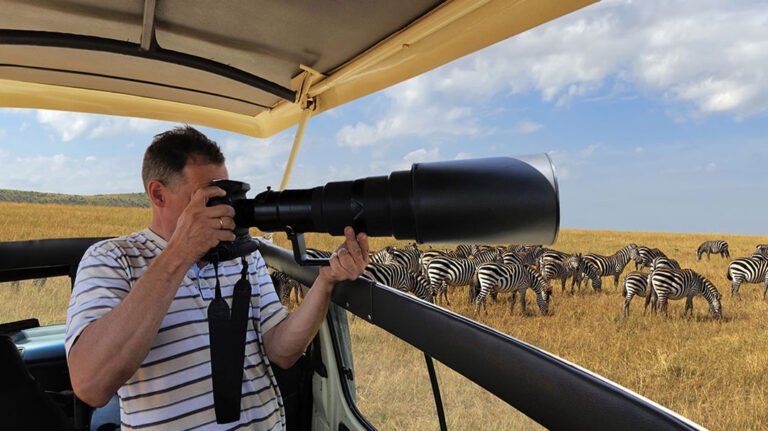
How Early Should I Book A Nov Or Dec Tanzania Group Safari?
How Early Should I Book a Nov or Dec Tanzania Group Safari?
View package details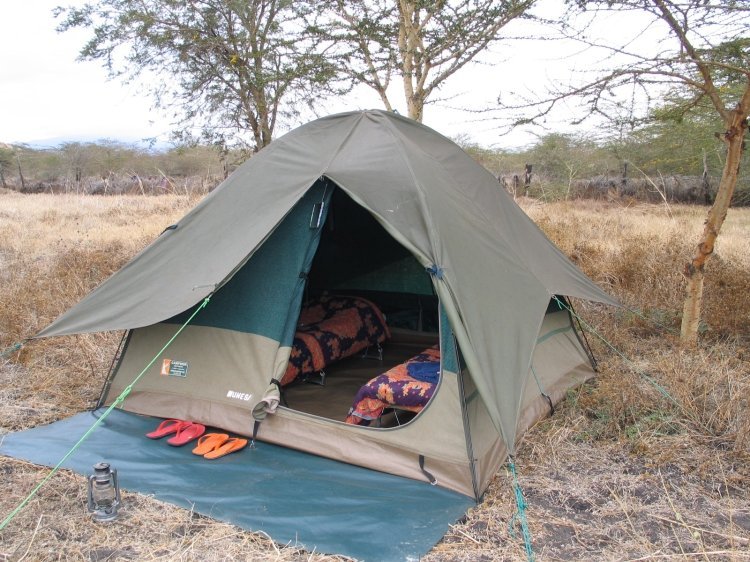
Can I Pay A Deposit To Reserve A Tanzania Group Safari?
Can I Pay a Deposit to Reserve a Tanzania Group Safari?
View package details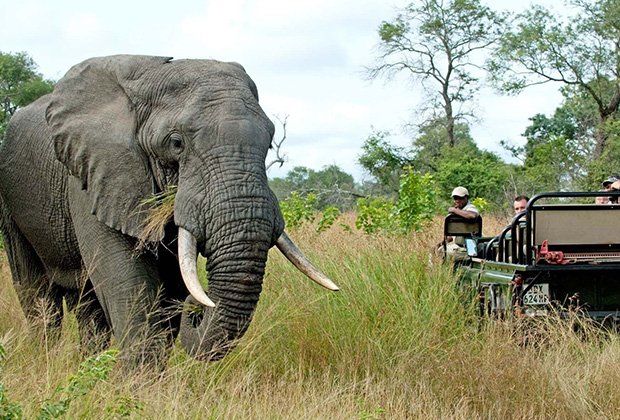
I Am On A Budget—What Is The Cheapest Serengeti Group Safari?
I Am on a Budget—What Is the Cheapest Serengeti Group Safari?
View package details
Dec 30, – 7 Day New Year Tanzania Group Joining Safari 2026
A complete guide to our 7-day group joining safari for the 2026/2027 New Year season, covering the Northern Circuit, wildlife expectations, and how to secure your spot.
View package details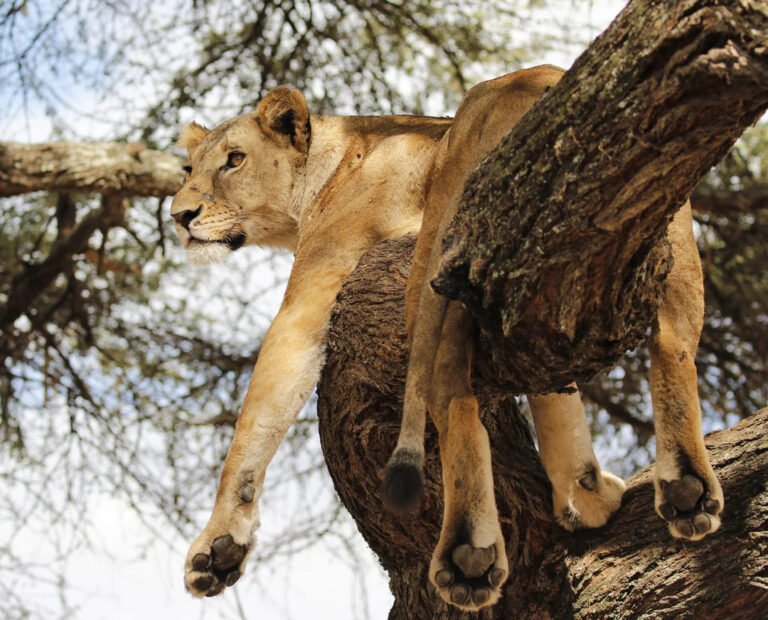
Dec 25, – 5 Day Christmas Tanzania Group Joining Safari 2026
Celebrate Christmas in the heart of the Tanzanian wilderness. Join our 5-day group safari departing December 25, 2026, and experience the iconic Northern Circuit.
View package details
Dec 18, – 9 Day Tanzania Wildlife And Cultural Group Safari 2026
A deep look at our 9-day wildlife and cultural group safari departing December 18, 2026. This trip balances classic Northern Circuit game viewing with genuine cultural engagement.
View package detailsDec 14, – 7 Day Complete Tanzania Northern Circuit Group Safari 2026
Planning for December 2026? Join our 7-day complete Tanzania Northern Circuit group safari. A deep look at the Serengeti, Ngorongoro, and Tarangire with expert, locally-led logistics.
View package detailsDec 10, – 5 Day Northern Tanzania Group Joining Safari 2026
A detailed guide to our 5-day Northern Tanzania group joining safari scheduled for December 10, 2026. Learn about the route, group logistics, and how to book your spot.
View package detailsNov 27, – Black Friday Tanzania Group Safari Deals 2026
Discover why group joining safaris are the best way to secure value for your 2027 Tanzania adventure, plus expert advice on route planning and booking.
View package detailsNov 20, – 8 Day Complete Northern Tanzania Group Safari: Planning Your Trip
A comprehensive guide to the 8-day Northern Tanzania group safari departing November 20, 2026, covering logistics, route advantages, and planning essentials.
View package detailsNov 16, – 6 Day Tanzania Northern Circuit Group Safari 2026
Planning for November 2026? Join our 6-day group safari covering Tanzania's premier Northern Circuit parks. Expert-led, social, and cost-effective wildlife viewing.
View package detailsNo related package matches those filters. Clear one or more filters to see the other topic-matched options.